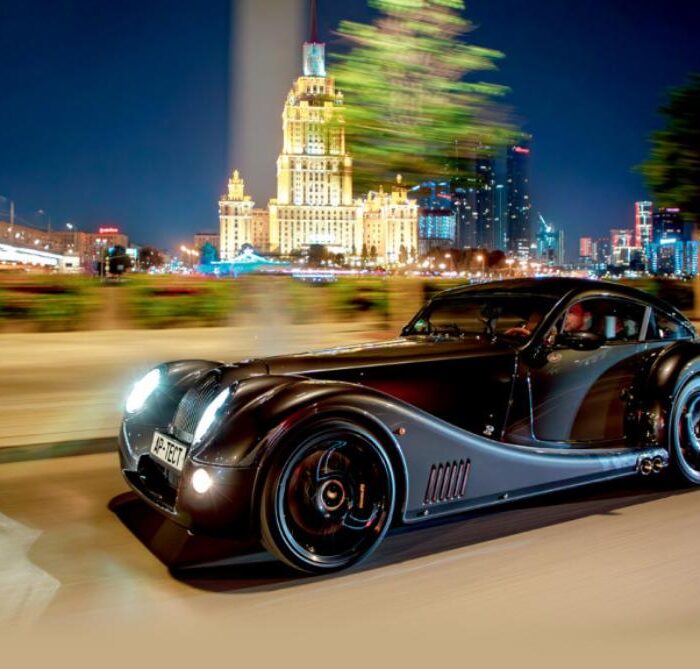
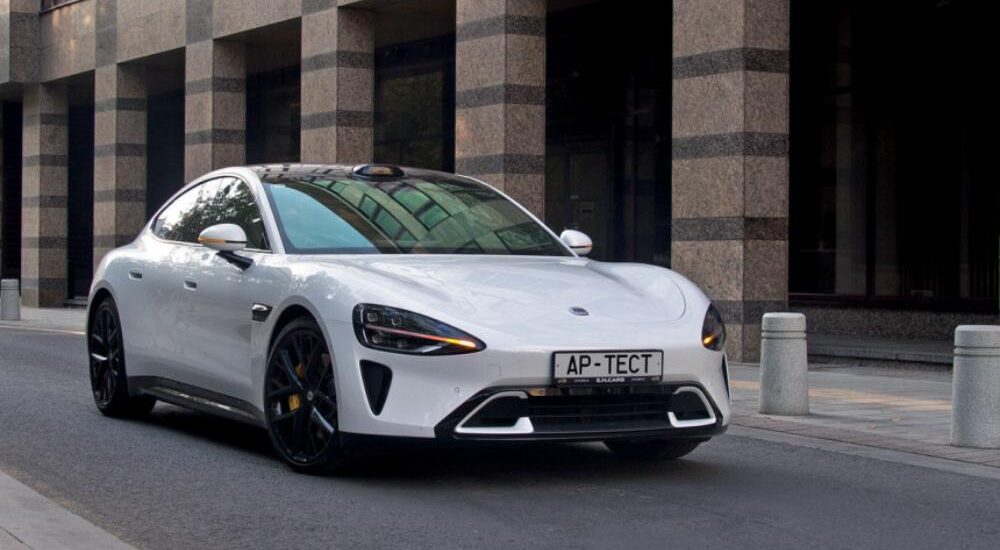

A jolt. Sharp as a boxer’s hook. Merciless and silent, like a ninja strike. What was that? The acceleration of the Xiaomi SU7 Max super electric sedan in Sport+ mode.
Just three years from scratch to full production — how do you like that, Elon Musk? After all, these are your ideas. Your technologies.
The Cobbler and the Pastry Cook
Ivan Krylov, the Russian fabulist, once wrote: “It’s trouble when the cobbler bakes pies, and the pastry cook repairs boots — the work will not go well.” Case in point: the tech giant Apple spent a decade on its electric car and Project Titan fizzled. So what are you doing here, Huawei?
Or wait — sorry — Xiaomi. I still get them mixed up.
Aren’t they supposed to make phones and gadgets? Let them stick to that. Why jump headfirst into the high-risk, low-margin automotive industry? The rats will bite off your tail, like Krylov’s pike that dared to hunt mice in the cat’s granary.
But the glory of Elon Musk clearly gives nobody any peace. So Huawei launched Aito with Seres Group, and Xiaomi went further still, creating a supposedly ground-up, fully original electric sedan.
The Specs Sheet: Meet the Xiaomi SU7 Max
- Model: Xiaomi SU7 Max
- Motor power: 495 kW (664 hp)
- Battery capacity: 101 kWh
- Tires: Pirelli P Zero
- Software: Xiaomi HyperOS 1.1.2
Porschesla, or Teslorsche?
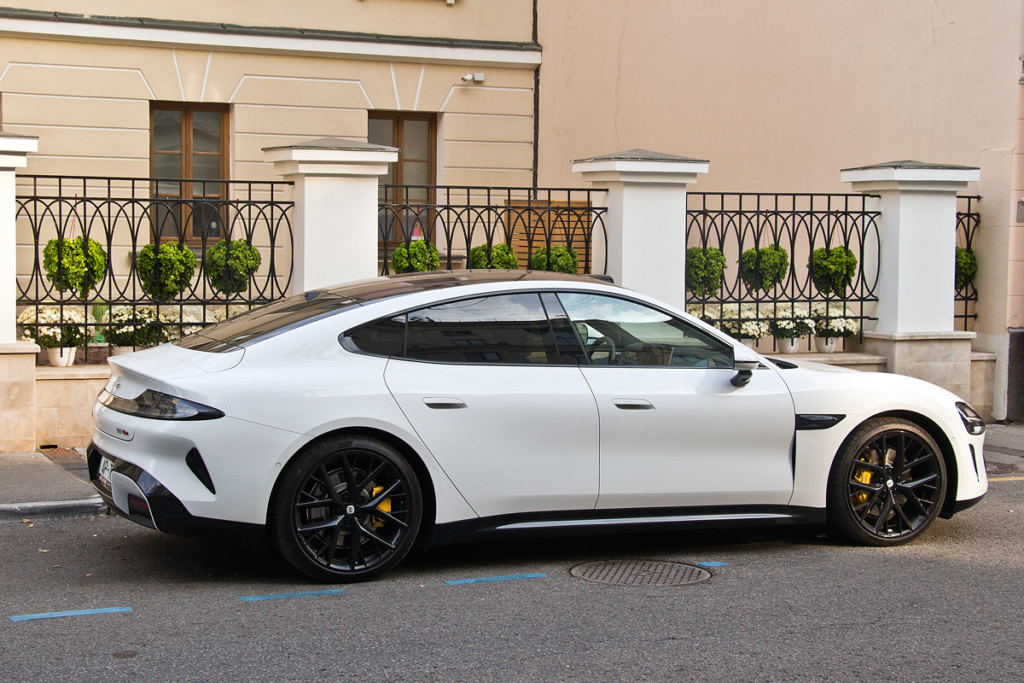
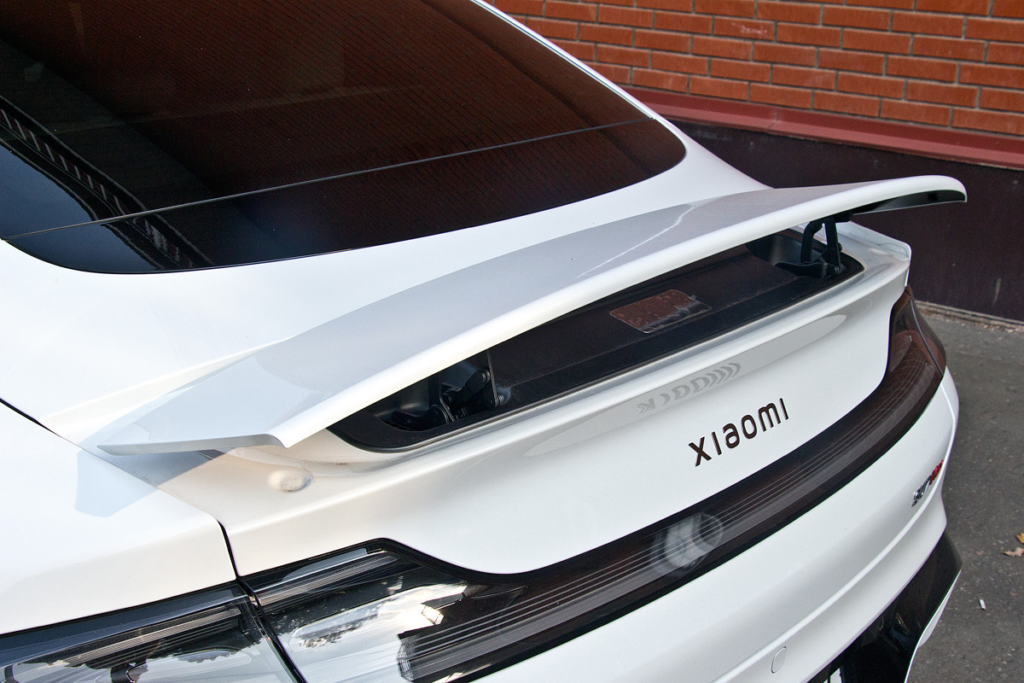
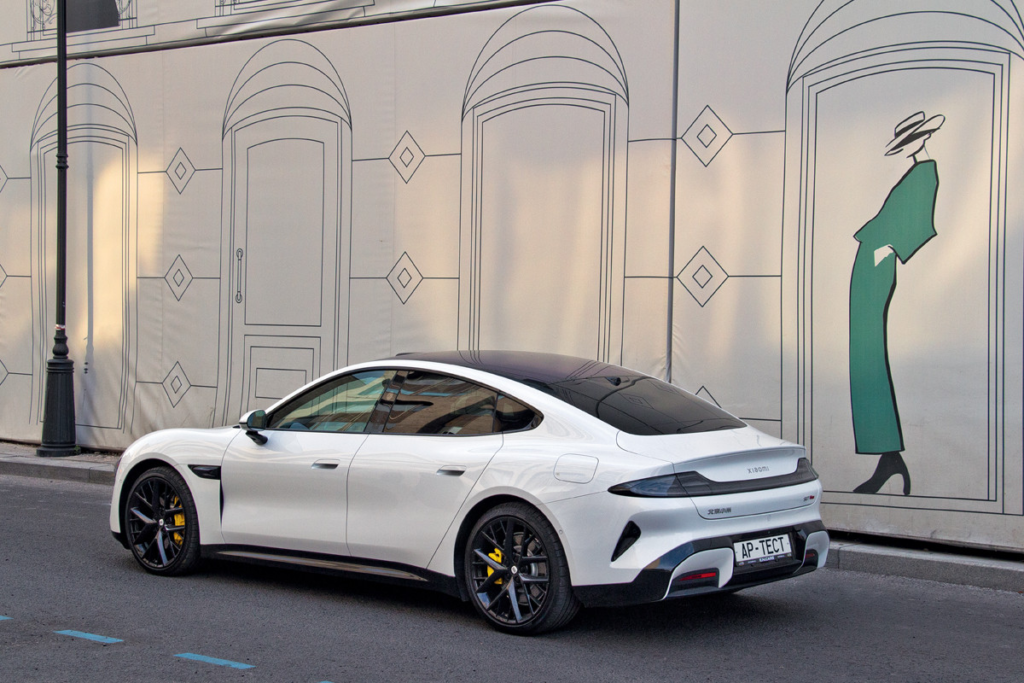
Is this a Porschesla or a Teslorsche? Take a Model S and a Taycan, blend — but don’t shake. The body is streamlined, almost anonymous and yet stylish, with a slippery silhouette (a claimed drag coefficient under 0.2) and a retractable rear wing.
It looks compact but is substantial: a 3-meter wheelbase and an overall length of 5 meters put it in the same class as the current BMW 5 Series. And in China it is priced like a Tesla Model 3 — from around $30,000 for the rear-wheel-drive SU7, topping out at $42,000 for the SU7 Max.
Xiaomi cars are not officially sold outside China — well, not entirely. This particular top-trim SU7 Max was imported into Russia by the Moscow-based company E.N.Cars. Unofficially, of course, which means the interface is in Chinese and there is no navigation.
But What Is There? Insane Acceleration
In Comfort the SU7 Max is calm — 0-100 km/h in about 6.5 seconds. Flip the manettino-style drive selector to Sport, though, and the electronics open the tap. In Sport+ the car delivers instant current to the stator windings with no delay at all. In electronics terms it is all about pulse rise time: the steeper the better, and here the response feels like a perfect square wave. Hit the pedal and it is like being rear-ended by a freight train.
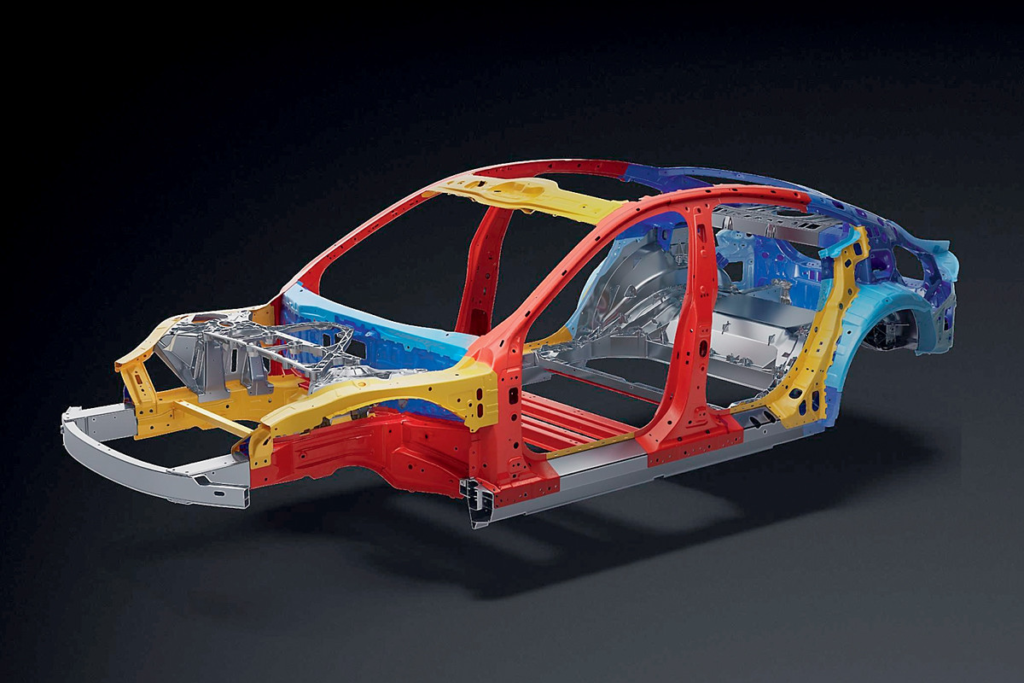
The steel parts are highlighted in color (red – ultra-high-strength), and the thresholds, rear floor module, front crossbar, pillar supports and panel under the rear window are aluminum
The only time I have felt acceleration this inhuman was behind the wheel of a Porsche 918 Spyder about a decade ago. This is insect speed, not mammalian.
The 918 Could Also Stop
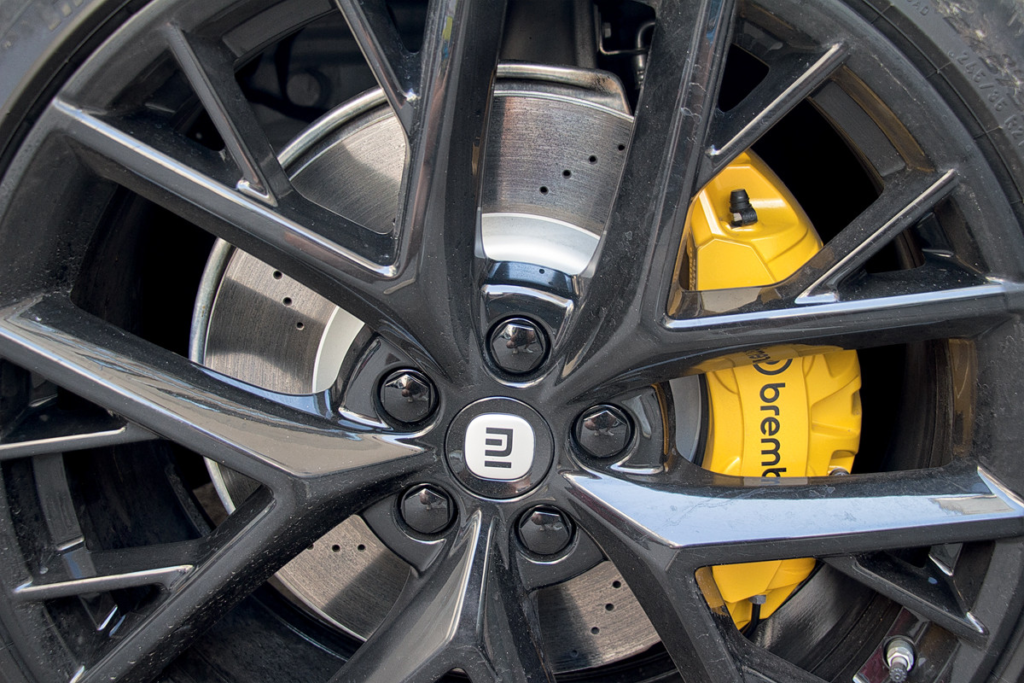
But the 918 could stop to match. The Xiaomi’s braking is more dramatic: it dips forward under load, triggers high-frequency ABS quickly, relaxes, then bites again. Up front there are fixed Brembo calipers with ventilated, perforated discs; at the rear, basic solid rotors with floating calipers.
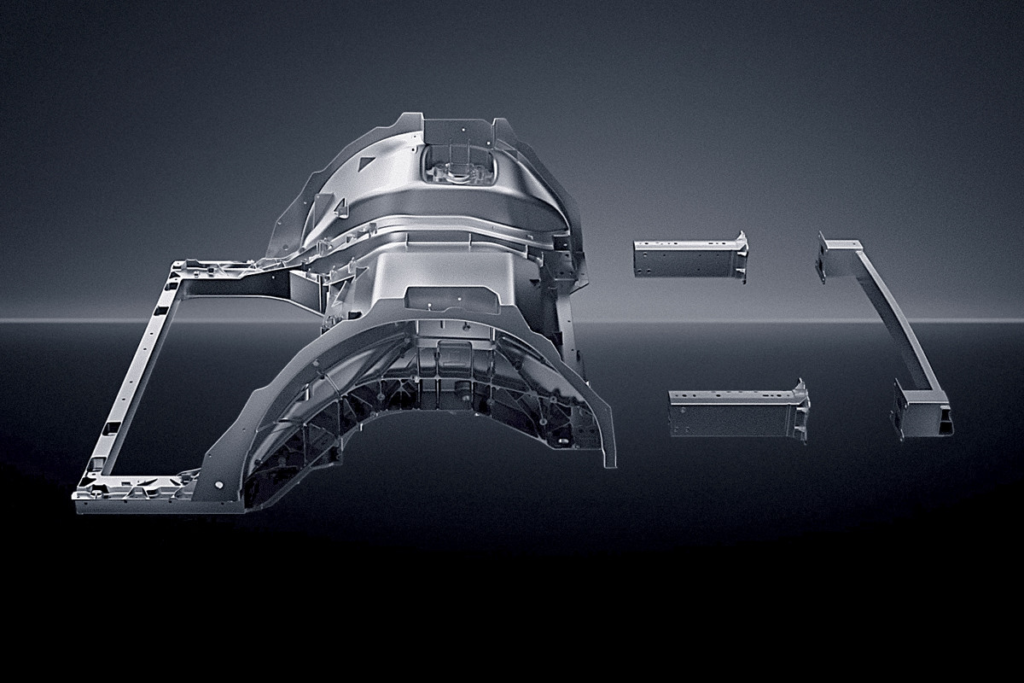
The rear module is manufactured in a single blow by a 9,500-ton press. Programmed deformation during impact is provided by crash boxes and cross beams at the front and rear
And still — the very fact that we are comparing this affordable debutante from a Chinese tech brand with an exclusive Porsche is astounding in itself.
So Who Helped?
Reporters have dug into this. The design team is led by Tianyuan Li, who previously worked on the BMW iX. The SU7’s exterior was penned by James Key, known for the ultra-aerodynamic Mercedes-Benz Vision EQXX concept. Both have real top-tier experience in the industry.
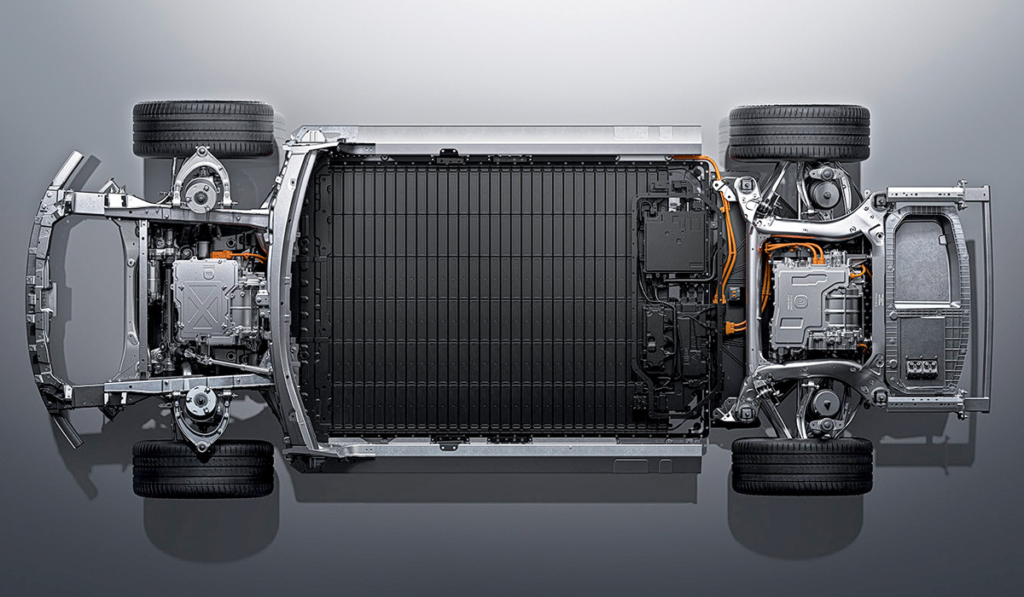
The rear motor, as usual, is more powerful than the front one — 275 and 220 kW, respectively. The axle weight distribution is an ideal 50:50, the suspension kinematics do not allow for roll steering. All that remains is to polish the control software.
And the SU7’s design consultant? None other than the legendary Chris Bangle. In Xiaomi’s promotional video he strolls around the car in yellow sneakers and says: “This is a production car? Great design — really impressive.” Later he tries, clumsily, to drift it on a test track.
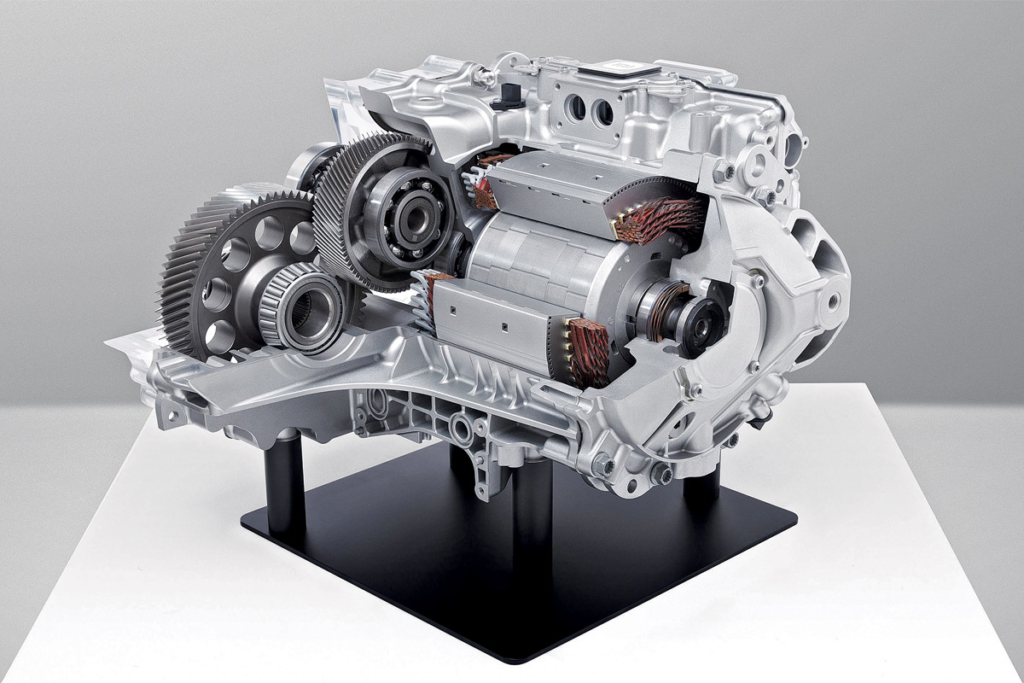
The stator of the synchronous motor is wound with a rectangular copper busbar, the reduction gear is single-stage
A Cabin With Nothing to Pretend About
And you know what? The design is impressive. So is the cabin. Interior quality is excellent: supple door panels, buttons that feel satisfying, precise stitching in the leatherette. The materials do not pretend to be anything they are not — high-quality synthetics, no cows or trees harmed, just oil and gas.
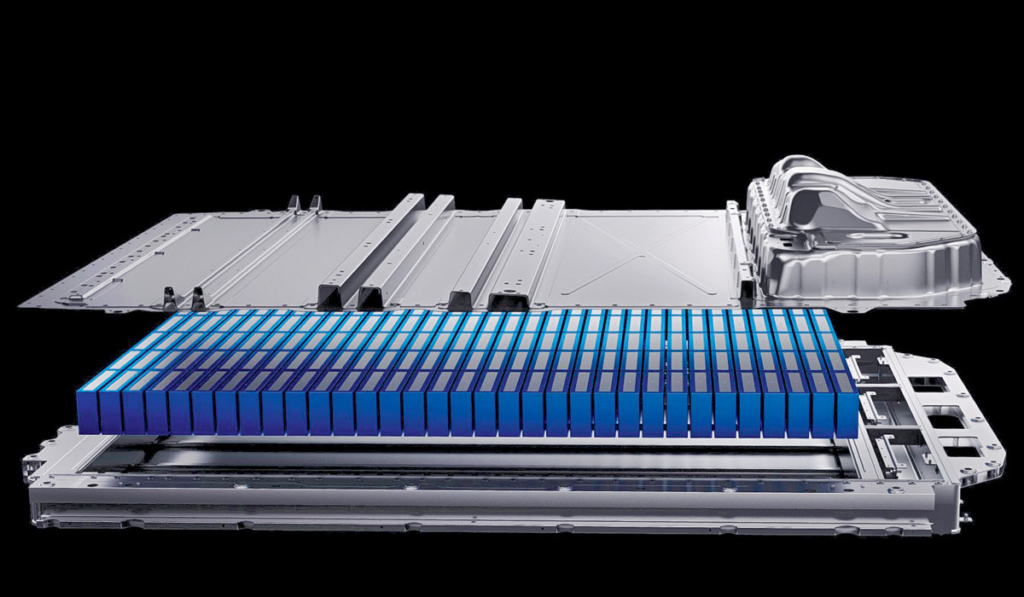
The battery is an inverted CTB (cell-to-body) and is protected by 36 patents: rectangular batteries are included in the power structure of the body and seem to grow from the bottom downwards with safety valves like stalactites. Aerogel for better heat dissipation, more than ten layers of high-voltage protection – the design is safe when heated up to 55˚C
Surprising Ergonomics
It turns out you can get these things right from the start. The door handles are conventional rather than pop-out, despite that ultra-low drag coefficient. The steering wheel feels good, takes a little over two turns lock to lock, and blocks neither screens nor buttons — and the buttons are all physical.
The main screen is within reach. Only the hazard light switch is annoyingly placed on the ceiling, and instead of inner door handles there are awkward electronic buttons.
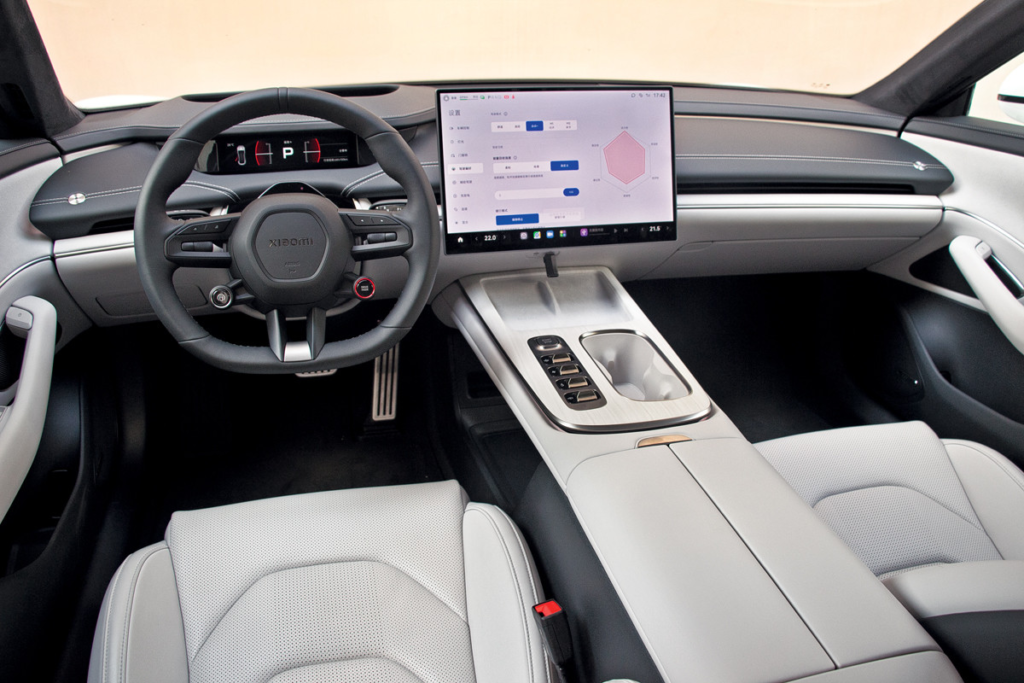
Eco-friendly: stylish, ergonomic, high-quality. Special thanks for the real buttons and drums on the steering wheel
The menu is intuitive, though it took me a while to find the audio and trip computer settings. All that was needed was a downward swipe, smartphone-style, on the relevant screen icons.
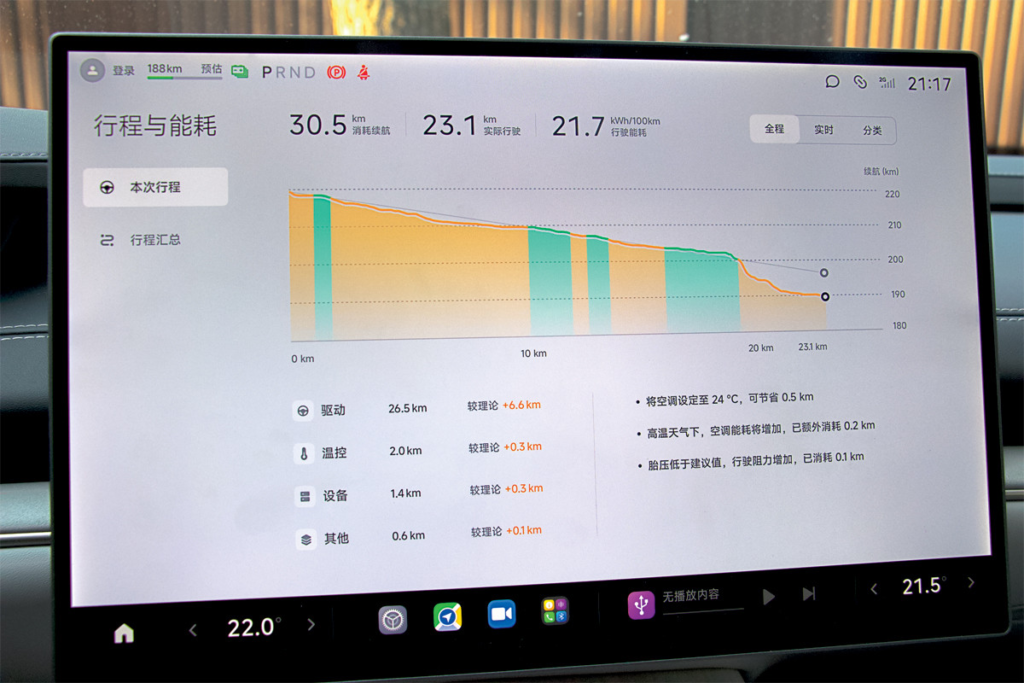
The on-board computer gives a full breakdown of energy consumption: how much was spent on driving, climate control and the rest. On average, it comes out to 21-23 kW h/100 km and a real 400-500 km on a full battery charge
Twenty-Five Speakers, and Too Much Bass
The audio system, proudly badged Xiaomi, really packs a punch — perhaps too much. On rock tracks and heavy pop like Billie Eilish’s “Bad Guy,” the bass rattles the door panels; for jazz and classical it lacks finesse. It does include Dolby Atmos surround processing, feeding 25 speakers through a Qualcomm Snapdragon 8295-powered multimedia system.
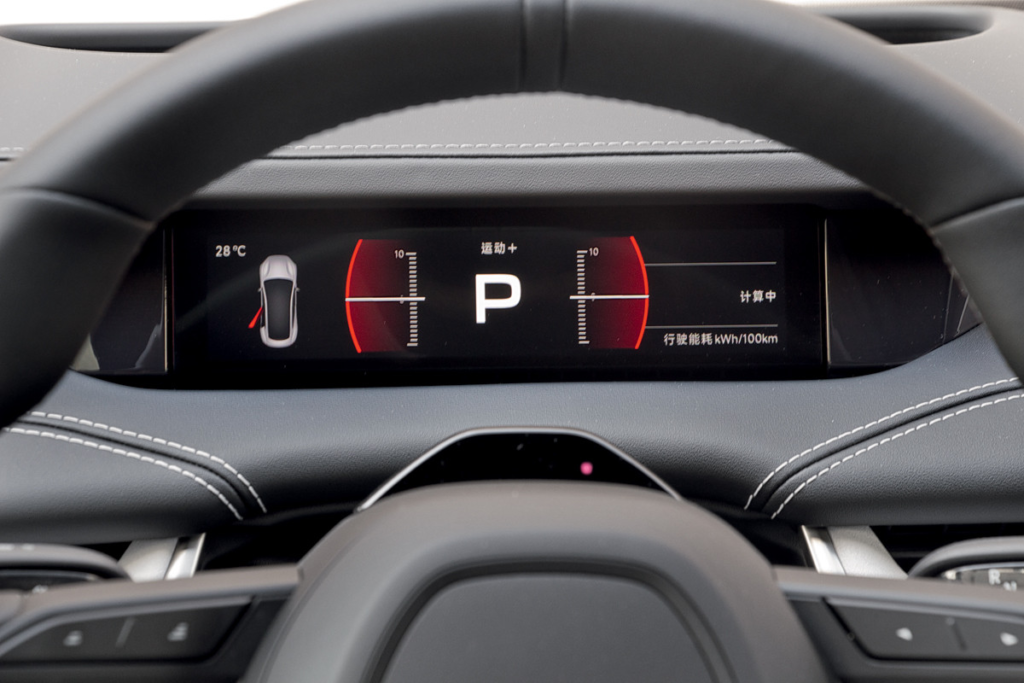
When switched off, the instrument display flips over, revealing a plug with a silhouette of a car
What Does Not Work Outside China
Sadly, Chinese streaming services are unusable in Russia, and the advanced semi-autonomous driving suite does not work outside China either. Rear-wheel-drive versions come with a single Nvidia Orin chip and rely on radar, cameras and sonar alone. The Max is more serious: dual processors delivering 508 TOPS, plus a Hesai AT128 lidar unit on the roof, as on the Li Auto L9.
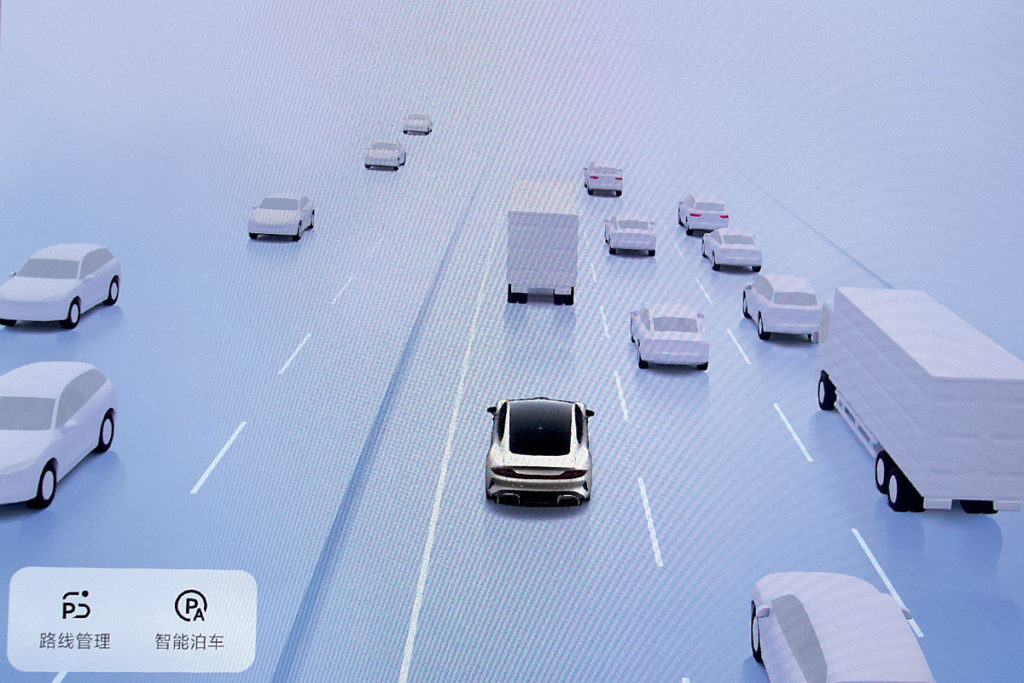
Lidar, three radars, 11 HD cameras and 12 sonars: Recognize the surroundings, including brake lights and traffic lights, accurately
And Yet It Is Great to Drive
The SU7 is genuinely pleasant from behind the wheel. In Comfort the steering is intuitive and light, with minimal tramlining. And the ride? Superb. The air suspension smooths small bumps without wallowing, absorbs harsh impacts gracefully, and copes with speed humps taken at pace — all on 21-inch wheels.
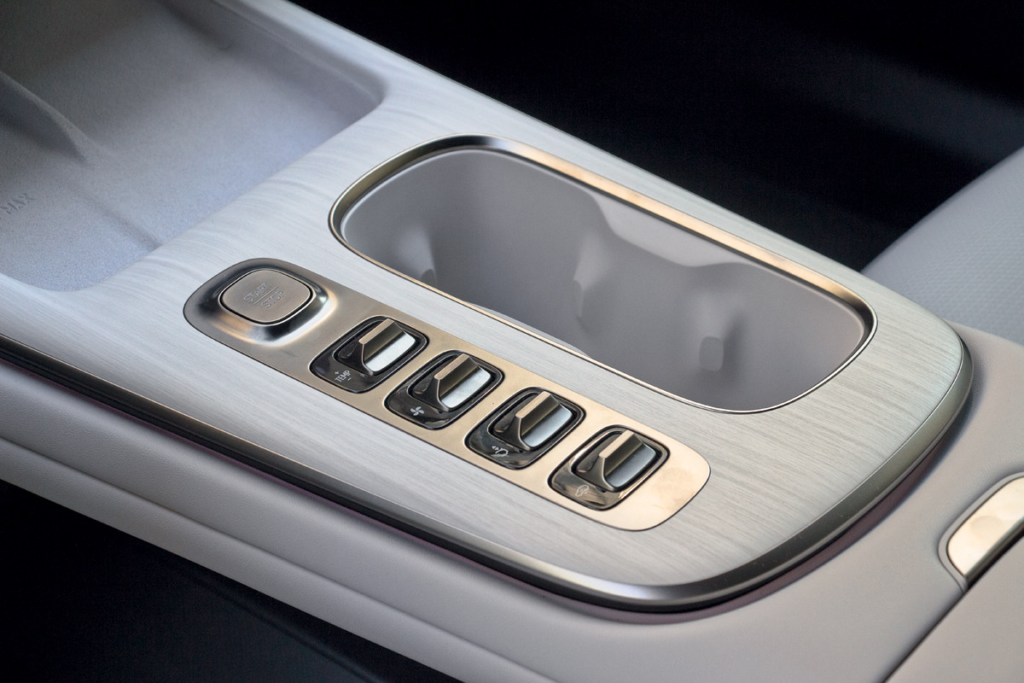
A real start-stop button, how nice. From this remote you can select the suspension level or raise the spoiler – all in four options
Two 9,500-Ton Presses
A key to that refinement is the steel-aluminium body, with very high natural resonance frequencies. Why should I be worse than Musk, who ordered the biggest giga-presses in the industry — so, roughly, thought Xiaomi’s founder Lei Jun. He contracted Haitian in Ningbo for two 9,500-ton isothermal presses and co-developed a system of 60 machines executing 433 processes.
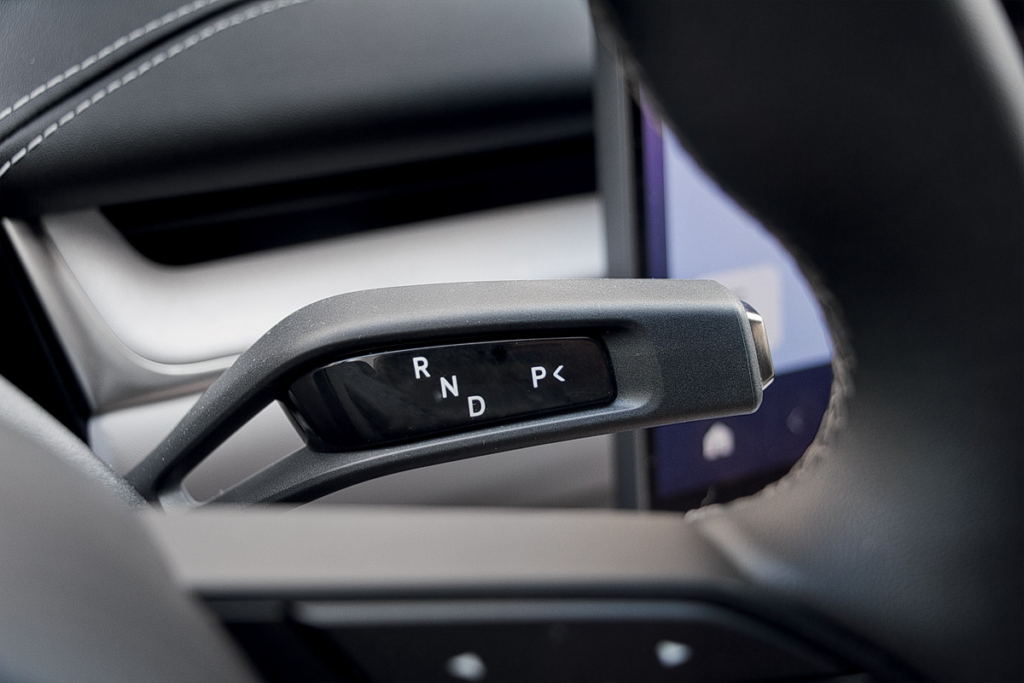
The stylish steering column stalk is responsible for P-R-N-D
They even worked with metallurgists to create and patent a new aluminium alloy called Titan, with additions of magnesium, iron, manganese, strontium, zirconium, hafnium, zinc, lanthanum — and even titanium oxide.
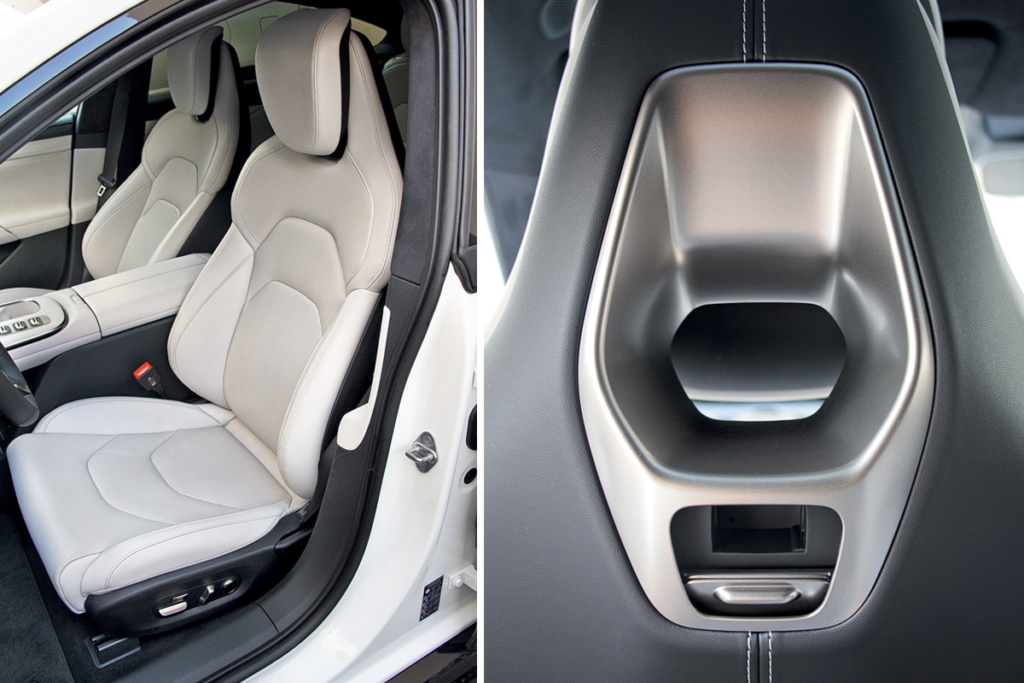
• The seats are comfortable, the ventilation is effective and silent. A massage would be nice.
• You can attach special tablets to the backs for the rear passengers
Ninety Kilograms of Metal in 100 Milliseconds
Why go to that trouble? Because the chassis uses high-pressure die casting. Ninety kilograms of molten Titan, at 700°C, fill the mould in 100 milliseconds, with the flow dynamics optimised by neural networks. One press stroke produces an entire rear floor panel and replaces a 72-part assembly. The result is 840 fewer welds, a 17% weight reduction and 2 dB less cabin noise — with torsional rigidity of a stunning 51,000 Nm/deg.
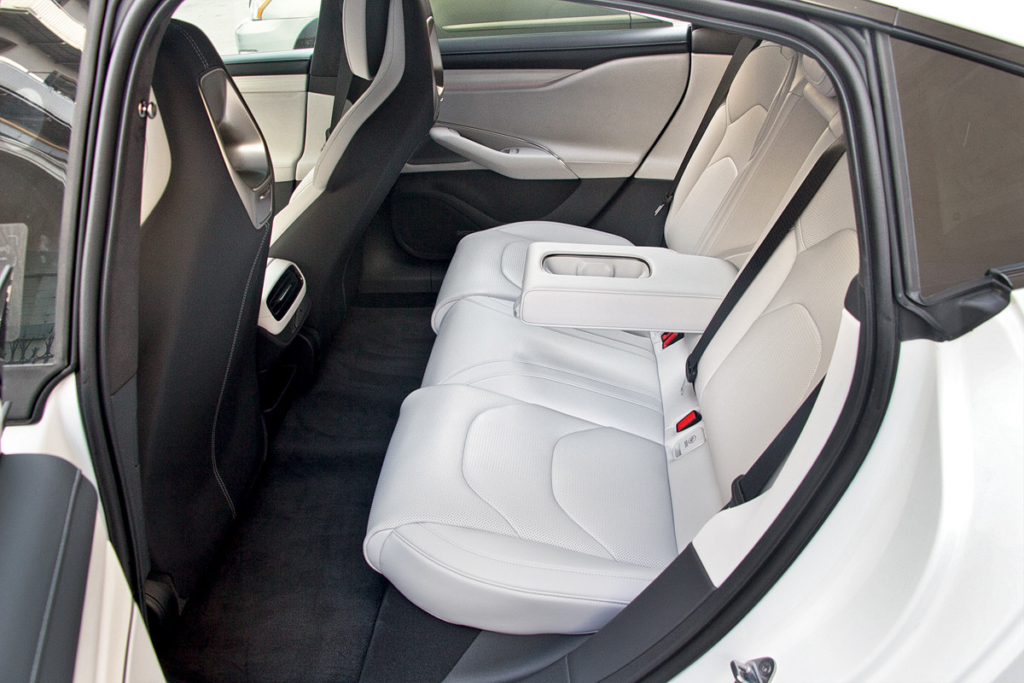
You’d expect more space in the back from a five-metre car, but not the longest-legged ones will be comfortable here.
The SU7 feels solid. And quiet, despite frameless windows in single-layer glass. Occasionally you hear a faint hiss — perhaps the inverters, or the bearings of rotors spinning at up to 21,000 rpm.
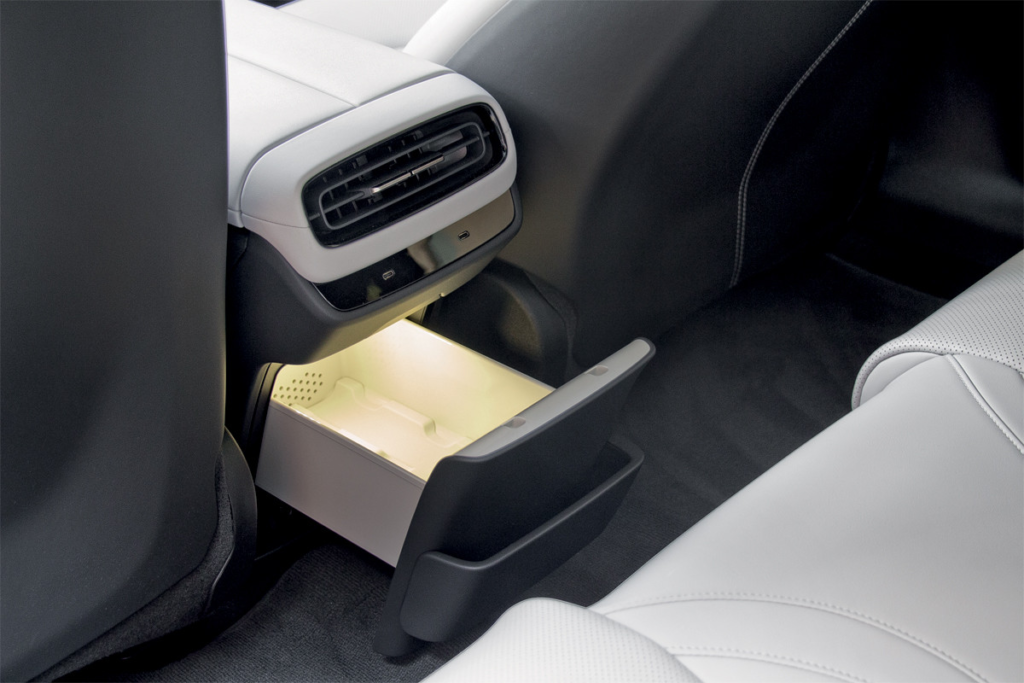
The temperature in the 4.7L pull-out refrigerator can be selected from the menu
Criticisms? Sure
First, the car seems untrained in controlled slides. It officially passes the ISO 3888-2 moose test at 82 km/h, but in tight turns the tires squeal early, the front gives way suddenly, and the car slips awkwardly into oversteer.
Second, the gap between the performance modes is too wide. A 0-100 time of 6.5 seconds in Comfort feels sluggish when the same car can dip below three seconds in Sport+. Perhaps there is a hidden power cap somewhere in the Chinese menu.

The glass roof tries to expand the space, the straps are fixed with steel washers
Third, the accelerator pedal could be lighter and more communicative; it gets tiring, especially in one-pedal mode. The regenerative braking is strong — up to 0.36g without the hydraulics — but the braking feel is not consistent at high speed.
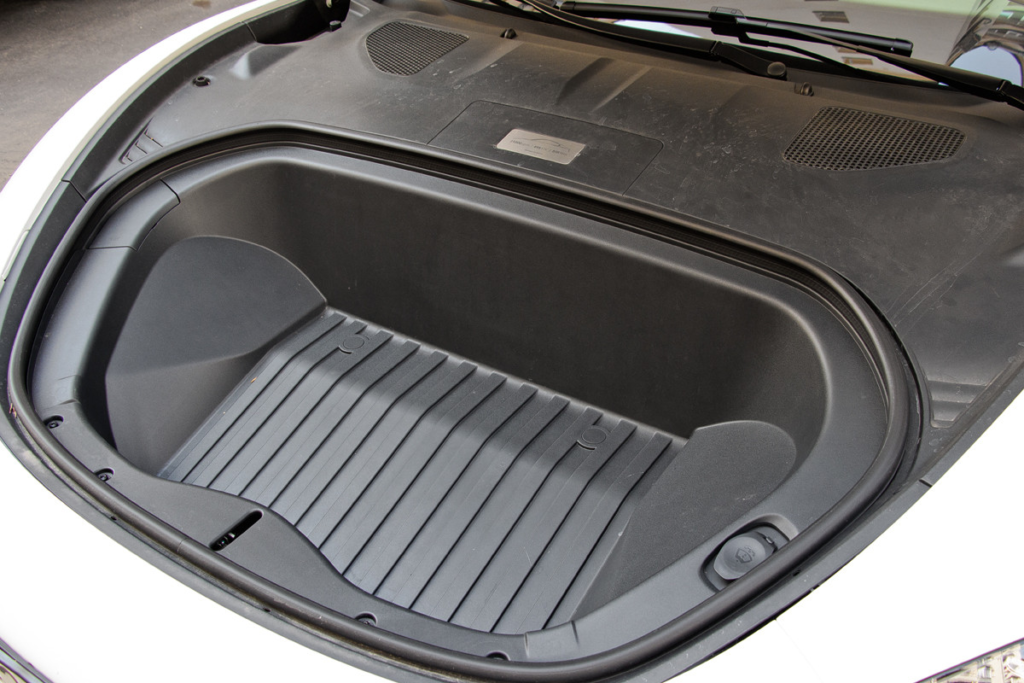
Frunk could be bigger, but underneath it is a pack of two radiators.
Fourth, the side bolster support is overly aggressive: great in theory, but the seat jabs your ribs even during a gentle lane change.
Fifth, the pedestrian-warning hum below 20 km/h resets every time you switch the car off, and has to be disabled manually all over again.
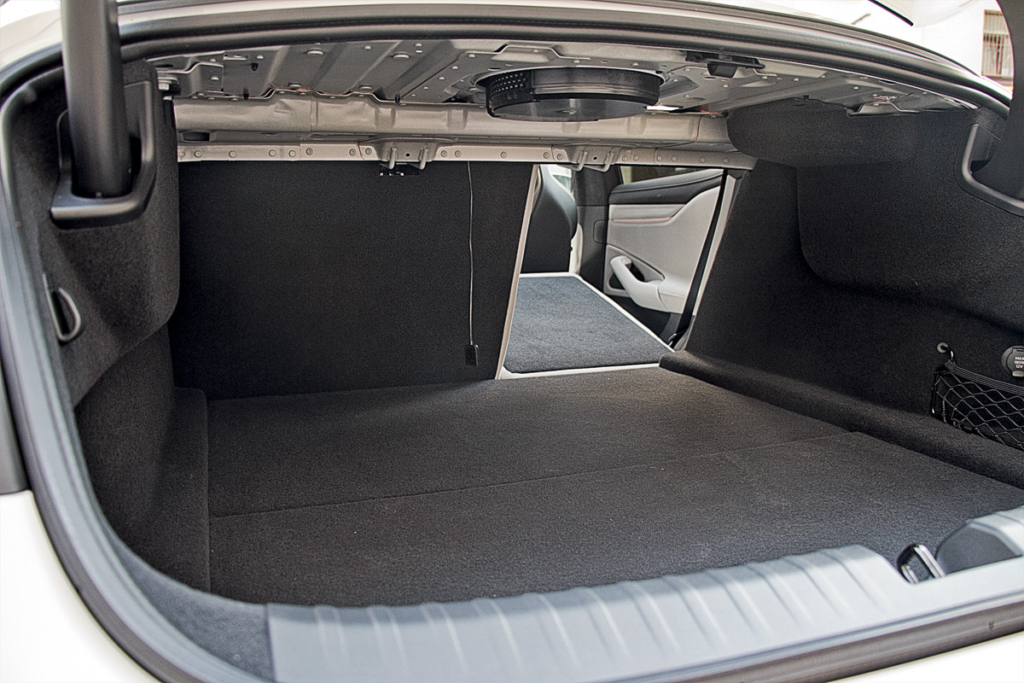
The trunk is like a pencil case with a narrow opening, but there is a roomy compartment under the floor, and the backrests fold easily
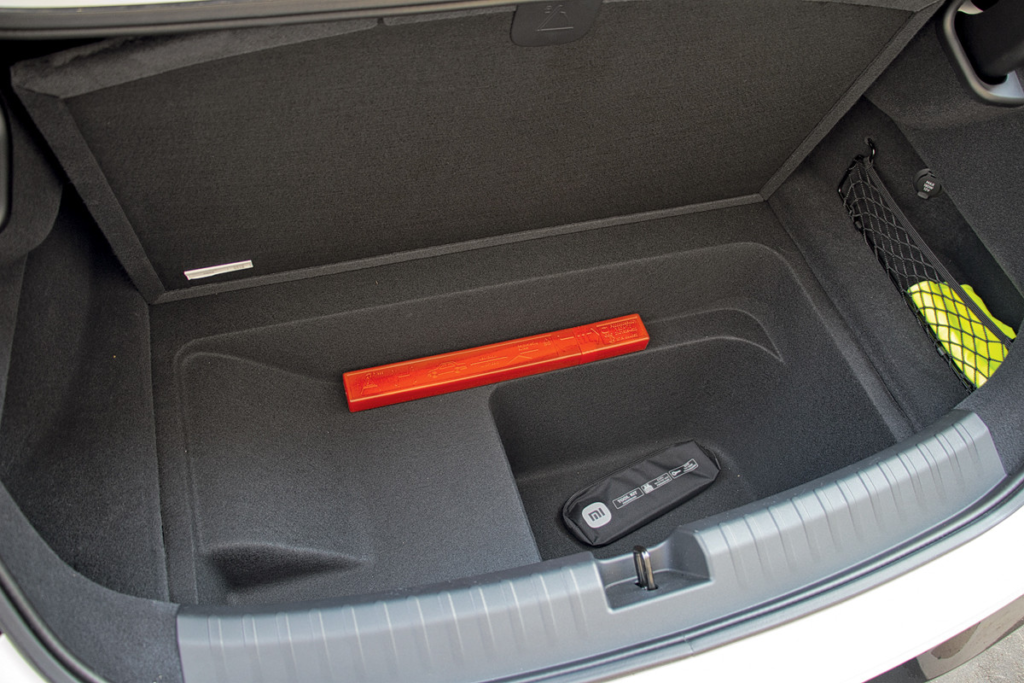
Sixth, the rear seating. The ultra-thin 120 mm battery still raises the floor, so you sit with your knees too high.
Most of Which Is a Software Problem
But — and it is a big but — almost all of these gripes, from the second to the fifth, could be fixed with software. Xiaomi pushes regular OTA updates, we are now on version 1.2.3, and even chassis tuning may be included. For that, though, the car has to be in China and carry all its original parts: SU7s with aftermarket headlights, for instance, have failed to update because of mismatched serial numbers.
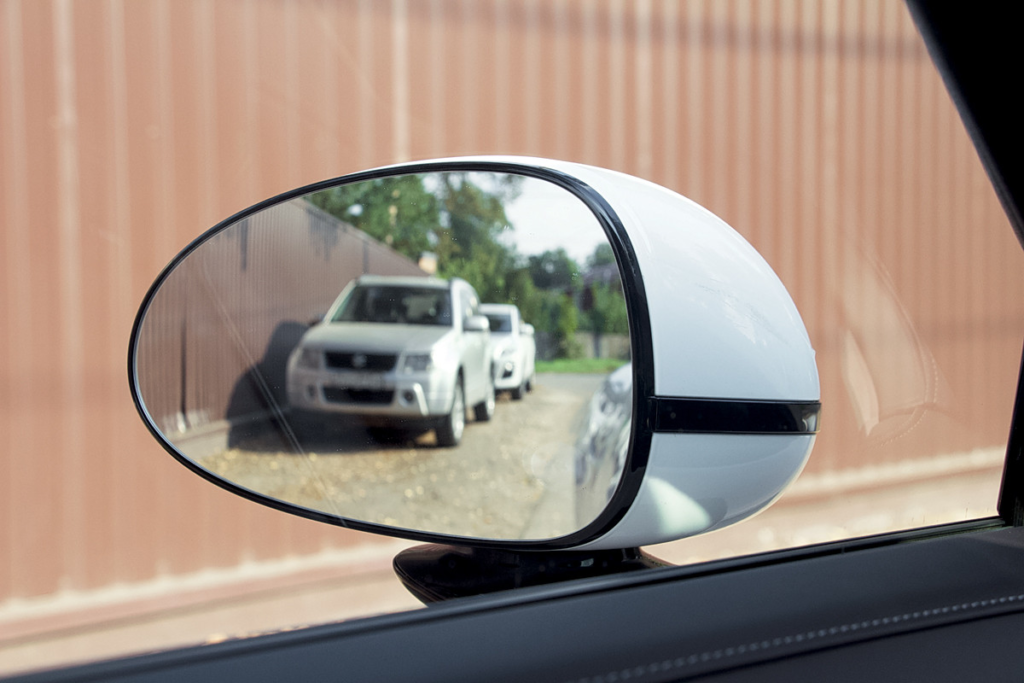
The exterior mirrors are slightly offset back, but have almost no frames.
That is life in the smartphone-on-wheels era. And here is Xiaomi’s massive advantage: in-house software and interface expertise, and battery technology too — essential for mobile devices, now repurposed for EVs. The SU7 Max’s battery is made by CATL, but Xiaomi holds 36 patents relating to its design.
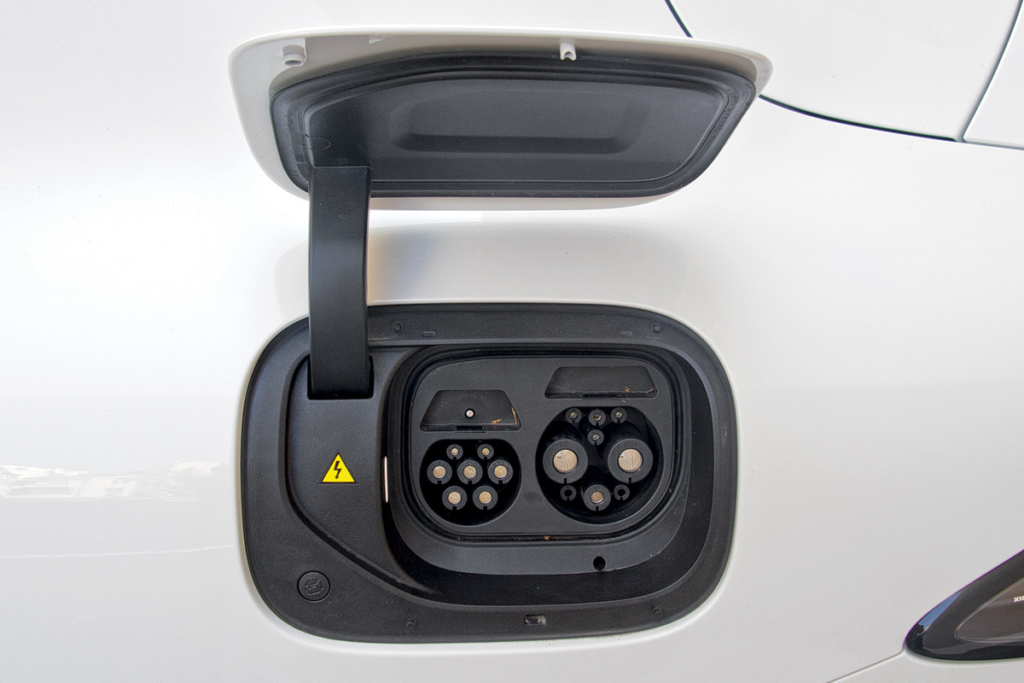
The hatch is servo-driven, GB/T connectors are for AC and DC
Rotors at 35,000 rpm
The same goes for the motors: built by UMC and Inovance on the basis of existing designs, but co-developed with Xiaomi. The rotor limit will soon rise to 25,000 rpm, and Xiaomi’s engineers want more — for the coming SU7 Ultra they are developing hyper-motors spinning to 35,000 rpm. At that speed, as Vladimir Vysotsky sang, a grain of sand turns into a bullet. Steel rotors with embedded permanent magnets could tear themselves apart, which is why they are wrapped in pre-tensioned carbon fibre sleeves and then cured with lasers.
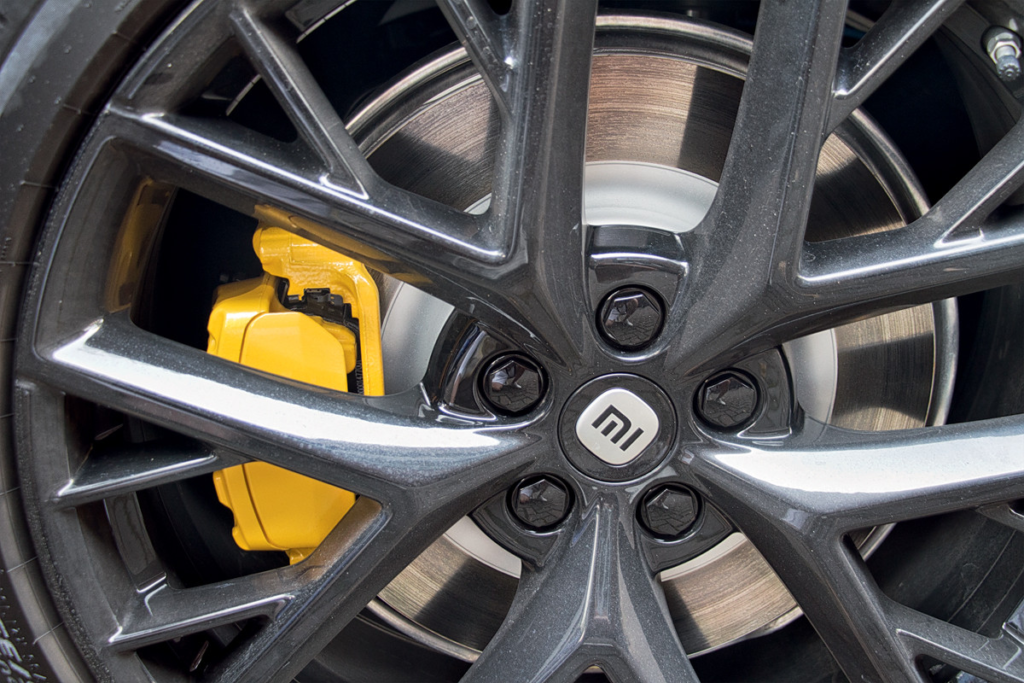
Rear floating calipers with solid discs (first slide) — so-so company with front four-piston Brembo
This is not exactly new technology — it was invented recently in the West — but the Chinese are already mass-producing it.
The Future Is Plugged In
As time goes on it will only get easier for tech firms to enter the car industry. China is full of suppliers with turnkey solutions. All you need is a clear objective, a skilled team and a budget of about $1.5 billion. Voilà — or whatever the Mandarin equivalent is — and demand for the SU7 soars. Fifty thousand orders were snapped up in 30 minutes. Xiaomi’s roboticised Beijing plant, formerly a BAIC off-road facility, is now building 10,000 units a month and scaling towards its 200,000-unit target.
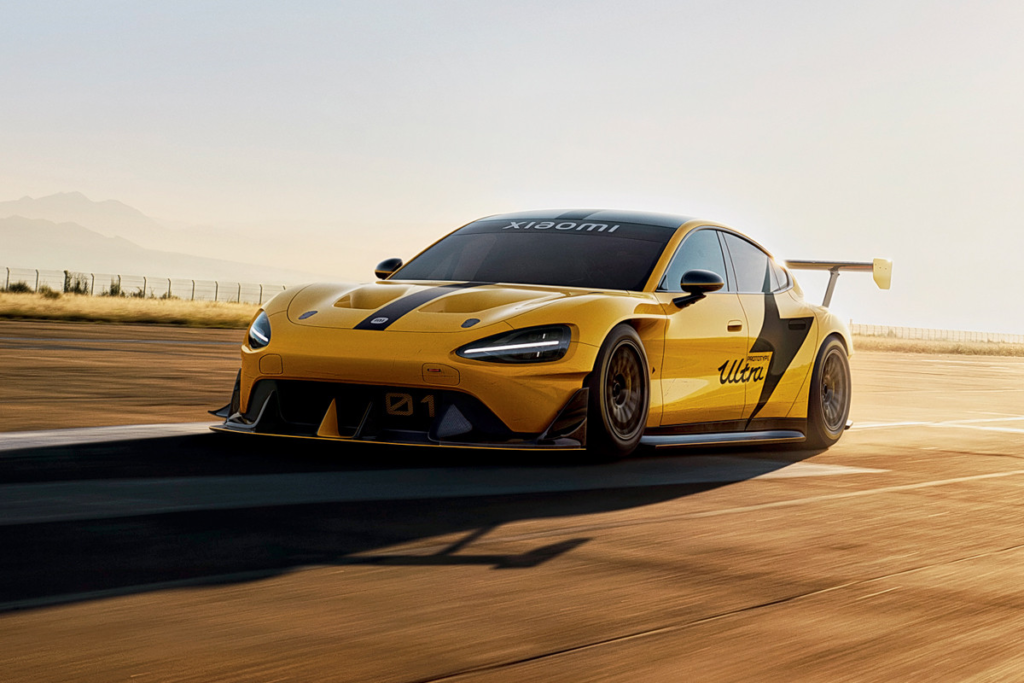
Three-motor Xiaomi SU7 Ultra will be sold to customers only after a training course: over 1500 hp, less than two seconds to “hundreds” and a maximum of 360 km/h
The SU7 may still not match the Zeekr 001 for popularity in Russia — the Zeekr is roomier and more SUV-like, while the SU7 has a tighter cabin and a pencil-case of a trunk. But Xiaomi’s next model, the MX11 crossover, is on its way.
In ten or fifteen years, who knows: perhaps Lei Jun’s gadget empire will crack the top five global carmakers.
The Pike Has Teeth
So old Krylov’s fables are out of date. It turns out this Chinese tech-pike has teeth — and lungs — and it just might devour the auto-industry cats. The SU7 is ready for takeoff. Please fasten your seatbelts.
Enjoy the flight.
Photo: Xiaomi | Leonid Golovanov
This is a translation. You can read the original article here: Нетелефон: Голованов про электромобиль Xiaomi SU7 Max

Published June 19, 2025 • 11m to read