
It was over three years ago, and the memory is still vivid — and safely written down in my notebook. After a visit to the Volkswagen Classic collection garage I went through the evolution of the rear-engined Volkswagens. This time I look at how the company came round to front-wheel drive.
Volkswagen Meant Rear-Engined
Mention “Volkswagen,” and the image that typically springs to mind is of a vehicle with a rear-mounted, air-cooled engine—a standard set back in the late 1930s and staunchly maintained through the 1960s. Ferdinand Porsche’s rear-engine platform was not confined to economical Beetles: it carried estates, sports cars, vans, minibuses and even military vehicles. The engineers held to the layout so ardently that they drew a large saloon for the American market with a rear engine, borrowing parts from the then-new Porsche 911. However, this project stalled at the experimental stage.
Looking for Front-Wheel Drive in Wolfsburg
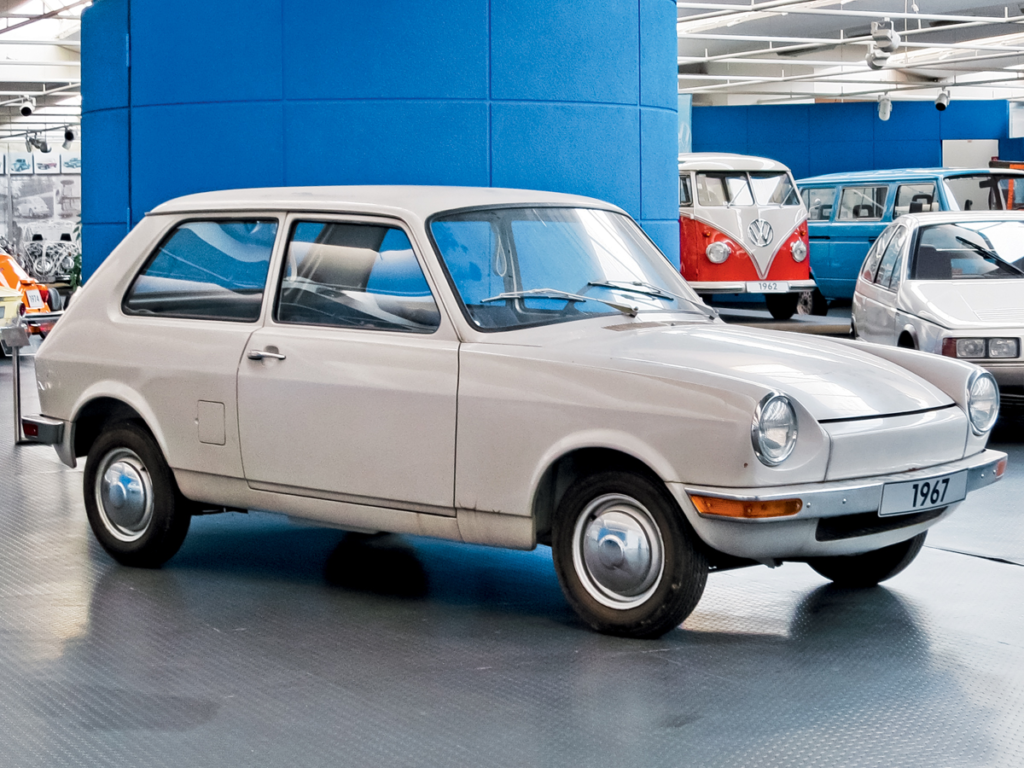
The first challenge to the established order came in Wolfsburg, during work on the Beetle’s intended successor — the future Golf. Arriving at the final formula of “transverse engine, liquid cooling, front-wheel drive” took time. The first prototype, the EA 235 of 1967, had a front engine but kept rear-wheel drive. By 1969 the three-door EA 276 had front-wheel drive, though it still used a longitudinally mounted air-cooled engine out of the Beetle.
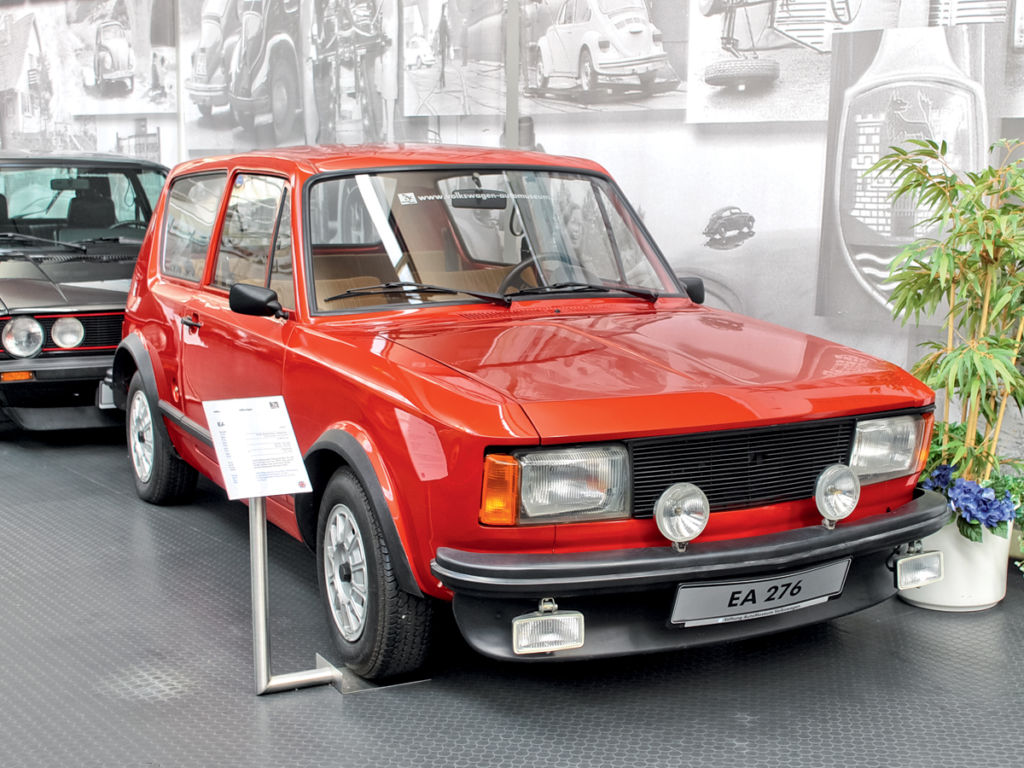
Why not draw on the expertise of Auto Union, which Volkswagen had bought piece by piece over 1964–1965? The Auto Union divisions, DKW and Audi, boasted extensive experience with front-wheel drive systems dating back to the 1930s. However, Volkswagen’s management adopted a strict policy against technical or market overlap between the brands. Ironically, the first front-wheel-drive Volkswagen came from another company altogether, and it was not Audi.
Buying NSU for a Factory, and Getting a Car
In December 1968 Kurt Lotz took over as head of Volkswagen, and one of his first major decisions was to acquire the small firm NSU, then building inexpensive subcompacts and the luxurious rotary-engined Ro80 saloon. Volkswagen was not interested in NSU’s engineering, least of all its thirsty and unreliable Wankel rotaries, which had driven the company into serious financial trouble. The takeover was primarily for NSU’s production facility in Neckarsulm, as Volkswagen’s capacity was stretched thin. This plant was swiftly designated for Audi car production. Volkswagen also appropriated NSU’s front-wheel-drive model.
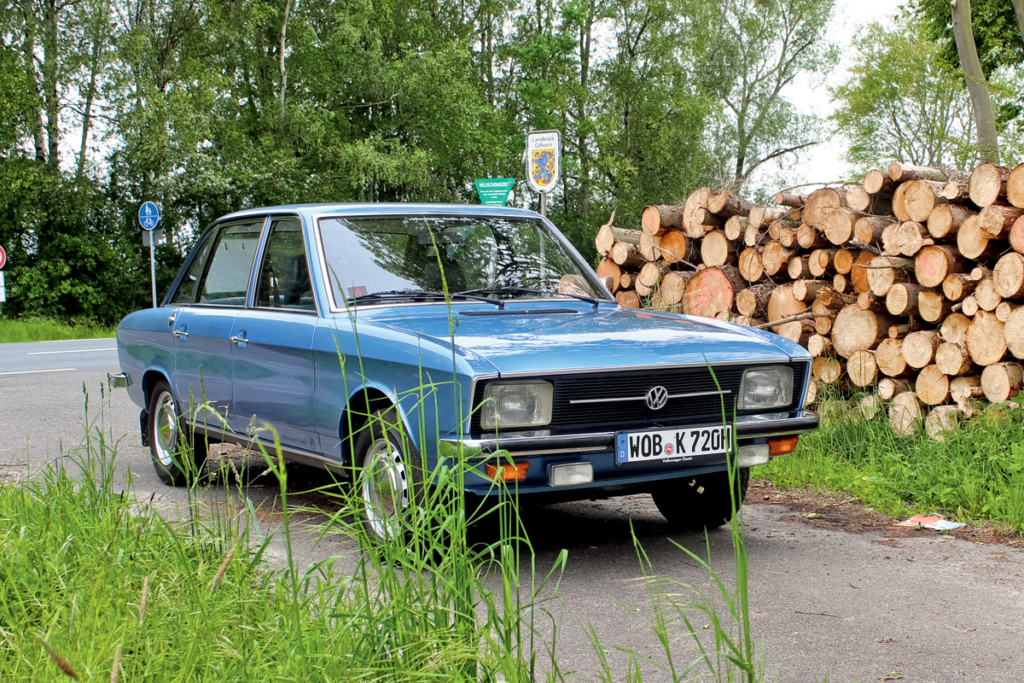
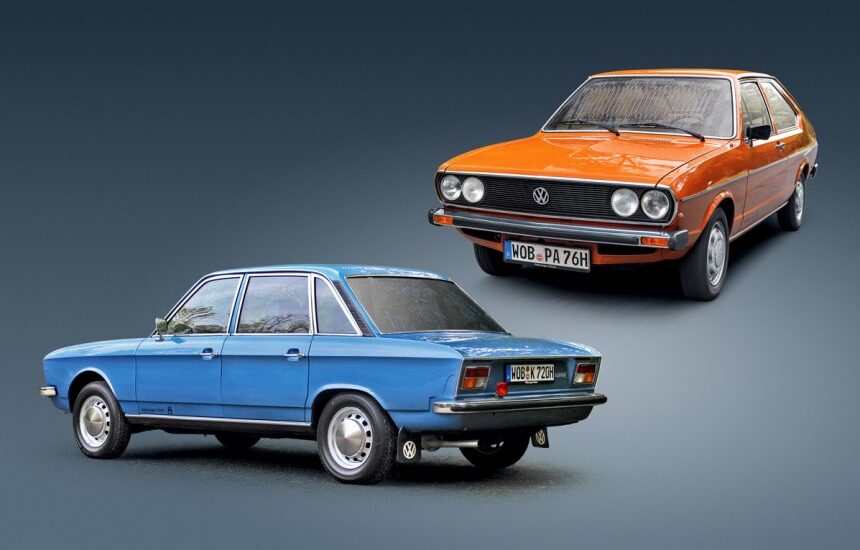
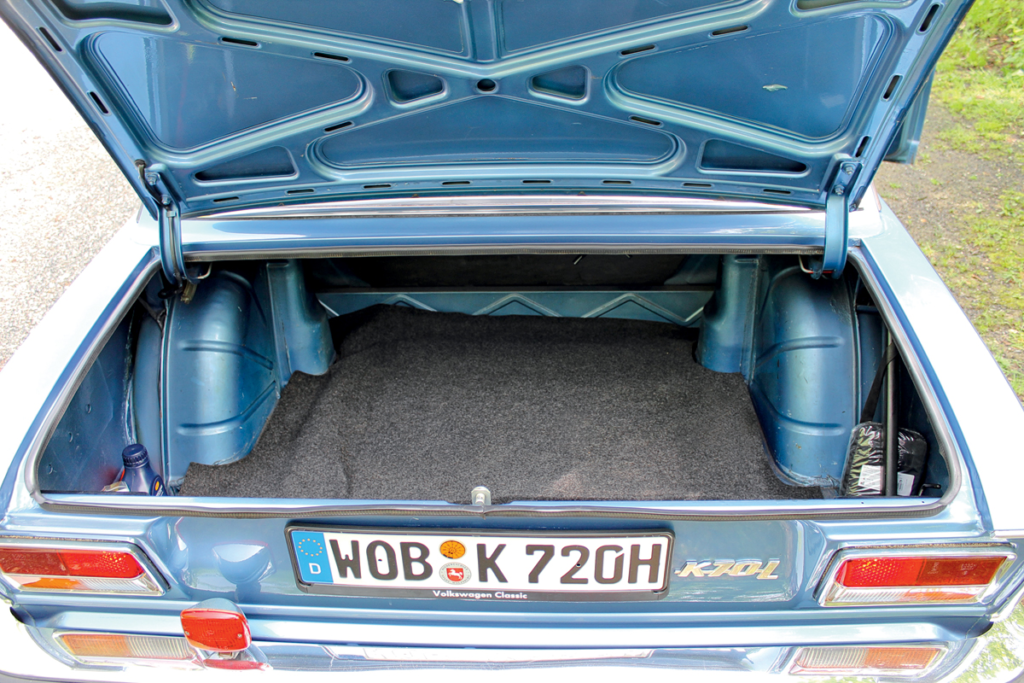
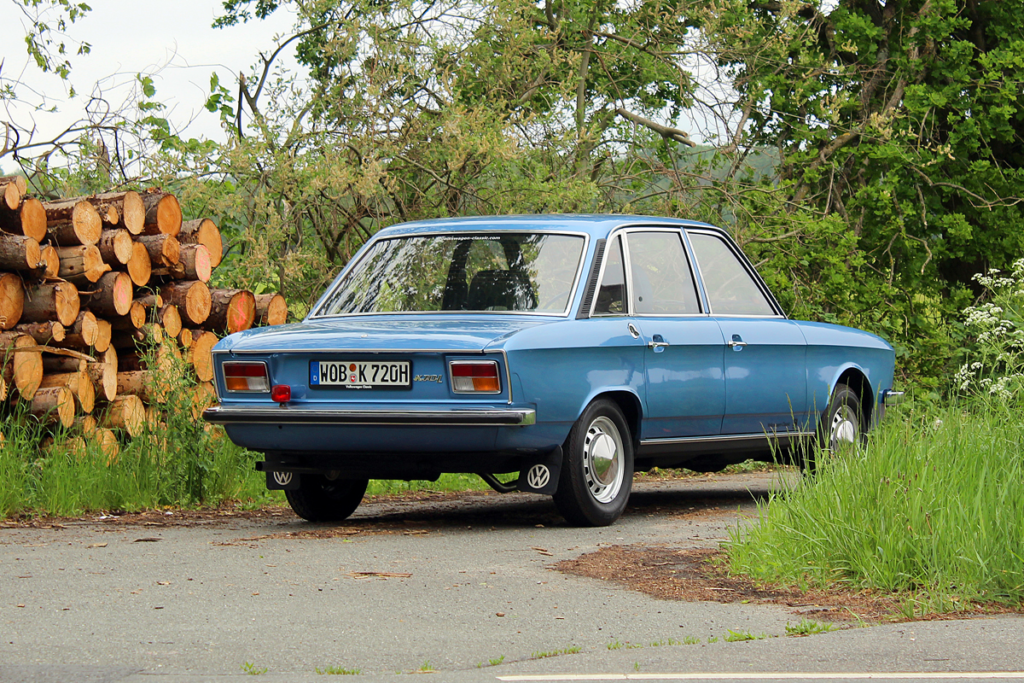
The NSU K70 saloon, ready for release in early 1969, had been designed as a more affordable and more conventional alternative to the prestigious Ro80. The K in K70 stands for Kolben, piston — the point being the move from a rotary to a conventional four-cylinder engine. Its debut was scheduled for the March 1969 Geneva Auto Show, and the car was listed in the official exhibition catalog. It never reached the stand: Volkswagen, having just bought NSU, cancelled the unveiling at the last minute because the new management had other plans for the K70. The saloon was rebadged, its decor slightly altered, production was moved to the Volkswagen plant at Salzgitter, and it launched in September 1970 as the Volkswagen K70.
The Volkswagen K70 at the Wheel
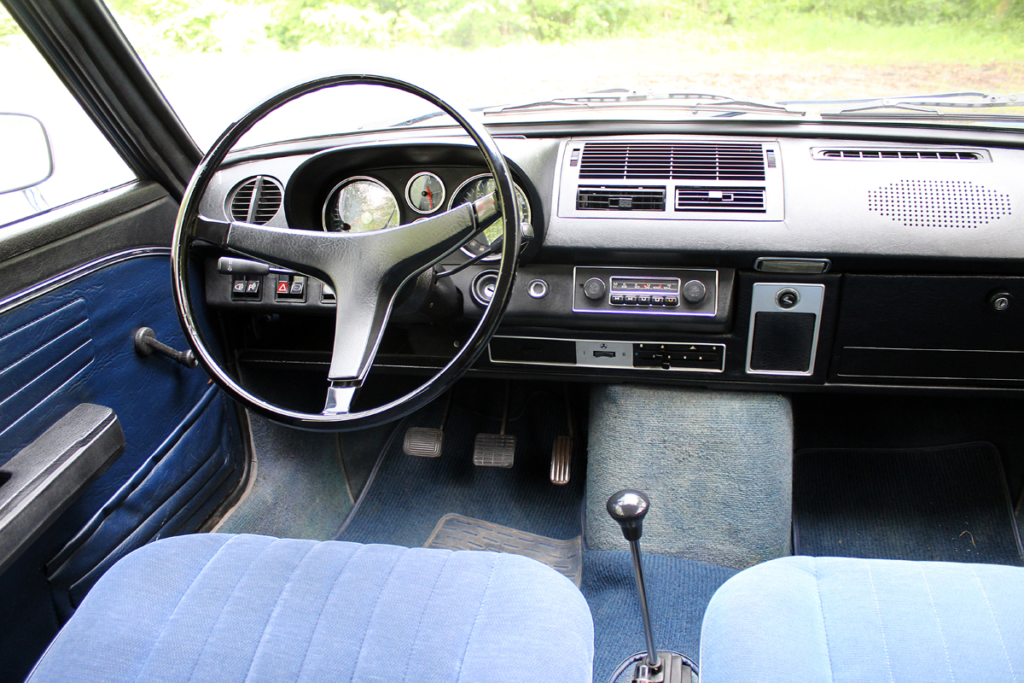
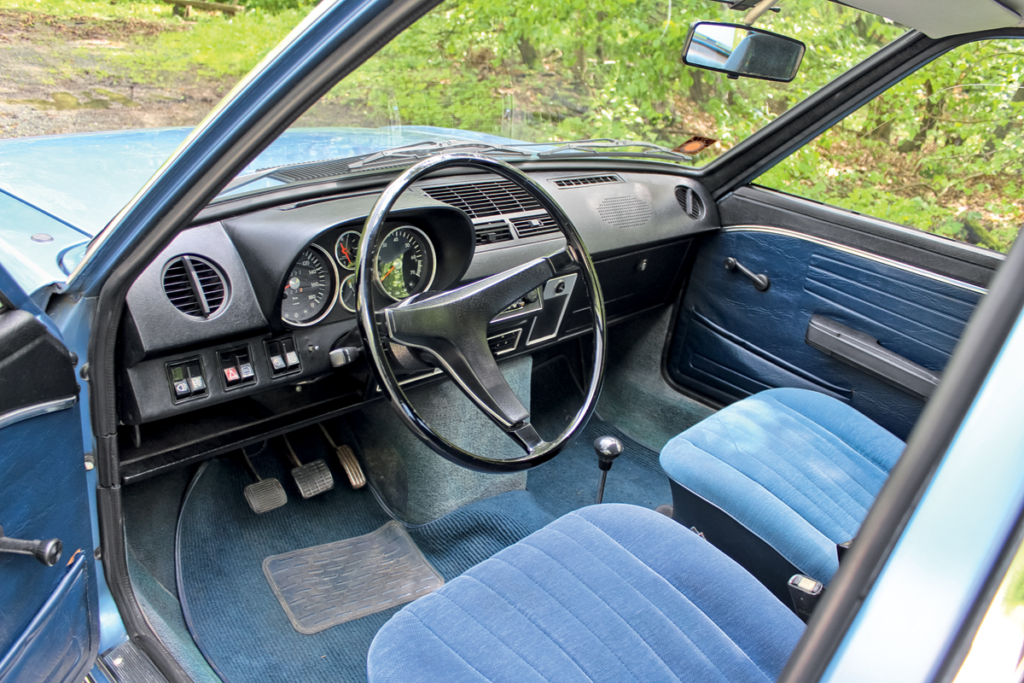
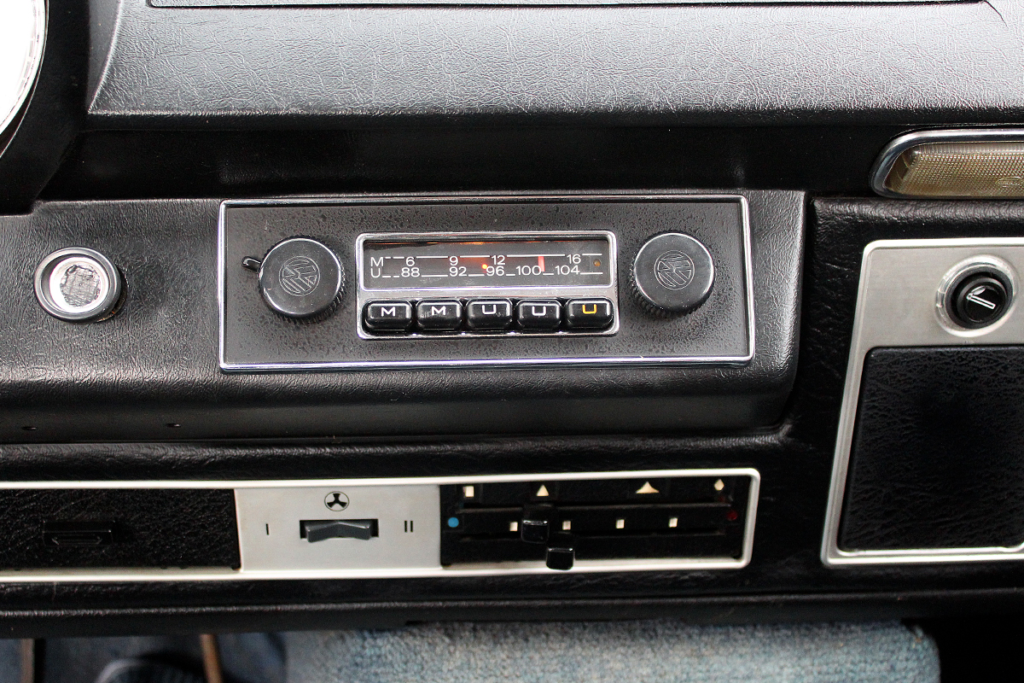
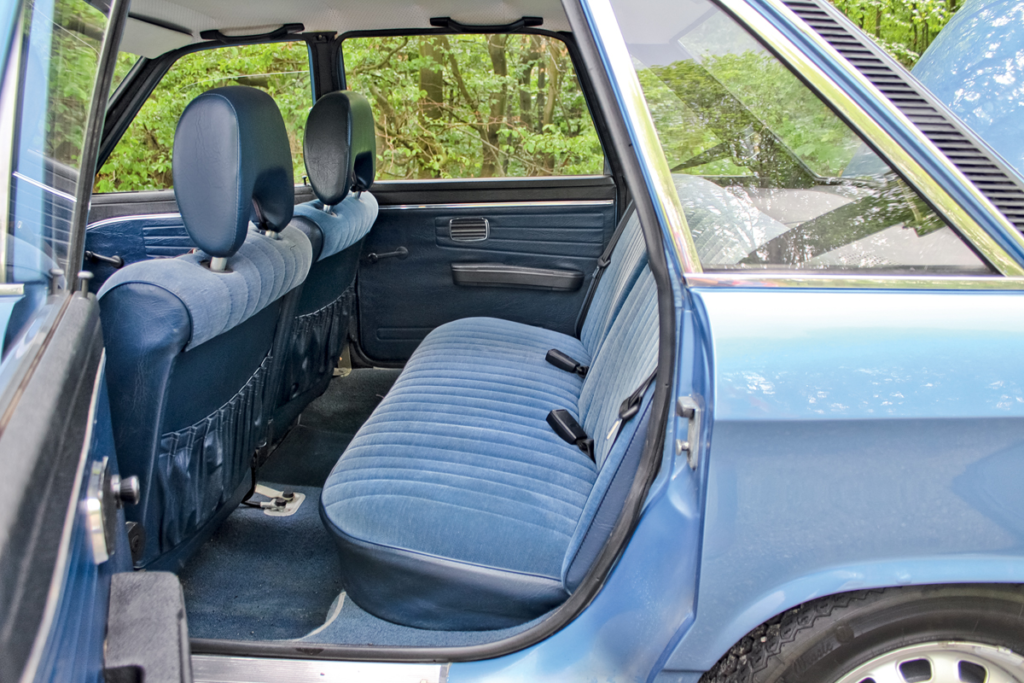
For a manufacturer built on cheap rear-engined cars this was a breakthrough, technically and in the way it felt to use. The K70 was impressively comfortable: not a piece of bare metal anywhere, everything trimmed in plastic, synthetic leather or carpet. It felt roomier and more luxurious than even the larger Volga 24, despite being 265 mm shorter. A radio and a tachometer were standard, and the press of the day gave high marks to the cabin ventilation and heating.
The 1.6 and the Gearbox
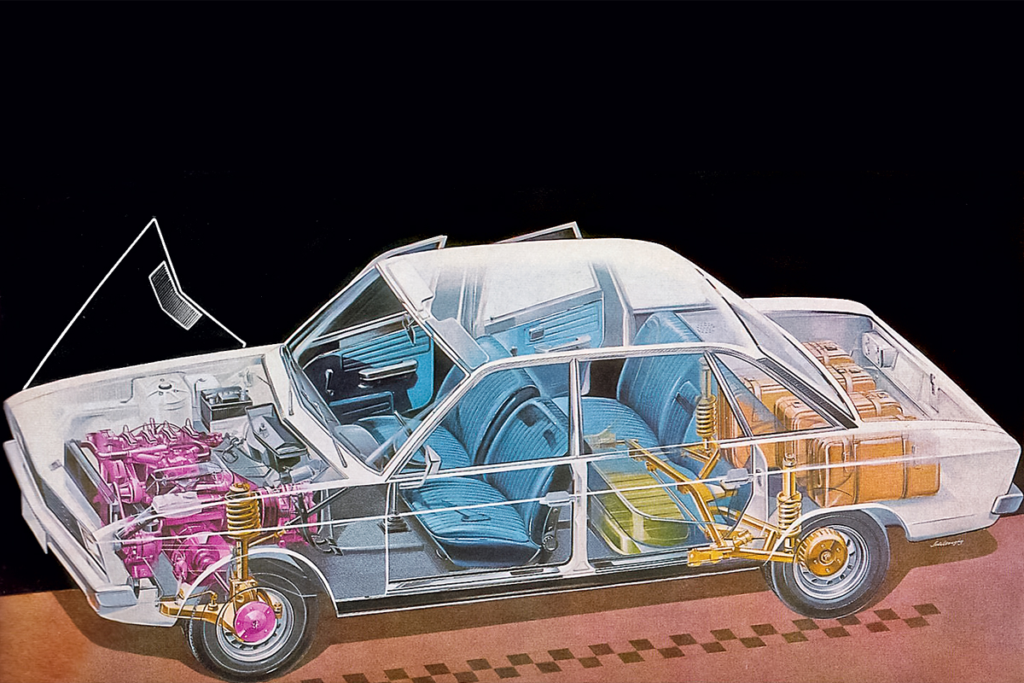
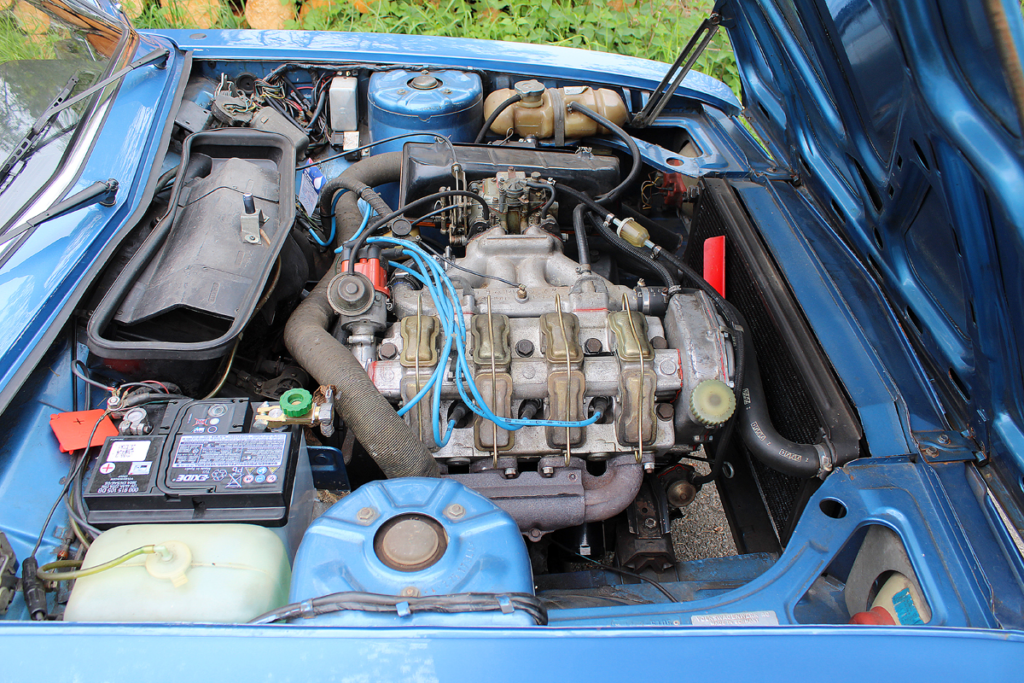
The NSU-developed 1.6-liter engine featured a single overhead camshaft and a two-chamber Solex carburetor. The base version made 75 horsepower; the collection’s blue saloon has the optional 90-horsepower unit with a higher compression ratio of 9.5:1 against 8.0:1. The engine’s lively performance and eagerness to rev up to 4500 rpm enable the K70 to keep pace with modern traffic in Germany.
The four-speed manual, by contrast, is notably vague and lifeless — surprising, given that the gearbox sits right next to the driver and is connected by rigid linkages. The chassis, advanced for its day with McPherson struts at the front and independent semi-trailing arms at the rear, excels at one thing only: a smooth ride, and arguably too gentle a one.
Steering and Roll
The unassisted rack and pinion gives little feedback, and a good deal of wheel movement changes nothing about where the car is going. It rolls considerably in a corner too, despite anti-roll bars at both ends — the rear bar was deleted in 1973 — and that is something the ordinary Volkswagens of the time did better.
Why the K70 Failed
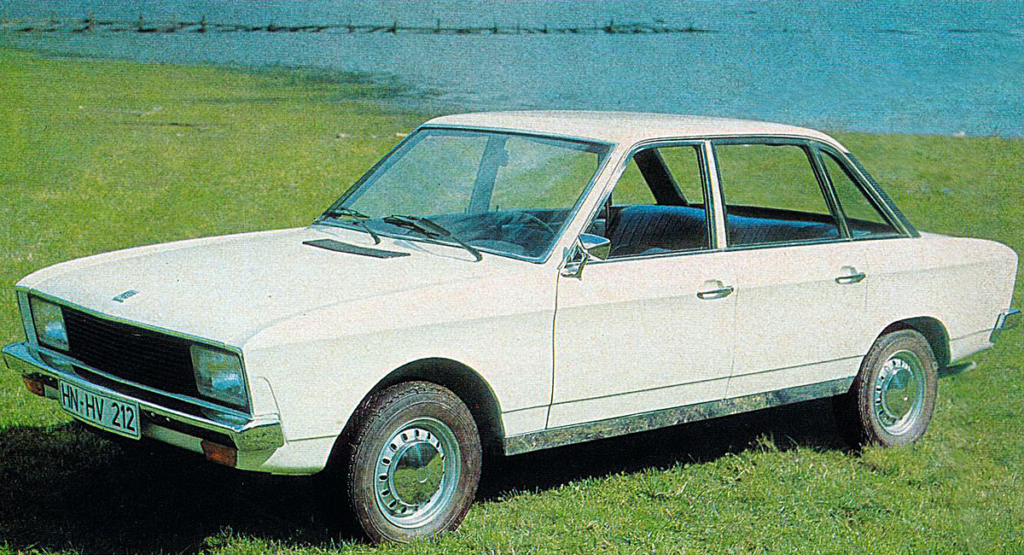
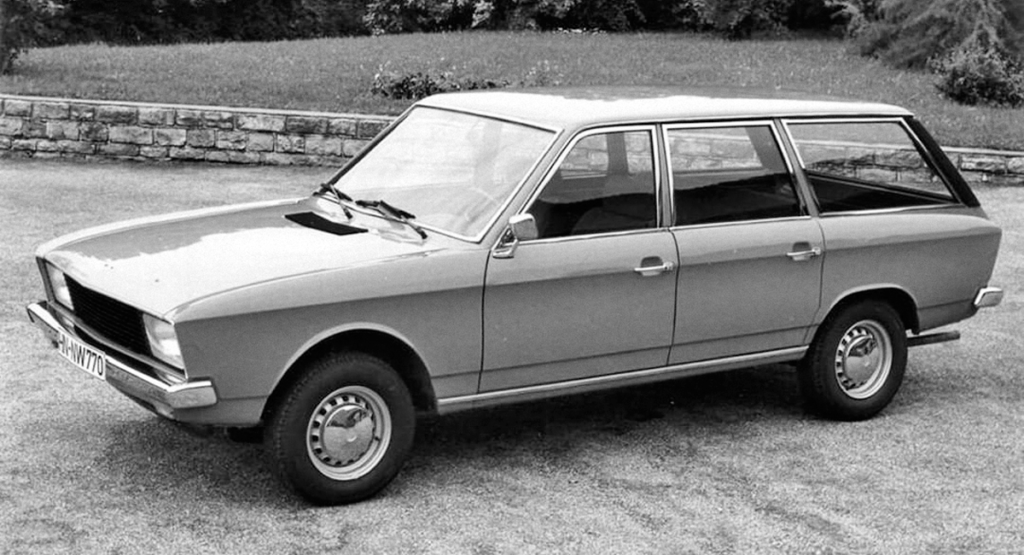
None of that was the whole reason the K70 failed to find its place. It stood apart from the rest of the Volkswagen range in specification and in price alike. At launch it cost at least 9,450 Deutsche Marks — a mere 150 marks less than the more prestigious Audi 100, which buyers generally preferred. And it was unprofitable to build, because it shared no parts with any other Volkswagen or Audi and its engine, transmission and suspension were all its own and all expensive.
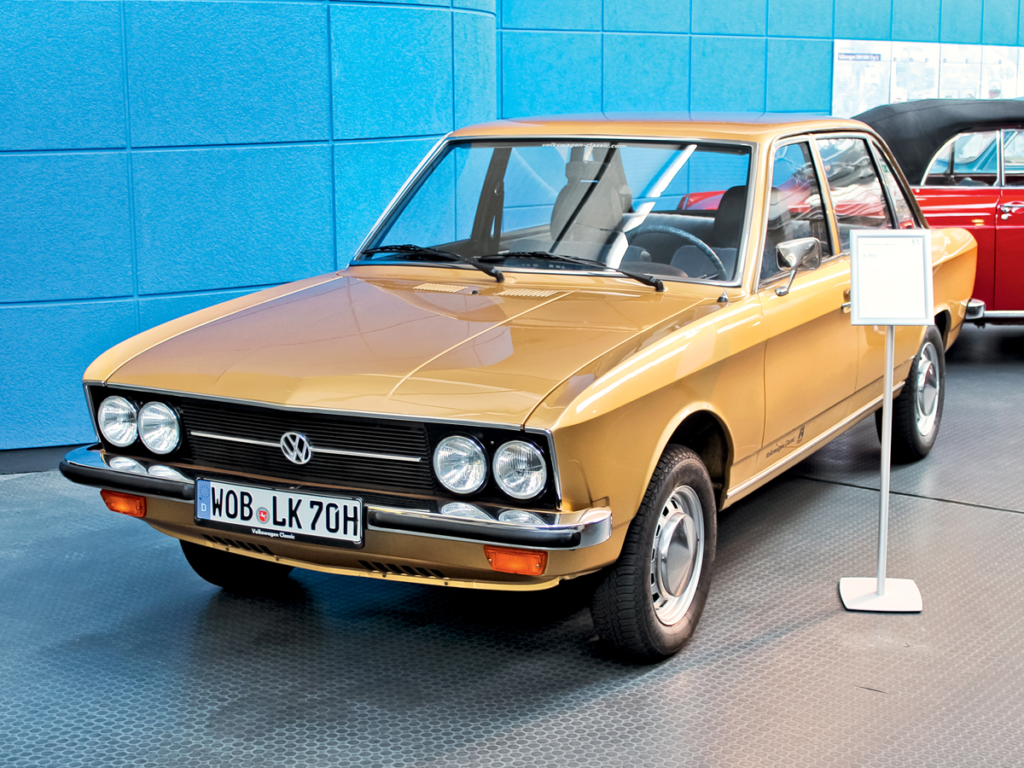
The K70 was discontinued in 1975, two years before even the rotary-engined NSU Ro80. A total of 211,000 were built, there was no direct successor, and none of its engineering was carried forward.
Three Prototypes, and the One That Won
The direction, though, had been set correctly: Volkswagen, in financial difficulty, badly needed mid-size cars. The design of the forthcoming Golf was finalised in 1970, but work on larger models continued in several directions at once, and by 1972 two very different prototypes existed.
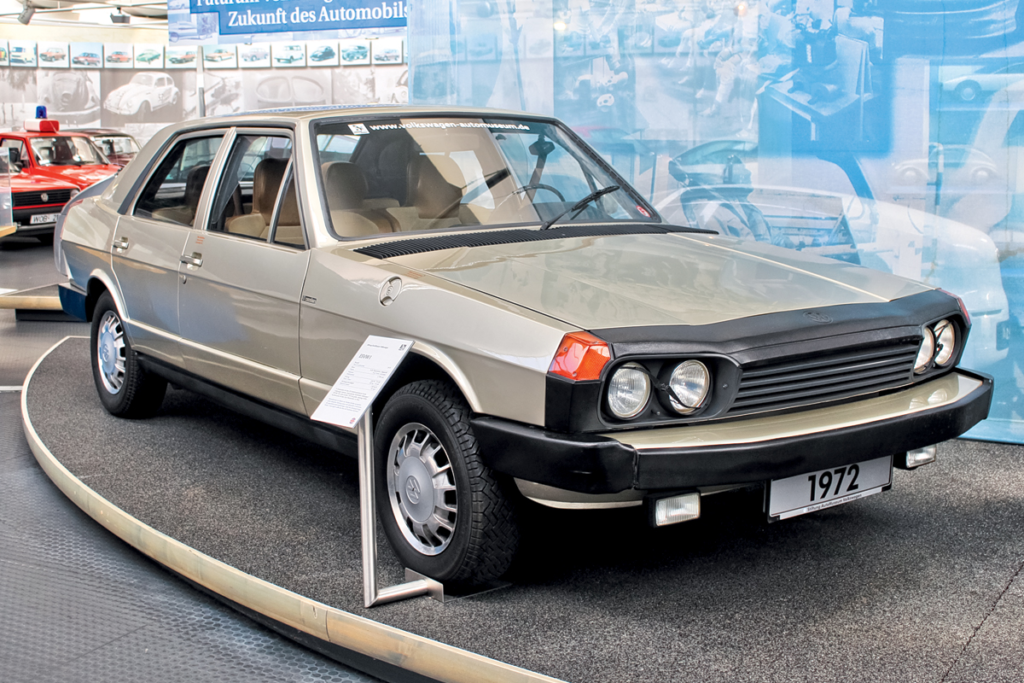
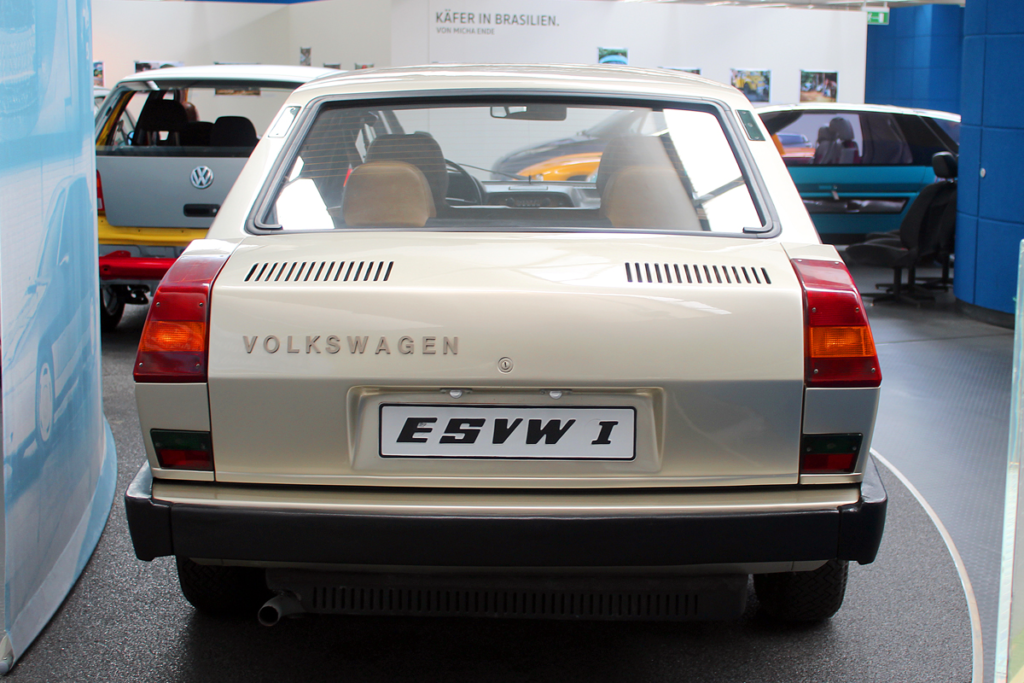
- ESVW I (Experimental Safety Volkswagen), part of a prominent American programme aimed at reducing traffic deaths and injuries, took the conservative route: rear engine, opposed air-cooled, rear-wheel drive.
- Volkswagen EA 272, from another engineering team, was the innovative one: a four-door fastback with front-wheel drive, a transverse liquid-cooled engine and styling by Pininfarina — a big Golf, in effect.
- And it was a third concept that prevailed.
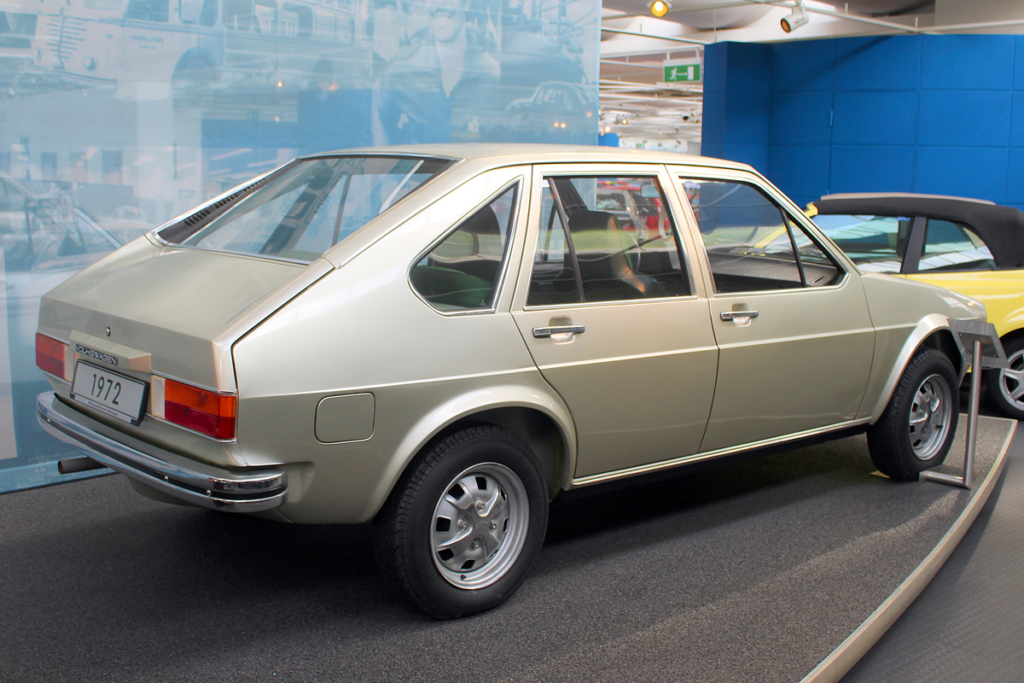
The Passat B1: An Audi 80 in Other Clothes
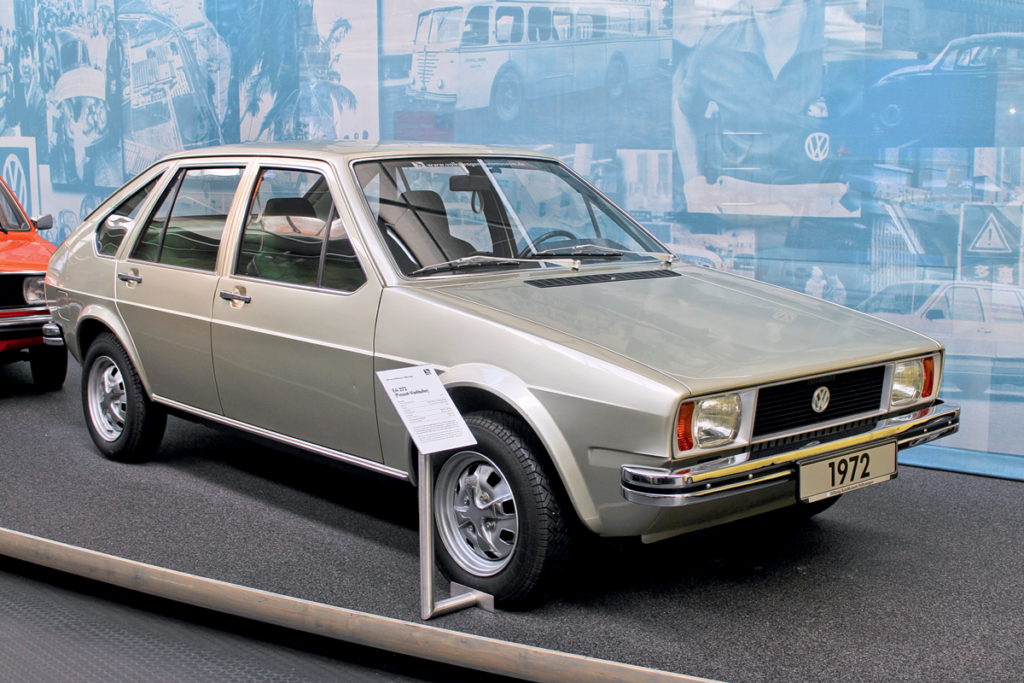
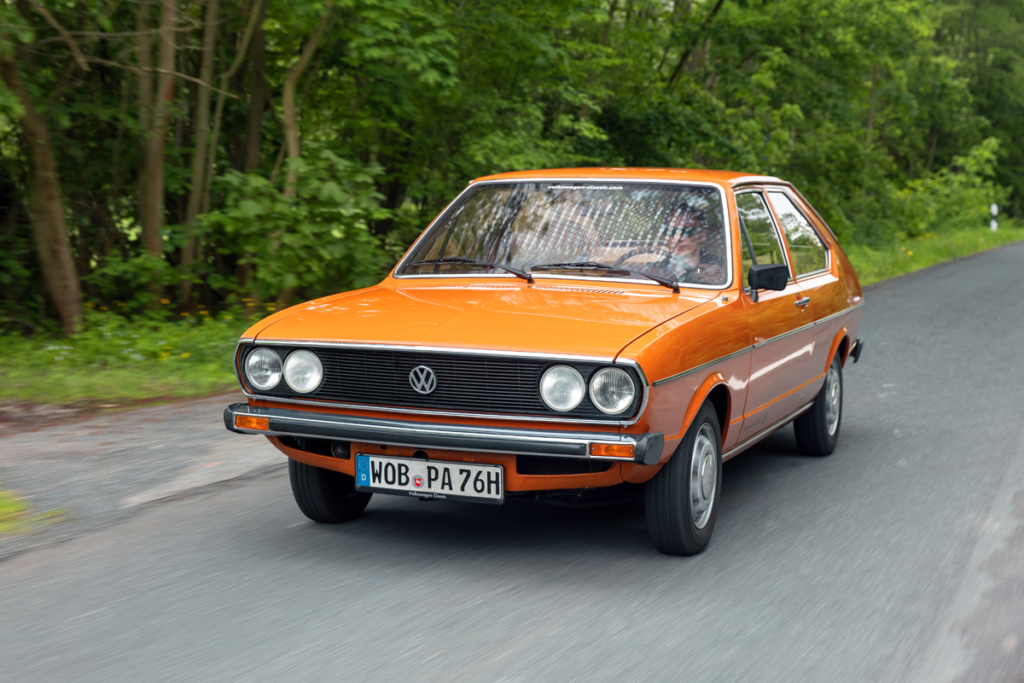
To cut costs, Volkswagen’s management went back on its earlier promise, and the mid-sized first-generation Volkswagen Passat, launched in 1973, turned out to be a variant of the previously debuted Audi 80. Which meant an Audi-like layout: an inline four mounted longitudinally, but entirely within the front overhang rather than over the front axle as in the K70, with the driveshafts running out of the transmission housing.
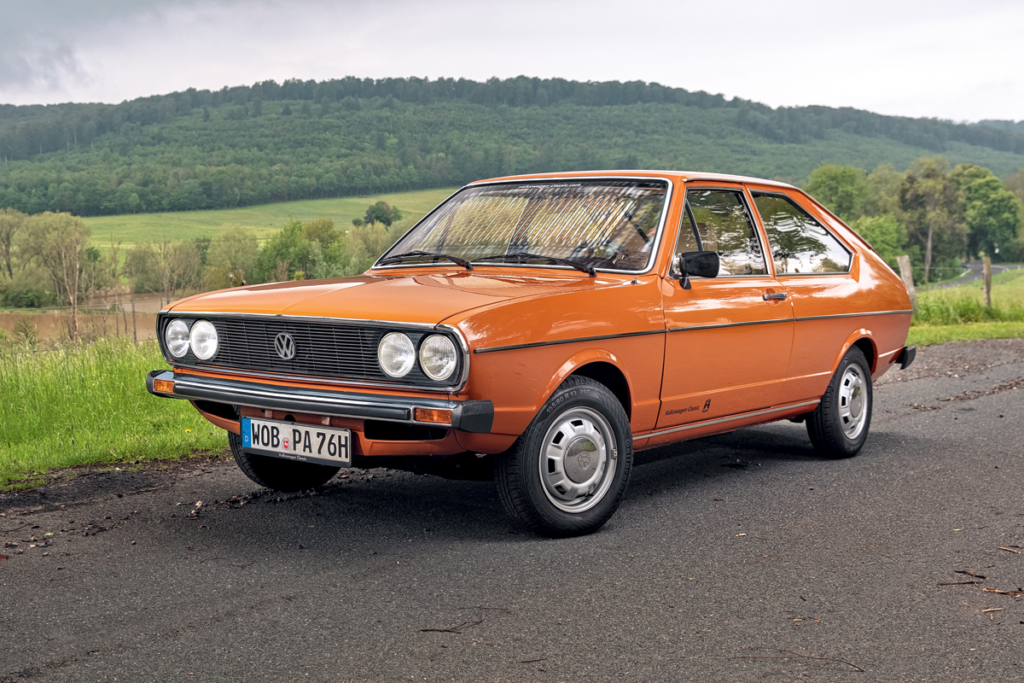
Giorgetto Giugiaro of Italdesign was commissioned to redesign the Audi 80, but visually, the Passat differed little from its base model. Changes to the headlights and bumpers had minimal impact on its overall look. Where the two did differ was in body styles: only the five-door estate was common to both, and not in every market. Upon its launch in August 1973, the Passat was priced at 9,060 Deutsche Marks—just ten marks less than the Audi 80.
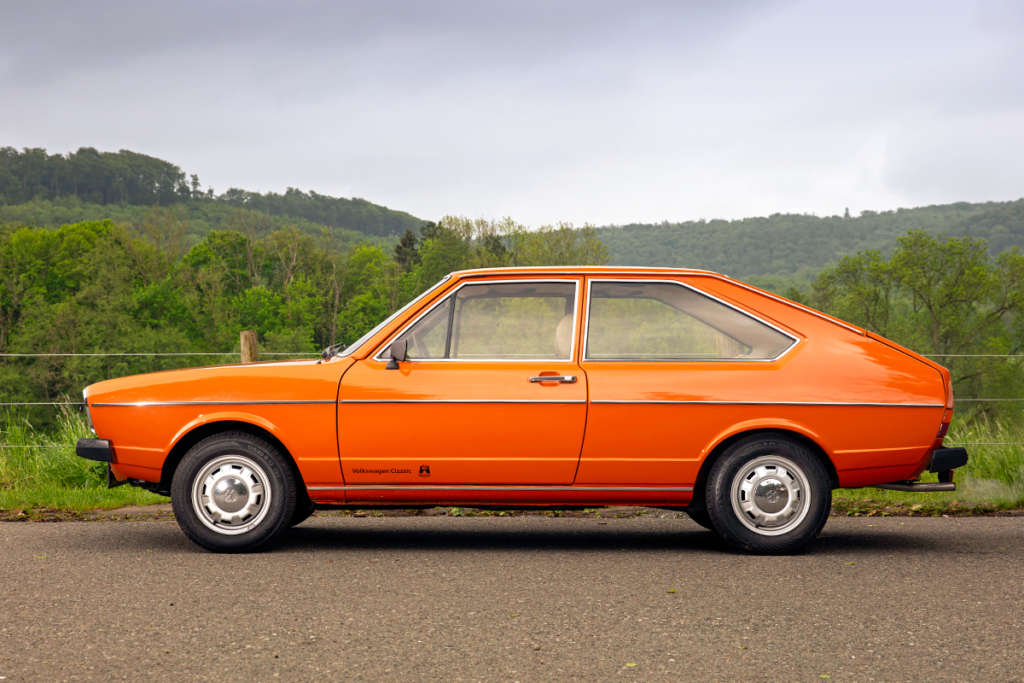
Driving the Two-Door GLS
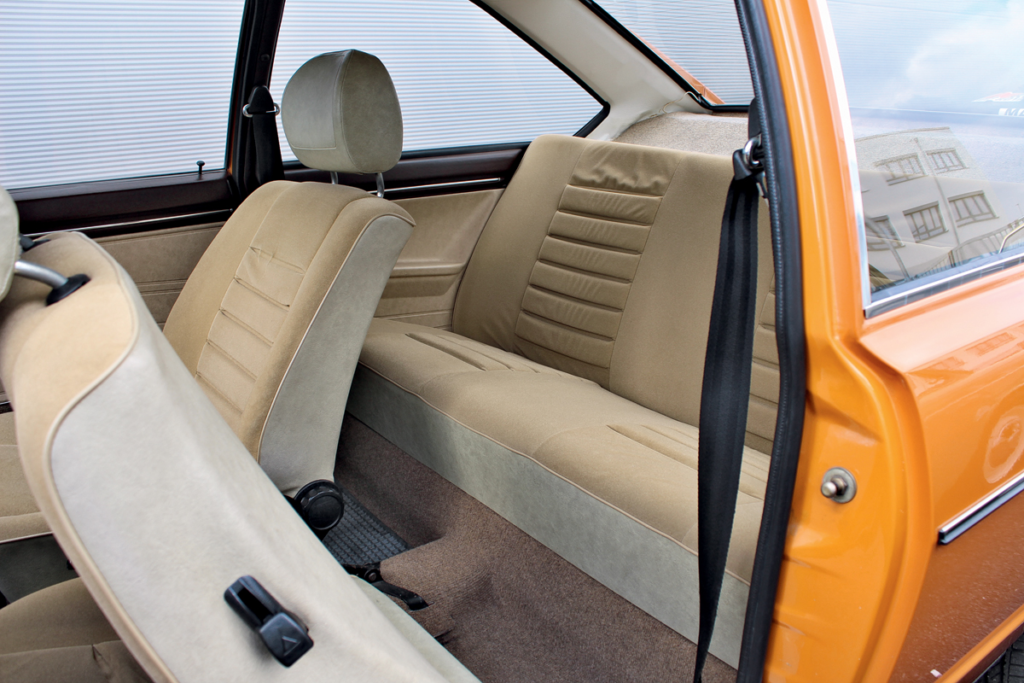
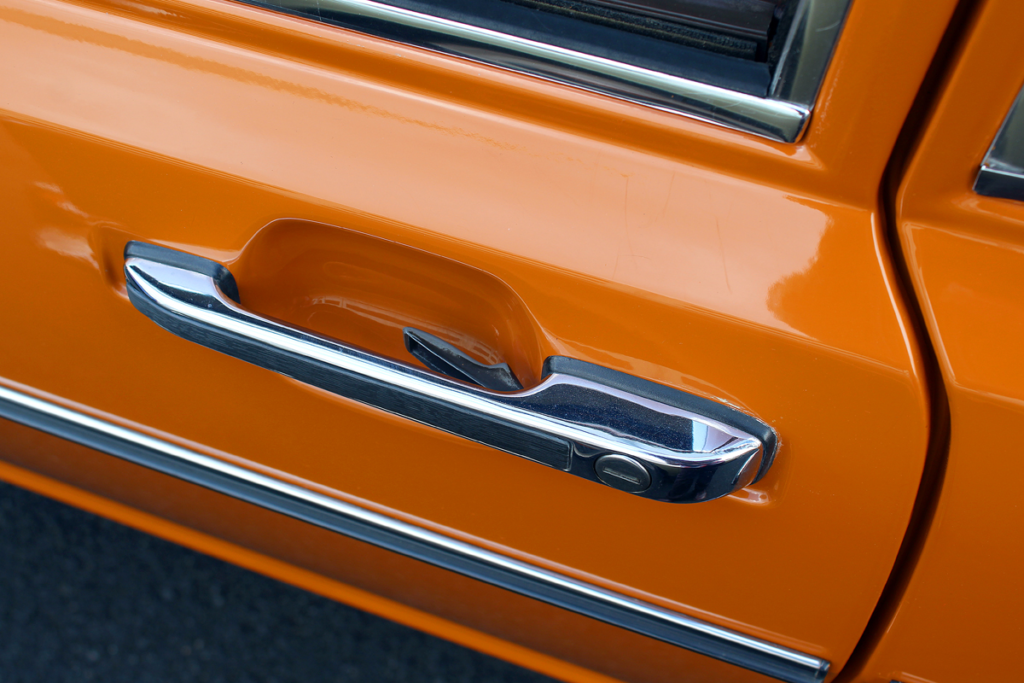
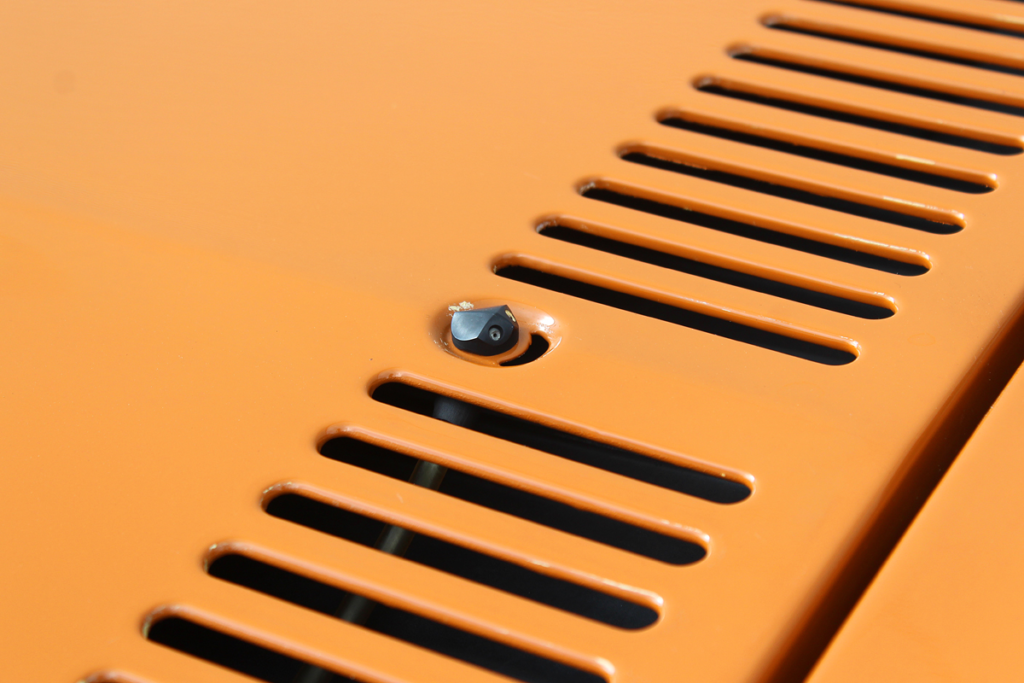
The Passat I drove had the basic two-door body. It looks like a hatchback at first glance, but the rear window is fixed and the boot opens through a small sloping lid — a design the German industry liked at the time. Even after a hatchback Passat arrived in 1975, fastbacks like this stayed on sale.
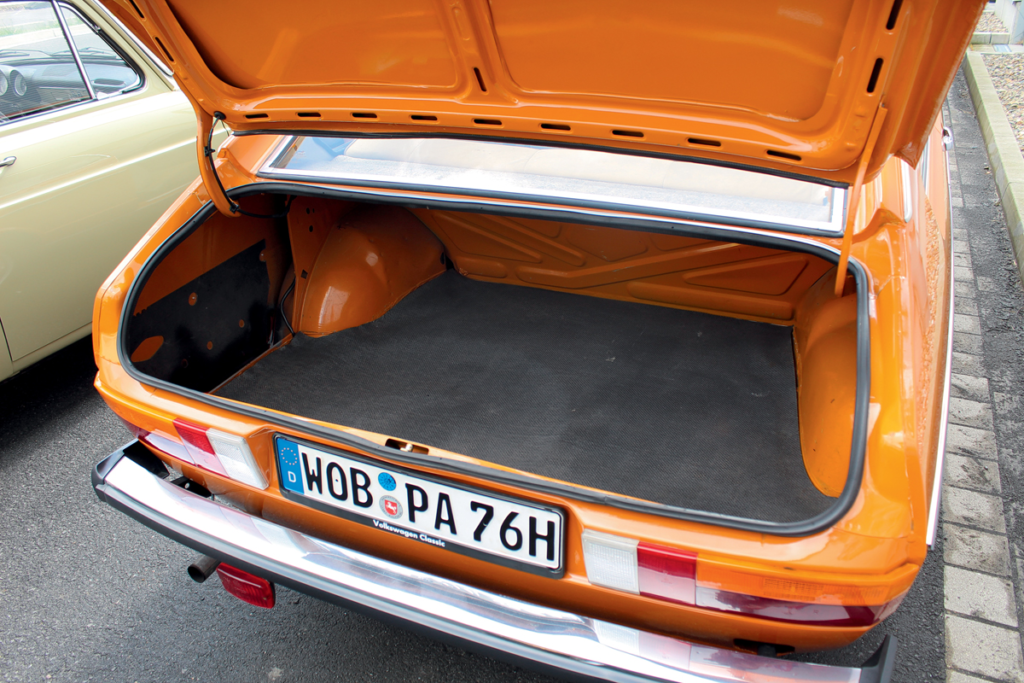
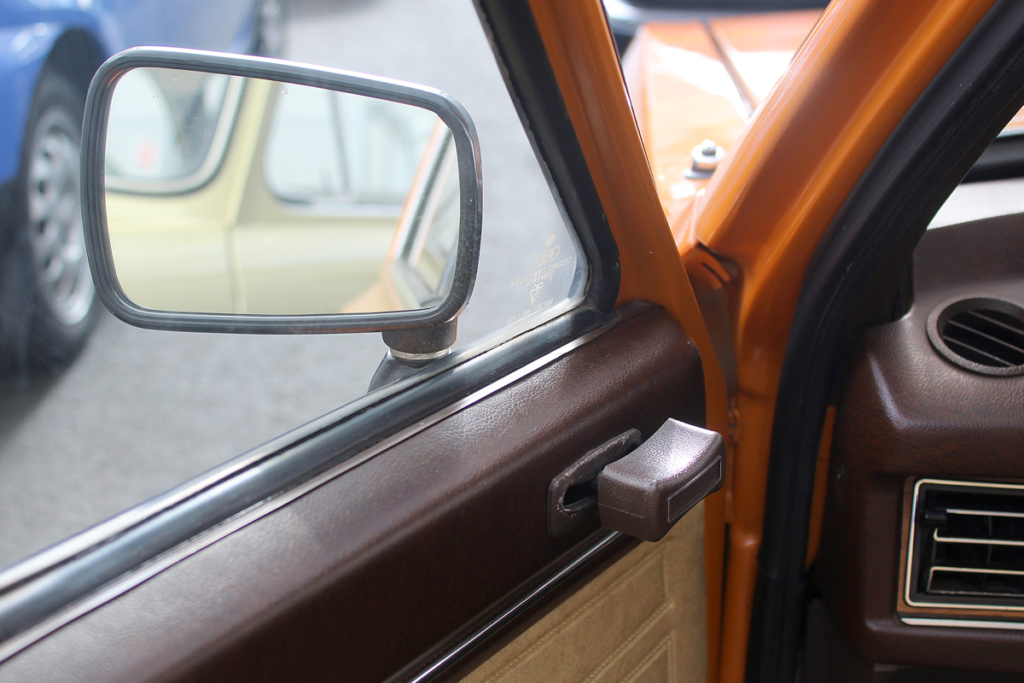
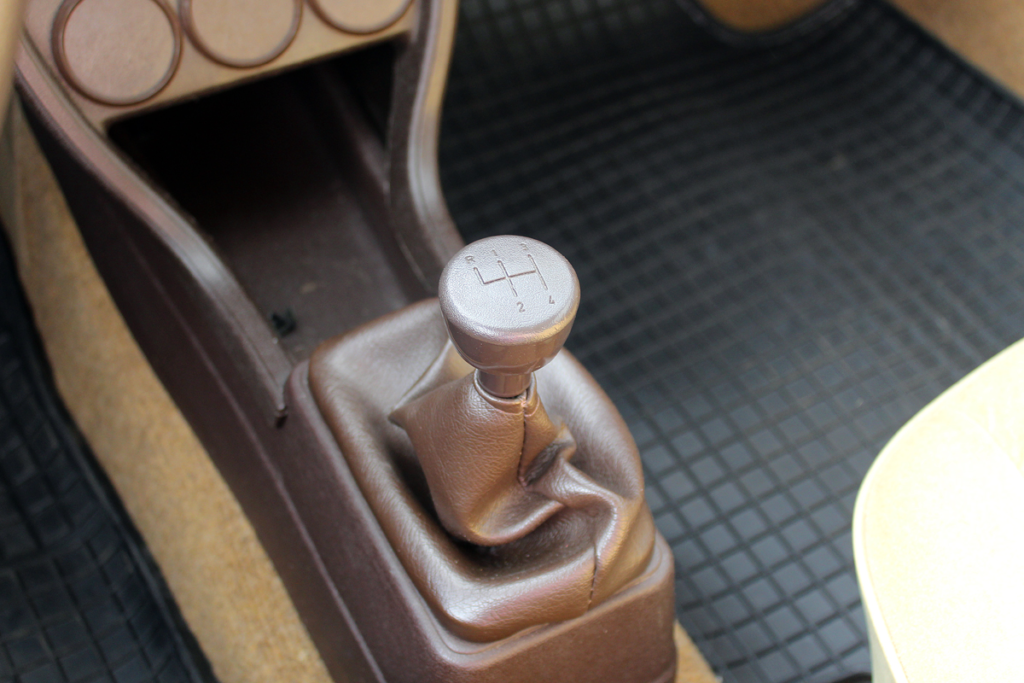
The car was in the high-end GLS trim, with wood-look finishes, a centre console and a factory radio, though bare metal is still visible on the door frames. Comparing the Passat with the K70 directly is not quite fair — different classes, very different sizes — but the seating and ergonomics in the Passat are close to modern standards, with firmer seats, a less reclined steering wheel and a gear lever where your hand expects it.
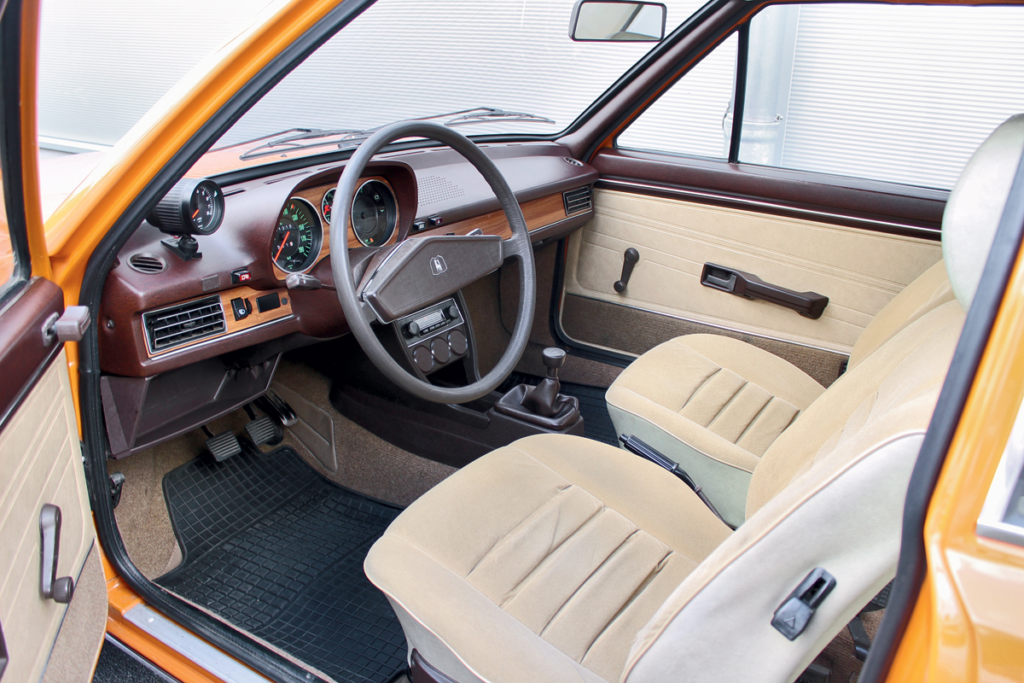
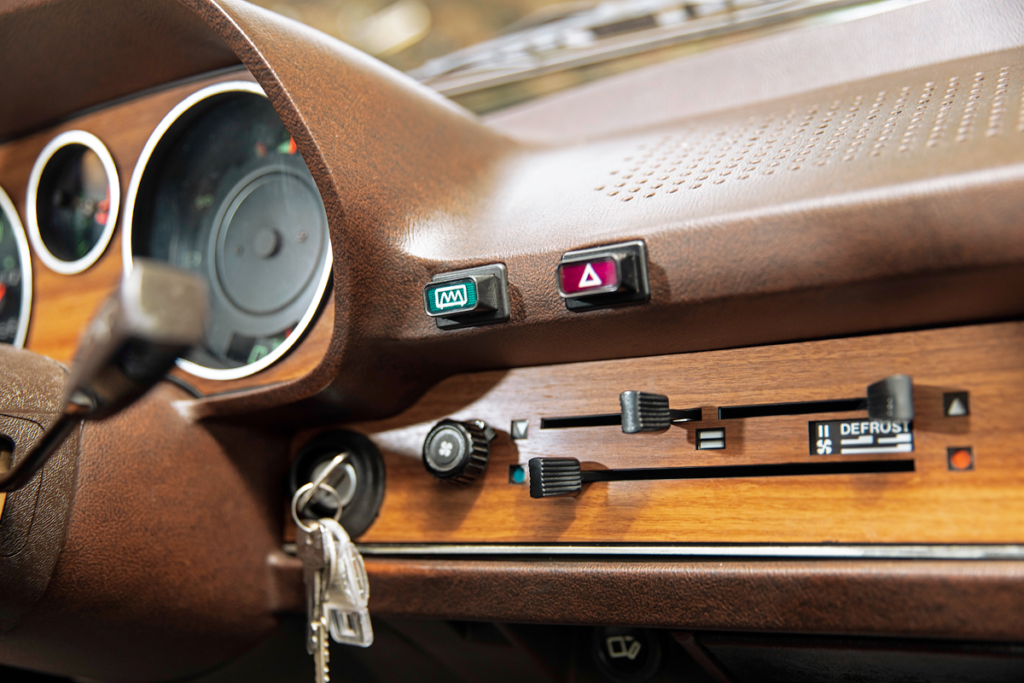
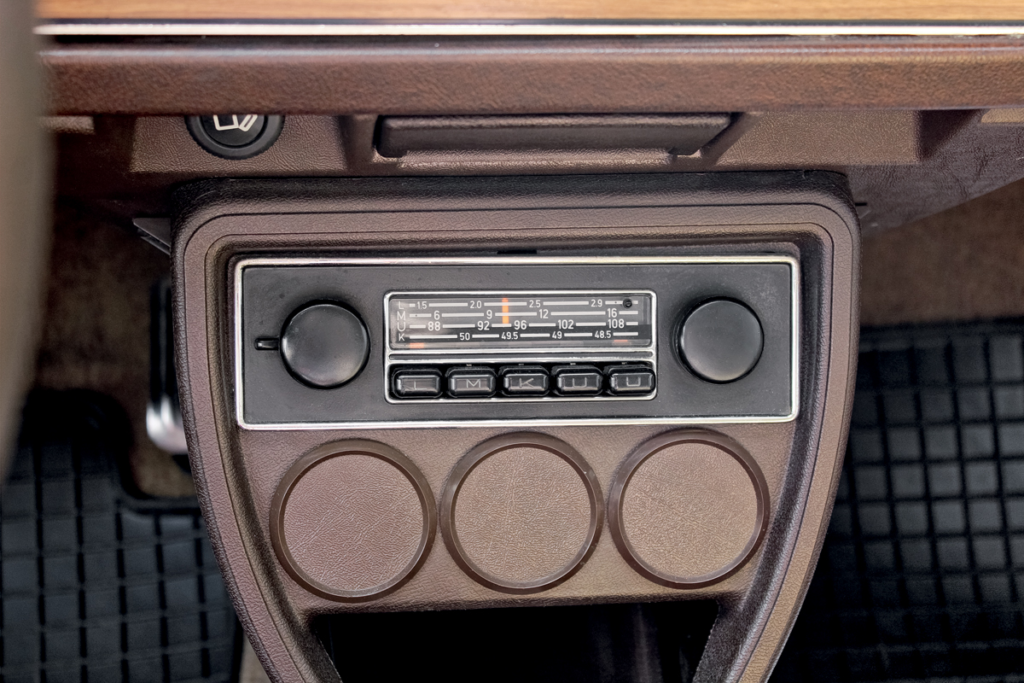
This Volkswagen drives as a Volkswagen should. The steering is unassisted and long-geared but precise, the four-speed manual shifts decisively, the chassis feels solid. There are McPherson struts at the front and a conventional dependent beam on trailing arms at the rear, much as on the Moskvich 2141 — and the Passat is steadier and more confident than the semi-trailing-arm K70, in a straight line and through a corner alike.
Does the front-mounted engine spoil the handling? Physics cannot be cheated, but on dry asphalt you are more likely to be alarmed by the roll than by understeer. The carburetted 1.6-litre of 85 hp, introduced in 1975 and the most powerful in the range until 1979, does the job well enough, though it revs sluggishly and pulls only moderately. Presumably that is why the heavy nose was never treated as a serious problem, and why anything done about the car’s manners took so long to arrive.
And Then Came the Golf
A year after the Passat, Volkswagen introduced the first-generation Golf, the company’s first truly independent front-wheel-drive model. With it, the era of rear-engined Volkswagen passenger cars passed definitively into history.
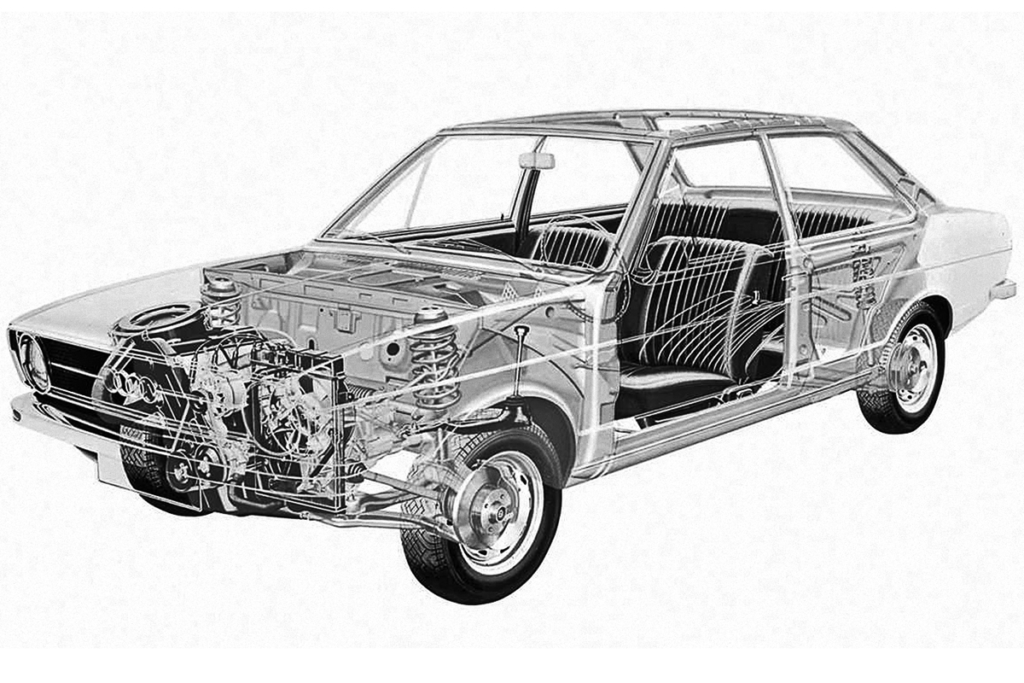
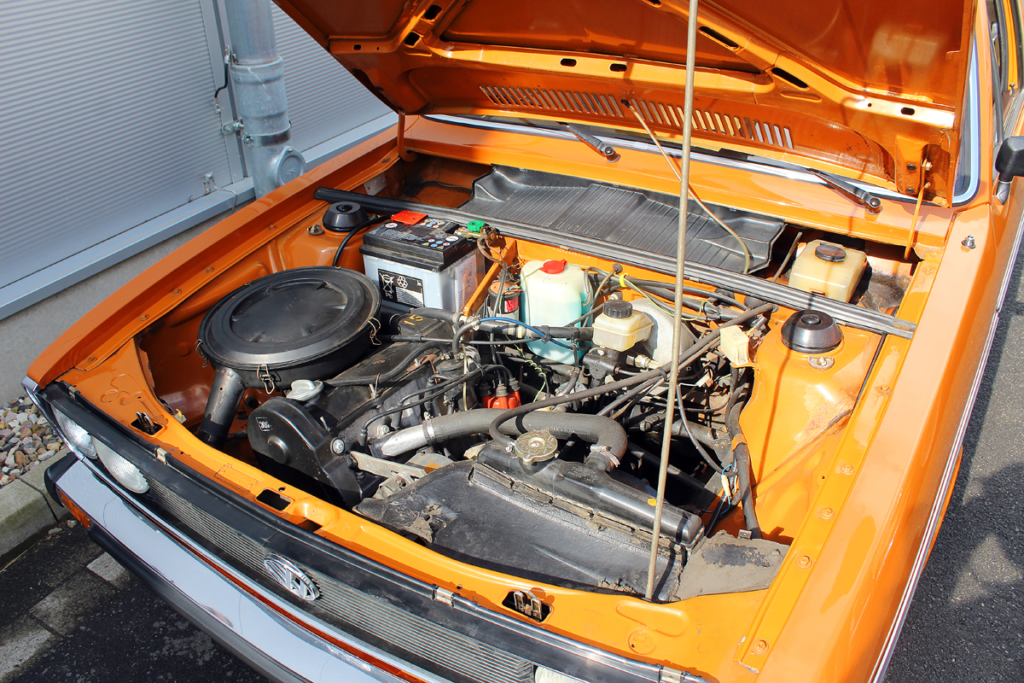
The Passat’s architecture was revised three more times. In 1988, the third-generation model adopted a transversely mounted power unit. The fifth generation, in 1997, returned to the longitudinal Audi platform, but the sixth generation reverted to a transverse layout, which continues to this day. The lesson of the K70 was not learned especially well, though — the company repeated the experiment with the Phaeton, which is a story for another time.
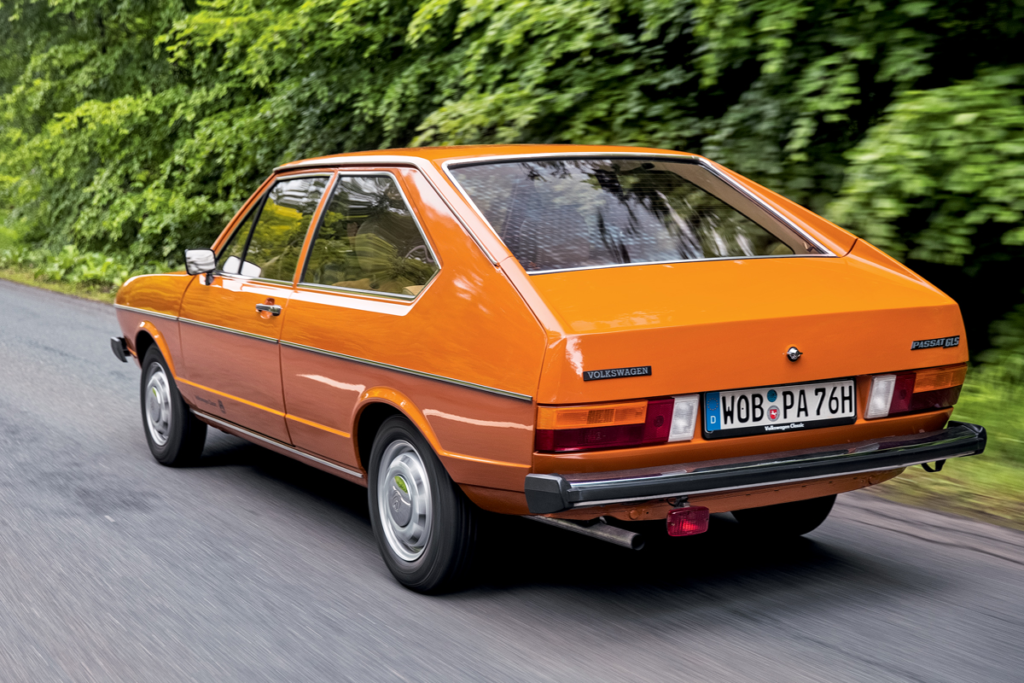
Photo: Igor Vladimirsky | Volkswagen
This is a translation. You can read the original article here: Как Volkswagen переходил на передний привод: ретротест моделей K70 и Passat B1

Published January 09, 2025 • 9m to read