
It’s striking and fast, covers 400 km on a single charge, and can drift with the stability control turned off. And it’s cheaper than Zeekr or Avatr. So why is the Rising R7 electric crossover unwanted by many?
A Car Nobody Can Tell You About
Working with these “gray” Chinese electric cars is like navigating the unknown, even for the people who repair them. And if sellers and repairmen at least have some connections with manufacturers in China, we, the journalists at Autoreview, have virtually none.
So here I am, using an online translator to scrounge for any information at all about who created Rising, and why. “What can I talk about with you, you get everything from the internet,” Nikolay Fomenko threw at me during the first presentation of Marussia, when he could not answer a single one of my questions. How true the words of the greats become over time.
What the Internet Does Say: a Designer
Something did turn up: Martin Kropp, who won the prestigious Red Dot award in 2009 for the Volkswagen Passat CC, is listed as chief designer of the R7 crossover in 2021. Consider the timeline — Kropp left Volkswagen in the summer of 2018 for the Chinese company Zotye, but by the autumn of 2019 he had moved to SAIC. A wise move, given that Zotye went bankrupt in 2021.
The SAIC R ES33 concept car, which closely resembles the production Rising R7, was unveiled at the Shanghai Auto Show in April 2021. That leaves less than a year and a half for development. Another year, and it was on the production line.
Beautiful? People Turn to Look — Then Look Away
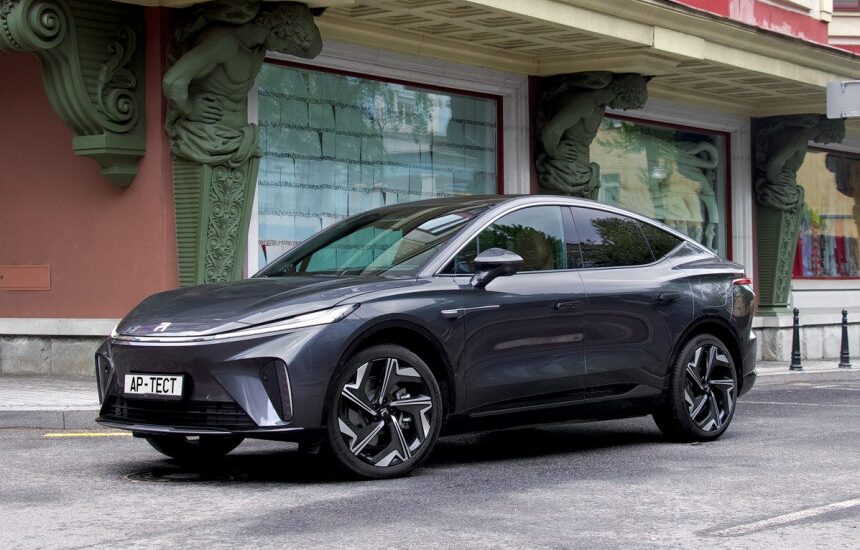
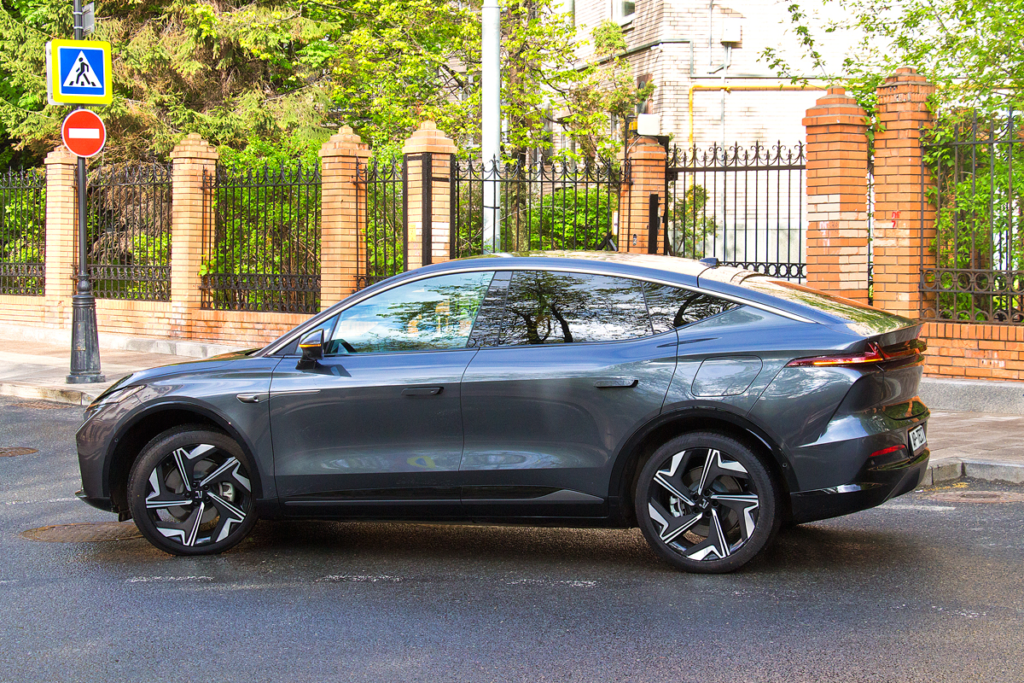
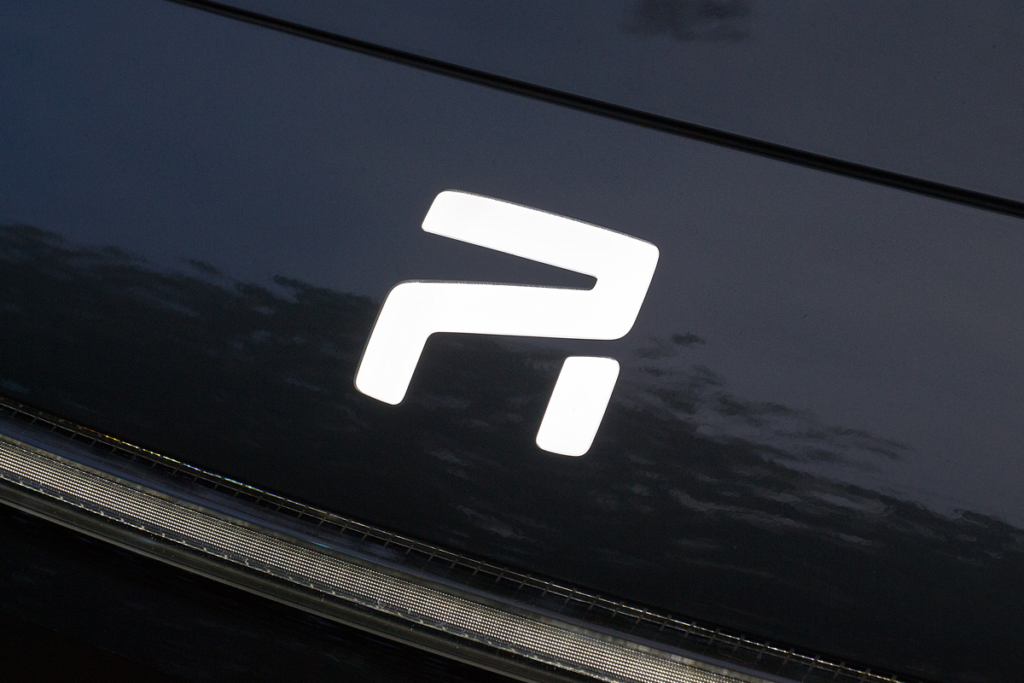
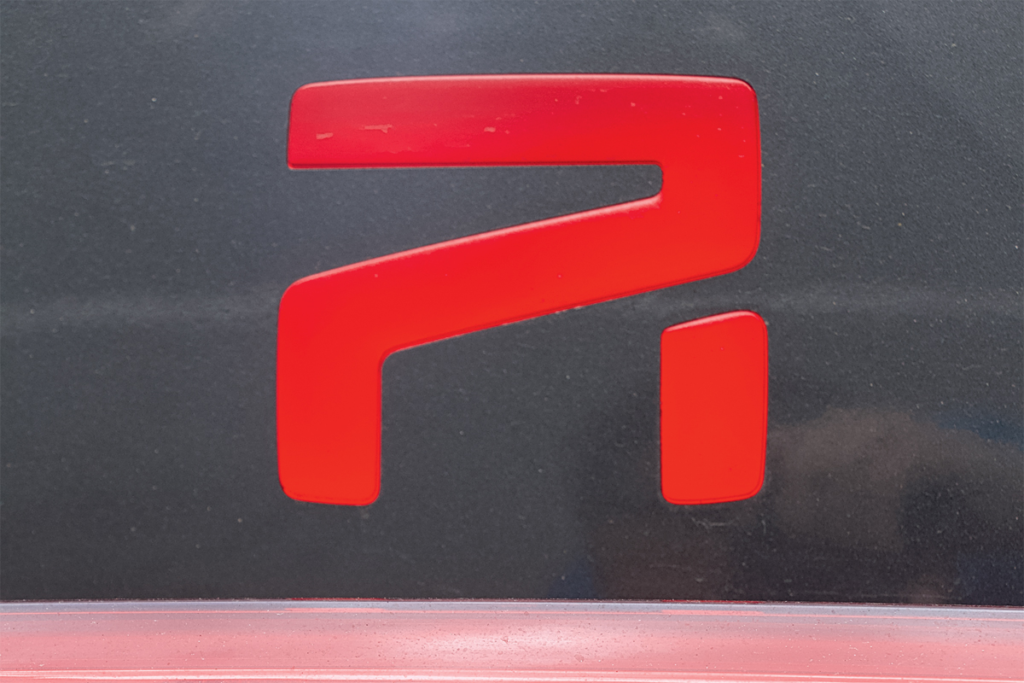
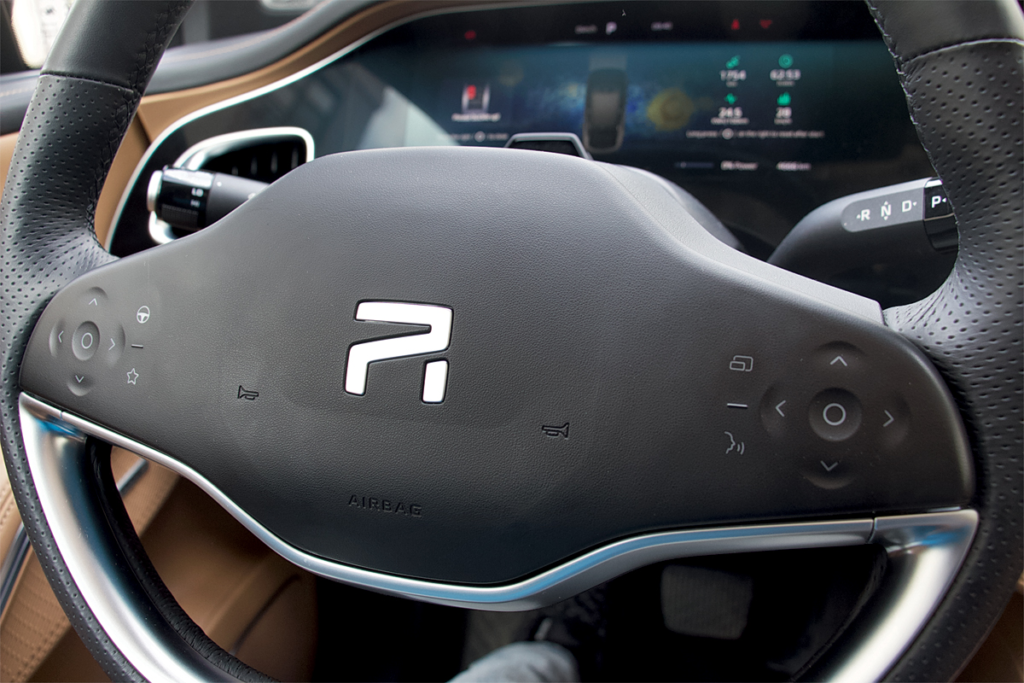
But how does the R7 look? Beautiful? It is bright and modern, and people do turn to look at it. They also look away quickly, as if disappointed. Even the glowing R lettering — white at the front, red at the back — does not help. The design lacks originality and coherence.
They Have Now Hired a Bigger Name
Perhaps they should have brought in a more prominent stylist in the first place. It is no coincidence that the Chinese have just hired the well-known Slovak Jozef Kabaň as chief designer for the whole SAIC conglomerate. He will now lead a team of 300 people across three centres: the main one in Shanghai and two research centres in London and Tokyo.
Rising, Feifan, Roewe: One Company, Three Names
Incidentally, when searching online it is better to use “Feifan”, which means “extraordinary” in Chinese and is the brand name for the domestic market. Both brands grew out of Roewe, which SAIC created in 2006 during the battle for the British Rover. In 2020 the Chinese planned to spin a couple of promising electric vehicles off into the R branch, and a year later Feifan/Rising appeared.
And About the Chassis, Nothing at All
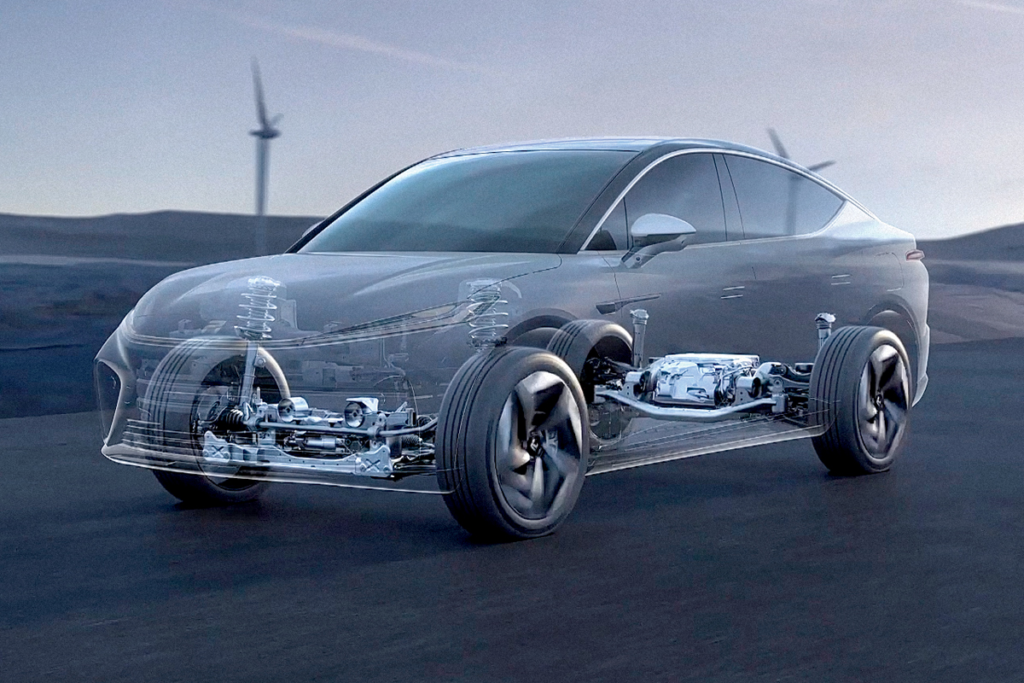
There is at least some information about the design. About the chassis, though? Who is the chief engineer, and what platform are the Feifan/Rising R7 and the related F7 electric liftback built on? The net is silent. Maybe someone at AGP, the company that imported both cars to Russia and sells them through Avilon Electro dealerships, knows? “We haven’t figured them out yet.”
544 hp, and 3.8 Seconds I Believe
Meanwhile, the Rising drives quite well. It drives civilly.
The base R7 is rear-wheel drive, but AGP wisely decided to import the dual-motor versions to Russia, with a combined 544 hp. We have not taken instrumental measurements, but I believe the manufacturer’s claim of 3.8 seconds to 100 km/h. Press the accelerator and the Rising does not jerk forward; it sets off smoothly. A moment later there is simply an avalanche of thrust. One, two, three — and through the distinctive electronic whine you can barely make out your former neighbours in the mirror.
A monster. And faster than a Zeekr 001 of similar specification. Rising has a slight advantage in total torque, 700 Nm against 686 Nm, but I suspect it is more about the calibration and better energy efficiency.
Several times I caught myself thinking that the R7 could be dangerous for motorcyclists. They are used to sitting at the top of the food — sorry, the speed — chain, and this thing looks like an ordinary crossover. It is not.
A Fake Engine Note, and a Torque Slider
It is funny that the menu lets you switch on a roaring combustion-engine soundtrack, which the Bose system then reproduces faithfully inside the cabin. More useful is the slider that limits torque — genuinely handy for a novice driver, for instance.
Super Player Mode
And for enthusiasts like us there is Super player mode, which arrives with a disclaimer: experienced drivers only, at your own risk. Click it, and the culinary depths of auto-gourmandise open up.
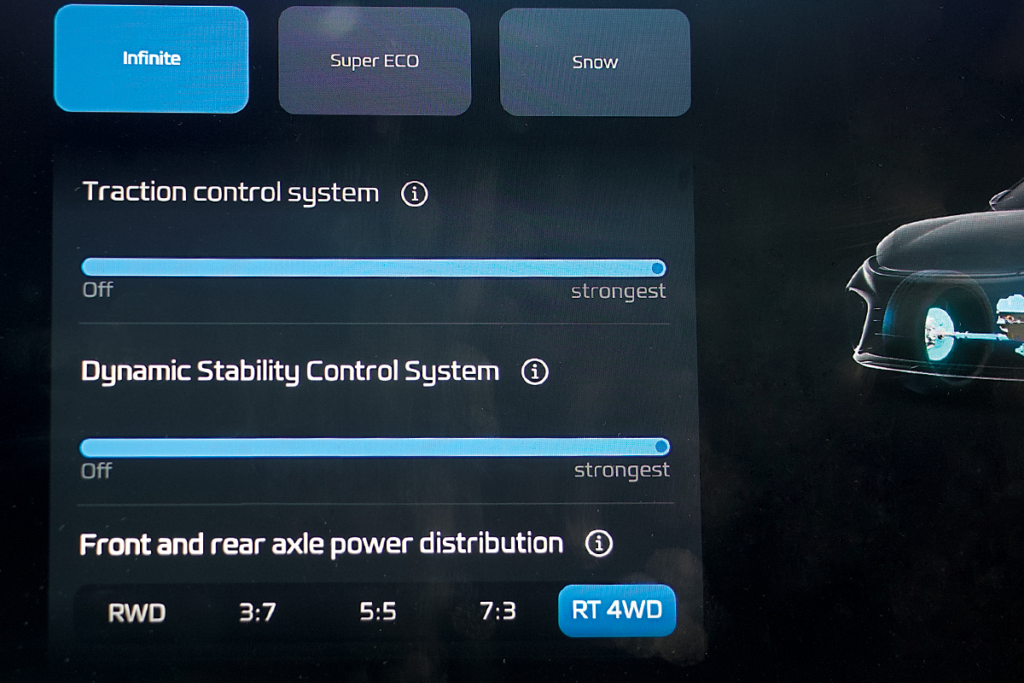
First, you can vary the intervention of both the traction and the stability systems smoothly from 100% down to zero. Second, there is adjustable torque distribution between the axles, in five variants: rear-wheel drive, all-wheel drive, and splits of 3:7, 5:5 and 7:3. As far as I know, only Tesla’s Performance version offers anything similar.
Why Did We Only Test It in May?
Why did we take the Rising for a test only in May? Now we have to wait for next winter. Because even on wet asphalt the R7 in RT 4WD mode drives competently with the “collar” off. The front motor is weaker than the rear one, and the staggered tires are chosen to match — 235 mm wide at the front, 265 mm at the rear. The Rising answers first with a short understeer, then slides obediently into pure all-wheel-drive drift with the emphasis on the rear wheels. Delightful.
One-Pedal Driving, Almost Perfectly Tuned
What gets in the way is the accelerator pedal, which could be more informative. Switch on S-pedal mode, though, and the one-pedal driving is beautifully calibrated. Almost beautifully: release the brake and the Rising will not creep the way two-pedal cars have taught us to expect, so on a slope it starts rolling back immediately. But how convenient it is in city traffic — you barely touch the left pedal, because you learn exactly where the R7 will stop at the lights.
The ABS, by the way, feels less than modern and works with fairly low-frequency pulses. Its effectiveness, though, is excellent.
A Simple Chassis, Well Tuned
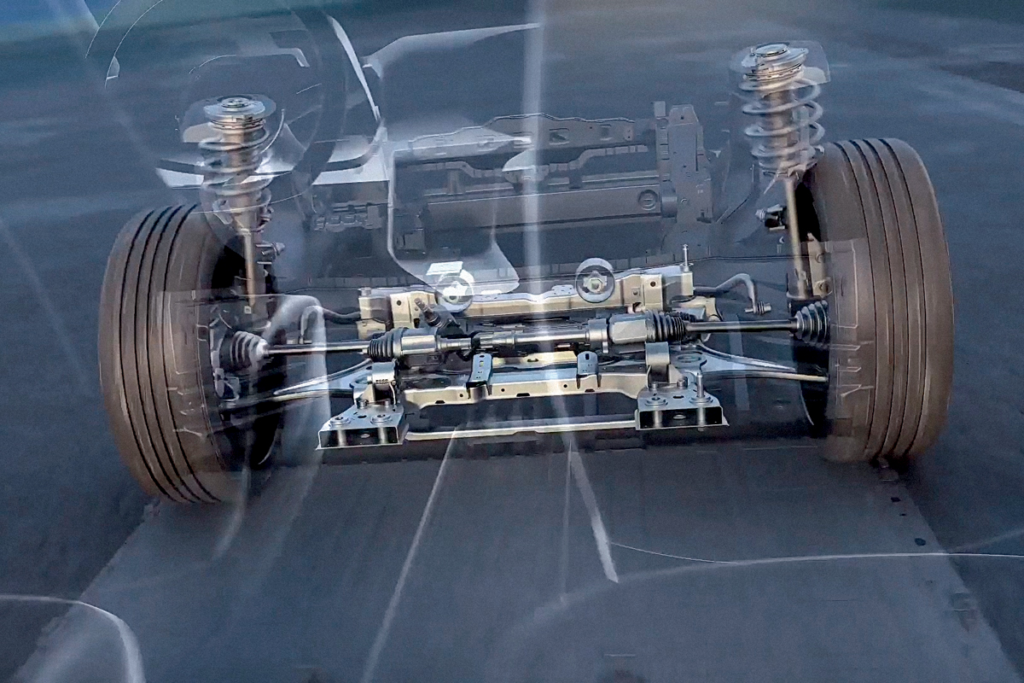
The chassis is simple. The F7 liftback has double wishbones at the front, but the R7 crossover uses McPherson struts. There is no air suspension either, just springs and passive dampers. The geometry of the rear multi-link, though, clearly indicates well-judged kinematics.
The Steering, and What It Is Missing
The steering rack is apparently quite ordinary. Despite an unattractive wheel that makes a moderate two and a half turns, I miss sharpness in smooth corners — the Zeekr, with its progressive rack, wins here. The reactive feel is more pleasant, though. Of course it is not a Taycan with its phenomenal transparency, and as usual the lightest mode is better than the heavier Standard and Stable settings. The lack of self-centring is noticeable only in the sharpest manoeuvres, and you take bends of any severity with confidence. On the straight the Rising is stable, ignores tramlines, and is grippy and predictable through curves, with a stability system that is timely and unobtrusive. What more could you want? Perhaps the absence of lateral sway in the most demanding corners. But fighting that at a curb weight of 2.3 tons is simply beyond a passive suspension.
One more observation. Where Zeekr and Li mask the sense of speed, the Rising lets you feel it even in town. Just try not to exceed the limit — the car is aching to leap forward.
Tires Are Half the Car
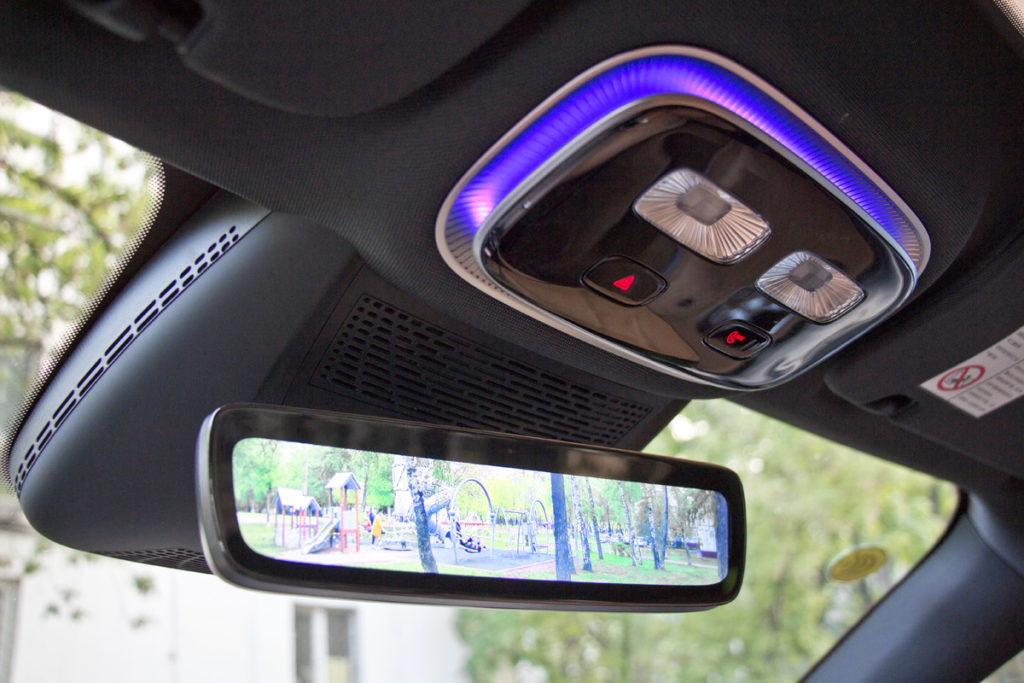
Ride comfort is an interesting story. I collected the Rising on winter non-studded Michelin X-Ice Snow SUV tires and was pleased: not up to a Li L9, but certainly no worse than the pneumatically sprung Zeekr 001. Then, at my request, the R7 was fitted with the factory-standard Continental PremiumContact — and I did not recognise it. Where did the smoothness over small imperfections go, and why does the car now jitter on every patch of asphalt? It never reaches actual discomfort, but the Mercedes-like ceiling light now rattles constantly. Tires really are half the car, as Divakov likes to say.
The Other Half: 400 Real Kilometres
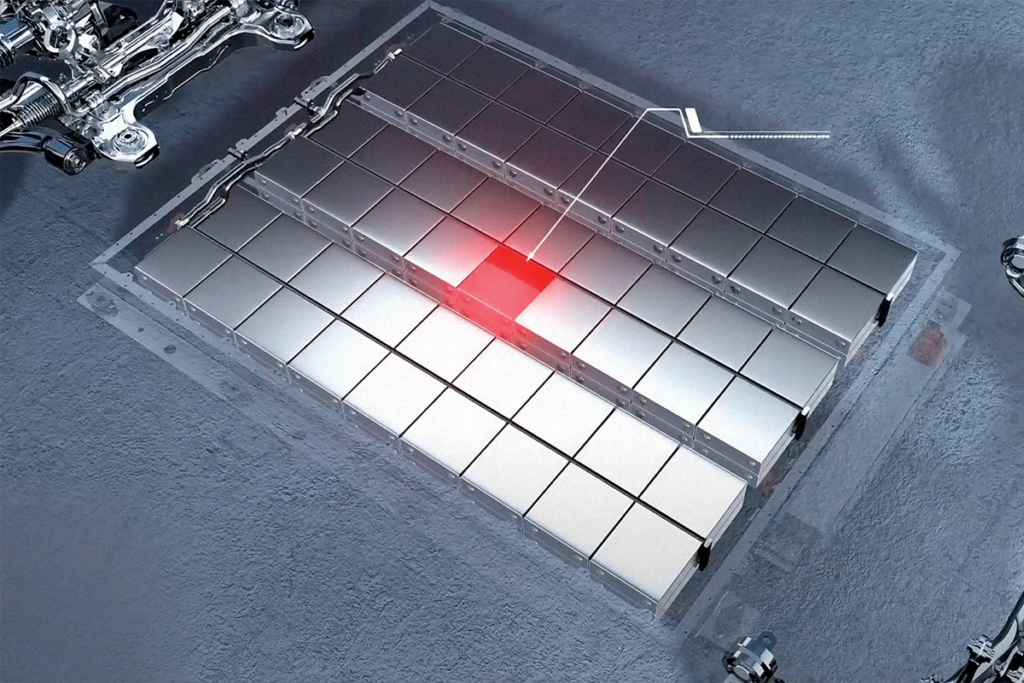
The other half of an electric car is charging and range — and here the Rising does better than the Zeekr. The battery is slightly smaller, 90 kWh against 100, but the real range is not 300 km, it is a full 400, because average consumption is not somewhere over 30 kWh/100 km but just under 25. And that is in the cold, with a test car. In calm, warm driving I am confident of 21-22 kWh per hundred kilometres.
It is not a Tesla or a Mercedes EQE with their real 17-19 kilowatt-hours, but it is close, because the Rising R7 is aerodynamically good, at Cx = 0.24, and its regenerative braking is effective.
Five Hours on a City Charger
The car takes both AC and DC. I used a free city charger with three phases and 22 kilowatts, but the Rising accepts only 11 kW, with a current limit of 16 amps. A session booked through the “Moscow Transport” app cannot run longer than five hours. There are no penalties, and a connected electric car cannot be towed away, but ignoring the stern “Leave the place no later than 15 minutes after the session ends” is not decent — what if somebody really needs it? And that rules out overnight charging completely. You are not going to get up at three in the morning because you plugged in at ten in the evening, are you?
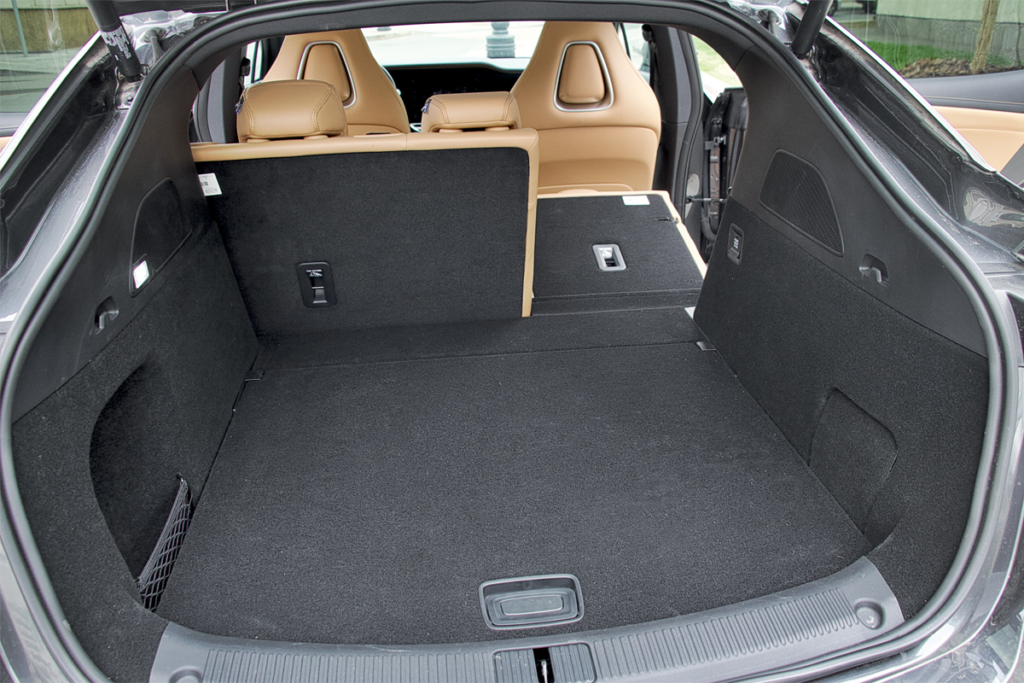
So the Rising spent the night in an ordinary parking space, free, thankfully. And in the morning the first thing you do — no, not brush your teeth — is check your phone. Is the charger free? Out of the door, into the car, off to the charging station. Made it: there are two sockets, but a BMW iX is already parking at the first one, and parked in a way that leaves no room. Thanks to the driver, he moved over. Now pull the cable out of the trunk, connect, start the session — and you can shower in peace.
You know what this is like? Being a dog on a leash, as the Beatles put it on Abbey Road. Rain, blizzard, storm? Doesn’t matter — off you go. Except that your leash is not thin but a thick hose, which can be wet and dirty. Brrr.
Five hours later, though, and the battery holds enough electricity for 200 kilometres. So the main thing is never to let the charge drop below 50%. Inconvenient? But you drive fast, silently, cleanly and for free.
And comfortably.
Seats, Massage, and Doors With Minds of Their Own
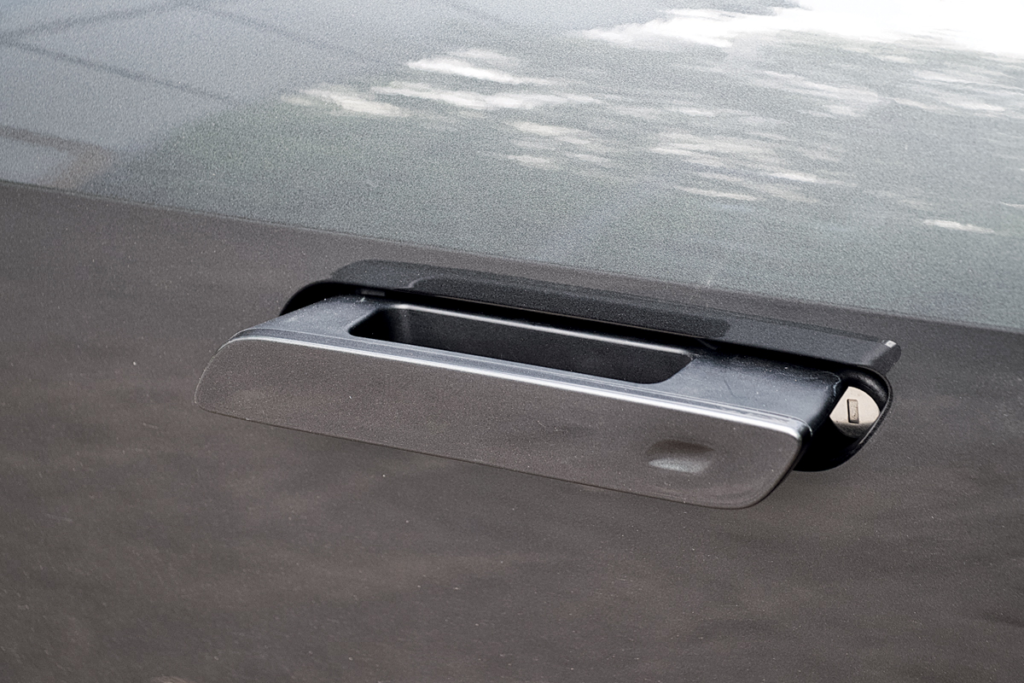
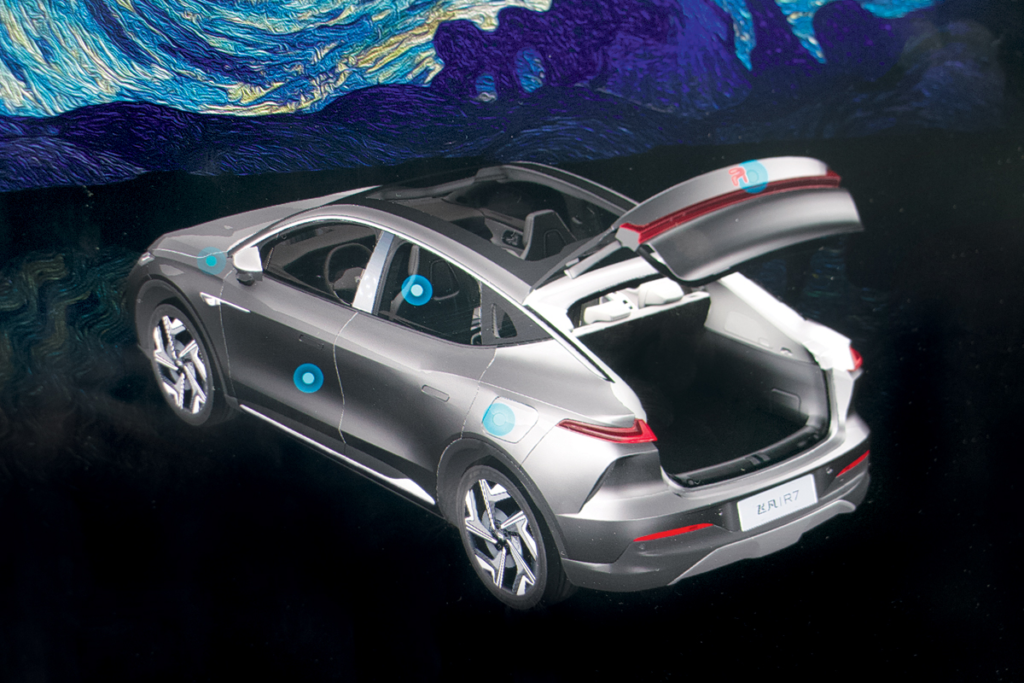
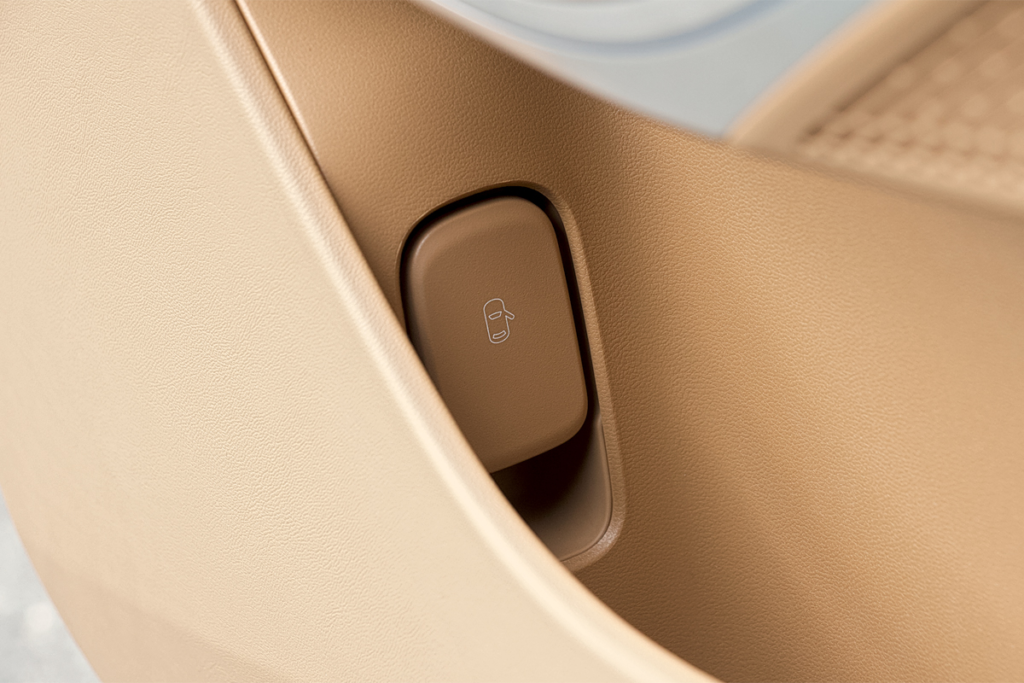
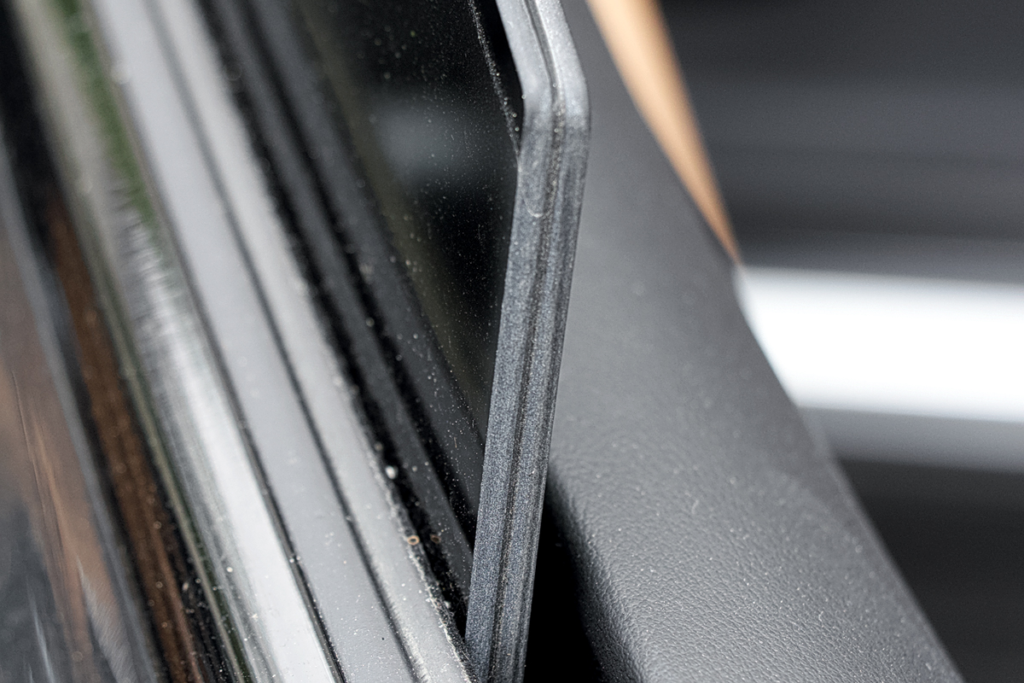
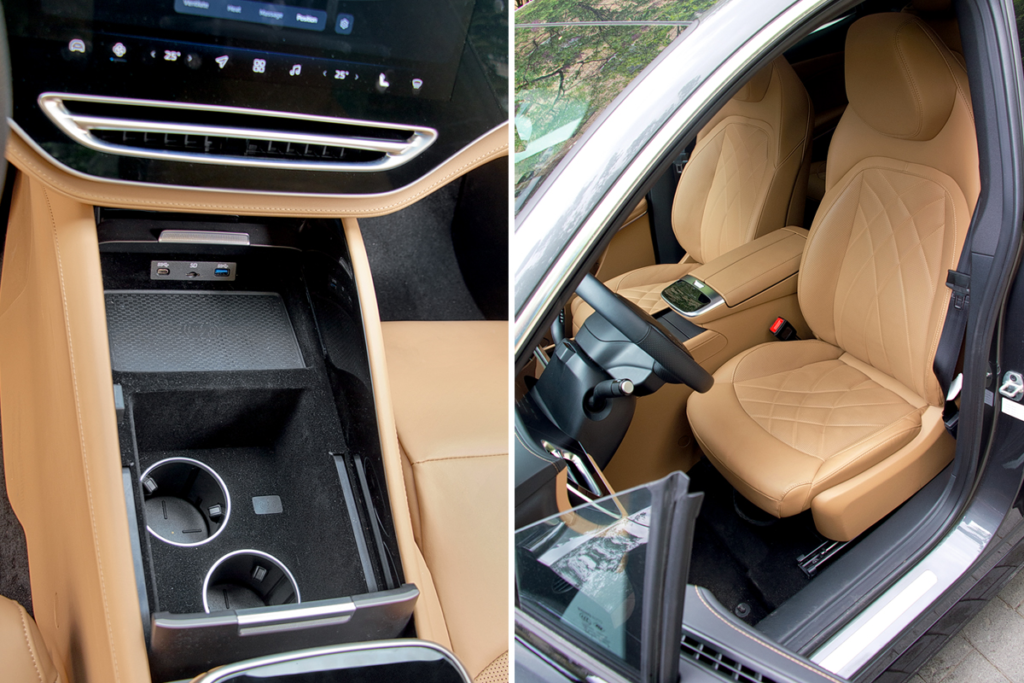
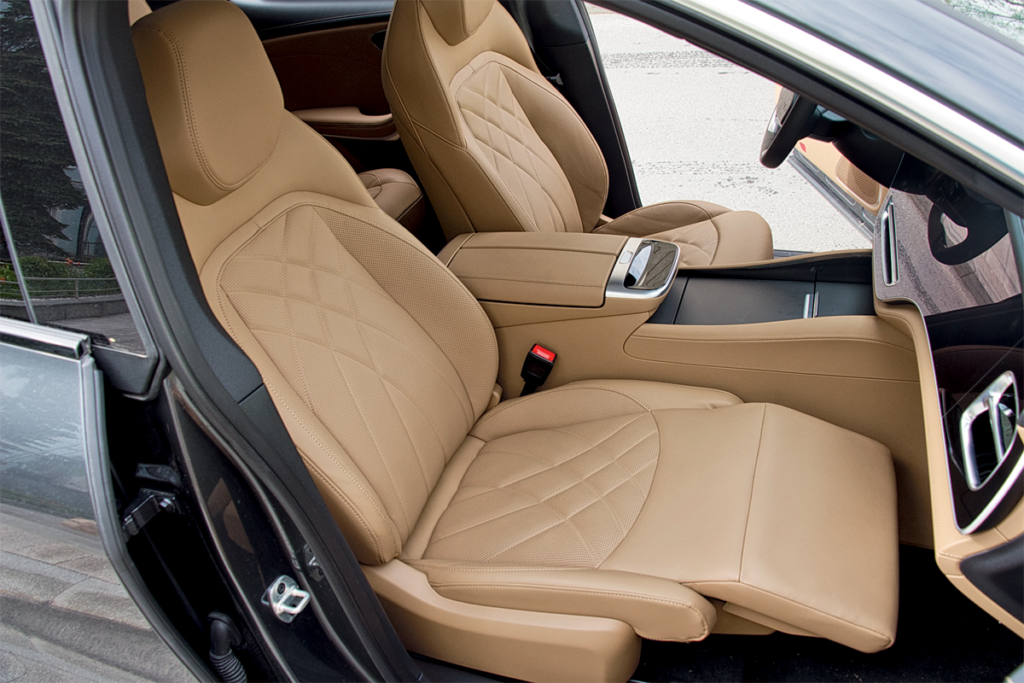
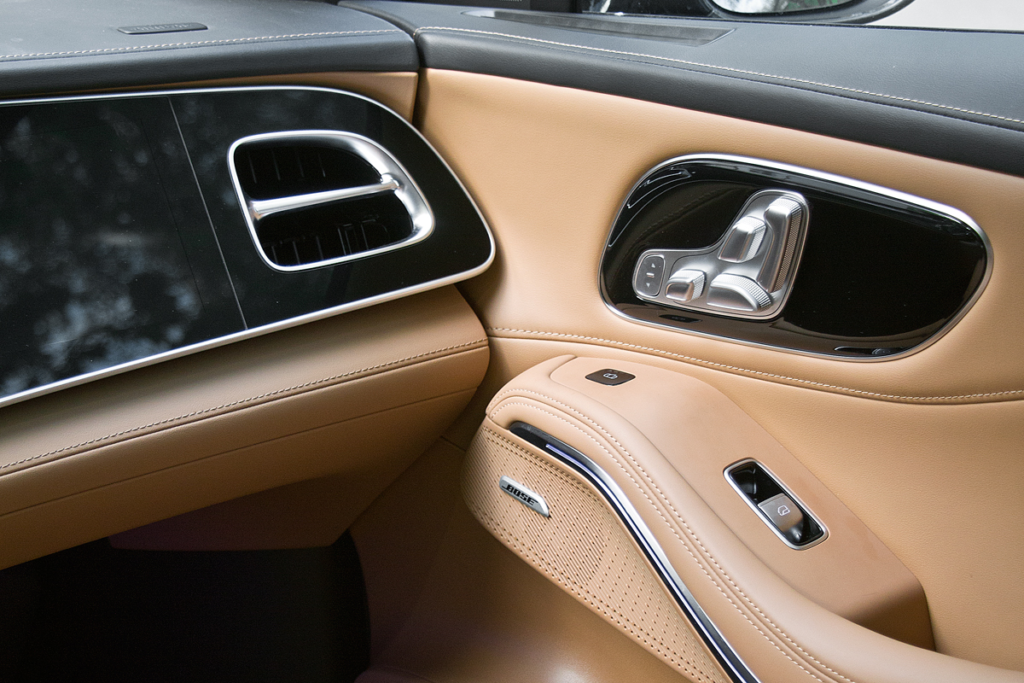
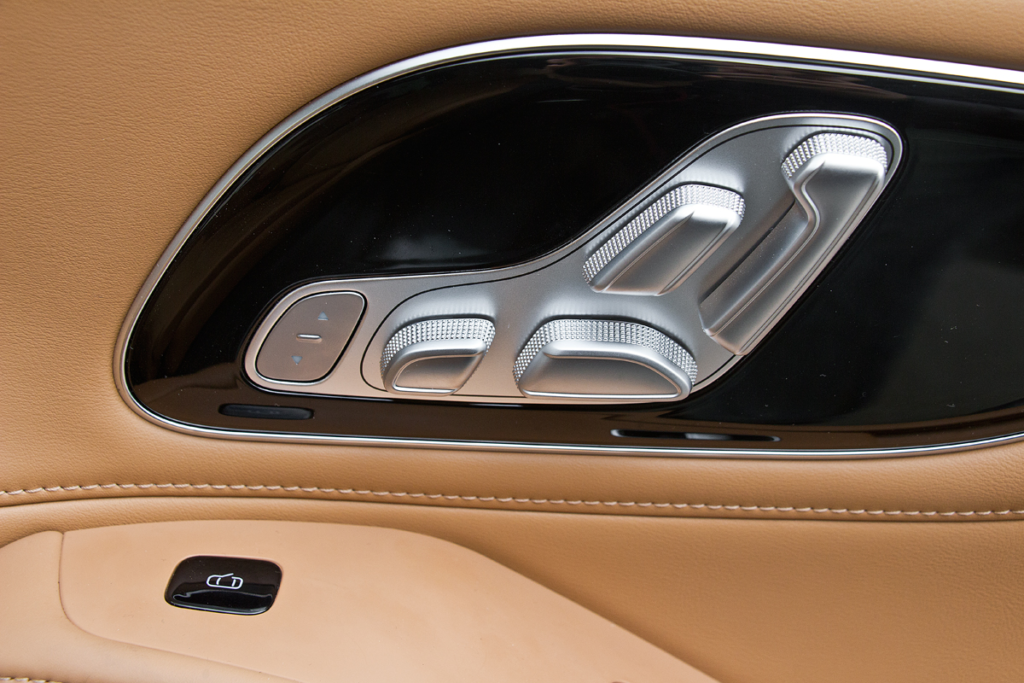
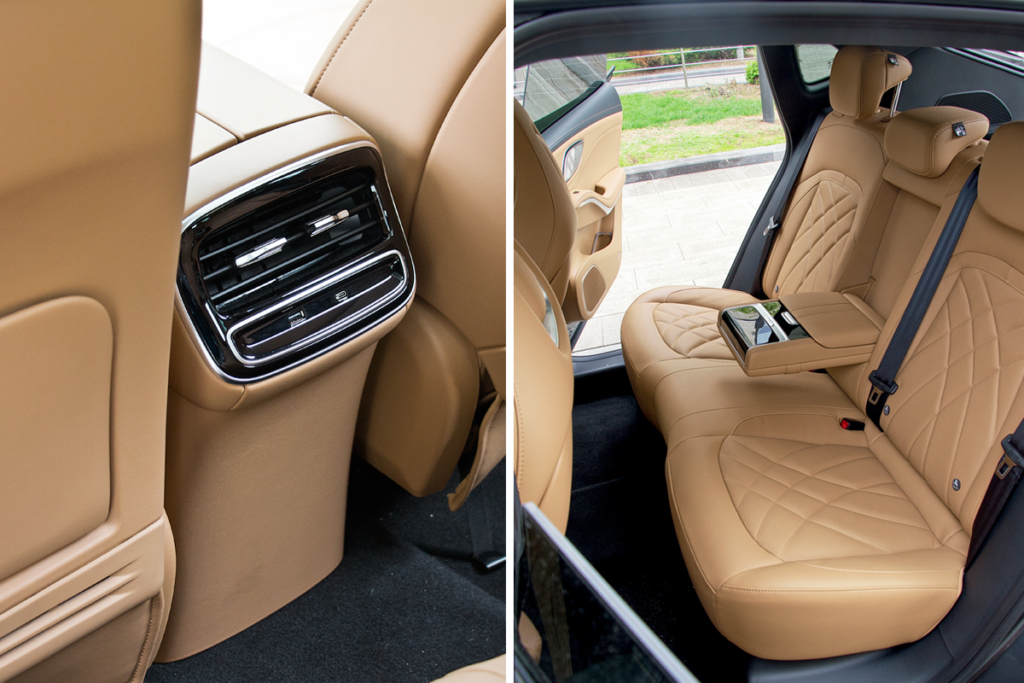
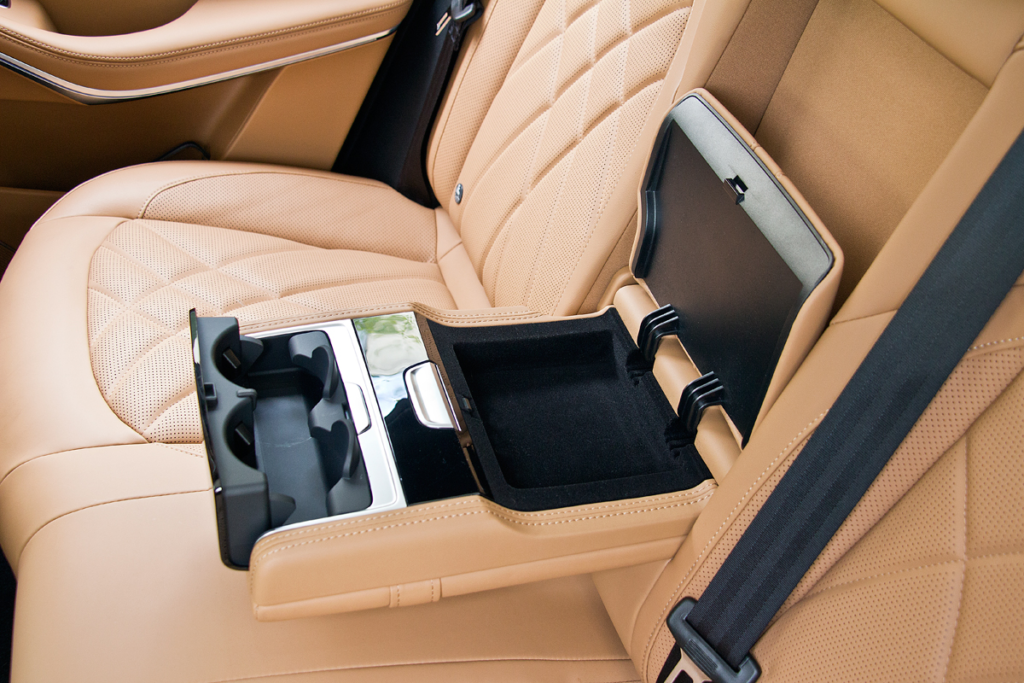
These seats lack lateral support — but the massage. Both are becoming standard among the Chinese: there is nowhere to rush in China, and manual therapy has a thousand-year history there. Powered doors? Where the Zeekr has no separate interior buttons, here there are no conventional handles at all, and on the whole it is more convenient. You walk up with the oval Bluetooth key in your pocket, press the edge of the obligingly extended exterior handle, and the door opens… and stops halfway. Frightened of the curb, are you? Fine, let’s yank it open by hand. Then press the interior button on the door panel — by the time you have sat down, the Rising has closed it. And if you cannot be bothered to press, just press the brake.
If you are not in a hurry, it is convenient. When you need to move quickly, though, especially in a tight parking space… You have paid 160,000 rubles for comprehensive insurance and you still do not want to scratch your neighbour. Hold on, dear, where are you going? From the outside it must look funny — a man swearing, wrestling with a berserk door.
The Bose System Was a Mistake
Turning to the Americans at Bose was a waste. The fourteen-speaker system sounds decent and energetic music is enjoyable, but the amplifier lacks power, detail and precision — Zeekr’s Yamaha is far better. Neither jazz nor, especially, organ fugues will work here.
Driver Aids: Another Mystery
And once again the driver assistance is a mystery. Everything appears to be switched on, and yet the radar cruise control simply refuses to engage. Perhaps because in China you have to pay an extra 30,000 yuan — more than four thousand dollars — for the Rising Pilot package?
At Least There Is No Chinese Account
Interestingly, the Rising does not require a master account. AGP did not bother to rewire the SIM card, so the car needs Wi-Fi shared from a phone, but the Rising sends no data to China, the menu is in English, and applications including Yandex Navigator run on the full big screen.
The Lidar That Quietly Disappeared
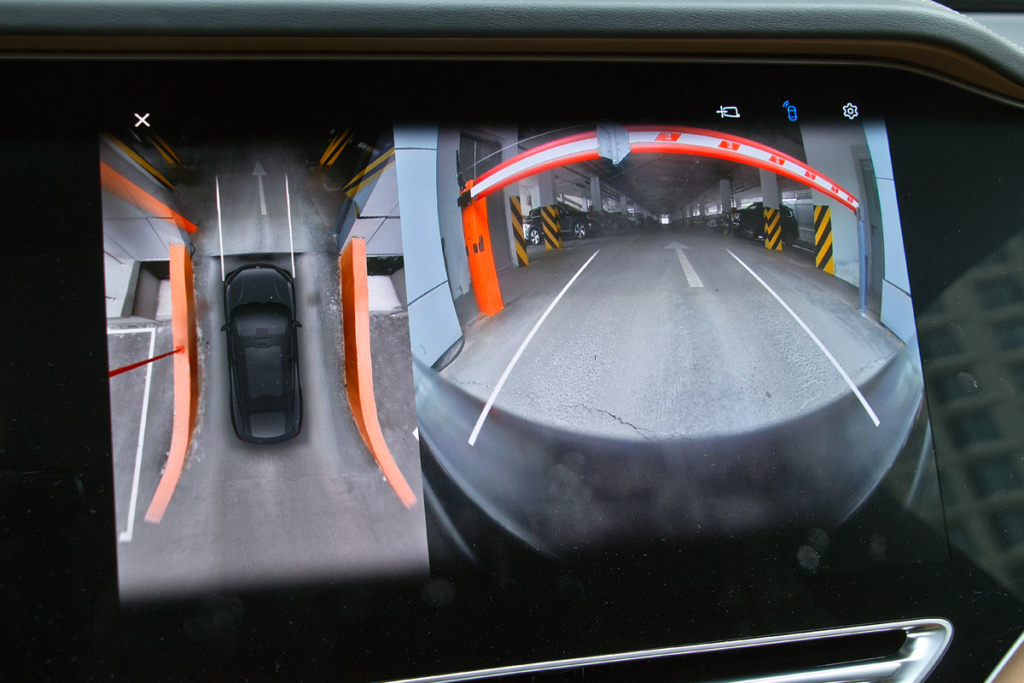
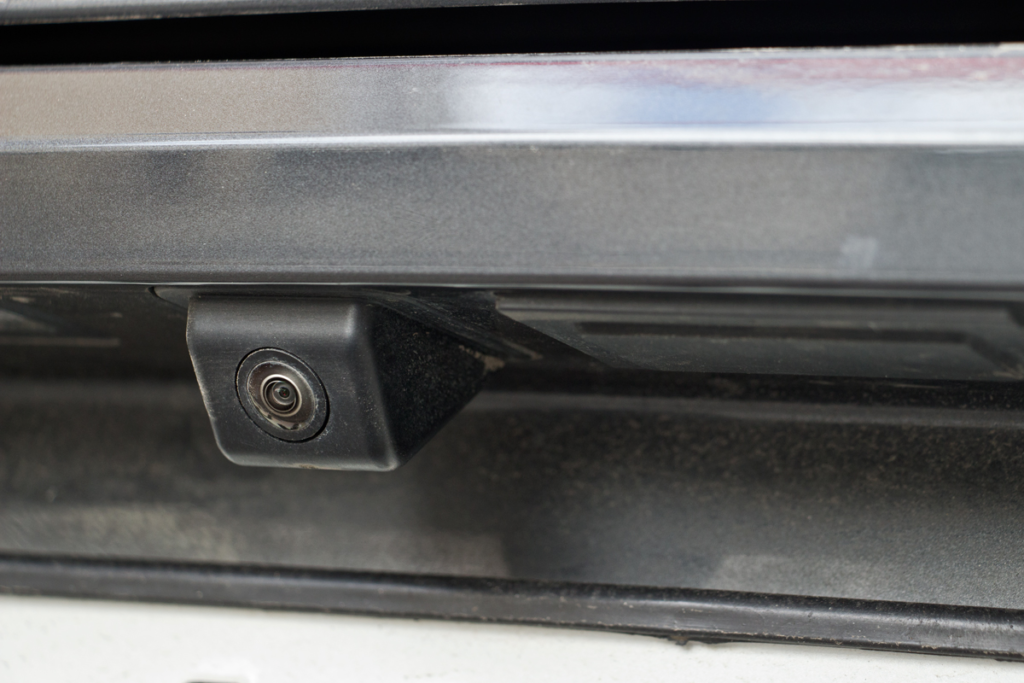
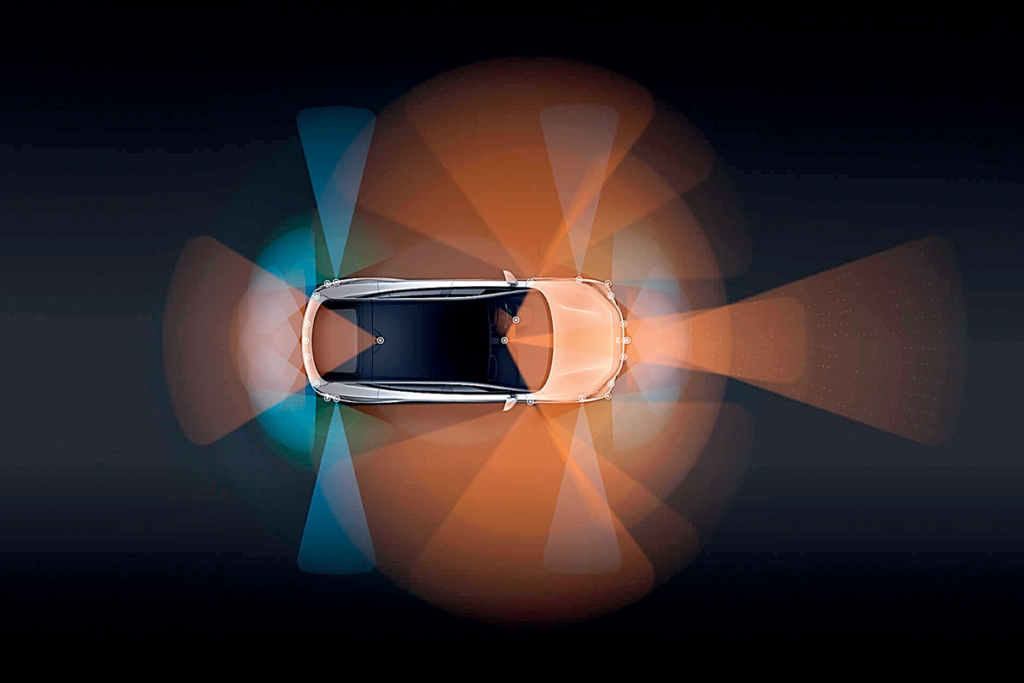
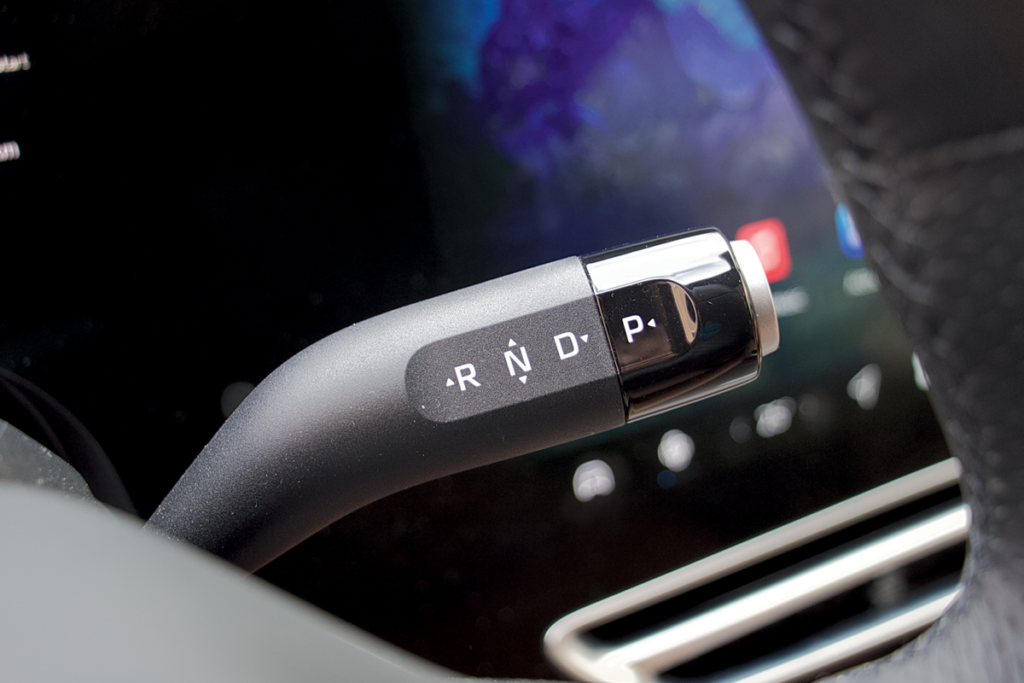
In China the Feifan R7 could initially be ordered with a lidar from the American startup Luminar, but the option was then quietly removed, leaving four radars and twelve cameras and sonars. Depending on the version the assistants run on an Nvidia Orin processor or a Mobileye EyeQ4 chip, and SAIC supposedly writes the algorithms itself. Not unsuccessfully, apparently — though I did catch a couple of false braking events, once when the radar mistook a cable barrier for an obstacle.
Climate Control by Menu
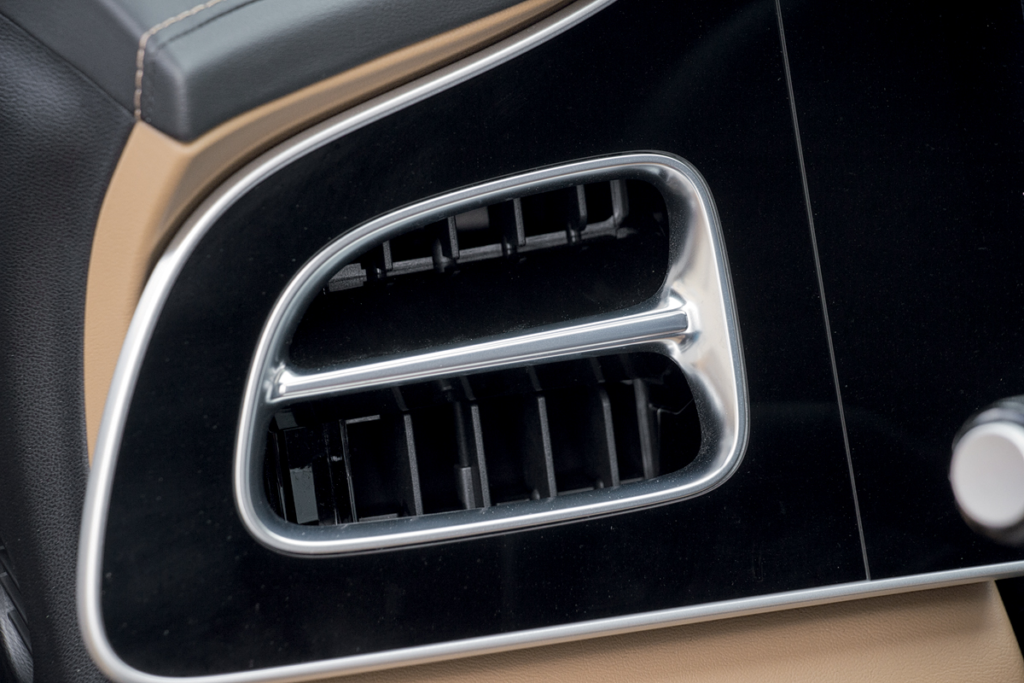
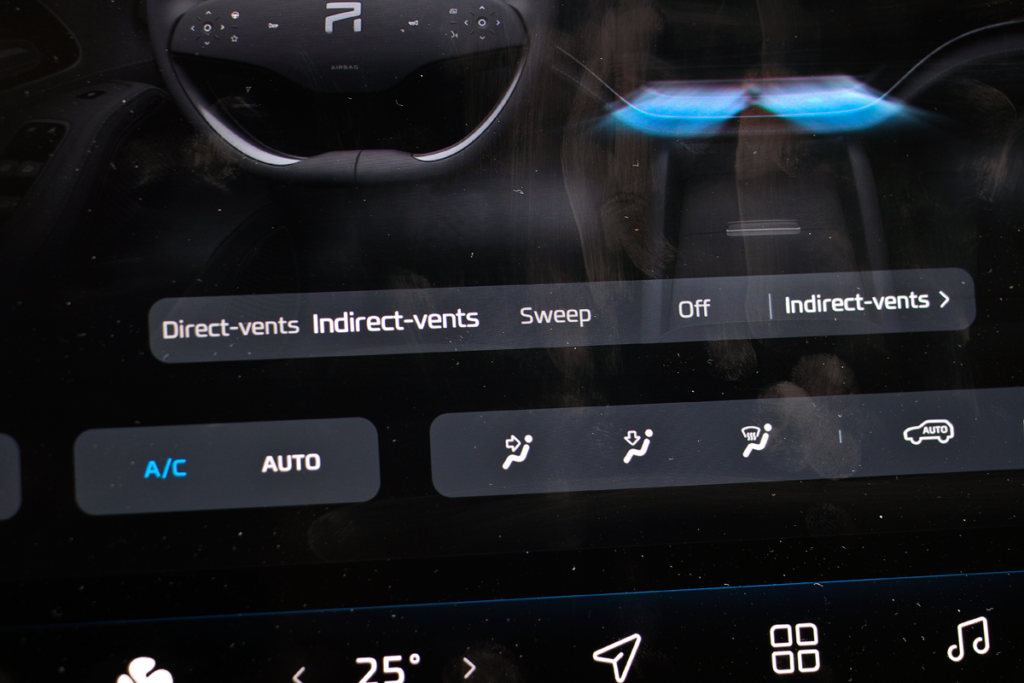
The climate control could use some polishing too — I had to set it to 25 degrees Celsius to keep the cabin comfortable. Unlike the F7 liftback, the R7’s dashboard vents have no vertical adjustment, and the horizontal adjustment is automated: through the menu you can aim the airflow at your face, turn it away, or choose a scanning mode, like a domestic air conditioner.
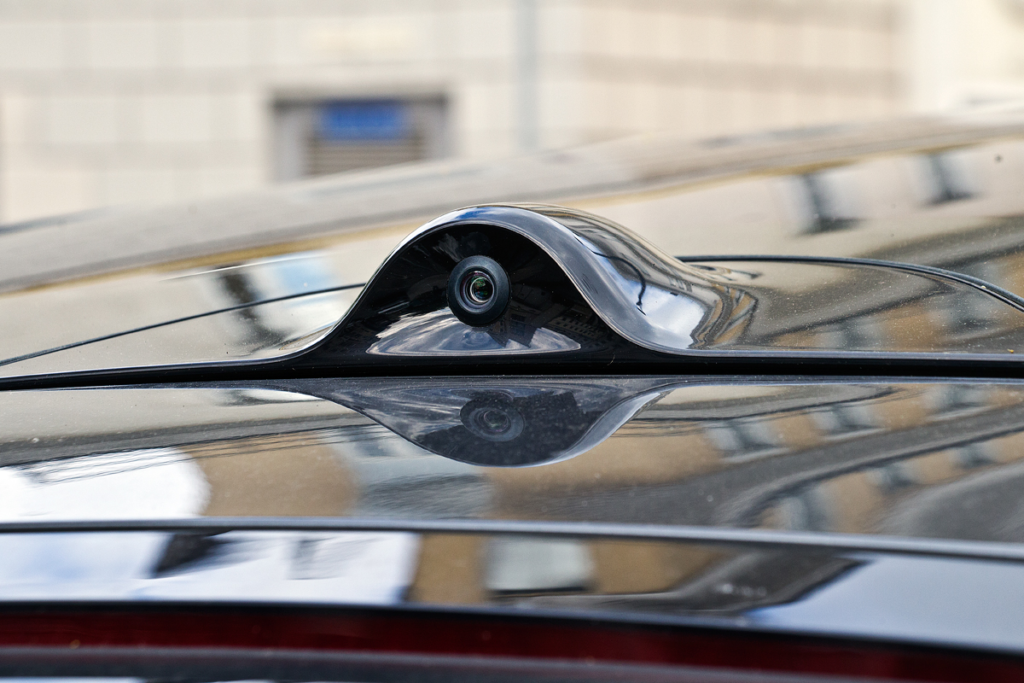
And the Headlights
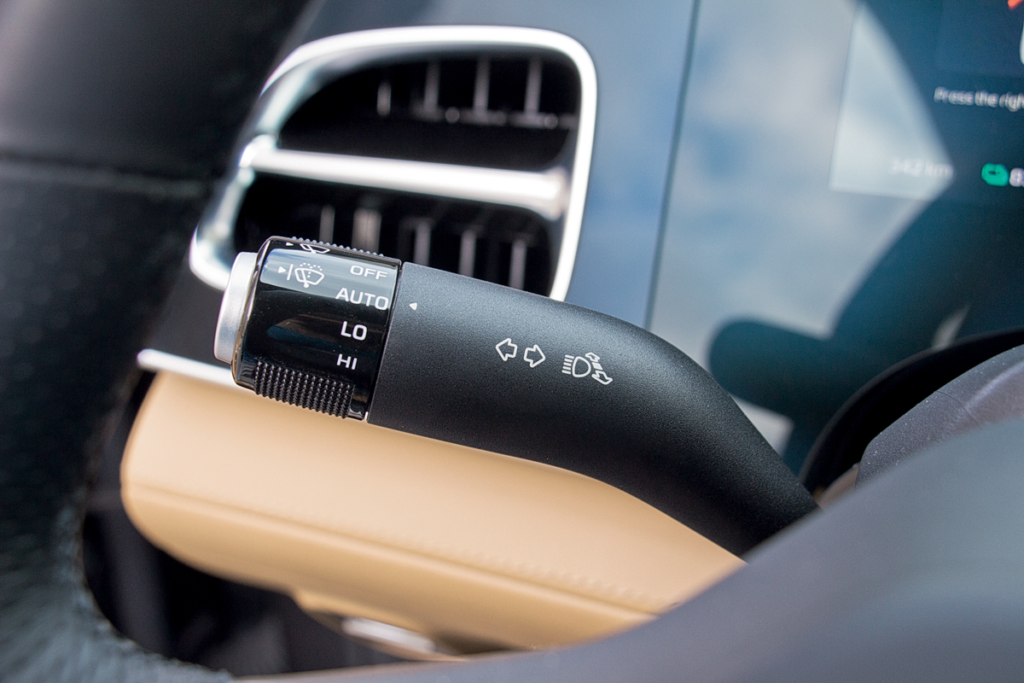
I still cannot work out the logic of the automatic main beam, which sometimes juggles its LEDs out of sync out in the countryside. The high beam is powerful enough, but low-beam brightness is inadequate and the beam pattern looks right-hand drive, without the left shoulder.

I Was Sorry to Give It Back
For all its flaws, I was sorry to return the Rising. Yes, there is no air suspension and the steering column adjusts mechanically. But the car is powerful, fast, comfortable and versatile, with all-wheel drive and enough ground clearance — 20 cm under the sills and 16 cm at the lowest point of the flat floor. And most importantly, I have no wish to be sliding about in the winter.
It would be nice to have more charging stations in Moscow.
Battery Swapping, and the Three-Minute Promise
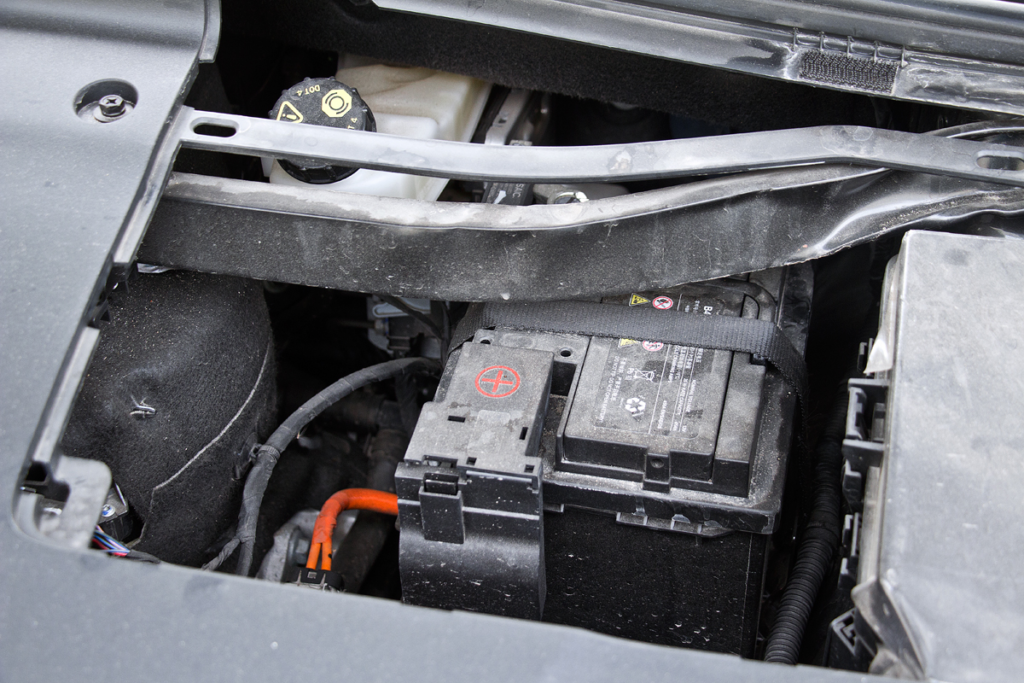
Interestingly, following Nio’s example, SAIC in China has begun developing a network of robotic battery swap stations — RBS, Rising Battery Service — in partnership with CATL. The traction battery pack in the R7 is indeed made quick-release, and the whole process supposedly takes less than three minutes. In China the top Feifan R7 sells for 370,000 yuan, roughly 4.9 million rubles at the current rate; without the battery they offer it for 257,000. You buy the car almost $15,000 cheaper and pay about 20,000 rubles a month for unlimited use of the stations.
How quickly this idea will go bankrupt I do not know — remember Shai Agassi’s burst startup Better Place? In my view, for it to succeed such stations need to be omnivorous and multi-brand, like ordinary filling stations, and that requires a single industry standard for traction batteries. Which is nowhere on the horizon.
I tried to inspect the underside and still could not grasp the essence of the patented Quick Click technology. How exactly does a robot at one of these stations disconnect not only the power and auxiliary connectors but the thermal management circuit as well?
“We Don’t Know and We Don’t Want To”
As you will have gathered, there is nobody to ask — even the AGP specialists are not in the loop. And guess what the technicians at E.N.Cars say about the Rising? “We don’t know and we don’t want to know.” The cars simply do not interest them: there are few of them and the market prospects are foggy, and not only here but in their native China. In 2023 only 14,000 F7 liftbacks and fewer than 7,000 R7 crossovers were sold. In a 30-million market, that is tears. Shanghai, though, urged us not to believe the rumours about 70% of the Feifan staff being fired. At the Beijing Auto Show, at least, the brand had a stand.
Why Isn’t It Selling?
Why has Rising not become as popular as Zeekr or Li? It is a mystery to me. Management quirks? Geely and Li Auto are private companies, while SAIC is a state corporation — which is also insurance against outright bankruptcy. Most likely, if Rising/Feifan really does say its last, the cars will simply be rebranded: the F7 becoming the MG9 and the R7 the MGS9. The legendary British marque “Morris Garages” has been in Chinese hands since 2006, and at the Geneva Motor Show in March both Risings were already shown wearing MG badges.
Would You Buy One in Russia?
As for Russia, on the one hand buying a rare Chinese electric car might look like madness. On the other, its industrial origins and relatively simple design promise decent reliability, and China will not leave us without spare parts — some craftsman from the “Ivanov’s garages” school will certainly take on the repair. And if the R7 eventually turns up on the secondary market at around three million… Avilon initially listed almost an eight-million price tag, but the 2022 cars have hung around, and now they are ready to let the F7 go for 4.6 million and the R7 for 5 million. With no warranty, naturally — in China it is five years or 120,000 kilometres — and no spare parts in stock. “If necessary, we will bring them,” they promise.
The Catch in the 2.6-Million Adverts
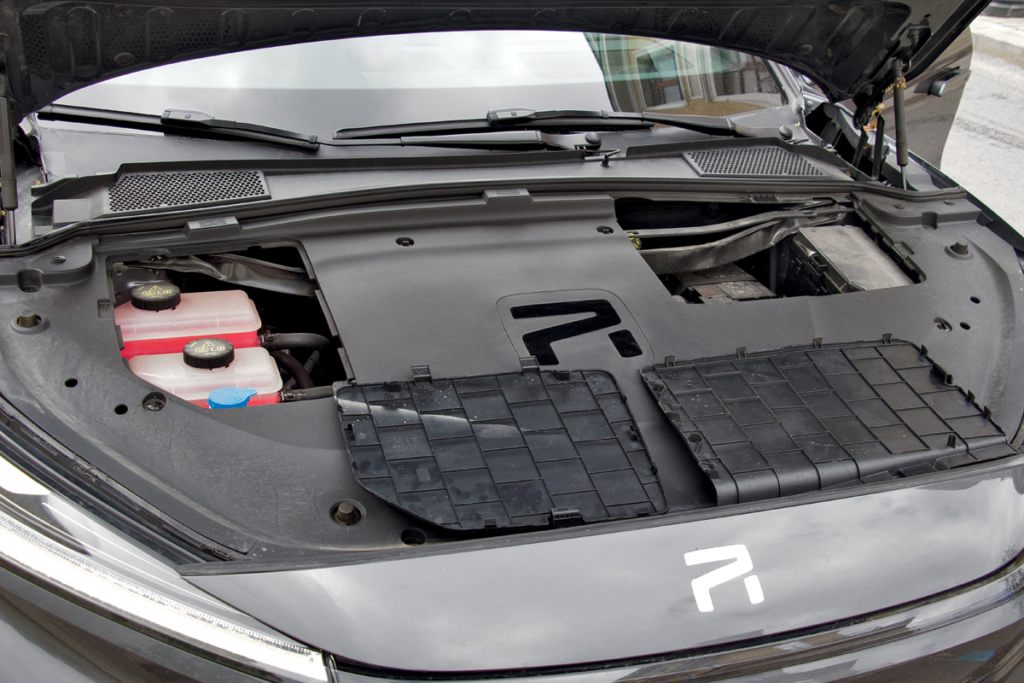
Meanwhile, the “gray” sellers’ websites carry offers at 2.6 million. That is for the basic rear-wheel-drive R7 — and, yes, without a battery. What is the calculation there: to take the battery out of somebody else’s car? Picture it. A thief who has mastered the Quick Click system walks up to your electric swallow at night with two trolley jacks, and by morning it is half a ton and one and a half million lighter. That would be more drastic than cutting out catalytic converters.
In short, stock up on popcorn and watch how this develops. Maybe light will shine in the darkness, as Ronnie James Dio sang on Rainbow’s album Rising.
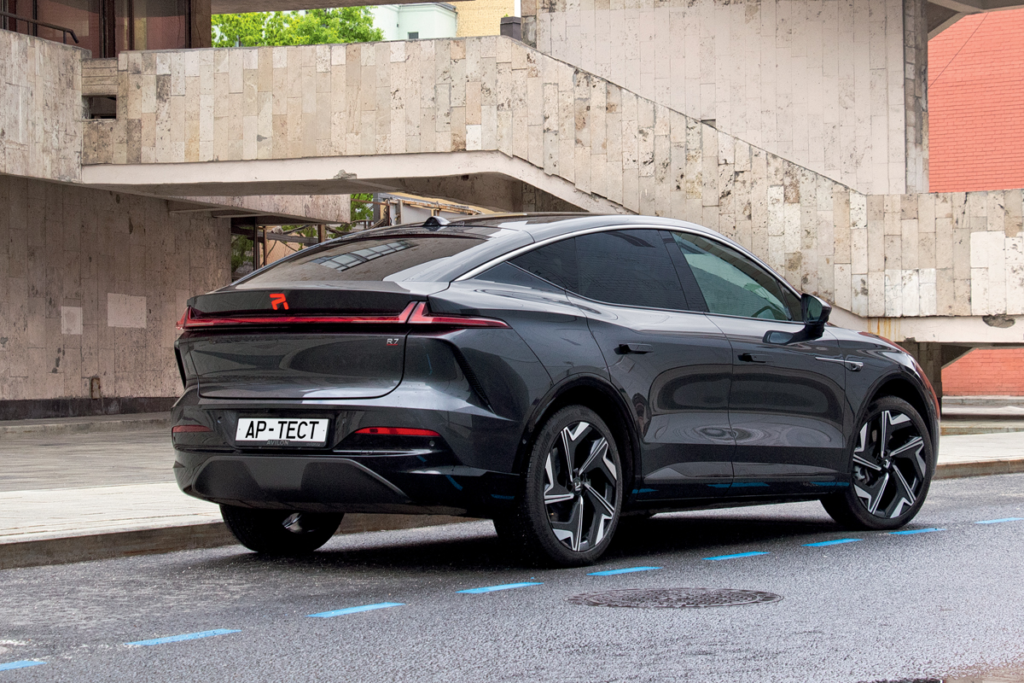
Photo: Photo: SAIC | Leonid Golovanov
This is a translation. You can read the original article here: Голованов про электромобиль Rising R7: лучше, чем Zeekr 001?
Published December 19, 2024 • 14m to read