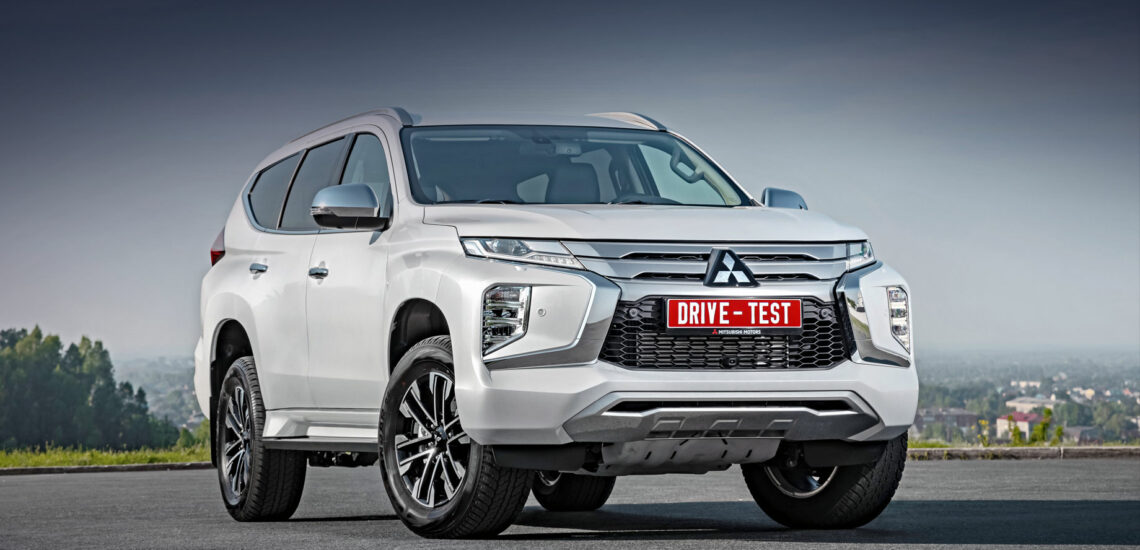

The updated Pajero Sport didn’t become the flagship of Mitsubishi’s model range by accident — the full-size Pajero has been discontinued, and the cost of updating a nameplate that has been in continuous production since 2006 simply couldn’t be justified. With Mitsubishi’s strategic priorities shifting, the throne passed to this rugged SUV, which traces its roots back to a utility pickup truck platform. So how does the new flagship hold up? We drove 500 kilometers to find out.
What’s New in the Pajero Sport Facelift?
The facelift was unveiled a couple of years ago, but supply disruptions delayed a full press test drive until now. The changes are targeted rather than sweeping — Mitsubishi focused on everyday usability rather than a mechanical overhaul, partly due to budget constraints and partly because its loyal, conservative audience isn’t clamoring for radical upgrades.
Key updates in the restyling include:
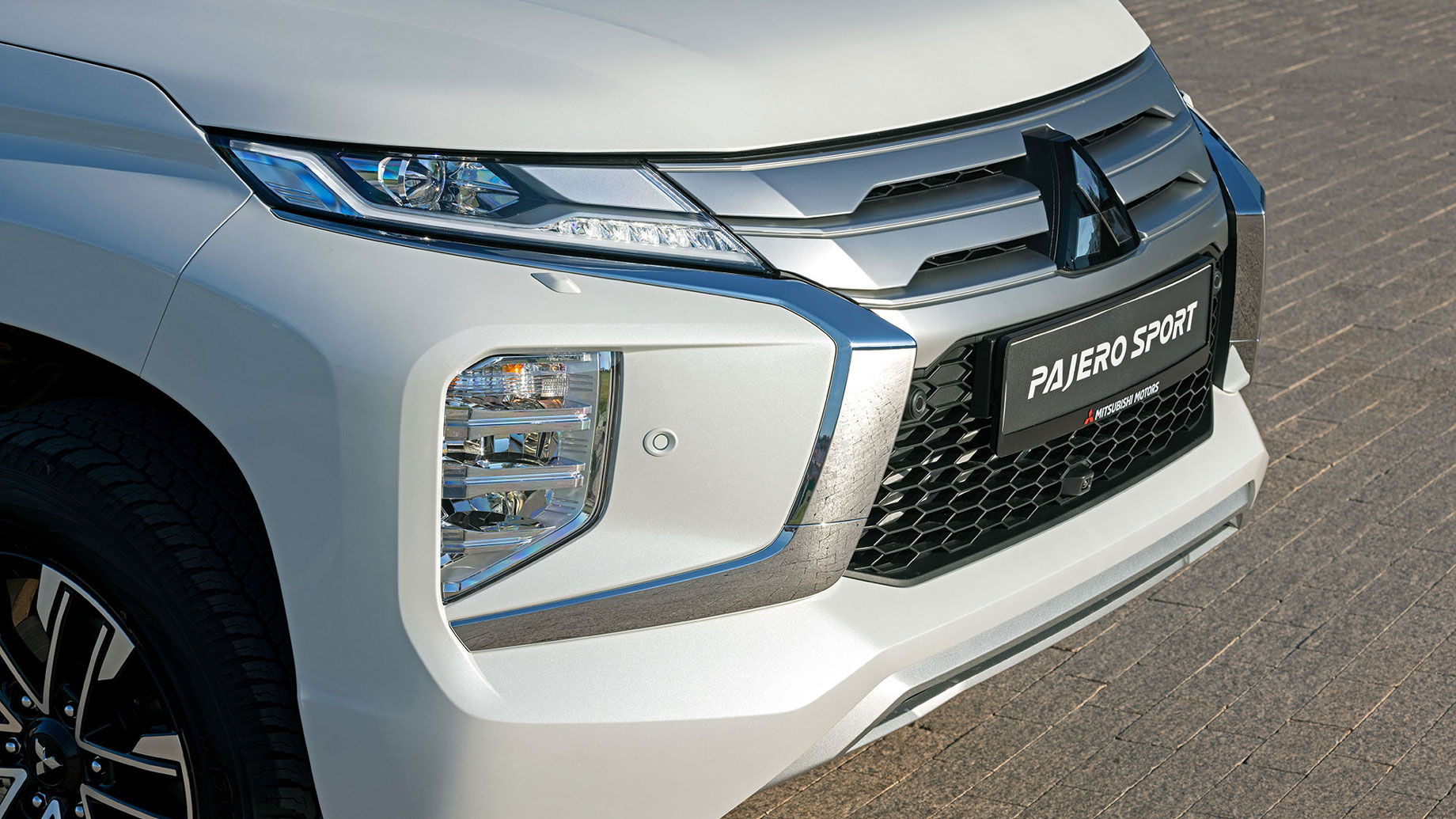
- Redesigned front fascia with a massive chrome grille and narrow LED headlights
- Revised front shock absorbers for improved ride quality
- New electric tailgate with a kick sensor (a first for the Pajero nameplate)
- Reshaped trunk lining to direct water away when the tailgate opens in the rain
- Auto Hold function added to the feature set
- New approaching-vehicle alert system for parking maneuvers
Engine and Transmission: The 2.4-Liter Turbodiesel Under the Microscope
Our test cars arrived in the top-spec Ultimate trim, powered by the familiar 2.4-liter 4N15 turbodiesel engine producing 181 hp and 430 Nm of torque. The optional 3.0-liter V6 petrol wasn’t part of the test — it accounts for less than 10% of sales and isn’t worth the distraction. Paired with an Aisin eight-speed automatic transmission, here’s how the powertrain performs in practice:
- City driving: Smooth and unobtrusive — the diesel clatter that some colleagues complain about is well within acceptable limits. The auto gearbox shifts quickly and city traffic presents no problems, whether pulling away from lights or changing lanes.
- Highway cruising: The Sport holds a straight line confidently, though it exhibits a gentle wave-like pitch over invisible road imperfections. The amplitude stays controlled and never becomes unsettling.
- Overtaking: This is where you need patience. Traction during rolling acceleration is modest — drop a gear with the paddle shifter a second before the maneuver and keep the throttle pinned through it. The diesel is slow to build revs, and a re-flash of the ECU is popular among owners for this reason. That said, at speeds up to 120 km/h (75 mph), overtaking is perfectly manageable if not thrilling.
- Fuel economy: The 500 km (310-mile) test run, driven enthusiastically, returned just under 11 liters per 100 km. The 68-liter tank gives a real-world range of around 700 km (435 miles) per fill.
Interior: Comfort, Ergonomics, and the Flagship Problem
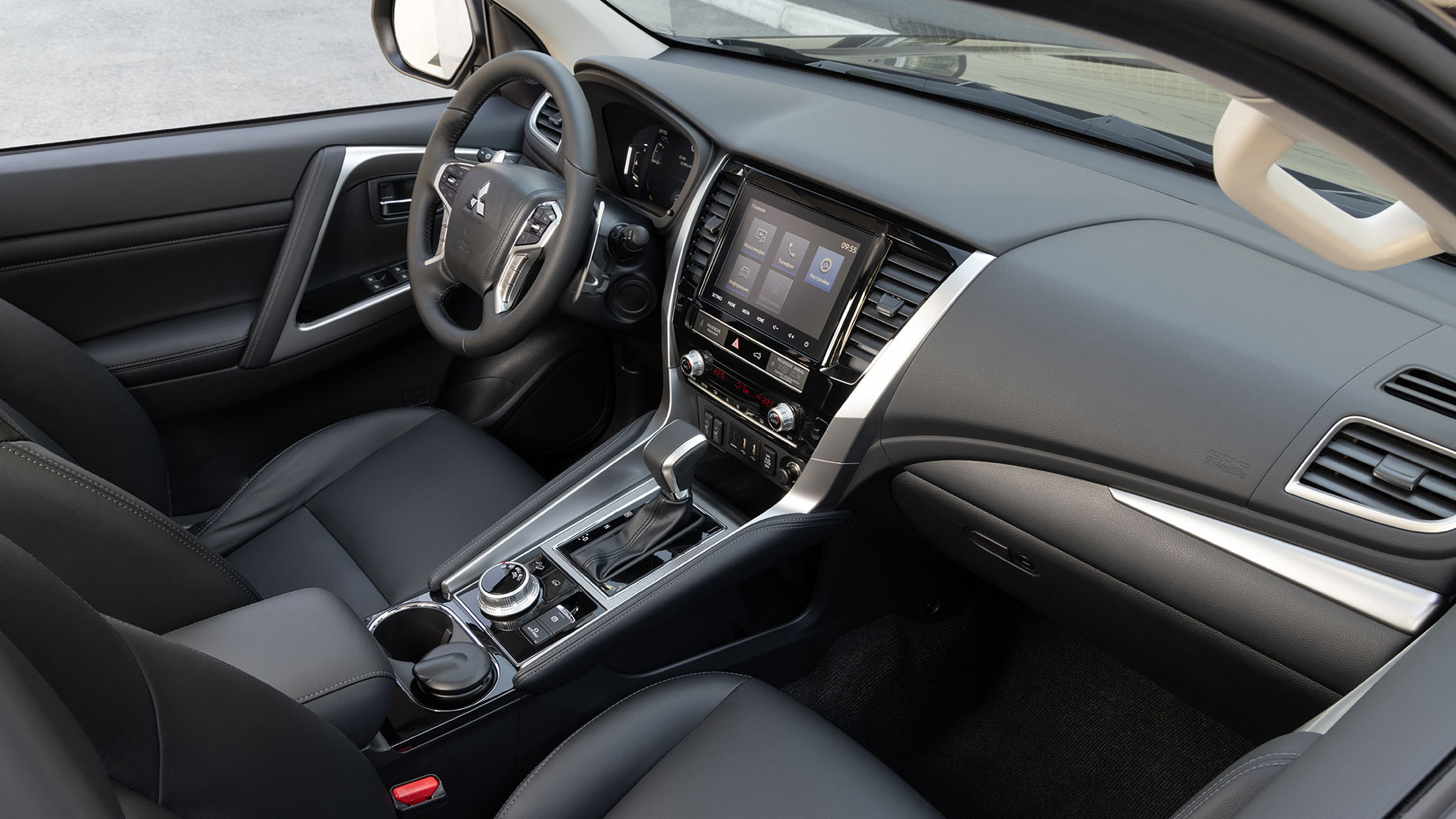
Twenty-four hours at the wheel left no trace of fatigue — a genuine achievement for a body-on-frame SUV. However, there are several ergonomic quirks that feel out of place on a car now positioned as a flagship:
- No memory seat adjustment — even in Ultimate spec, height and steering column reach are set manually every time
- The Mitsubishi Remote Control app can only be paired to a single phone — no user profiles for multiple drivers
- The center console is wide enough that some drivers will find it cramped; the thickened sidewalls added to prevent taller drivers from brushing the tunnel plastic don’t fully solve the width complaint
- Leather upholstery is on the stiff side and feels more functional than premium
- No seat ventilation — a real omission on a hot-climate test drive
- TPMS readings are not easily accessible from the main dashboard display
On the plus side, the interior wipes down easily and the driving position itself is well-suited to long hauls. A 1,000 km (620-mile) day trip in one sitting feels entirely plausible.
Ultimate Trim Safety and Driver Assistance Features
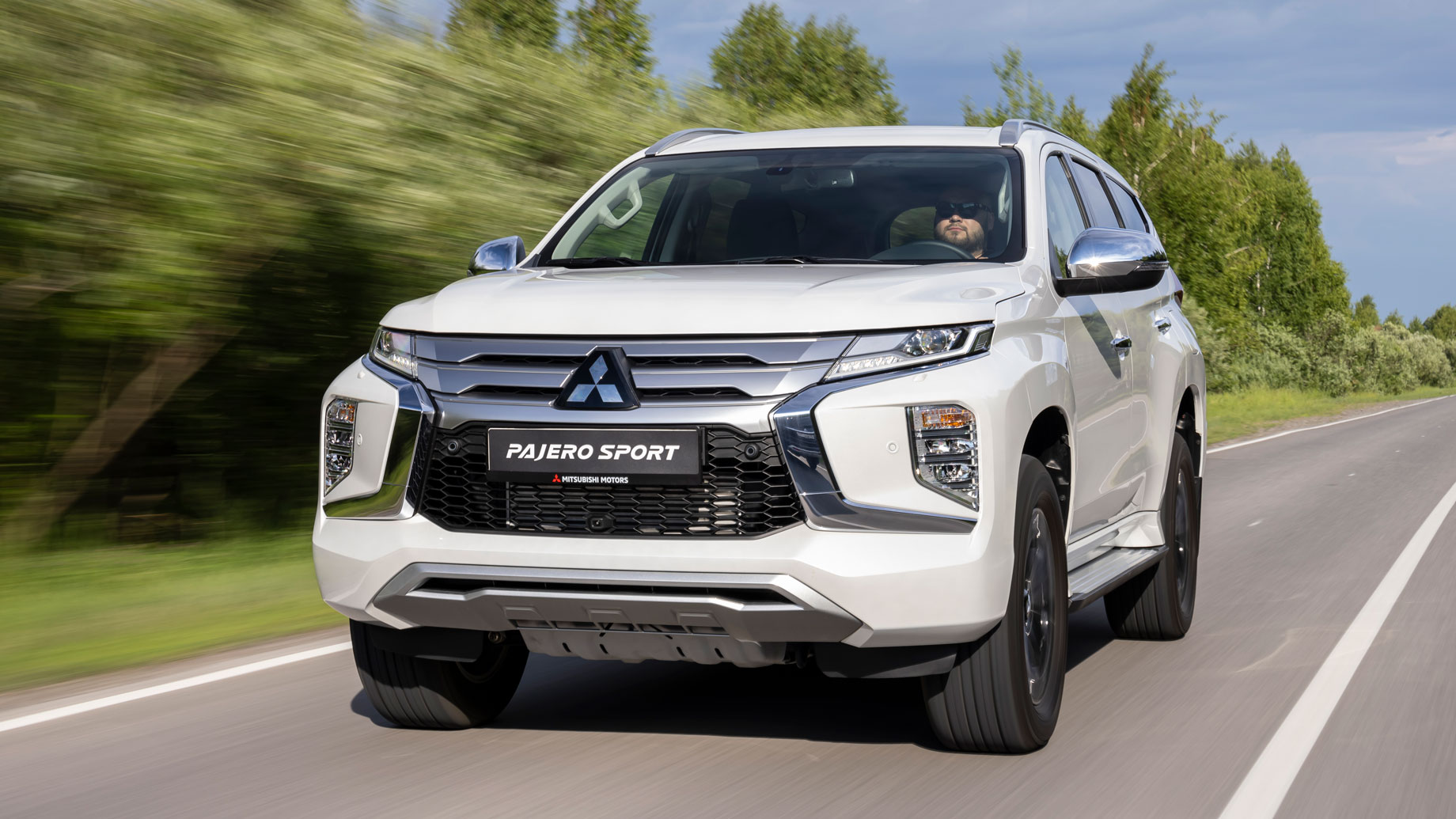
The Ultimate configuration brings a comprehensive suite of active and passive safety technology:
- Adaptive cruise control
- Auto Hold (with a 10-minute hold limit before disengaging)
- Blind spot monitoring with mirror indicators
- 360-degree surround-view camera
- Automatic emergency braking up to 80 km/h
- Approaching-vehicle alert during parking maneuvers (new for this facelift)
Steering feel is light and smooth, with nearly four turns lock-to-lock — but the turning radius stays under 5.6 m (18 ft), so the Pajero Sport is nimbler in tight spaces than you might expect from a large frame-based SUV.
Off-Road Capability: Super Select 4WD-II in Action
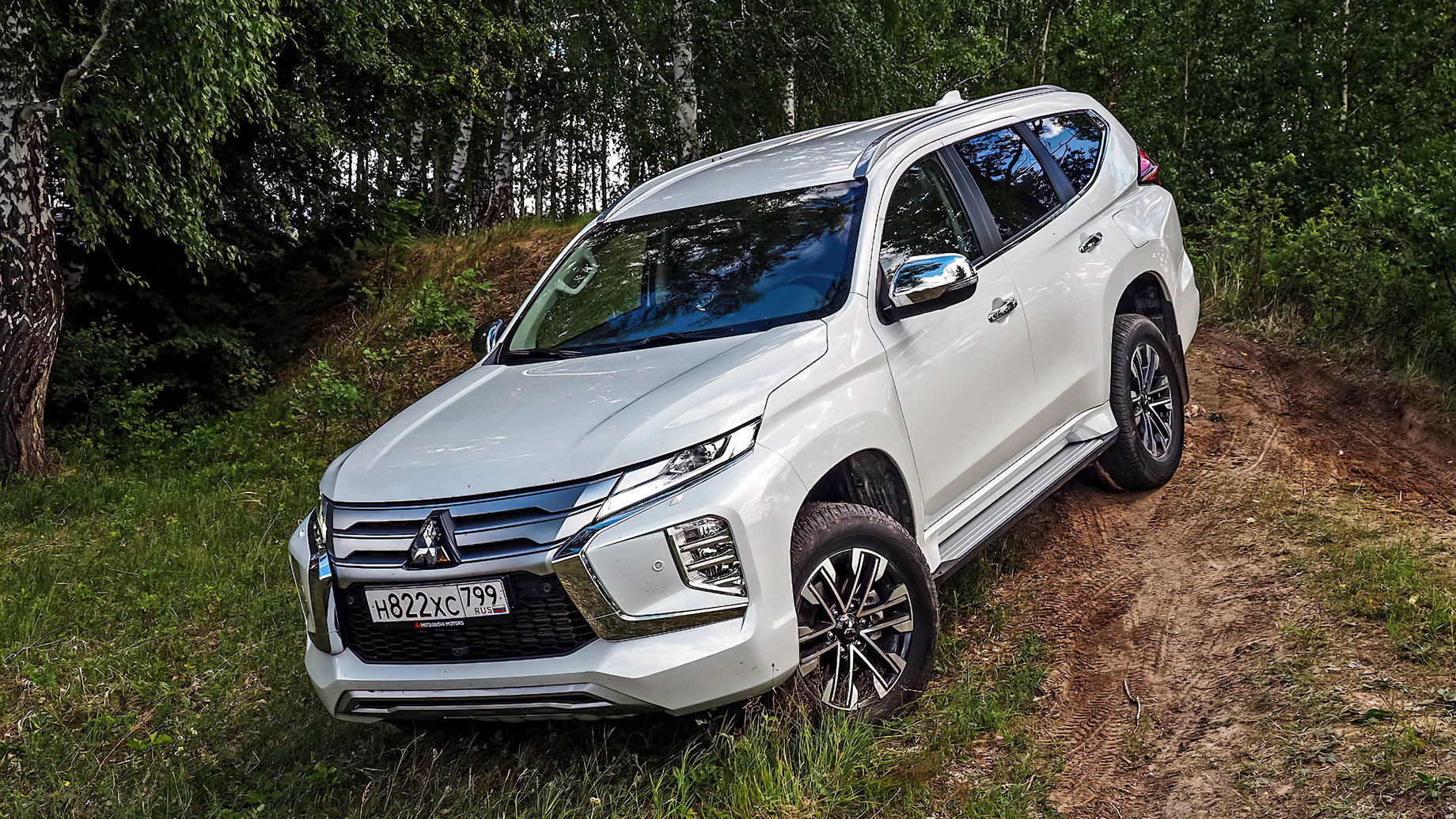
Dry weather and a forest fire ban kept off-road sections to gravel and dirt tracks rather than full trail driving — but there was still enough to assess the Super Select 4WD-II system. Here’s what we found:
- 4WD engagement: The dial-controller activates all-wheel drive at speeds up to 100 km/h (62 mph), responding within 3–4 seconds. A slight poke when the front axle engages under throttle is a known characteristic across all Pajero Sport generations — not a defect, just a quirk.
- Low range: With the granny gear engaged, the Sport descends steep slopes in full control without touching the brakes. Confident and predictable.
- Rear differential lock: Activated mid-climb on a cross-axle challenge and the car summited without drama.
- Suspension: The revised front shock absorbers make a real difference. The pre-facelift Sport had a reputation for bouncing aggressively on dirt; this version absorbs impacts cleanly. No creaks, no cabin impacts, no rattles on the rough concrete-to-tarmac transition we hit at speed.
- One note of caution: The radiator pack is still unprotected by a metal mesh. A stone from a gravel road that strikes the intercooler could leave you stranded — worth addressing with an aftermarket guard.
Verdict: A Capable Flagship With an Identity Question
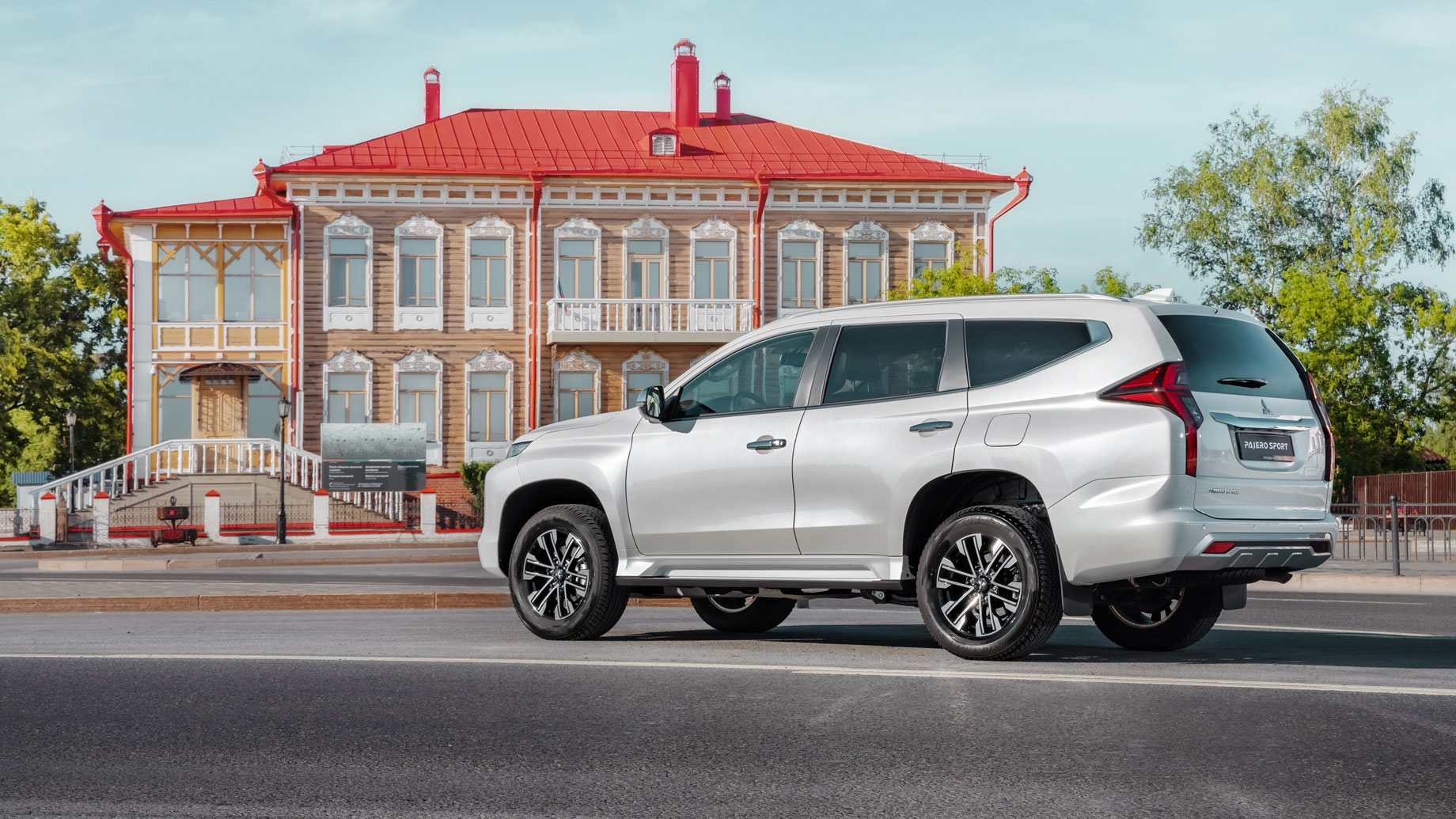
The hardest thing about the updated Pajero Sport isn’t driving it — it’s adjusting your expectations around what it is. A car long regarded as a budget alternative to the “real” Pajero has been handed flagship status without a corresponding leap in refinement. Even in Ultimate trim, the cabin feels utilitarian rather than premium. That’s fine for buyers who prioritize durability and easy cleaning over soft-touch surfaces — but it’s a tension Mitsubishi hasn’t fully resolved.
After two full days behind the wheel, here’s the bottom line:
- ✅ Genuinely comfortable on long highway runs
- ✅ Excellent fuel economy for the class — under 11 L/100 km even when driven hard
- ✅ Competent off-road with a proven 4WD system and rear locker
- ✅ Improved suspension over the pre-facelift model
- ✅ Comprehensive safety and driver-assistance tech in Ultimate spec
- ❌ Interior quality doesn’t match flagship positioning
- ❌ Turbodiesel needs pre-planning for overtaking at speed
- ❌ Several ergonomic limitations that feel dated in 2022
- ❌ No seat ventilation, no multi-user profiles, no memory seats
Would I miss the full-size Pajero? Honestly, no. The Sport’s dimensions are a better fit for everyday use, and its off-road credentials are solid for the segment. It’s not the most polished SUV you can buy, but it is one of the most honest — and for the right buyer, that still counts for a great deal.
This is a translation. You can read the original here: https://www.drive.ru/test-drive/mitsubishi/60d99c526c487c28d2a905a2.html

Published May 26, 2022 • 6m to read