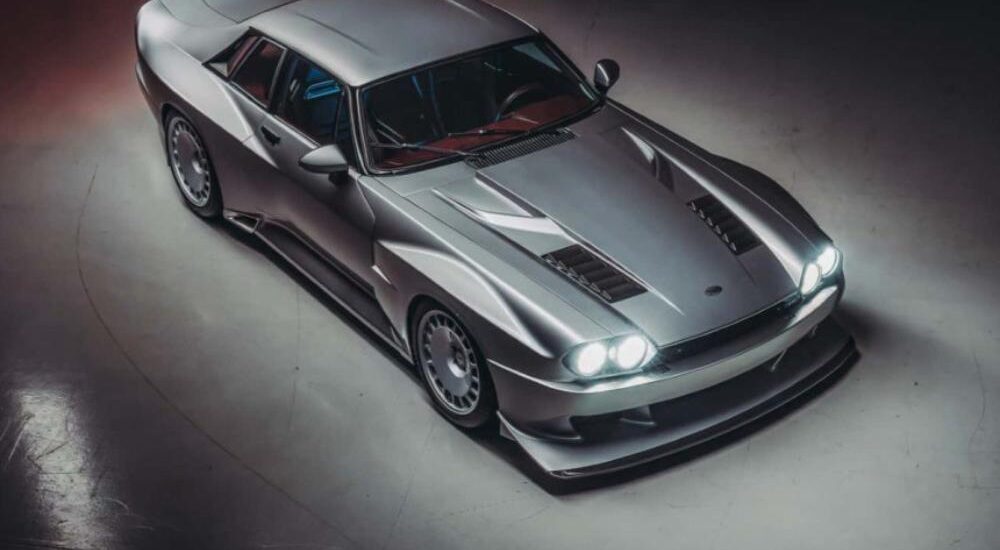

Jaguar is preparing for a luxury electric future, but the engineering division of the British company, TWR, has decided to remind the world what Jaguars were like in their prime. It has unveiled the striking TWR Supercat restomod, built on the Jaguar XJS coupe — a model produced from 1975 to 1996, in a total of 115,000 units.
Carbon Panels and a Bigger Footprint
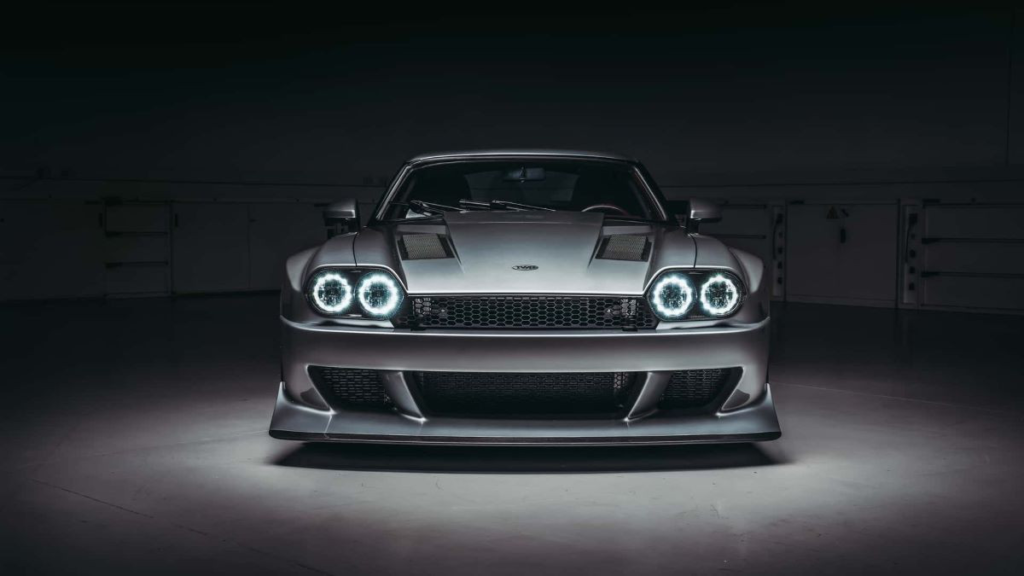
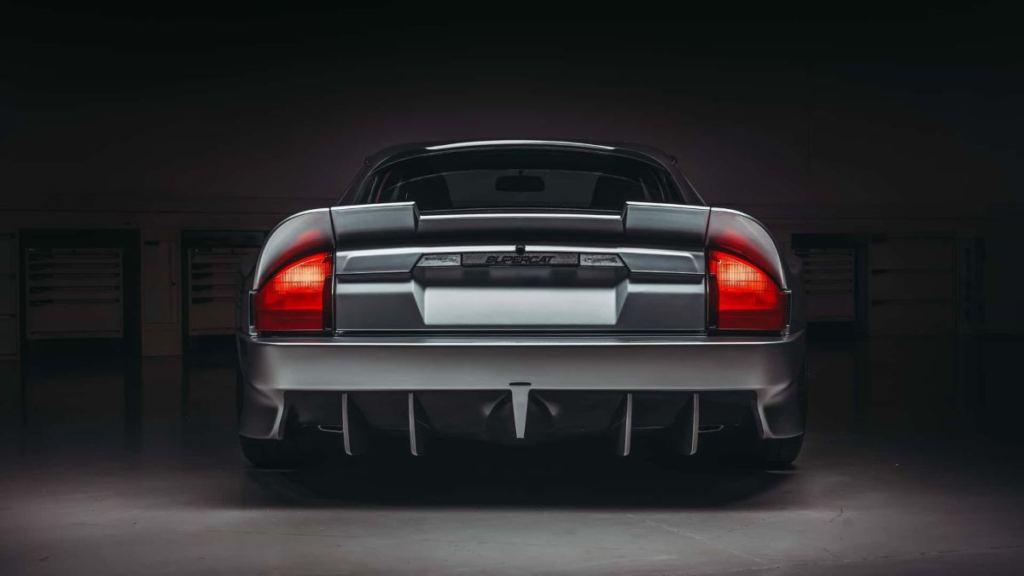
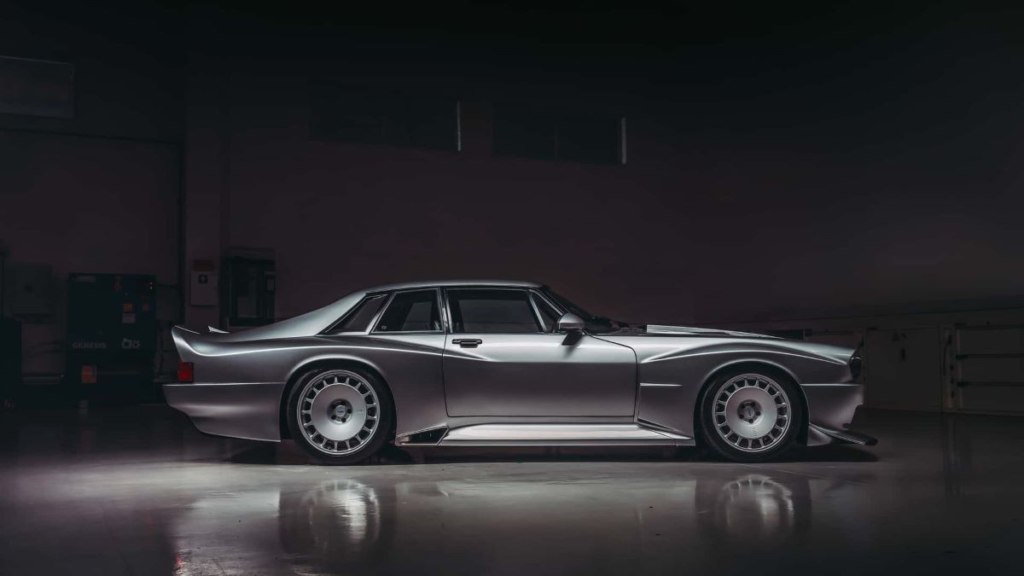
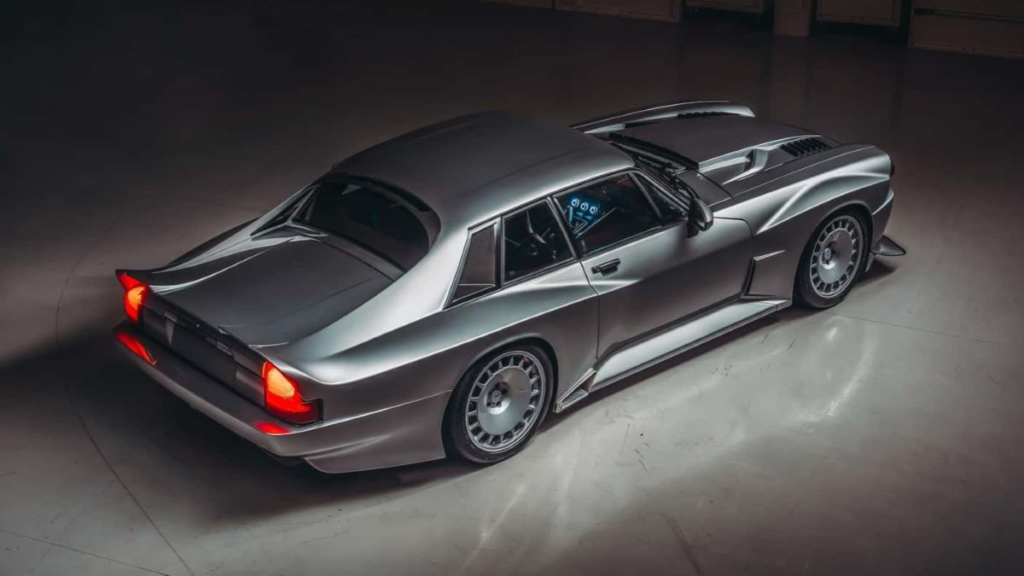
The body of the original Jaguar underwent significant modifications: an aggressive aerodynamic body kit with flared wheel arches, and exterior panels made entirely of carbon fiber. The headlights and taillights are fully LED, and the exhaust pipes have moved to the sides to free space for a massive diffuser. Against the original 15-inch wheels, the modern “footwear” has grown considerably — 18 inches at the front, 19 at the rear.
Two Seats Instead of Four
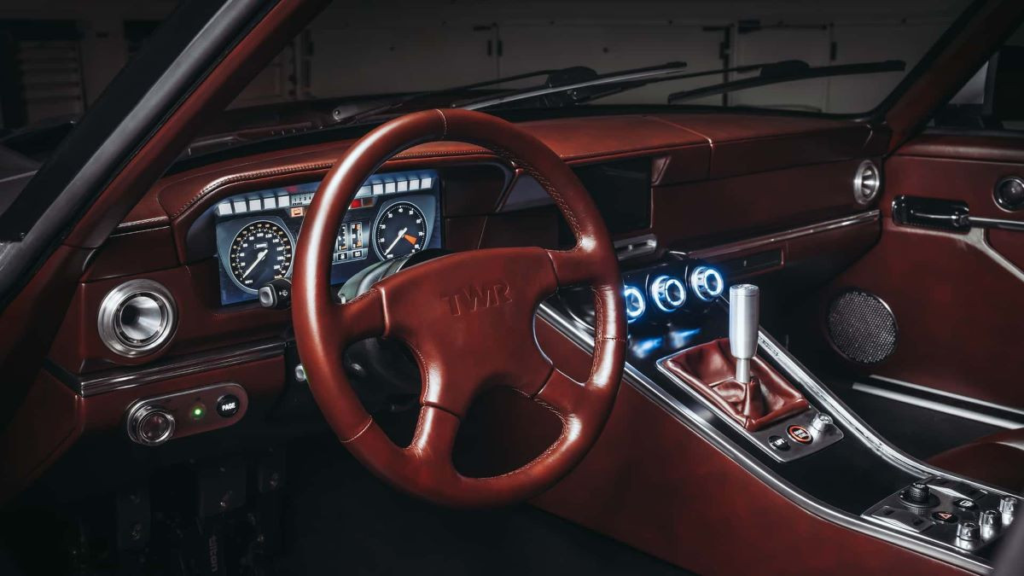
The Supercat is strictly a two-seater, where the original XJS had a 2+2 configuration. The seats that remain are power-adjustable, and the trunk has grown. The interior is trimmed in dark red leather with carbon fiber and metal accents, and the modern touches include contour lighting and displays for the instrument cluster and media system. The media system supports both Apple CarPlay and Android Auto.
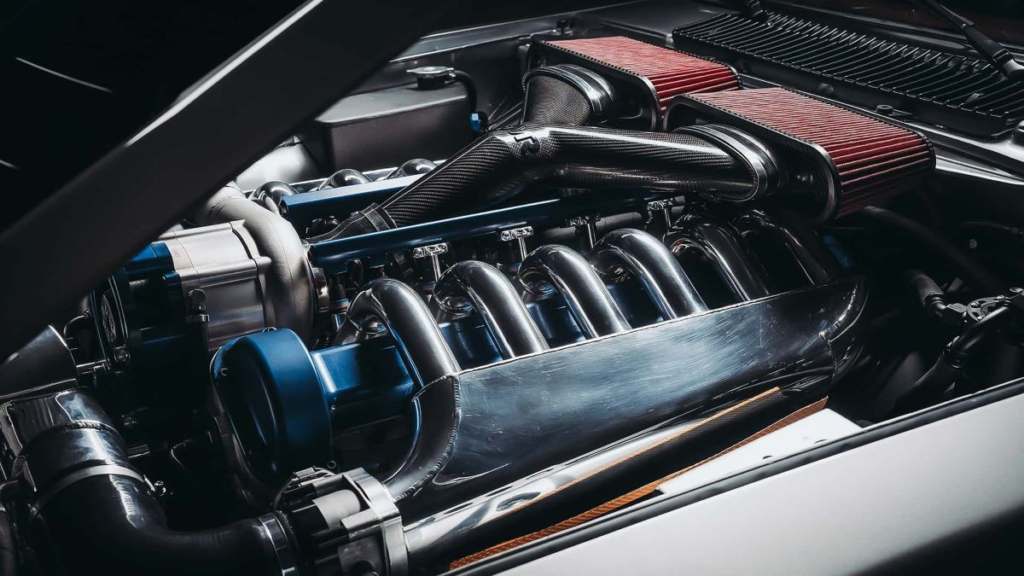
Lighter Body, Bigger V12
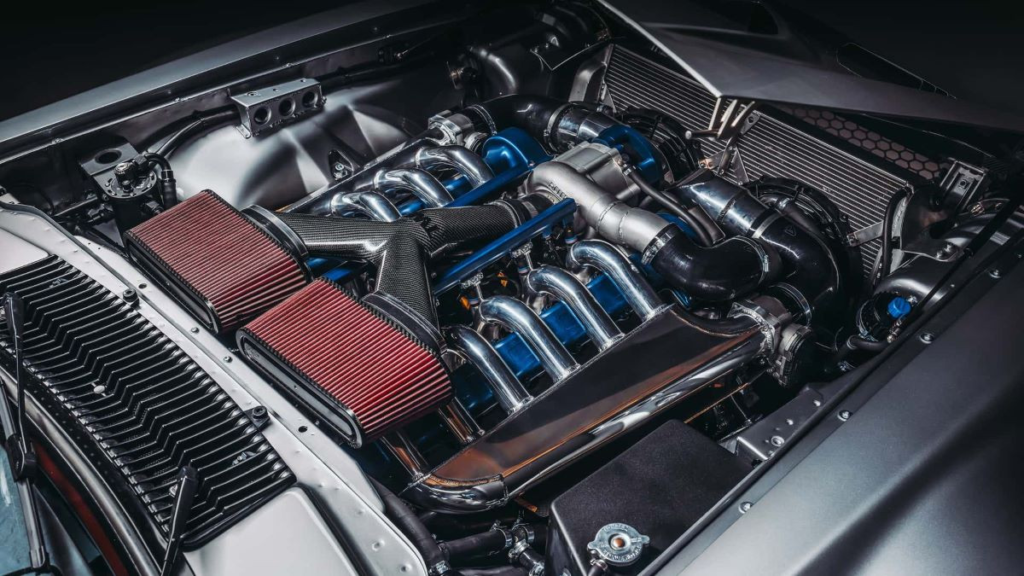
Carbon fiber is used for the internal body reinforcements as well as the outer panels, and the subframes are made from high-strength T45 steel. Together these measures cut the car’s weight by 10%, to 1,605 kg. Under the hood the original V12 is retained, but bored out from 6.3 to 6.5 liters and fitted with a supercharger. It now produces 670 horsepower and 730 Nm of torque, against the original 285 hp and 431 Nm.
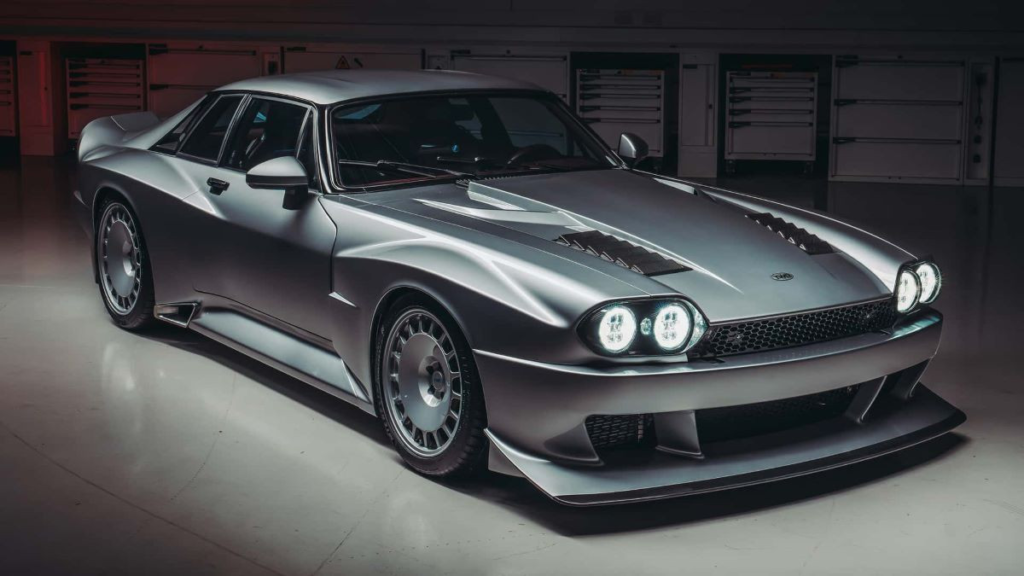
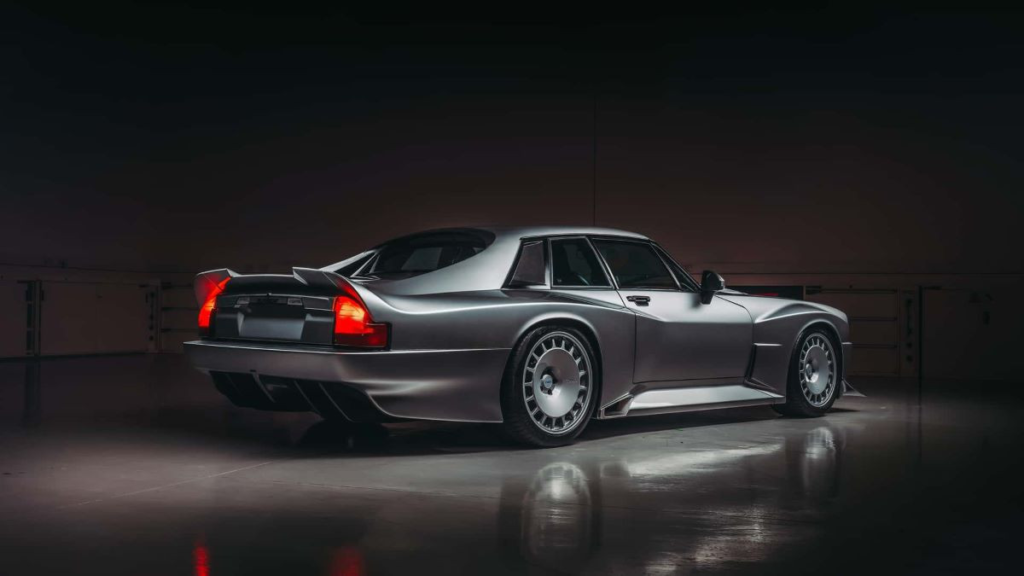
The three-speed automatic has been replaced by a six-speed manual gearbox driving the rear axle, with a limited-slip differential. The double-wishbone suspension gets adaptive dampers, and carbon-ceramic disc brakes are on the options list.
Eighty-Eight Cars, and Why
A total of 88 TWR Supercats will be built — in honor of 1988, the year the TWR-prepared Jaguar XJR-9 won the 24 Hours of Le Mans. Both right-hand and left-hand drive will be offered. In the UK the price starts at £225,000 ($285,000), with a pre-order deposit of £35,000 ($44,000).
TWR Supercat: The Key Facts
- Base car: the Jaguar XJS coupe, built 1975 to 1996 in 115,000 units
- Engine: the original V12, bored from 6.3 to 6.5 liters and supercharged — 670 hp and 730 Nm, from 285 hp and 431 Nm
- Transmission: six-speed manual with a limited-slip differential, in place of the three-speed automatic
- Weight: 1,605 kg, 10% below the original, on carbon panels and T45 steel subframes
- Seating: two, where the XJS had 2+2
- Run: 88 cars, for the 1988 Le Mans win of the TWR Jaguar XJR-9
- Price: from £225,000 ($285,000); deposit £35,000 ($44,000)
Frequently Asked Questions
Is it a new Jaguar? No. It is a restomod built by TWR on an existing Jaguar XJS, not a car from Jaguar itself.
Does it keep the original engine? Yes — the V12, but bored out from 6.3 to 6.5 liters and supercharged, which more than doubles its output.
Why 88 cars? For 1988, when the TWR-prepared Jaguar XJR-9 won the 24 Hours of Le Mans.
Manual or automatic? Manual only. The XJS’s three-speed automatic is gone, replaced by a six-speed manual driving the rear wheels.
Photo: TWR
This is a translation. You can read the original article here: Купе Jaguar XJS возрождено в виде рестомода TWR Supercat

Published December 12, 2024 • 3m to read