
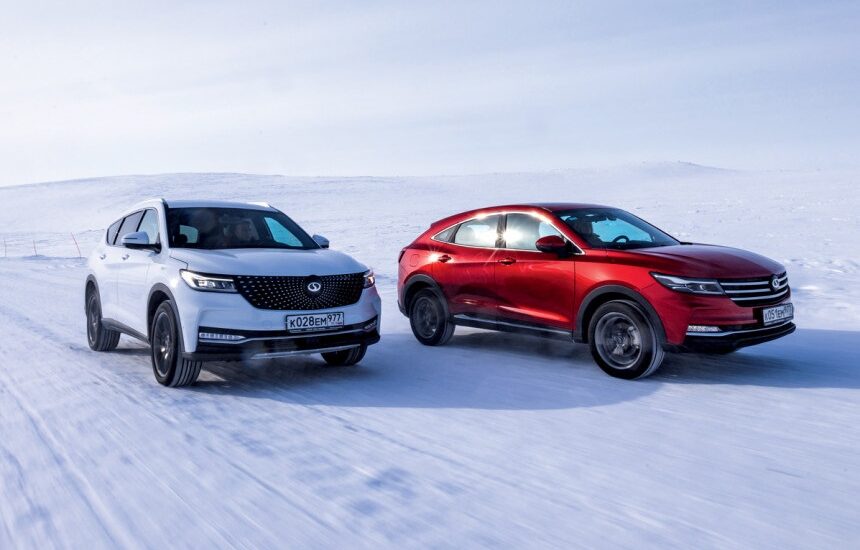

We are off to chase the departing winter across the snowy expanses of Yamal. Not on reindeer, though: our transport is a pair of crossovers, the DFSK ix5 and the DFSK ix7. They come from the same stable, and they are distinctly different animals.

What Does DFSK Even Stand For?
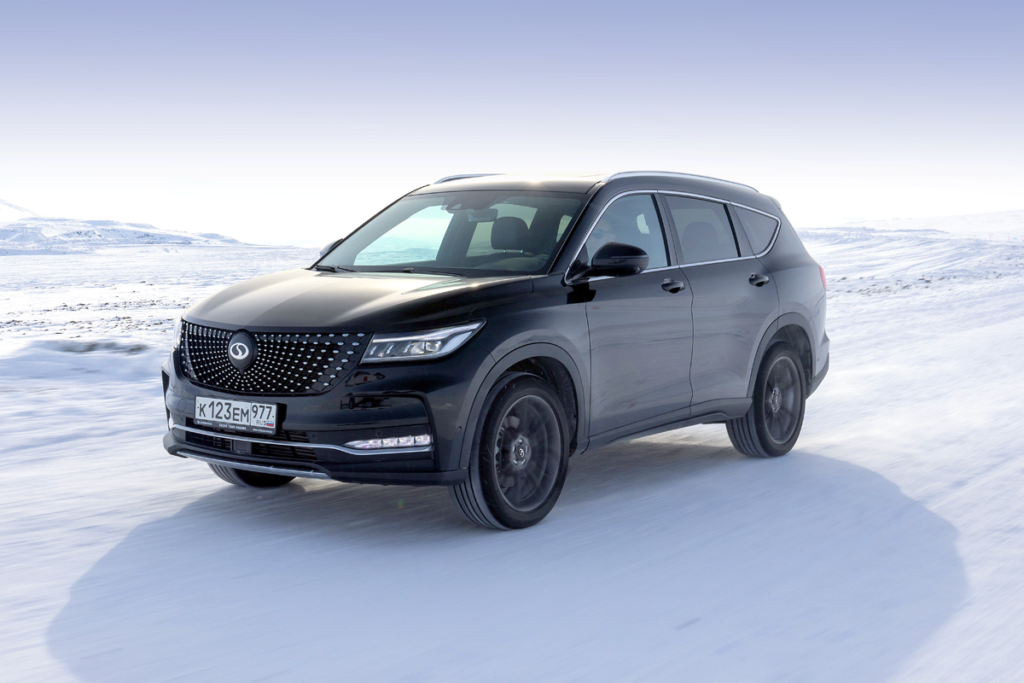
Chinese model names often read like puzzles, and these two would defeat a skilled linguist. DFSK — try saying that quickly. Their origins are a detective story of their own. The grilles and steering wheels carry an unfamiliar emblem shaped like a stylised S, which might be the twist of a road or a Chinese yin-yang. It is in fact the emblem of Sokon, a brand not yet introduced here.
The inscriptions ‘Fengon’ and ‘Gloria’ on the vehicle trunks are remnants of the model names used in Europe and Latin America. Indeed, these vehicles were once marketed in Germany and Spain, albeit unsuccessfully.
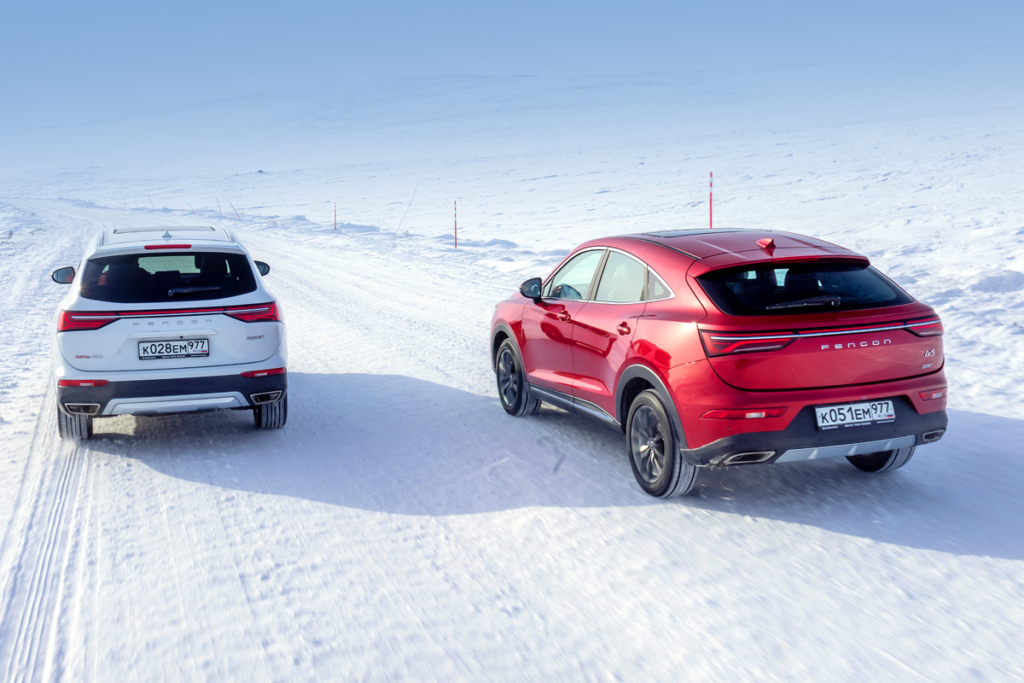
The DFSK brand indicates a joint venture between China’s Dongfeng Motors and Seres Group, the latter of which owns Sokon. About fifteen years ago small importers tried to bring DFSK commercial vehicles to Russia and got nowhere much. Now Motorinvest, the company behind the Evolute electric cars, has taken on the passenger models under the DFSK name, with Dongfeng dealers handling the sales.
These vehicles are issued with a Russian VIN! They were assembled at Avtotor, though the exercise was limited to a batch of about a thousand units; from here on the crossovers will be imported directly from China while Motorinvest looks for a new assembly site to replace the Kaliningrad one, which is being wound down for economic reasons.
The ix7: Five Metres and Three Rows
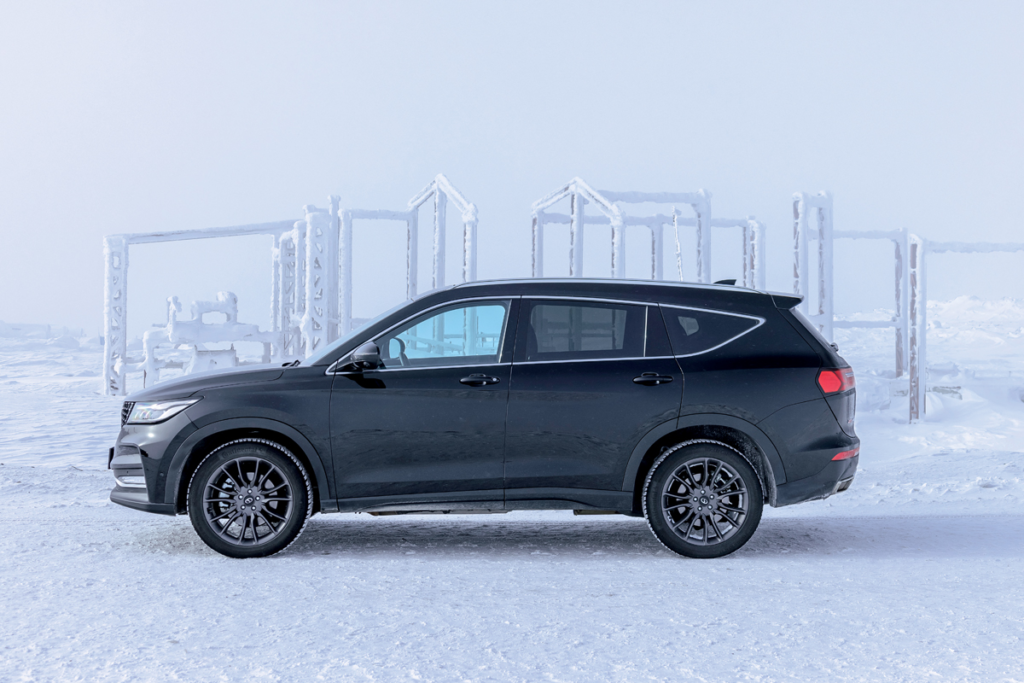
Confused yet? Fortunately, the models themselves are simpler to understand: there are just two, and each is currently available in only one trim level. I started with the big one — the nearly five-metre, three-row DFSK ix7, which appeared at home in 2019.
The sole Journey trim is well equipped. It includes:
- six airbags
- dual-zone climate control
- heated and ventilated front seats with memory for the adjustments
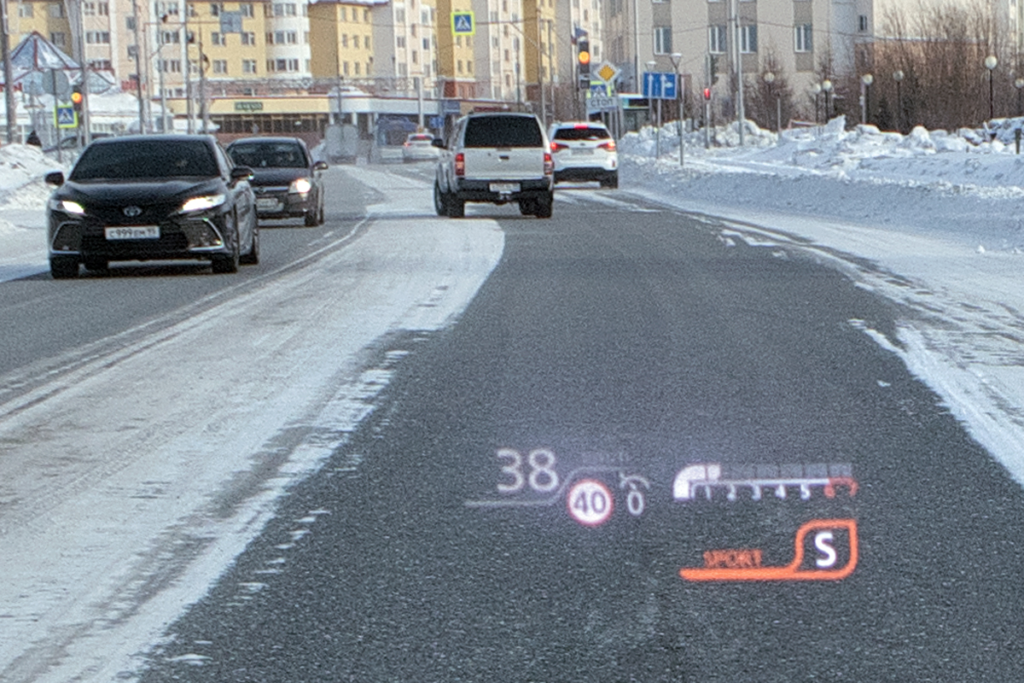
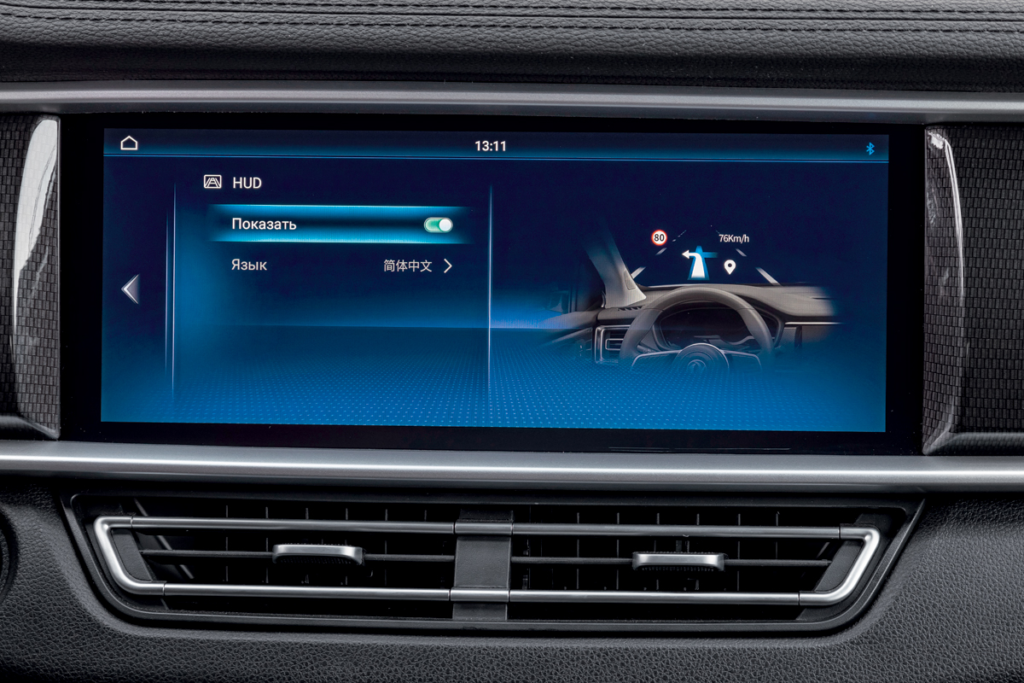
- a head-up display
- adaptive LED headlights
- adaptive cruise control and a suite of electronic assistants
At 3.99 million rubles the price is defensible in today’s market. For comparison, the Chery Tiggo 8 Pro Max costs and offers much the same, and is significantly smaller.
Where the Money Was Not Spent
Mostly on the design, which cannot hide its age: look away and you have forgotten it. The LED headlights, with automatic main beam and swivelling lenses, sit under plain covers. There is nothing fashionable like retractable door handles — everything is conventional. Even the palette is modest: black, white or blue.
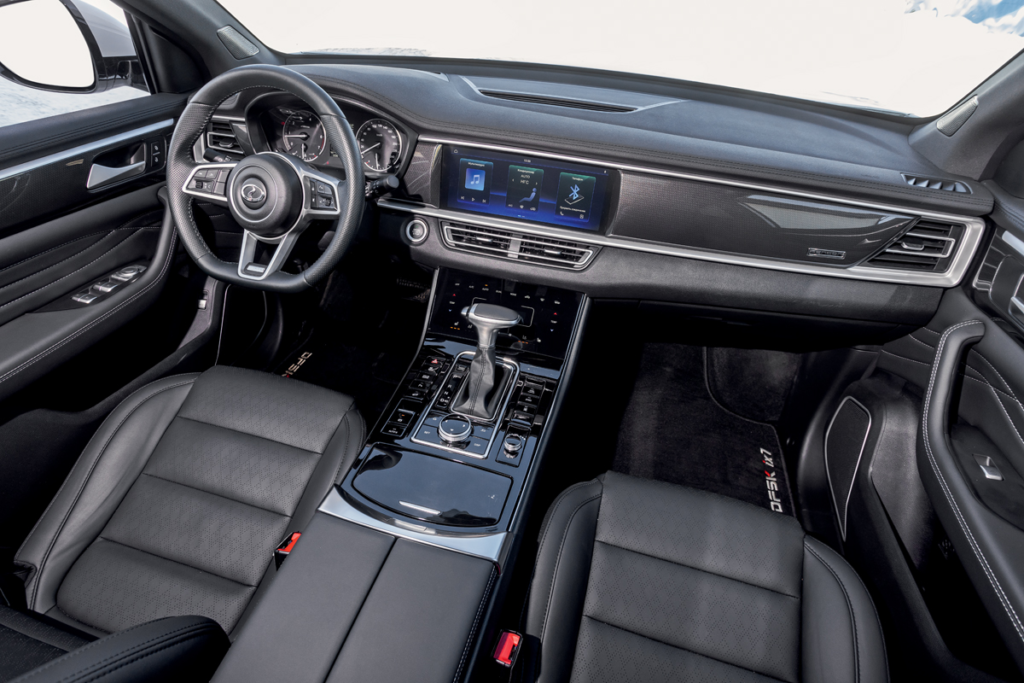
The interior runs to fifty shades of grey, with imitation carbon fibre across the dashboard and piano-black lacquer on the transmission tunnel, which has already begun collecting scratches. The only things that liven it up are the starry sky in the panoramic roof and the LED lighting in the dash and doors, adjustable for brightness and hue.
Seats, and the Third Row
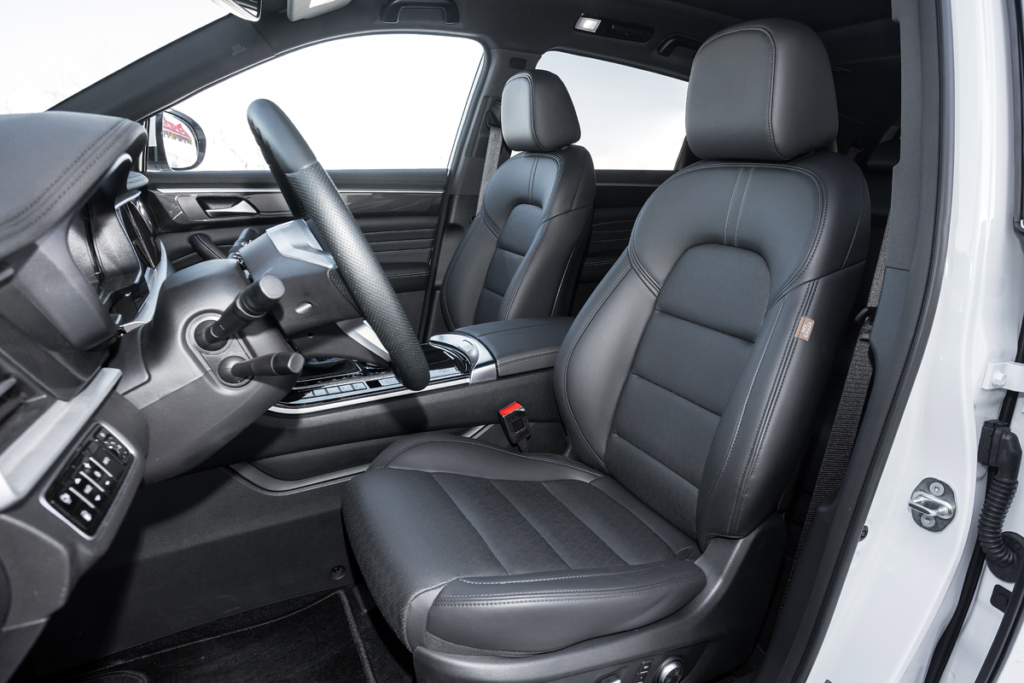
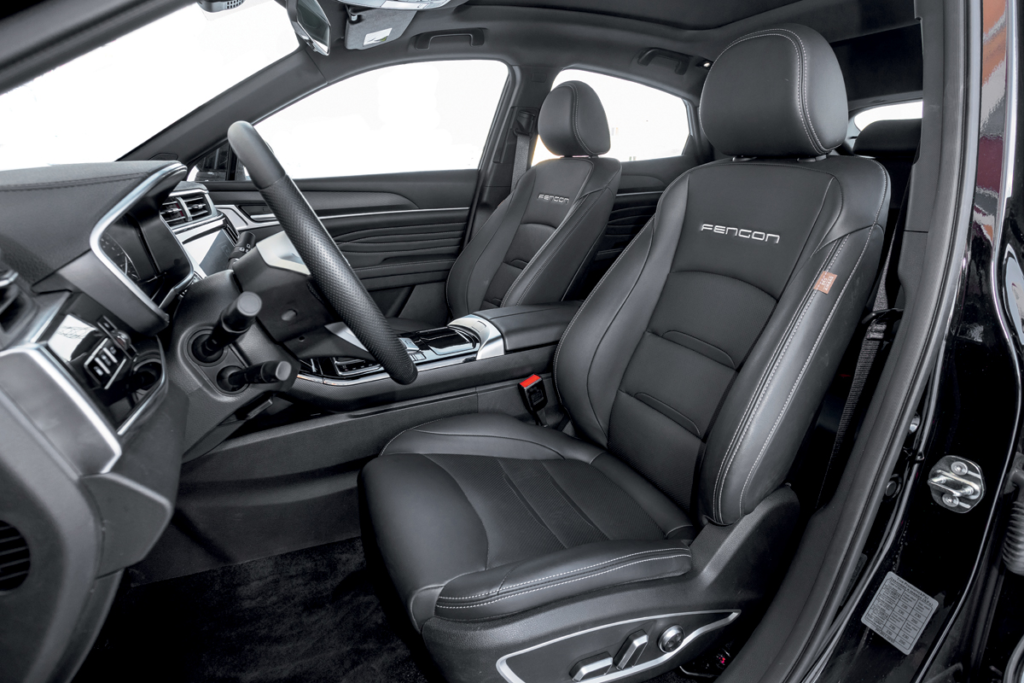
The seating I found genuinely comfortable. The steering wheel adjusts for both height and reach. The front seats have a decent shape, with adjustable lumbar support, height and intensity as well as heating and ventilation — though the backrests may feel narrow to a larger person, because the side bolsters are snug.
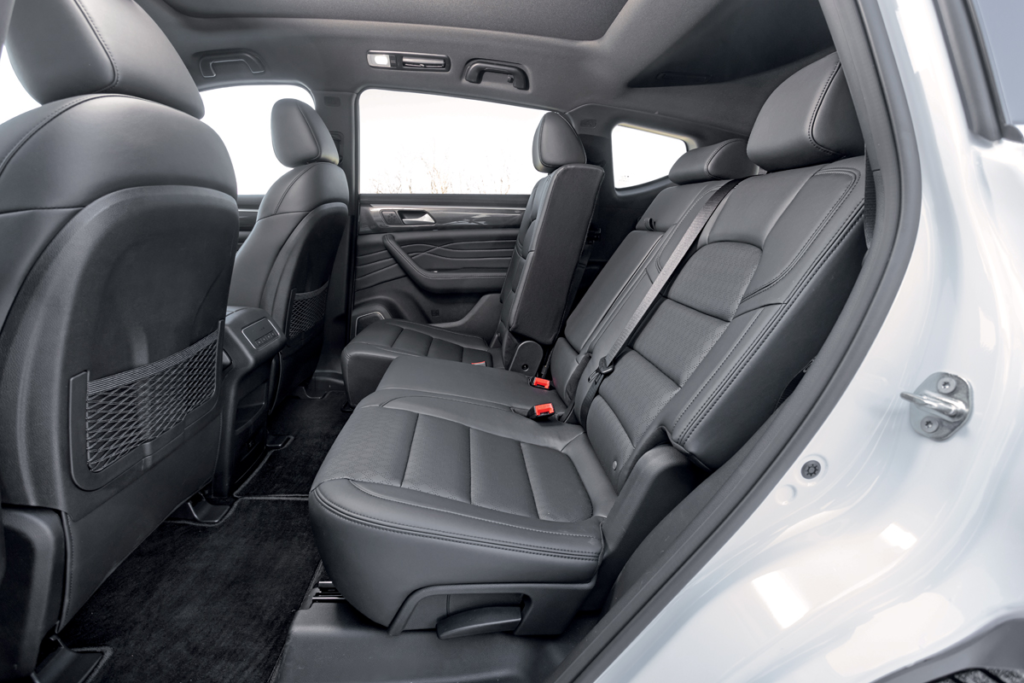
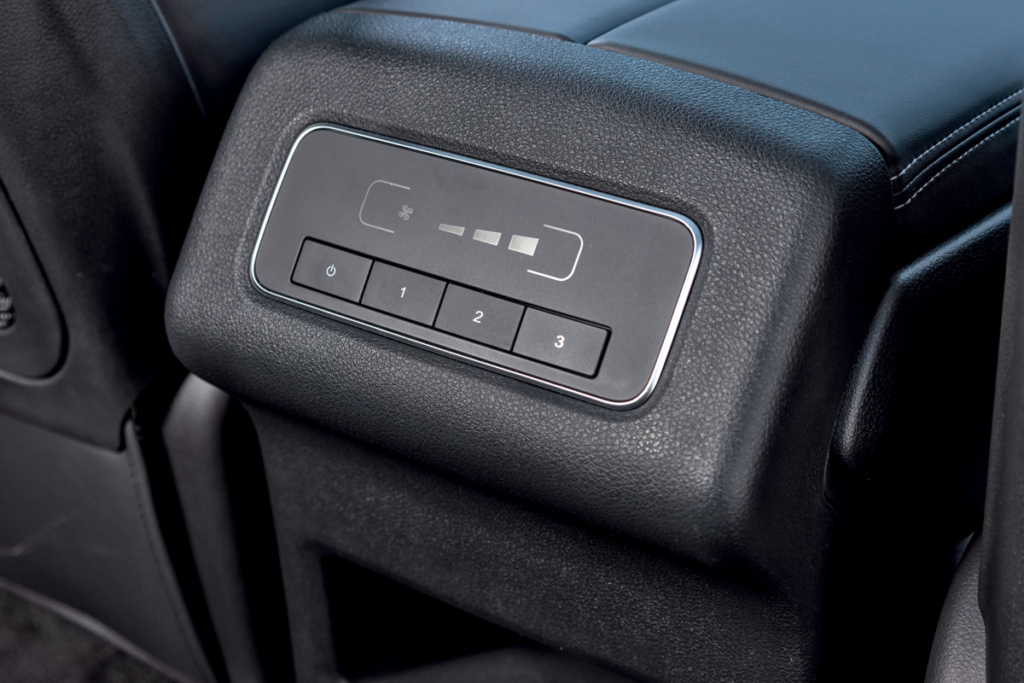
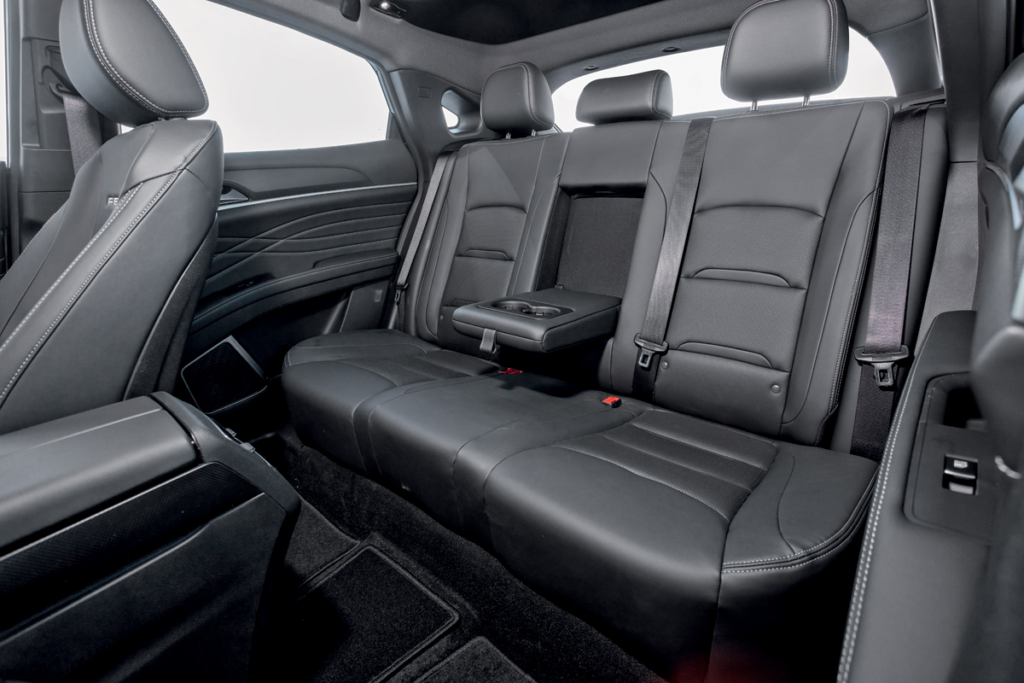
The second-row seats also proved to be quite accommodating, equipped with longitudinal adjustment and adjustable backrest angles. Besides an armrest with cupholders and a USB port, passengers can set the speed of the heater fan, which blows through ducts in the ceiling.
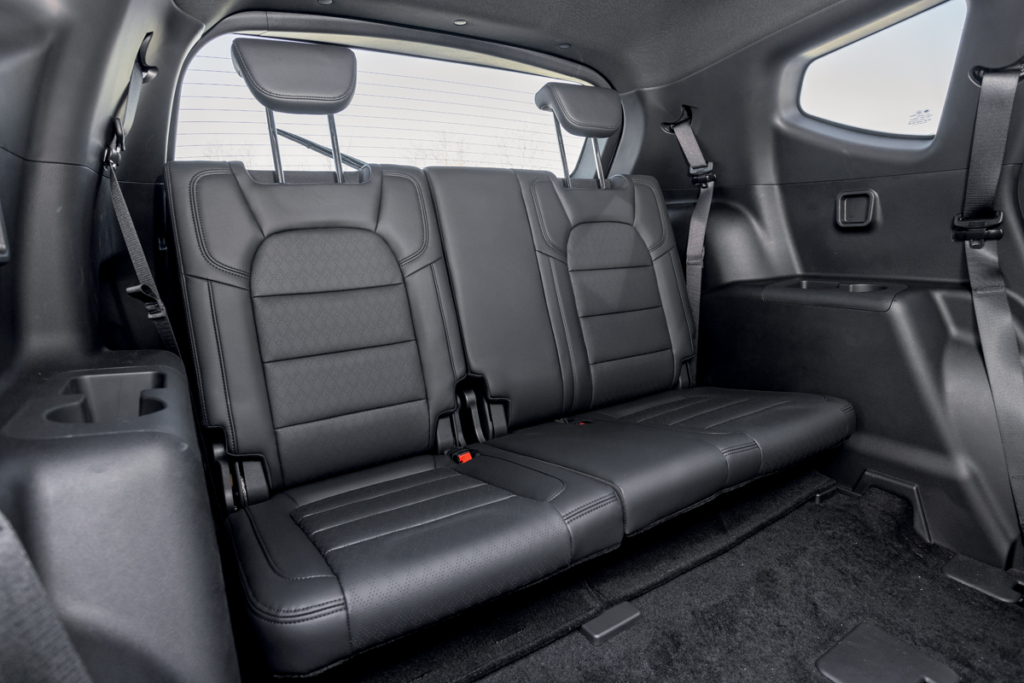
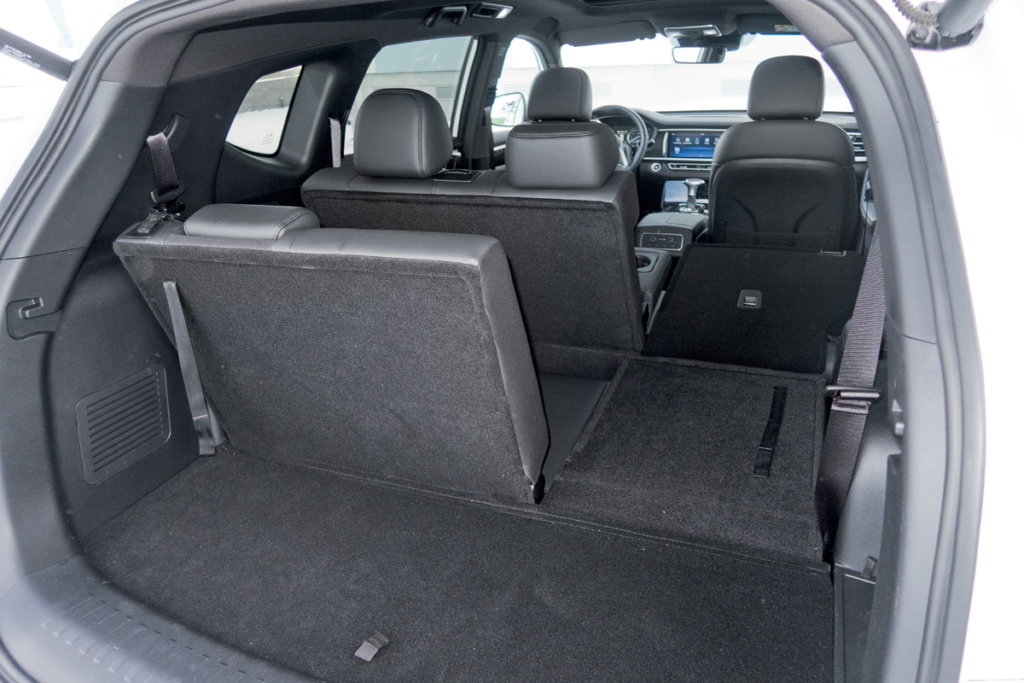
Those ducts reach the third row as well, which you get into by pulling a lever and sliding the right-hand section of the second row. It is a tight squeeze with the seat in place, although reclining the backrest keeps your head off the ceiling. Push the middle-row passengers as far forward as they will go and the space back there is merely adequate. Even with the third row up, though, the ix7 leaves some boot space for a little luggage.
Dials With Needles
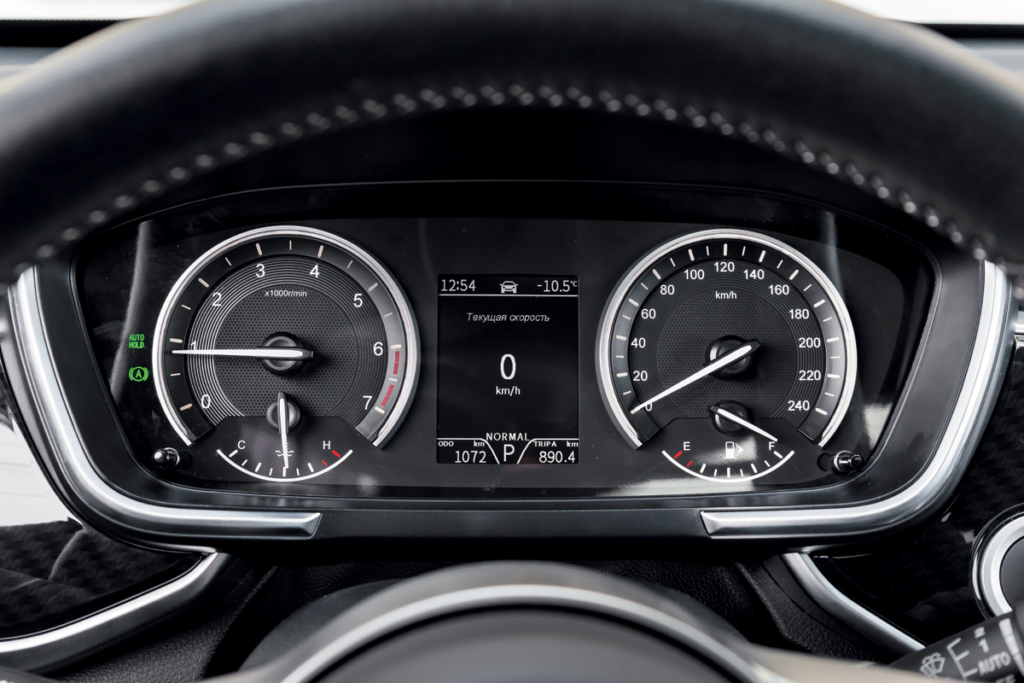
Better to get back behind the wheel — where I could not believe my eyes. In front of me were conventional instruments: round dials with needles. Even with a simple monochrome trip computer screen between them, it is a relief after the usual frenzy of Chinese digital displays.
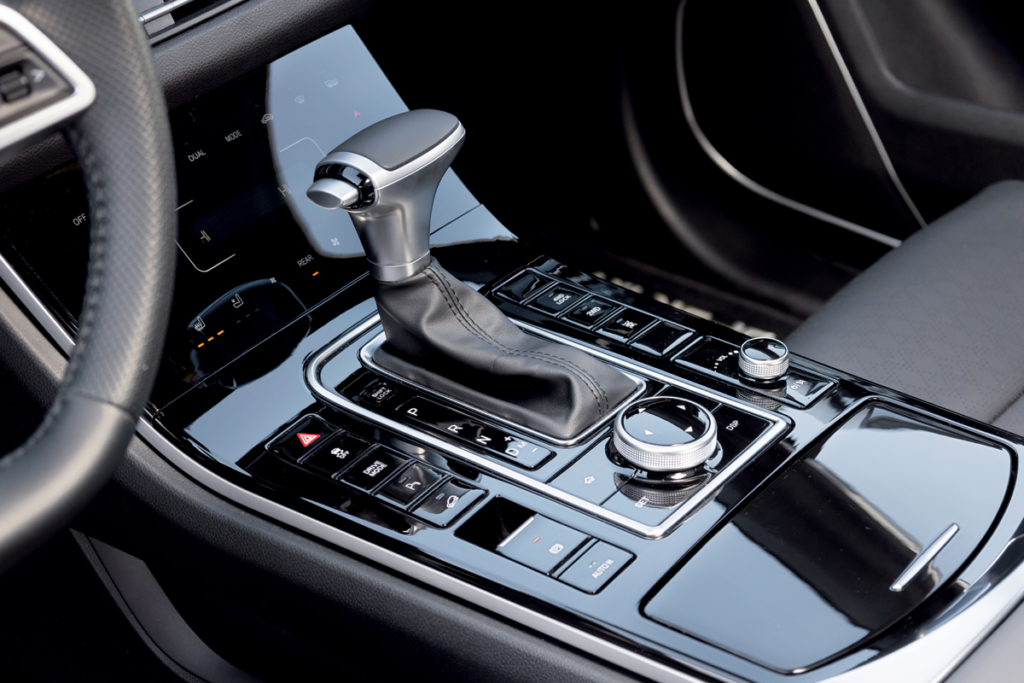
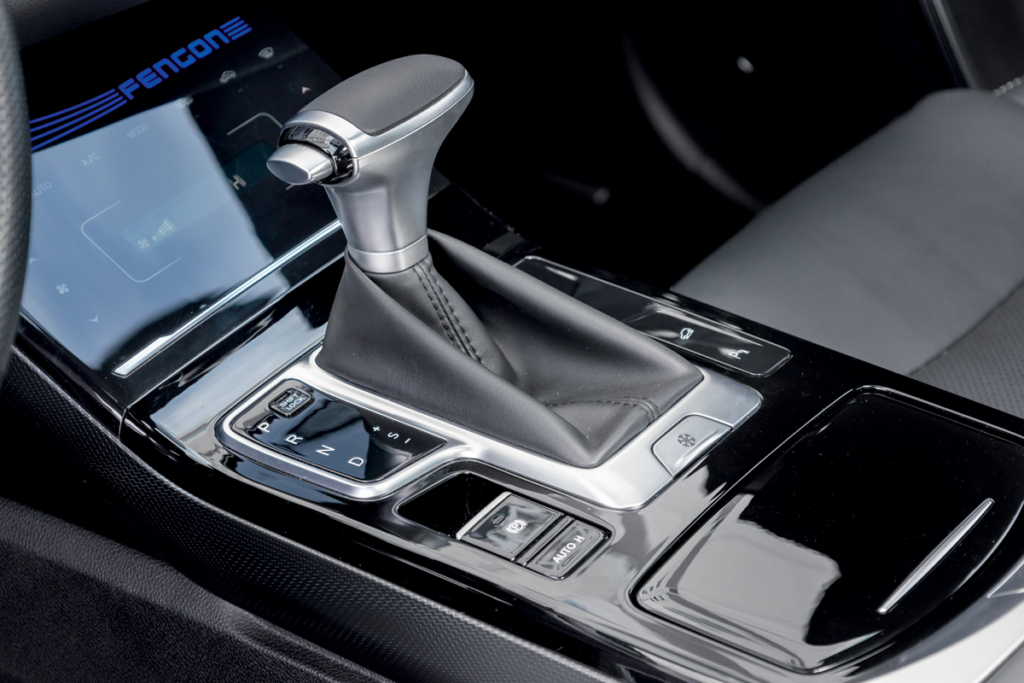
In hand is an old-school, error-proof transmission selector. It controls the classic six-speed 6F36 automatic — an old acquaintance, developed by Hyundai Power Tech and familiar from many Hyundai and Kia vehicles.
All in all, the DFSK ix7 is the kind of car that does not make you solve a puzzle the first time you drive it. A haven for the conservative.
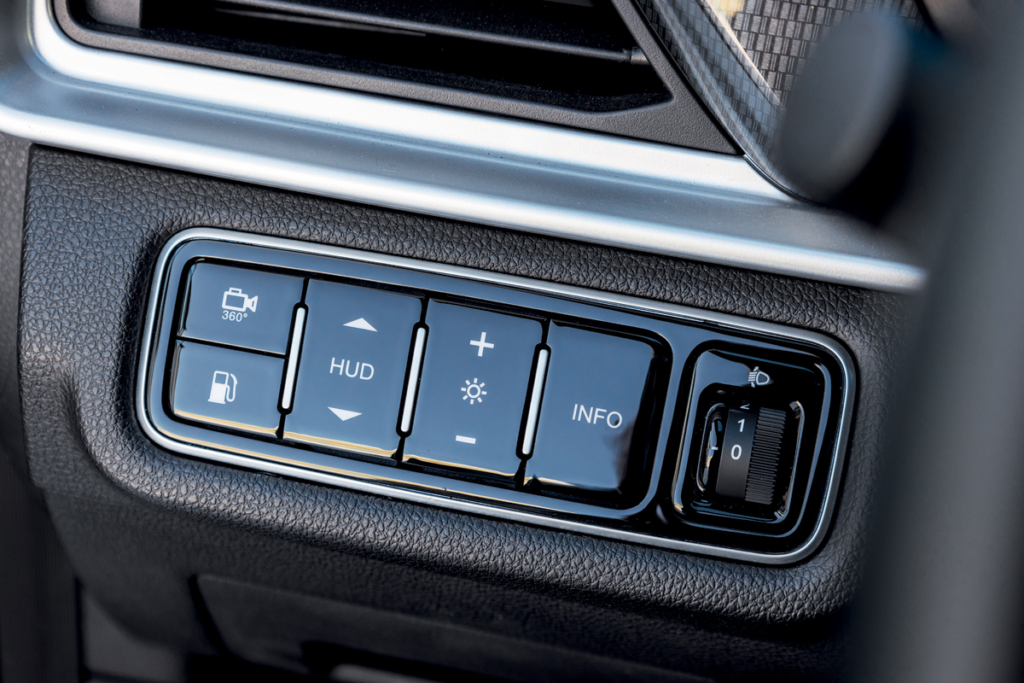
Almost. The digitally inclined have not been entirely neglected: alongside the physical buttons scattered about for the surround-view system, the drive modes, Auto Hold and so on, there is a 12.3-inch touchscreen. The media system’s straightforward menu can also be worked with a rotary controller on the console. Turn it as much as you like, though, and you will not find Android Auto or Apple CarPlay — those are promised only on the China-assembled cars.
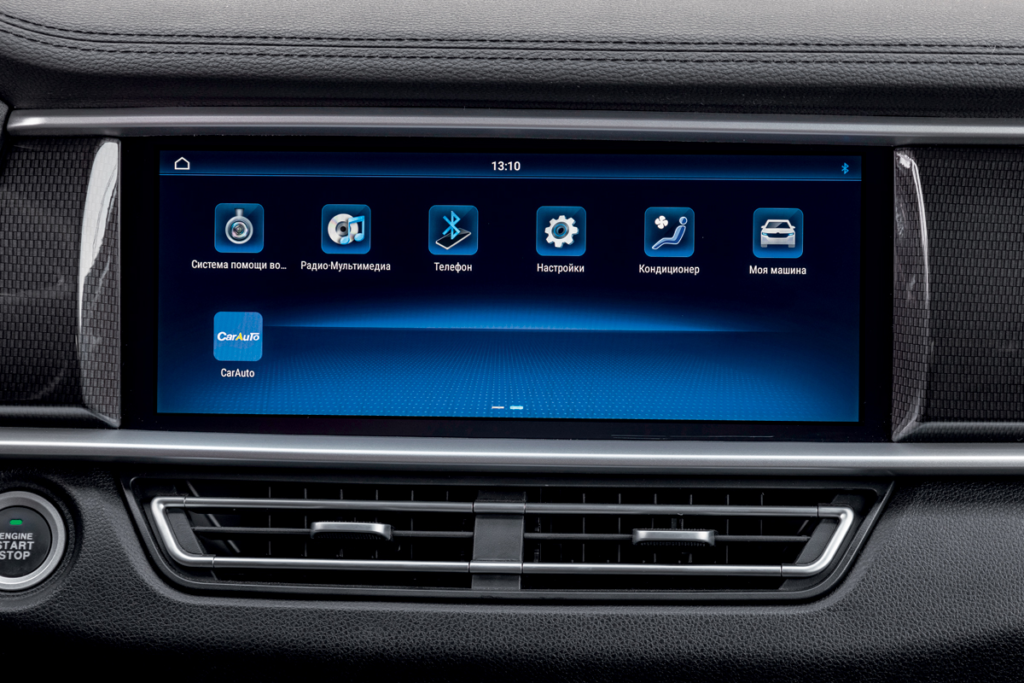
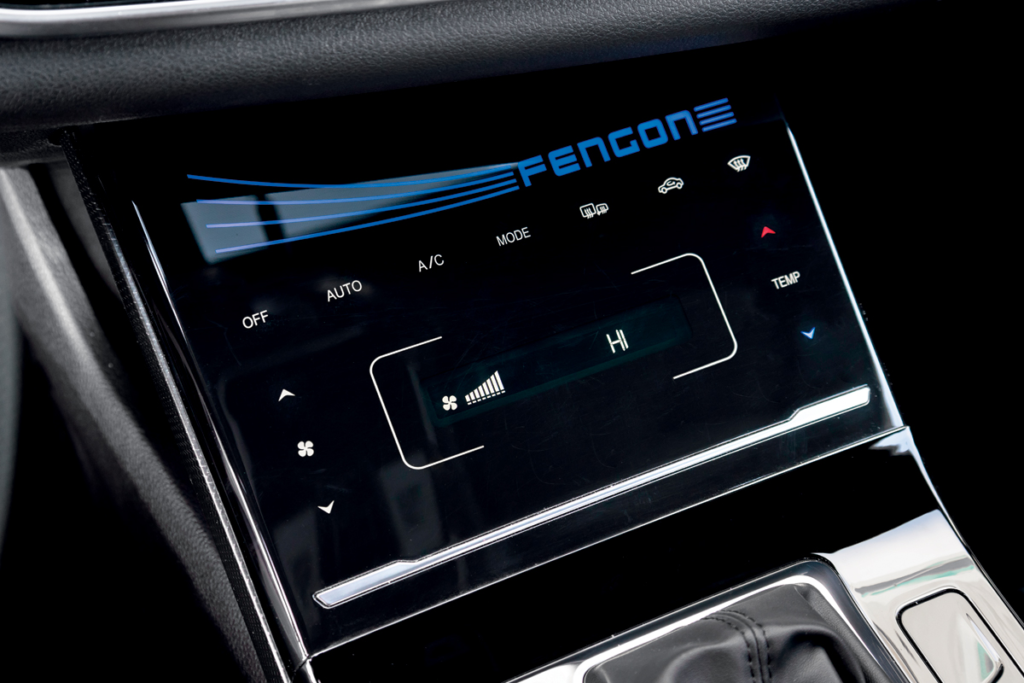
For the climate control, physical buttons were evidently one step too far — fortunately the virtual ones live on a separate weather screen on the console, which makes them much easier to use. Just do not switch the headlights on in daylight, or the screen becomes completely illegible. What matters more is that the heater warms the cabin quickly in the Yamal cold. As for further heating, this summer brings only a heated steering wheel to join the front seats and mirrors. Not much.
On Snow and on Tarmac
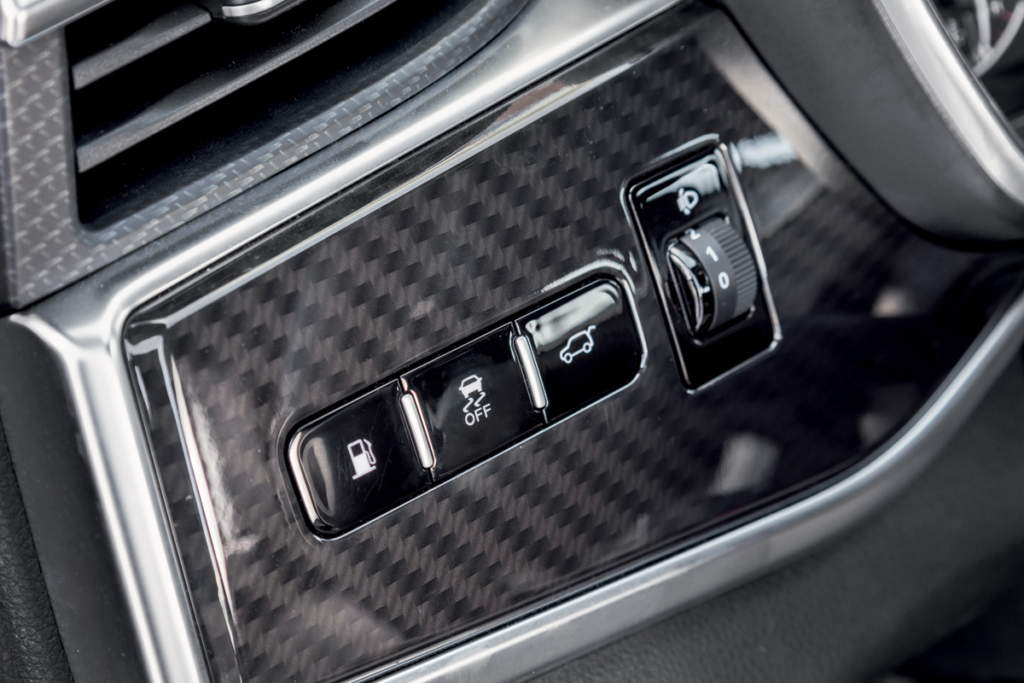
The stability system switches off with a button on the console, and another locks the BorgWarner clutch, though only up to 40 km/h. Set up like that, the DFSK ix7 sails across the snowy plains not unlike a northern reindeer. Just do not get stuck up to the antlers in soft snow: on the first surge the two-litre HD20 turbo engine — 220 hp and 355 Nm — and the automatic can both be a little too eager. Once moving they are in no particular hurry, but there is always plenty in reserve under the pedal.
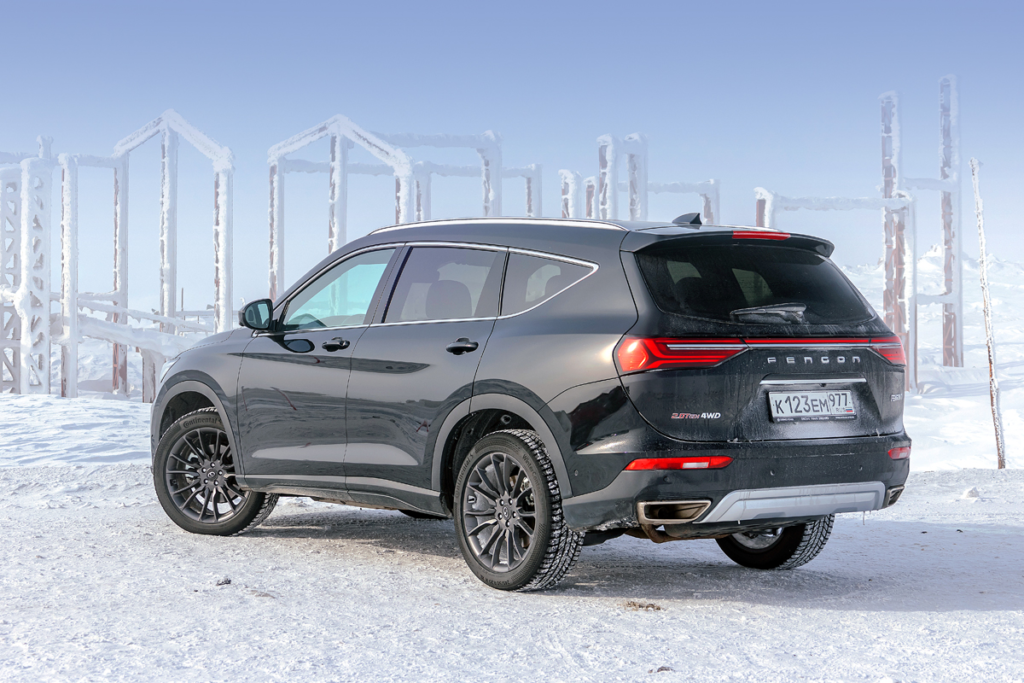
As the tests of one Chinese car after another have shown, tuning the feel of the steering is rarely a priority for Chinese engineers, and DFSK honours the national tradition. Even so, the steering has a precise straight-ahead, the car is stable on a straight road, and it does not miss its mark in a corner. The suspension, even on 20-inch wheels, is quite comfortable: no excessive fidgeting over small imperfections, no wallowing over long undulations. After a jolt from sunken asphalt, of which there is no shortage on the roads around Salekhard, the rear does not shy away from bottoming out.
The ix5: The Younger Brother
And the younger DFSK ix5? It feels less affluent in every respect.
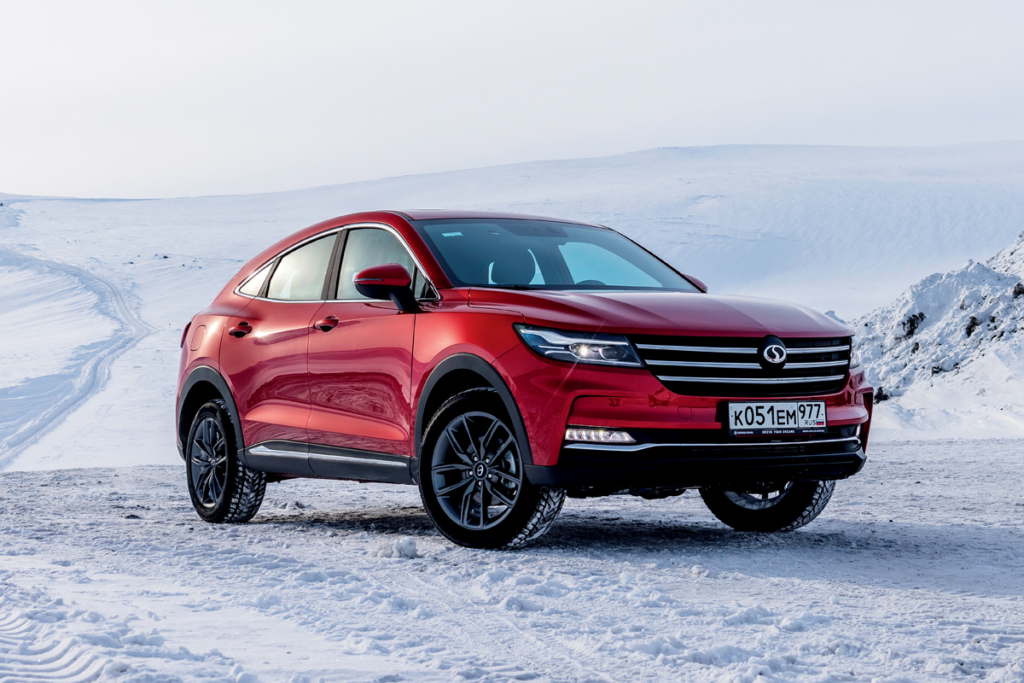
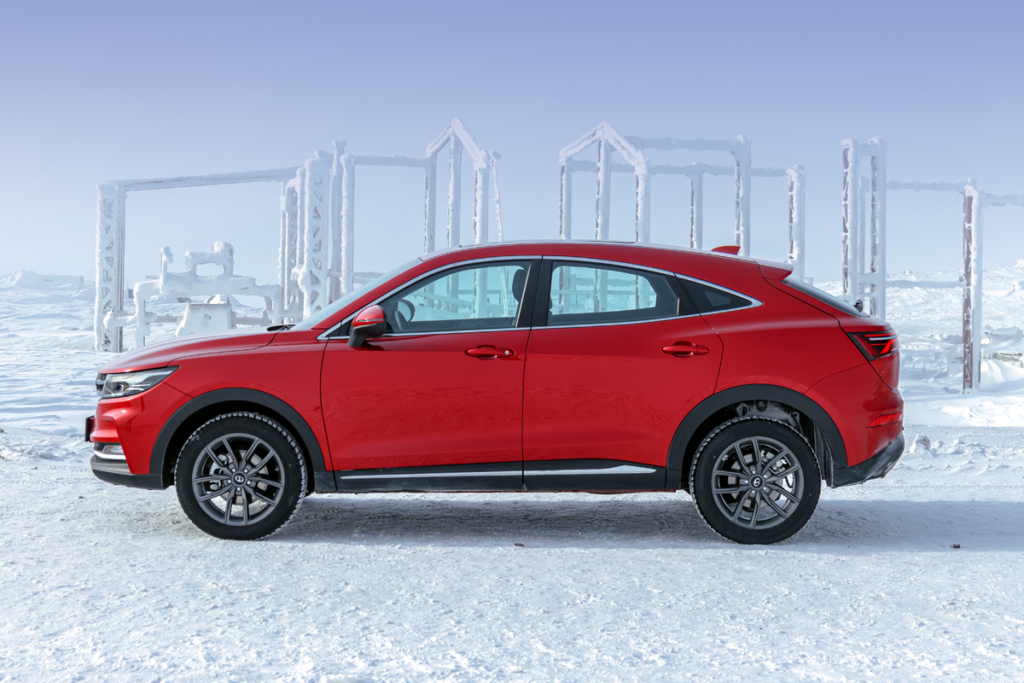
Both DFSK brothers look nearly identical, sharing not only their chassis but also their front end design. The five in fact arrived a year before the seven, back in 2018. It may stay in the memory a little longer, thanks to that coupe-like silhouette. At 4685 mm long it is a direct rival to the Haval F7x — and not only on grounds of automotive age.
Inside the ix5
A slightly different dashboard layout does not change the character of the cabin: it is still a plain dark realm with carbon-look inserts and piano-black gloss. The equipment is simpler — a panoramic roof, but no contour lighting. The atmosphere stays semi-analogue, full of buttons, with proper analogue dials and a gear lever. The main media display is a modest 10.2 inches, though there is a touch-sensitive climate panel here too.
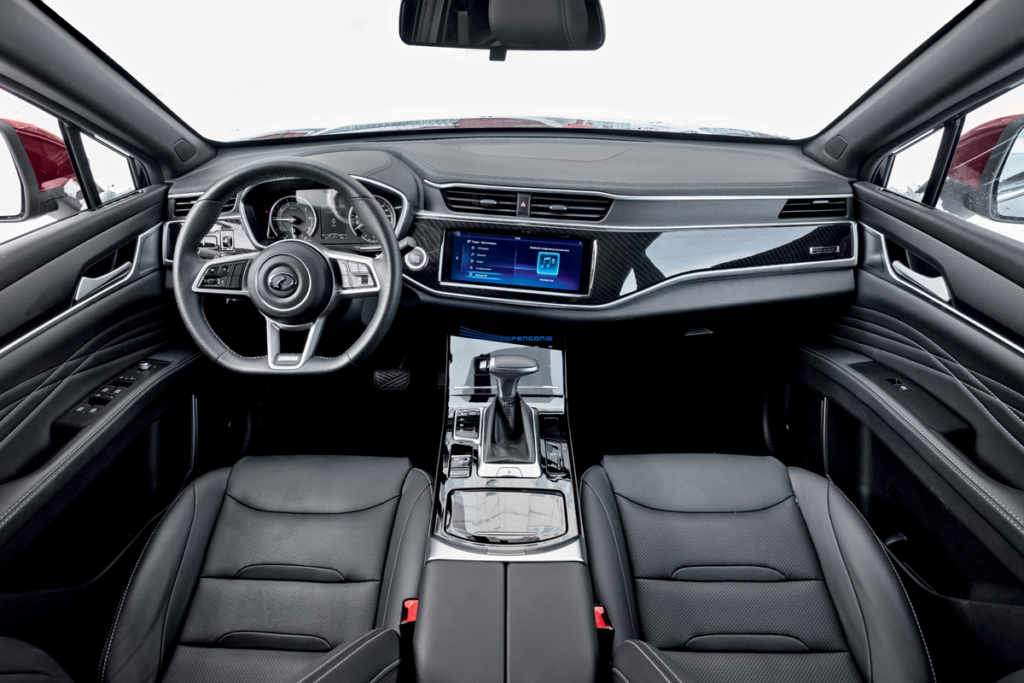
Surprisingly, sitting behind the same adjustable wheel feels less car-like than in the elder brother: you sit higher and more upright. The seat, with adjustable lumbar support, has a tighter backrest still. Rearward visibility through the interior mirror suffers, which is the price of the coupe roofline, and the exterior mirrors — more stylish, on their stalks — cost you some convenience, because you have to crane your neck further to use them.
The rear space is ample all the same; the five’s wheelbase is only a few centimetres shorter than the seven’s. The headroom is unexpectedly generous, too — even slouching, you do not feel the roof on your head. The small pleasures are fewer: there is an armrest with cupholders, a power outlet and a USB port, but at the vents on the back of the console you can only aim the airflow, not set the fan speed. And, predictably, the boot is the less practical of the two.
A 1.5 Turbo and a CVT
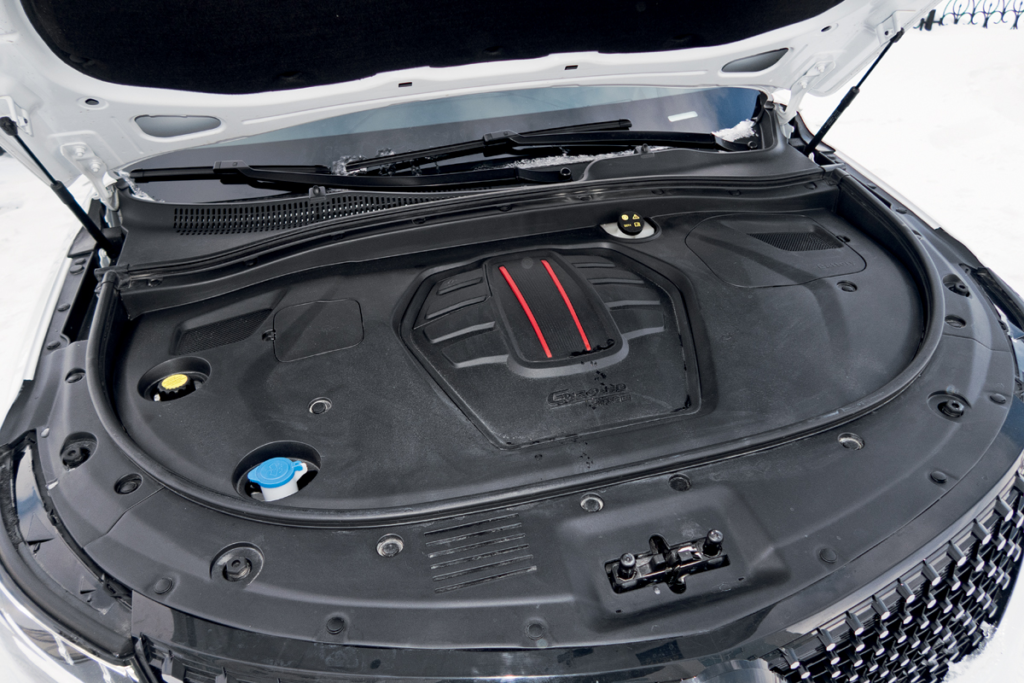
Technically, it features the favored recipe of many Chinese crossovers: a 1.5-liter turbo engine, a continuously variable transmission (CVT), and front-wheel drive. In the DFSK ix5 that means the SFG15TA engine, at 137 hp, with a Punch VT5 stepless transmission.
A similar transmission was found in previous generations of Mini vehicles, and today, approximately the same CVT is installed in Moskvich 3 crossovers. Unlike, say, the WanLiYang CVT in the Lada Vesta, this one uses a pack of friction plates rather than a torque converter. That is a gain in fuel efficiency, and it means you can forget about quick starts or any wheelspin at all, permanently.
Which is easy enough to accept. The CVT is sticky, even in Sport. A reindeer drags a sledge full of nomadic treasure across the thawing tundra with more enthusiasm than a laden DFSK ix5 pulls away uphill. There is a general weakness of heart next to the older car: each horsepower here has eleven kilograms to move rather than nine. To overtake with confidence I found myself pushing the selector across and dropping one or two quasi-gears by hand in advance.
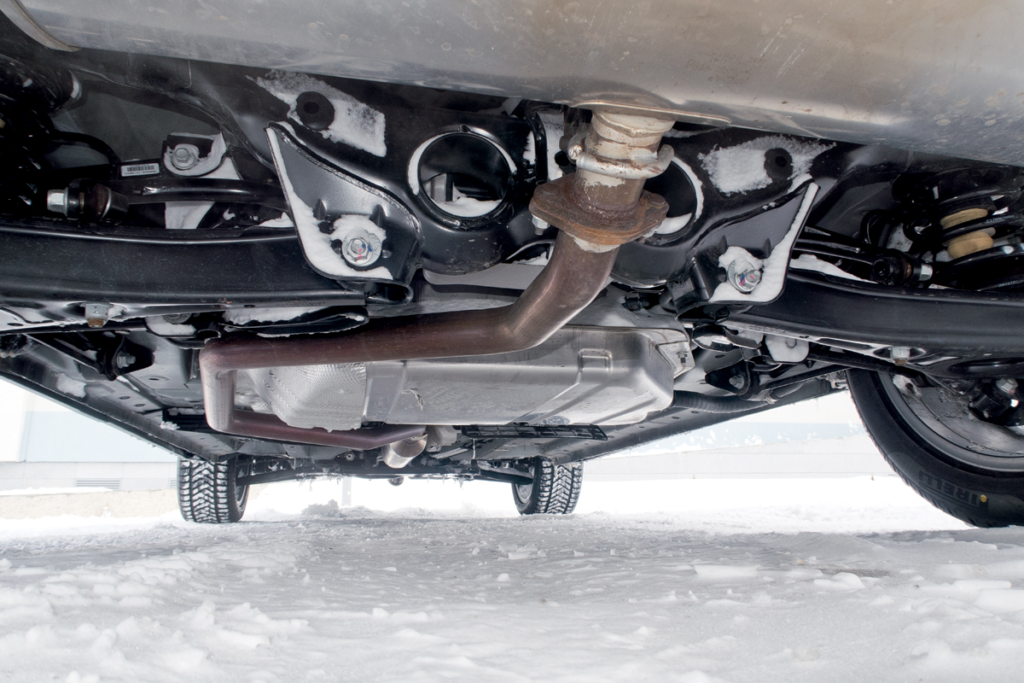
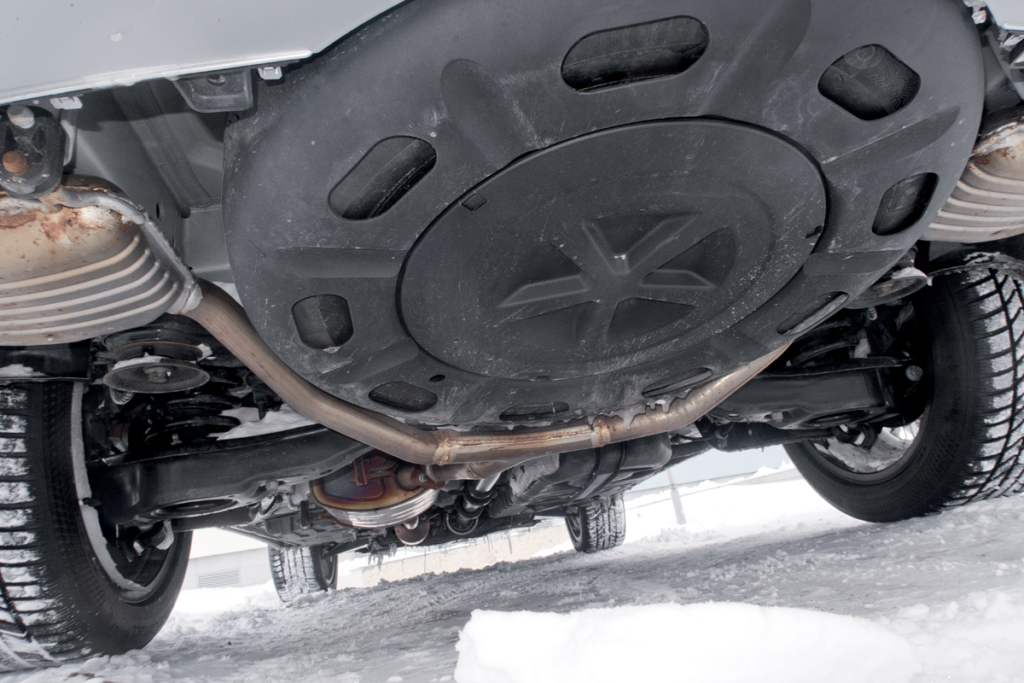
The architecture of the independent rear suspension is the same for both crossovers.
Ride and Noise
In terms of handling, I noticed no significant difference between the two crossovers. However, noise insulation in the DFSK ix5 is less effective: pebbles clatter more sharply against the wheel arches, and the wind howls louder at high speeds. The ride is the real surprise, and not a pleasant one — on more modest 18-inch wheels the engineers have set the suspension up less successfully and more firmly. It never becomes harsh, but no crack in the asphalt goes unremarked, and the sighs over long undulations are audible.
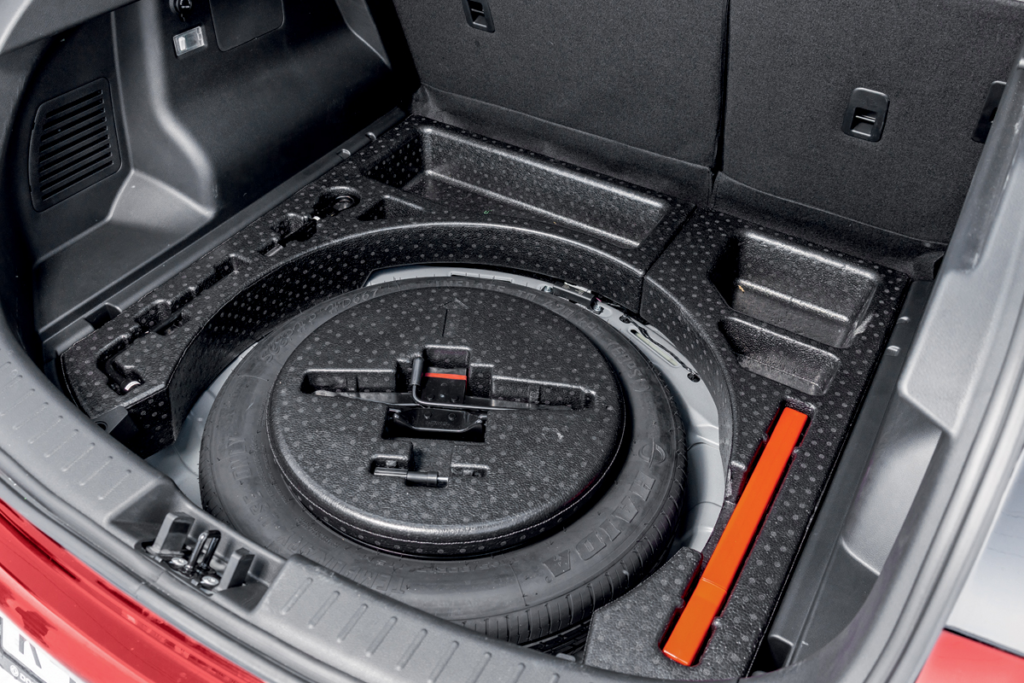
Along with the tool kit, a spare tire is hidden in the subfloor.
Prices, and Who These Are For
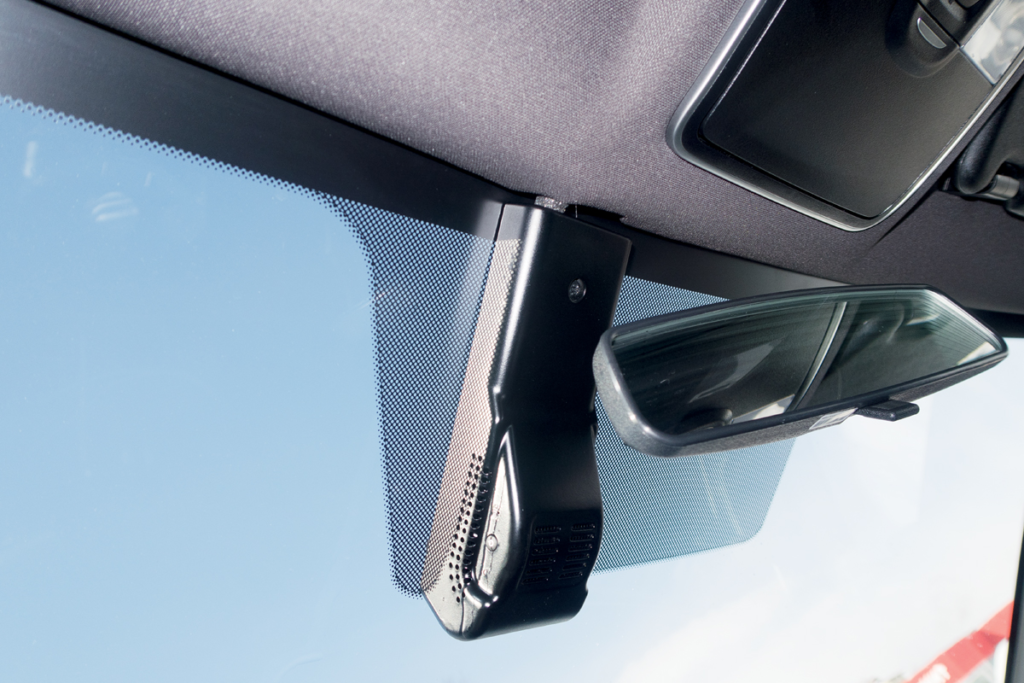
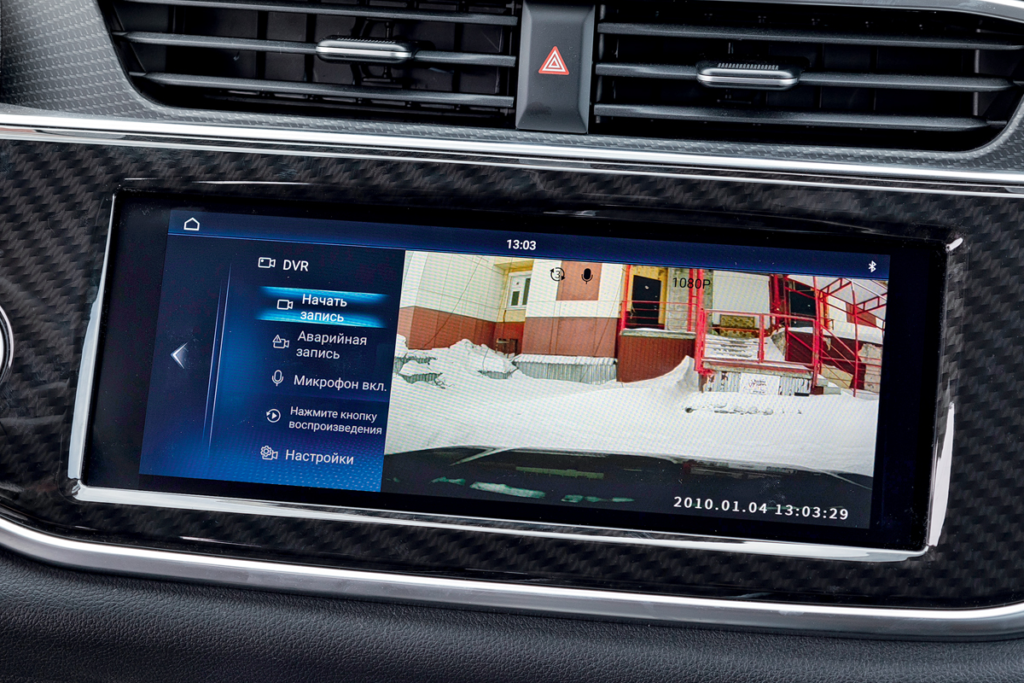
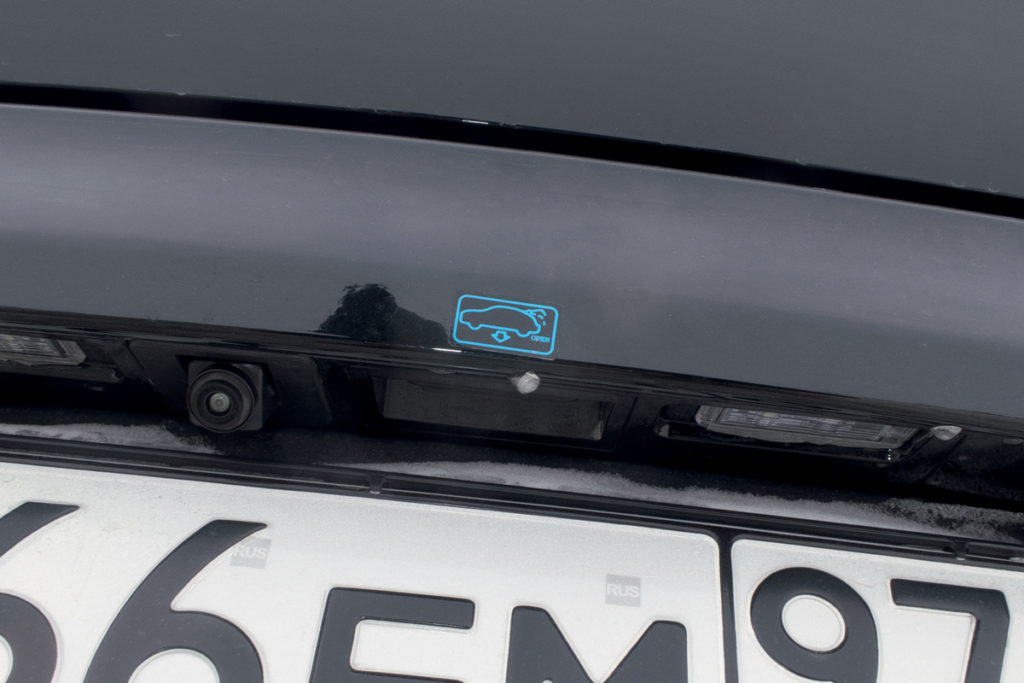
The younger DFSK ix5 comes in a single Premium trim, and it covers only the basic values: four airbags, ESP, heated front seats, keyless entry, a powered tailgate, a built-in dashcam and single-zone climate control. The asking price is 2.99 million rubles — very nearly what a Haval F7x costs in comparable Elite trim, with a 190 hp two-litre engine and all-wheel drive.
If only that money bought the DFSK ix5 in the dearer Luxury trim, with the two-litre engine, the automatic gearbox and all four wheels driven, as in the ix7. Such a version will appear, and they will of course want more for it. On the whole, the DFSK crossovers are a choice for conservatives. If you like analogue dials, physical buttons and a selector that stays where you put it, they are worth a look — because in their other consumer qualities they do not stand out in any particular way.
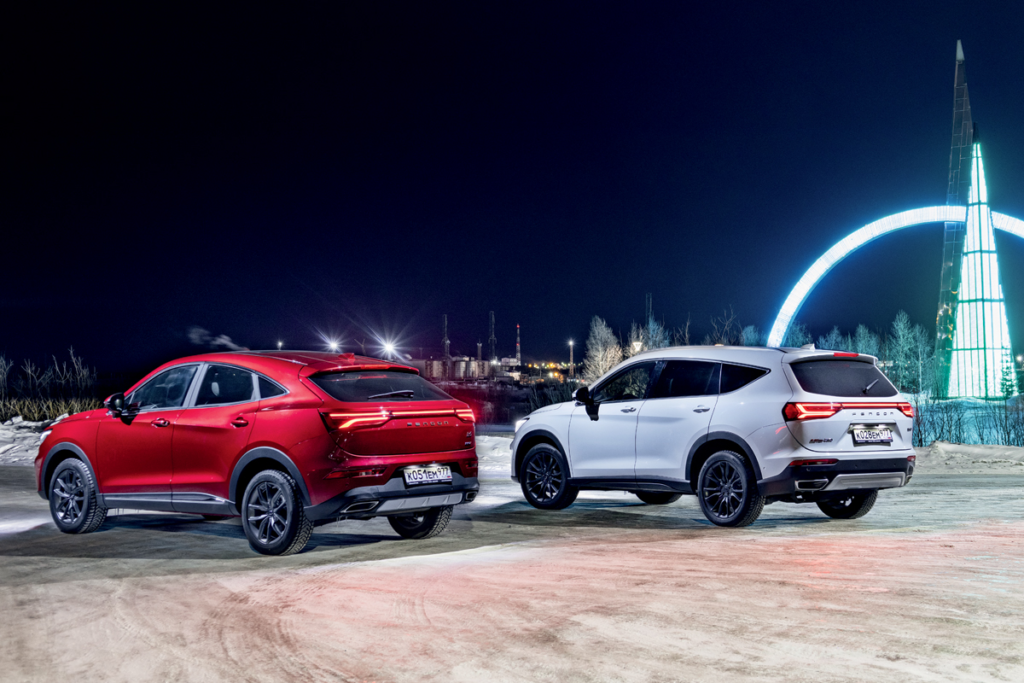

Photo: Ilya Khlebushkin | Motorinvest company
This is a translation. You can read the original article here: А олени лучше? Знакомимся с кроссоверами DFSK ix7 и DFSK ix5 на Ямале

Published January 02, 2025 • 9m to read