
Turkey may not be the first country that comes to mind when we talk about commercial vehicles, but recent developments have certainly put it on the map for enthusiasts and industry watchers alike. The introduction of the new F-Line series by Ford Trucks, along with a visit to the Orthaus semi-trailer factory near Istanbul, showcases Turkey’s robust position in the global automotive landscape.
Turkish roads have changed
Gone are the days when Turkish highways were dotted with horse-drawn carts and vintage trucks sporting wooden, red bodies and canvas covers. Today the country’s highways reflect a modern commercial fleet, with vehicles from renowned brands like Mercedes, MAN and IVECO produced right here. Turkey’s own brands, designed to European standards, are increasingly aimed at export markets too.
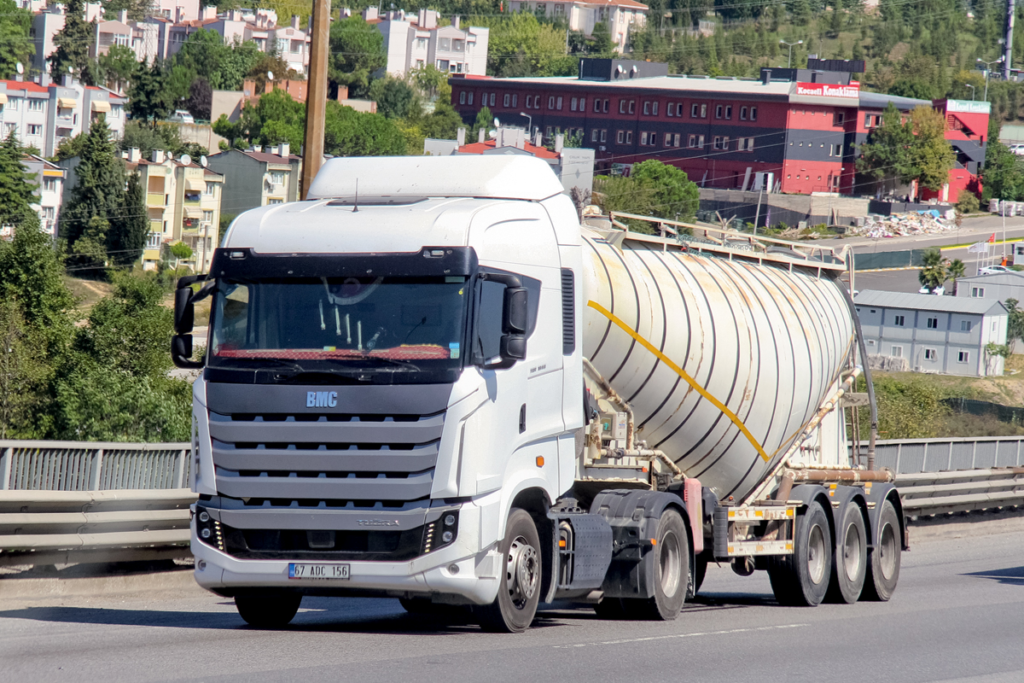
The new heavy-duty BMC Tugra series…
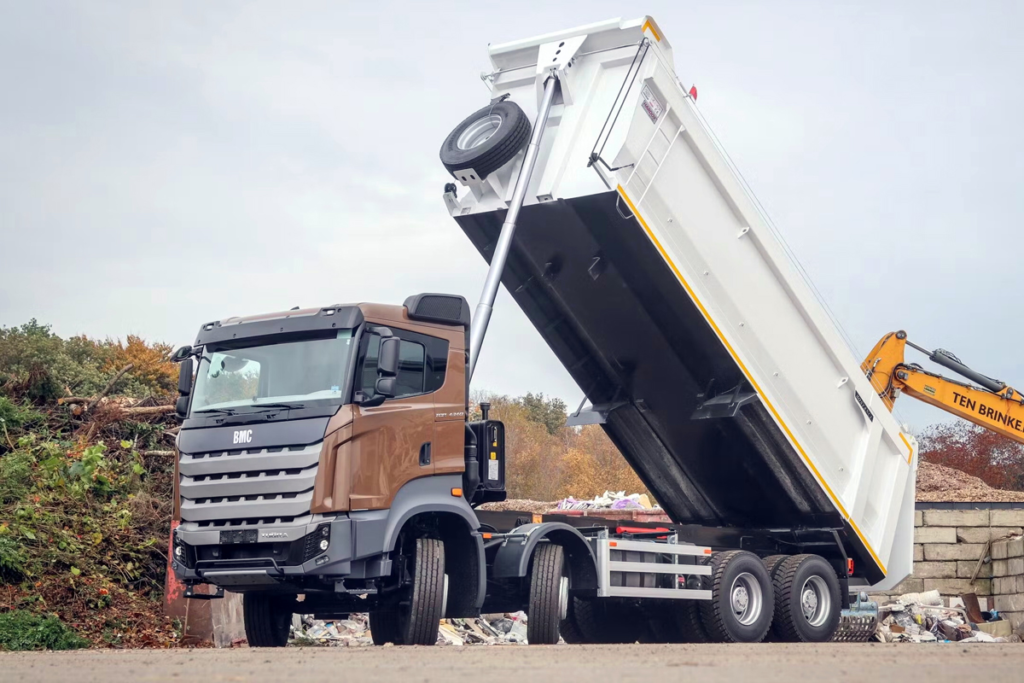
The new heavy BMC Tugra series…
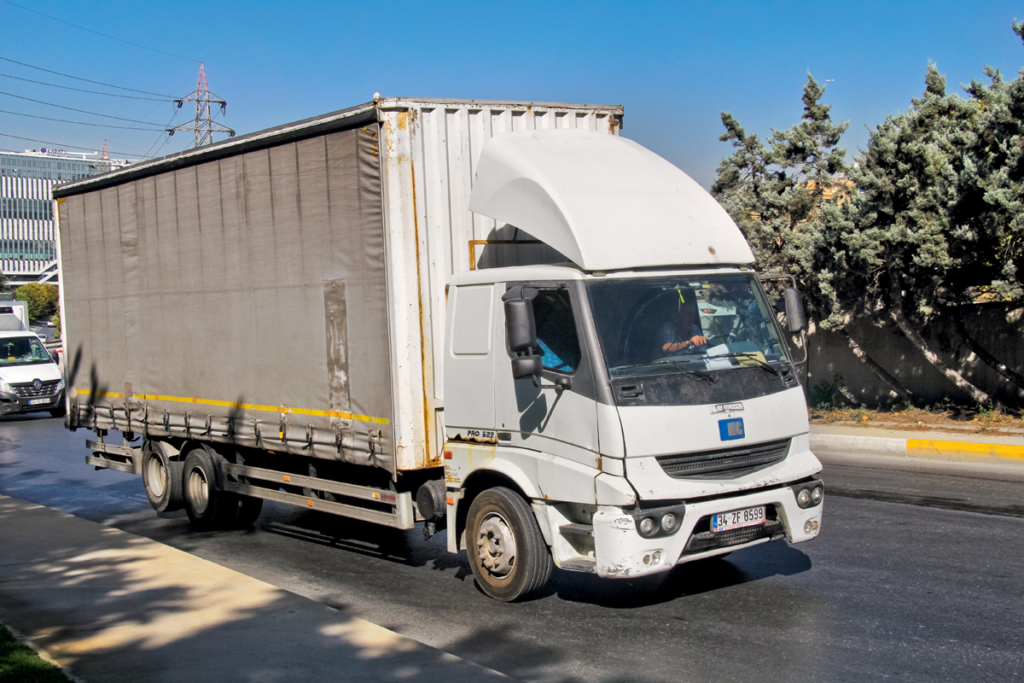
…has replaced the BMC Professional trucks
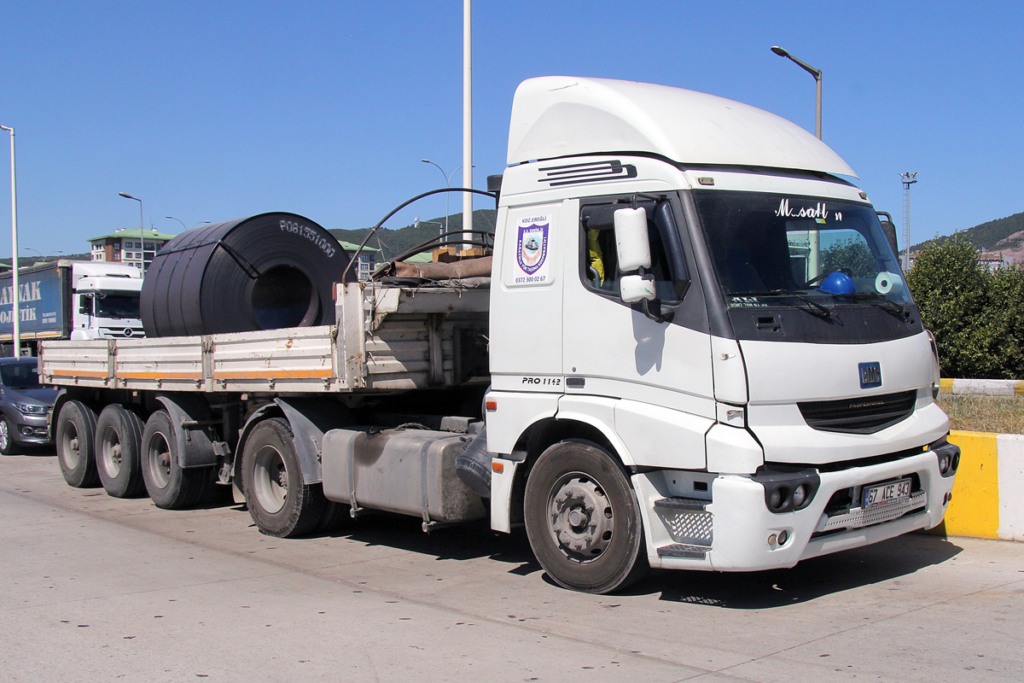
BMC Professional
BMC Tugra, and what is left of the past
One such example is the BMC Tugra series, a lesser-known name that debuted at the IAA in Hanover in 2018. The series combines its own components, such as cabins and front axles, with bought-in units such as IVECO engines, ZF gearboxes and Meritor axles. Initially unveiled as tractors, the Tugra now also includes dump trucks and is making its mark in several European markets, among them Belgium, Greece, Spain and Poland.
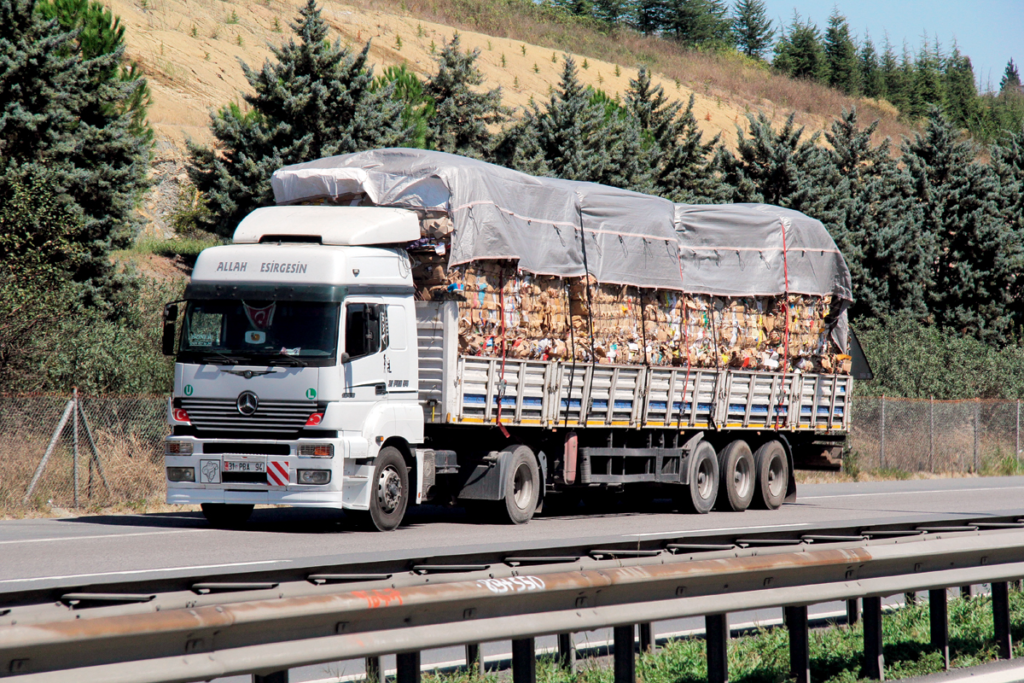
Old Mercedes Actros with a full load of recyclables.
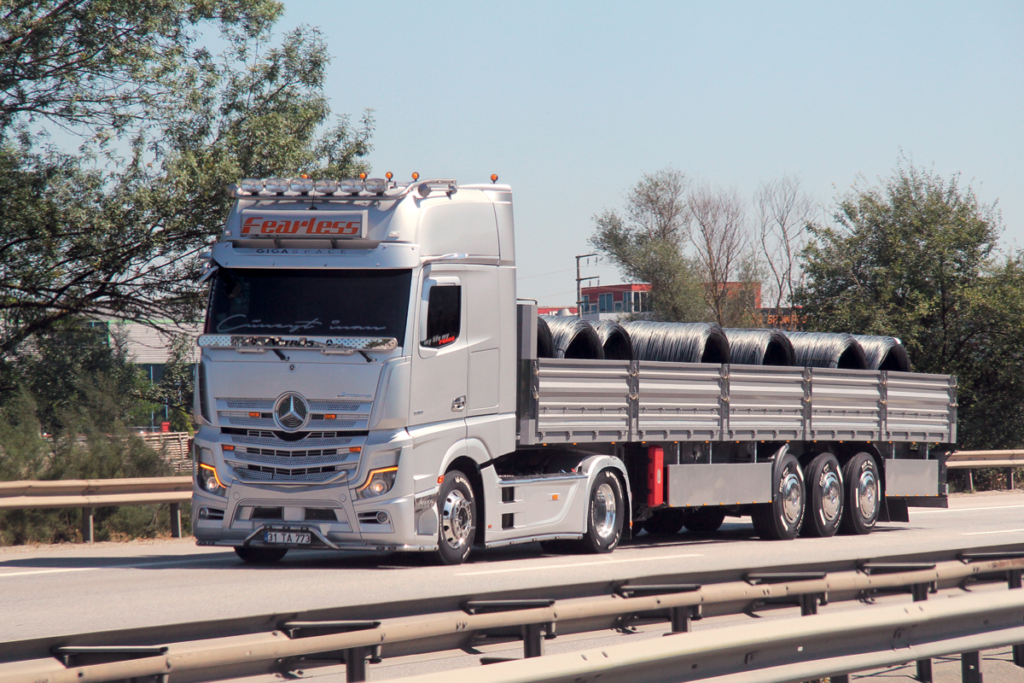
New generation Actros with local tuning
Despite the modernization, remnants of the past linger on Turkish roads, such as the previous Professional series trucks with their narrow, wedge-shaped cabins designed by Pininfarina. In rural areas one might still encounter the old BMC Fatih trucks, the Turkish equivalents of the Soviet-era KAMAZ, now equipped with Cummins diesel engines and Eaton transmissions.
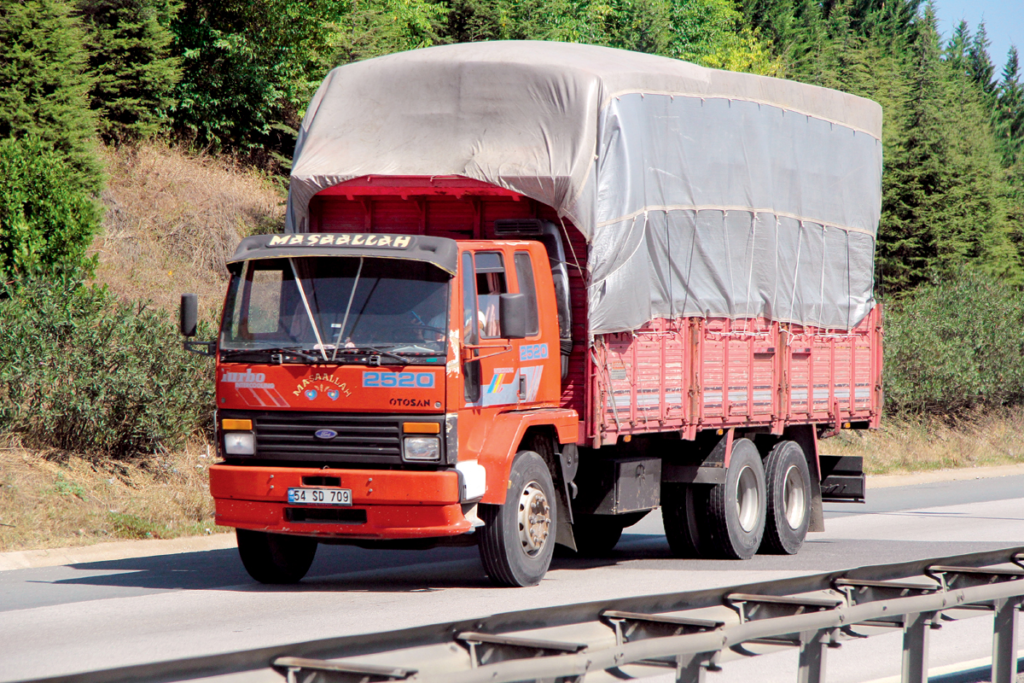
Ford Cargo — still with the original “English” design…
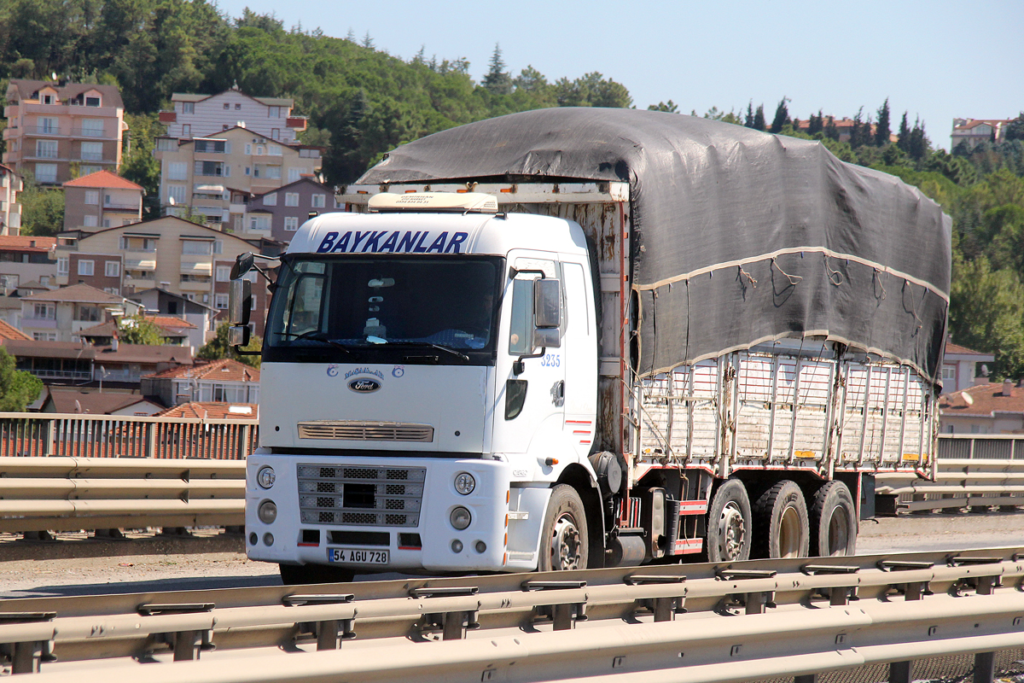
…and in a version with a modern cabin
Ford in Turkey, since the 1960s
Ford trucks have a special place in Turkey’s automotive history, having been produced here since the 1960s. The famous Cargo family, originally developed by Ford’s English branch, has outlived all its competitors and is still being manufactured in significant quantities in Turkey and Brazil.
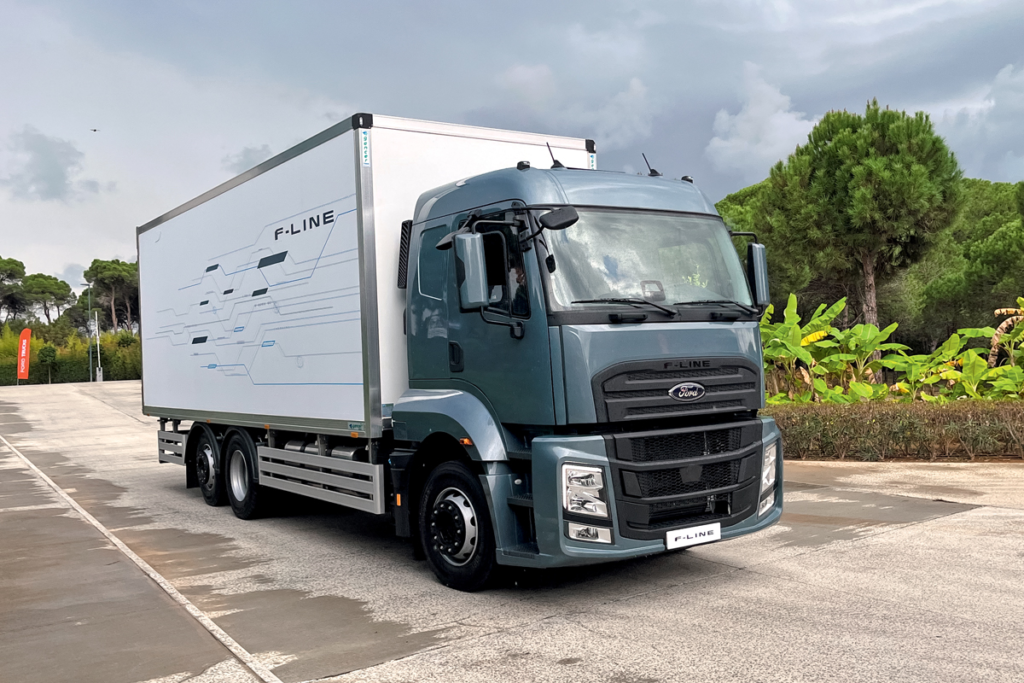
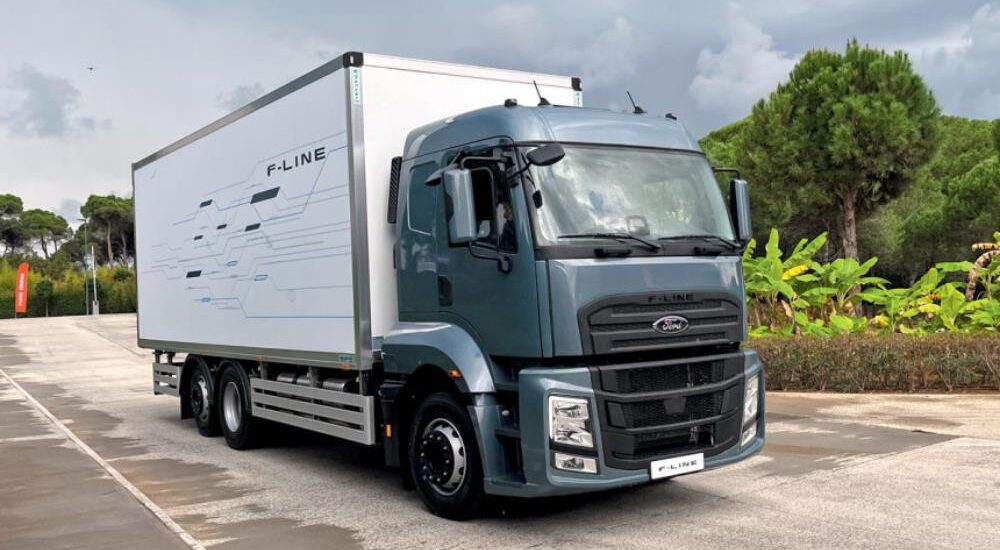
The new Ford F-Line can be a large distribution truck…
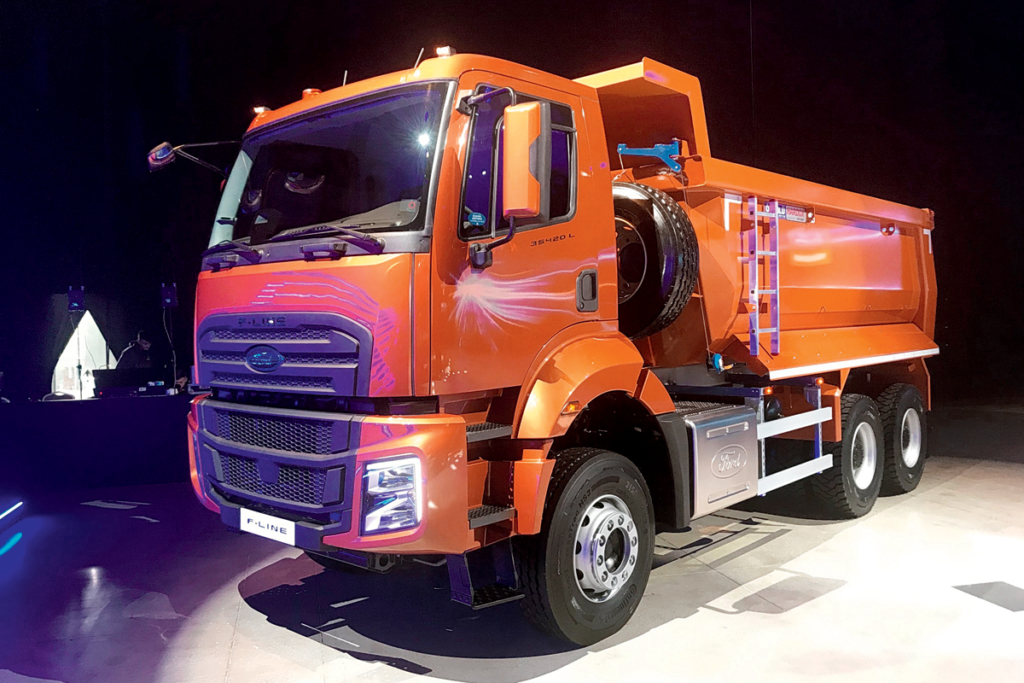
…or, for example, a dump truck
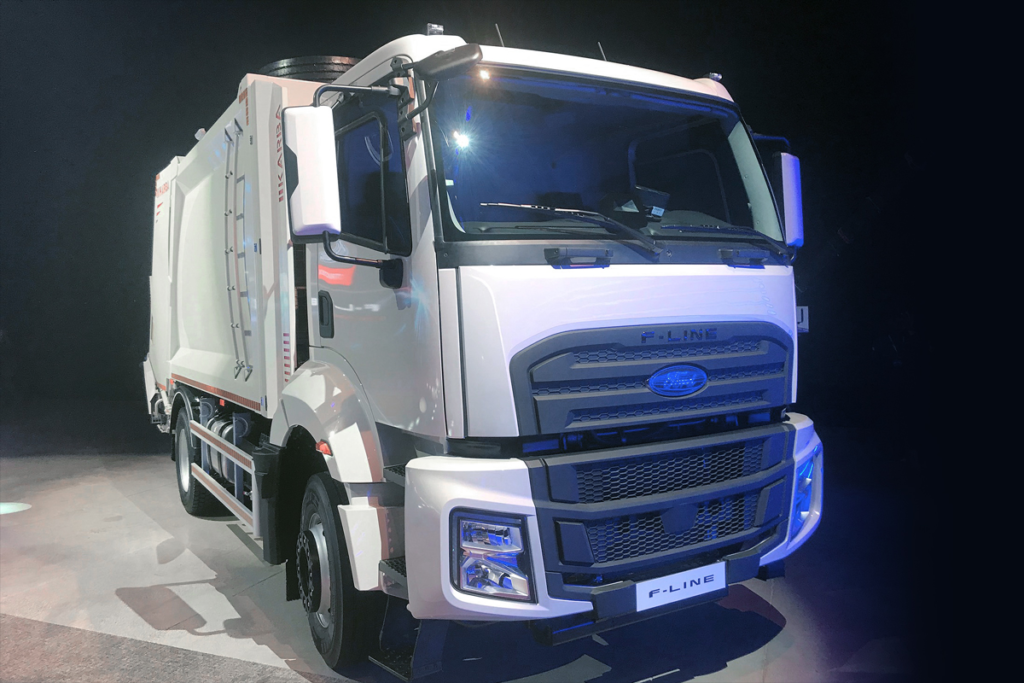
Ford F-Line refuse truck
The F-Line series
The latest evolution from Ford is the F-Line series, named after the flagship tractor F-Max. It includes a variety of vehicles: dump trucks, distribution trucks, refuse trucks and budget tractors. The F-Line keeps the narrow, 2.2-metre cabin of its predecessor, only restyled — which has earned it the nickname F-Min.
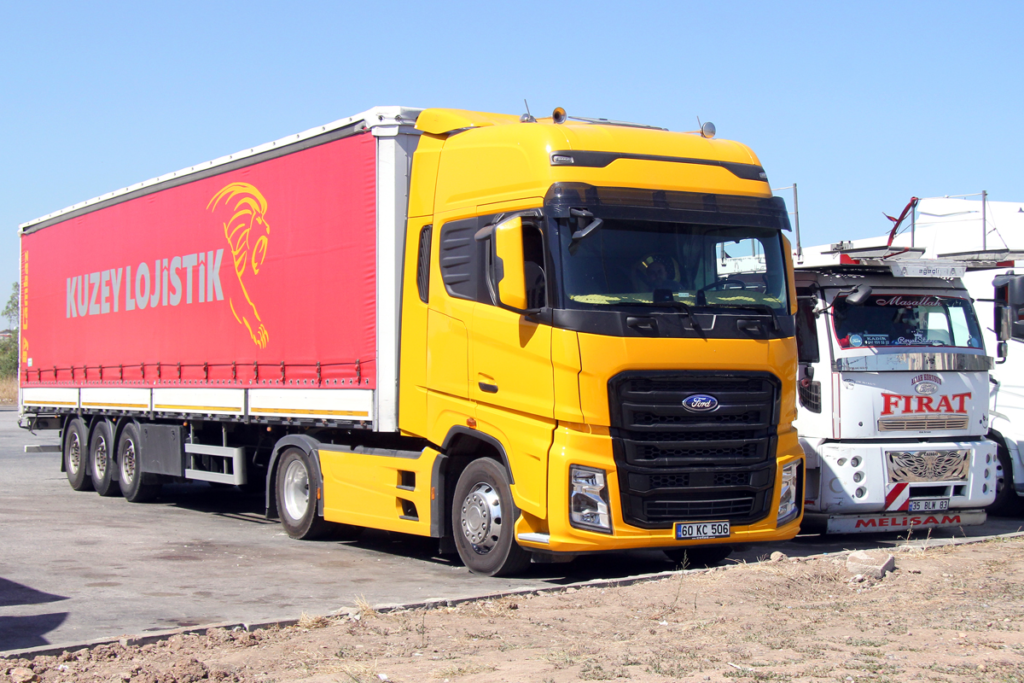
The current flagship Ford F-Max replaced…
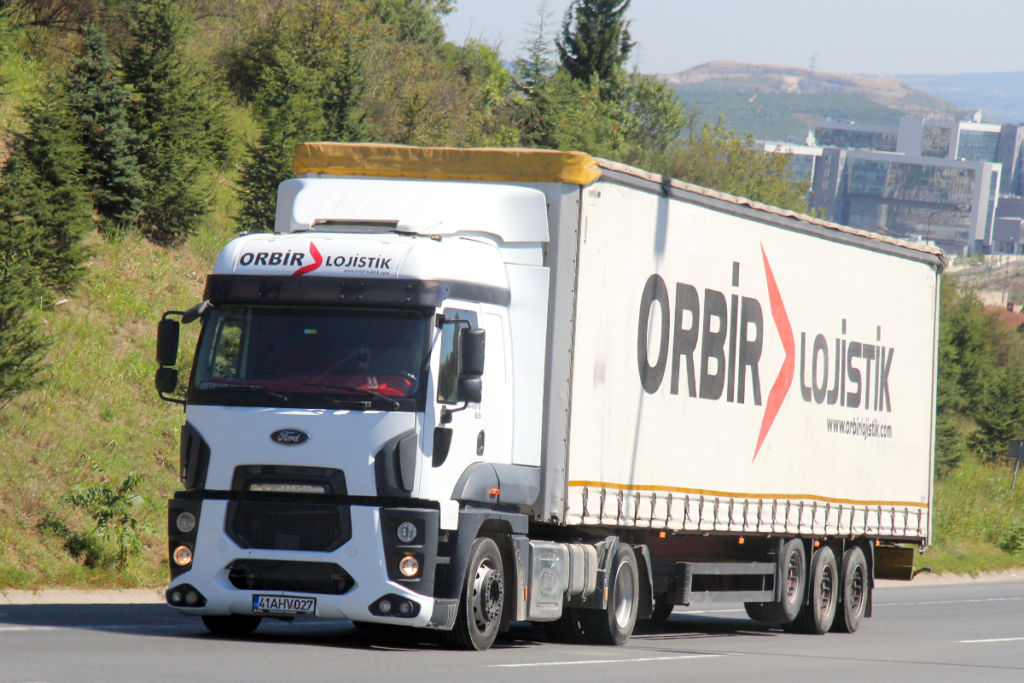
…the long-haul Cargo models
The engines for the F-Line continue to be Ford’s own, ranging from 330 to 480 horsepower, and are complemented by transmissions from Ford or from brands like ZF and Eaton, including automated models. To meet EU regulations these trucks have been equipped with an unprecedented number of safety systems and assistance features — 13 in all, including an alcohol interlock and a touchscreen interface. The European debut of the series was fittingly at the Solutrans exhibition in France, aimed directly at the EU market. In Turkey it is slated for release in February 2024.

Trucks from the last century, made at the Askam plant
Askam, the third national manufacturer
Turkey’s automotive history also includes the now-defunct third national manufacturer, Askam, which had its roots in the USA. It closed down long ago, but its trucks — branded under Dodge, Fargo and DeSoto — still appear on the roads sporadically, with a mix of old licensed cabins and modern engines and transmissions.
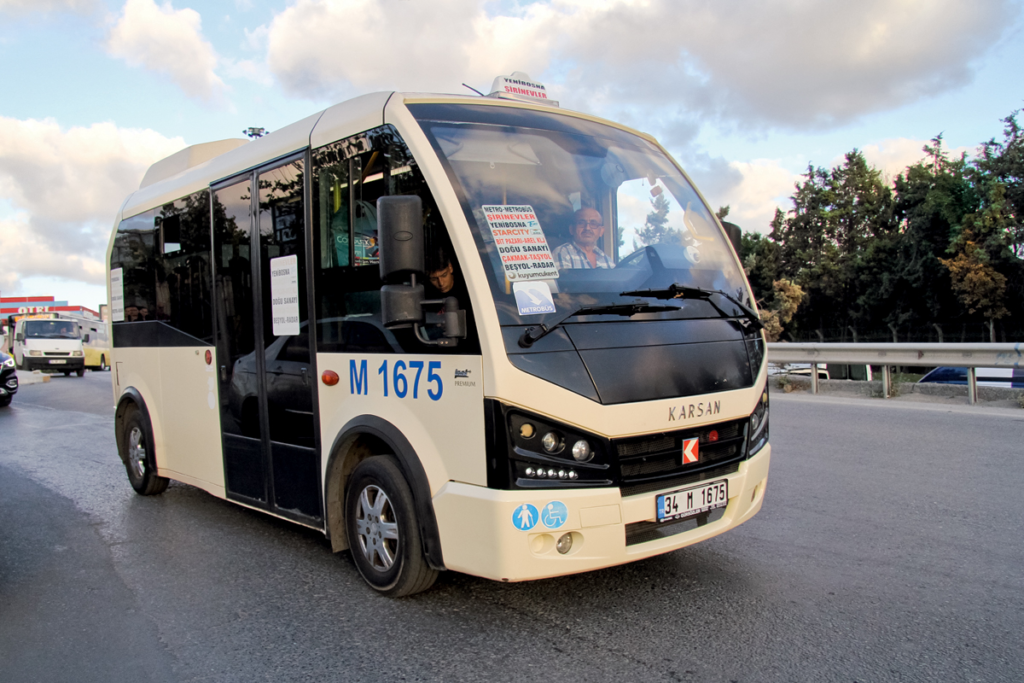
Stylish Karsan Jest+ minibuses are equipped with Fiat diesel engines, optional automatic transmission, and independent suspension. The range also includes an electric version developed in cooperation with BMW.
Buses: MAN, Neoplan and Temsa
Turkey is not just about trucks; it is also a major player in bus manufacturing. Remarkably, all tourist liners from MAN and Neoplan are now built in Turkey. Among the domestic manufacturers Temsa stands out, having evolved from assembling licensed Japanese Mitsubishi buses to setting global standards with innovations like its latest hydrogen-powered bus, developed in collaboration with the Portuguese body shop Caetano.
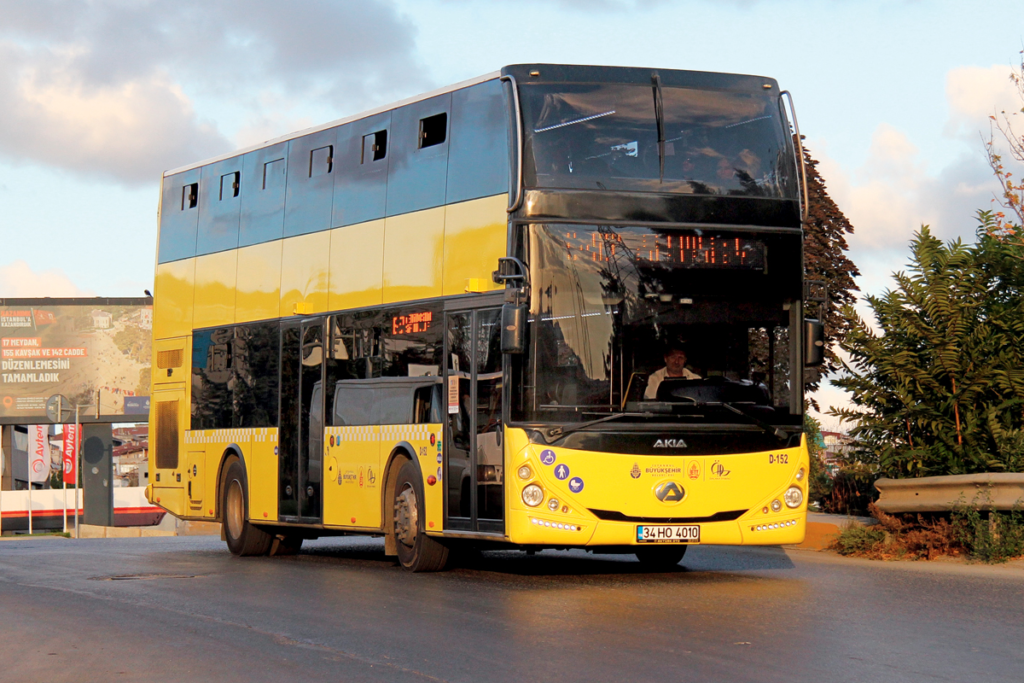
A city double-decker from the brand unknown to us, Akia. Note the windows on the second floor
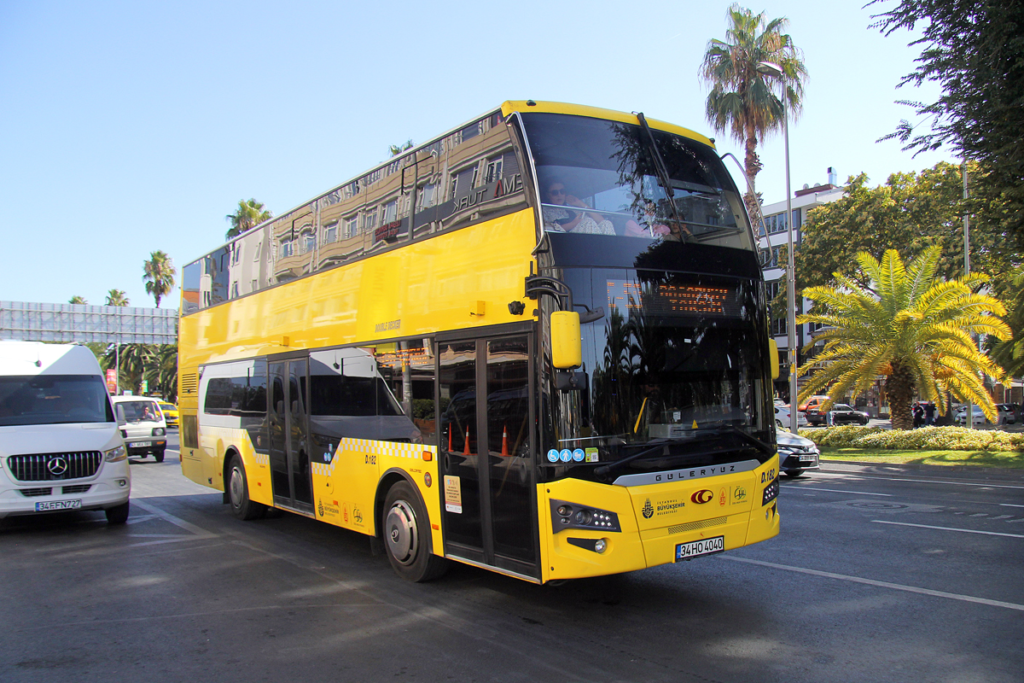
Double-decker Güleryüz
The Orthaus semi-trailer factory
Despite the thriving local industry, the Turkish bus market has never aggressively targeted the Russian market. Ford Trucks, meanwhile, which had begun selling and even assembling F-Max tractors in Kaliningrad, withdrew from Russia following directives from its overseas stakeholders. Turkish semi-trailers like those from Orthaus, which I saw on a recent visit to their factory in Akyazı, hold more promising prospects for our market.
Here, influenced by German technology and standards, Orthaus continues to symbolize quality and reliability. Originally a German family-owned business that started producing trailers in the 1920s, Orthaus was reestablished in Turkey in 2010, and its new factory boasts an annual capacity of up to 15,000 units — though actual production numbers are currently much lower.
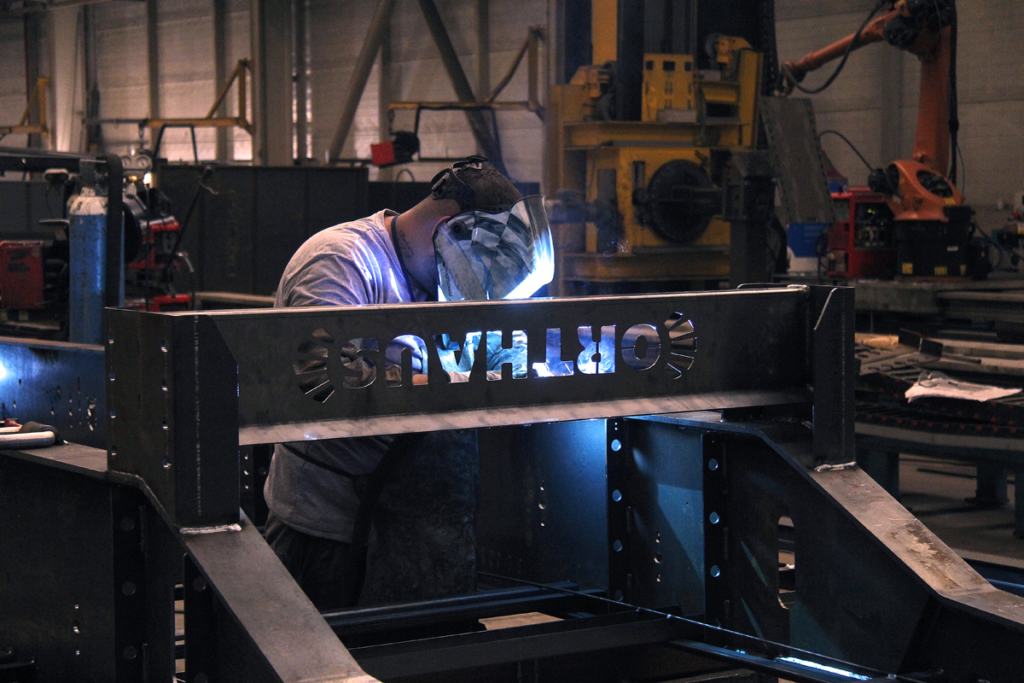
More than two hundred workers, described as notably happy, staff the Orthaus factory — a cultural parallel to the German factories where many Turks work, albeit with less cheer. The components used in production, sourced from various European countries, are stored outdoors, thanks to the forgiving local climate: a stark contrast to practice in Germany. Orthaus takes particular pride in its cataphoretic coating complex, purportedly the largest in Turkey, and in its robotic painting system, which guarantees the paintwork for ten years.
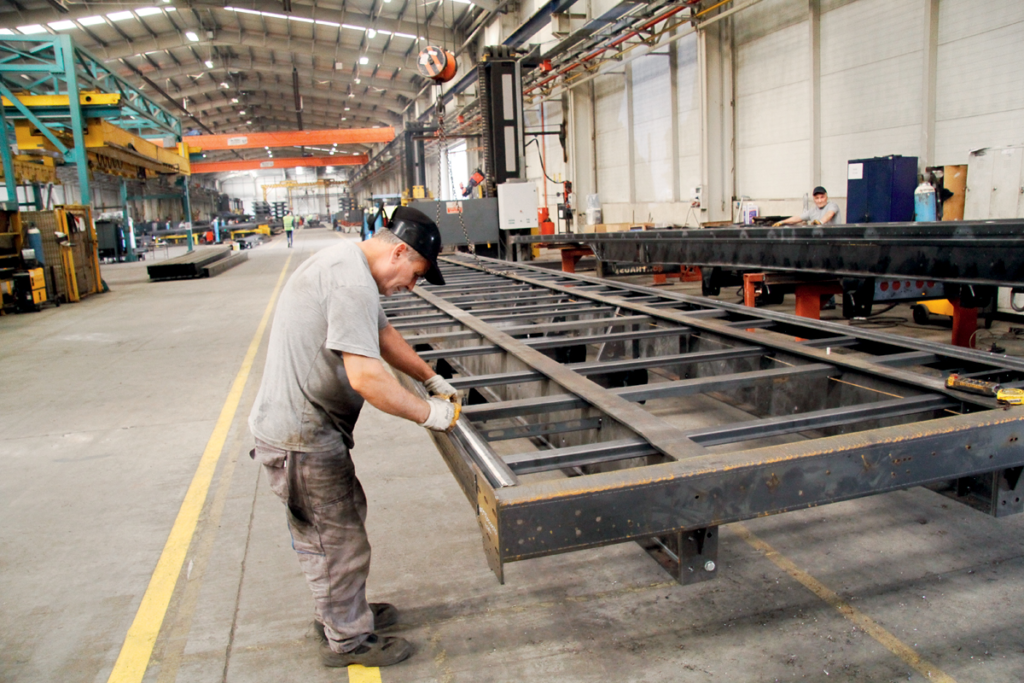
Orthaus semi-trailer production: manufacturing of the subframe…
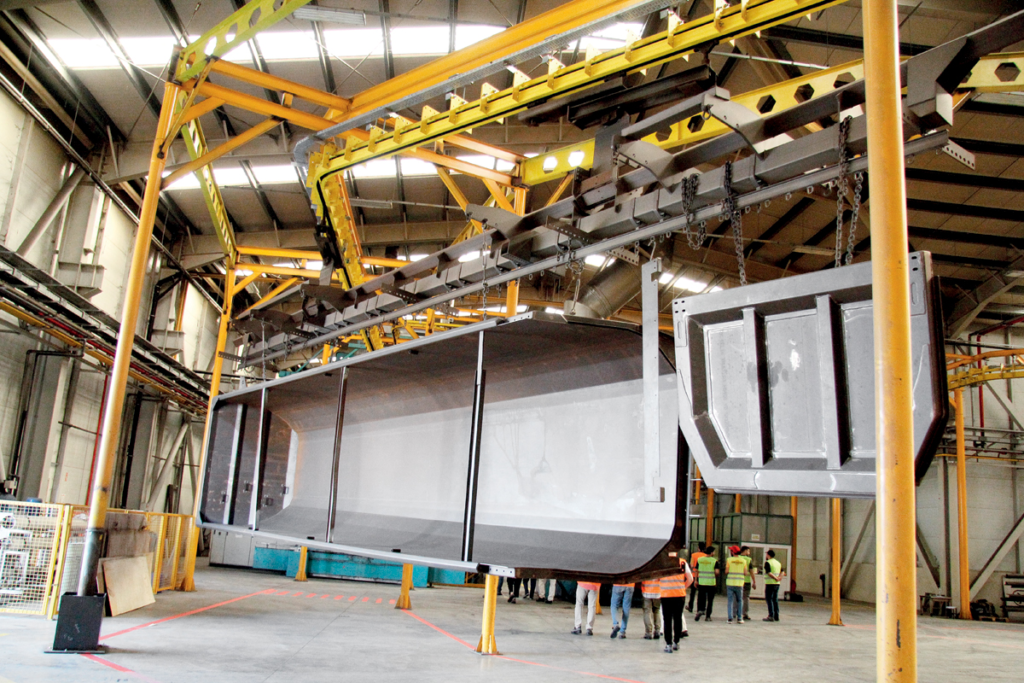
…above heads float the finished body and side…
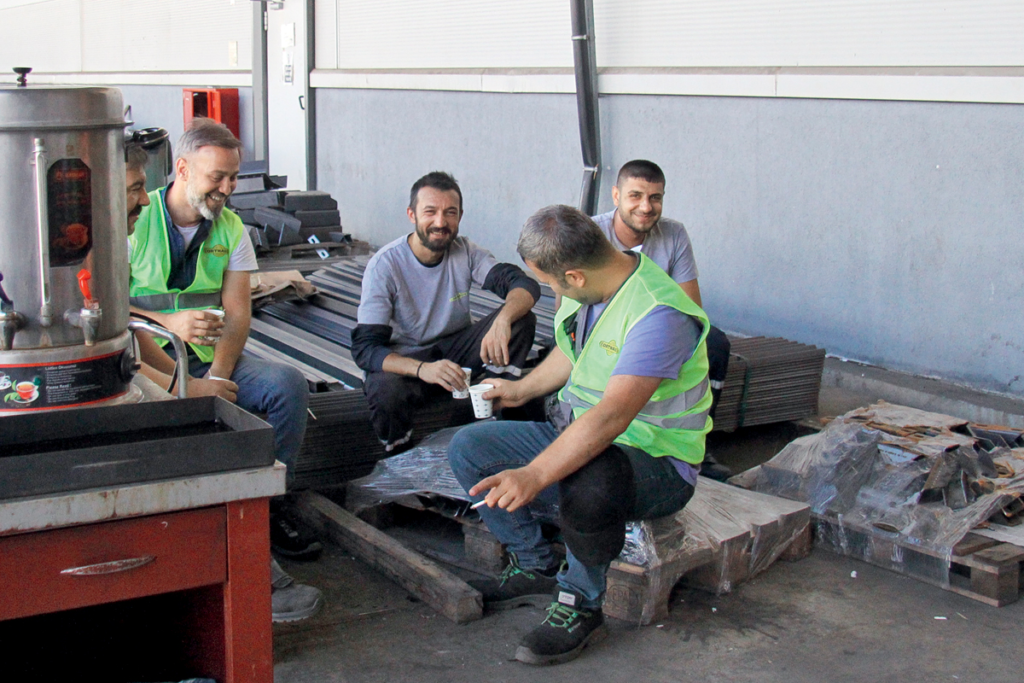
…a break “at midday”
What reaches our market, and at what price
Semi-trailers enter our market through Novorossiysk, and they cater to various segments. Approximately 60% are tarpaulin models, 17% are designed for container transport and 13% function as refrigerators. The remaining 10% comprise other types such as dump trucks and grain carriers. There are also models designed specially for our market — long vehicles including four-axle versions, and a 30-cubic-meter dump semi-trailer that meets all regulatory requirements.
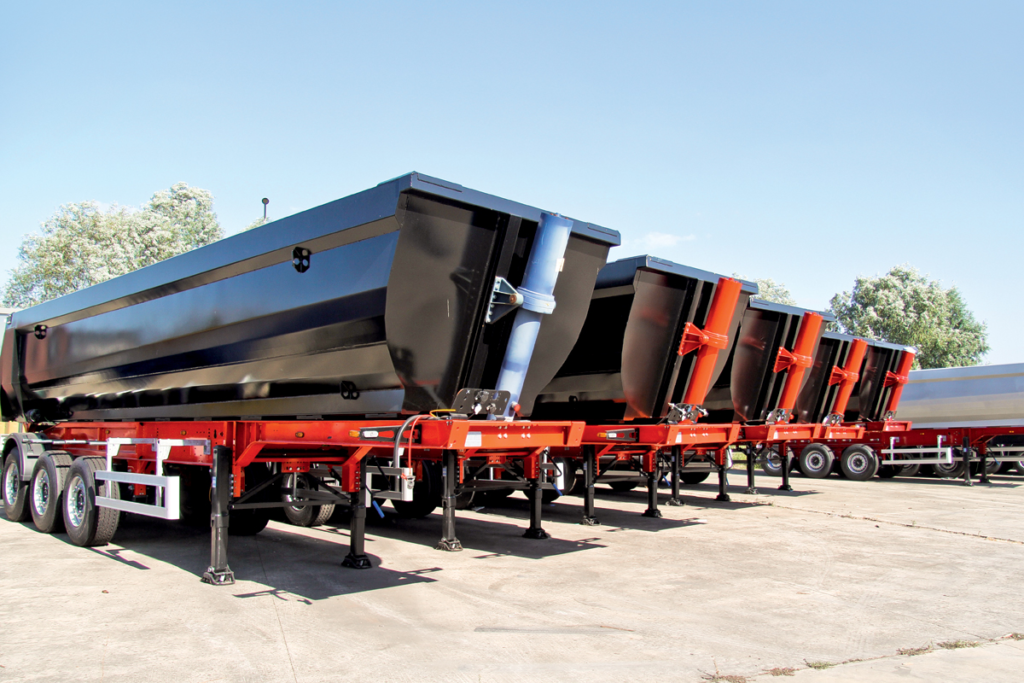
Among Orthaus semi-trailers there are also tippers…
Pricing varies. An Orthaus dump truck is available at dealers for 6 million rubles, while a “curtain” side model costs between 6.6 million and 8.2 million for a four-axle long vehicle. A long refrigerator truck ranges from 11 million to 13.7 million rubles.
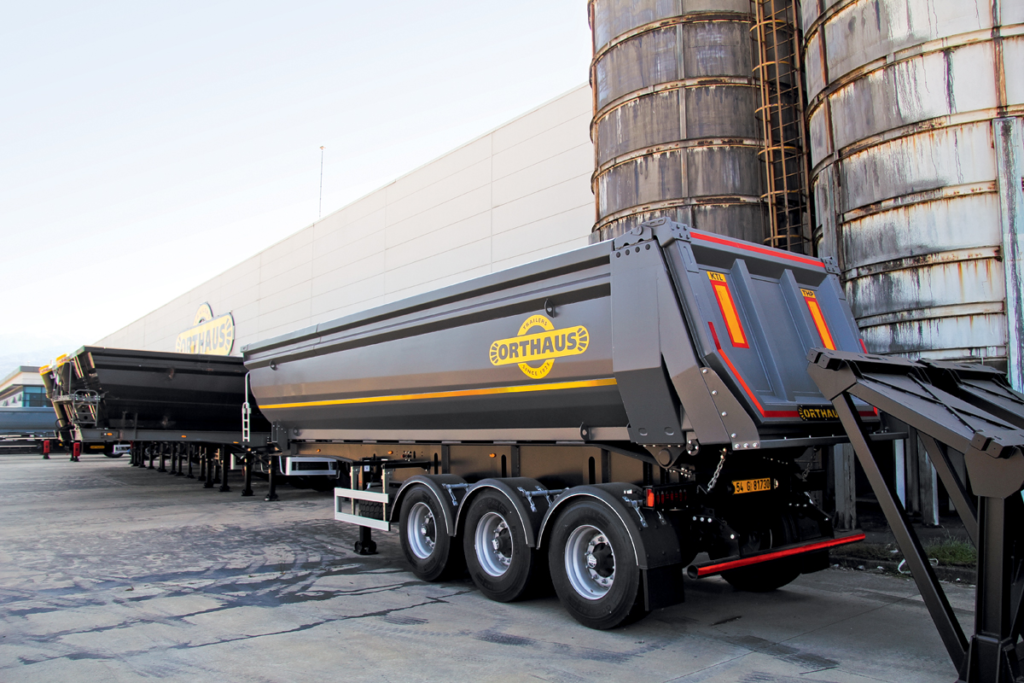
…including “Turkish Tonars”, presented for Russia
A market that is slowing down
Despite a robust lineup, our freight market is beginning to experience a noticeable slowdown, thanks to market saturation and rate hikes by the Central Bank. The situation is not much better in Turkey itself: sales struggled in June, and by October only about 2,800 trucks were registered — 3% fewer than the previous year, and 1.7 times less than were registered in Germany in the same month. That has led local manufacturers to set their sights hopefully on Europe.
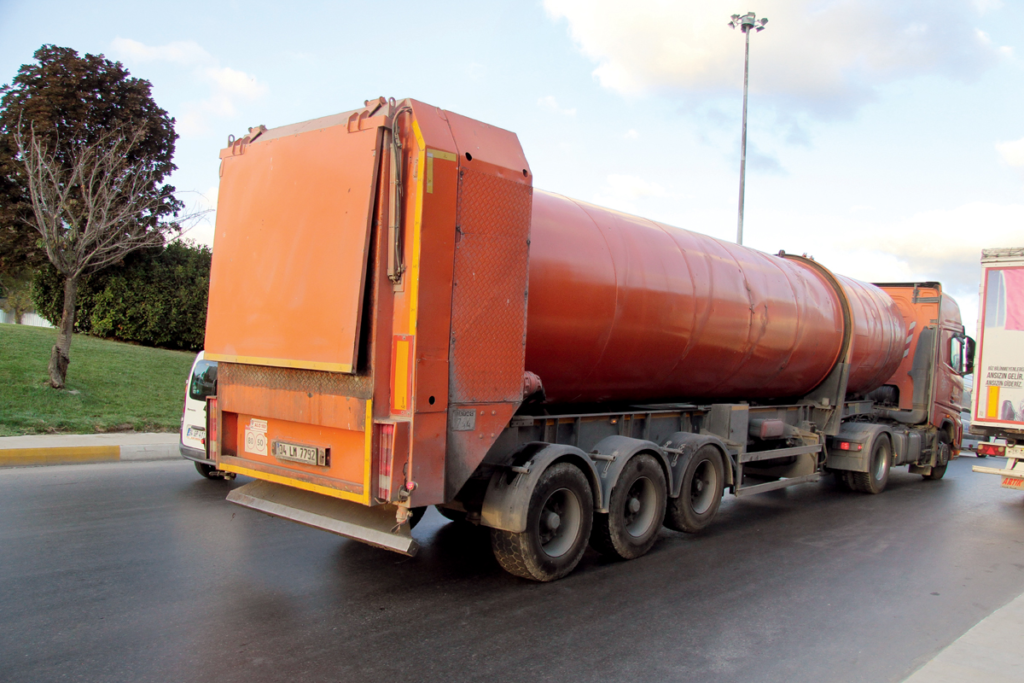
In Istanbul, waste is transported by gigantic barrel-shaped semi-trailers
Photo: Maxim Chernyavsky
This is a translation. You can read the original article here: Что интересного мы увидели на заводе Orthaus и на дорогах Турции
Country guides

Published May 23, 2024 • 6m to read