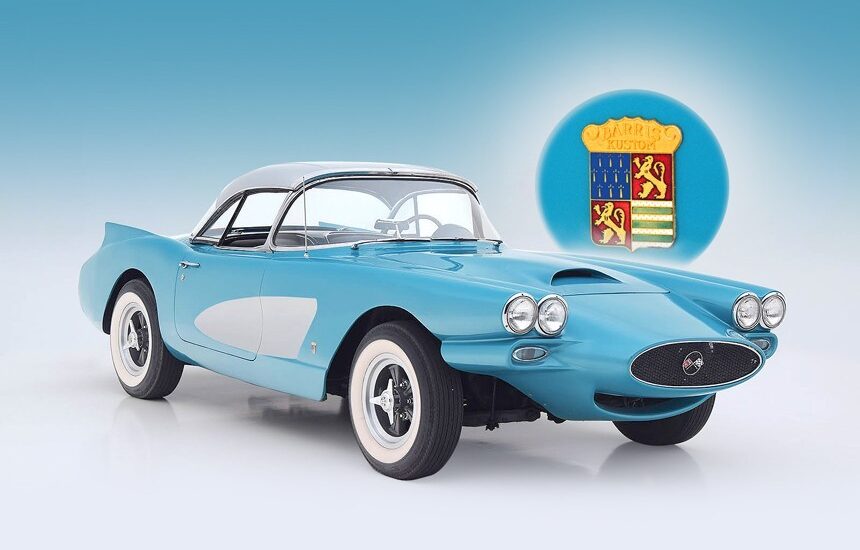

At first glance this looks like a lightly altered version of the experimental 1958 Corvette XP-700. But the original prototype did not survive — it was rebuilt into the Corvette Mako Shark I. So what exactly are we looking at? It is neither a replica nor a straightforward repetition.
A 1958 Corvette, Customised a Decade Later
The car here is firmly based on a 1958 Corvette, but the customisation came much later, around the mid-1960s. The commission came from Accessories International, a California company in the automotive accessories market — mainly decorative parts: overlays, mouldings, chromed valve covers, custom air filter housings and other ornamental pieces. The firm bought this second-hand car and handed it to one of its major clients, Barris Kustom of Los Angeles.
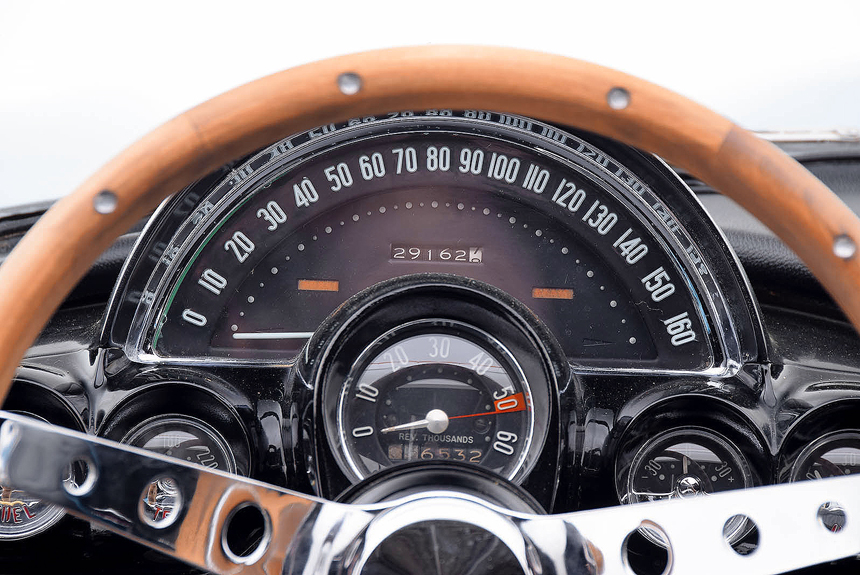
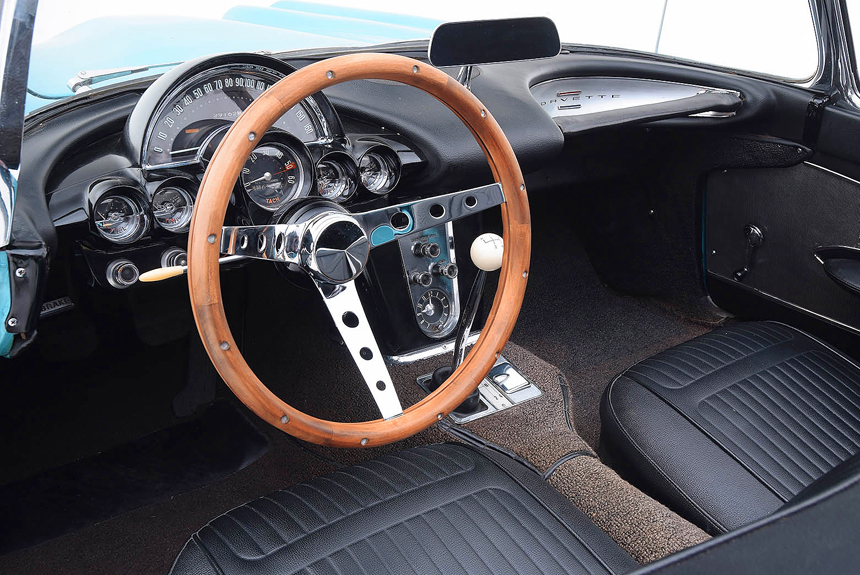
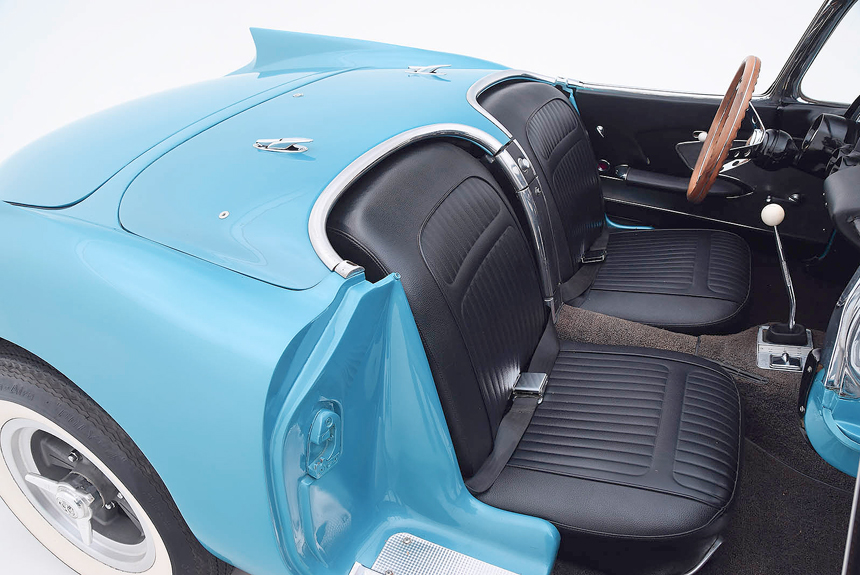
The instrument cluster is also, in general, standard – but the steering wheel with a wooden rim is most likely also an Accessories International product: the steering wheel on serial cars is not like this
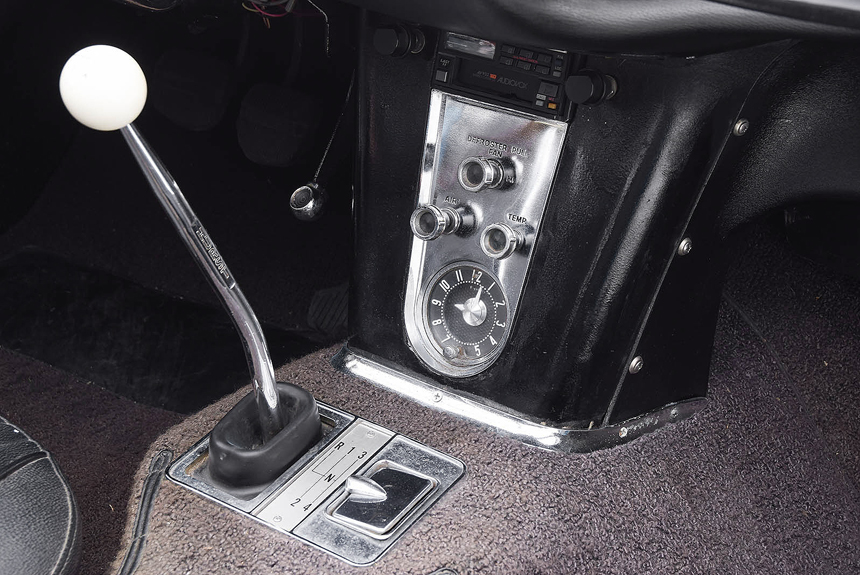
The transmission lever proudly bears the word “HURST”: this company, founded in the same year 1958, supplied sports and racing equipment for cars of various brands
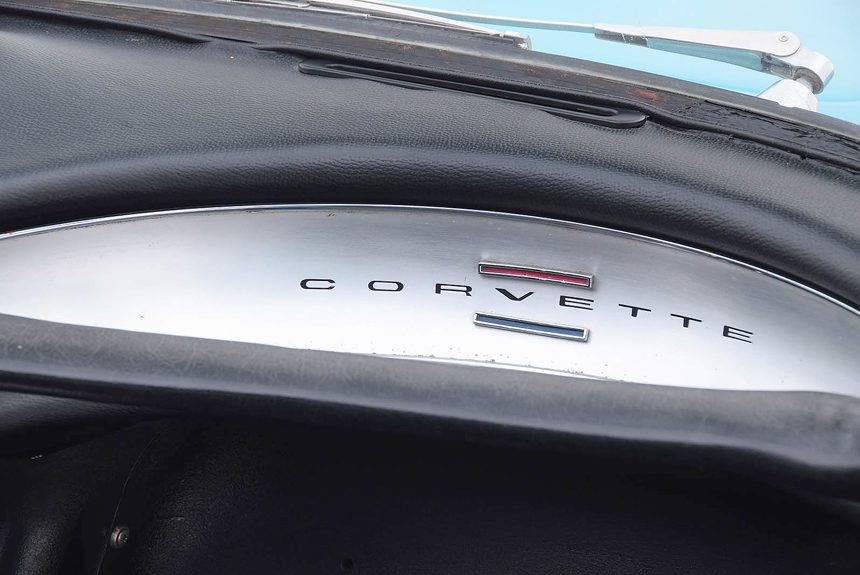
The handrail in front of the passenger seat is colloquially called a “sissy bar”, and the word “sissy” in this case does not mean “sister”, but “coward”, “girl”. Like, if you are so afraid of fast driving – grab, cling…
The Man Behind Barris Kustom
George Barris, who founded Barris Kustom, is recognised as a pioneer of automotive customisation — the movement that reworks factory-standard cars with unique external and sometimes internal modifications, made by traditional hand craft. It often set itself against the prevailing trends, such as the excessive external decoration of production cars in the 1950s.
The real identity behind the legend was not George Barris but Georgios Barkaris, an ethnic Greek and a first-generation immigrant. After their mother’s death he and his older brother Sam were adopted by their uncle and took his surname, Barkaris. The brothers were inseparable, shared an interest in music and theatre, and together painted their first car — a non-running 1925 Buick — in a colour designed to be noticed.
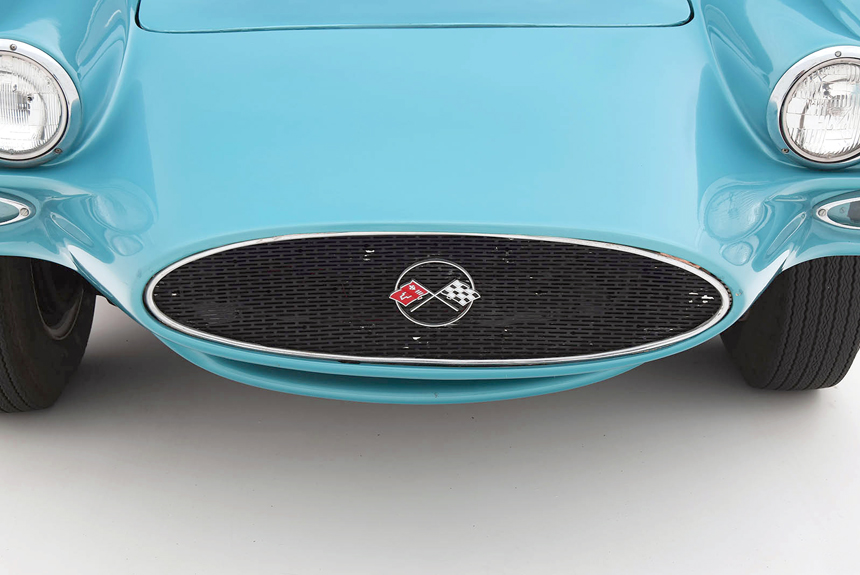
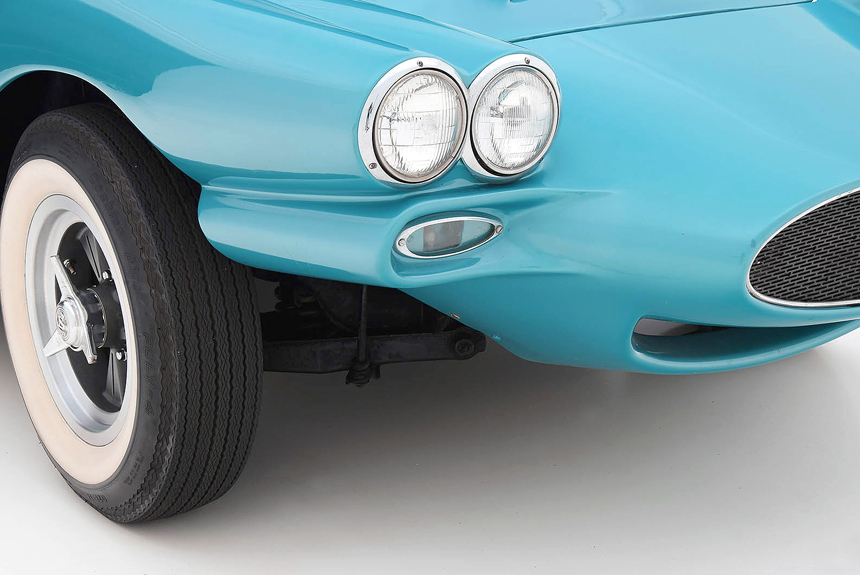
The frontal treatment of the car quite accurately reproduces that of the XP-700 prototype, although not without deviations. Thus, the headlights should have had small visors on top, and the front sidelights in the openings of the additional air intakes of the cooling system also look slightly alien
During World War II Sam was drafted into the Navy while George moved to Los Angeles. His knack for modifying cars did not go unnoticed: fellow servicemen, impressed by door locks he had made without external handles, told him to make a career of bodywork. He opened his own shop in a Los Angeles suburb, prospered, moved into the heart of the city and renamed the business Barris Kustom.
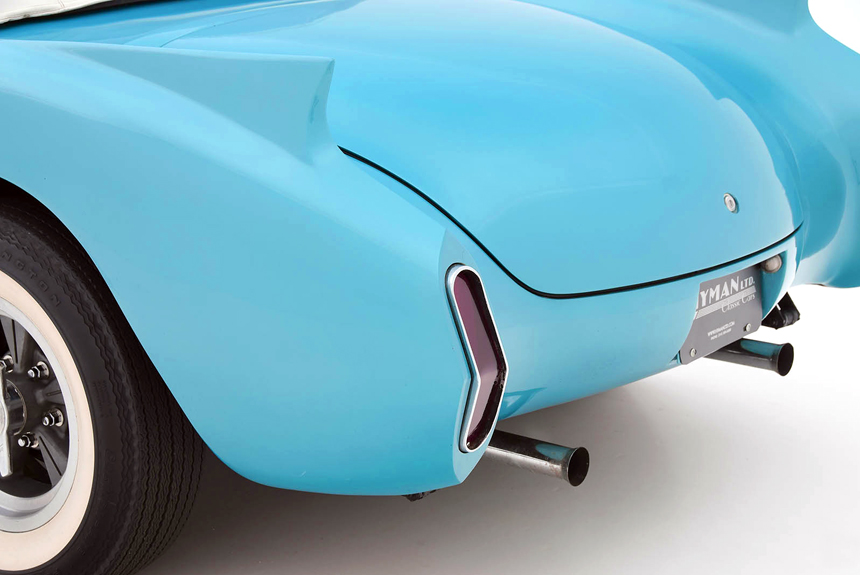
The tail end was definitely done with some reference to another General Motors prototype, the Buick Wildcat II (1954)
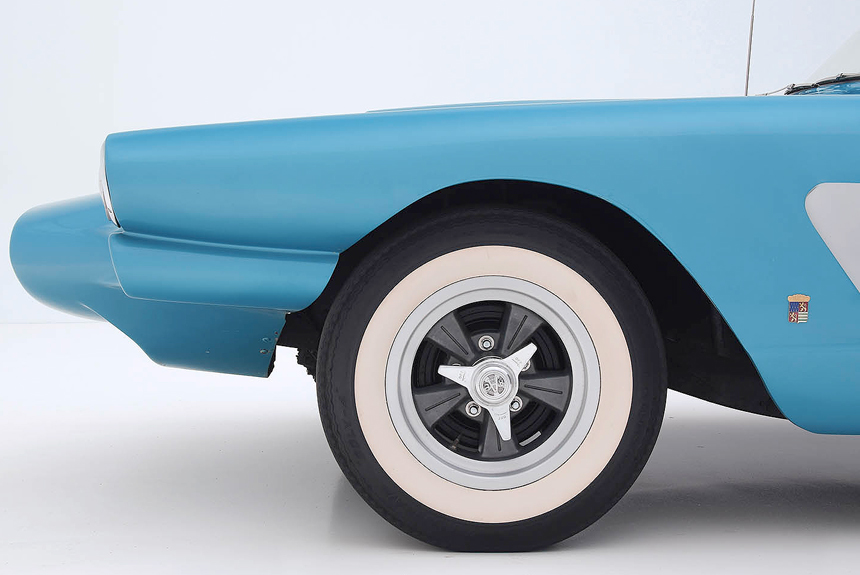
The wheels on the original XP-700 were spoked – and here, as we see, are products from Accessories International
Hot Rod, Hollywood and the Custom Movement
Barris’s work caught the eye of Robert Petersen, founder of Hot Rod magazine, which put his cars in front of a much larger audience. The film industry came looking too, and that carried Barris to the front of the customisation scene. His projects appeared in films and were used by television studios, which needed imaginatively reworked cars for their productions.
Alongside the business he promoted the custom car movement itself, writing a great many articles that gave advice and set out his projects in detail, and popularising the craft as he went.
What Barris Actually Built Here
The blue Corvette shown here came about almost incidentally: Barris used Accessories International parts often, and welcomed a chance to show them off in one of his own projects. The front end takes after the XP-700 prototype, which no longer existed and which Barris recreated from memory. He caught the distinctive oval radiator air intake and the general front composition, but left out stylish non-functional touches such as the side “gills”.
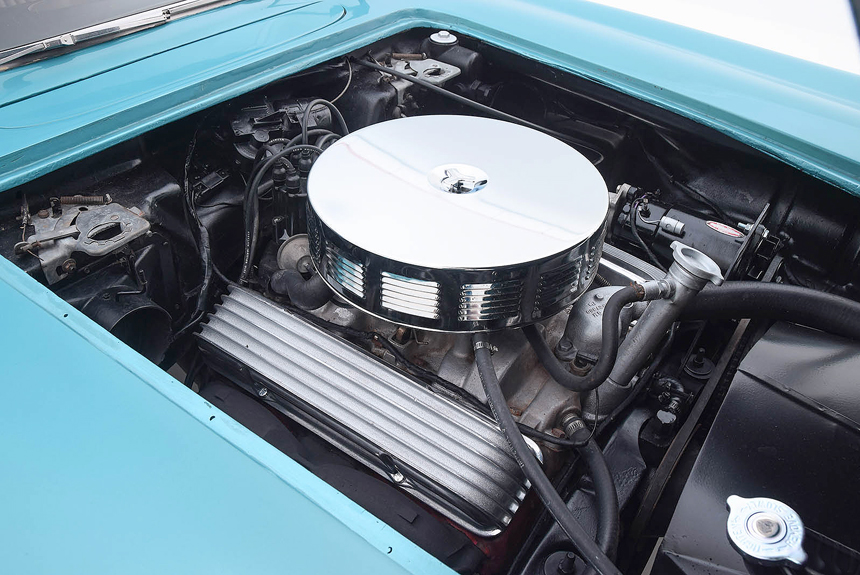
The shining chrome in the engine compartment is the very same Accessories International products for which this car was created.
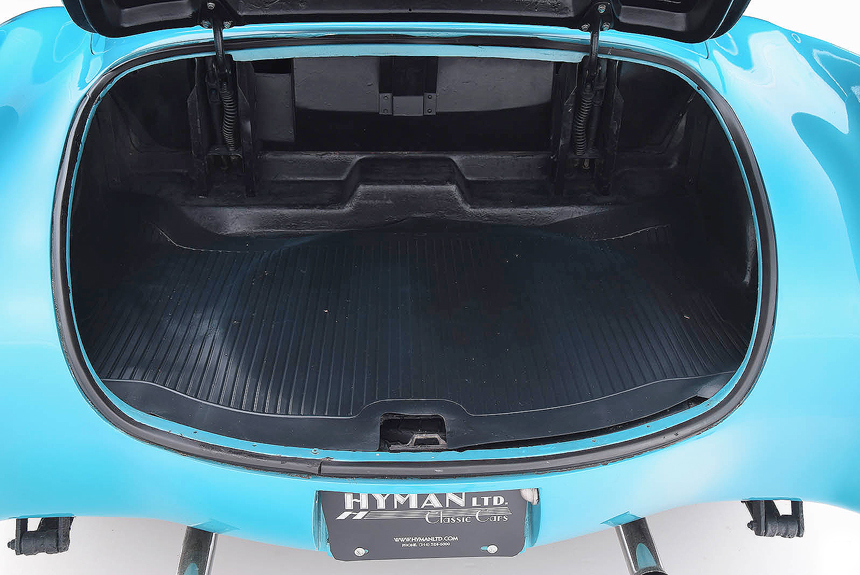
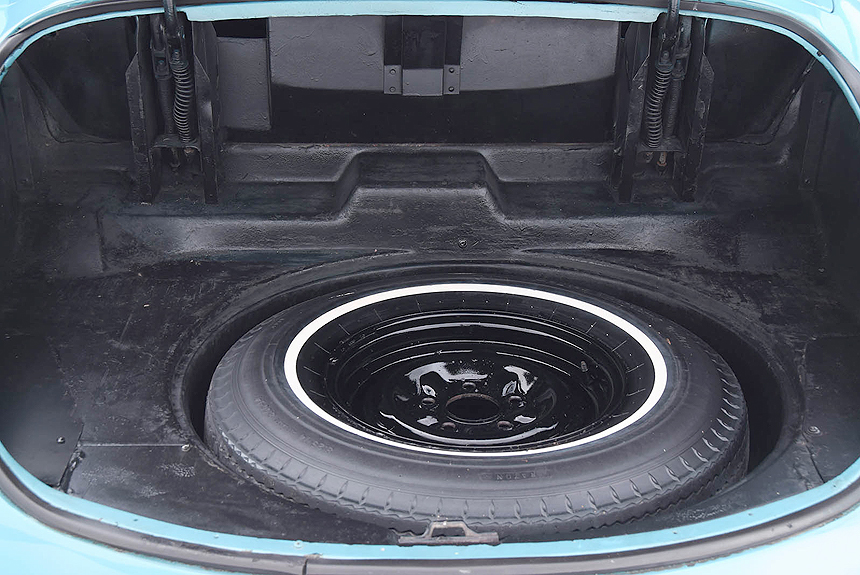
At the rear he anticipated the shape that would appear on the 1961/1962 production Corvettes, then added small “fins” — something no Corvette had worn. The whole project ended as a display of gleaming accessories from Accessories International, function and fashion intertwined.
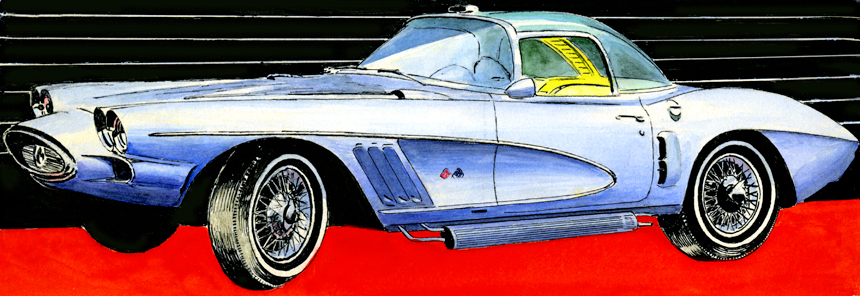
And this is what the real prototype of the XP-700 looked like. Feel the difference, as they say.
After the Brothers
Sam Barris eventually retired and died in 1967. George Barris went on innovating and shaping the automotive world until his own death in 2015, just short of his 90th birthday. His standing as a style icon and a pioneer of customisation has outlasted him, and still catches the imagination of enthusiasts.
It is a pity that such talents fade, but their impact resonates through the decades.
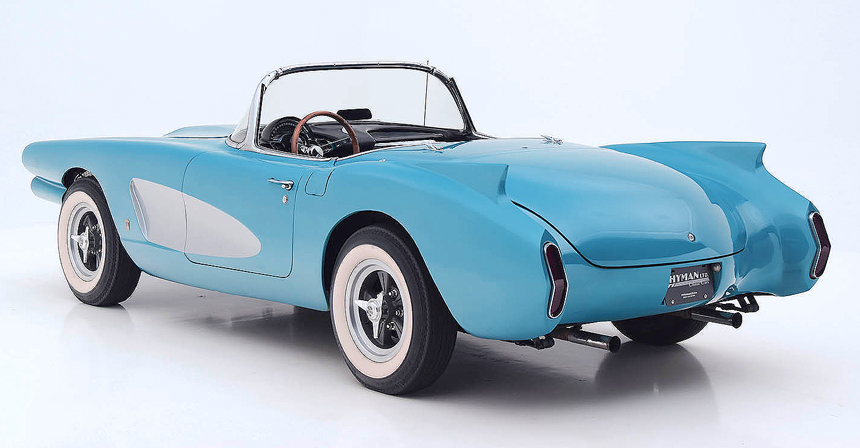
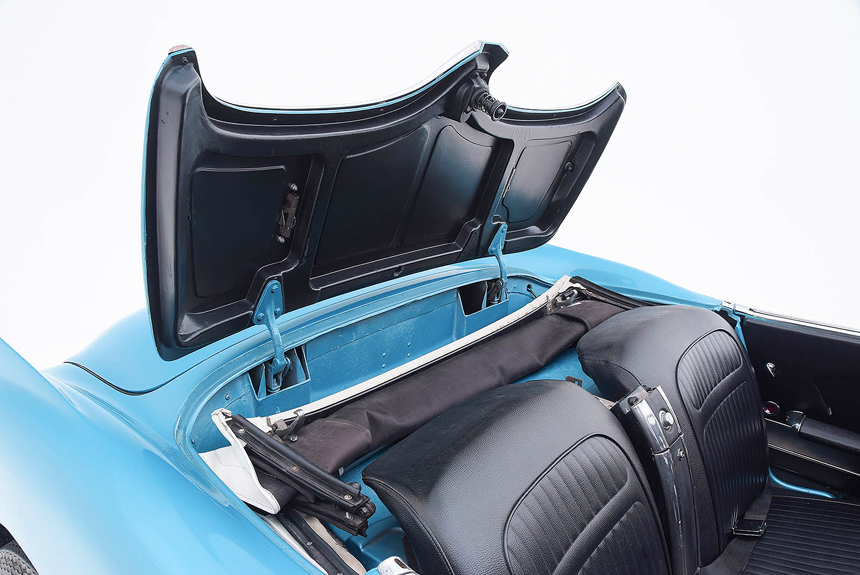
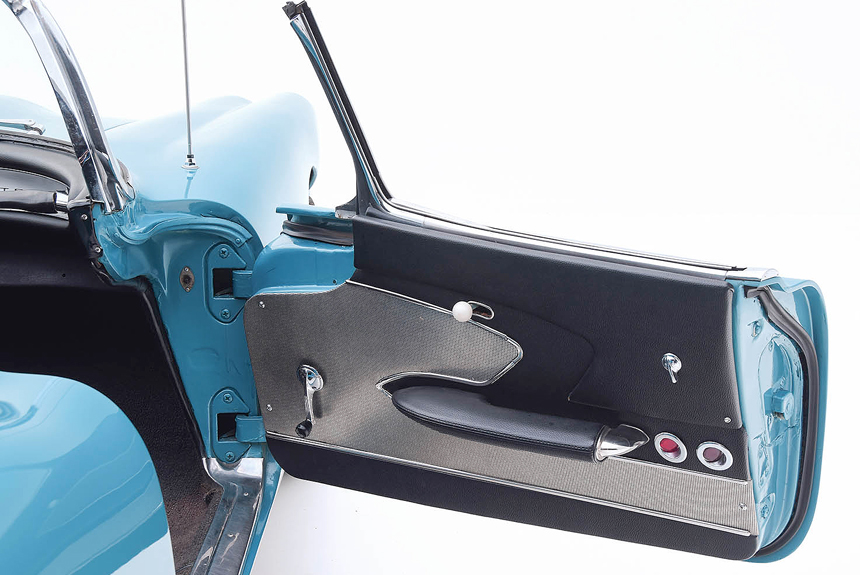
The plastic of the sides is solved much more calmly than in the prototype XP-700: there are no “gills” behind the front wheel cutouts, no air intakes in front of the rear wheel cutouts, and the exhaust manifold running along the entire body is missing. The removable hard top is a standard serial one, it is only “decorated” with ventilation slots above the rear window.
This Corvette: The Key Facts
- Base car: a 1958 Corvette, bought second-hand
- Commissioned by: Accessories International, a California accessories maker
- Built by: Barris Kustom, Los Angeles, in the mid-1960s
- Front end: after the XP-700 prototype, recreated from memory — the prototype itself had already become the Mako Shark I
- Rear: anticipates the 1961/1962 production Corvette, plus fins no Corvette ever had
- Purpose: a rolling showcase for the client’s accessories
Frequently Asked Questions
Is this the XP-700? No. The XP-700 no longer exists — it was rebuilt into the Corvette Mako Shark I. This is a 1958 production Corvette restyled in its likeness.
Is it a replica, then? Not that either. Barris worked from memory and deliberately left out parts of the prototype’s styling, such as the side “gills”, while adding fins of his own at the rear.
Why was it built at all? Accessories International wanted its parts shown on a car. Barris already used them, so the commission suited both sides.
Who was George Barris? A first-generation Greek immigrant, born Georgios Barkaris, who founded Barris Kustom in Los Angeles and became the best-known name in American car customisation. He died in 2015.
This is a translation. You can read the original article here: Рекламобиль: кастомизированный Chevrolet Corvette 1958 года в рассказе Андрея Хрисанфова

Published November 07, 2024 • 6m to read