
Car designers don’t really have a “today.” They only have “yesterday” and “tomorrow.” For them, production innovations are old news — new models typically premiere about two years after the design team has already finished the work. Designers live in the realm of the “future” and the “distant future,” developing projects that may take years to reach production, if they ever do at all. Porsche has now declassified an archive of experimental models built between 2005 and 2019 that never saw the light of day. The automaker named this collection Unseen. Parts of it have been published on Porsche’s official website, displayed in the Porsche Museum, and released as a standalone book. We were granted virtual access to the full collection of secret Porsche prototypes and got the chance to dig into what it really means.
How Porsche’s Design Team Thinks About the Future: “Morgen” vs. “Übermorgen”
“There are two paths. The first is evolution, where you improve your current models step by step for tomorrow. But in this case, it’s hard to be an innovator. The second is complete freedom of imagination, where you mentally move to the day after tomorrow and work your way back to tomorrow. In my understanding, it’s the approach that gives birth to innovations.”
That’s how Porsche’s Chief Designer, Michael Mauer, explains his team’s operating principles. The German words “morgen” (tomorrow) and “übermorgen” (the day after tomorrow) are especially fitting here. In practice, this method is known as backcasting — a technique any sharp strategist should recognize: set a long-term goal first, then work backward to build a step-by-step plan from that future point to the present. Still, hearing it applied to car design feels like a genuine revelation.
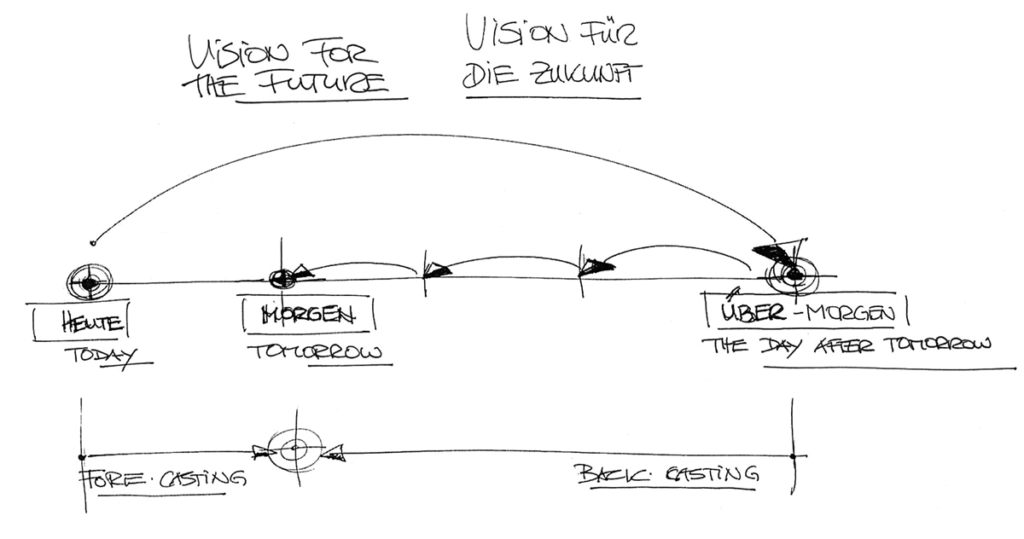
There’s a reason the old joke about Porsche employing “the laziest designers in the world” persists — the 911 lineup is proof enough that Porsche loves the evolutionary route. Yet the Unseen archive shows the design studio has also been making genuine leaps into the future, using backcasting to put “morgen über alles.”
All joking aside, Michael Mauer’s work is genuinely impressive. We’ve mentioned him before in the context of design history, but in short: Mauer led the design of the last two generations of the 911, translated the brand’s signature style across entirely new vehicle segments, and built the design language Porsche still follows today.
Inside Porsche’s Weissach Design Studio
Porsche’s design department has an unusual structure: a single studio in the small town of Weissach, about 25 km from Zuffenhausen. Unlike most automakers, there are no satellite studios on the French Riviera or in California. That’s by design (no pun intended) — a single, tightly connected team communicates better and works faster. The Porsche test track sits right outside the windows, alongside the motorsport division’s headquarters, so the sound of engine testing regularly drifts into the studio. It’s hard to imagine a more inspiring workplace for a car designer.
Each year, the Weissach studio produces roughly ten major projects — production cars, concept vehicles, prototypes, and full-scale models. We were shown just fifteen of them, which raises the question of how much more remains hidden. Porsche expands its lineup cautiously, and despite recent moves into EVs, coupe-SUVs, and wagons, most exploratory work never leaves the studio. That reality may be exactly what inspired the Unseen project in the first place.
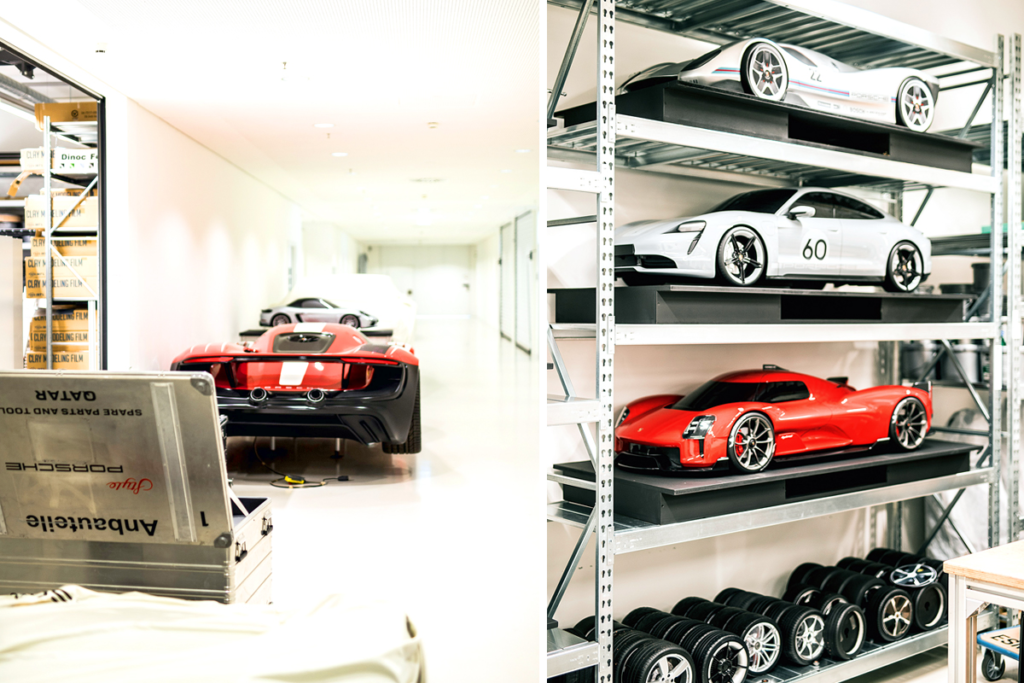
Porsche typically only reveals concept cars once they’re clearly headed for production — as was the case with the Mission E and the Carrera GT and 918 Spyder supercars. If the company’s board had been a little bolder over the years, we might already be driving:
- An off-road-ready 911 Safari
- A two-cylinder carbon-fiber sports car (Porsche 904) powered by a motorcycle engine
- A three-door Macan crossover
- A single-seat Boxster
- An eight-cylinder “super Cayman”
- A fully electric Porsche minivan
Had any of these reached showrooms years ago, the jokes about Porsche designers having the cushiest job in the industry might finally have stopped.
Each project in the Unseen collection deserves its own deep dive, but first, here are a few observations that came out of a video interview Michael Mauer gave to a small group of journalists ahead of the archive’s release. From Russia, only two people attended: myself and Misha Petrovsky from Drive.
Porsche’s Secret Archive of Unreleased Prototypes
First, it’s worth knowing that Porsche has an extensive collection of shelved projects from past decades, stored away out of public view. Most enthusiasts know about the Porsche Museum’s storage facility in Zuffenhausen, but the design studio has also been quietly building its own archive — one that includes nearly every car that reached the full-scale model stage, and especially those that became running prototypes. Picture what a dream garage that would be.
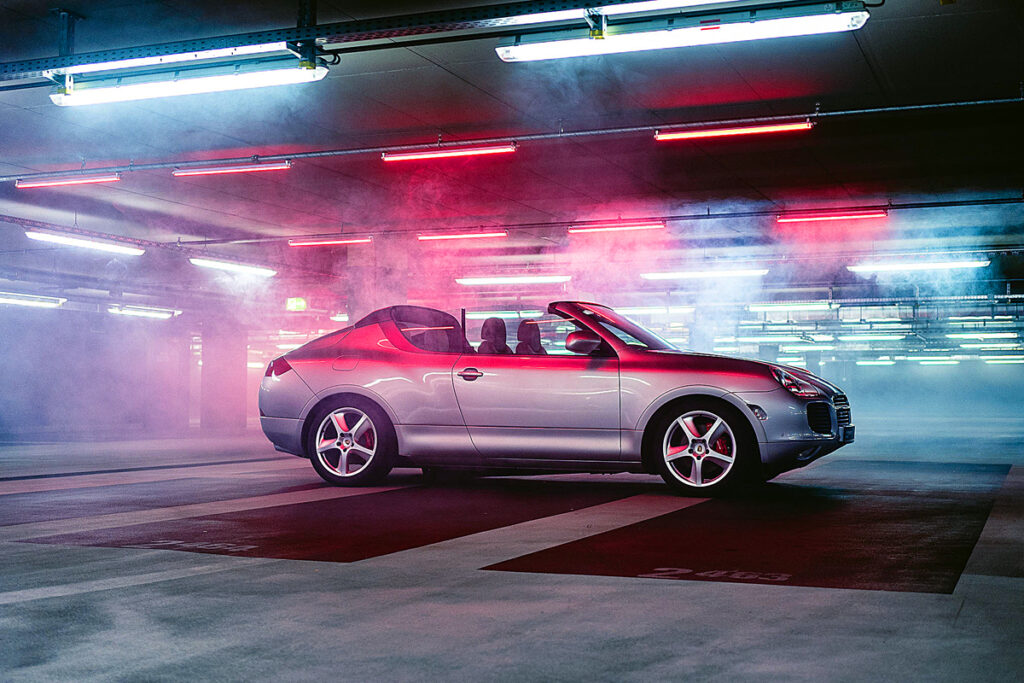
There’s usually little reason for Porsche to show these off. An idea sketched in Weissach yesterday could become someone else’s breakthrough technology tomorrow, and automakers rarely give away ideas for free. While headlines about “Porsche’s secret prototypes” pop up occasionally, only two prior leaks come to mind that are comparable to this one. Both happened when the Porsche Museum opened its storerooms — in 2014 and 2017 — revealing the 2002 Cayenne Cabriolet, the 1987 984 Junior Roadster (a Boxster precursor), the Giugiaro-designed 932 sedan from 1991, and a handful of less memorable vehicles.
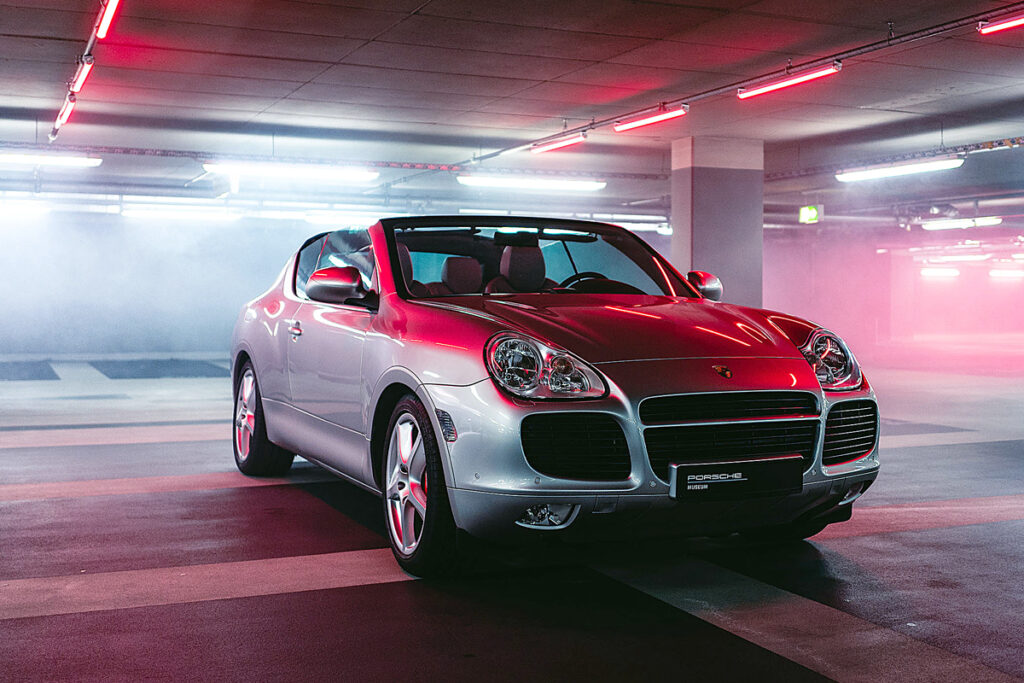
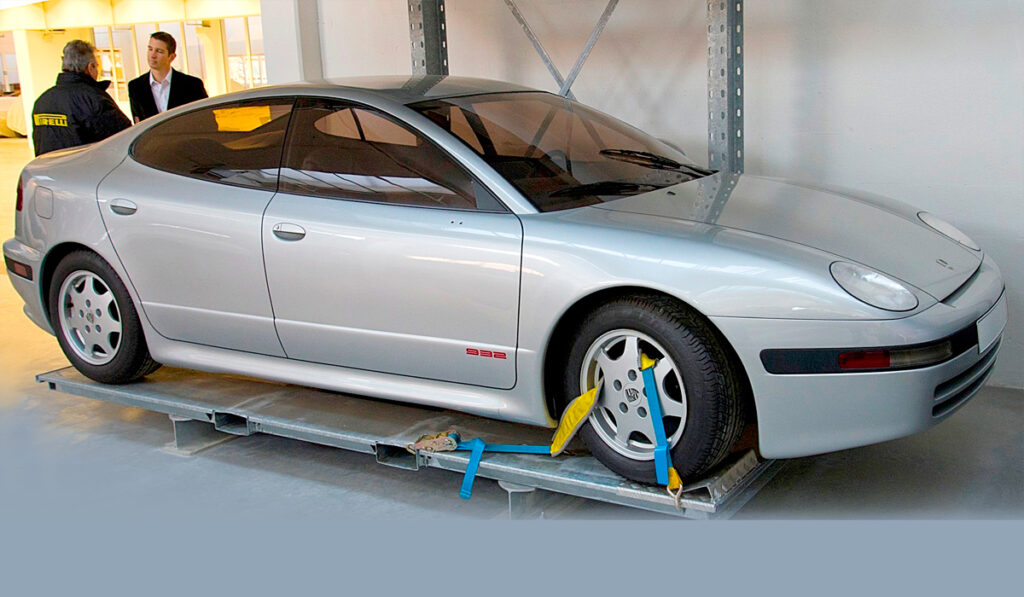
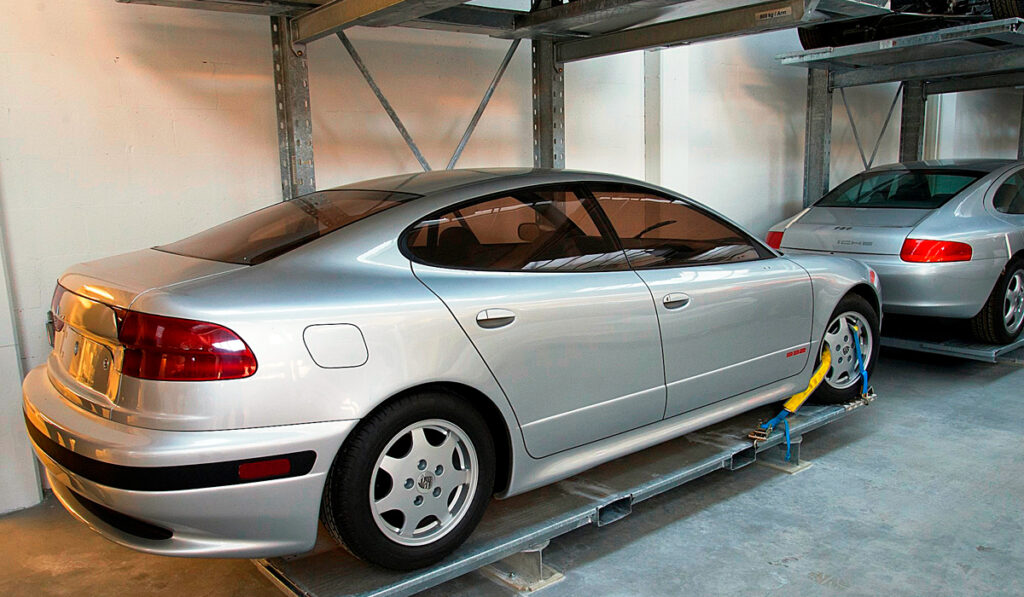
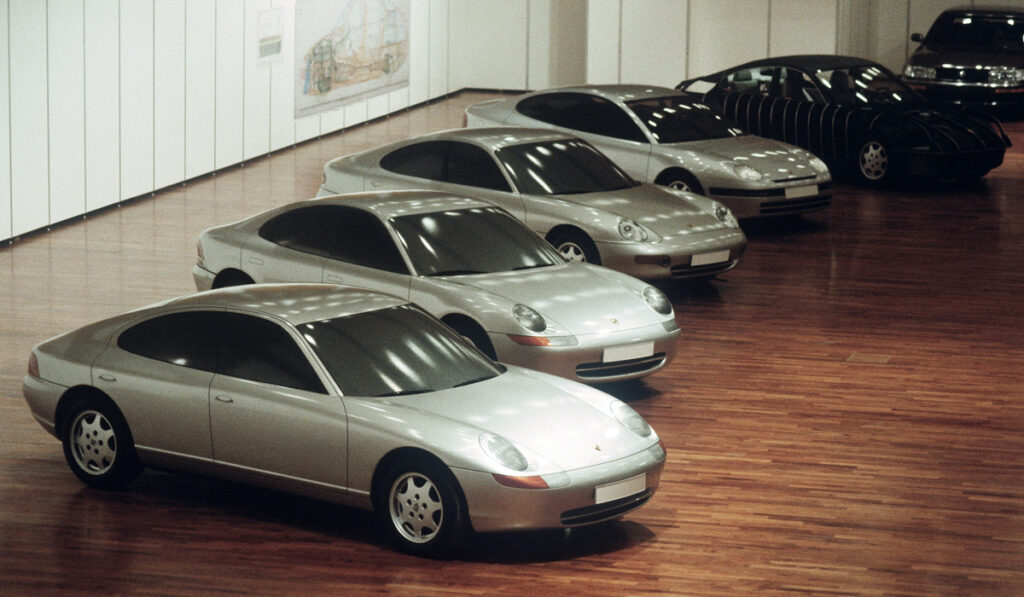
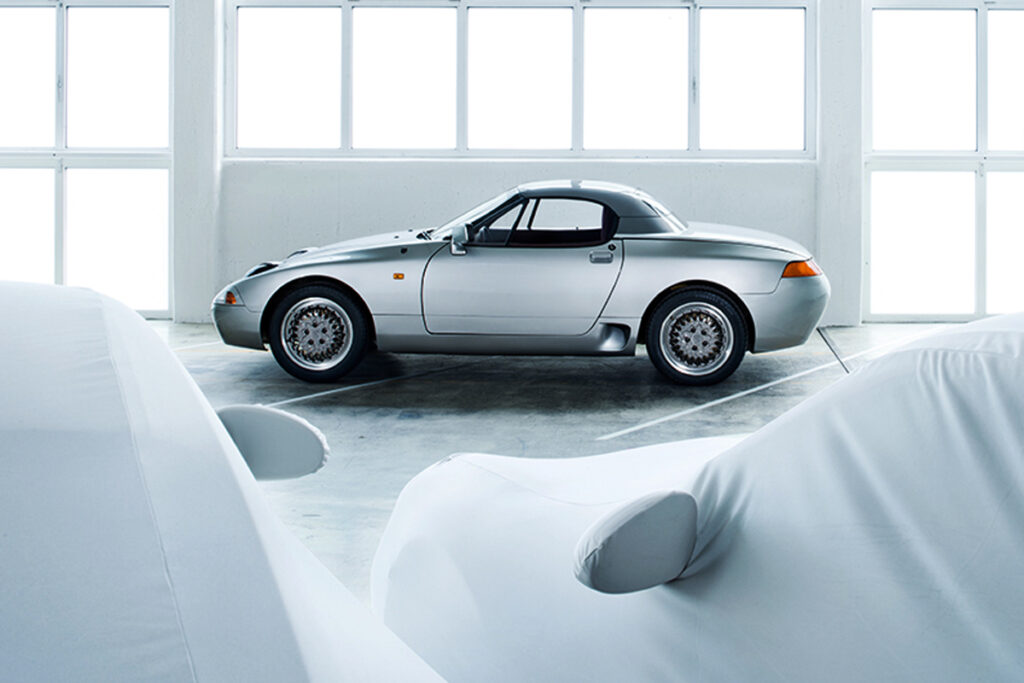
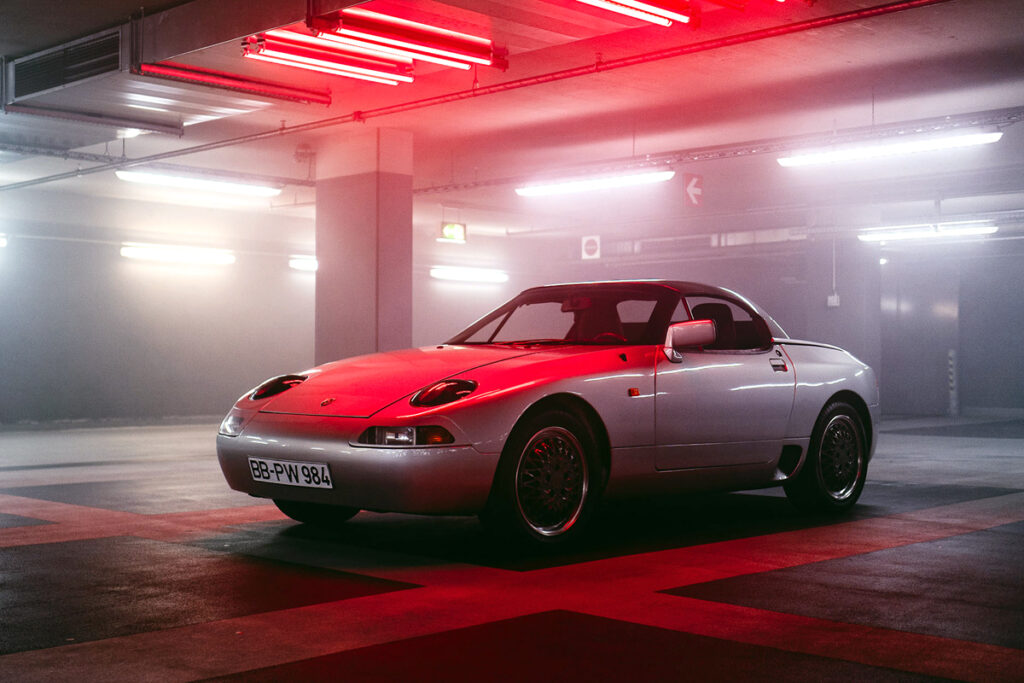
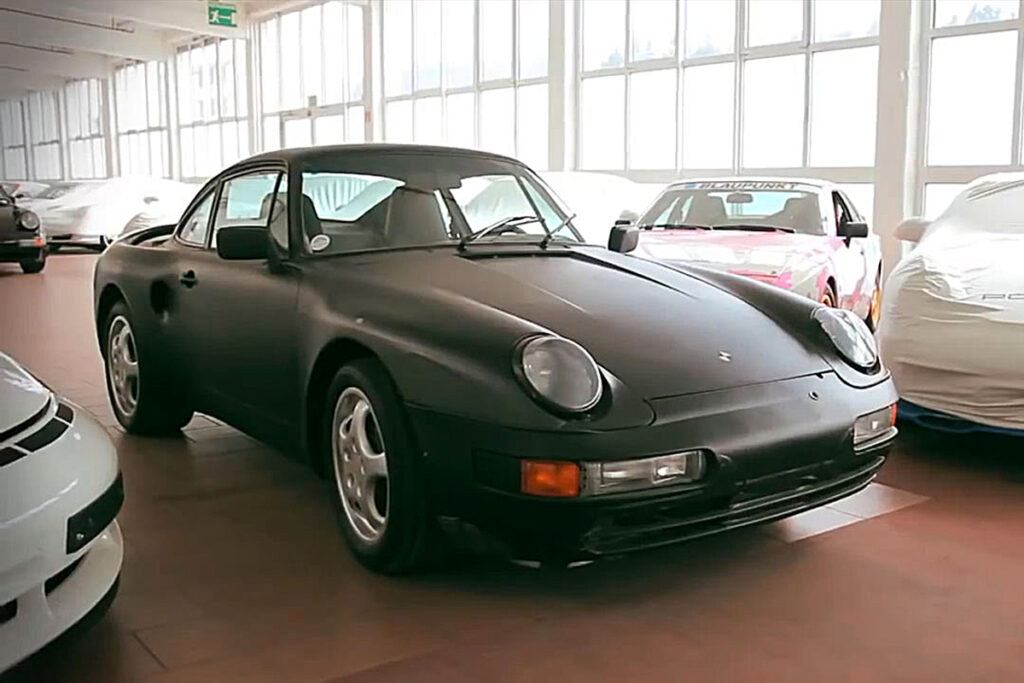
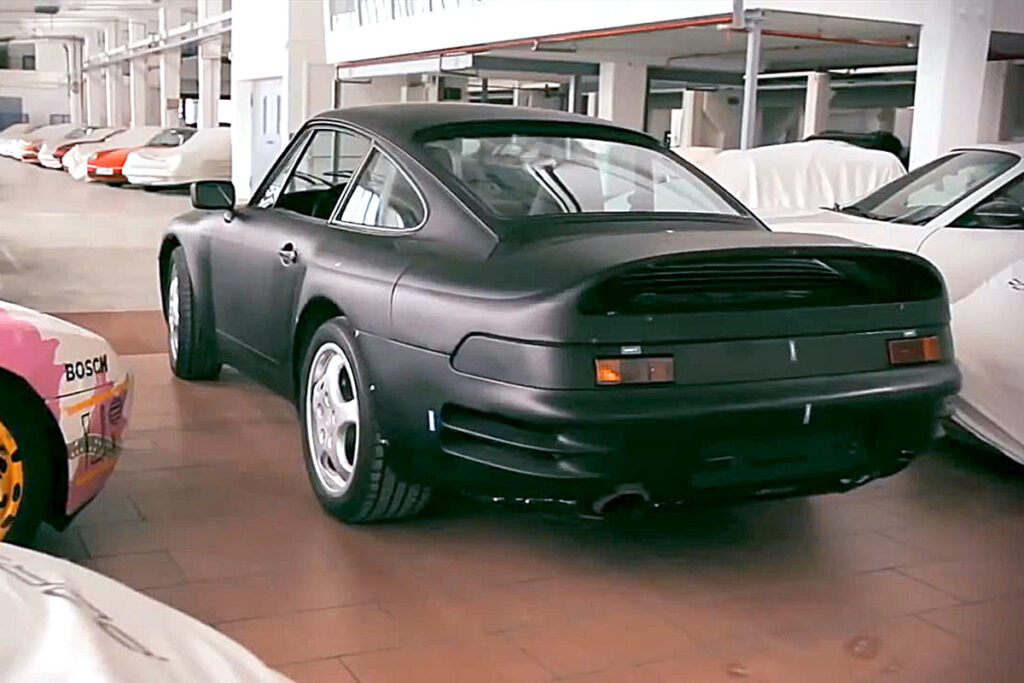
Notably, most of those earlier leaks stopped around the late 1990s and early 2000s. We already knew about plenty of Porsche prototypes from the ’70s, ’80s, and early ’90s — but what the design team was working on around the turn of the millennium and through the 2000s has remained largely a mystery. That’s exactly the period when, by Mauer’s own logic, designers were envisioning the “übermorgen” that has now become our present. Even the Unseen project conspicuously skips over this era.
Second, the fifteen declassified vehicles were mostly concept cars, and many exist only as full-scale models. Yet almost none of them actually show how Porsche imagines its distant future — there isn’t a single truly futuristic concept, even from just five years ago. Instead, what we saw were visions of an alternate present: this is how designers imagined 2020 through their “übermorgen” lens, and in most cases, they missed the mark.
Looking back, it’s easy to imagine almost any of these unreleased Porsche models on the road today. Some of them raise an obvious question: what exactly went wrong? Why wasn’t there a 911 Safari edition based on the 991-generation coupe? Or a three-door Macan with the same off-road-inspired kit?
Michael Mauer explained that none of the fifteen projects were originally intended as production cars — they were creative exploratory work the studio is funded to pursue without any obligation to actually build them. That said, he admitted that in some cases a business case was still evaluated. He also revealed that some of these “shelved” projects aren’t dead at all; they’re simply on hold. That’s where things get genuinely interesting.
Why Did Porsche Reveal the Unseen Archive Now?
Porsche seemed to be laying the groundwork for something bigger, and there are a few theories as to why the archive was revealed at this particular moment:
- Keeping the news cycle alive. With auto shows and live presentations on pause, Porsche needed another way to stay in the conversation — and it clearly wasn’t showing all its cards at once. Only one of the fifteen projects had its interior revealed, which strongly suggests an “Unseen II” focused on interiors could be coming, especially given how divisive Porsche’s touchscreen-heavy cabins have become.
- Market research in disguise. Porsche may be using the collection to quietly gauge public reaction, the way brands normally do with concept cars at auto shows — except this time through a book and online release. In effect, Porsche seems to be asking: “We’ve sketched out some ideas around electric hypercars and multi-purpose vehicles. What do you think? Should we take this further?”
- Testing the waters for a bespoke-car program. There’s a real possibility Porsche is building toward a division for one-off, customer-commissioned vehicles, similar to Ferrari’s approach. Phones at the Weissach studio reportedly started ringing the evening the archive went public, with buyers hoping to acquire these cars at any price.
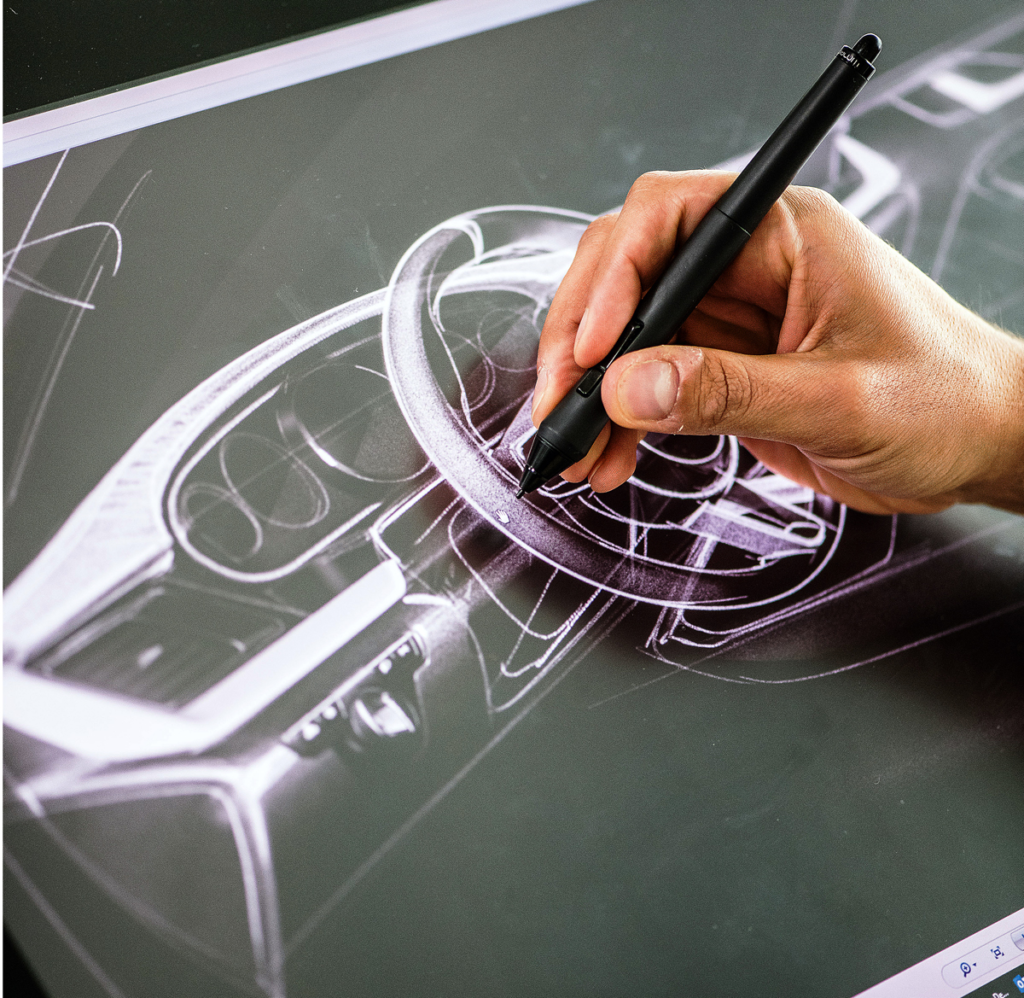
When directly asked what would happen if a customer arrived at Weissach with suitcases full of cash, Mauer replied: “Porsche has experience in producing exclusive projects, although not in such radical forms. But one can recall, for instance, the track model 935, which was produced in a limited run of 70 units. Like any designer, I yearn for each of the projects we’ve created to materialize into a real car, but we are not solely artists; we are part of an industry and a subsidiary of a large corporation. So, if proposals come our way, we will deliberate and make calculations. Perhaps we’ll be inclined to proceed, or maybe not.”
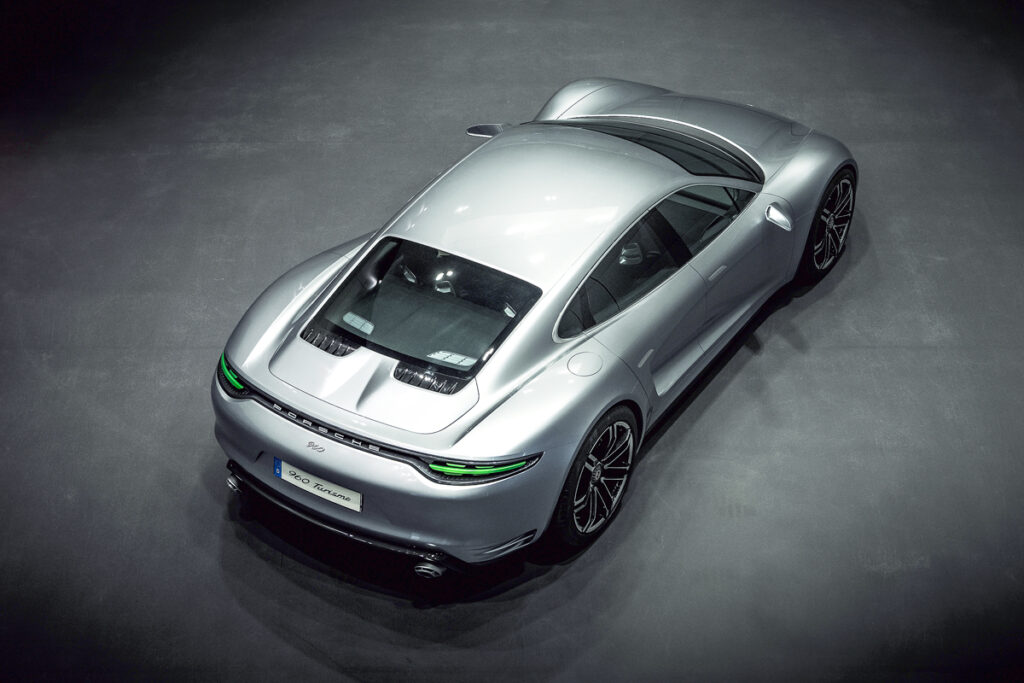
Porsche 960 Turismo
Mock-up, 2016
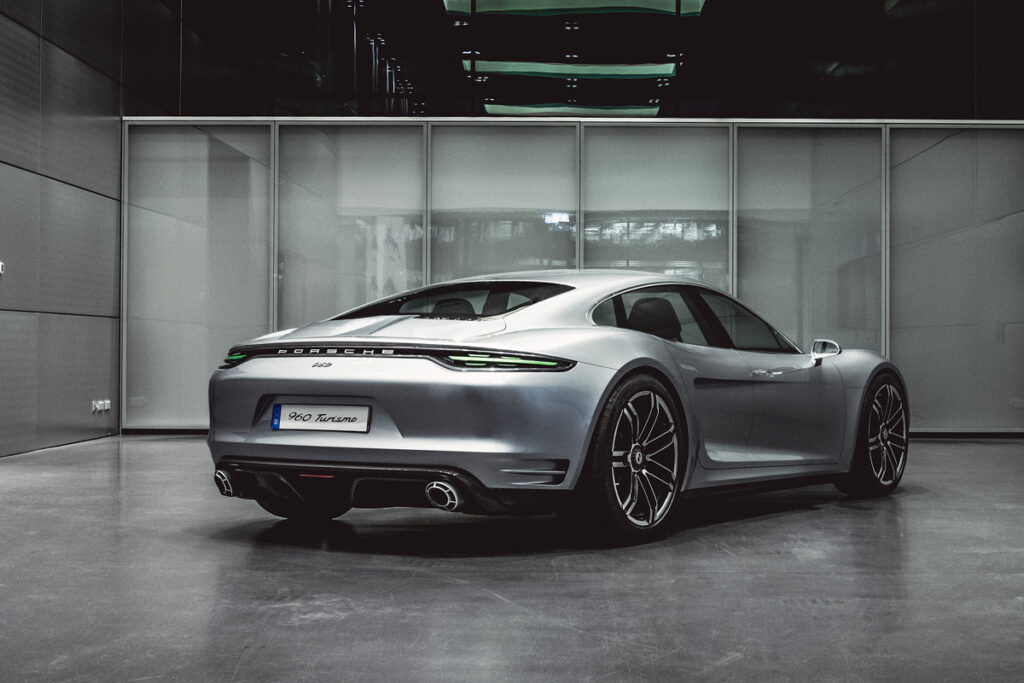
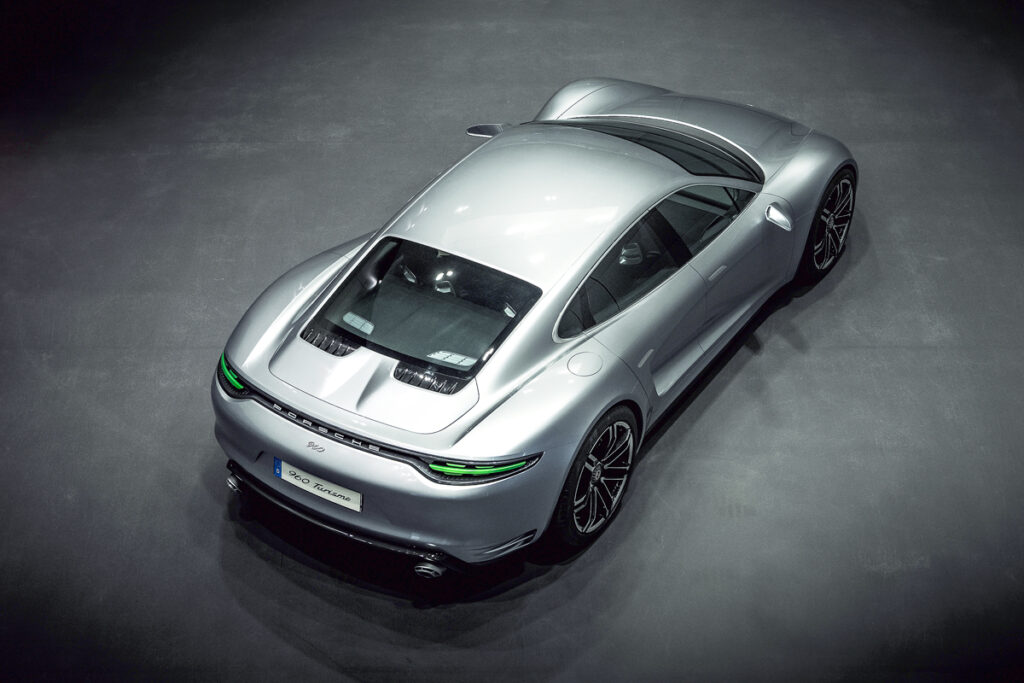
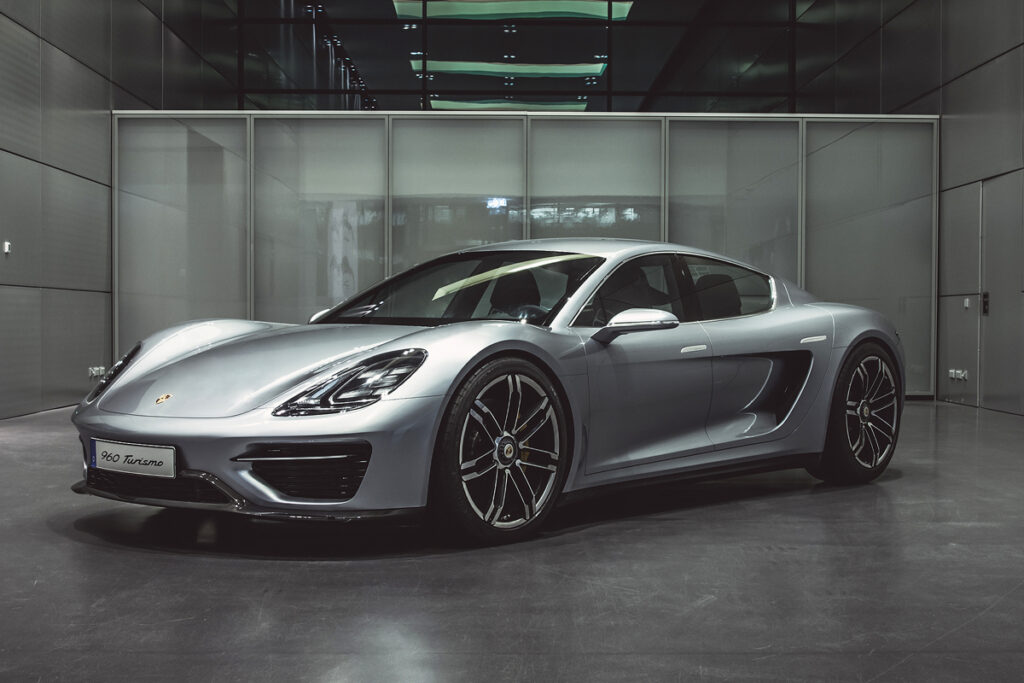
Legend has it the Taycan project began with a happy accident. Michael Mauer was walking through the studio when he spotted what looked like the silhouette of the 918 model with rear doors on a designer’s tablet. A closer look revealed it was an optical illusion — he’d mistaken a rough sketch line for a door seam. Still, the idea stuck. Shortly after, the team built a full-scale clay model of a four-door supercar, the 960 Turismo, with a mid-mounted combustion engine — though it never became a running prototype. The unconventional layout pushed designers to consider that a car like this needed an entirely new kind of powertrain, which is how the electric super-hatchback Mission E was born, wearing a completely different look. Interestingly, the two projects overlapped: Mission E debuted in 2015, while the 960 Turismo dates to 2016. It’s also worth noting that today’s production Porsches inherited their illuminated rear light strip with the “Porsche” script directly from the 960 Turismo.
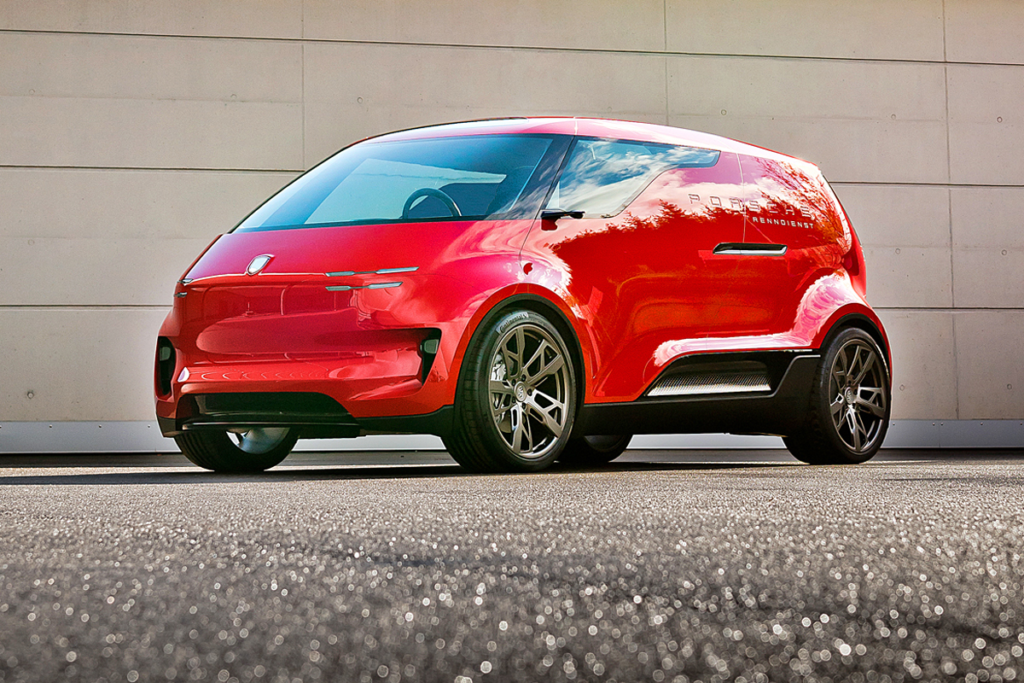
Porsche Vision Renndienst
Mock-up, 2018
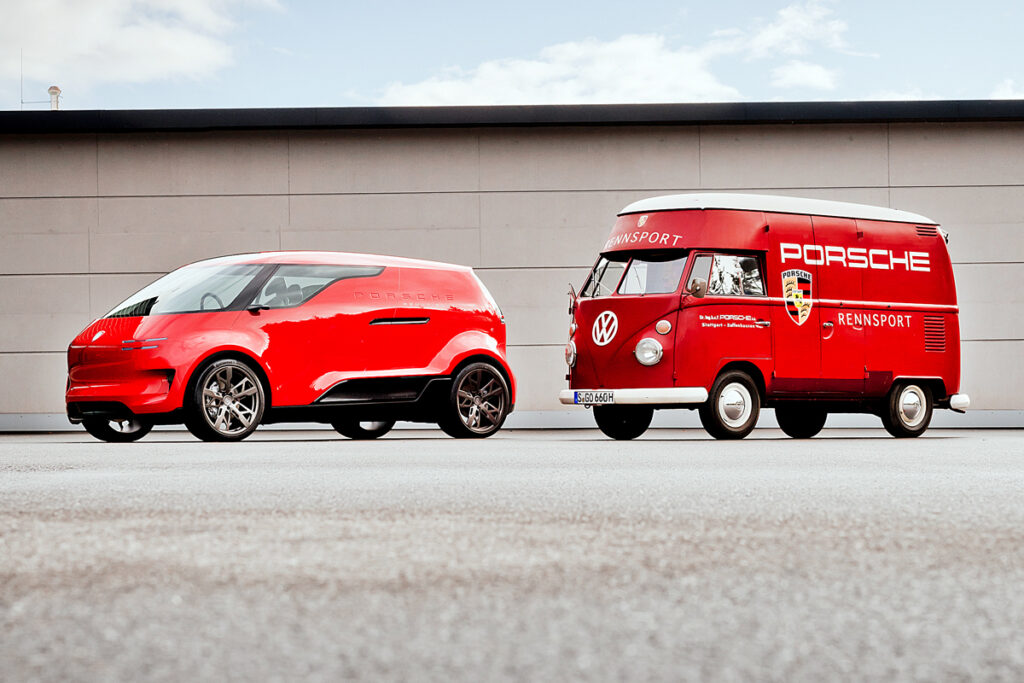
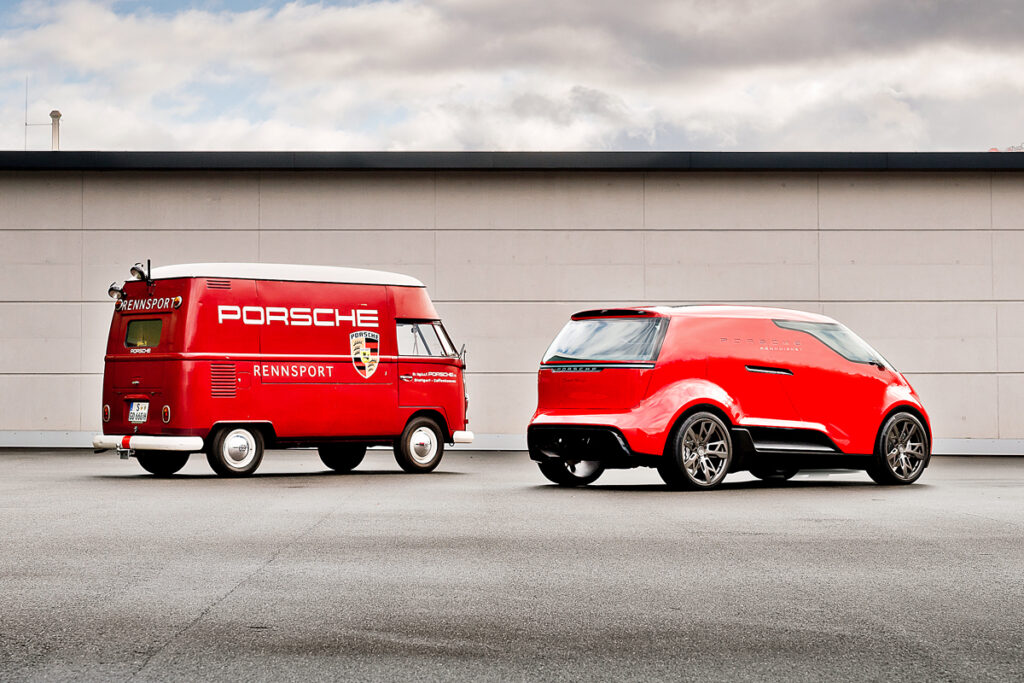
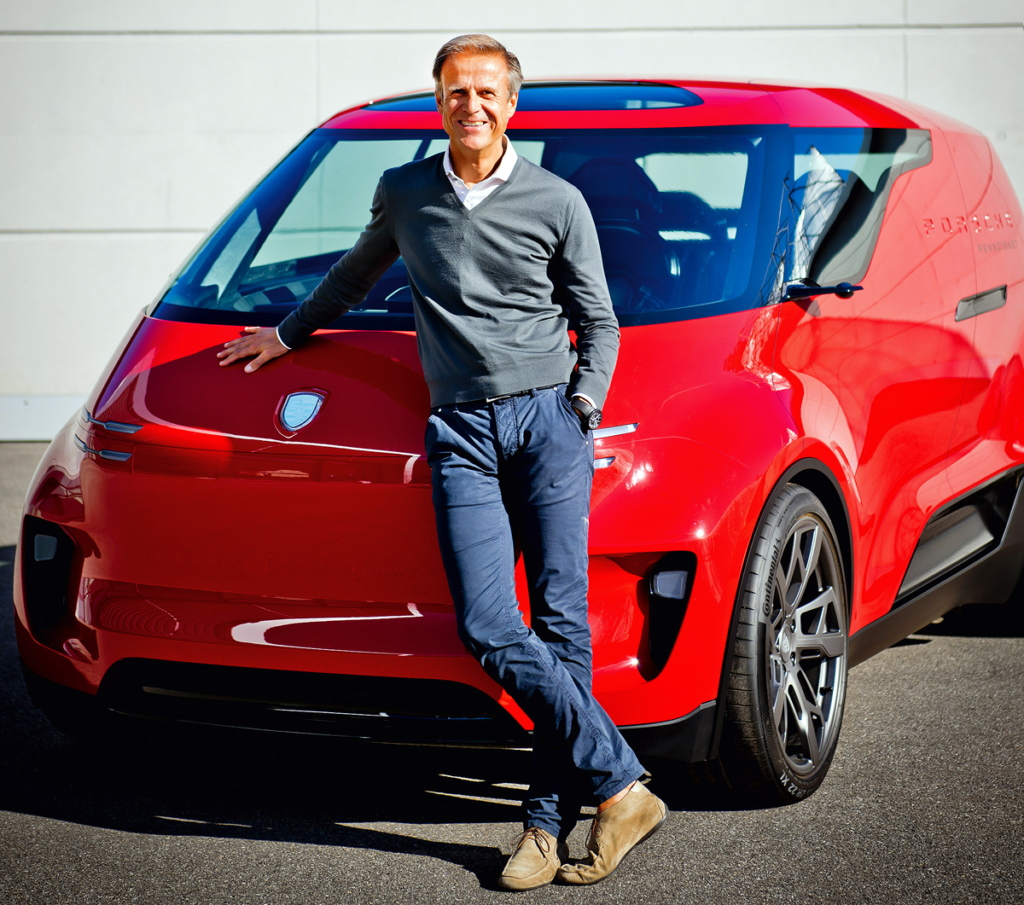
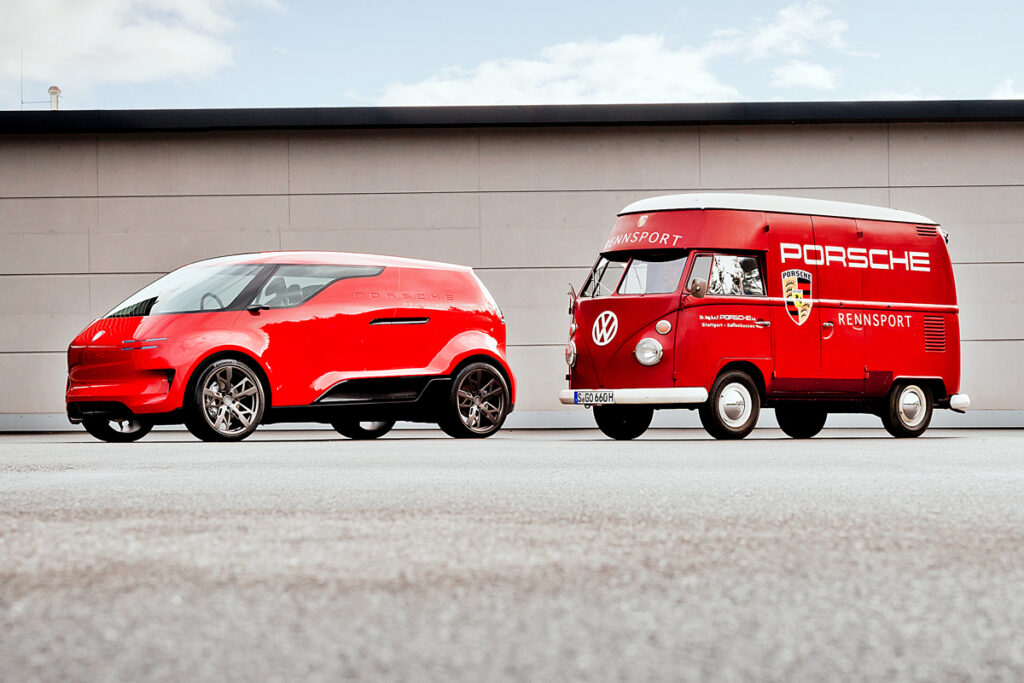
Crossovers, wagons, EVs — what’s left? A minivan, apparently, and it’s not without precedent. Porsche built the B32 based on the Volkswagen T3 microbus, and even earlier fielded a race-support vehicle based on the T1. This time, Porsche “displayed” (rather than fully built) a van styled as a fast motorsport support vehicle — though its rear badge read “Sport Tourer,” suggesting a genuine five-seat family shuttle with individual bucket seats for every passenger. The driver sits alone in the center of the cabin, with batteries and electric motors packaged beneath the floor. Look closely and you’ll also notice the transparent brand emblem. It was only ever a full-scale model — but remember what eventually happened with the Panamera Sport Turismo wagon concept.
Porsche 904 Living Legend
Mock-up, 2013
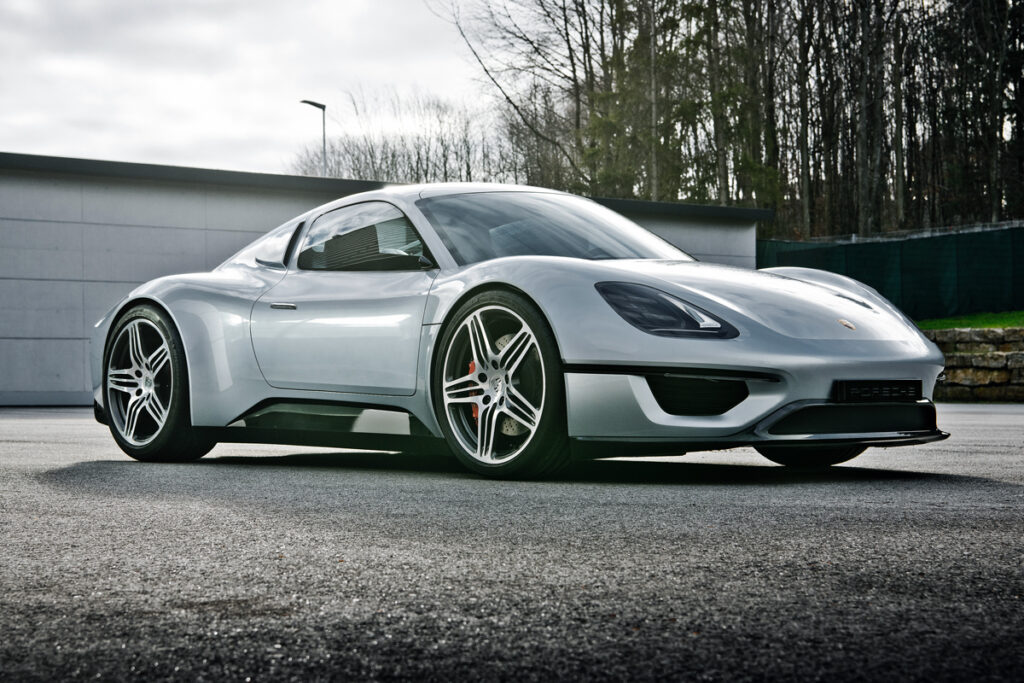
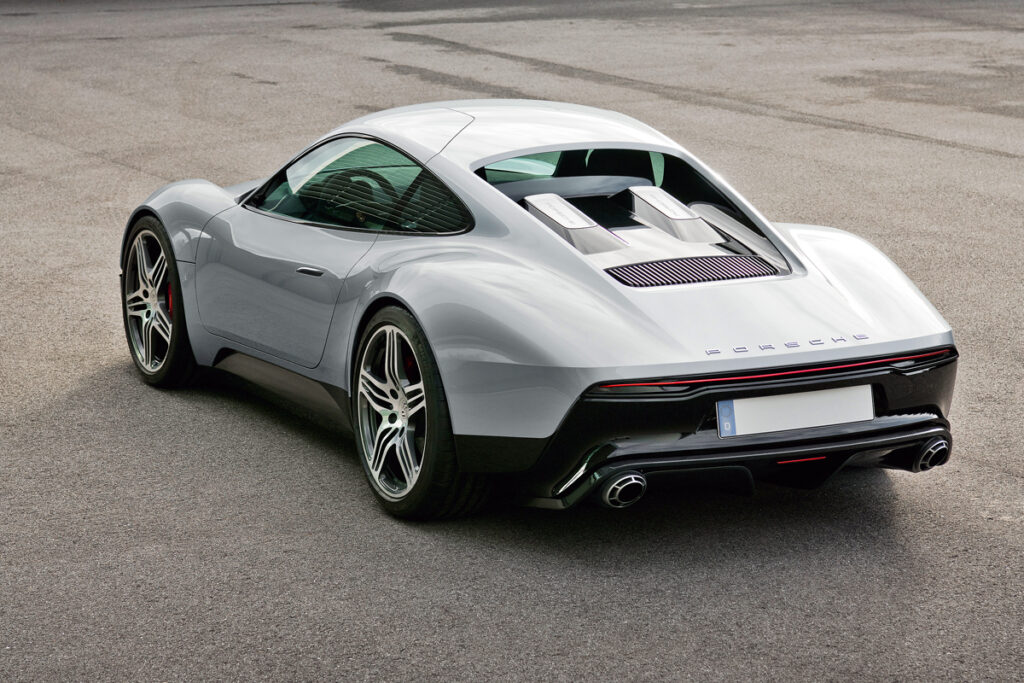
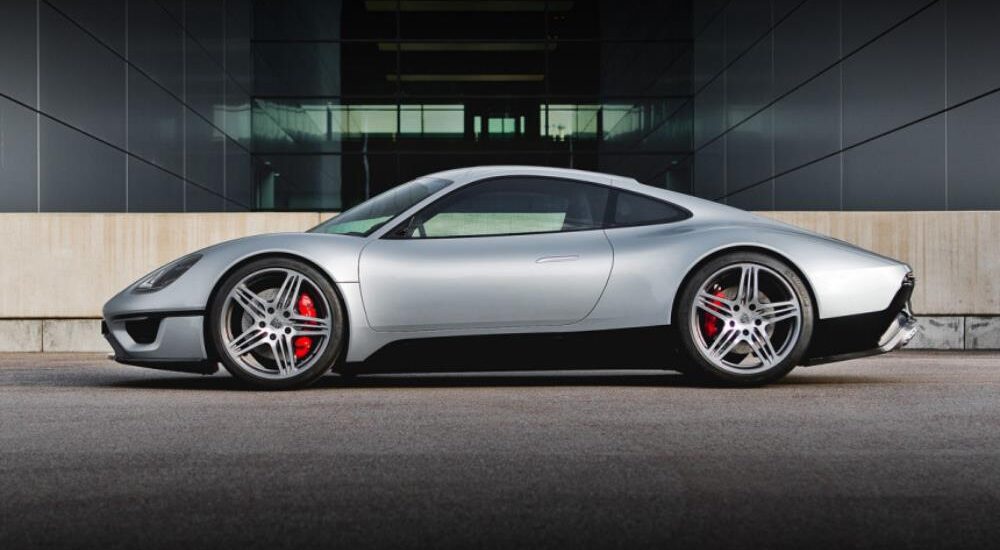
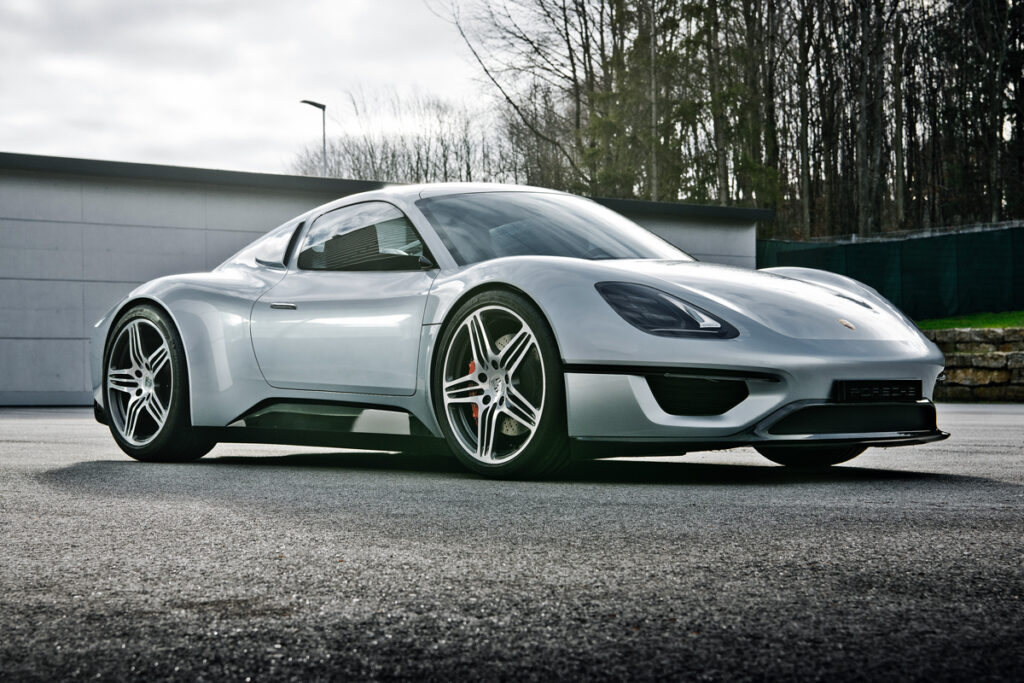
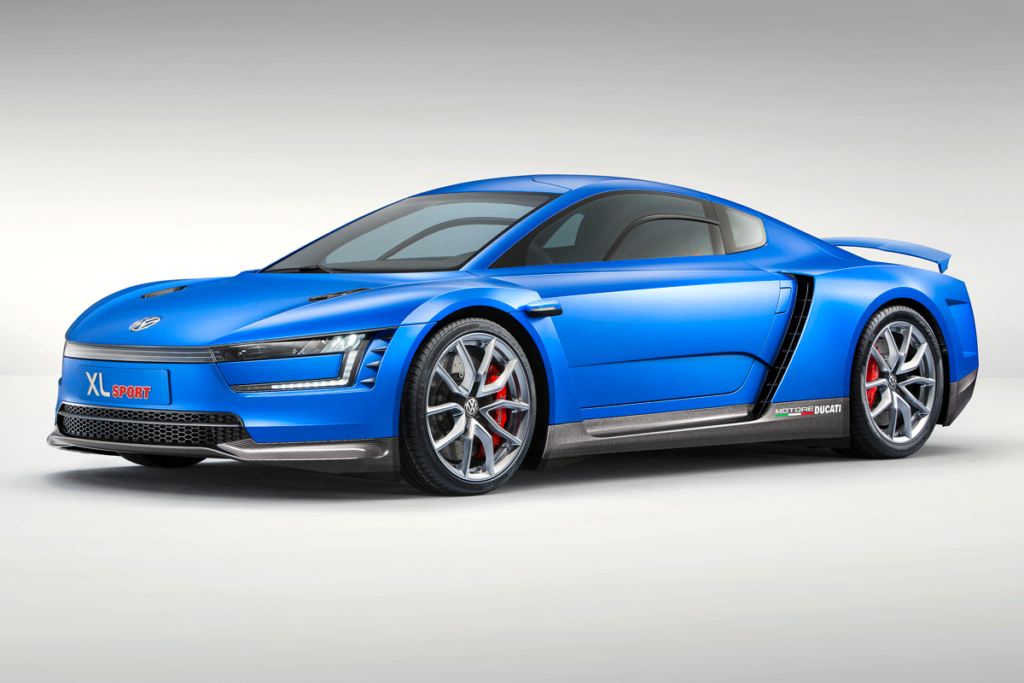
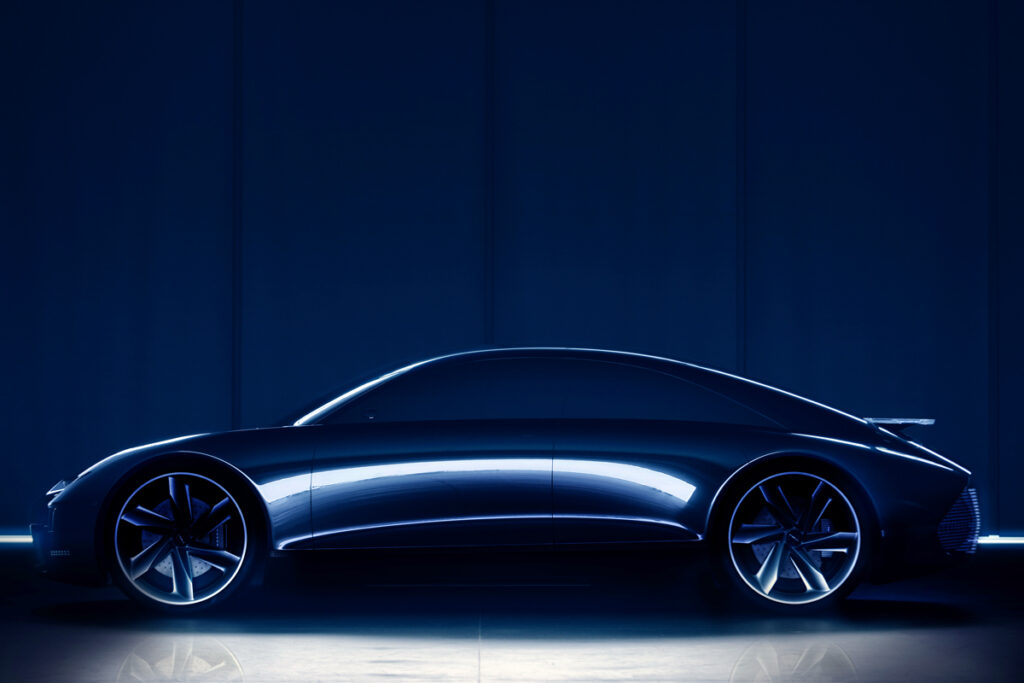
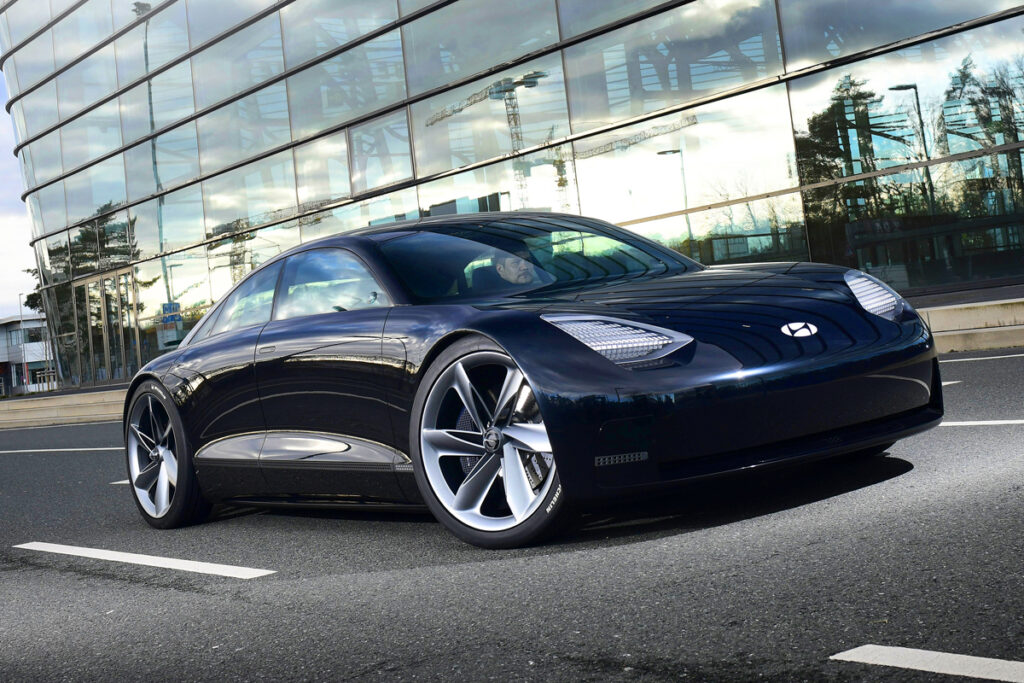
Another example of ideas quietly moving between projects. Recall the carbon-fiber Volkswagen XL1, unveiled in 2013 — a limited-production ultra-light car with fuel consumption of just 1 liter per 100 km. Porsche built its own take on this “one-liter” coupe, but Weissach was more interested in the lightweight body technology than the fuel-economy numbers. Where Volkswagen used a diesel-electric powertrain with a two-cylinder 0.8 TDI engine, Porsche’s version got a V2 motorcycle gasoline engine. The result was heavier than the XL1 but arguably far better looking. The Porsche 904 Living Legend might be the most elegant project in the entire Unseen archive — it’s a shame it never left full-scale model form. But the story doesn’t end there: the concept, which didn’t fit Porsche’s direction, was reportedly handed back to Volkswagen, and a year later the Volkswagen XL1 Sport appeared. Less graceful than the Porsche, it packed a V-shaped 1.2-liter (200 hp) “twin-cylinder” engine borrowed from the Ducati 1199 Superleggera, hit 100 km/h in 5.7 seconds, and topped out at 270 km/h. The silhouette and some details of this seven-year-old Porsche concept even resurfaced in the 2020 Hyundai Prophecy concept car. Unfortunately, Porsche doesn’t credit the individual designers behind the Unseen projects — likely because not all of them still work at Weissach.
Porsche Vision Spyder
Mock-up, 2019
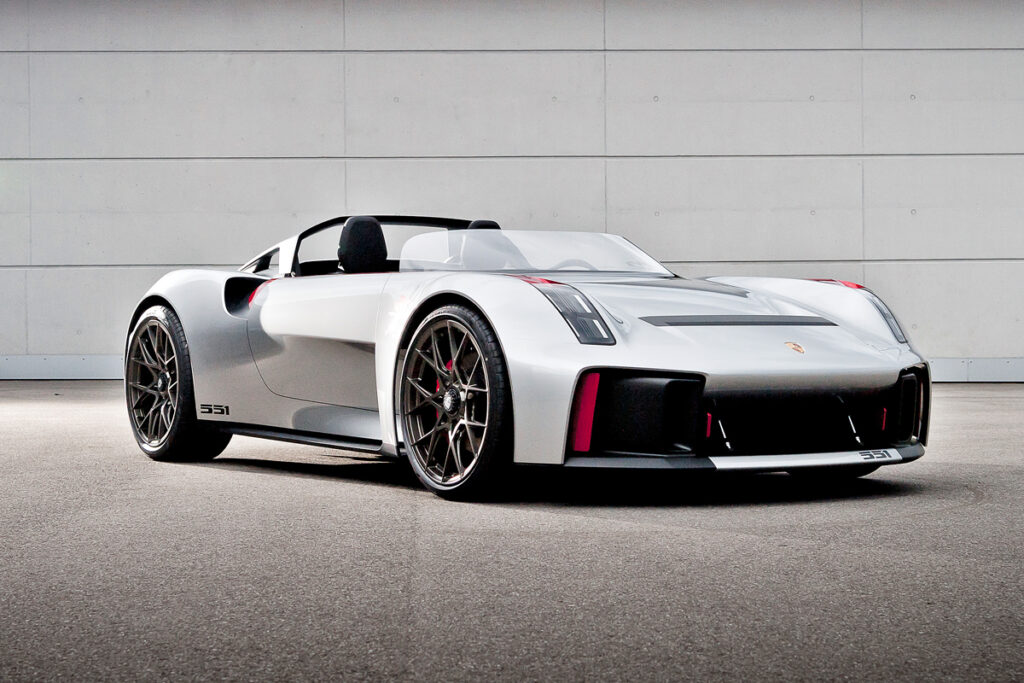
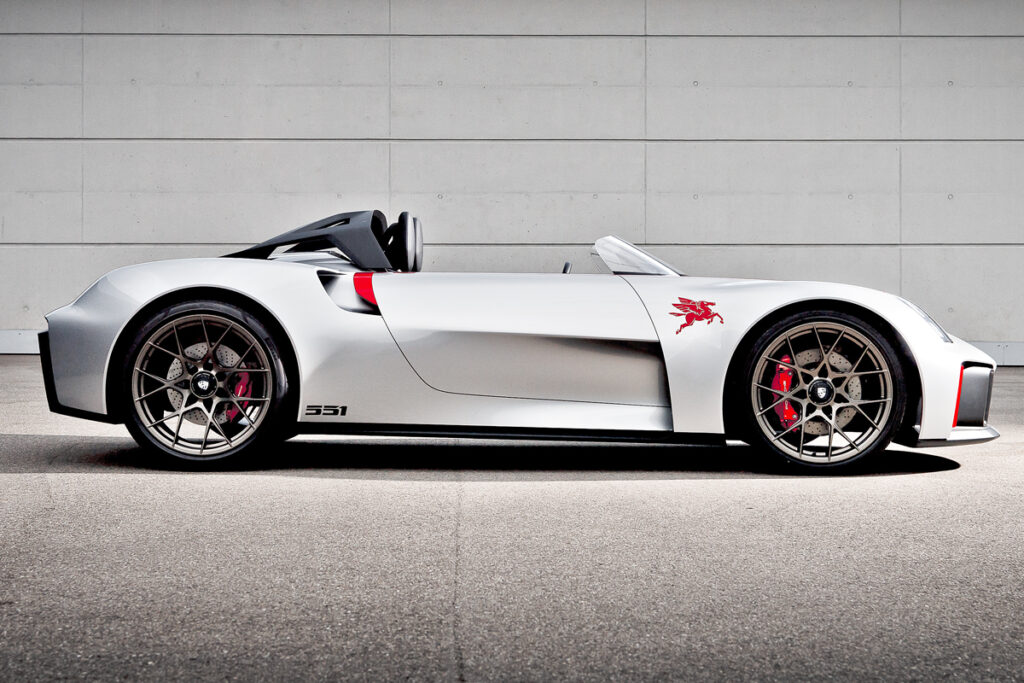
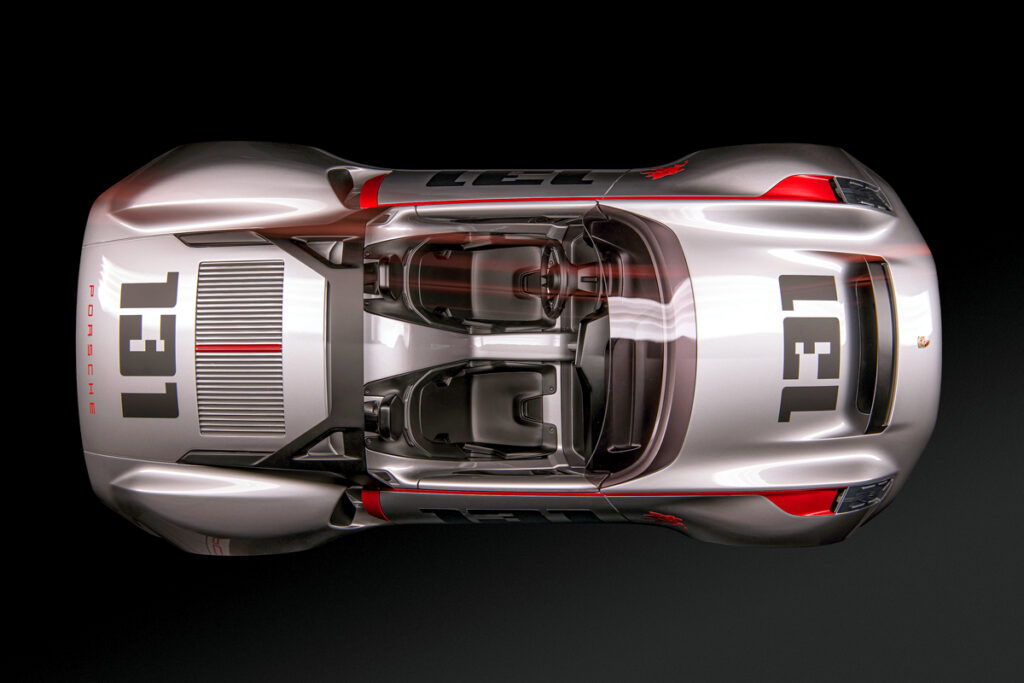
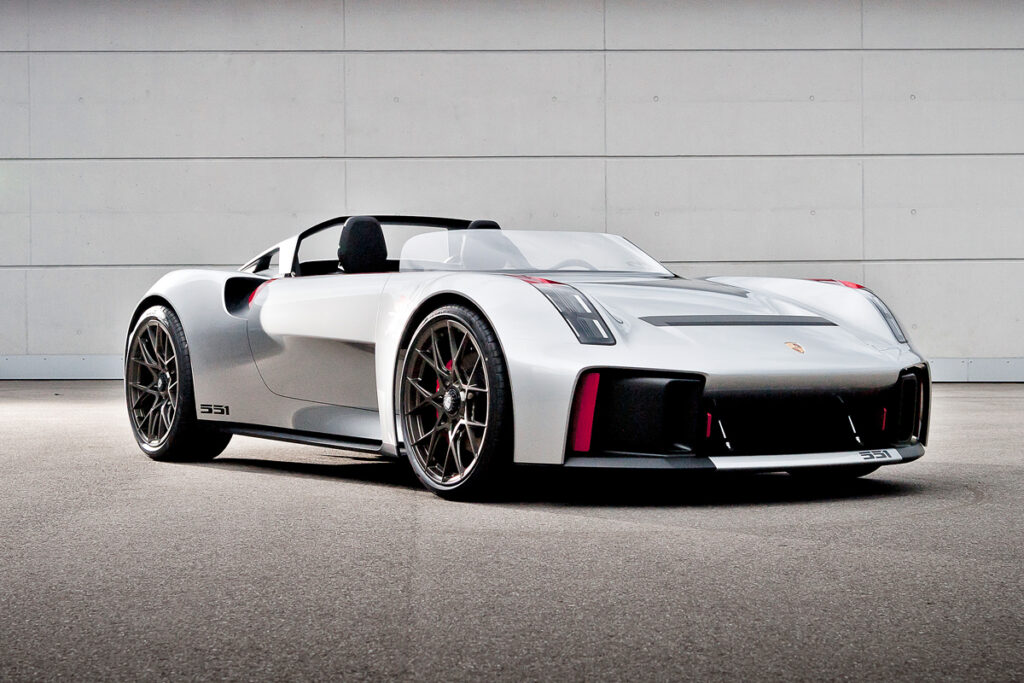
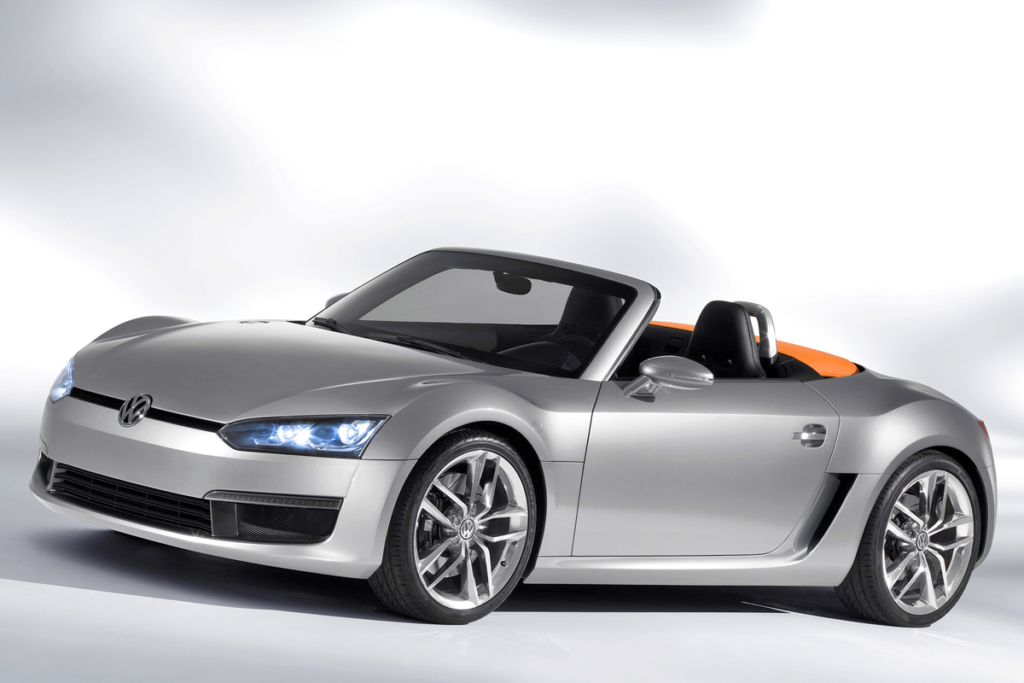
The idea of building the smallest, most affordable Porsche has been floating around Weissach for over a decade, fueled by nostalgia for the iconic 550 Spyder James Dean once drove. One attempt to build a sports car cheaper than the Boxster came remarkably close to production in 2009, when Porsche, Volkswagen, and Audi jointly developed a roadster project using a four-cylinder Audi TT engine mounted transversely behind the seats. Volkswagen showed the Blue Sport concept publicly; Porsche’s version was slated to be called the 550, while Audi’s rumored badge was R5. Around 2012 the whole project was reportedly shelved, at least according to the German press — none of the three companies has shown a similar car since. But the idea never fully died: a small sports car mock-up called Vision Spyder was built, carrying every hallmark of a new entry-level Porsche, including the “551” badge on its flanks. Michael Mauer revealed that this project introduced a new take on the brand’s signature headlights — vertical rectangles instead of round units — a genuine departure for the brand. As part of Unseen, designers also showed a clay model of the Vision 916 (2016), which embraces the same minimalism but swaps the combustion engine for four electric motors mounted in the wheels.
Le Mans Living Legend
Clay model, 2016
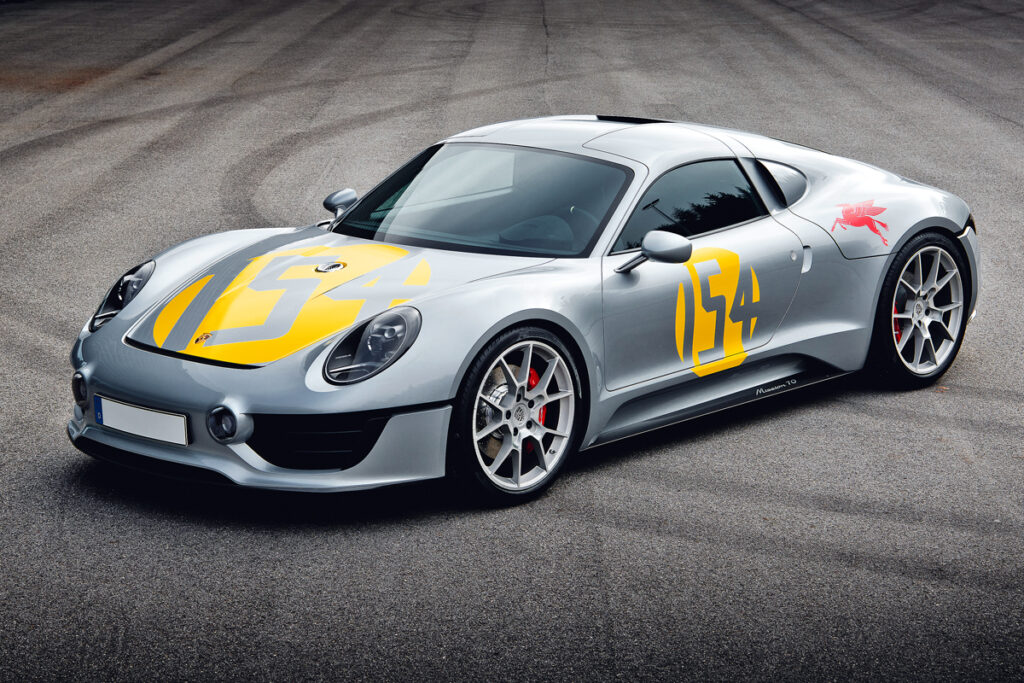
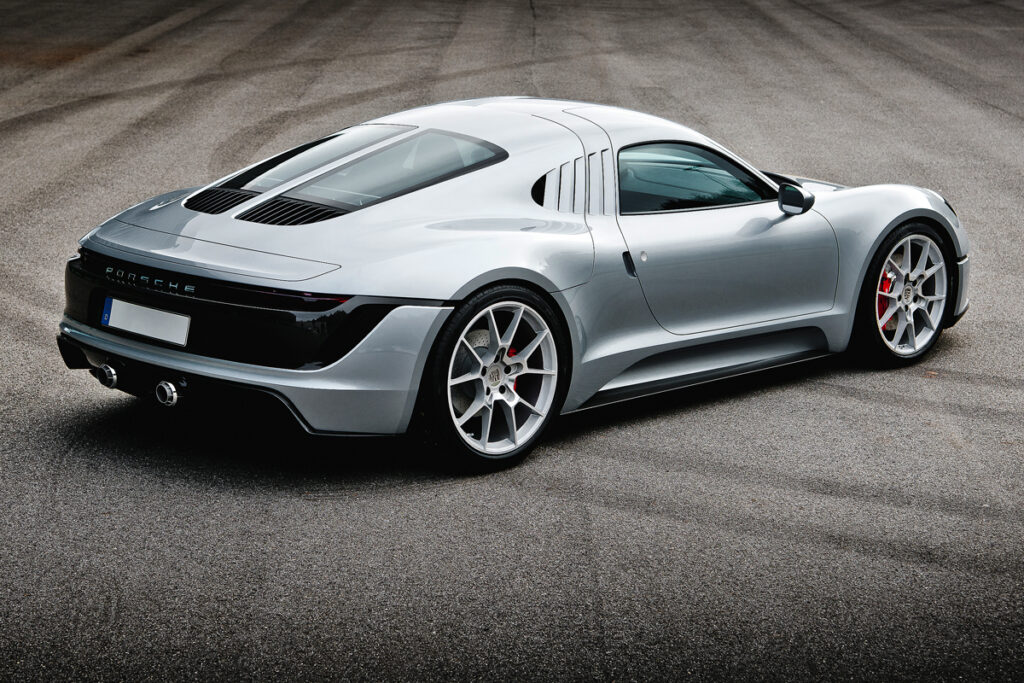
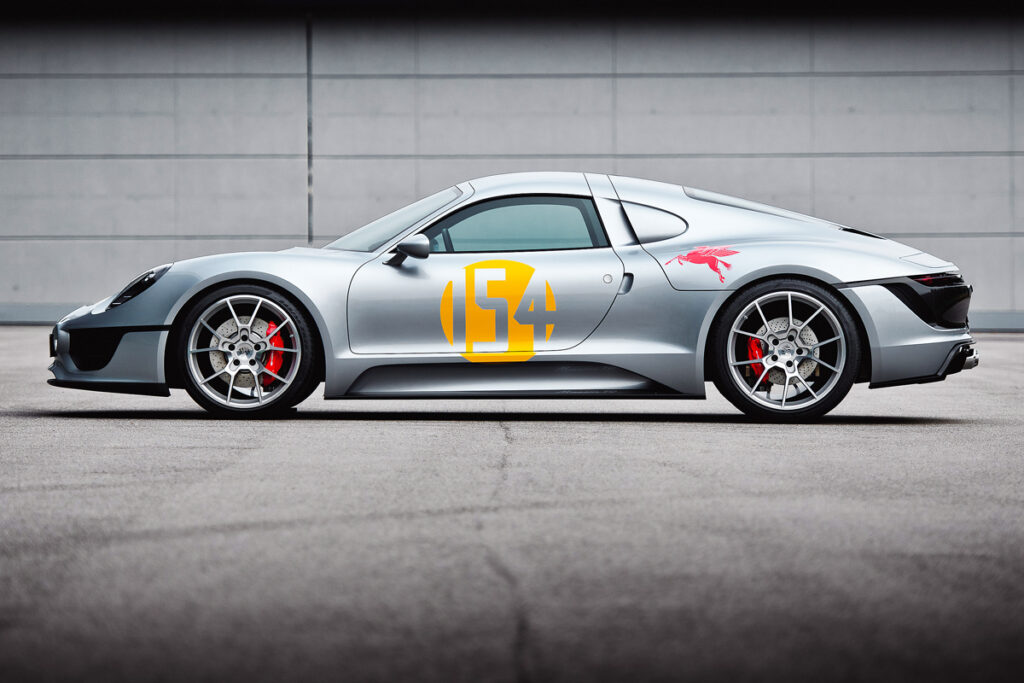
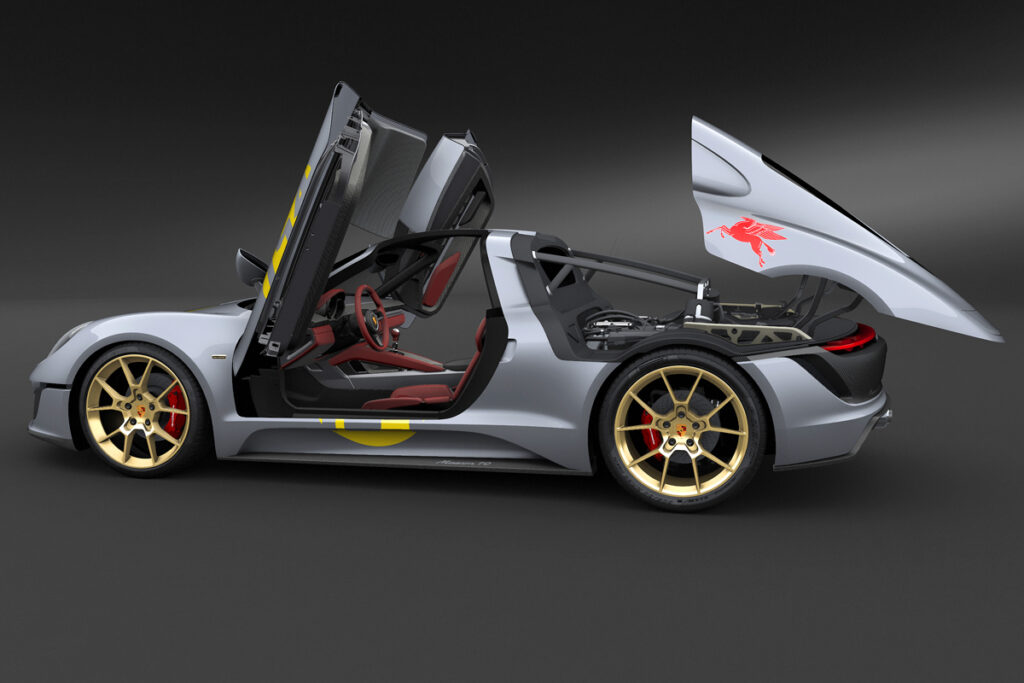
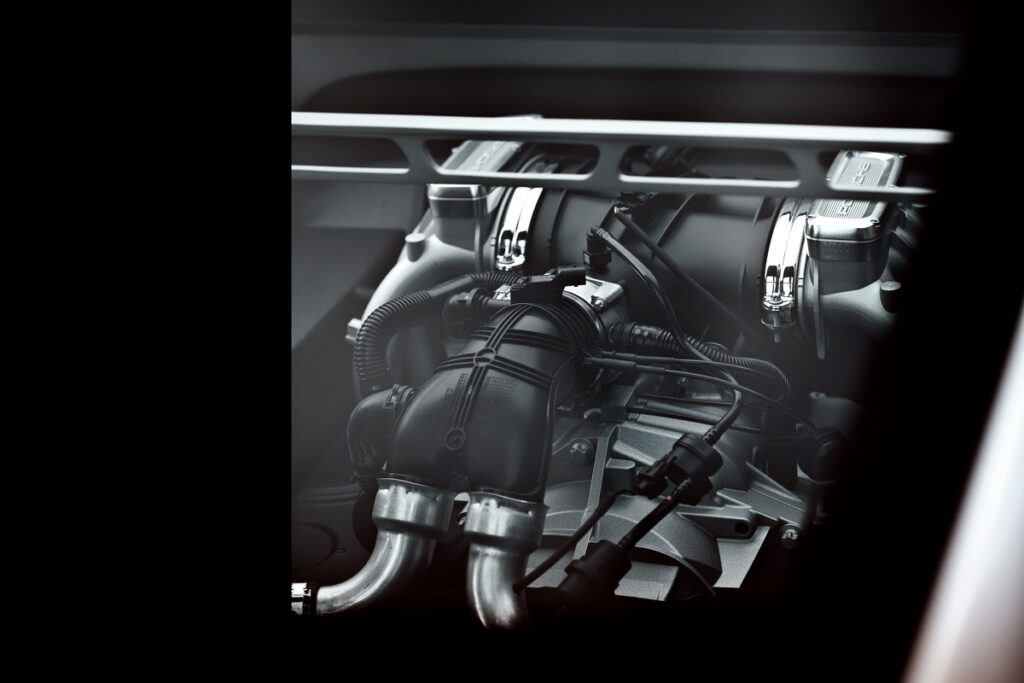
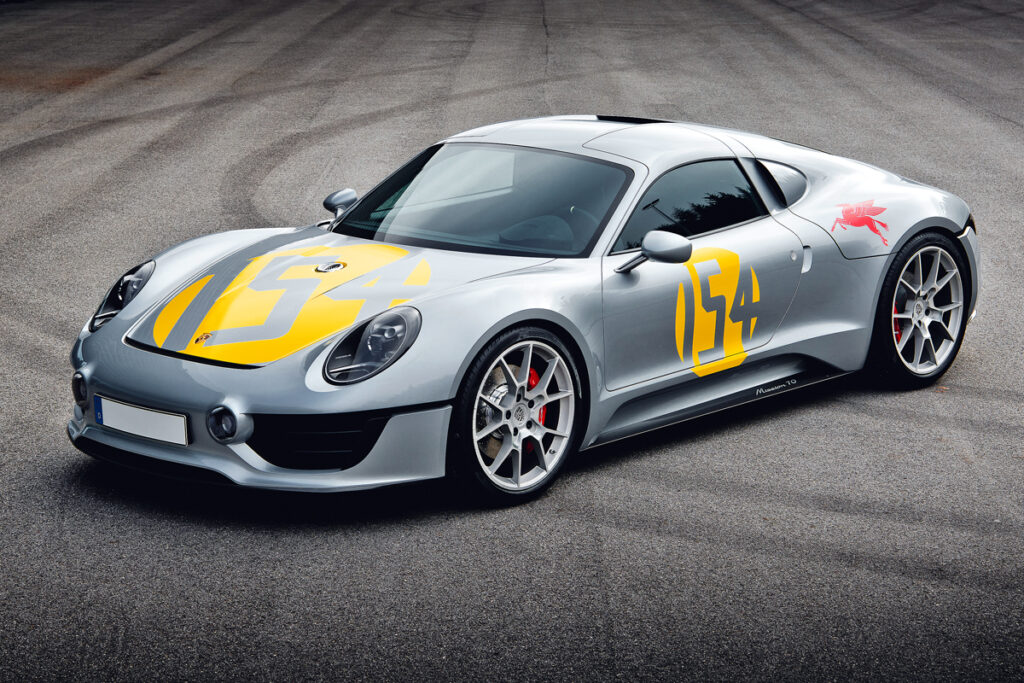
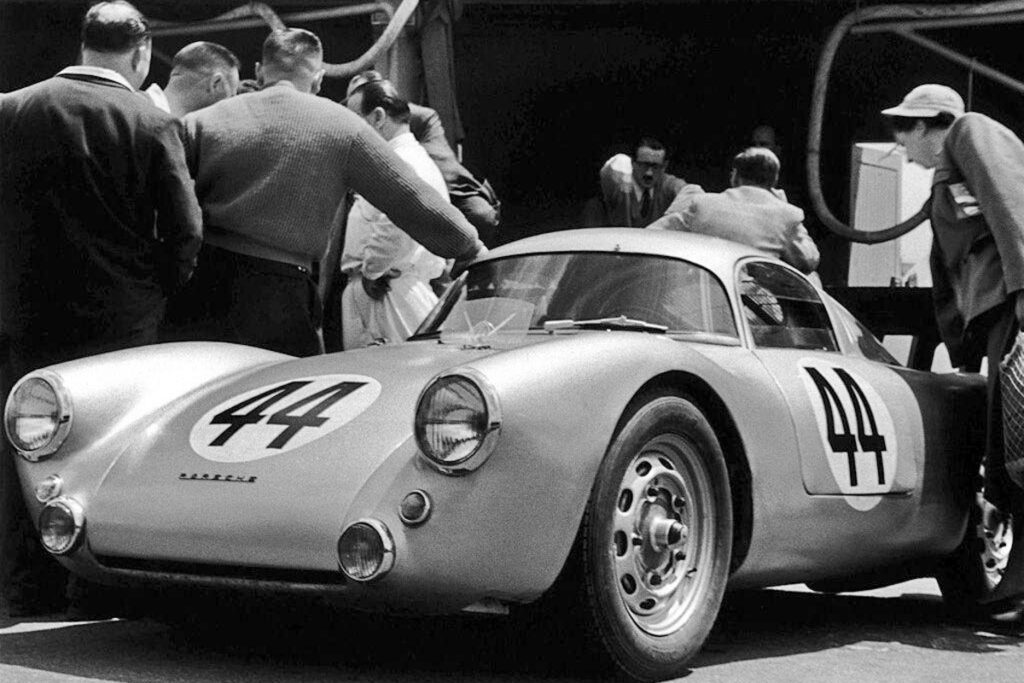
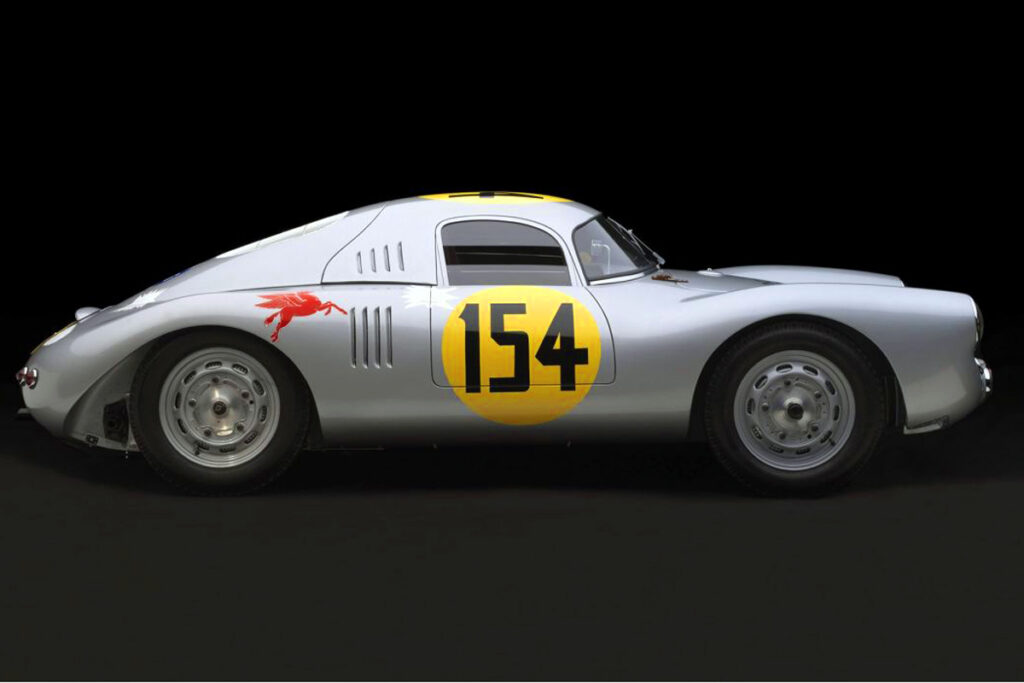
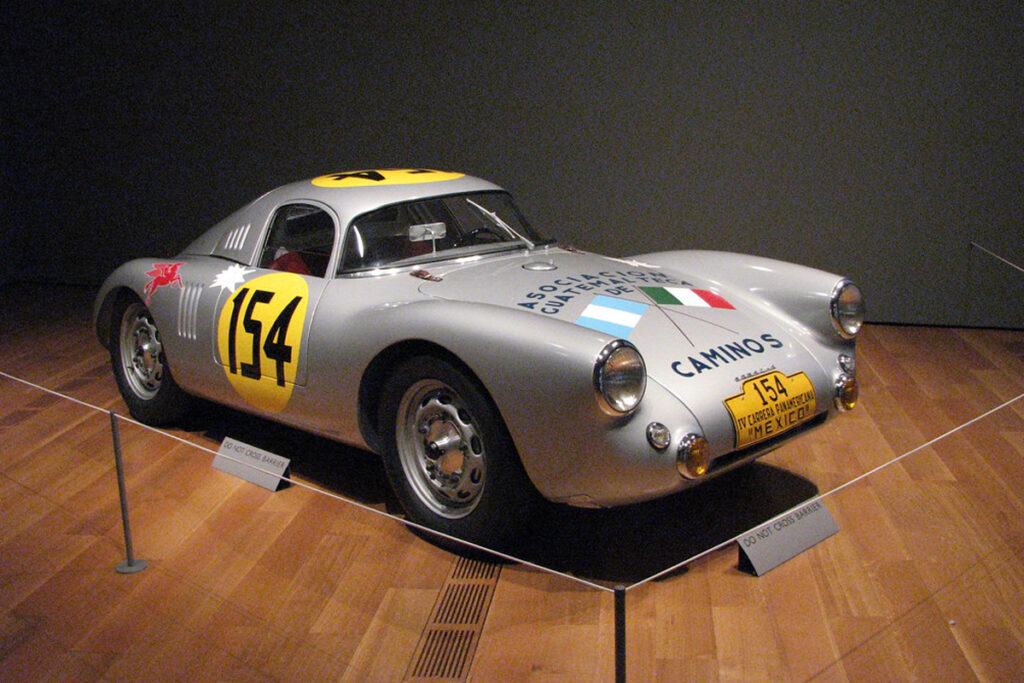
Porsche’s designers also imagined the fiercest possible version of their small mid-engine cars: a coupe with an eight-cylinder engine built on the Boxster platform. Don’t be fooled by the round 911-style headlights up front. First, the design drew inspiration from the bug-eyed 550 Le Mans prototype that marked Porsche’s race debut at Le Mans in 1953. Second, the front sections of the 911 and Boxster were, at the time, standardized parts. The genuinely surprising detail was the eight-cylinder engine described for this project — a configuration only tuners had previously fitted to Boxsters and Caymans. That said, Porsche’s own designers noted the car existed only as a clay model, meaning those mechanical details were largely hypothetical, especially since the accompanying computer renderings show a conventional six-cylinder boxer engine under the hood. The idea of a true “beast” in this lineup eventually became reality with the Porsche 718 Cayman GT4.
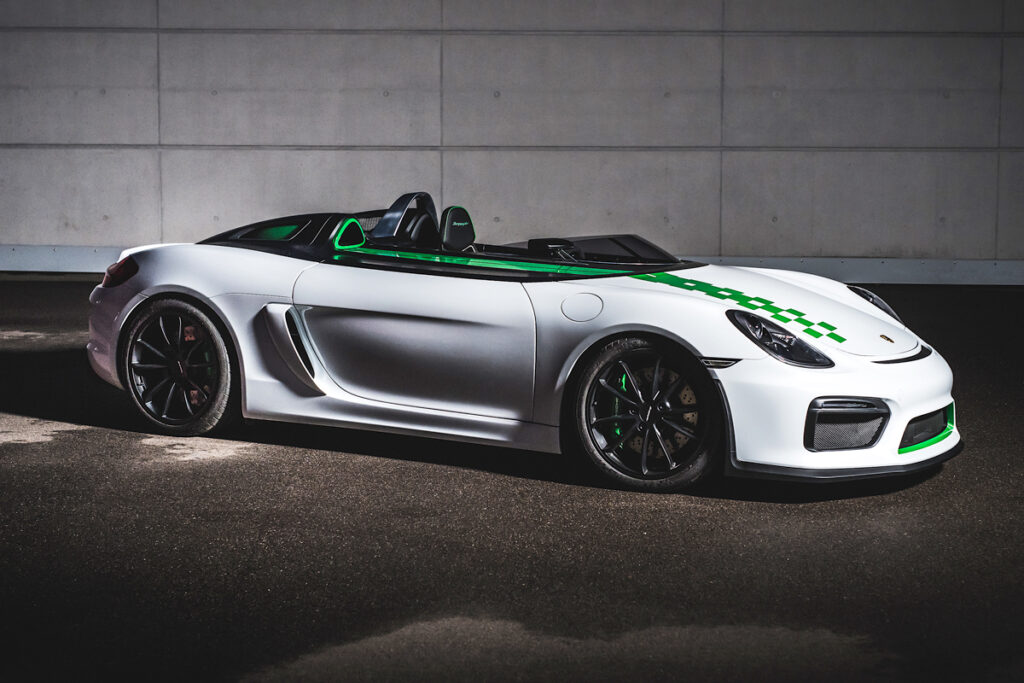
Porsche Boxster Bergspyder
Running prototype, 2014
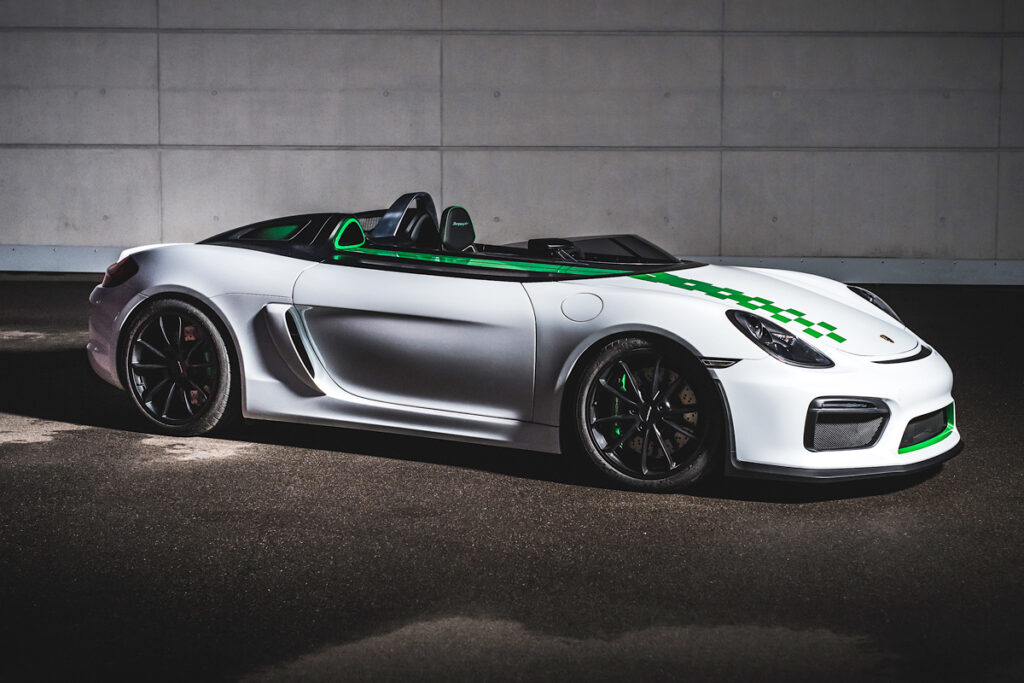
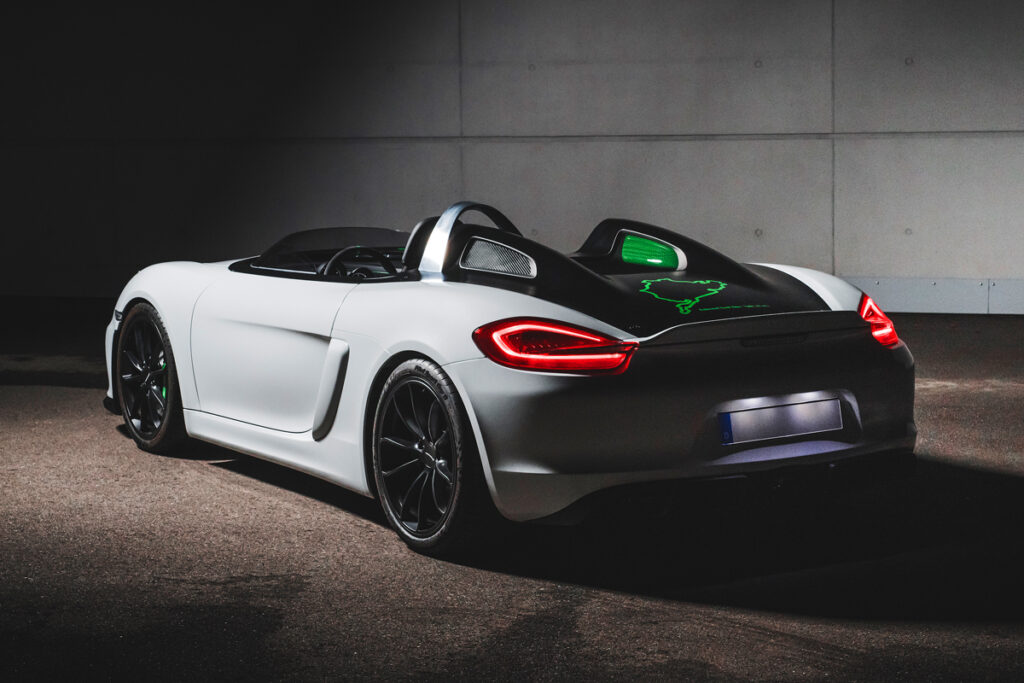
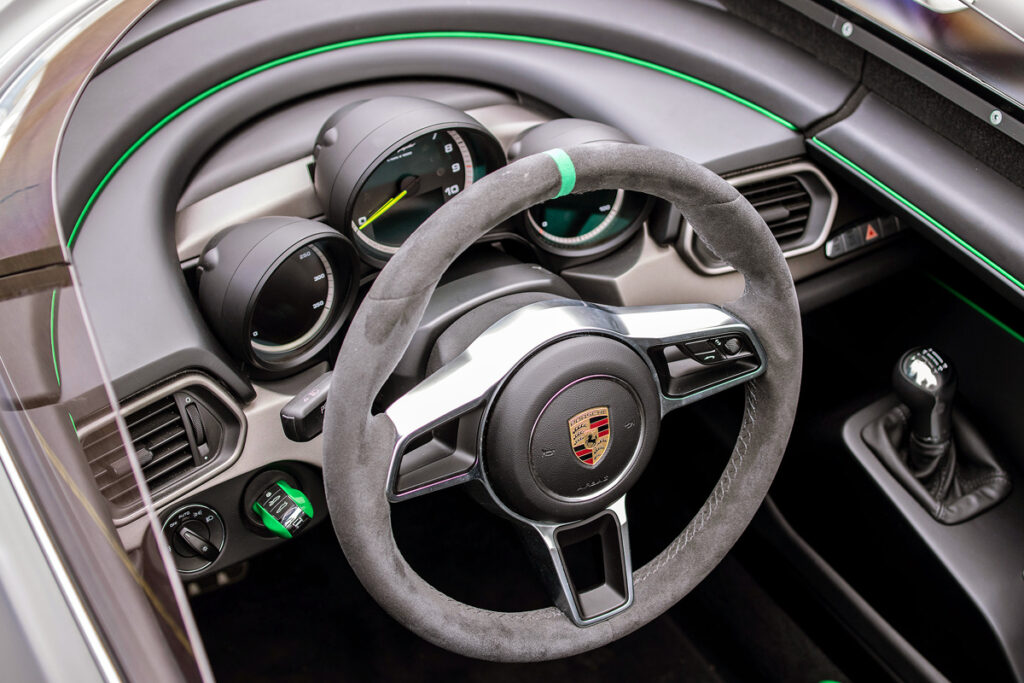
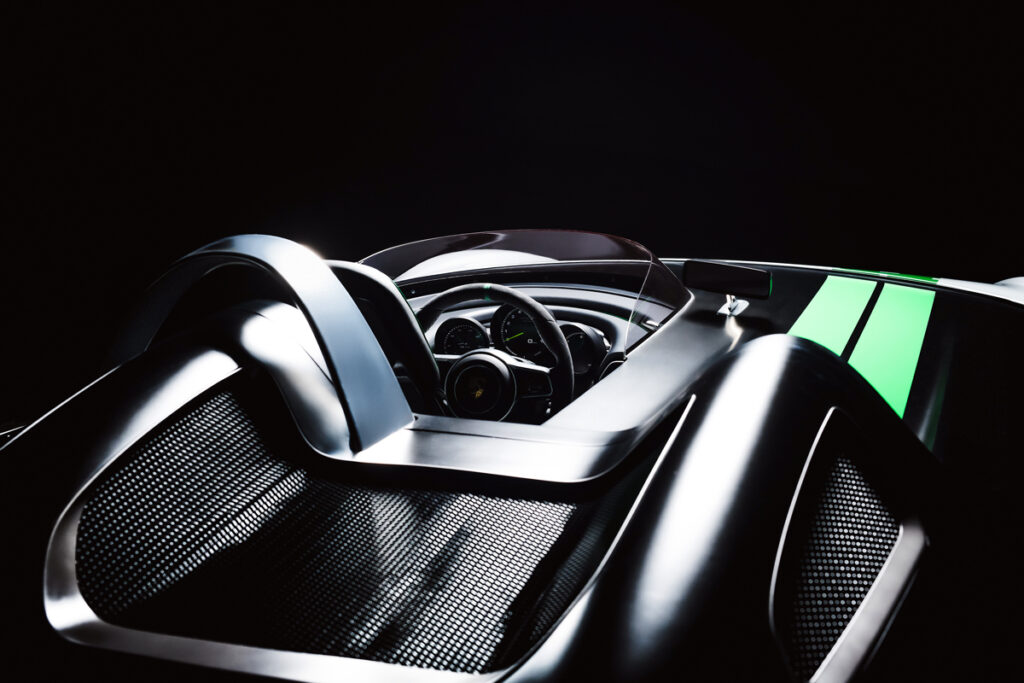
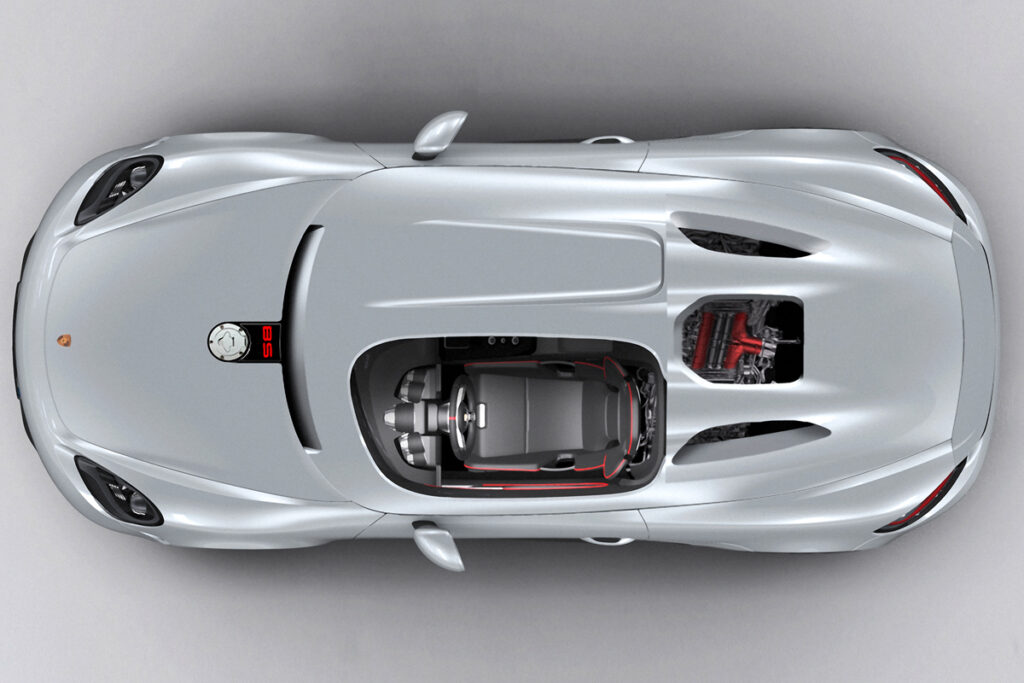
Another Boxster-line variation was a single-seat spyder styled after hill-climb racing cars. Built on the 981-series roadster, it weighed just 1,130 kg after modifications. Power came from a naturally aspirated 3.8L flat-six making 393 hp, borrowed from the Cayman GT4. The seat and instruments came from the 918 Spyder hypercar, and where the passenger seat would normally sit, there was instead a closed luggage compartment accessible through the regular right-hand door. This was the least secretive car in the whole Unseen archive — it was actually shown publicly back in 2019 — and also the most technically developed. The Bergspyder even made a symbolic appearance at the Gaisberg Hillclimb. Porsche built it to gauge demand for such an exclusive variant and assess production feasibility, but not every country would allow a single-seat spyder without a full windshield on public roads, which would have limited sales. The business case never came together and the project was shelved. Not entirely, though: a photo — deliberately or not — made its way into the Unseen archive showing a top-down view of a single-seat version of today’s Boxster.
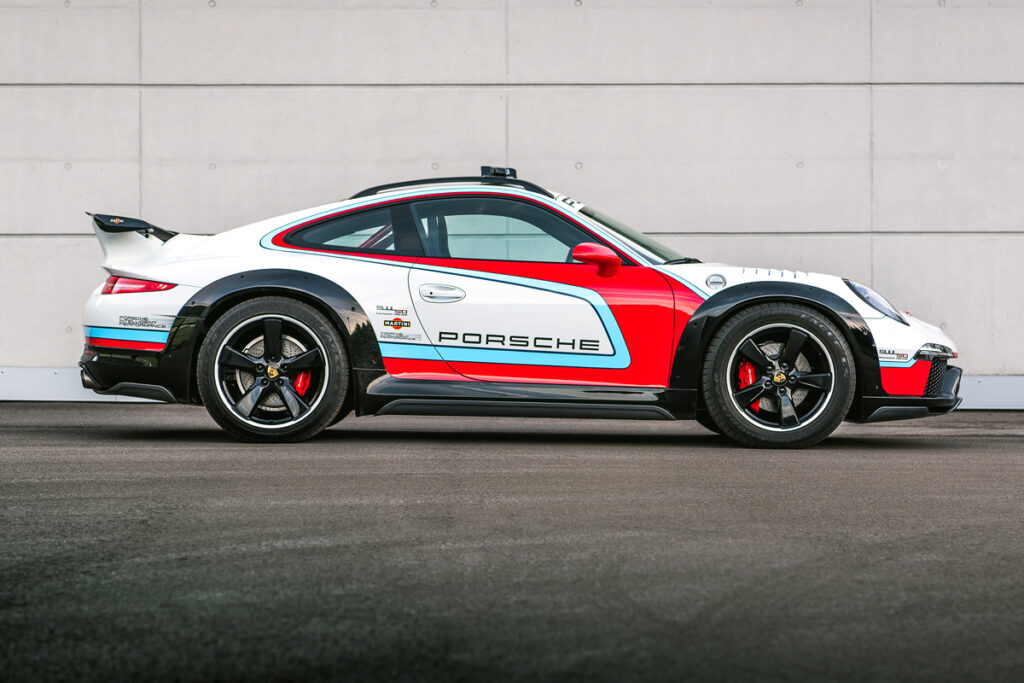
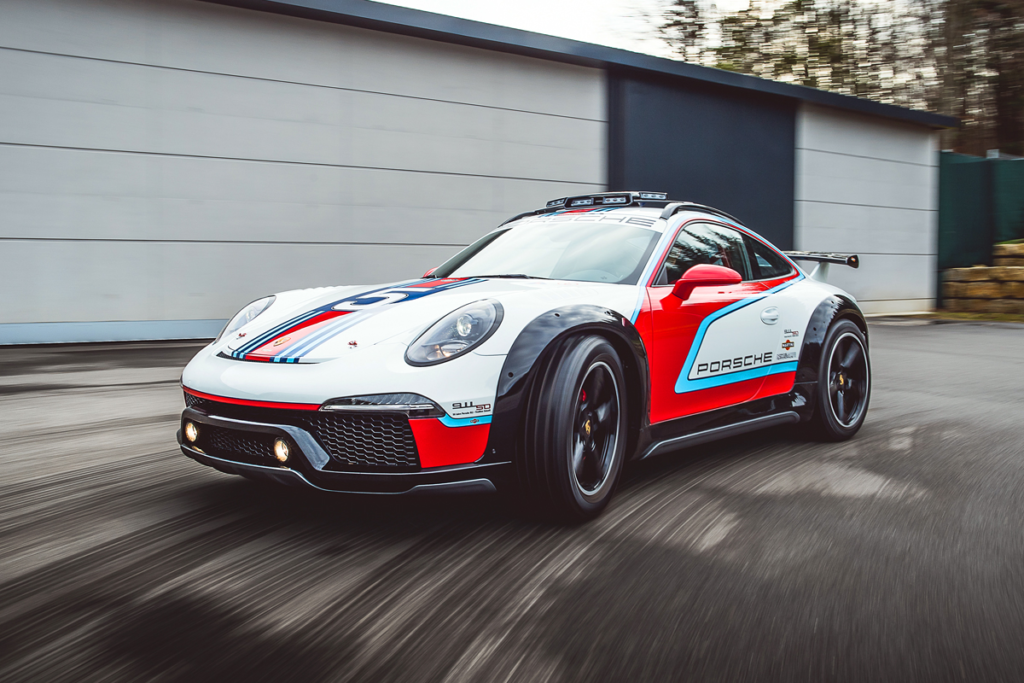
Porsche 911 Vision Safari
Running prototype, 2012
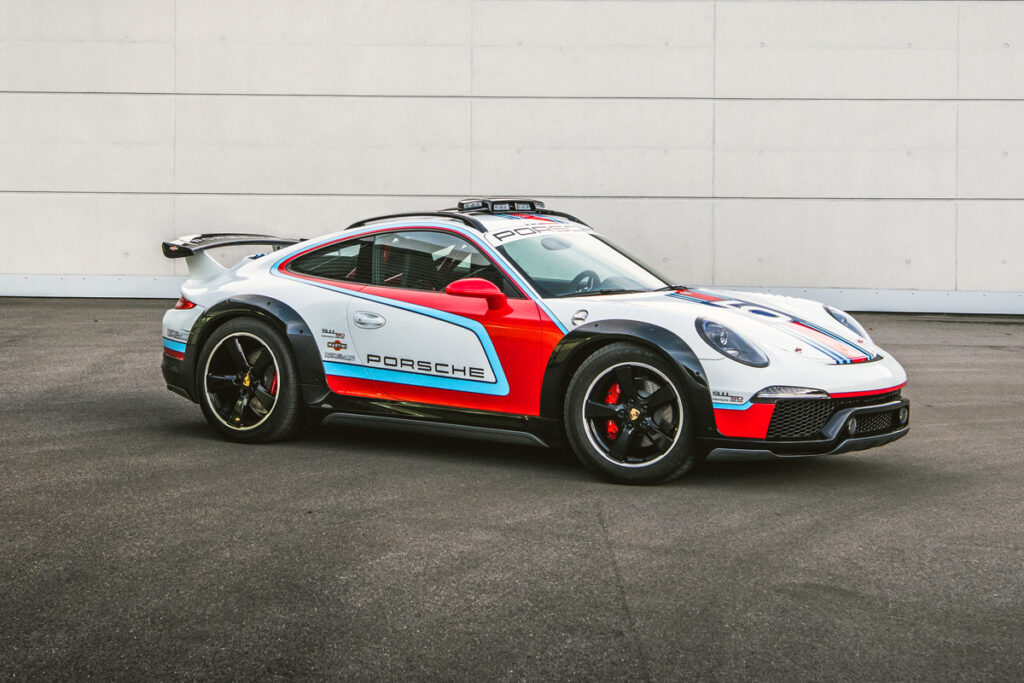
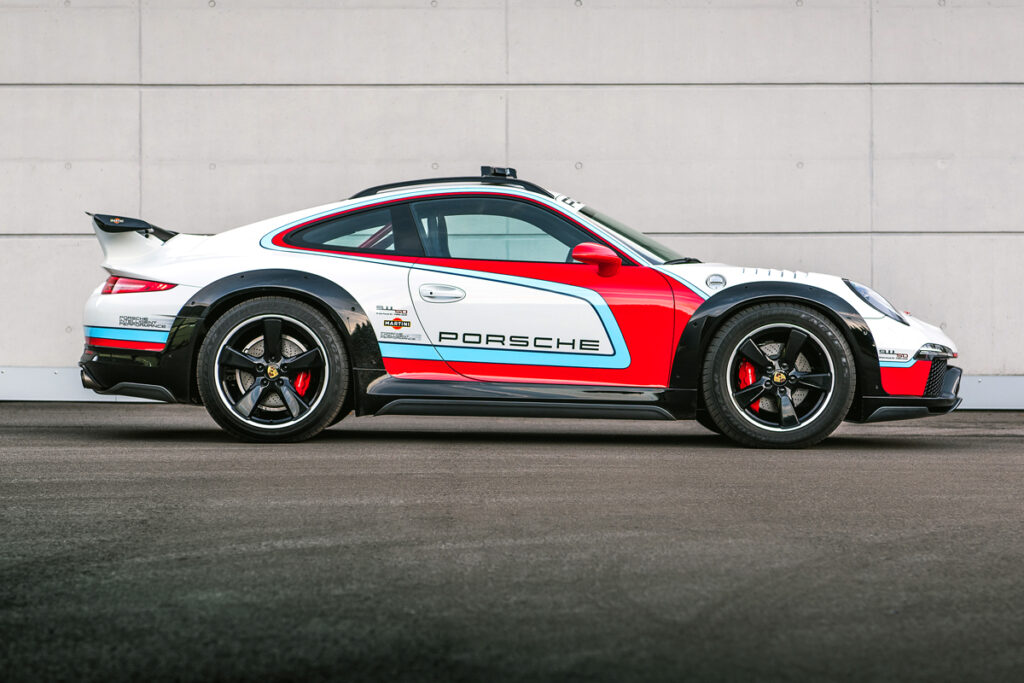
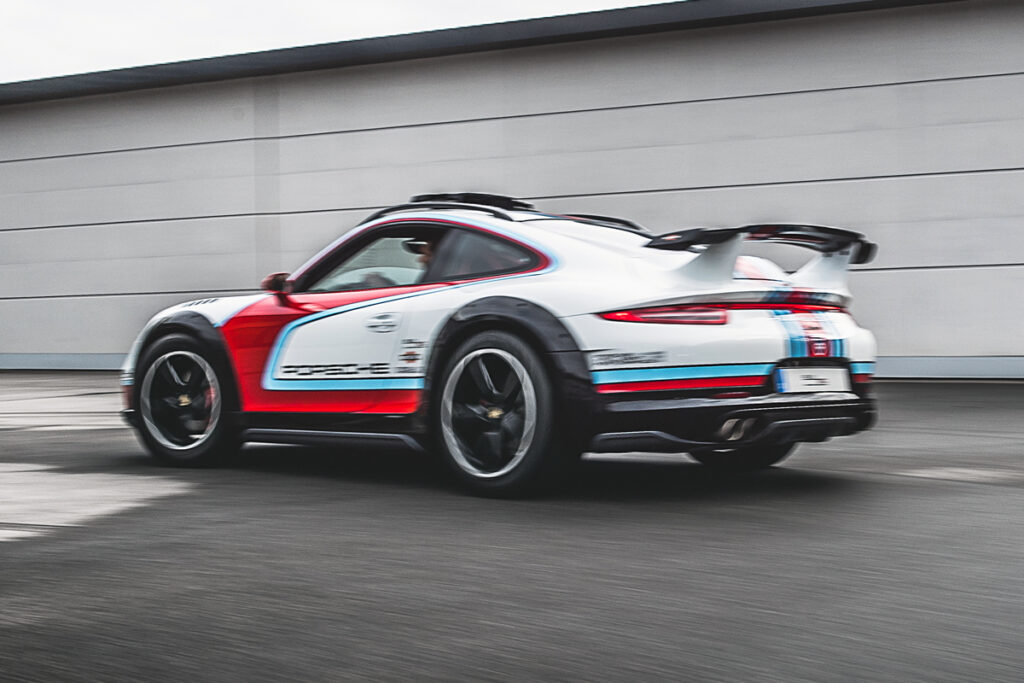
It’s genuinely surprising this car never reached the market. There’s plenty of precedent, and both tuners and enthusiasts have long enjoyed turning 911s into off-roaders. Two decades of rally history gave Porsche’s design center every excuse to legitimize an off-road sports car concept, whether inspired by Monte Carlo or the Paris-Dakar Rally. The studio landed on a Safari variant to honor a team that took a lifted 911 SC across the African savanna in 1978. The functional prototype was built on the then-new 991-generation coupe, with increased ground clearance, larger wheels, fender flares, side skirts, and bold historical livery — everything needed to spark a “safari” craze, especially among buyers in Russia and the Middle East. Why Porsche pulled the plug in 2012 has never been fully explained, even by Michael Mauer. One theory: engineers pushed back, since the raised body, new wheels, and taller suspension inevitably changed how the sports car drove — and not for the better. Building a car that doesn’t handle like a proper Porsche was probably never going to fly. On the other hand, recent spy photos show a lifted 911 from the 992 generation now in testing. Its more flexible mechatronic platform may finally allow for this kind of engineering variation. If Porsche ever decides to put an “unseen” model into production, this one already looks like a guaranteed hit.
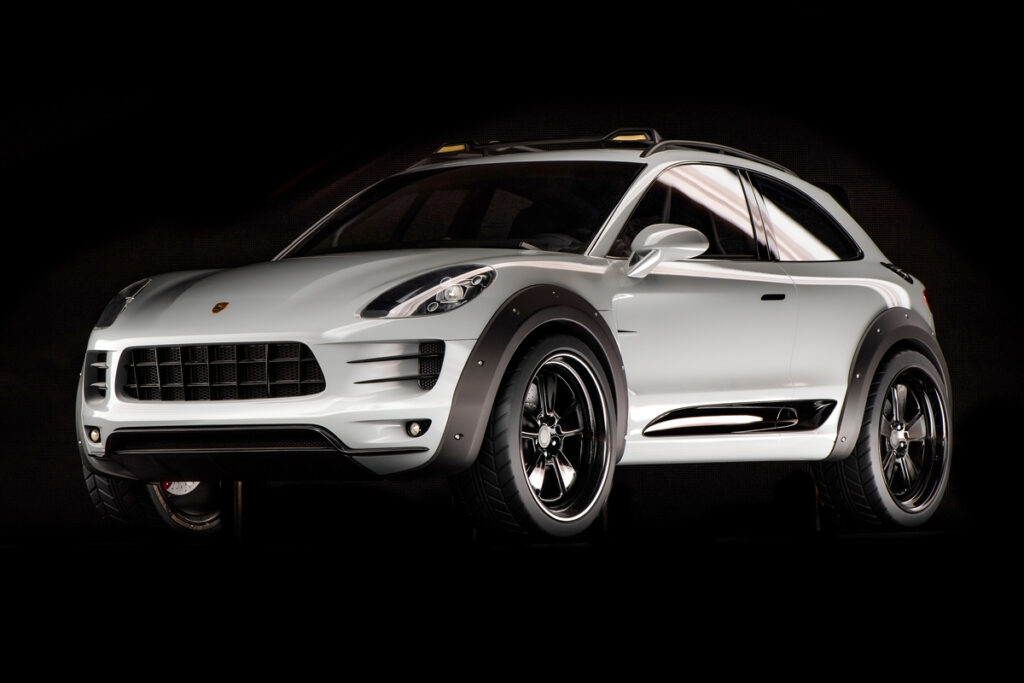
Porsche Macan Vision Safari
Mock-up, 2013
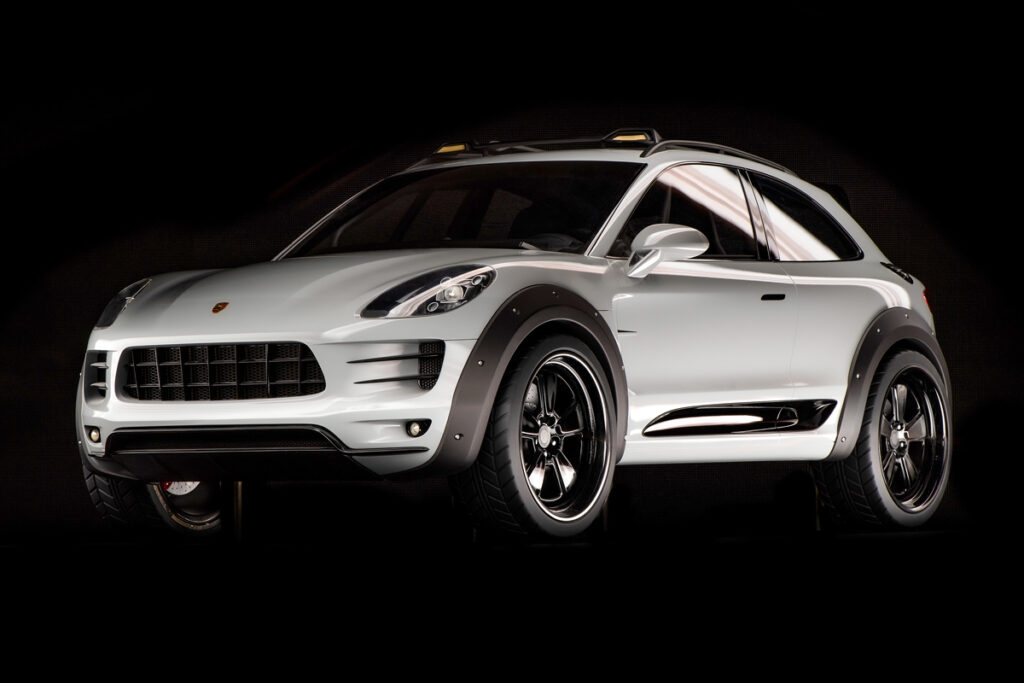
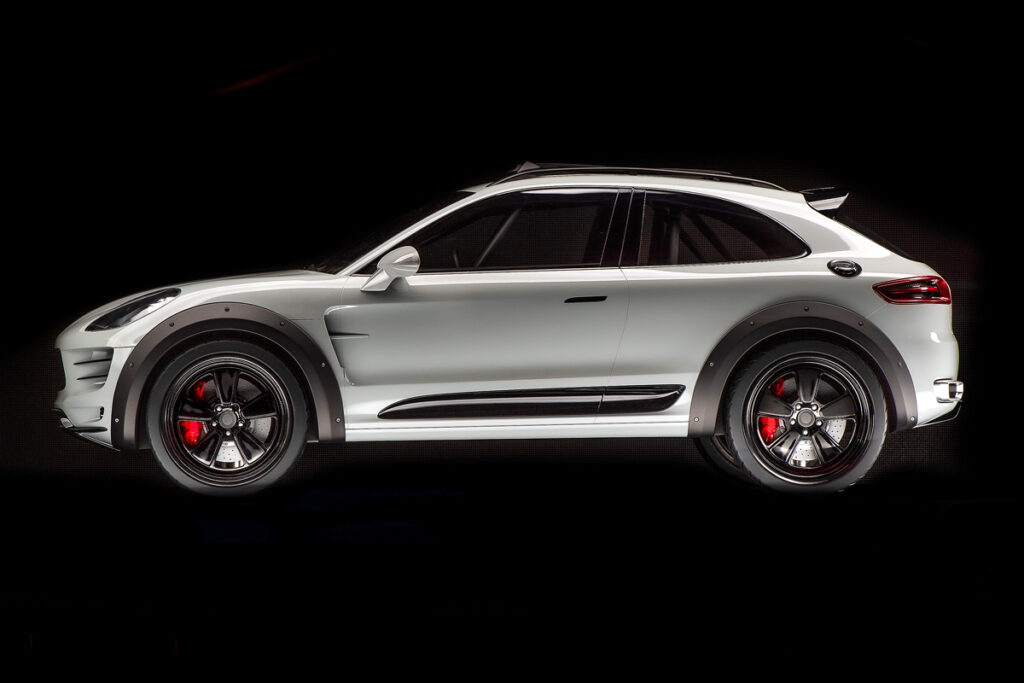
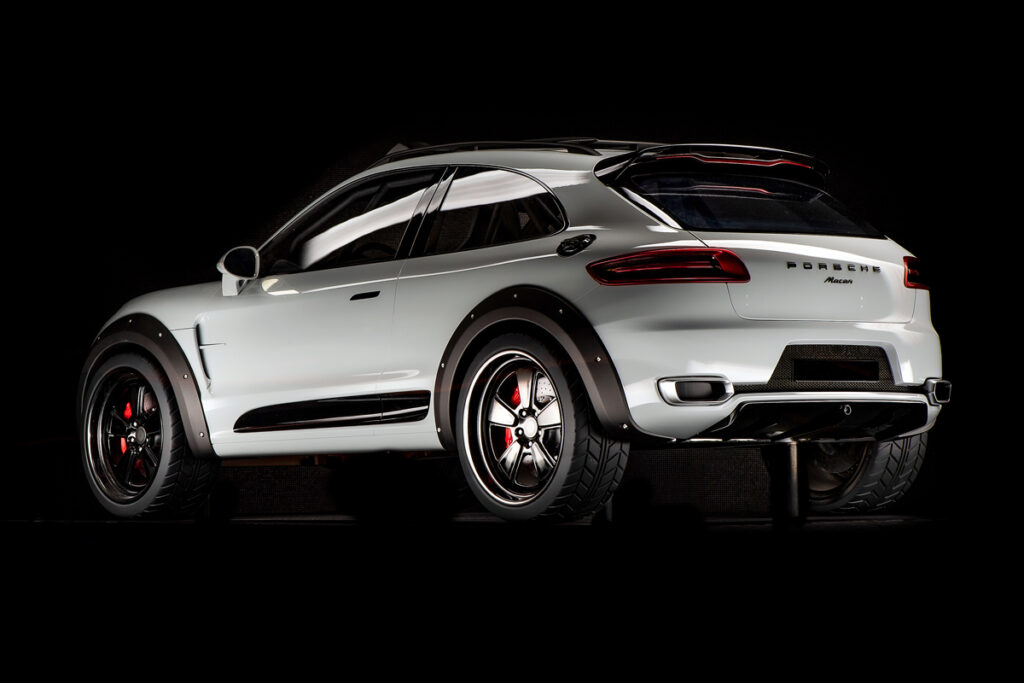
A Safari package made far more intuitive sense on the Macan than on the 911, though the thinking behind it was different. Back in 2013, Porsche was preparing to launch its first compact crossover (sales began in spring 2014), while Land Rover and Mini had already released three-door crossovers — the Evoque Coupe and the Paceman. Was a similar three-door body style worth building for the Macan? History says no: both Land Rover and Mini eventually discontinued their three-door models due to weak demand. Porsche’s own coupe-style crossover instead arrived as the five-door Cayenne Coupe.
Porsche Supercar and Hypercar Concepts
Mock-ups and clay models, 2005—2019
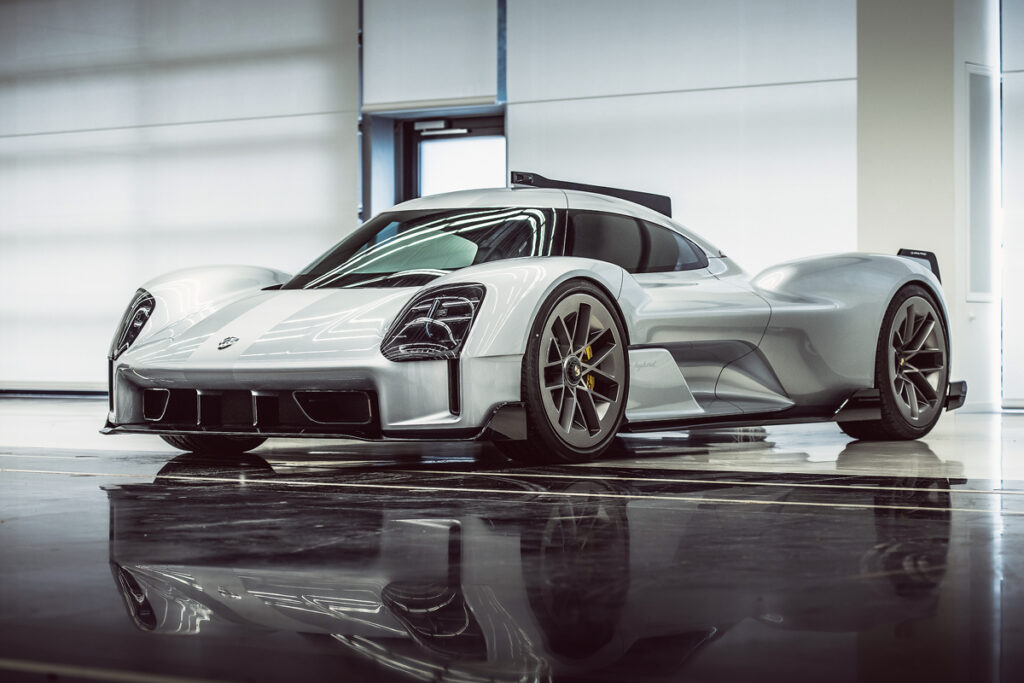
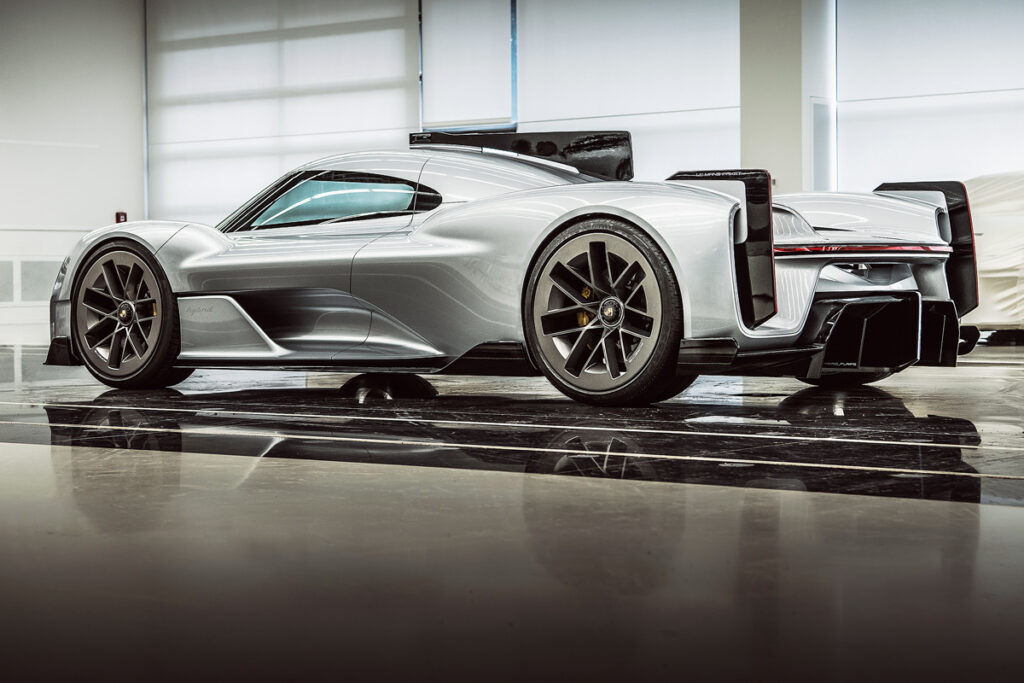
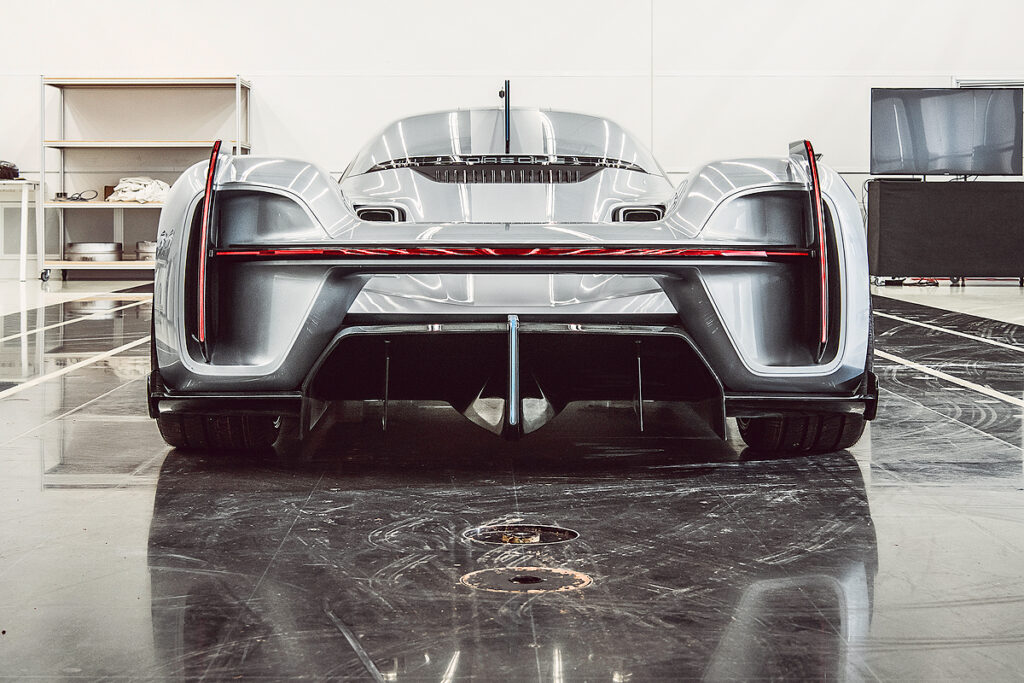
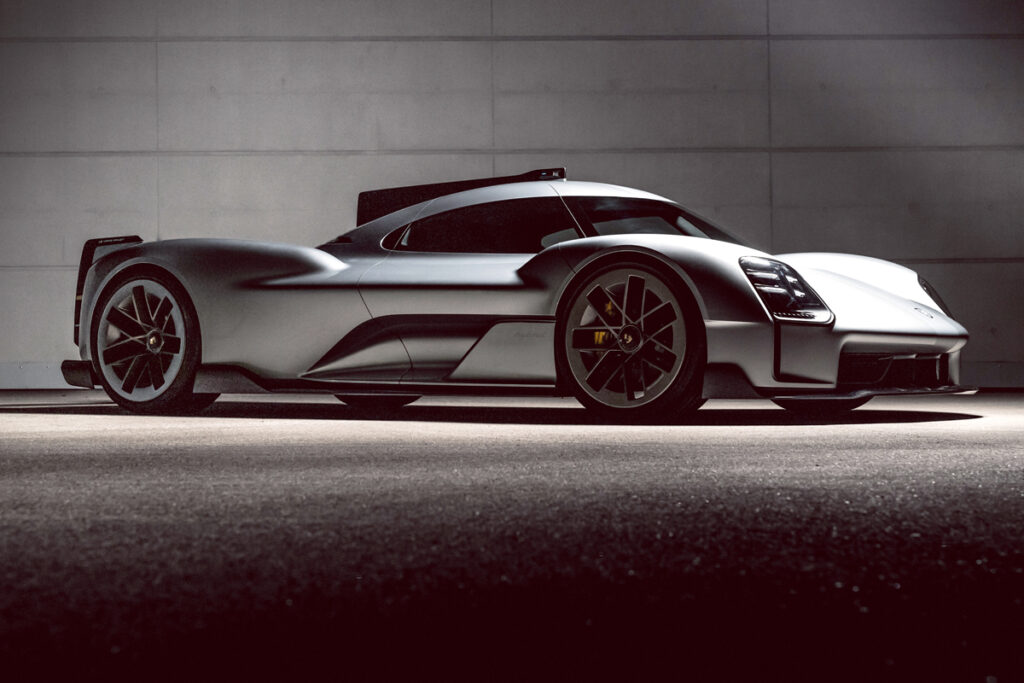
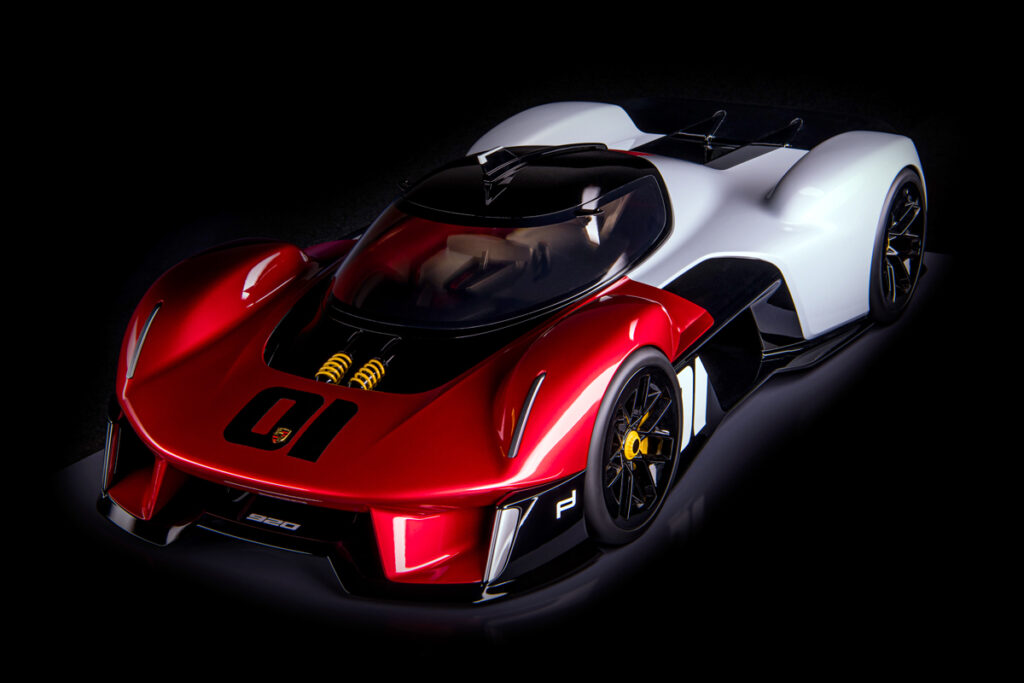
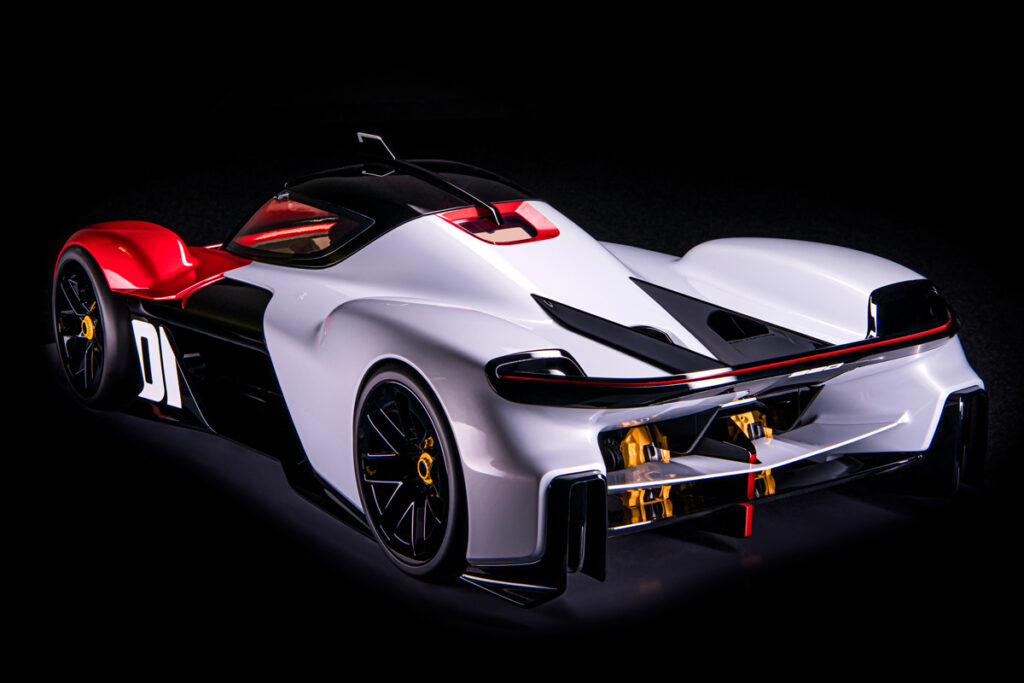
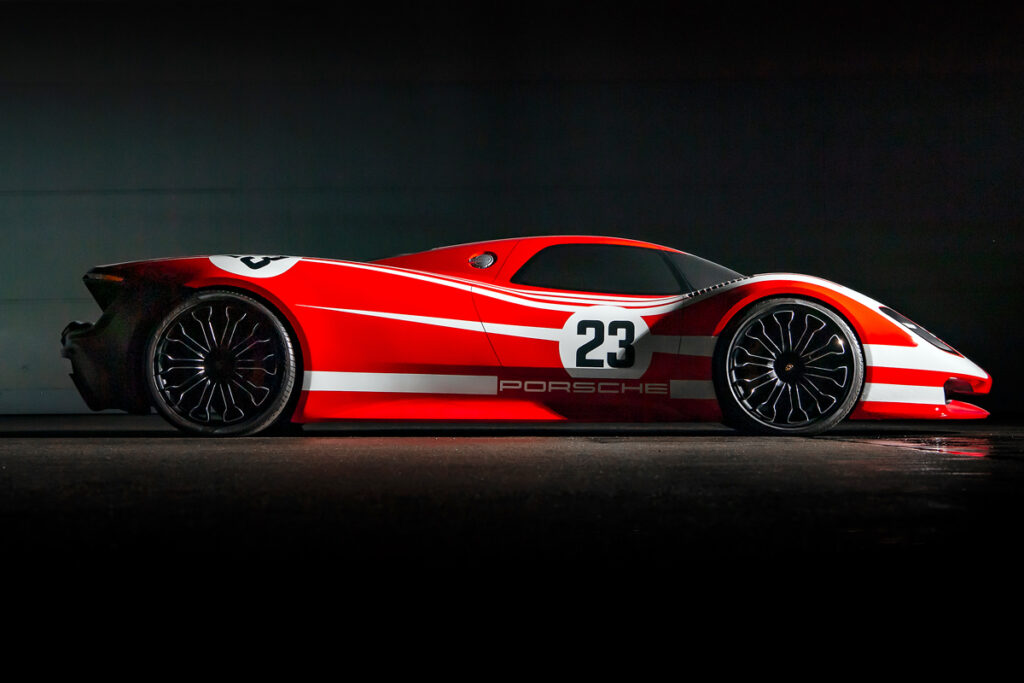
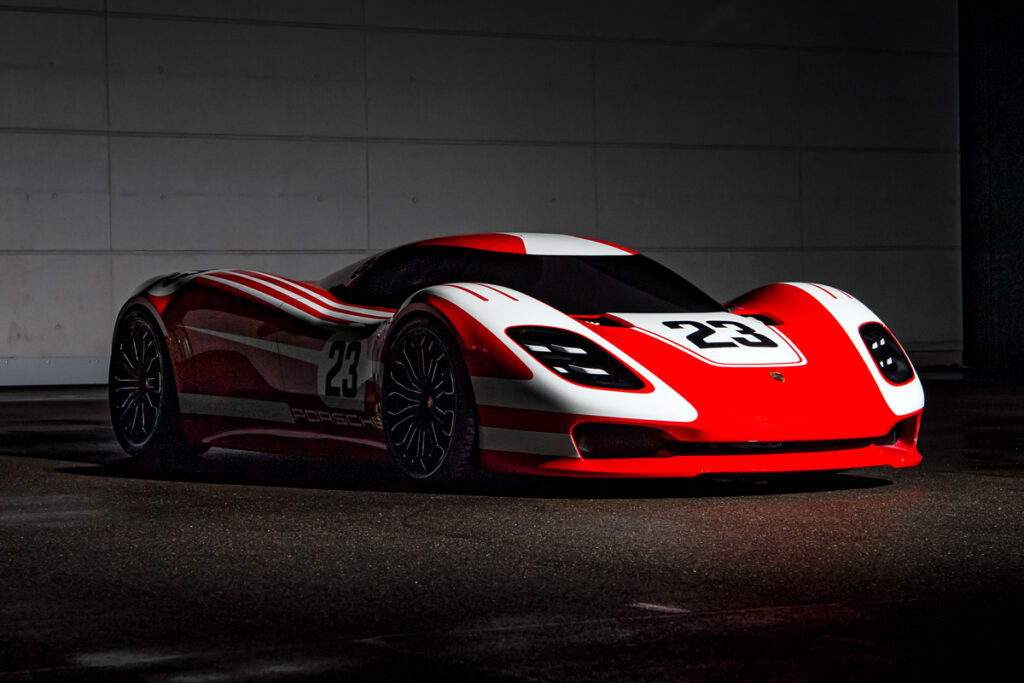
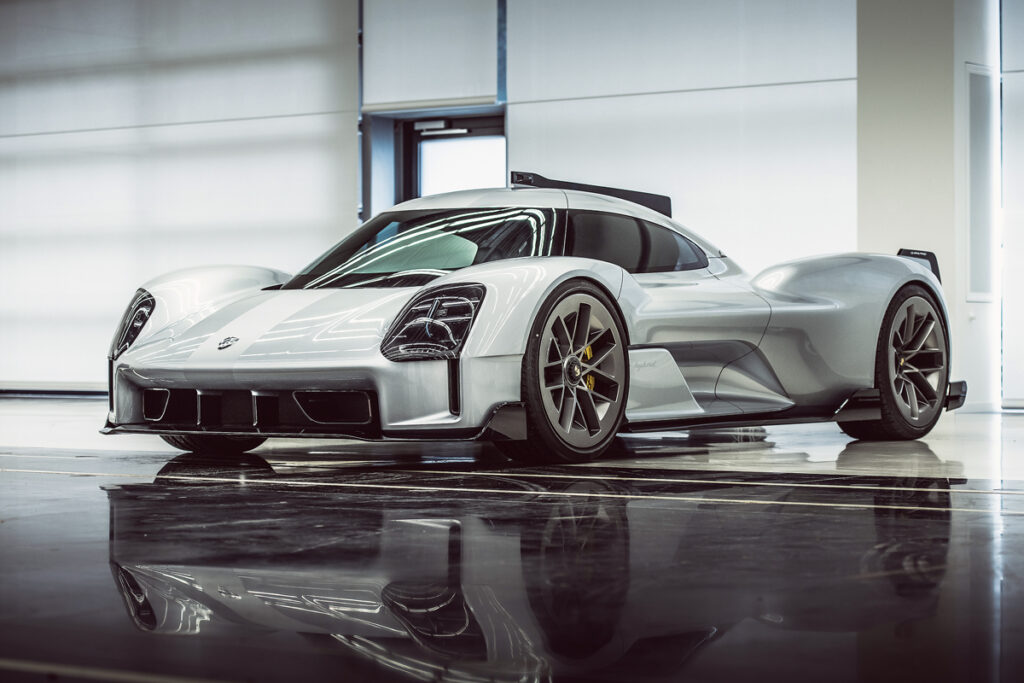
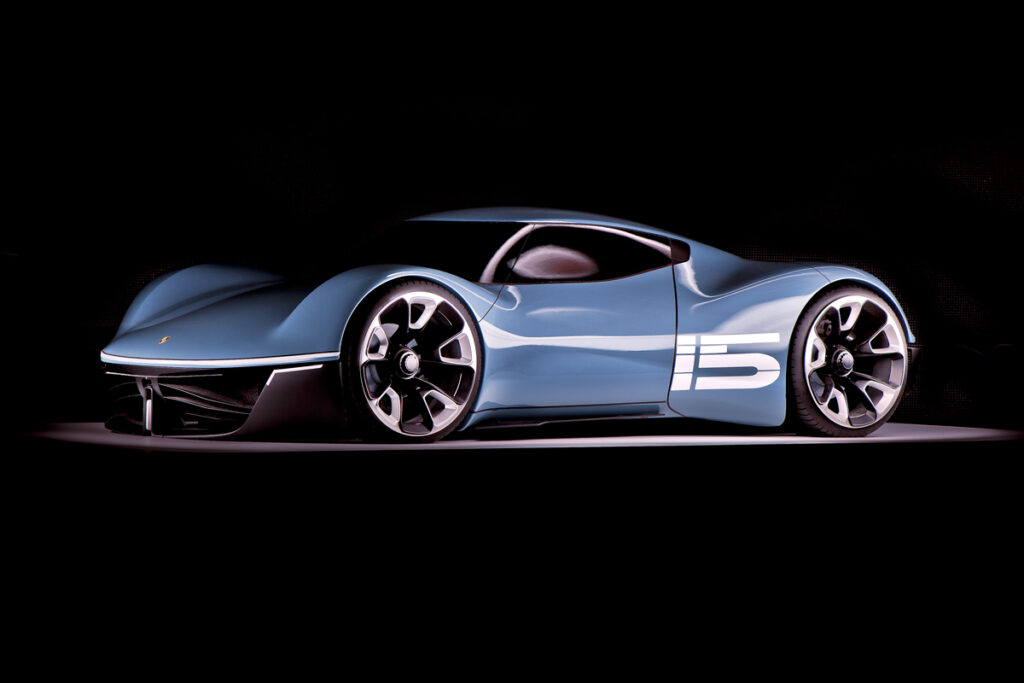
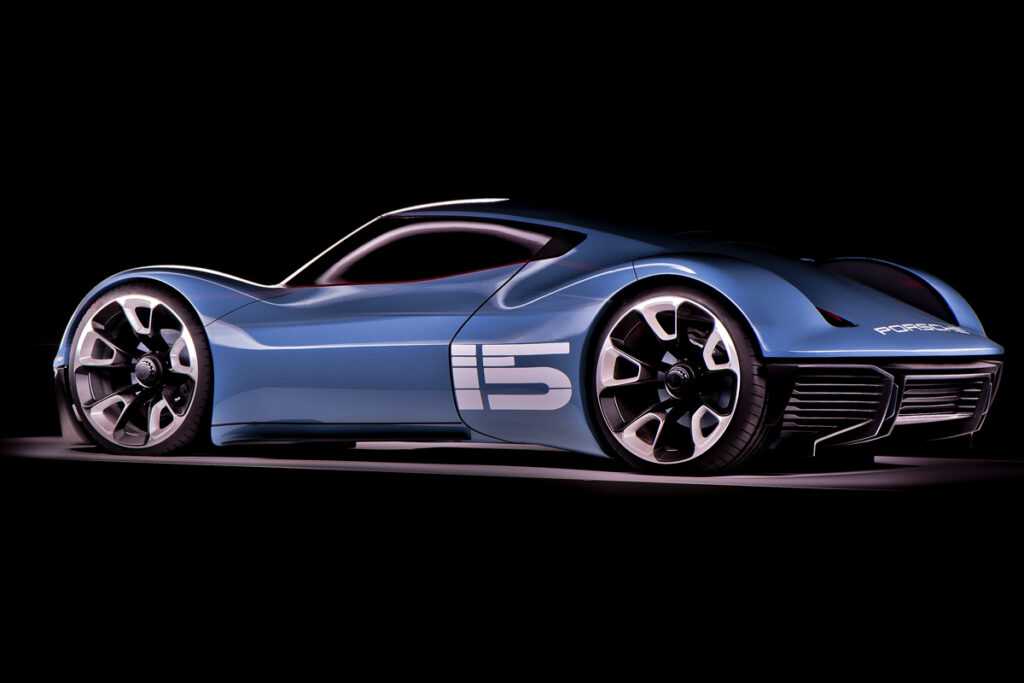
A separate folder in the Unseen portfolio was dedicated entirely to supercar and hypercar projects — six distinct concepts, all existing only as mock-ups or clay models. In other words, Porsche didn’t show a single finished car in this category. But given that three of the six projects date to 2019 and another to 2017, it’s clear the Weissach studio has been hard at work on a future flagship road car. Every project draws inspiration from Porsche’s Le Mans-winning race cars — the 906, 917, or 919 — though the 919 Street project proved that turning a race car directly into a road car isn’t so simple:
- Porsche 919 Street (2017): Conceived after three straight Le Mans wins, the idea was to offer wealthy buyers a limited-edition road-legal version of the winning car. The plan collapsed once the engineering reality set in — a team of mechanics needed 45 minutes just to start the 919 Hybrid’s engine, meaning support crews would have had to travel the globe for every private drive.
- Porsche Vision 920 (2019): A revival of the customer race car concept, this time based on LMP1 technology.
- Porsche Vision 918 RS (2019): An evolution of the 918 Spyder hypercar, which appeared to be the most production-viable direction of the group.
- Porsche Vision E (2019): An electric supercar concept built around an 800-volt battery system.
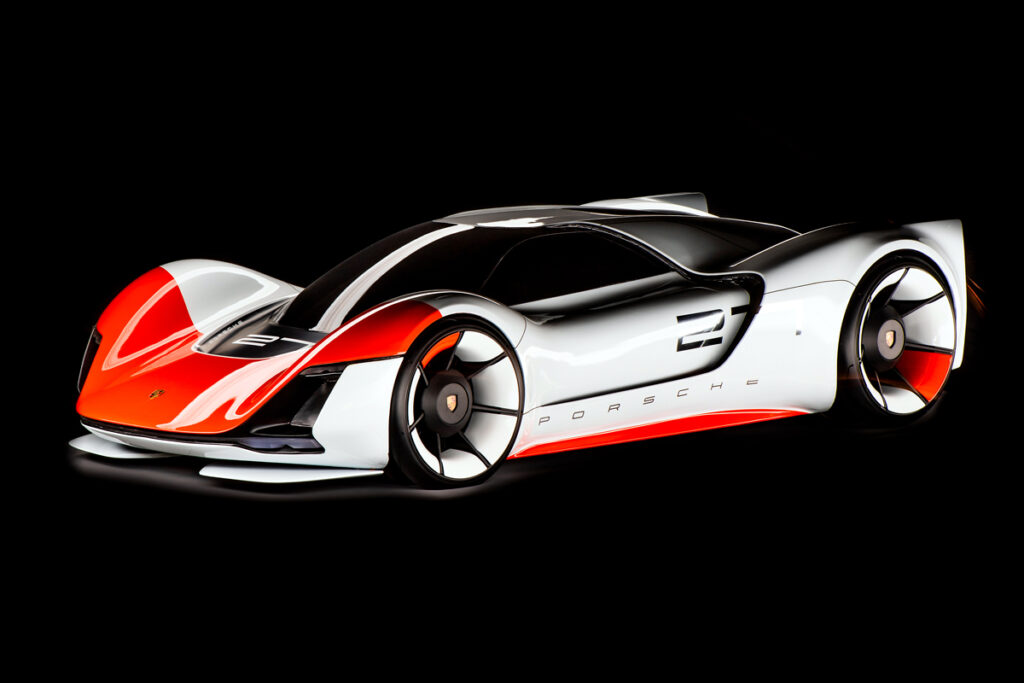
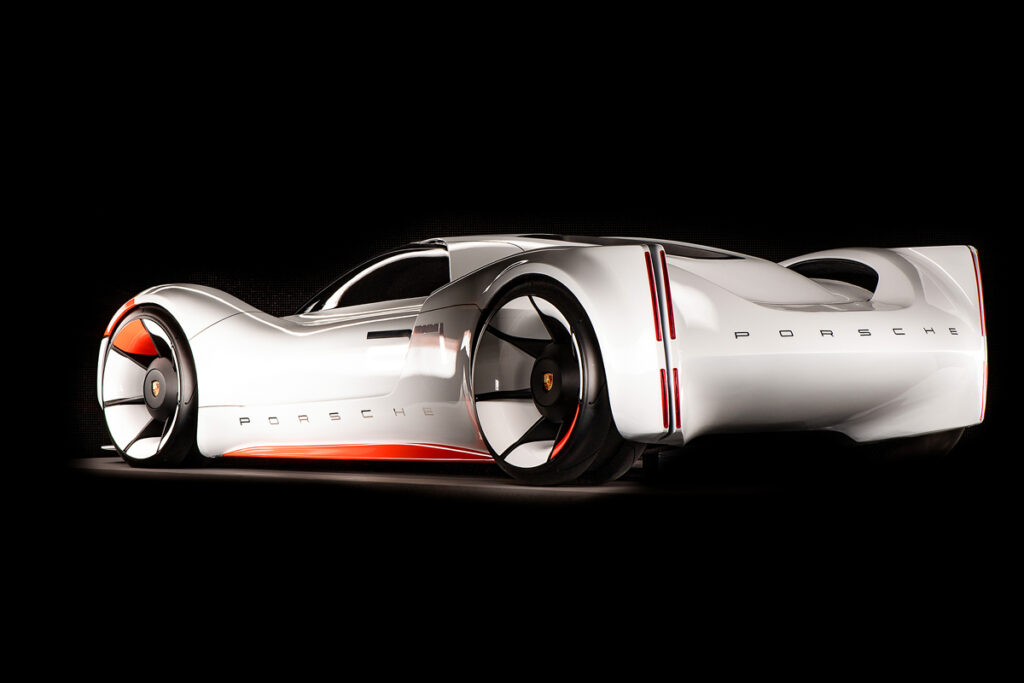
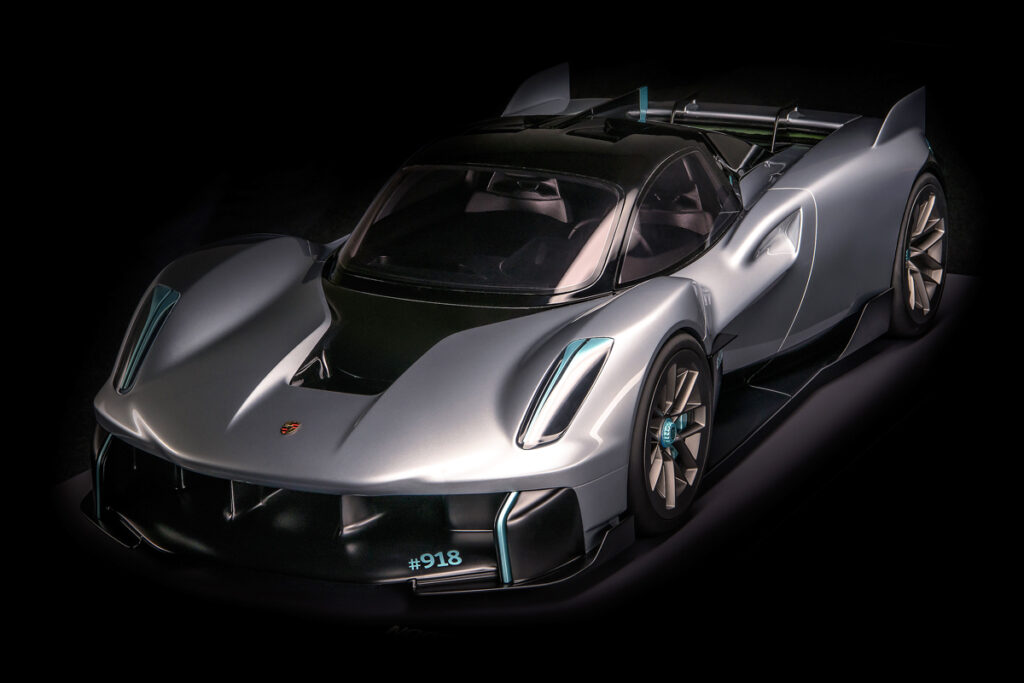
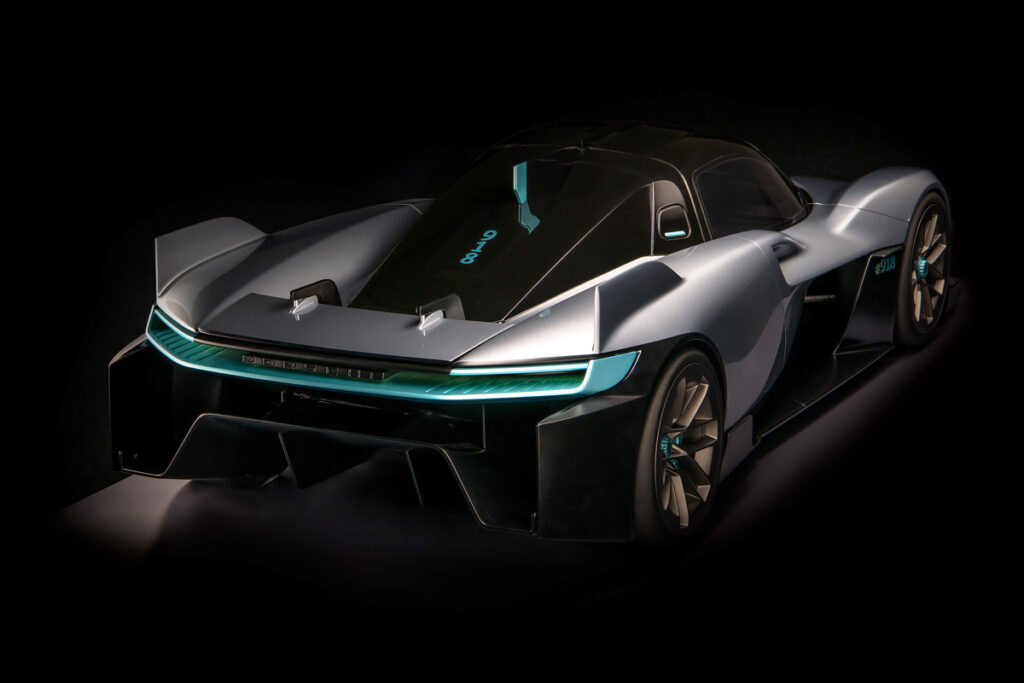
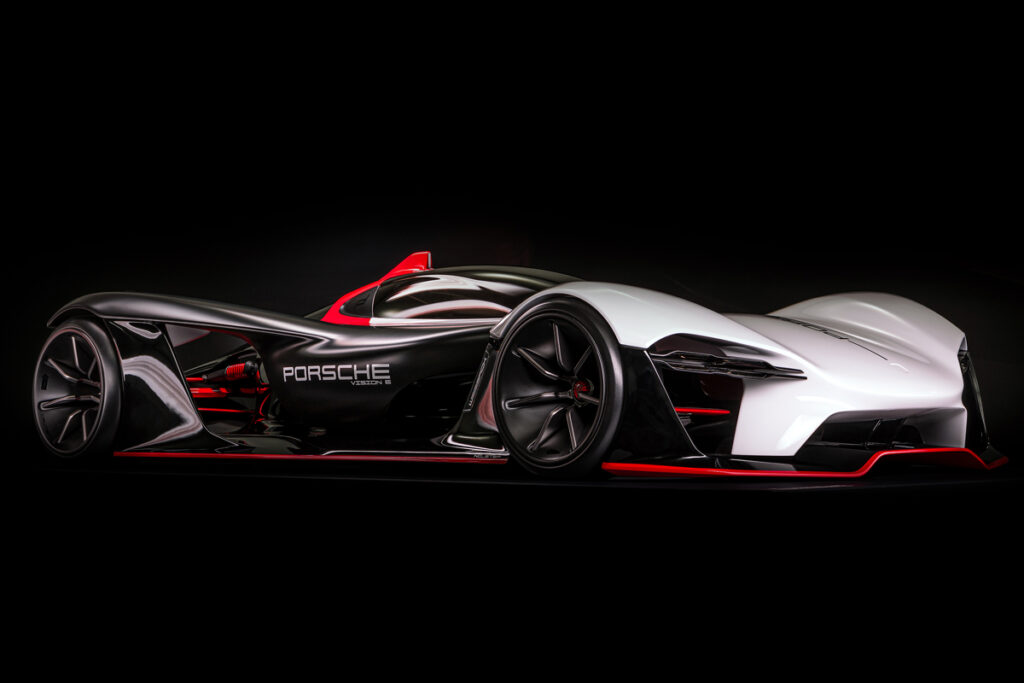
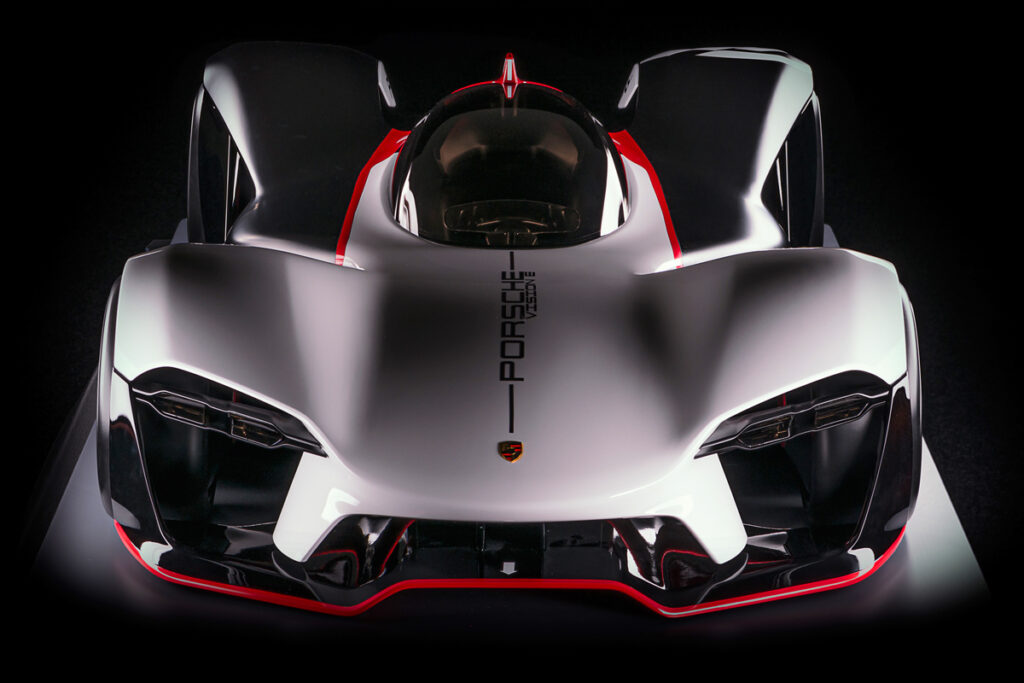
Photo by Porsсhe
This is a translation. You can read the original article here: Секретные проекты Porsche: минивэн, внедорожник 911, два цилиндра и другие

Published June 29, 2023 • 18m to read