
Gaev. Yes… This is something extraordinary… (Feeling the wardrobe.) Dear, highly esteemed wardrobe! I salute your existence, which has been dedicated to the bright ideals of goodness and justice for over a century; your silent call to productive work has not waned, perpetuating the vitality and faith in a brighter future and nurturing ideals of goodness and social consciousness in our lineage.
A.P. Chekhov, “The Cherry Orchard”
The Scent of Japan
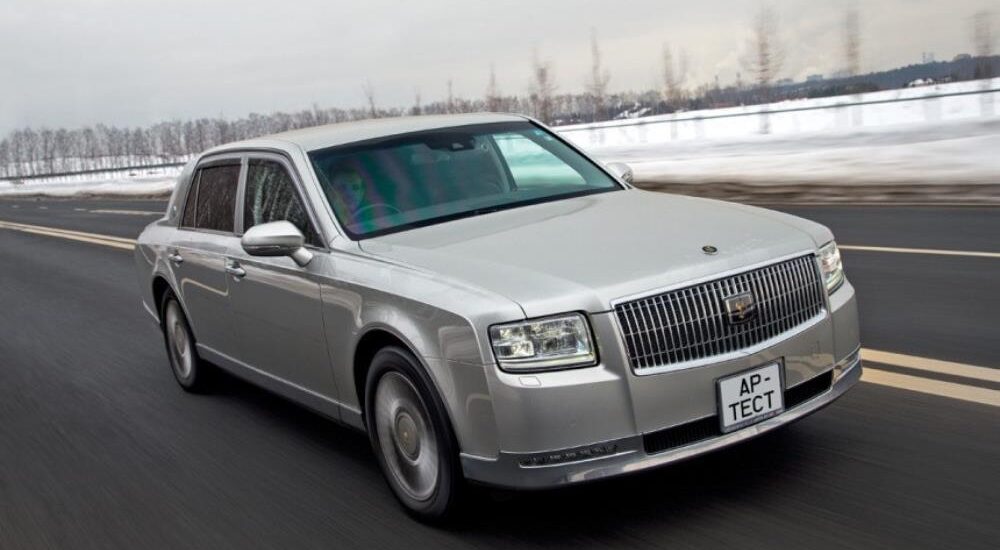
The aroma is unmistakable from the first notes, from the first steps on the carpets of Tokyo’s Narita airport. A sweetly spicy fragrance, distinctly un-European. I had nearly forgotten it — and then I got into the Century and it closed over me again. This is the scent of a flagship Toyota. This is the scent of Japan.
A Rare Bird, Even at Home
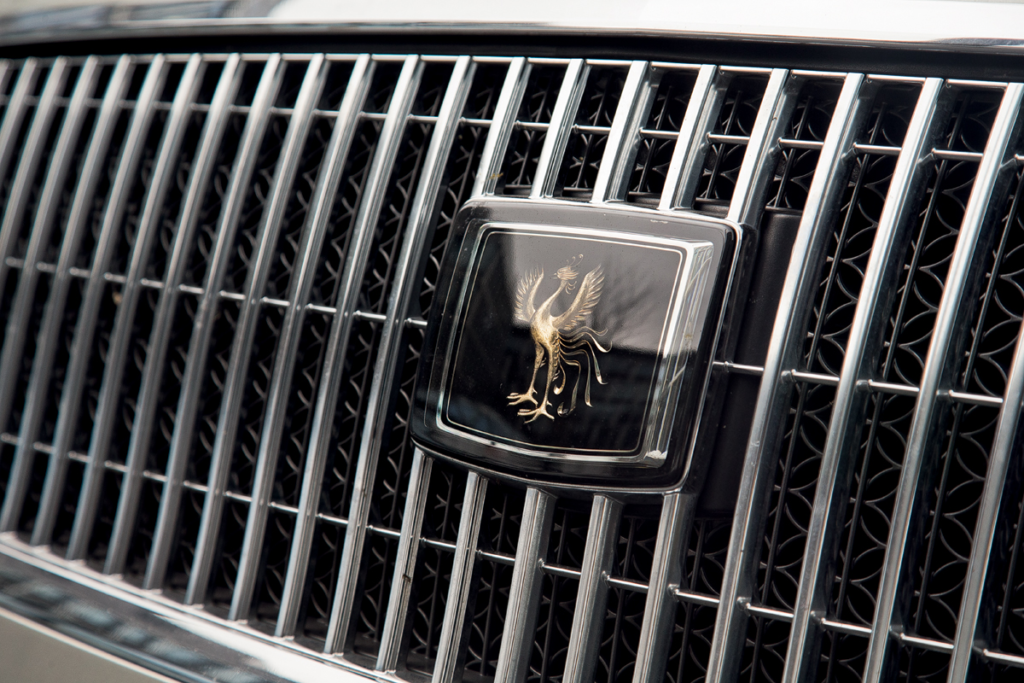
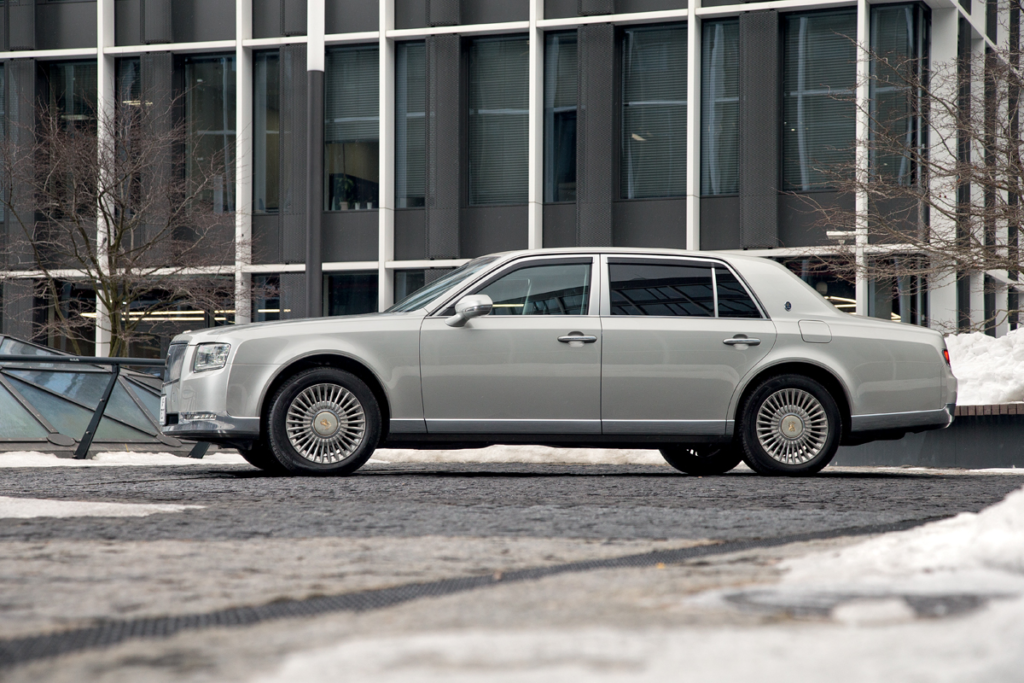
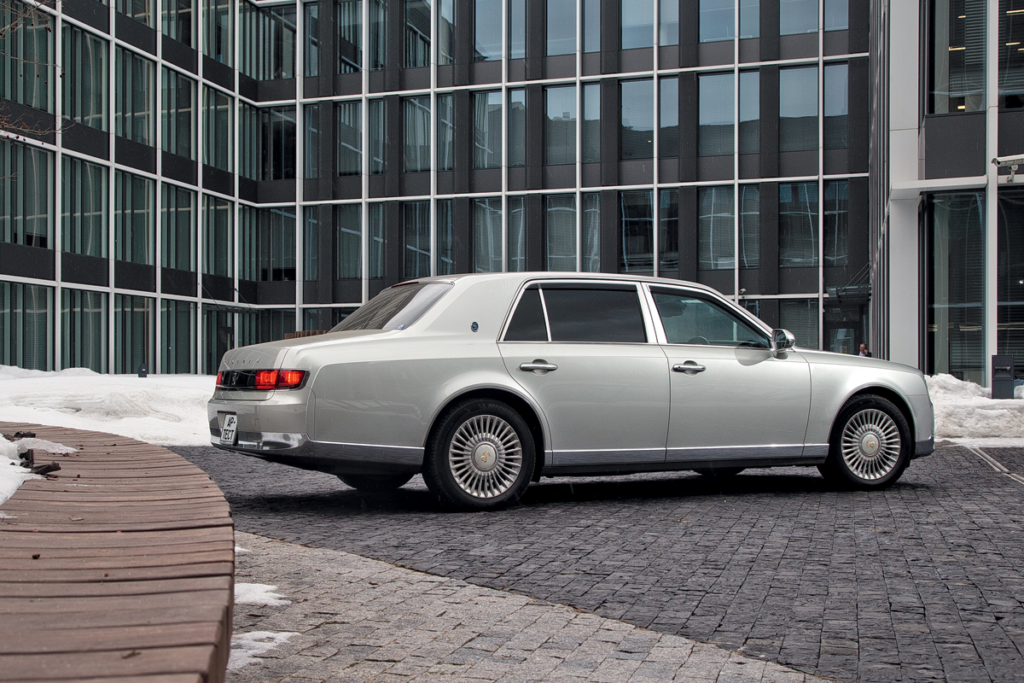
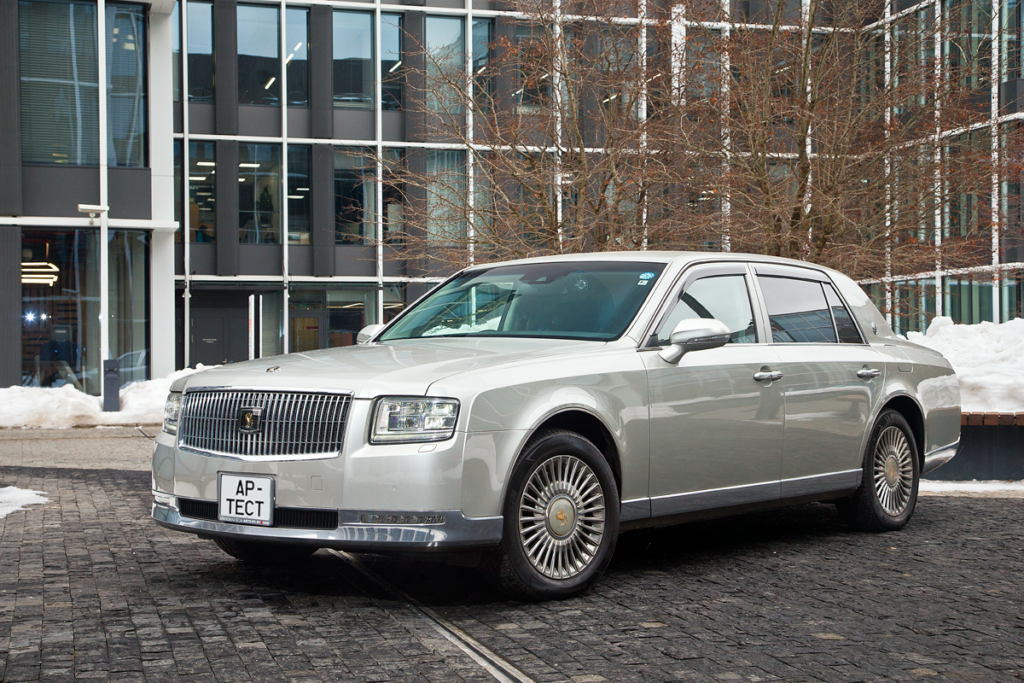
The front is sleek, as though ironed; the silhouette recalls an old Rolls from the ’70s; and the emblems caricature some plucked bird in gold on black. What kind of bird? One that is rare not only in our part of the world but in its homeland too: the third and current generation of the Toyota Century. A collector — and a long-standing reader of ours — named Ivan bought this 2018 car with about 80,000 kilometres on it from Japan without a second thought. And I find myself… envious?
It’s Complicated
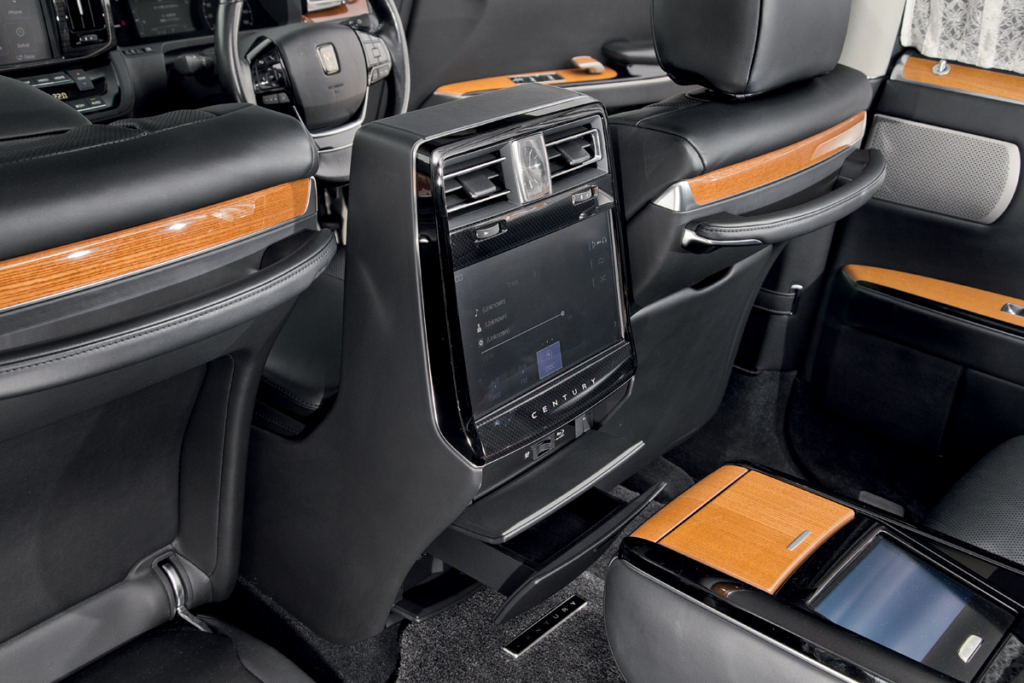
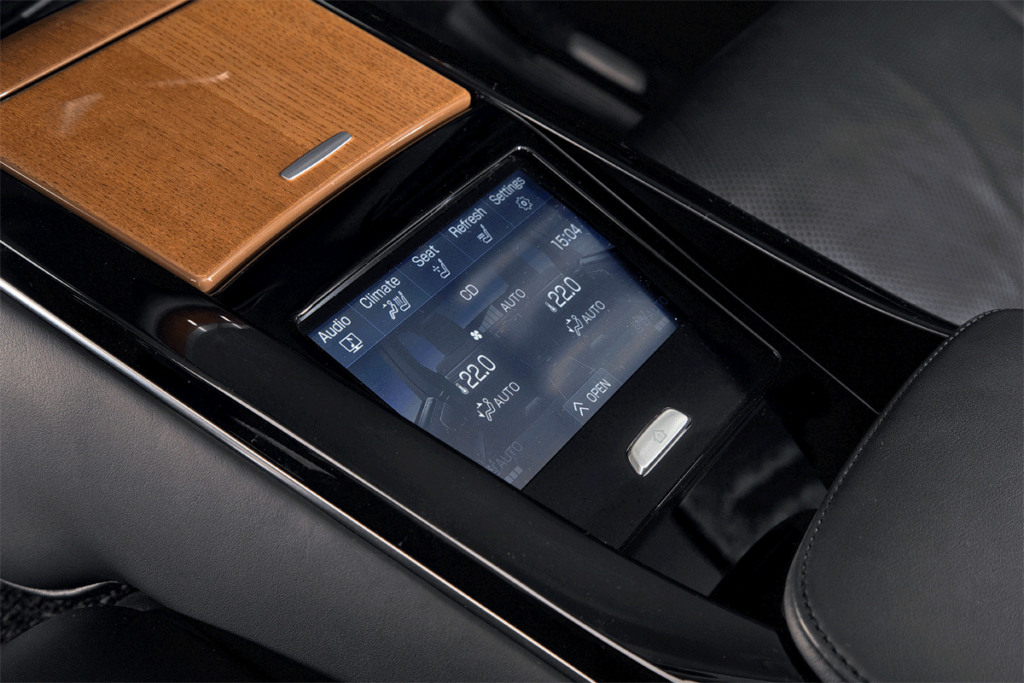
The design looks as though a Chery Amulet had dallied with a GAZ-14 Chaika. Quality? The plastics along the top edge of the rear window fit awkwardly, the open doors visibly shake at idle, and the driver’s door handle, which resembles an arcade joystick, is already loose. There is wear on the interior details, and the massage function in the rear seats has the pulse of a dying man. And then there is that chest-of-drawers television for the rear passengers.
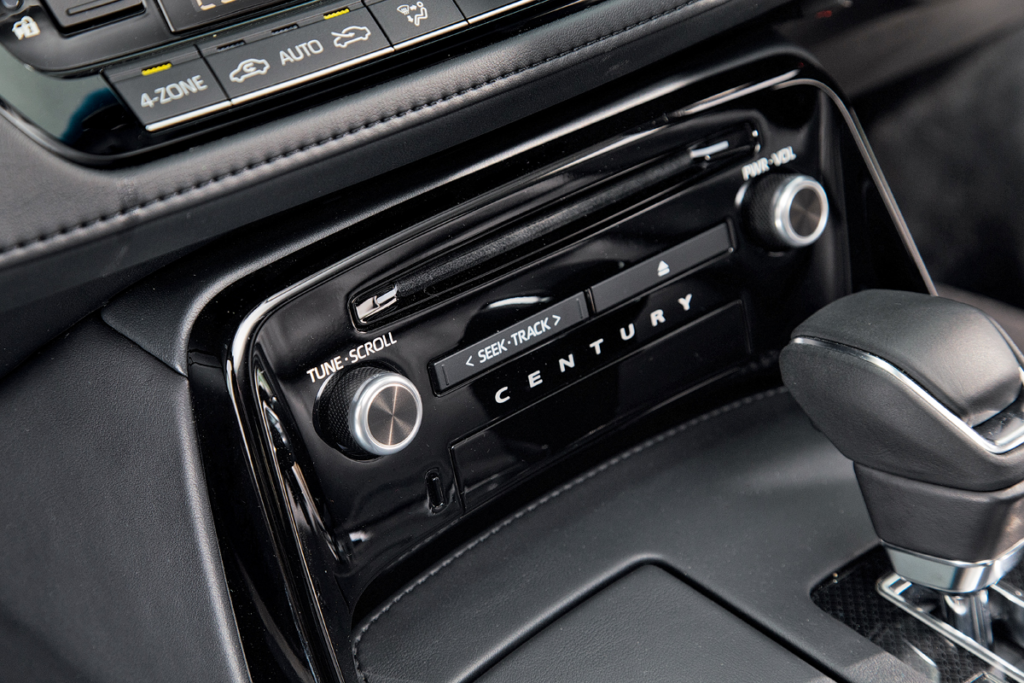
I will spare you the details of the multimedia interface. This is Toyota, after all. It is a tearful embrace.
Japanese Little Things, Everywhere
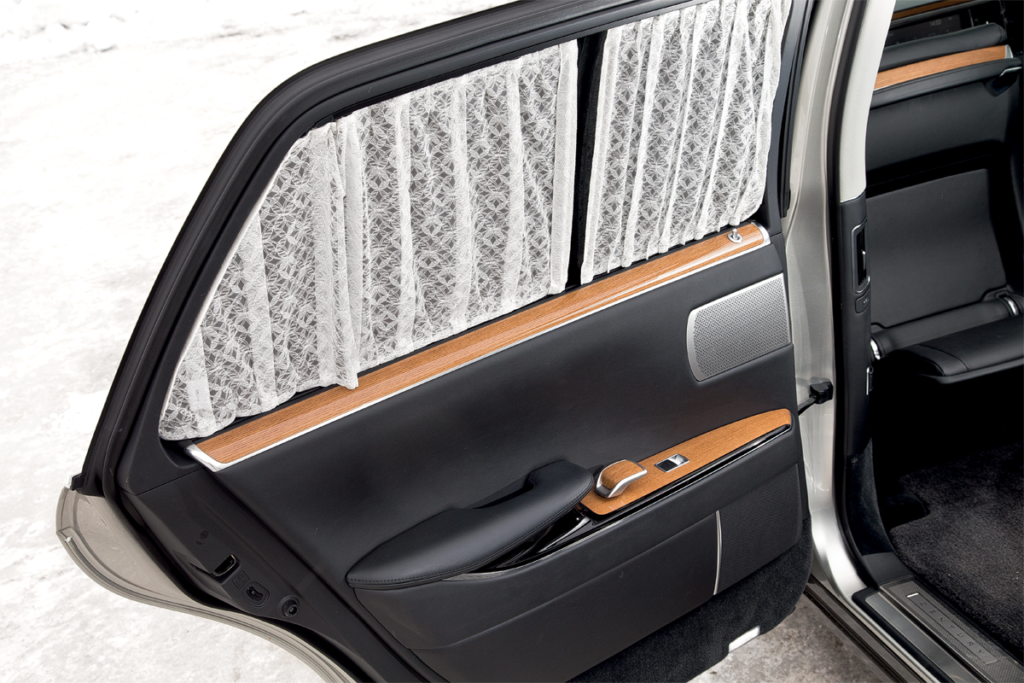
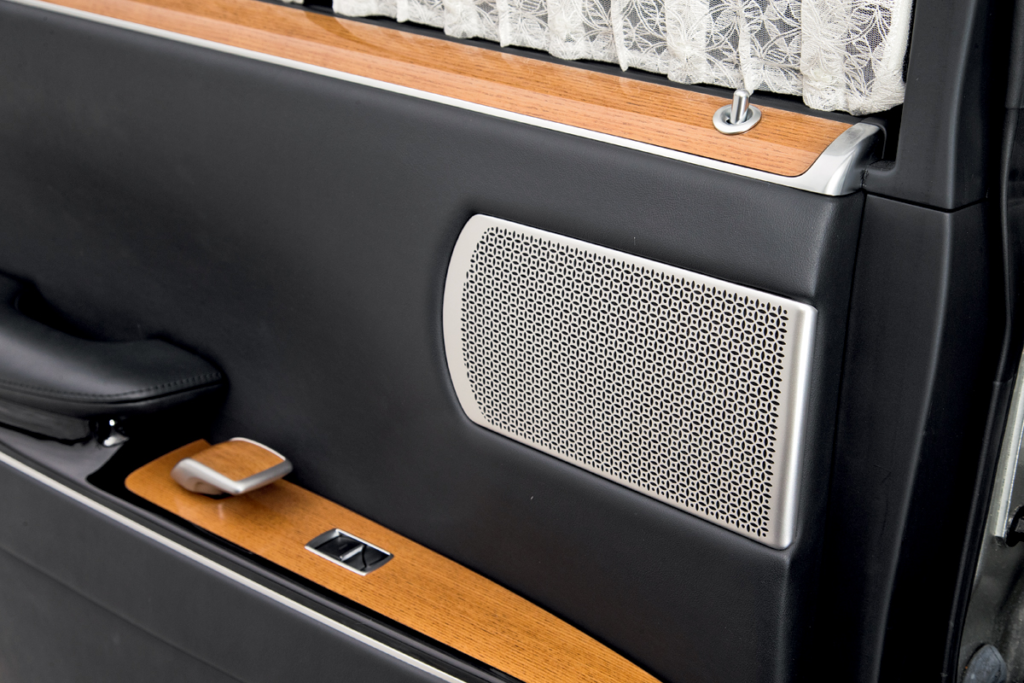
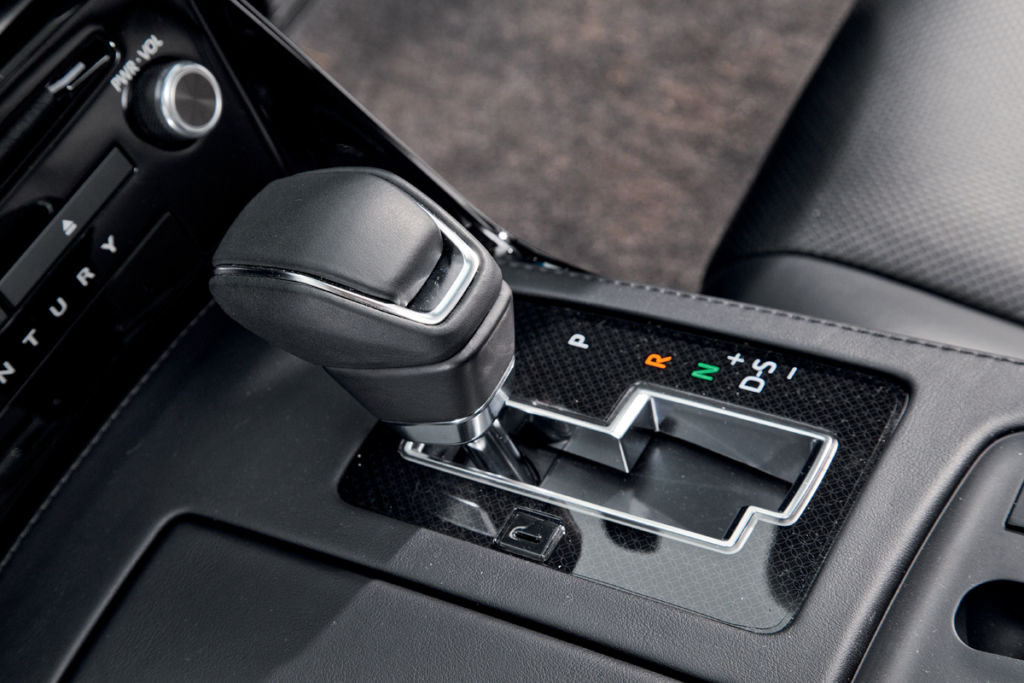
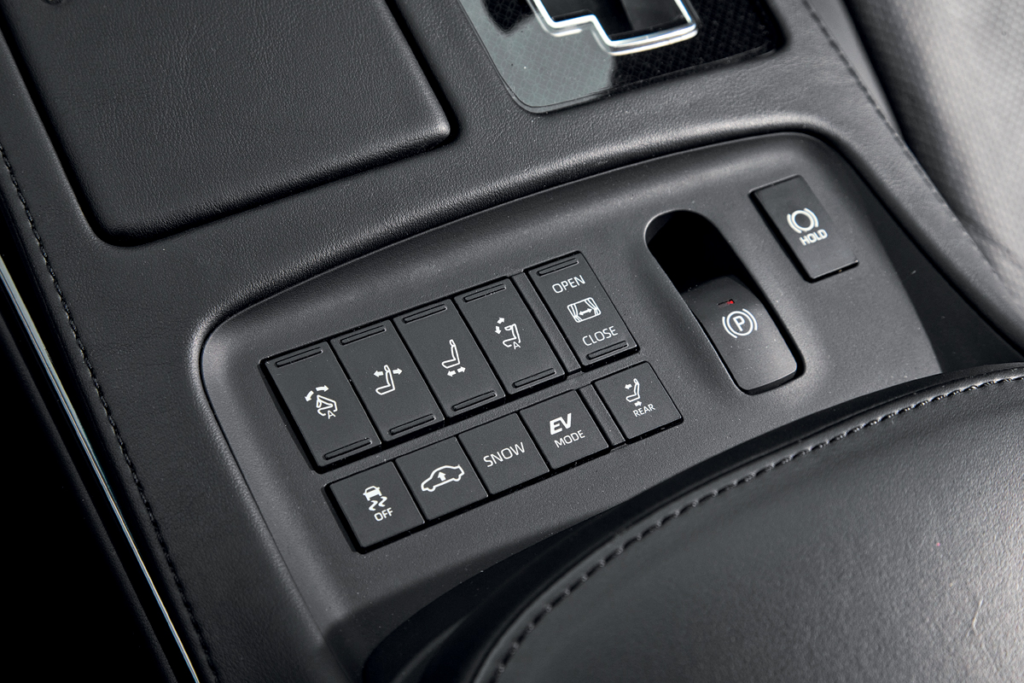
You meet them literally everywhere — those typically Japanese nonsensical details, like the alien rectangular buttons or the exposed screw in the steering column shroud. Engage reverse and a servo parts the curtains on the rear window with a loud crunch and groan; the cords on the side windows have to be pulled aside by hand. Gently, unless you want to tear the spokes out of their fragile plastic clips.
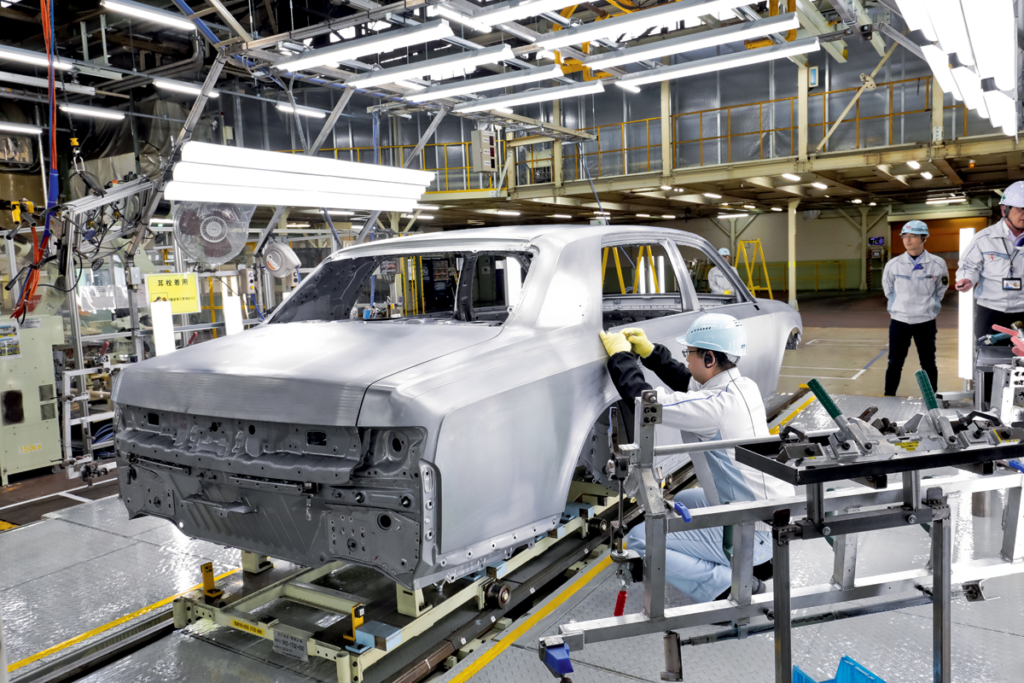
For more than half a century, the Century was assembled at the Higashi-Fuji plant of Kanto Auto Works, which had been a Toyota contractor since 1948, and which had existed since 1946. Ivan’s car was also assembled there. Alas, at the end of 2020, the legendary production was closed, and the Century was transferred to the Motomachi plant in Toyota City.

The Most Expensive Toyota There Is
This is, incidentally, the most expensive Toyota: hand-assembled, built at a rate of only 50 cars a month, and priced from 20 million yen. Today that is roughly $130,000, but back in 2018, when the third generation reached the market, the yen was stronger — $180,000. Not a small sum.
And in the six years since production began the Toyota Century has not changed at all: the same sedans roll out of the factory gates in Toyota City today.
On the Throne in the Back
In the back seat you reign as if on a throne, seated higher than in a BMW 7 Series, let alone an S-Class. There is ample headroom, and the ceiling trim at the rear is different from the driver’s part of the cabin, which is plainer. Ivan regretted that this car came with leather seats, and I understand him: traditionally the Century is trimmed in genuinely cosy wool.
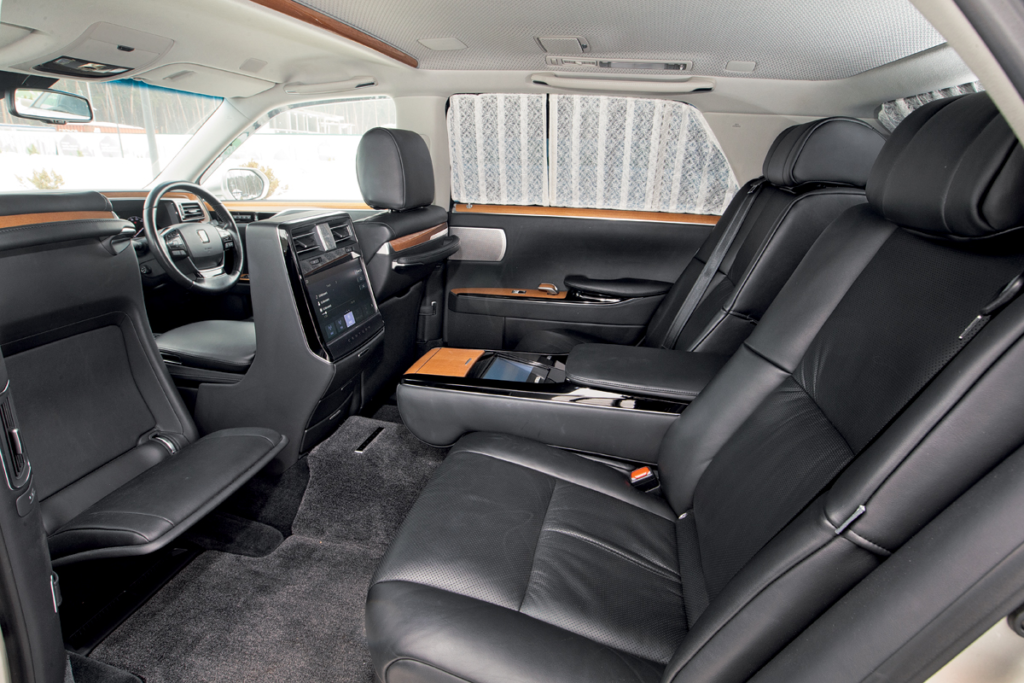
If you move the front seat all the way forward (the range is surprisingly small) and fold down the ottoman, you can stretch your legs even without the Century’s traditional optional hatch in the back. But you can only dream of German comfort here.
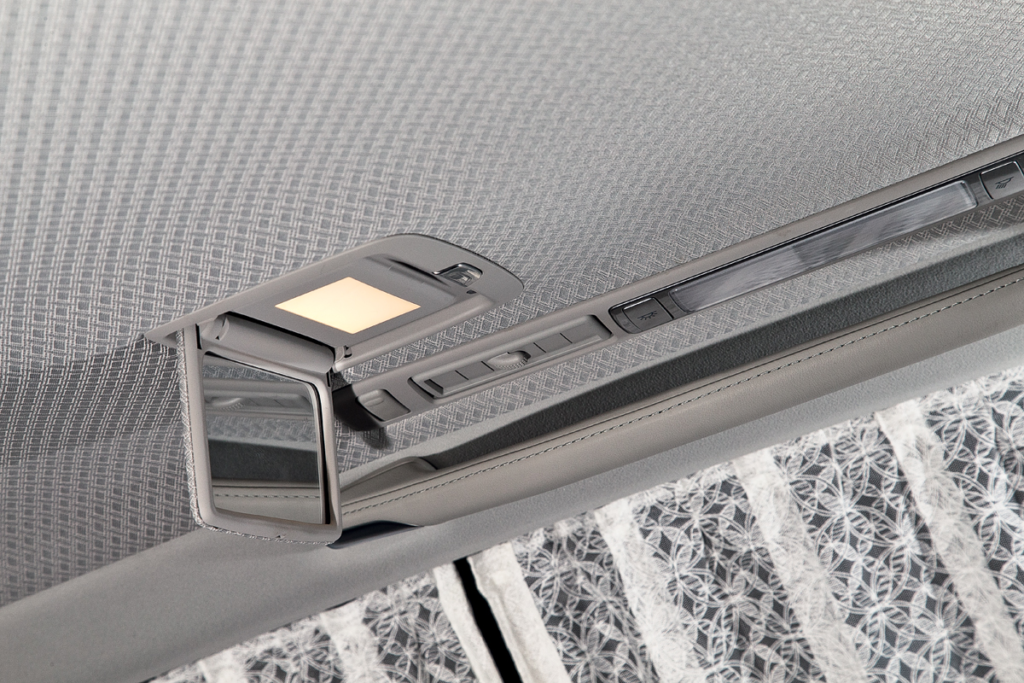
The wool upholstery of the rear headliner has a traditional Japanese manji pattern, symbolizing vitality.
But Relaxation Eludes You
Even reclined fully, stretched out on the fold-out ottoman, you do not truly relax. This is not one of your premium Germans with their meticulously worked-out seating: the headrest is uncomfortable and there is no lateral support at all, so you lie in a slightly strained position.
Springs Instead of Foam
And what about the pride of Japanese engineering, the sprung seat base? It is laughable. Yes, the construction damps some frequencies better than ordinary polyurethane foam — and sometimes it produces a resonance instead, as when the driver slows almost to a stop for a speed bump. Once you are over it, your frail body performs three or four small oscillations. Like jelly on a plate.
Where Is the Imperial Silence?
Crossing speed bumps at any pace is uncomfortable whatever the air suspension is set to: you feel every bump and every jolt on the rebound. And where is the promised imperial sound insulation? The active noise cancellation ought to be dealing with tire roar. It is not — road noise is as audible as in any ordinary car.
The engine, on the other hand, is superbly muted. And how good that it has not been silenced completely, because when you press the accelerator…
Better to Drive Than to Be Driven
Paradoxically, I enjoyed driving the Century more than lounging in the back. You would think: right-hand drive, considerable size, no visibility to the left on a right turn. But no. Bliss.
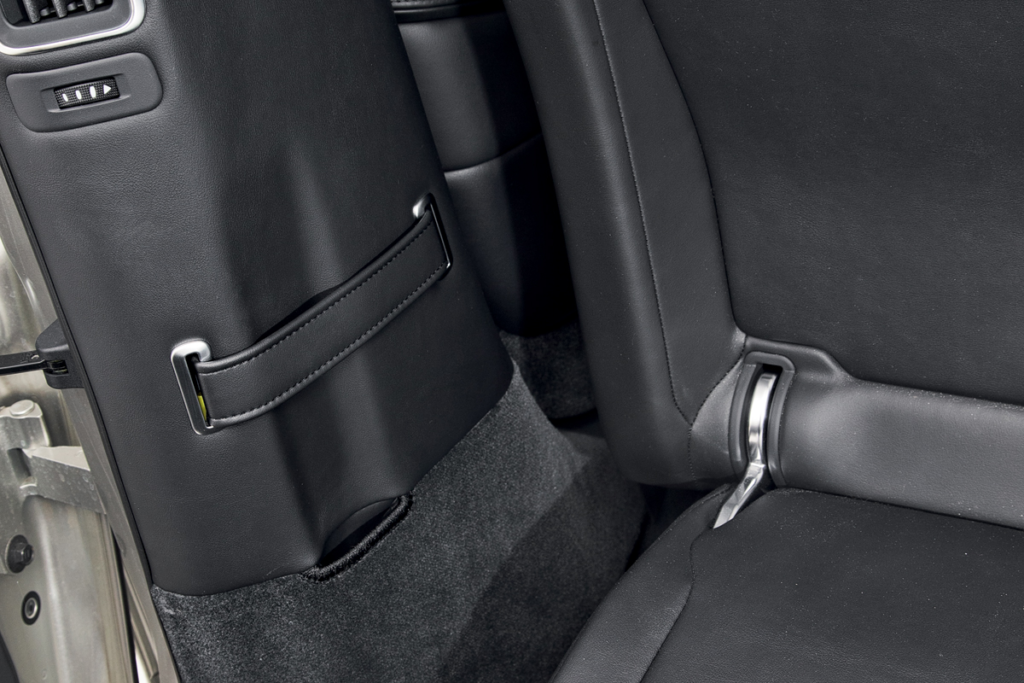
Japan is rainy, so umbrella holders are thoughtfully provided on the pillars.
The Heart of a 2006 Lexus
The Century pulls away with a distinctive smoothness and near silence, over a characteristic electronic hum. Its powertrain is by no means antiquated. Much as Mercedes engineers chose the proven S-Class W140 as the basis for the Maybach V240/W240 in the late ’90s, Toyota chose to keep the heart of the previous Lexus LS 600h of 2006 for the third-generation Century. The new LS had moved to six-cylinder engines, which would have been too drastic a downsizing for a flagship. So they went back to their roots: a V8, as in the first Century built from 1967 to 1997.
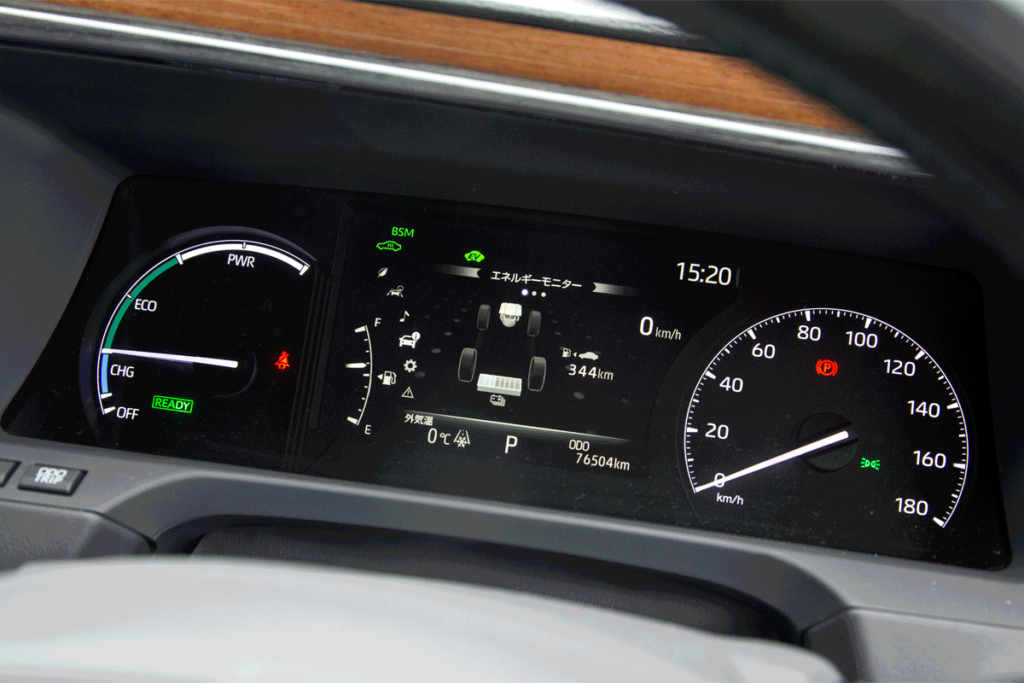
No Tachometer, and No Need for One
The electronic floor-hinged accelerator may lack feedback, but it sends this heavy sedan forward with delightful ease. And the naturally aspirated V8 growls with restrained nobility as the revs rise — though at what RPM exactly is anyone’s guess, since there is no tachometer.
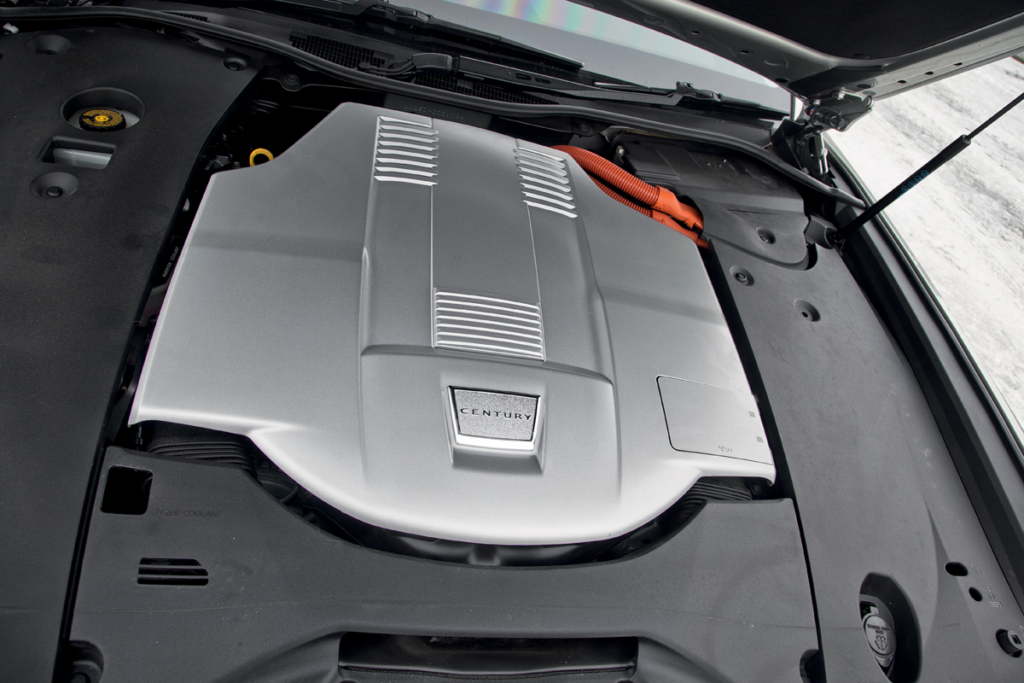
The black and silver plastic of the shields is set off by a yellow ring of the oil dipstick on the left and bright orange “hybrid” hoses on the right.
“The Power Is Adequate”
It is not needed, either. “The engine’s power is adequate” — the century-old Rolls-Royce maxim fits the Century as well. The 2UR-FSE V8, with Toyota’s D-4S combined injection system running both port and direct injection, delivers just 381 horsepower and 510 Nm, and keeps all its driver-focused zeal: in its uprated 2UR-GSE form it powers cars like the Lexus LC 500 and the various F models. On top of that comes one of the two motor-generators built into the Hybrid Synergy Drive’s planetary variator with its two-stage reduction gear, adding another 224 horsepower and 300 Nm.
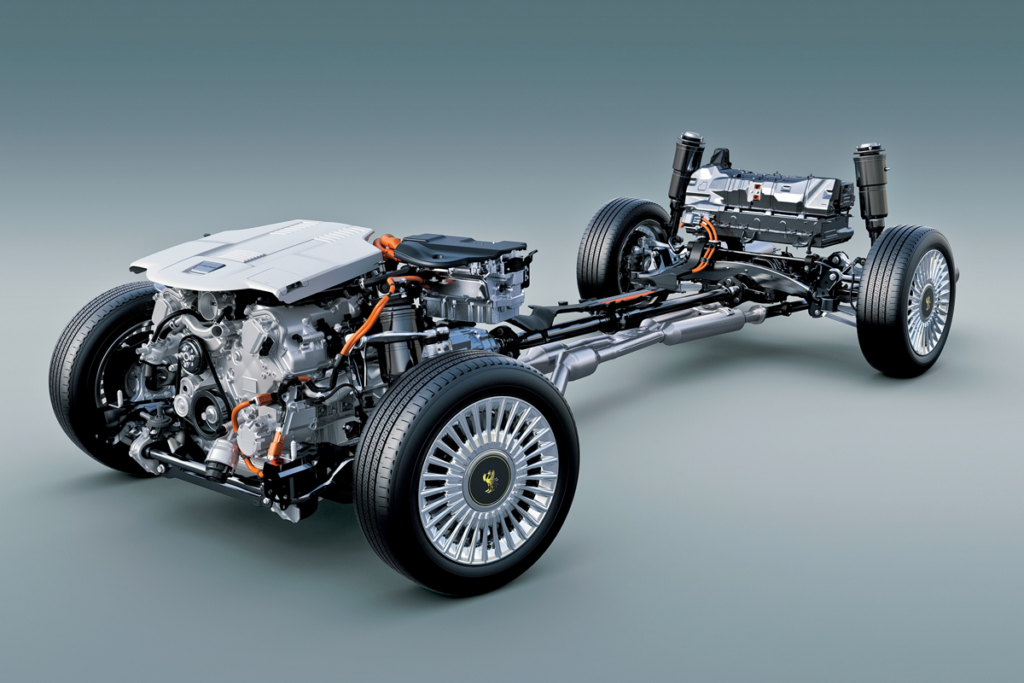
There is little official information about the Century: for example, I did not find any system torque figures, nor any information about the body design or steering. But at its core, this is a 2006 Lexus LS 600h with air suspension and amputated front-wheel drive.
7.9 on the Display
The average consumption figures astonish: 7.9 km per liter showing on the screen. That is what the Atkinson cycle does. In the more familiar l/100 km it comes to only 12.7. And note that where the Lexus LS 600h had all-wheel drive with a Torsen centre differential, the Century makes do with rear-wheel drive alone.
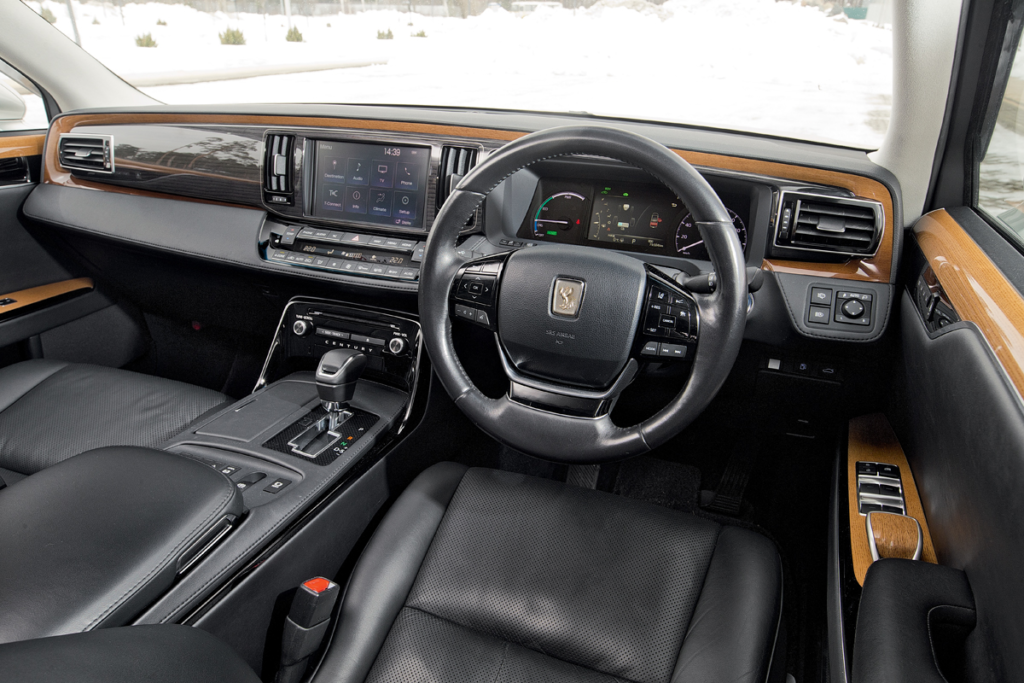
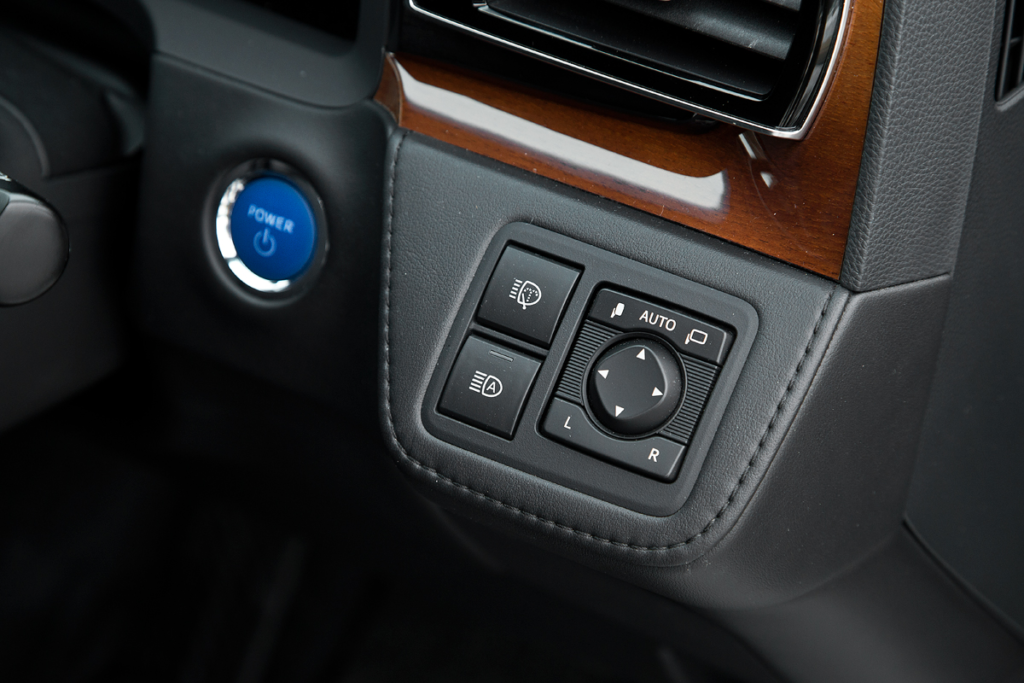
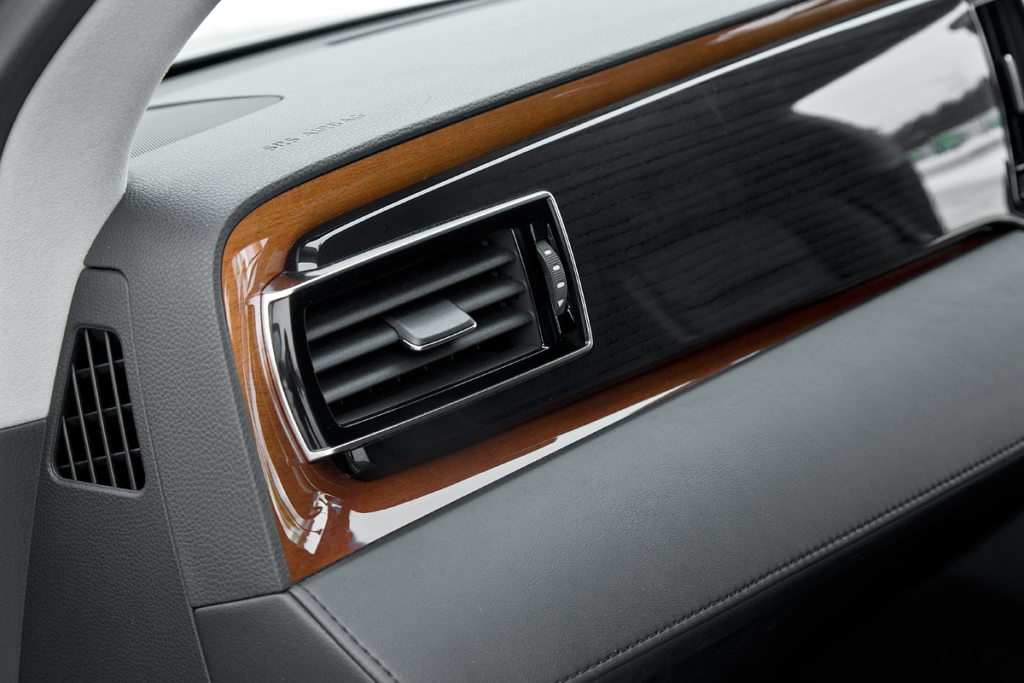
Driving a Highly Respected Wardrobe
Tokyo drift? No — it is a Rolls or a Bentley that tempts you to swing the tail out. Behind the wheel of a Century the thought never arises: this is like driving a highly respected wardrobe. And it is not the size or the right-hand drive. The steering uses a wave gear for variable ratio, which makes both parking and motorway cruising relaxed. Responses are calm and precise, with minimal delay and moderate roll. But in place of clarity there is a viscous, vague resistance. And cycling through the drive modes in the menu — there is even a Sport+ — does little to disturb the dignified manner.
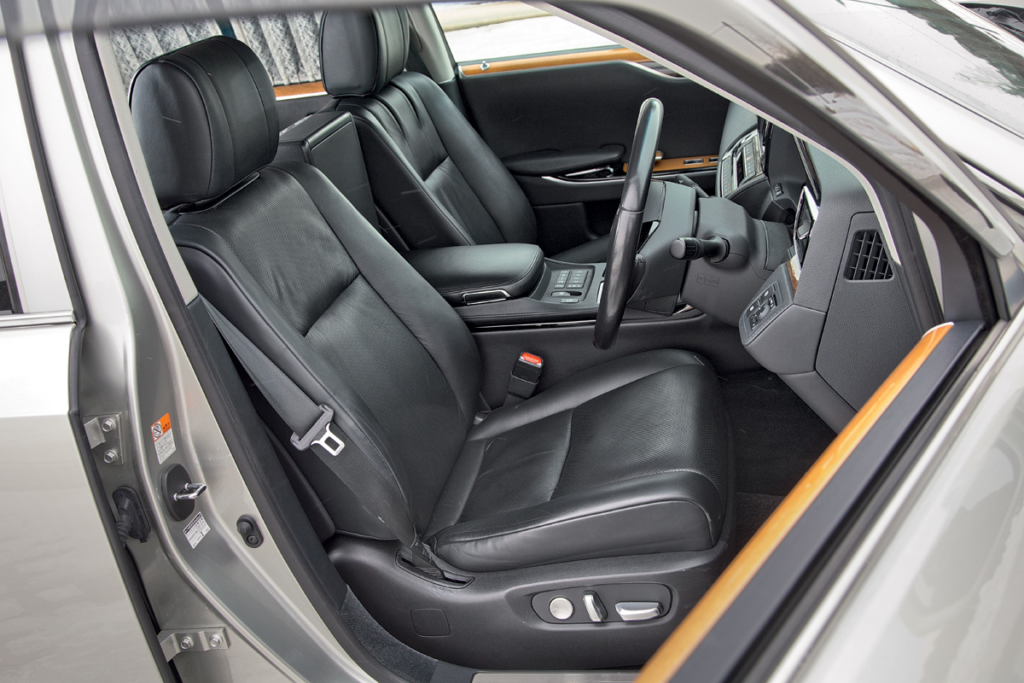
A Gentleman Will Walk, Never Run
This is not German handling; it evokes an English luxury car instead — a gentleman will walk but never run. On country roads the Century is surprisingly at home, quietly masking its speed from driver and passengers alike, provided you can ignore the tire noise. There is nearly always a reserve under the pedal: until the traction battery runs low, the electric assistance more than compensates for the absence of forced induction.
Feedback is missing everywhere, though, the brake pedal included — it is excessively spongy and long in travel. Once again, the culprit is the hybrid arrangement.
What the Century Does Not Have
So what is the unique appeal? The Phantom pairs a superb chassis with a rare sense of privacy behind its broad pillars; the Ghost has the finest audio system in the world; the Maybach S-Class has unmatched comfort, and — whisper it — excellent handling; Bentley has its exquisite natural wood; the BMW M760Li has raw sporting ability. The Century has none of these.
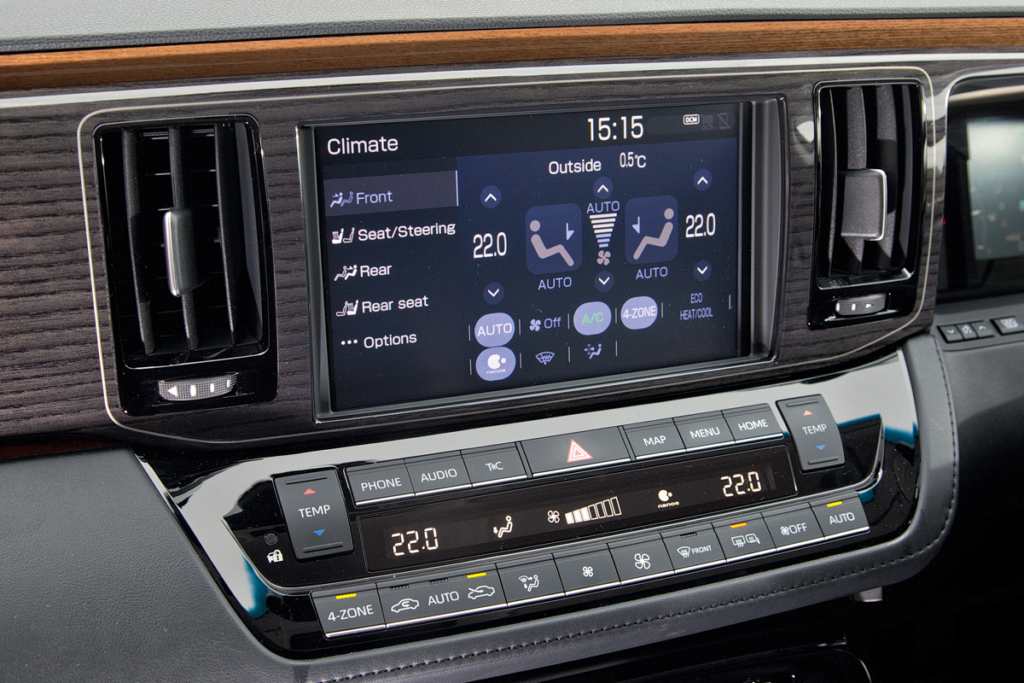
What it does have is that distinctive aroma — the quintessence of Japan.
The Japan I Remember
Japan has always astonished with its blend of cutting-edge innovation and deep-rooted tradition. In 1997, among grey, soot-streaked buildings, a uniform crowd in strict suits bowed deeply to one another — while on the Shinkansen bullet trains, clerks worked on laptops tethered to mobile phones. By 2005 the country had transformed, with designer skyscrapers and bold young people unafraid to stand out. And still the masters in the sushi bars, in their fifties, considered themselves apprentices, becoming sensei only in old age as they perfected the making of sushi.
What Japan is now I do not know; it is five years since I was last there. But the Century captures the essence of the Japan I remember and cherish.
Clunky Design, Seven Layers of Paint
The Japanese carry a particular pride, look at outsiders from a certain height, and hold fast to their own values. Clunky design? It conveys tradition and dignity. Lacklustre massage, dim audio, minimal automation? Then consider the seven-layer hand-polished paint.
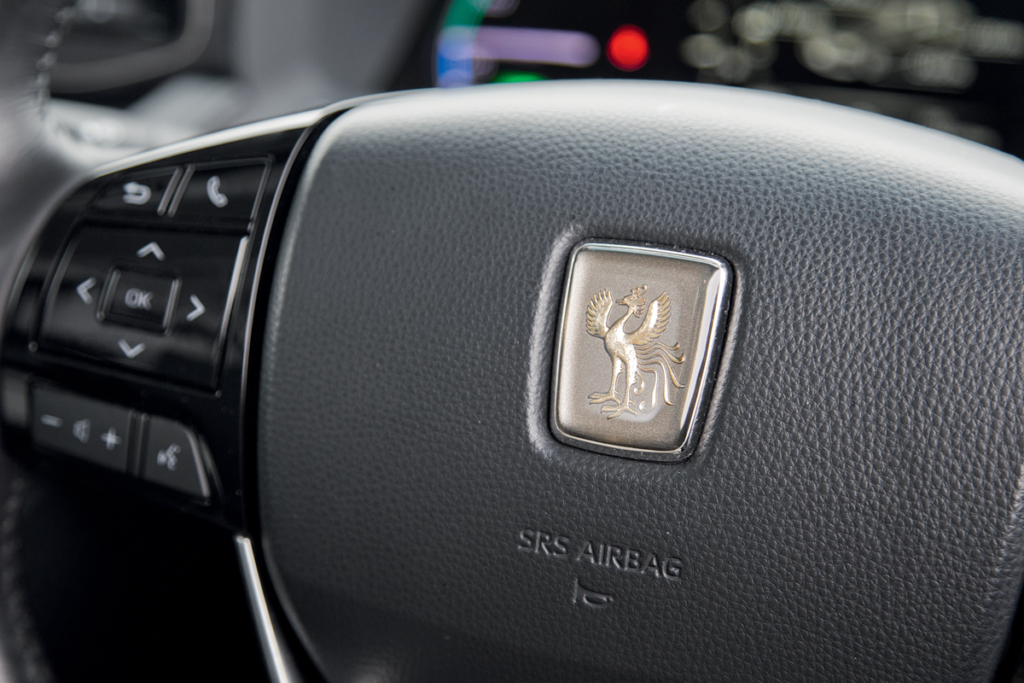
Or the genuine chrome on the radiator grille. Or the phoenix emblem, carved by a specialist over six weeks.
The Emblem, and Its Chinese Bird
That emblem has a story of its own. It is not the phoenix of ancient Egyptian lore but the Japanese Ho-o bird, which symbolises not resurrection but serene longevity, perches atop Mount Kunlun, and appears only in times of peace and prosperity.
Wait — China?
Yes: the emblem of Japan’s flagship officially carries a bird native to China. The earliest depictions go back several centuries; the males were called Feng and the females Huang, and together Fenghuang — which may well have inspired the Western phoenix. The creature combines a chicken’s head, a swallow’s wings, a snake’s neck, a hawk’s legs and a fish’s tail, a curious amalgam of different beings. It appears only where there is peace and prosperity, such as at the start of a particularly successful Chinese emperor’s reign.
The Japanese, as is their way, creatively adapted these birds much later, around the 6th to 7th centuries AD, turning Fenghuang into the Ho-o. That bird also heralds the birth of emperors.
Why a Chinese Bird on a Japanese Flagship
And what does this have to do with the Century? First, the Ho-o became the symbol of several imperial houses in ancient Japan. Second, in 1967 Toyota marked the centenary of Sakichi Toyoda’s birth, and declared that the bird of happiness had graced the country with its swallow-like wings. Or did Toyota not become the world’s largest car manufacturer, taking three quarters of its domestic market?
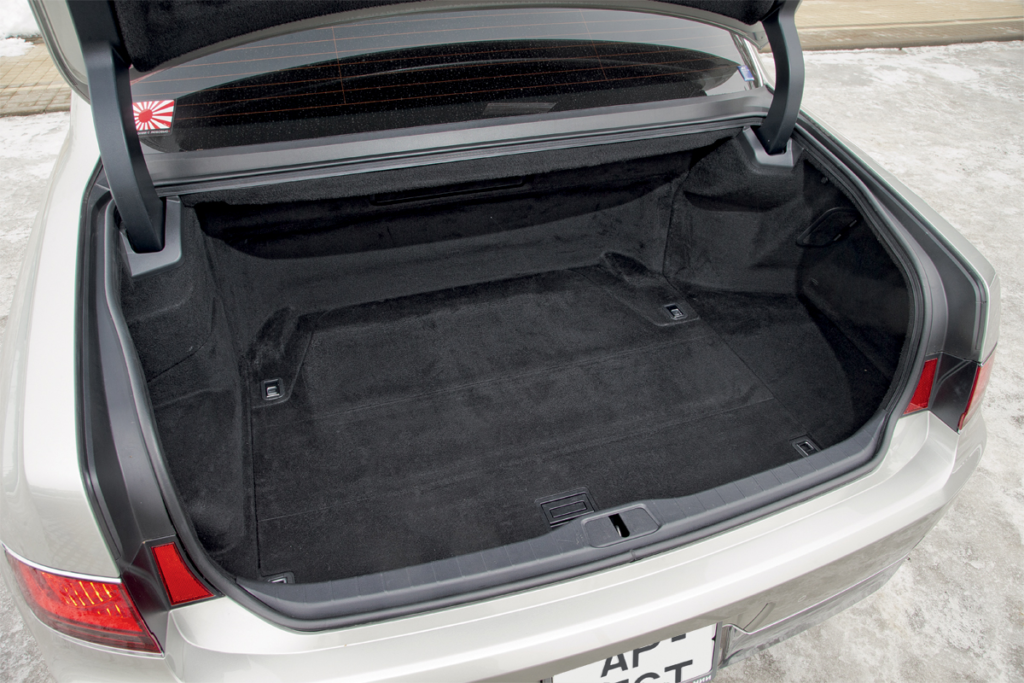
The trunk is a bit small, because a nickel-metal hydride battery is hidden behind a rigid partition of the opening, and a full-size spare tire is in the underground.
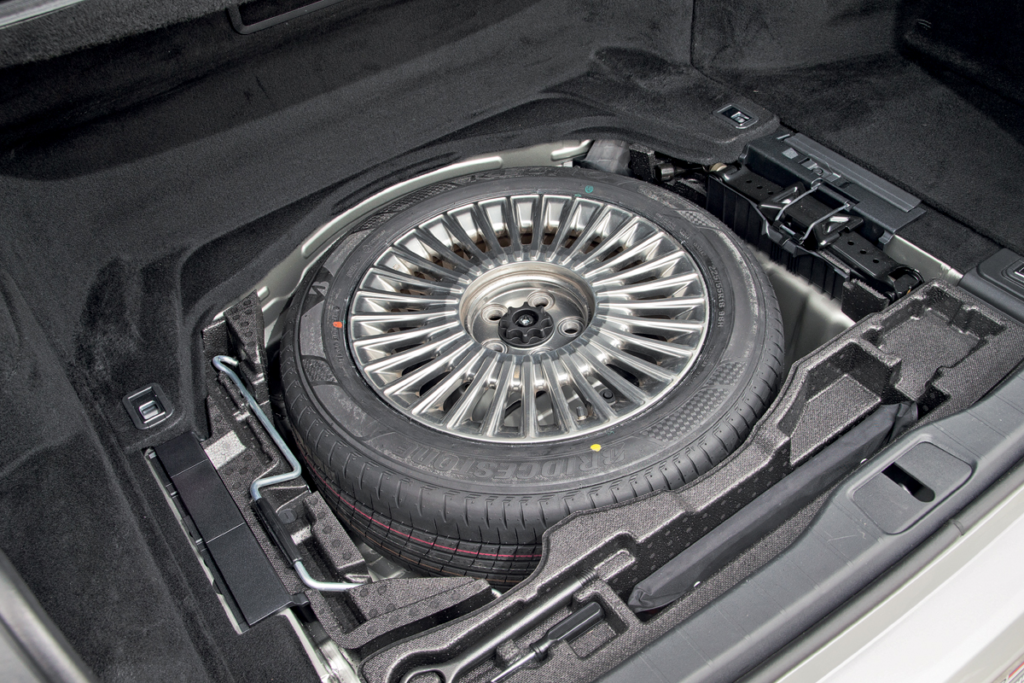
By the way, the 18-inch alloy wheels, as Ivan puts it, “cost as much as a downed Boeing.”
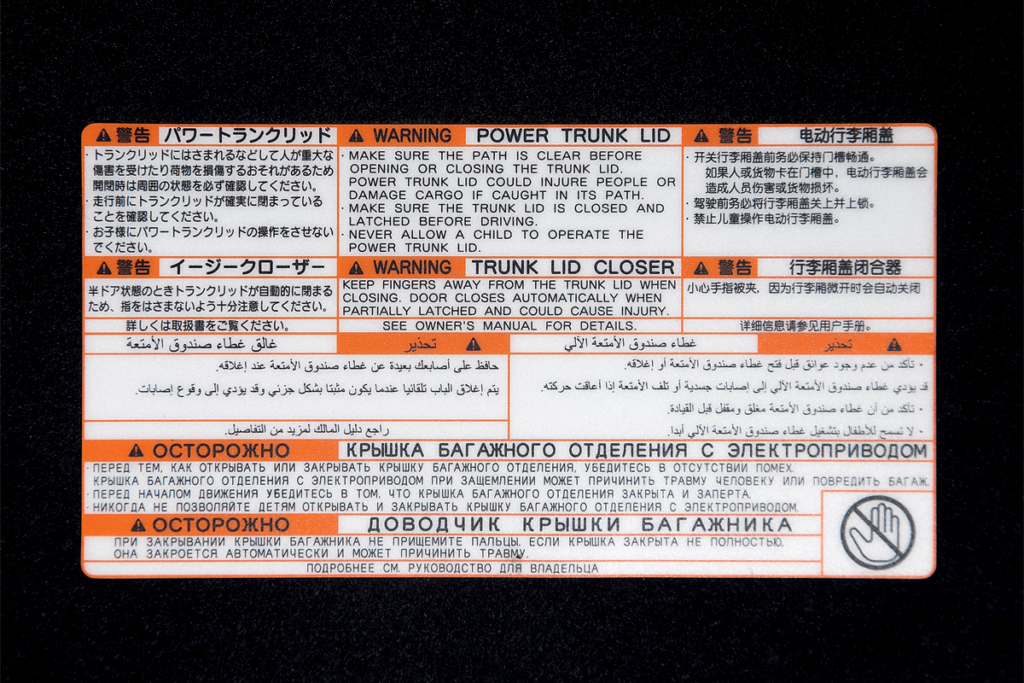
Outclassed by China — and Indifferent to It
Seen from outside, the symbolism may look a little peculiar. It is obvious that the Japanese flagship, under the emblem of a Chinese bird of fortune, is several classes below current Chinese cars in electronics, ride comfort and even massage systems — take the Li L9. To say nothing of design.
The Century Through Its Generations
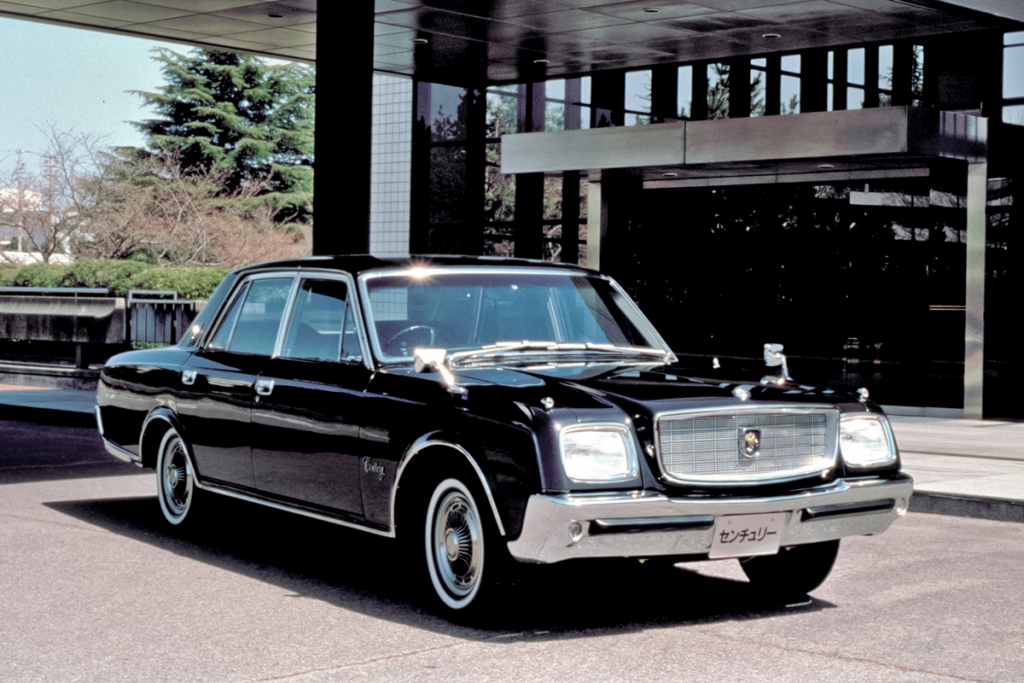
The “centennial” Toyota Century of 1967 was built on the basis of the large Crown Eight sedan with the first Japanese V8 engine: the body was lengthened by 40 cm (up to 5.12 m), and the engine capacity increased first to 3.0 liters, and then to 3.4 liters. Versions with “mechanics” were produced until 1974, and then only a three-speed “automatic” remained.
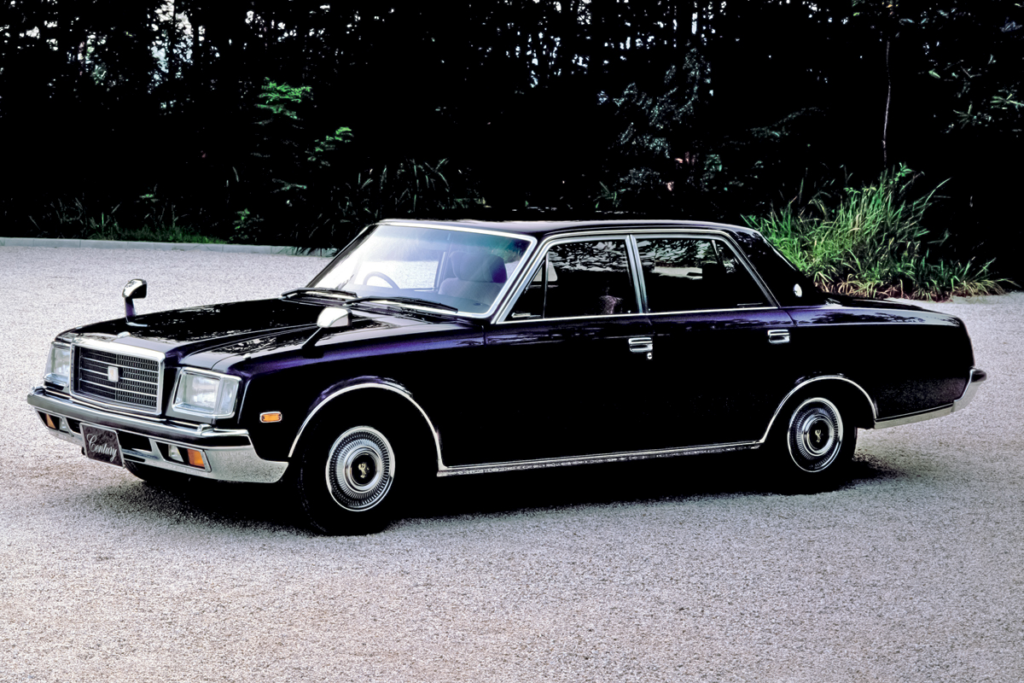
A large-scale restyling took place in 1982, the engine capacity was increased to 4.0 liters. In 1987, the automatic was replaced with a four-speed electronically controlled one, in 1989, a limousine extended to 5.8 m was added, and in 1990, an intermediate L-version 5.3 m long with rear doors from the limousine.
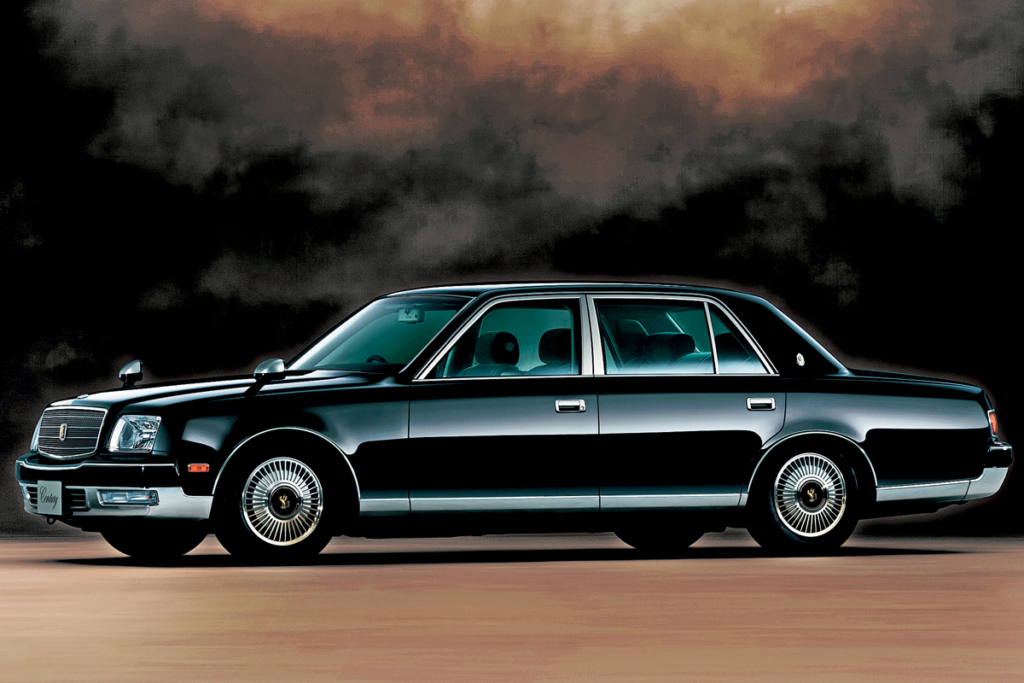
The second generation Toyota Century (1997-2017) with a V12 engine unique to Japan (5.0 l, 280 hp, 460 Nm). Interestingly, in 1998, they tried to sell the Century for export with an engine boosted to 300 hp, including in a left-hand drive version (about 100 cars), but without success.
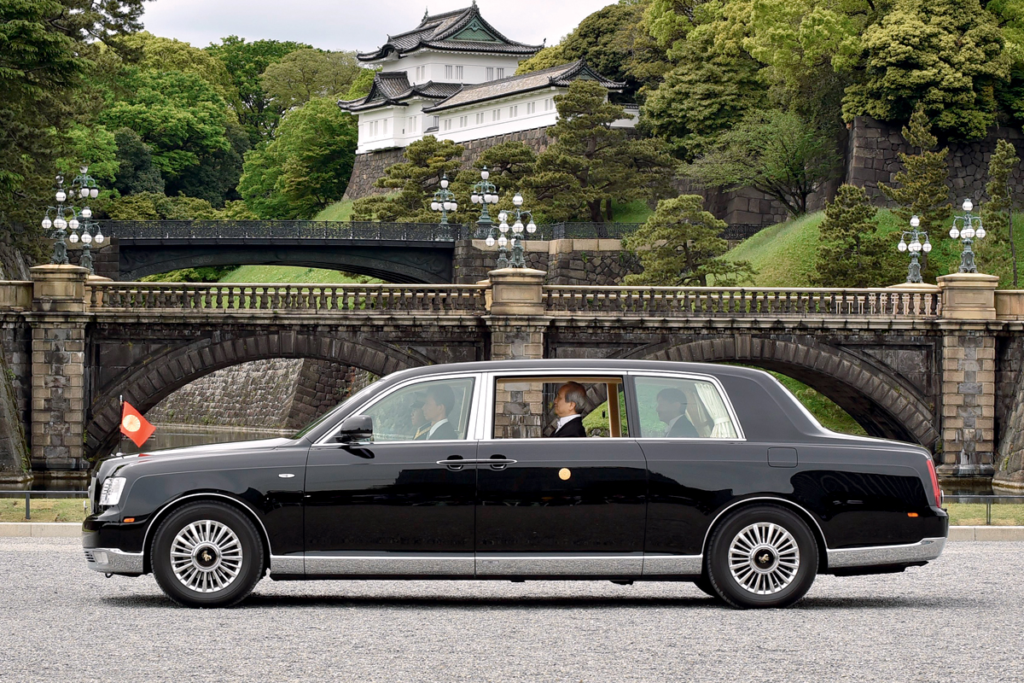
The three-ton Toyota Century Royal limousine 6.2 m long, based on the second-generation sedan, is still used by Emperor Naruhito. The thresholds are made of natural granite! Three limousines and one hearse were built in 2006-2008.
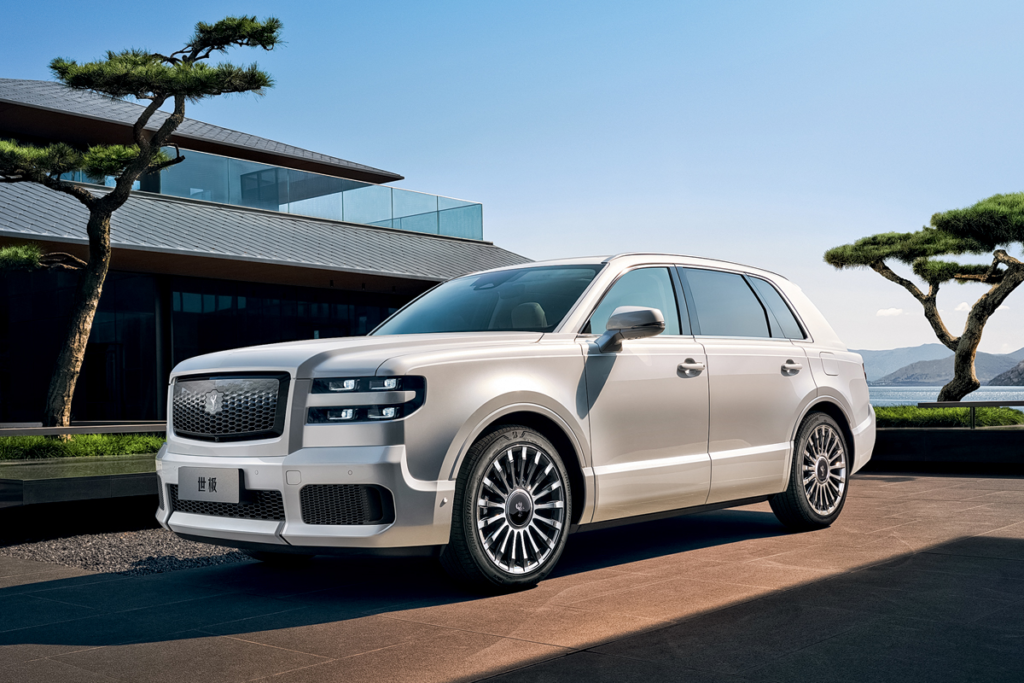
The new Toyota Century SUV, 5.2 m long, on the GA-K platform: a plug-in all-wheel-drive hybrid with a transverse V6 3.5 engine, McPherson struts in the front and a rear electric motor. System power is 412 hp, electric range is 69 km, price – from 25 million yen ($170,000).
Who Actually Buys One
The Japanese, though, are indifferent to all of that. For them this is deeply their own story. The Century is bought not by those chasing finesse or comfort but by those who worked hard and achieved everything through sheer perseverance — the retirees of a fading generation who carried Japan to the financial and industrial heights of the world. The shoguns of the zaibatsu, the daimyo of the keiretsu. Interestingly, “shogun” is itself a borrowing, from the Chinese “jiangjun”, meaning general.
Toyota is certainly still beyond the reach of the Chinese. But they are advancing fast. And in Japan time seems to have stopped, if not gone backwards.
Which Is Why I Envy Ivan
Just as it has in the cabin of the Century.
And I value that. To breathe this scent in is to be carried into another world, where these peculiar people always do things their own way. So yes, I do envy Ivan — the more so because he has decided to acquire not only this Century but the two previous generations as well.
I wonder whether their interiors smell of Japan too.
Owner’s Opinion: Ivan, Collector
Century. Say it out loud — can you hear how distinctly Japanese it sounds? Even into the English name the Japanese have put their own essence. This is, in effect, the most Japanese car in the world.
Yes, it is not perfect, like any other car: experts from a respected publication could identify any number of shortcomings by comparing the Century with its peers, and every one of their assessments would be accurate. In the end, those details do not matter.
In its flagship, Toyota has found a way to defend itself against the need to follow trends and cut costs. It is a classic, in the way Beethoven’s “Moonlight Sonata” is a classic that does not age across centuries. It does not top the modern charts or play on every radio from dawn to dusk, but those who understand, those who value real beauty, prefer it to all the superficial glitter.
The essence of the Century is to stir emotion in the owner and in onlookers alike. It stands as a model of genuine Japanese quality, which in our era of disposable, identical products pushed by marketers will soon be legendary. This car is like a katana — a symbol of a great industrial nation that fuses cutting-edge technology with deep-rooted tradition.
So the Century leaves nobody indifferent, particularly if you look at it closely or take it for a drive. I saw the joy on Leonid Golovanov’s face when he broke into a radiant smile after driving it for the first time. Only true masterpieces of automotive art, made by engineers who genuinely love people, evoke emotions like that. The same feeling comes from driving perfectly preserved or meticulously restored old Mercedes cars, of which I own several. Cars like these are diamonds: they may not glitter as brightly in the sun as a modern glass facade, but they never lose their allure or their value. You have to be genuinely passionate about such machinery to understand it — and that is what I wish for all readers.
Full Specifications
| Specification | Value |
|---|---|
| Car | Toyota Century |
| Body Type | Sedan |
| Seating Capacity | 4 |
| Dimensions (mm) – Length | 5335 |
| Dimensions (mm) – Width | 1930 |
| Dimensions (mm) – Height | 1505 |
| Wheelbase (mm) | 3090 |
| Track front/rear (mm) | 1615/1615 |
| Ground Clearance (mm) | 135—180 |
| Trunk Volume (L) | 484 |
| Curb Weight (kg) | 2370 |
| Gross Weight (kg) | 2645 |
| Internal Combustion Engine | Petrol, with port and direct injection |
| Engine Position | Front, longitudinal |
| Number and Arrangement of Cylinders | 8, V-shaped |
| Engine Displacement (cc) | 4968 |
| Number of Valves | 32 |
| Max Power (hp/kW/rpm) | 381/280/6200 |
| Max Torque (Nm/rpm) | 510/4000 |
| Max Power of Electric Motor (hp/kW) | 224/165 |
| Max Torque of Electric Motor (Nm) | 300 |
| Max System Power (hp/kW) | 431/317 |
| Transmission | Electromechanical variator |
| Drive Type | Rear |
| Front Suspension | Independent, pneumatic, with double transverse arms |
| Rear Suspension | Independent, pneumatic, multi-link |
| Brakes | Ventilated discs |
| Tire Dimensions | 225/55 R18 |
| Max Speed (km/h) | n.d. |
| Acceleration 0-100 km/h (s) | n.d. |
| Fuel Consumption City (L/100 km) | 10.1 |
| Fuel Consumption Highway (L/100 km) | 7.2 |
| Fuel Consumption Combined (L/100 km) | 8 |
| Fuel Tank Capacity (L) | 82 |
| Traction Battery Capacity (kWh) | 1.75 |
| Fuel Type | Gasoline AI-98 |
Photo: Dmitry Piterskiy | Toyota Company
This is a translation. You can read the original article here: Многоуважаемый шкаф: Голованов познакомился с седаном Toyota Century

Published September 04, 2024 • 14m to read