
If you think this is a retro review, hold my beer. This is a story about a ten-year-long marriage. A relationship that began with love, descended into domestic routine, nearly ended in divorce, and eventually became a pragmatic union. It made the car better — and me more cynical. In short, this is what it’s like to live with a classic car in Russia.
The Golden Rule I Learned From an Alfa Romeo
I first met Andrey Sevastyanov — two-time Russian rally champion and head of the B-Tuning racing team — in the mid-2000s. Within a few years he had shown me everything I had only read about in Autoreview as a kid: tuning, service, motorsport. So when I started thinking about a first car of my own, Sevastyanov’s advice was blunt. “You need something modern, safe, and reliable. Like a Ford Fusion.” I bought an Alfa Romeo 75 from the 1980s.
On the way home the clutch died. Then the tow hook snapped. Then a headlight went out. When Sevastyanov saw the car arrive on his trailer he sighed: “You’ve brought me everything I tried to protect you from — dim headlights, bald tires, unreliability, rust.” I stood there smiling like an idiot, completely in love.
Living with that Italian car nearly drove me mad, but it taught me the golden rule of old cars: the body has to be solid. Interiors can be swapped, engines rebuilt, suspension overhauled. If the sills buckle on the lift, you have already lost.
Buying the Shark: A 1982 520i With a Good Body
So when Alexey Zhutikov — whom you might know from automotive YouTube — and I decided in 2014 to buy a classic BMW 5 Series, our criteria were clear.
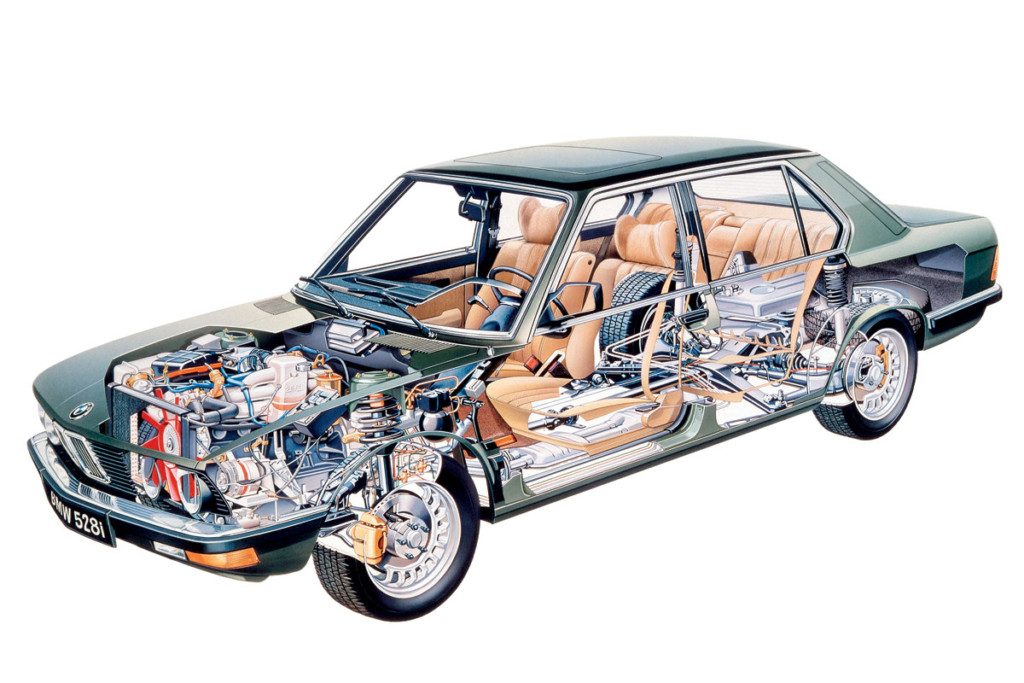
The BMW E28 “five” was produced from 1981 to 1988. Technically, it was a fairly moderate evolution of the previous E12 model: a 2625 mm wheelbase, McPherson struts at the front, semi-trailing arms at the rear, powerful versions were equipped with rear disc brakes (instead of drums) and a rear anti-roll bar (the front was installed as standard). For the first time, not only gasoline engines (1.8-3.5 l, 90-286 hp) were offered, but also a 2.4 diesel engine of its own design, and in naturally aspirated and turbocharged versions (86 and 116 hp, respectively). A total of 722 thousand cars were produced, all with a sedan body.
Why did we want one? Nobody knows. But we found a car with a great body. Yes, the engine was dead. The interior was incomplete. The paperwork was dodgy. Who cares, when what you are looking at is a real Bavarian shark — one of those “project cars” that fill the classifieds?
We knew the road ahead would be rocky. We did not know it would be this rocky. Our 1982 BMW 520i, E28 generation, went to the garage of another racing driver and motorsport master, Mikhail Zasadych. Over six months it turned from a lifeless shell into a functioning car.
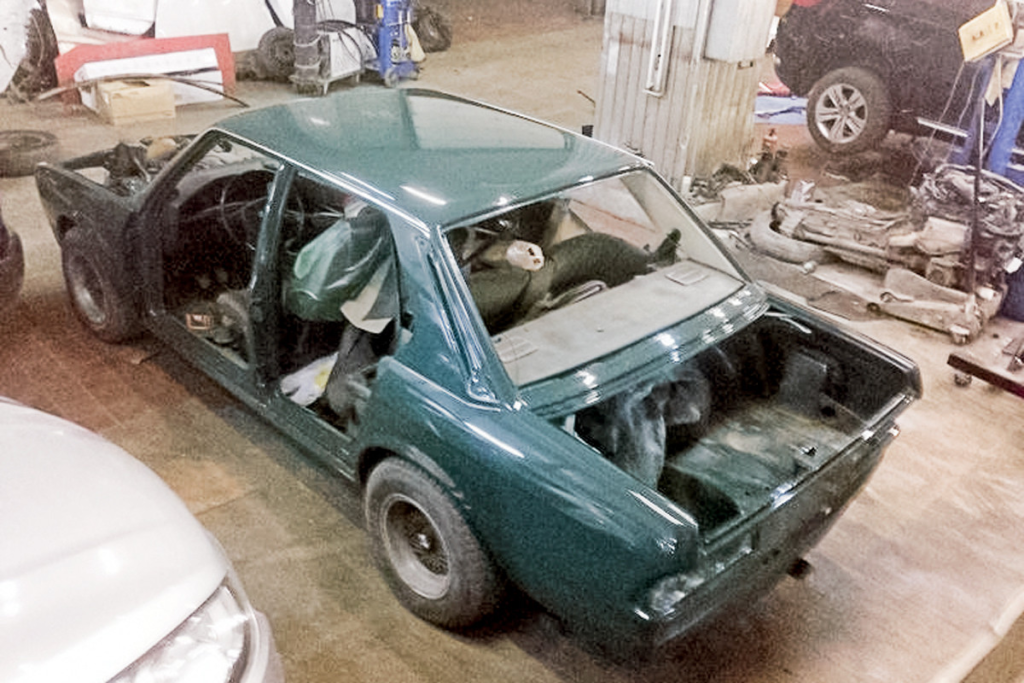
Distant 2014. While Mikhail Zasadych tunes the engine, painters and fitters bring the body back to life
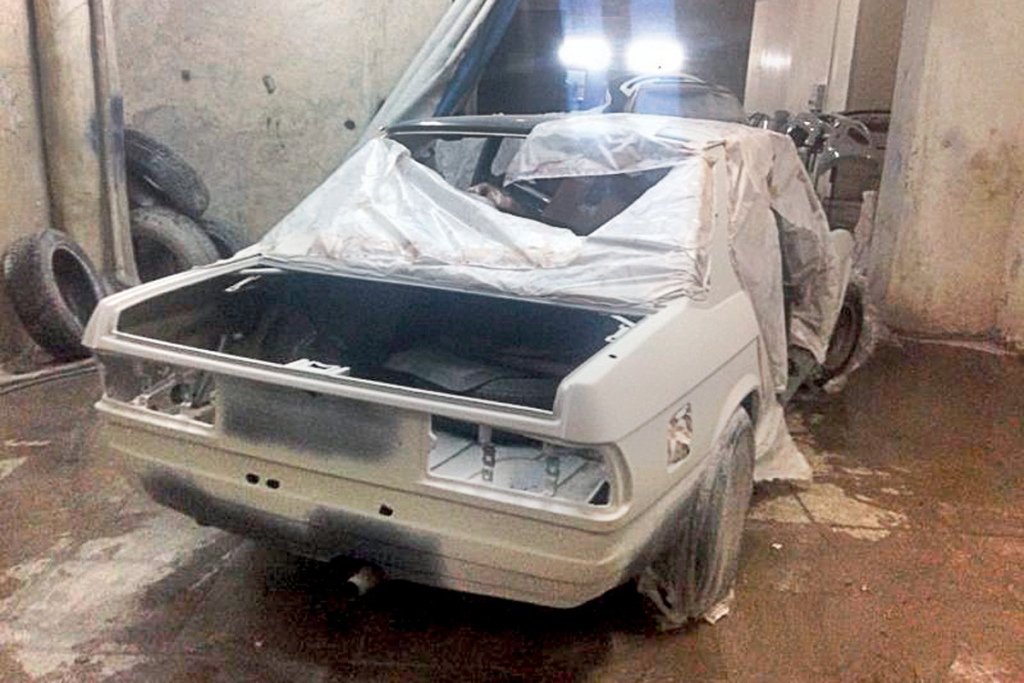
Six Months in Zasadych’s Garage
The engine was rebuilt from end to end and honed to tight tolerances — you could turn the crankshaft by hand. The Bosch K-Jetronic mechanical fuel injection, however, had a mind of its own, and drank more than 20 litres per 100 km.
The body got new doors, a new hood, dent removal and frame-straightening. We had not noticed that the gaps between the rear doors and the fenders were too small — the legacy of an old rear-end collision. It straightened out easily enough, and the whole car was resprayed in 1980s-style acrylic.
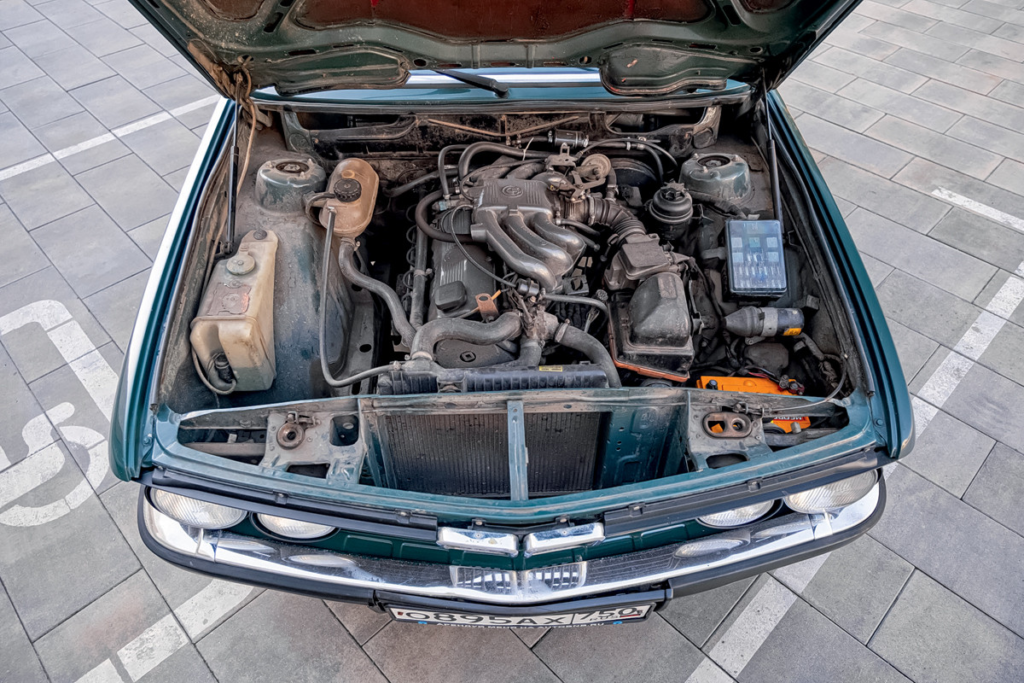
Only two liters, but six cylinders! When new, this M20 engine with mechanical injection K-Jetronic produced 125 hp and 165 Nm. How much it develops after rebuilding and switching to electronic injection Motronic, no one knows
We also replaced the suspension with H&R springs and Bilstein shocks. That turned out to be a mistake. The first of many.
At the time, spending 300,000 rubles on a restoration felt outrageous. Ten years on I understand that Zasadych gave us an extraordinarily generous deal. We were still nowhere near finished, though: the cosmetics, the interior, the mechanicals — that fuel injection! — all of it unresolved. But the car ran. For the first time since the snowy February day we handed over 60,000 rubles for a Bavarian shark living in a snowbank.
When the Honeymoon Ends
Was it happiness? Not really. It was like dating: once the initial rush fades into a long grind, the magic goes. Six months of garage visits and invoices had dulled the passion. The injection was untuned, the transmission wobbled, reverse would not engage cleanly, and dozens of small faults spoiled everything else. The car moved, but judging its driving qualities was impossible. It was not a car yet. It was a promising project.
Mistake Number Two: A Friend’s Workshop
We tried another shop, run by a friend. That was mistake number two. In an ideal world, friends keep promises. In this one, friends put you off — “we’ll get to it after this customer” — and friends skip checks, because “let’s just get it done quickly.” That is exactly how our injection tuning went.
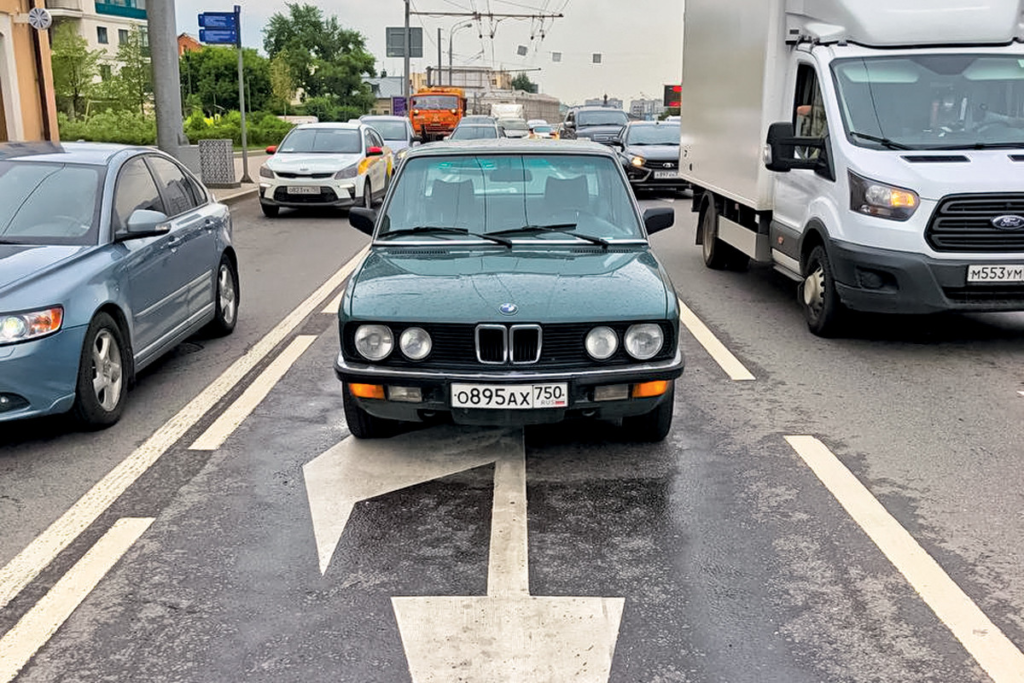
I remember that day as if it were yesterday. After leaving the service, the car drove three kilometers and stopped.
On the first attempt the K-Jetronic flooded the crankcase with petrol. The second attempt produced engine knock that destroyed the freshly rebuilt block. The first replacement engine was left outside and rusted through. The second went in, and we abandoned K-Jetronic for the newer Motronic system. Then, having welded the radiator support, they painted the front fenders and apron straight onto bare metal. Why bother doing it properly? We replaced the entire brake system too, lines included.
Why Workshops Avoid Classics
With classics and youngtimers it is rarely a question of “new” parts. It is a question of finding different ones. OEM parts are insanely expensive, assuming they exist at all. Mostly you are hunting rust-free doors, a dashboard whose clock still works, trim that has not lost its chrome. Every panel you remove reveals three more problems. You start to feel like a character out of Kafka’s The Castle, forever chasing one more moulding or door handle surround.
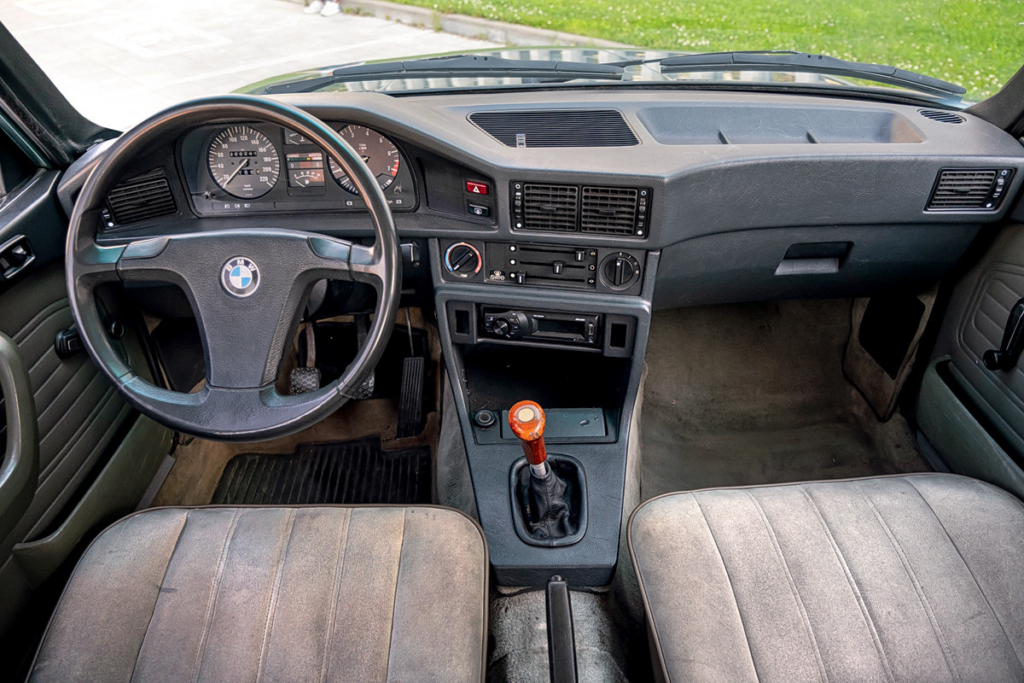
Two large saucers for the speedometer and tachometer, a central console facing the driver. This is a classic now, but the E28 generation was the first “five” with such an interior. This car has no airbags: the driver’s airbag was only installed on the E28 in 1985, and for a considerable surcharge of 2,310 marks.
That is why most shops steer clear of classics. They are too unpredictable. On a modern car a mechanic knows how long the bushings take and where to buy them. On a 40-year-old BMW anything can happen, and cars sit on lifts for weeks. For the shop that is lost profit at best and a loss at worst.
So one day you find your car in a dusty corner. It has been there a week. The parts were never ordered — or the wrong ones were. And you are moving garages again, into the next season of Fix Me If You Can. My BMW 520i went through six of them.
Sometimes the E28 actually moved. Those were rare moments when I had the time and the car had the mood. Classic cars hate standing still. Start one every few months and something always fails: a flat battery, or dry-rotted fuel lines spraying petrol onto a hot block. Especially entertaining in winter. If you could place a bet on whether the car would start, the casino would always win.
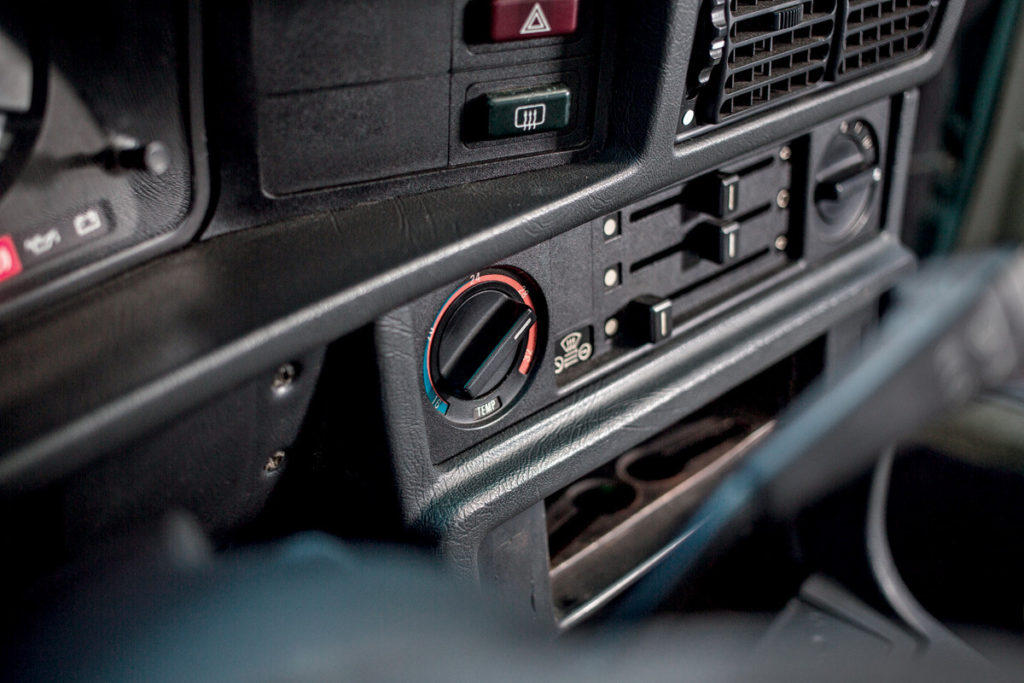
The heater was overhauled several times
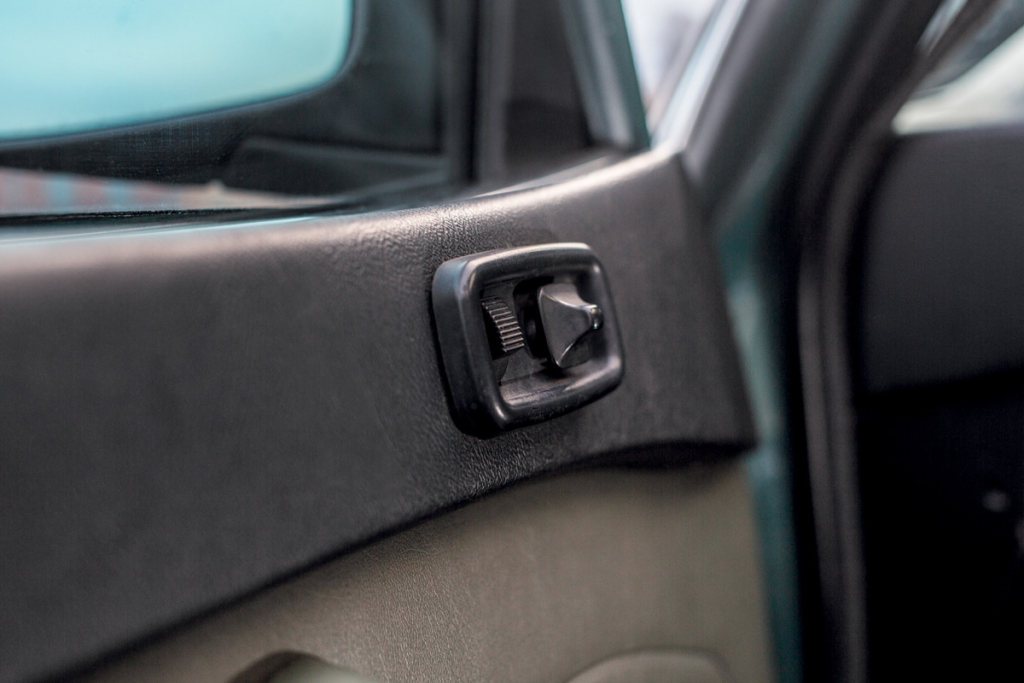
But the electric adjustment of the mirrors did not require intervention and still works
What a Forty-Year-Old Car Actually Feels Like
That is what made the successful drives so precious. I made myself drive the BMW — to keep it healthy, and to fall in love with it. In time the self-therapy worked. Perhaps not love, but certainly fondness. And that was when I could finally see the 520i as a car rather than a ten-year project.
The most striking realisation was how far the technology has come. From driving dozens of cars I would say they became “modern” around the early 1990s: you no longer have to adapt to them. Sit in something from the ’70s and you feel the era immediately — taller trees, greener grass, and primitive machinery.
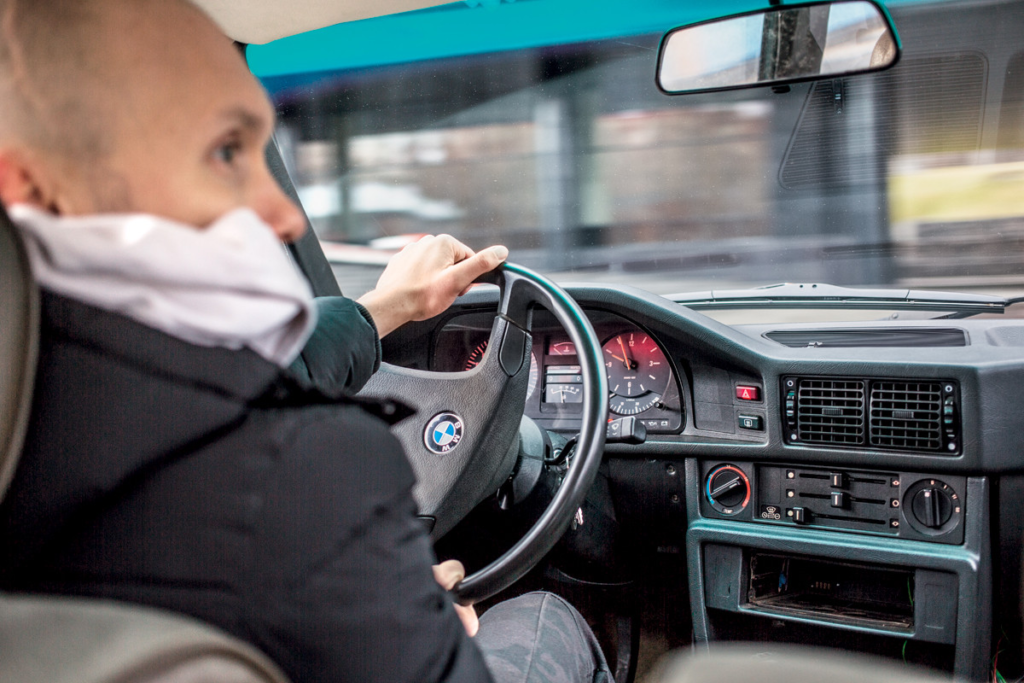
The power steering is expectedly light, but “long”
Steering, Gearbox, Brakes
The power steering’s only job is to reduce effort. There is no feel in it and no precision. The gearbox is the same story: we replaced it, we rebuilt it, and it is still a relic. The shifter works, and first and third never get confused. But next to even a 1990s E36 320i, the five-speed Getrag in the E28 feels wooden and clunky. No finesse, no grace — least of all if you have ever used the brilliant manual in a Mazda MX-5.
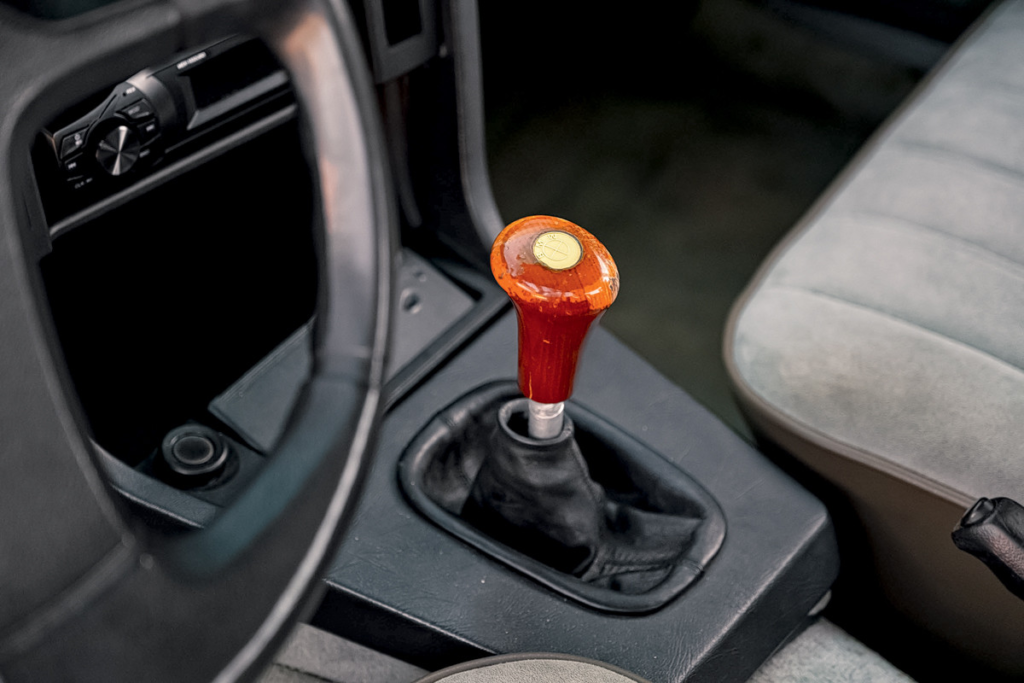
It turned out to be impossible to find the original cover, so we sewed it from scratch using patterns
Everything else follows suit. The clutch works, but harshly. The brakes are fine — just fine. And that is precisely the charm of a 40-year-old car. It pulls you out of a modern world where driving costs no effort. Behind the E28’s wheel you do not simply drive; you command the thing. It is a vivid, singular experience, and the way the car looks inside and out only sharpens it.
The Styling Forgives Almost Everything
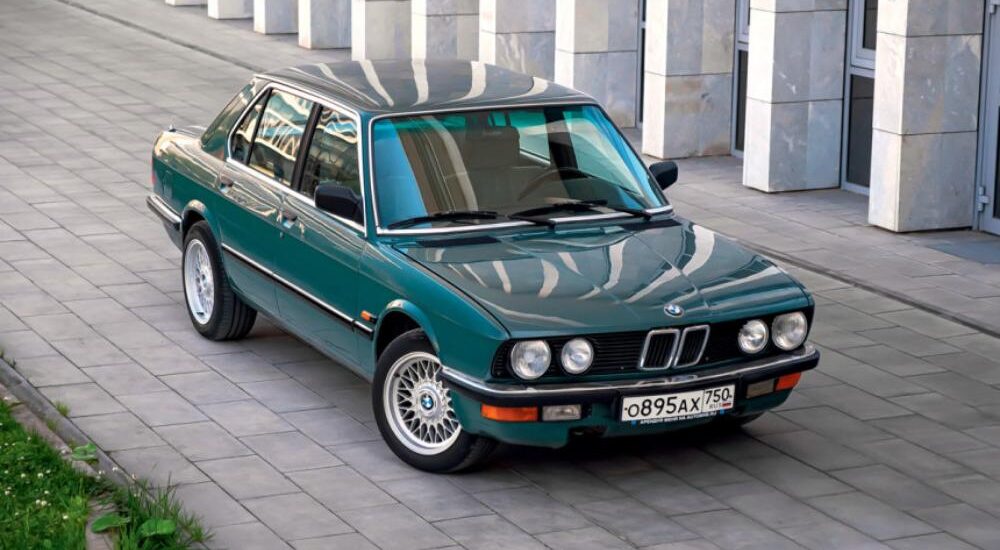
The design is its own reward. Officially credited to Claus Luthe, the E28 refined the ideas of Paul Bracq and Marcello Gandini inherited from the earlier E12: clean lines, perfect proportions, enormous glass area, not a gram of excess. Park an E28 among today’s cars and it looks like Audrey Hepburn in a room full of clowns. No fake vents, no pointless creases. That elegance forgives a great deal. It did not forgive the suspension.
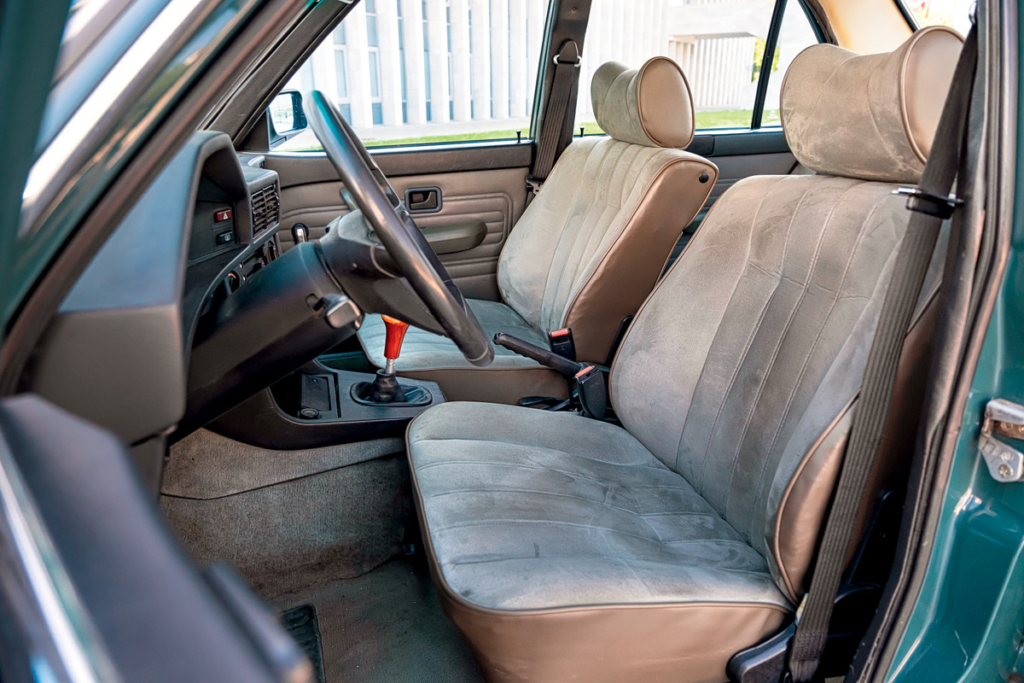
The olive interior goes well with the rich green body. By today’s standards, these seats are so-so
The Suspension Mistake, and Undoing It
Zasadych’s reasoning was sound: if you are rebuilding the chassis anyway, why not make it tighter and better planted? We trusted H&R and Bilstein. What we failed to account for were the roads. On a track this setup would genuinely improve the handling. On Russian roads the springs and dampers were stiffer than the body itself. Every bump hit the suspension first, then rattled through the car — and through your spine. Pointless behaviour that made the car worse, not better.
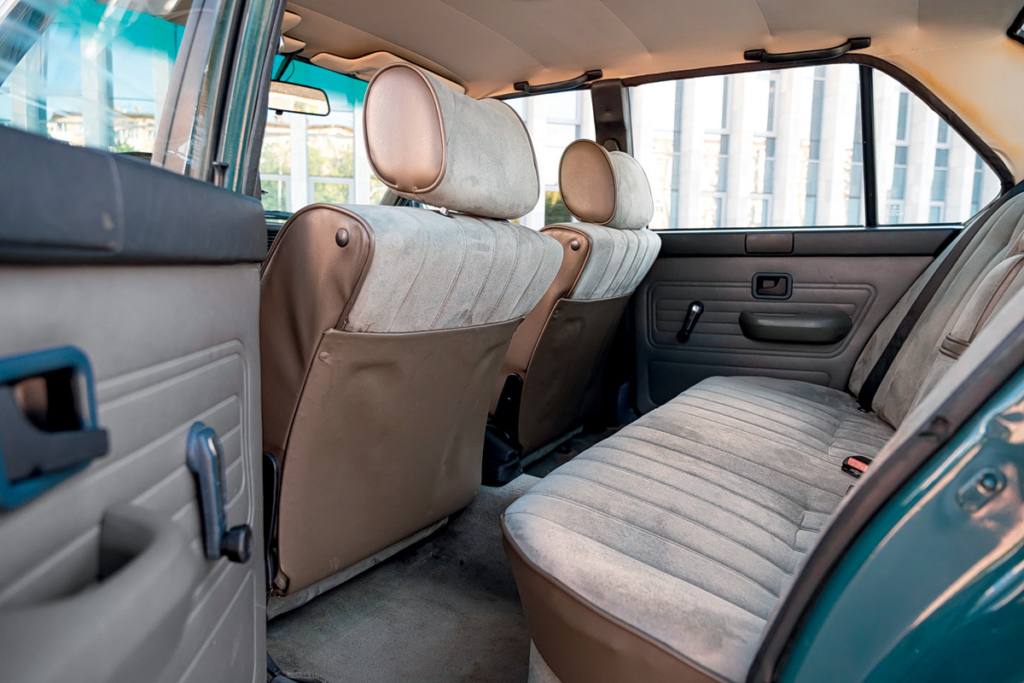
There is little more space in the back row than in modern 3-series cars. Manual windows were the norm in BMWs in the 1980s.
At first I put up with it. Then, after a single long trip, I went back to the standard suspension — and you would not believe the transformation. Soft, smooth, composed: exactly how a classic ought to feel. Turning one into a race car is like asking your grandfather to run the 100 metres at the Olympics.
Trying to Sell It, and Failing
Even on the softer suspension, though, the BMW mostly stayed parked. A few outings a season. You know what standing still does to an old car. So I decided to sell.
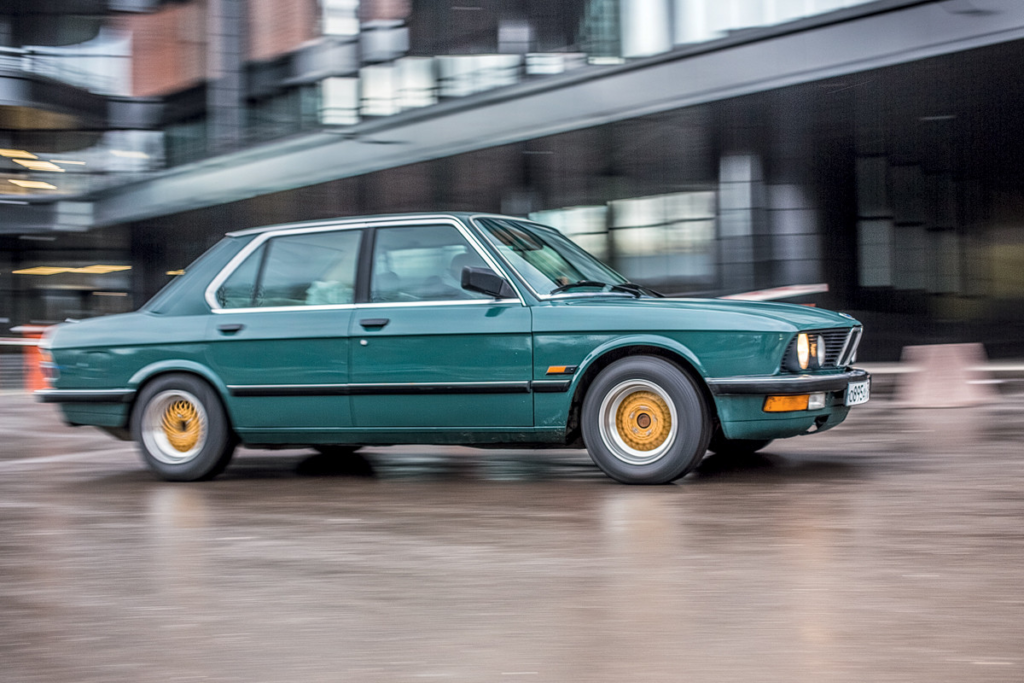
Winter 2020, BMW still with “sport” suspension and non-original BBS-Mahle wheels. At the time, it seemed like a great solution
Was it hard? Of course. But the alternative was paying for parking, insurance and maintenance — and hunting down rare parts — for a car I hardly drove. Selling looked like the only sensible move.
Only nobody bought it.
Some of them just wanted a free test drive. They would admire the condition, shower me with compliments, promise to come back, and never did. Maybe I was too honest. Maybe 350,000 rubles sounded like too much — even though I had put over a million into the car across the years, at which point I stopped counting. Plenty of that money went on fixing other people’s mistakes. Either way I had stopped being a seller and become a monkey with a camera. So I gave up.
How Autobnb Started
Then someone I knew asked to borrow it. They brought it back with an enormous grin.
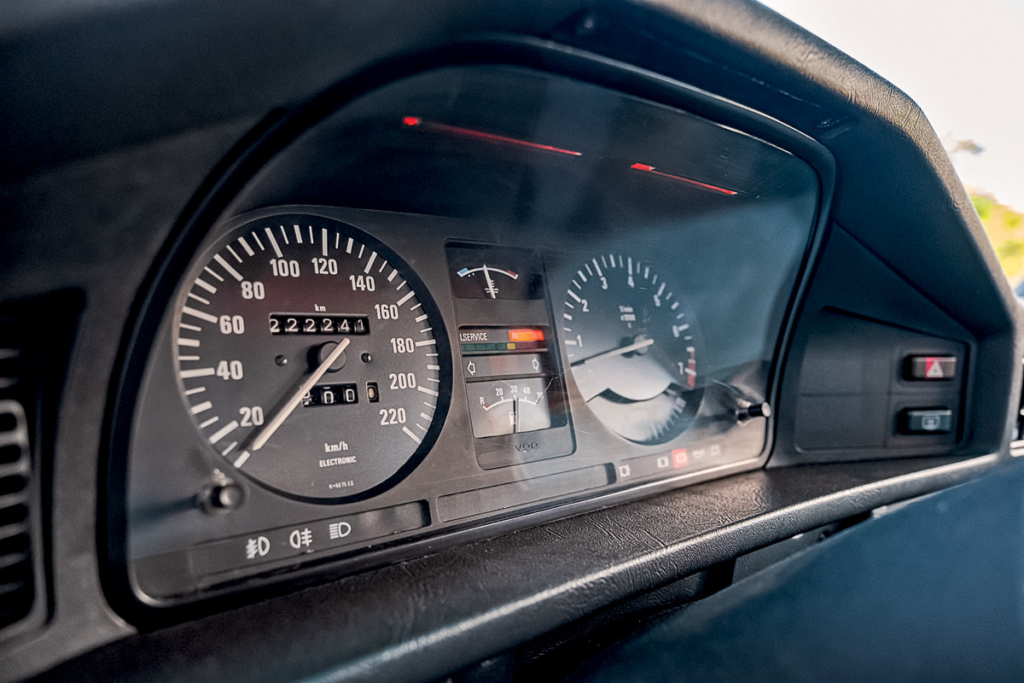
No matter how we soldered the dashboard, we couldn’t defeat the Inspection alarm light
Eureka.
To me this green BMW had become a story of wasted time and money. To everyone else it was a ticket to a theme park — a train to Platform 9¾. I posted it for rent on social media, more or less casually. And boom.
Over the May holidays in 2021, renters drove the car more than I had in years. Then I remembered that I also had a Cadillac Fleetwood and a BMW E36 320i. My friends had unused classics too. That is how Autobnb was born — a vintage car rental service for people who see a car as more than transport. My E28 was the beta: the car that started all of it.
In three years the E28 covered 30,000 km. How far it has travelled in 40 years, nobody knows and nobody cares. Three engines, two gearboxes, new suspension, new brakes — odometer readings mean nothing here. Especially since two of the three dashboards did not have a working odometer in the first place.
The once-finicky BMW now tours Russia’s Golden Ring, competes in rallies, appears in commercials and gives dozens of people a good day out. The 520i is living its best life.
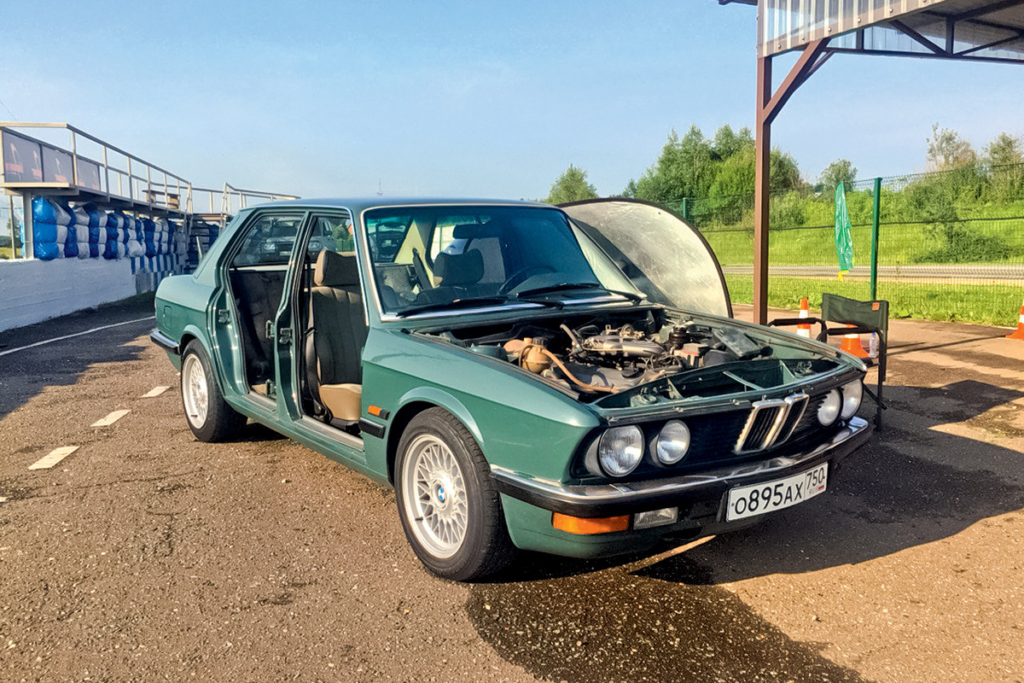
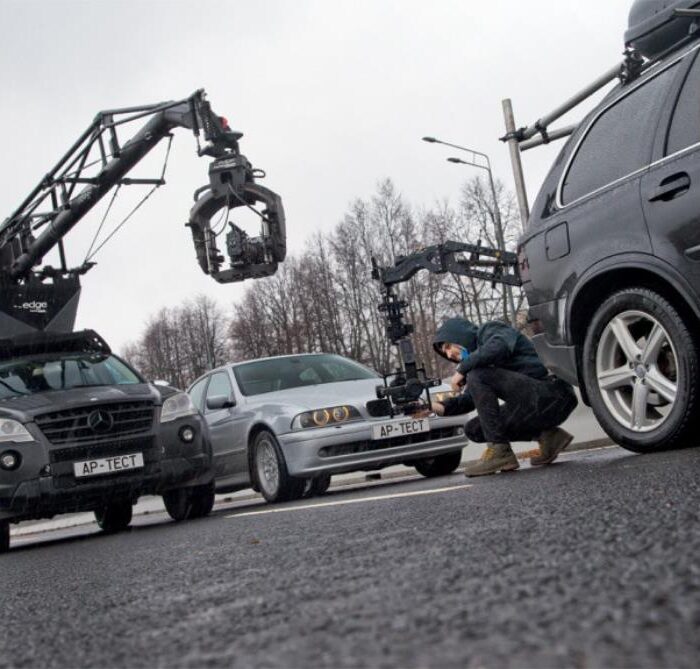
BMW has often been filmed in various unusual projects. Here it was lightened as much as possible to show the best lap time
The Restoration Buffer Runs Out
It needed that shake-up, that regular use. New problems did appear: the rear bumper mount rusted off and was welded back, the exhaust started rattling and was fixed, the audio system died and the speakers were replaced. But the breakdowns per kilometre dropped dramatically. Only once did the car fail outright, when a coolant hose popped off.
Miracle? Magic? Holy water through a television screen? Almost. Because nothing lasts forever. After the 2023 season we sent the car in for diagnostics, and the bill was sobering. It felt as though the restoration’s buffer had finally been used up.
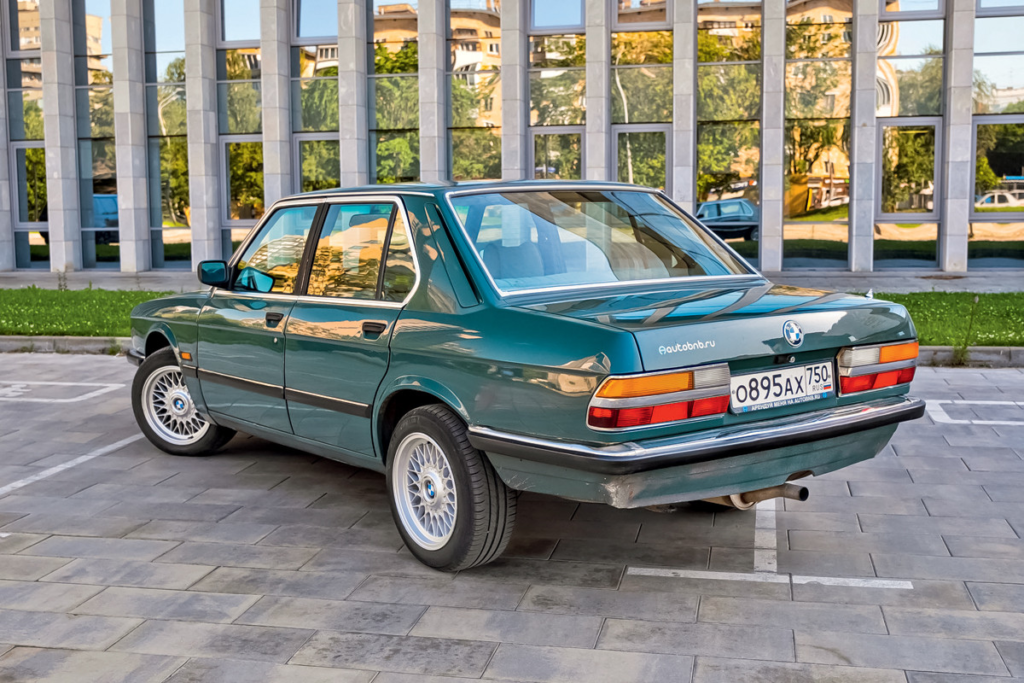
Lightness, elegance and conciseness. For this design I am ready to forgive the “five” almost everything
A new power steering reservoir, filters, a fuel pressure regulator, spark plugs, a fuel pump, front control arms, injectors — and a long list besides, work on the fuel tank included. It came to several hundred thousand rubles. A lot? Yes. Expected? Also yes. Worth it? Absolutely, because three years of pleasure had already paid it back.
One Evening Is Enough
Before writing this I took the E28 out for the first time in a year. A summer evening, an empty road, the windows down, the warm glow of halogen headlights. Just me and the car, going back over the last decade. Pure bliss.
I even believed, for a moment, that the M20B20 straight-six really was making its 125 horsepower and 165 Nm. Cruising at 110 km/h felt easy, at least, and the pleasant pull past 3,000 rpm had me delaying every upshift.
But one evening was enough. Crude as it sounds, a one-night stand is the perfect format for this car. Anything more and we would slide back into domestic boredom — which usually ends in divorce. And I do not want that.
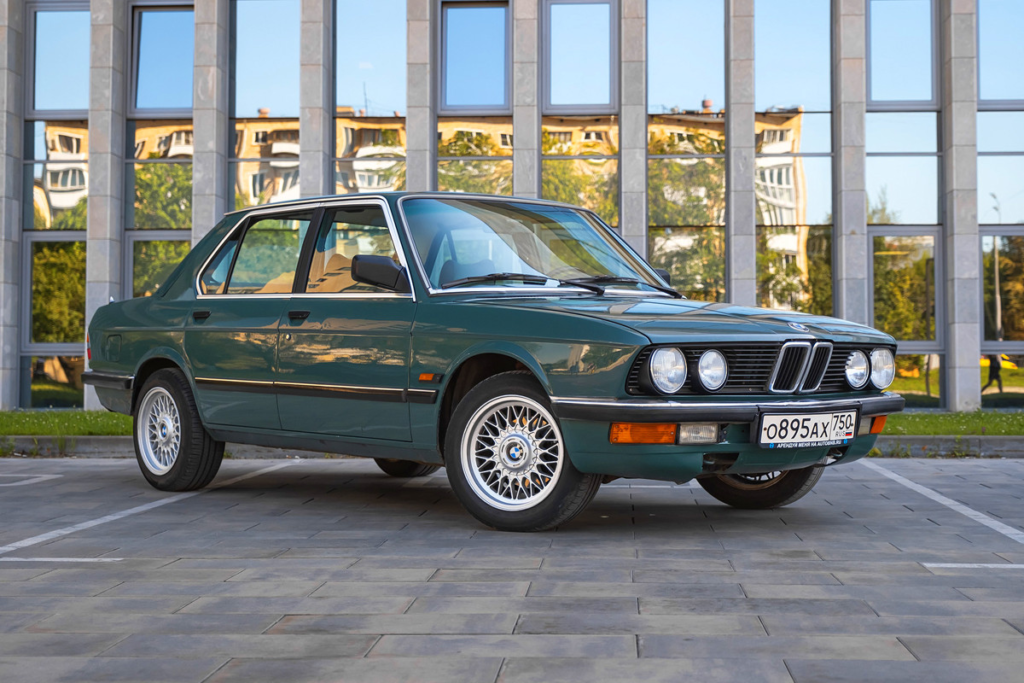
Afterword: Rustam Akiniyazov

From the very beginning her name was obvious: Bertha.
Two Thousand Kilometres to the Sea
When Nikita suggested taking the 40-year-old German beauty to the seaside, it sounded wonderful. Driving to the beach with the windows down, turning heads — priceless. The 2,000-km road trip was daunting, but then I once drove to Crimea as a student in a Lada, and rebuilt the engine in Millerovo on the way; a mechanic let us use his garage and his tools. Life teaches you things. Perhaps my hands still remembered.
This time we made it with no breakdowns — though not without incident. On the motorway it was obvious that the injection was running rich, confirmed by 20 l/100 km and the smell of petrol. Worse, exhaust fumes were leaking into the cabin. Dangerously so.
We could not work out how. But the paradox was real: the faster we went, the worse it smelled. So we opened every window. Plenty of air — and carbon monoxide.
Bertha Nikitishna Gassenwagen
We found the cause once we arrived. The trunk gasket was missing: the workshop had either forgotten it or failed to find a replacement. At speed, the low pressure behind the car pulled exhaust straight into the trunk, and from there into the cabin. A trunk seal from a Lada 21099 cured it completely.
And from that day on her full name was:
Bertha Nikitishna Gassenwagen.
Photo: Alexey Zhutikov | Efim Gantmakher | Ilya Agafin | BMW | Nikita Sitnikov
This is a translation. You can read the original article here: BMW E28: жизнь с олдтаймером в российской действительности

Published June 26, 2025 • 13m to read