
The third installment of my Tesla exploration was drafted long ago. However, the previous articles (Part 1, Part 2) made me reflect: am I truly enchanted by my electric vehicle, or am I just convincing myself of its allure? So over the last two months I have taken a more discerning look at the Tesla, evaluating it not as a novel gadget but as a car in its own right — which led me to rewrite my entire perspective.
A second look at the car itself
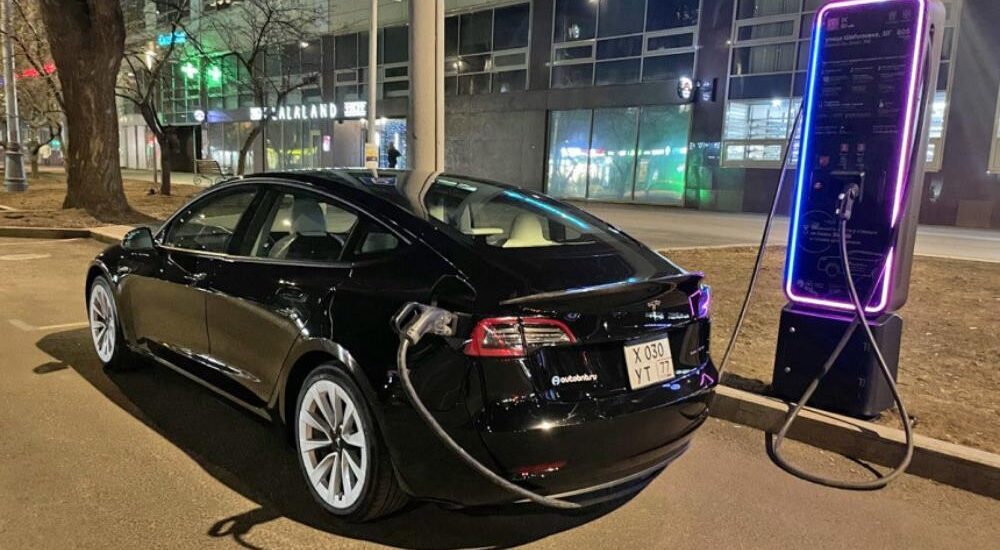
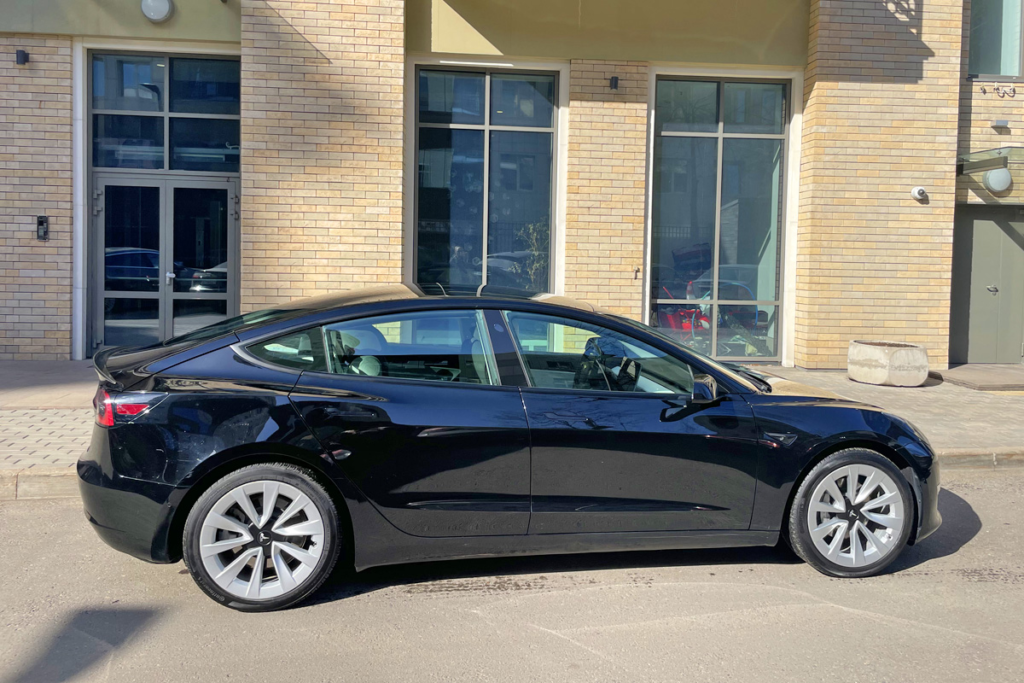
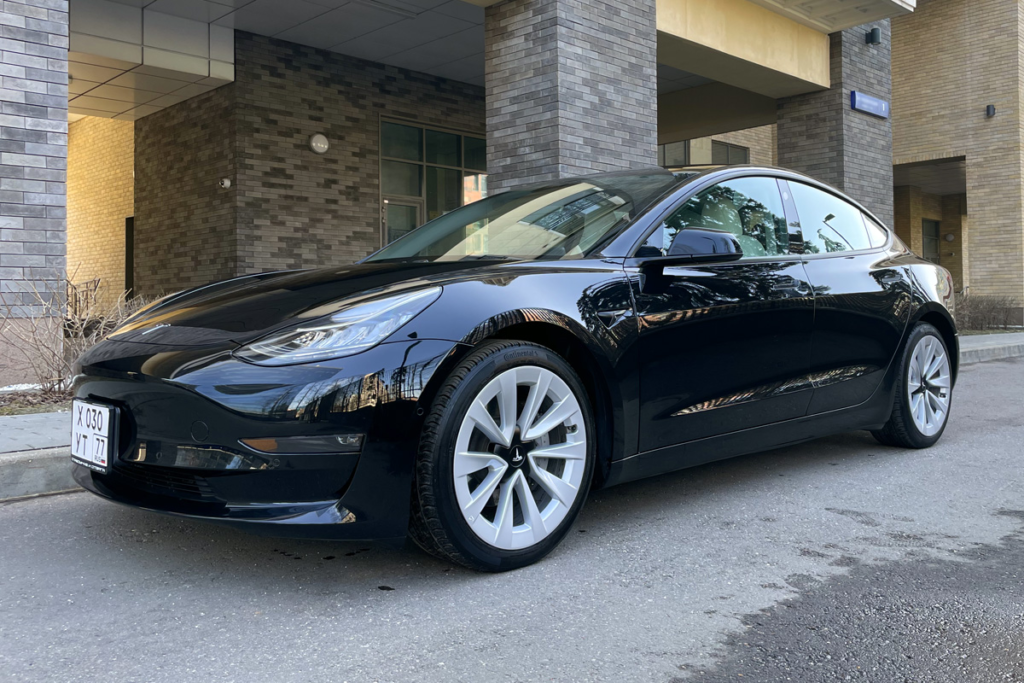
Critically examining my Tesla, I walked around it and scrutinized it from every angle. It is not the type of car that beckons a second glance every time you walk away. Yet against competitors burdened with hefty batteries, the Tesla Model 3 presents a neatly proportionate figure. It may not be a head-turner, but it is acceptably stylish, especially with the optional carbon fiber spoiler that adds a touch of charm. The redesigned Model 3 is noticeably more striking.
Inside: a tablet, a steering wheel and two levers
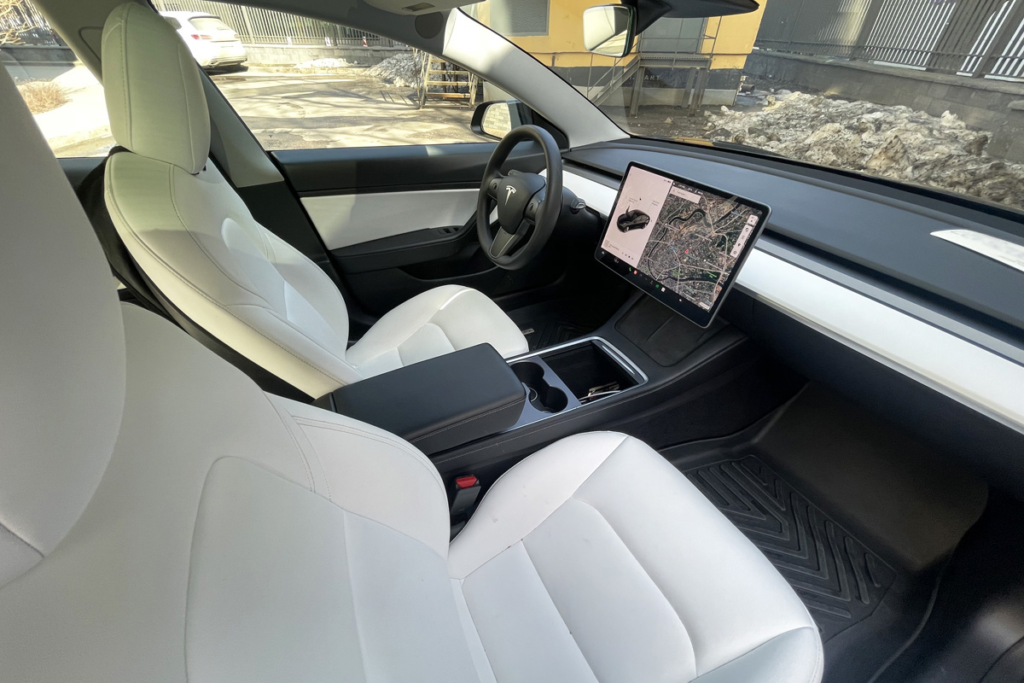
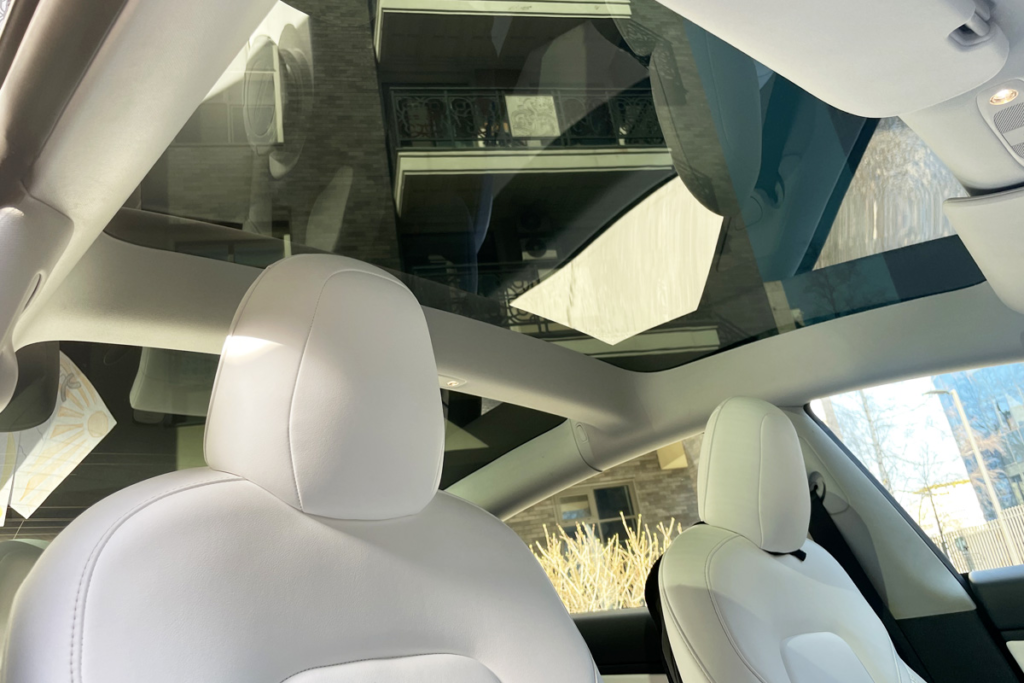
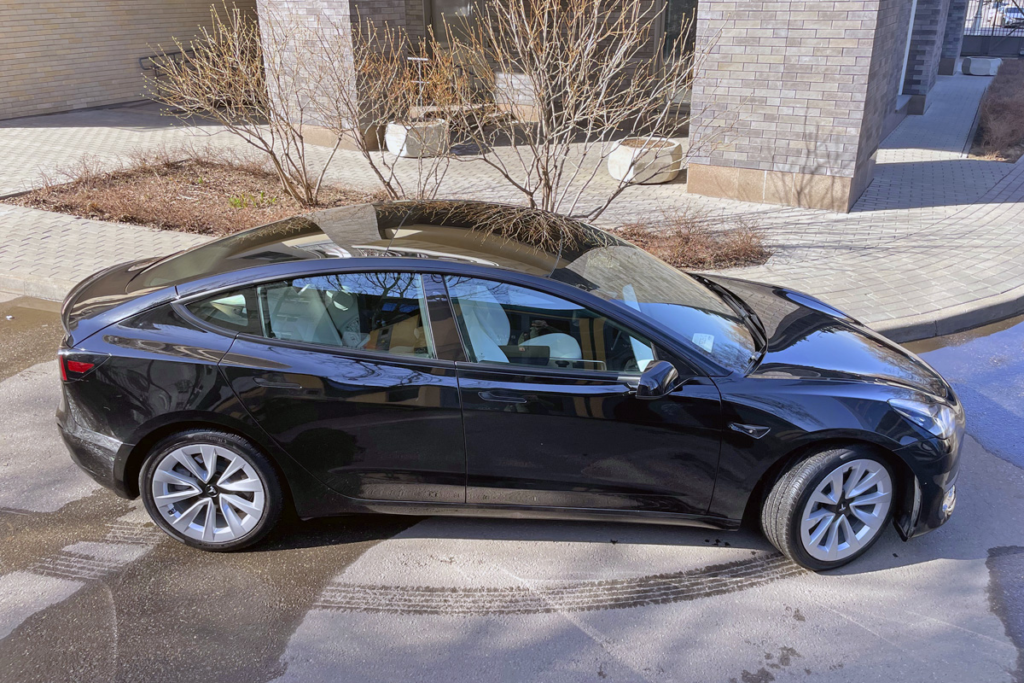
I find the interior particularly impressive for a variety of reasons, but primarily for its stark minimalist design. A tablet, a steering wheel and a couple of levers are all that populate the space. It is clean, bright and airy. The interior of the Tesla feels remarkably spacious, a sensation amplified not just by the absence of cluttered buttons and switches but also by the panoramic roof that bathes the cabin in light, with white seats enhancing the effect — practicality aside for the moment.
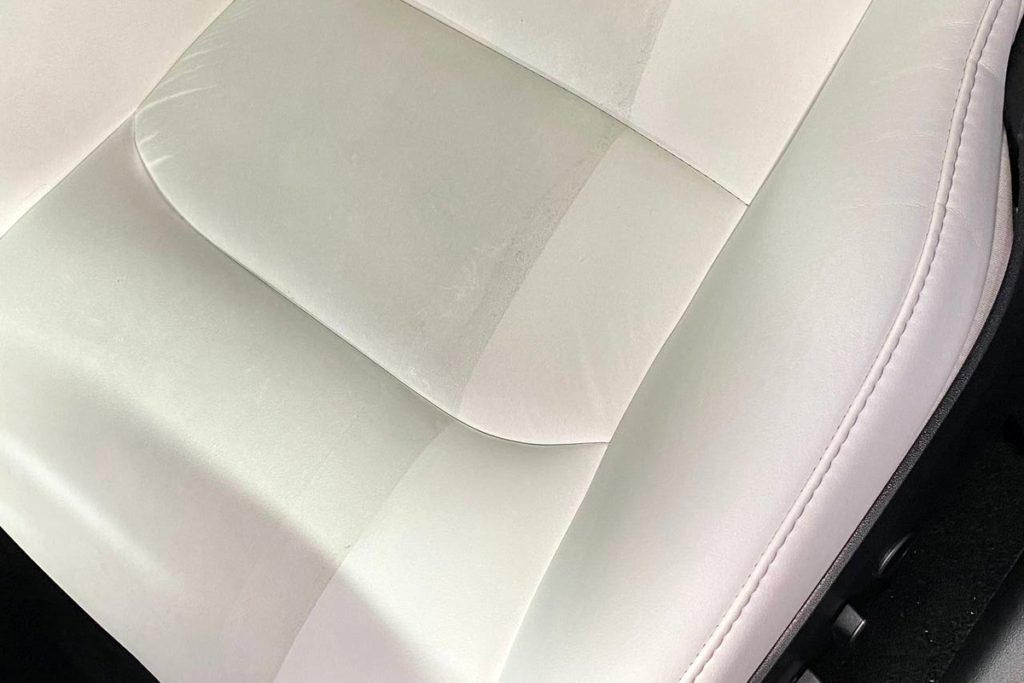
Seat upholstery before and after dry cleaning: feel the difference!
Ignoring the initial wow-factor, the cabin size of the Tesla is on par with my former BMW 320d from the F30 generation. The seating is comparably comfortable — positioned low and upright.
Ergonomics: the clever and the questionable
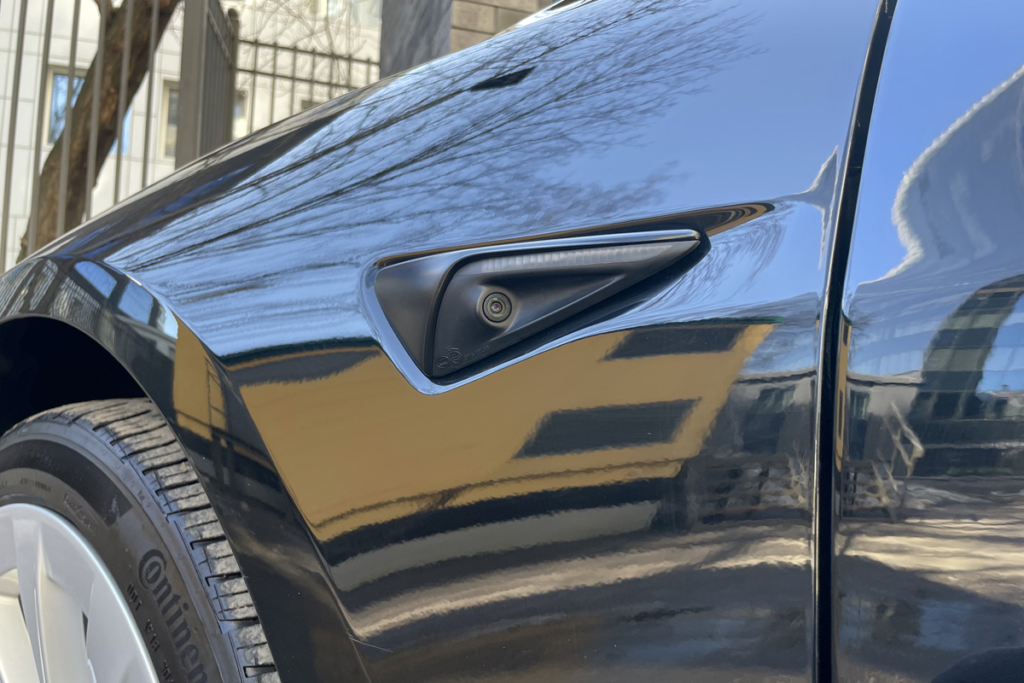
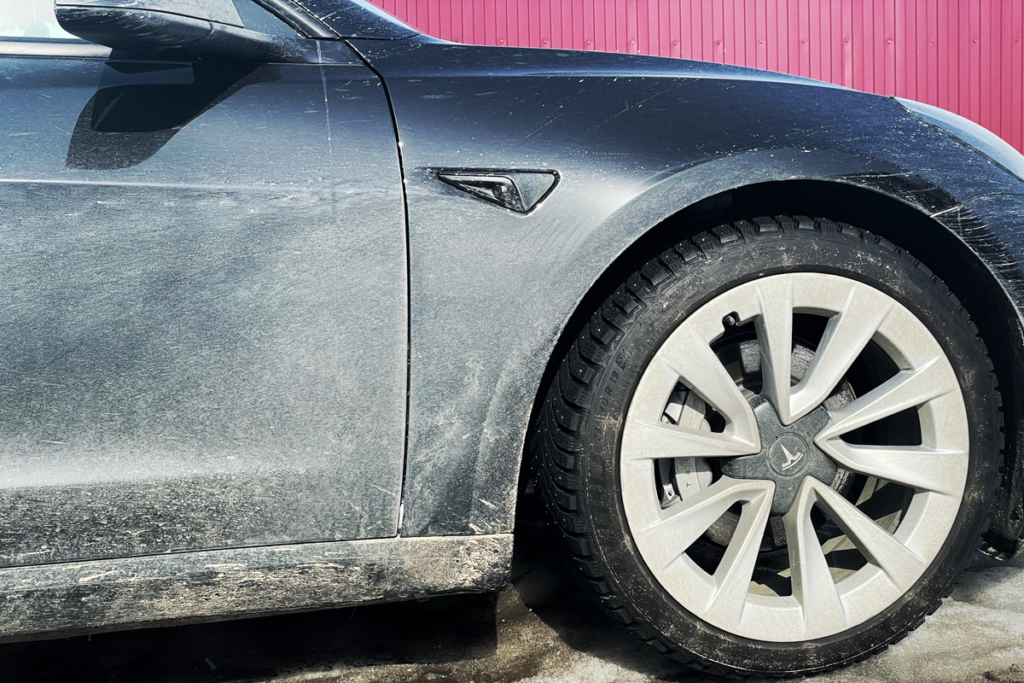
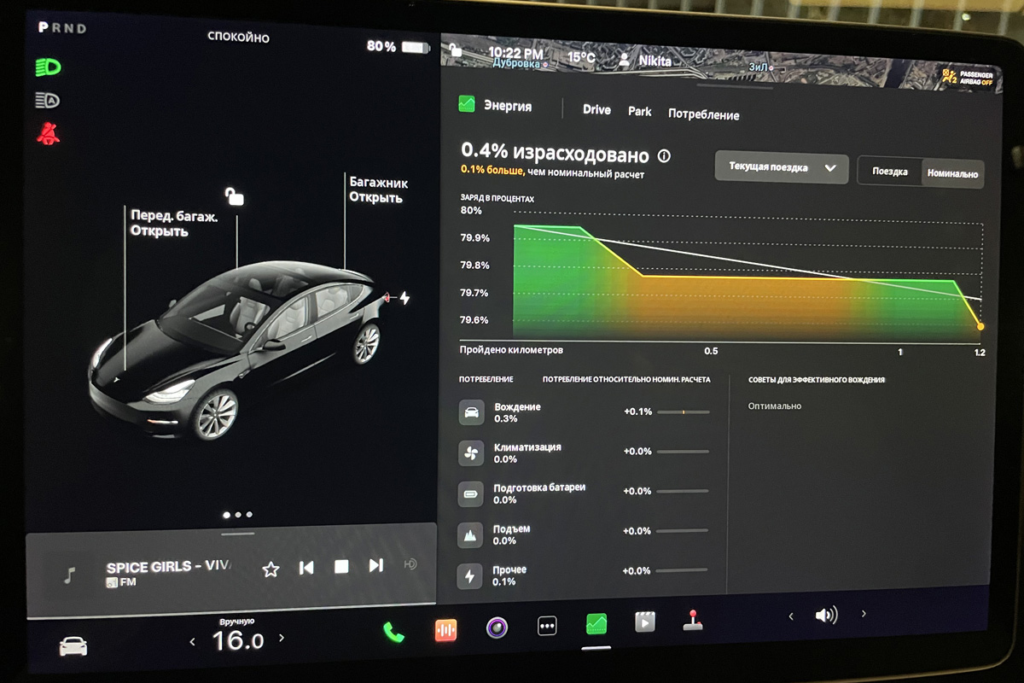
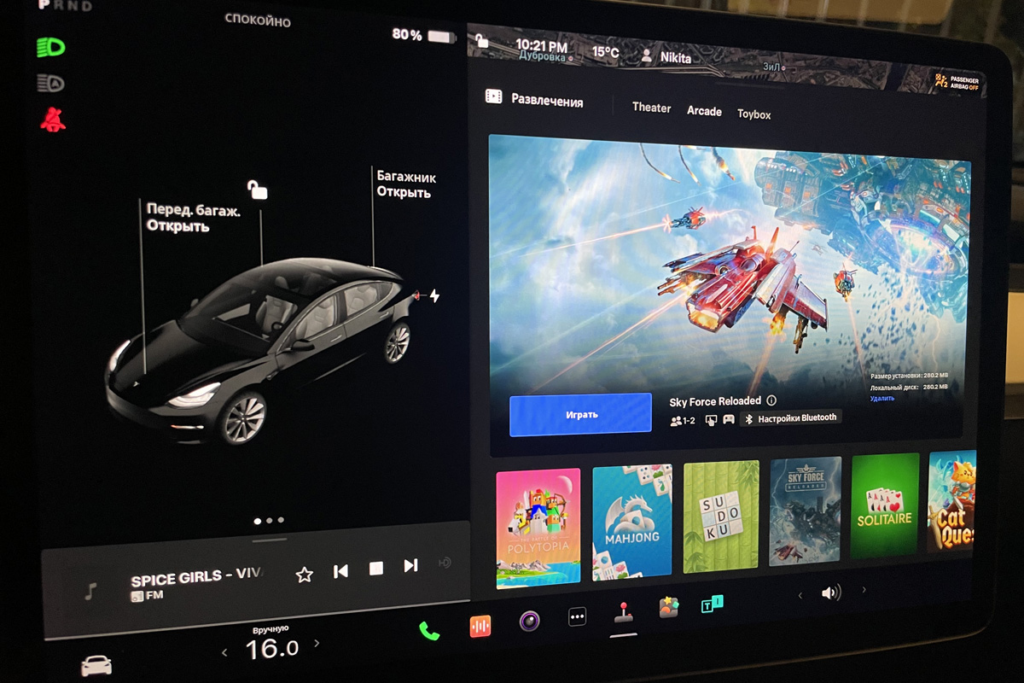
Overall, the Tesla Model 3 mixes clever and questionable ergonomic decisions. The cameras in the front fenders, for instance, are excellent. They remain clean, thanks to well-designed aerodynamics, and they are not just for the autopilot: flipping the turn signal lever activates them until the lane change is complete, so no blind spot persists. Out of habit I still find myself checking both the central monitor, which feeds the camera views, and the mirrors. The central screen serves as a control hub with excellent graphics, rapid responsiveness and a plethora of features, from technical details to Netflix and arcade games.
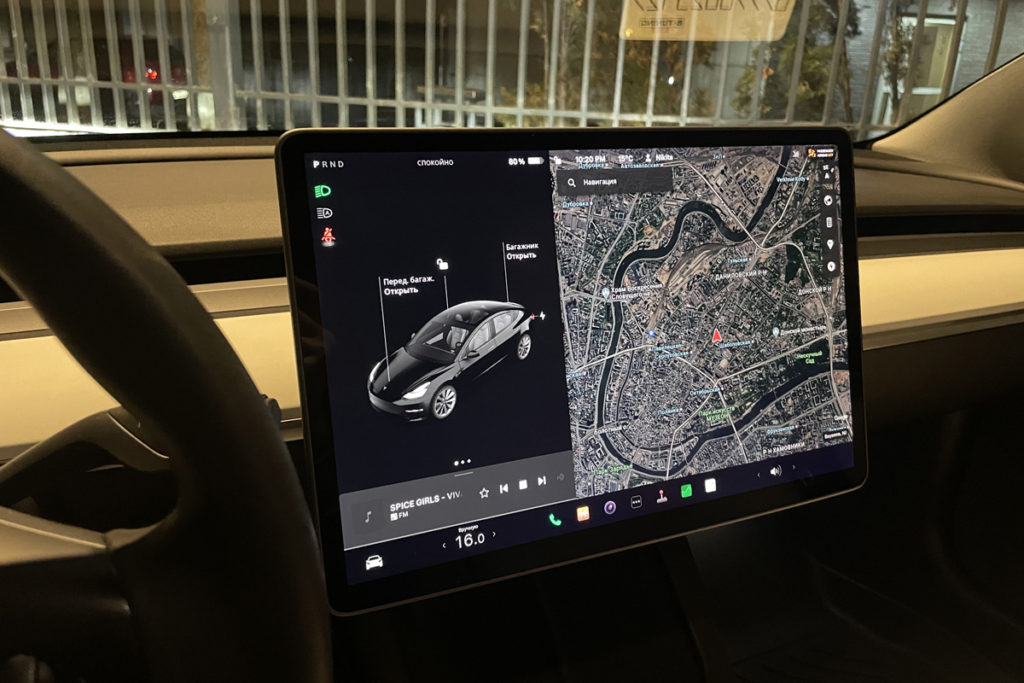
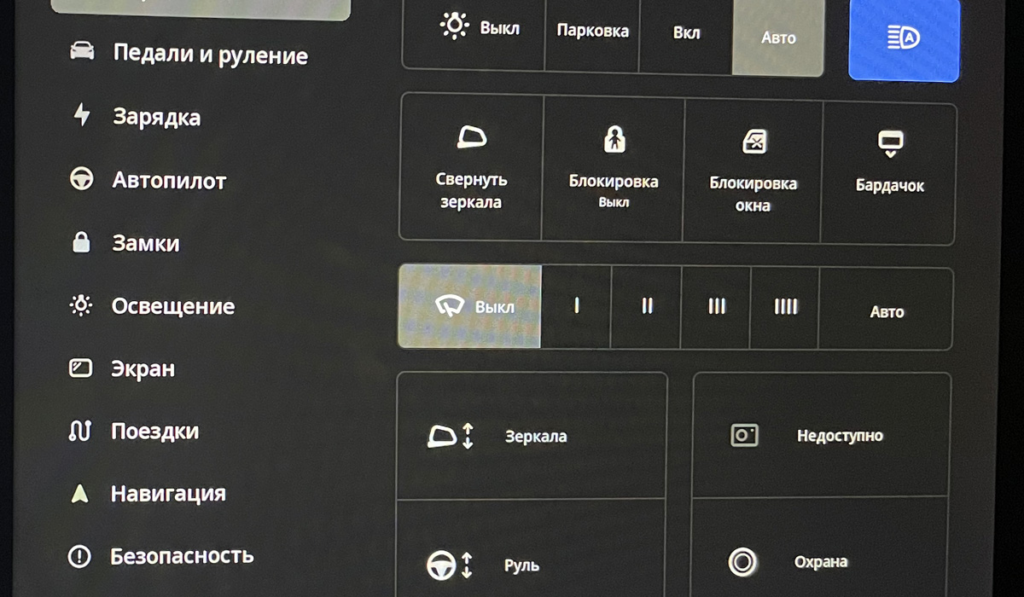
The windshield wiper controls, conversely, are poorly implemented. Need a single wipe? Tap the button at the end of the left lever on the steering wheel. Want to spray the windshield? Press harder. Switching modes requires navigating the on-screen menu, though recent updates allow some control via the steering wheel dials. Nothing beats the convenience of a simple lever flick, however, particularly when you are driving and need to clear your windshield quickly after being splashed by a passing truck. There is also an automatic mode, but it tends to act erratically — ignoring heavy rain, or wiping furiously across a dry windshield.
Door handles and two trunks
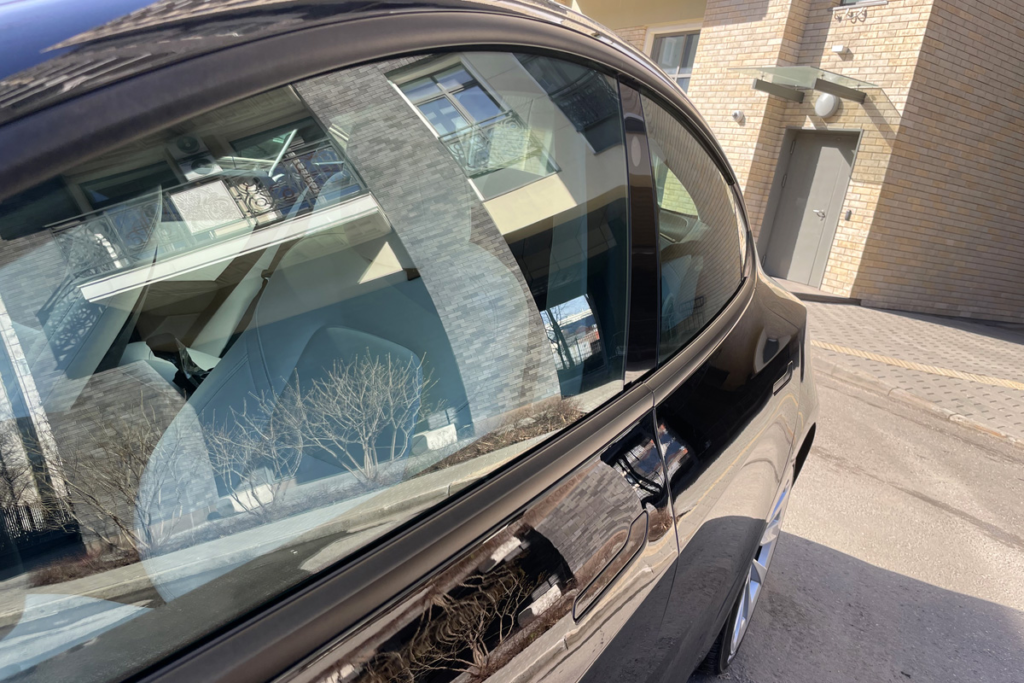
Among the other irritants are the recessed door handles — self-explanatory in their inconvenience, especially during winter. Fortunately they are manually operated, and a firm tap usually does the trick.
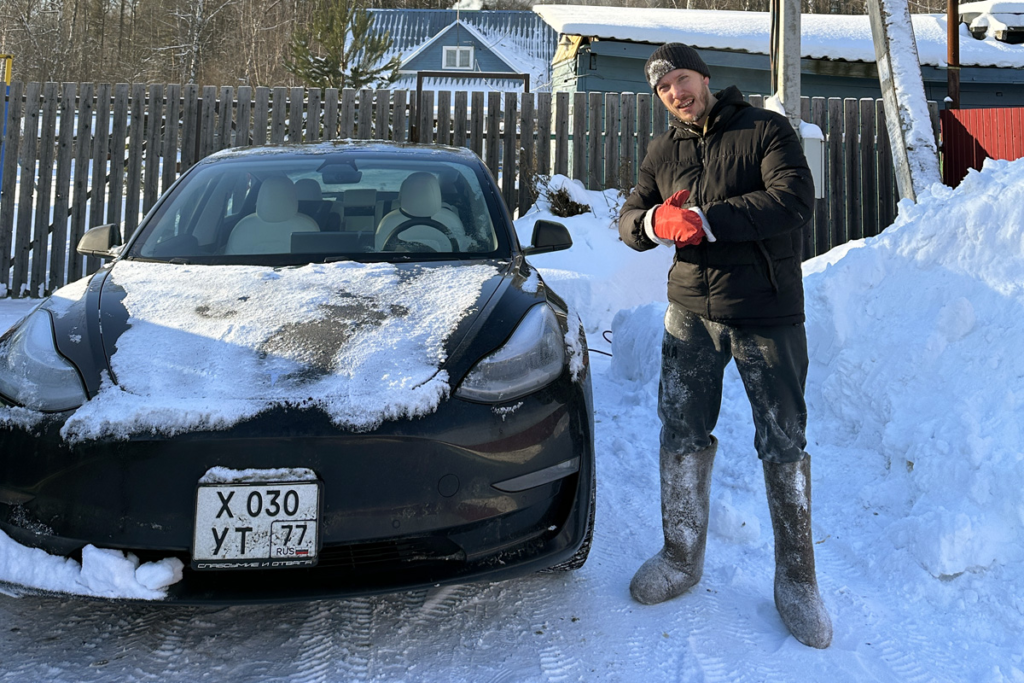
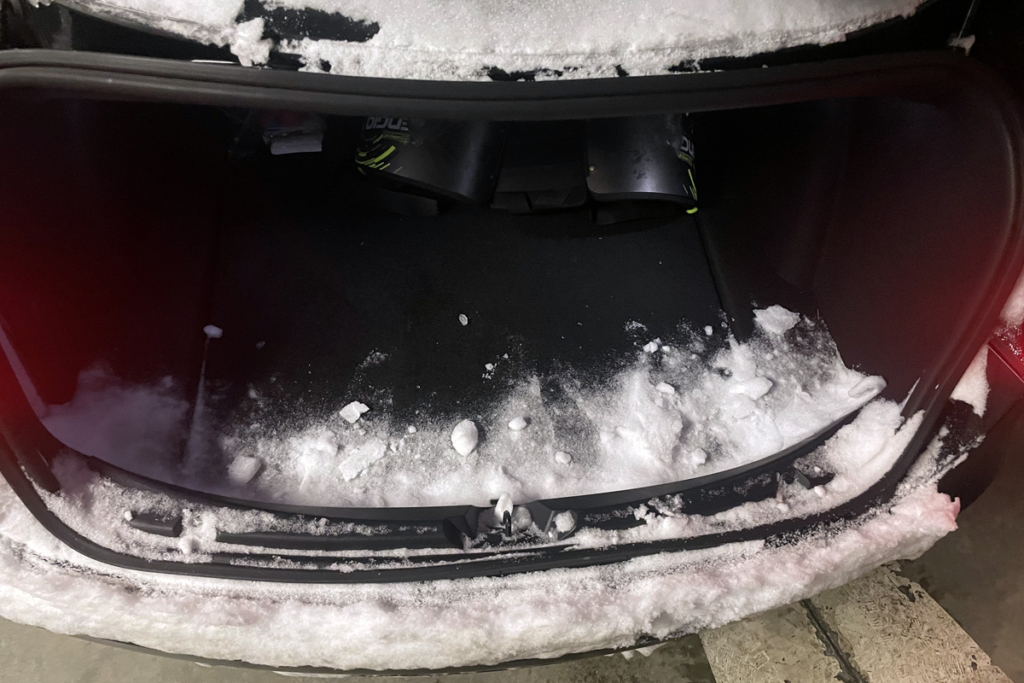
The trunk lids round out my list of grievances. The Tesla has two trunks. The front one quickly accumulates a snowy ice crust in winter, which renders it inoperable; this too is a result of the aerodynamic design, and not even high speeds can clear the snow. The rear trunk’s design causes any accumulated snow to fall directly into the luggage space when it is opened — a likely oversight in the aerodynamic optimization, and hardly practical.
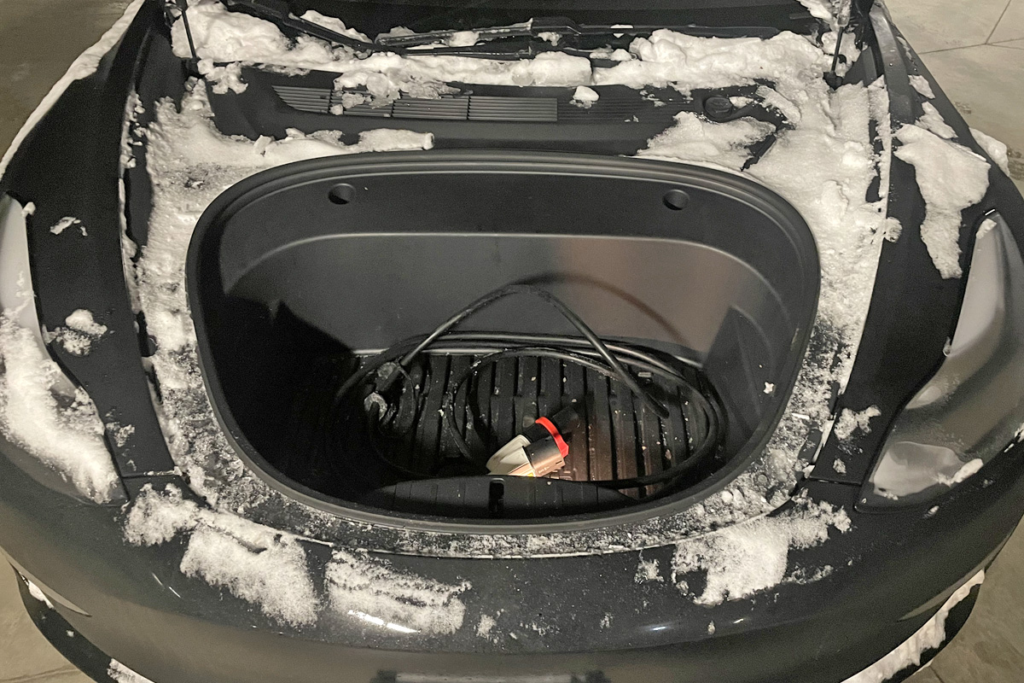
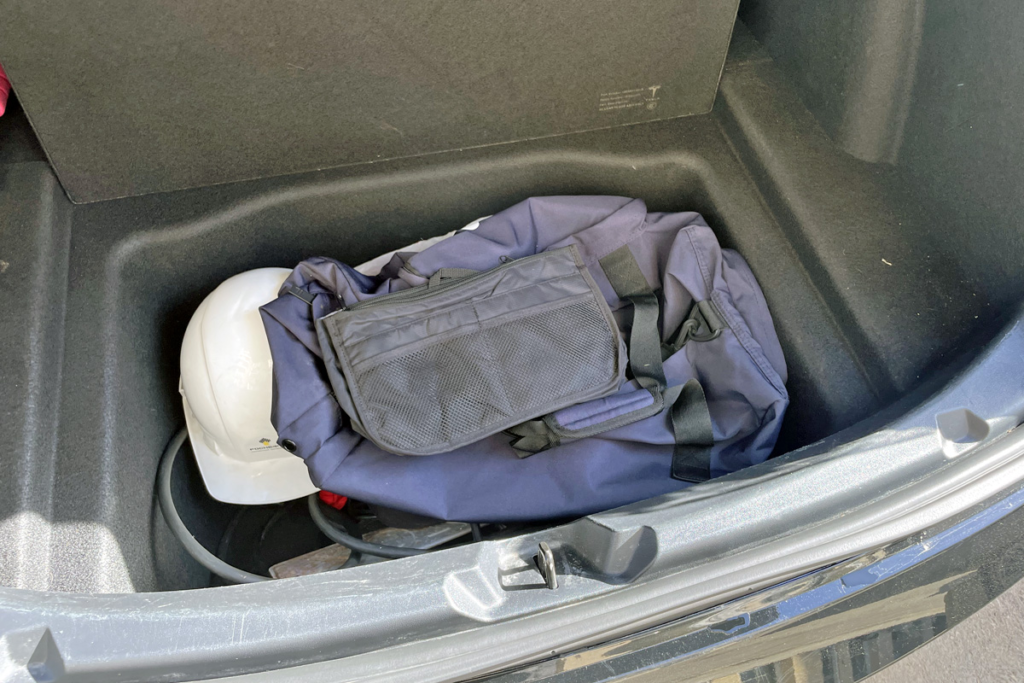
The trunks themselves are reasonably user-friendly. The front holds essential car gadgets like chargers and washer fluid, and is good enough for small items such as a backpack. The rear is used as intended, for larger luggage, and its spacious sub-floor deserves a special mention for its utility.
What the car does not have
Continuing the evaluation of my Tesla Model 3, there are a few comforts I find lacking, notably a heated windshield and a heated steering wheel, both missing from the Californian specification. I could also lament the car’s mediocre sound insulation, though it has never been a major concern for me. In other respects the Model 3 offers more than enough comfort: excellent parking sensors and cameras, comfortable seating, ample storage between the front seats, no central tunnel to step over, and good visibility.
Why every flaw looks bigger than it is
You might notice that I have emphasized the shortcomings more than the advantages. The reason is simple: owning a Tesla is like owning an iPhone. It may not seem special, but everything is designed to be maximally intuitive and convenient. Every shortcoming therefore feels far more significant against this backdrop than it actually is.
So, how does it actually drive?
Tesla excels, without question. It responds superbly at any moment, under any condition. The thrill of electric acceleration, especially being able to outperform sports cars in a family sedan, is truly exhilarating. That thrill fades after a couple of weeks, however. What remains is the active safety it gives you, letting you merge into traffic or avoid a collision easily. Within legal speed limits the Tesla handles everything effortlessly.
Handling? That is another strong point. The short, sharp three-spoke steering wheel provides very clear feedback, and the car’s weight is perfectly distributed. All the right ingredients for a successful driving experience are there. There is a significant caveat, though — the car’s weight. I have always preferred compact and lightweight cars, and consider the Mazda MX-5 nearly perfect. The Tesla’s 1.8-ton weight is palpable.
Picture attending a ballet. You are in the audience, watching graceful ballerinas effortlessly glide across the stage. Yet your preference for television comedies leads you to doze off by the second act. You awaken only to see that the ballet has ended, replaced by a heavy-set janitor clumsily sweeping the stage. In this metaphor the Mazda MX-5 is the ballerina, and the Tesla Model 3 is the cumbersome janitor.
Weight, ride and brakes
Driving a Tesla feels rather like pushing a heavy iron across a board — a nod to the vehicle’s low center of gravity, courtesy of the battery in the floor. This design choice brings several benefits, but traditional petrolheads (sorry, Mikhail Iosifovich) may not appreciate them. The flip side of minimal body roll and stiff suspension, moreover, is a lack of smoothness in the ride. The Tesla performs well on good roads, but poor road conditions reveal the car’s rigidity, and the 19-inch wheels with low-profile tires do not help.
I also find the brakes less than reassuring. Despite the regenerative braking system designed to aid the calipers, the stopping power feels inadequate. The Model 3 halts from 100 km/h in 46 meters, a full ten meters behind a BMW F30 — notice the difference.
Ultimately you must accept that dynamic performance and responsive steering do not guarantee enjoyment. The joy comes from elsewhere, such as the all-wheel drive’s excellent stability on slippery roads. Where rear-wheel drive demands precision handling, the Tesla allows you to simply accelerate confidently.
One-pedal driving, and what it asks of you
The car also supports one-pedal driving, a feature enabled by regenerative braking, which converts the kinetic energy of the vehicle into electrical energy. Although this does not significantly recharge the battery, it slows the car effectively enough to allow that driving style. You soon need only lift your foot from the accelerator to slow down significantly, and you adapt to rarely using the brake pedal at all.
This comes with its own set of challenges. Brake discs may rust from infrequent use, especially in city driving — Tesla has implemented a mode that periodically ‘scours’ the discs to remove surface rust.
Adapting to regenerative braking also requires relearning certain driving habits, such as approaching speed bumps or handling sharp turns, because the car begins to decelerate and load the front wheels the moment you lift off the accelerator. That can make bumps and imperfections in the road feel more jarring than in a conventional vehicle.
The autopilot, as far as it goes
Despite these nuances, the allure of Tesla’s technology — like its semi-autonomous driving capabilities — remains strong. The full potential of the autopilot system is not yet realized, because of current navigation limitations, but the basic features such as adaptive cruise control and lane keeping assist greatly enhance highway driving convenience. Occasionally the car misinterprets a slope as an obstacle and slows down unexpectedly, but these features generally contribute positively to the driving experience.
Was it worth it?
In conclusion, owning a Tesla has proven to be a pragmatic choice for me. It fulfills my needs for a family car economically and efficiently, without the emotional attachment typically associated with driving. It is a rational, if somewhat passionless, relationship with a vehicle that delivers what it promises — efficient, practical transportation that occasionally surprises with its capabilities. If conditions change, such as the imposition of fees for electric vehicle benefits, my pragmatic loyalty could waver, possibly in favor of more thrilling, albeit less efficient, automotive alternatives. Life, as always, will show us the way.
Photo: Nikita Sitnikov
This is a translation. You can read the original article here: Tesla для петролхеда. Часть третья: зачем все это?

Published August 08, 2024 • 9m to read