
Alexandre Darracq, a name seldom remembered these days, was a pivotal figure in the automotive world. This genuine “Frenchman from Bordeaux” laid the foundational stones for what would become the renowned automobile brand, Alfa Romeo.
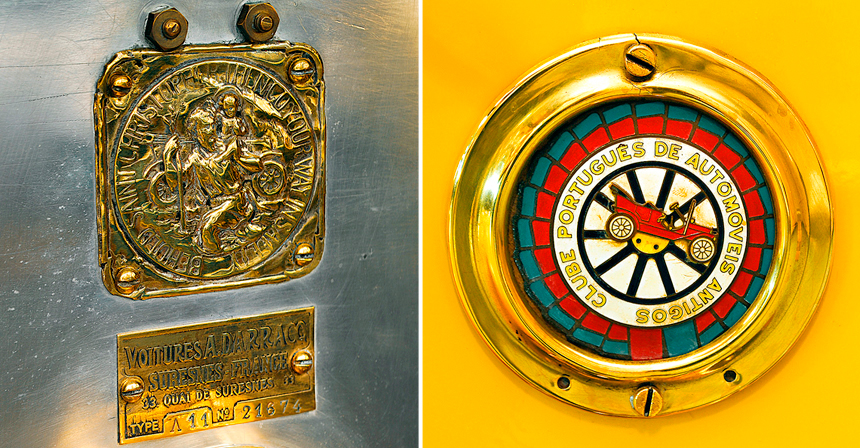
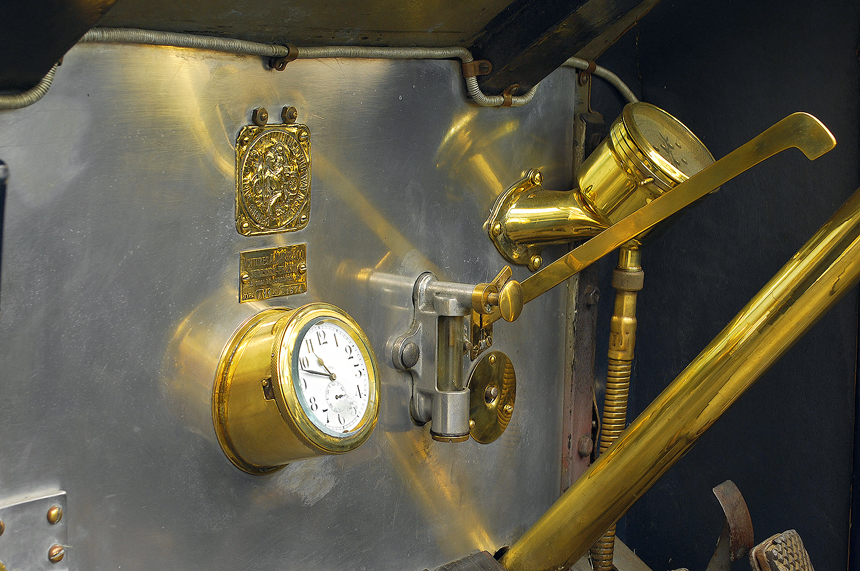
The inscription on the bronze tablet reads: “Behold St. Christopher and go your way in peace.”
Judging by this plaque, the car was in Portugal for some time and belonged to a member of a local antique car club there.
Bicycles First
It began not with cars but with bicycles, in Suresnes, a town close to Paris and a long way from his Bordeaux origins. His machines, branded Gladiator, had a respectable reputation among the cyclists of the day. In time Monsieur Darracq sold the bicycle business to another bicycle manufacturer, Gustave-Adolphe Clément, and dived headfirst into the young motor industry in 1896 — a moment when everyone from motor enthusiasts to boilermakers and gunsmiths was drawn to the rapidly expanding field.
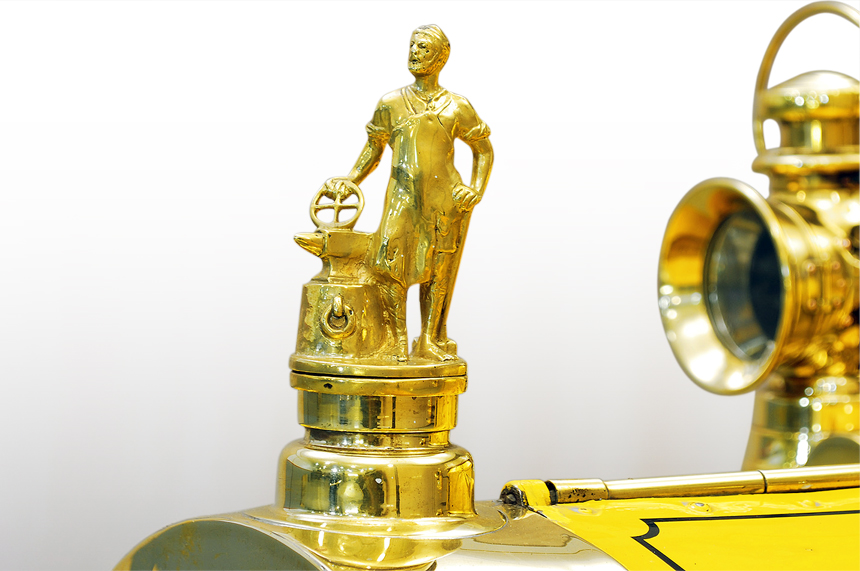
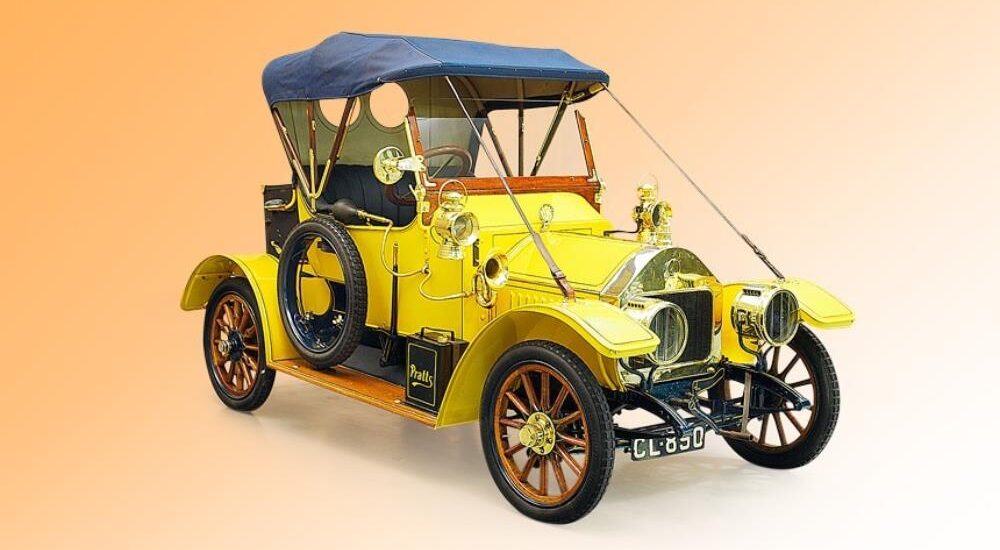
The luxurious sculpture on the radiator cap is not the Darracq company logo, but the so-called mascot, that is, a talisman; it was selected individually by the owner of the car according to his tastes and was paid separately
The Engines That Made the Name
His first venture was electric, but it soon gave way to internal combustion, using a single-cylinder engine from Leon Bollee. That experiment never went past a prototype. Then Darracq took on the talented engineer Paul Ribeyrolles, who built the company’s first genuinely successful engine.
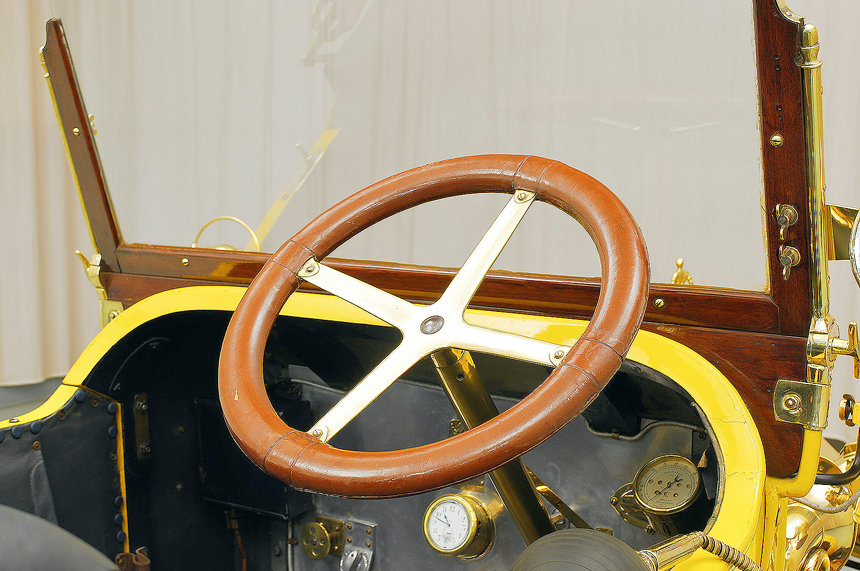
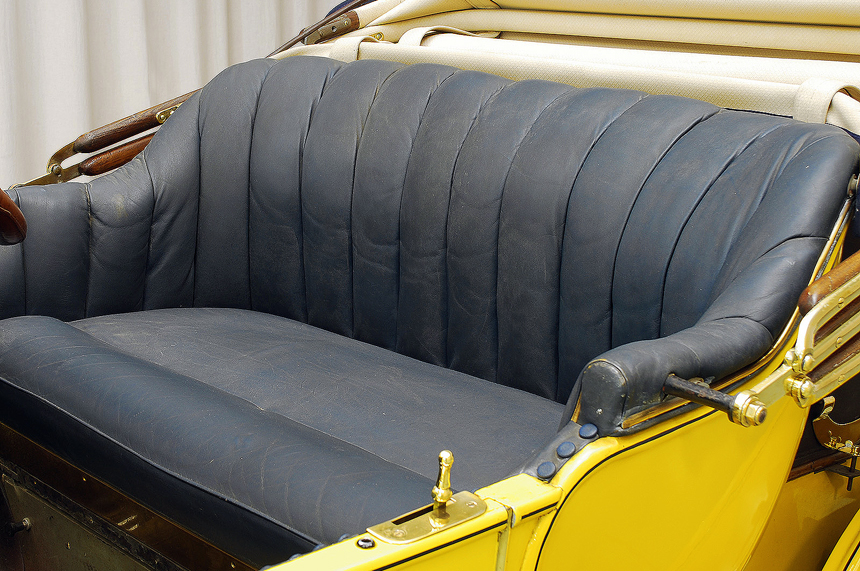
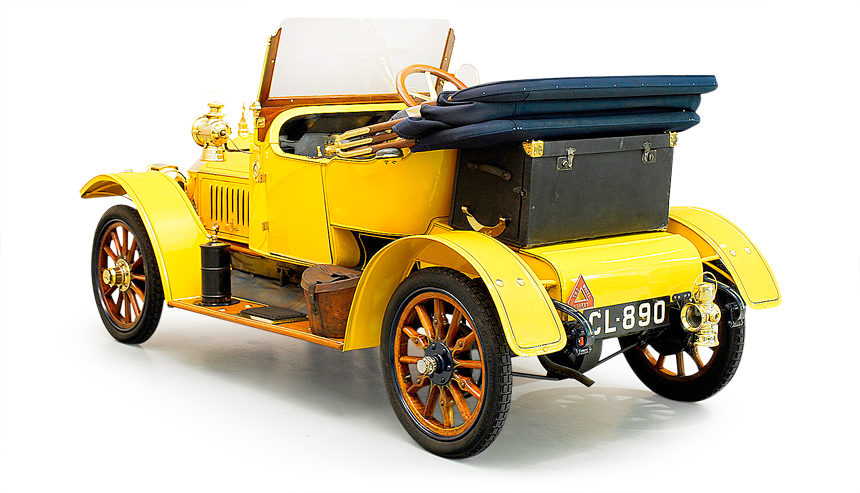
The car has only one door, on the opposite side of the driver’s seat.
The wooden frame of the windshield could, if desired, be folded forward and locked in the lowered position
Ribeyrolles proved his worth. In 1905 he produced a V-shaped eight-cylinder overhead-valve engine of 22.4 litres, and a Darracq carrying it set a world speed record of nearly 174 km/h. Less exotic single-cylinder cars of his design were built under licence by Opel in Rüsselsheim from 1903. By 1904 Darracq accounted for about ten percent of all French car production. Branches followed in Britain and Italy — and the Italian one, growing steadily more independent, eventually turned into the marque known today as Alfa Romeo.
That Italian branch, in the Milanese suburb of Portello, was an assembly plant: every component came from Suresnes. The cars were modest two-cylinder machines of 8-10 horsepower. By 1910 Darracq was a major force in the French market and looked ready to repeat Henry Ford’s success with cheap cars built in quantity. The company had also gone into aviation, supplying aircraft to aviators of the standing of Louis Blériot and Alberto Santos-Dumont.
The Mistake That Cost Him the Company
Then, in 1911, the appetite for innovation turned expensive. Darracq adopted a “silent” rotary valve system patented by the Swiss inventor Charles-Edouard Henriod. It did not work. The company retreated to conventional valve gear, and the episode ultimately pushed Darracq out of the firm he had founded.
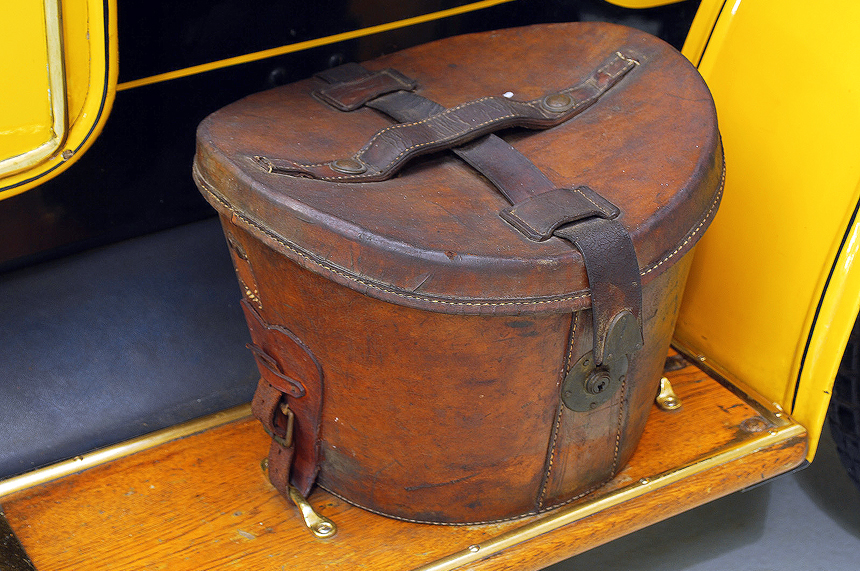
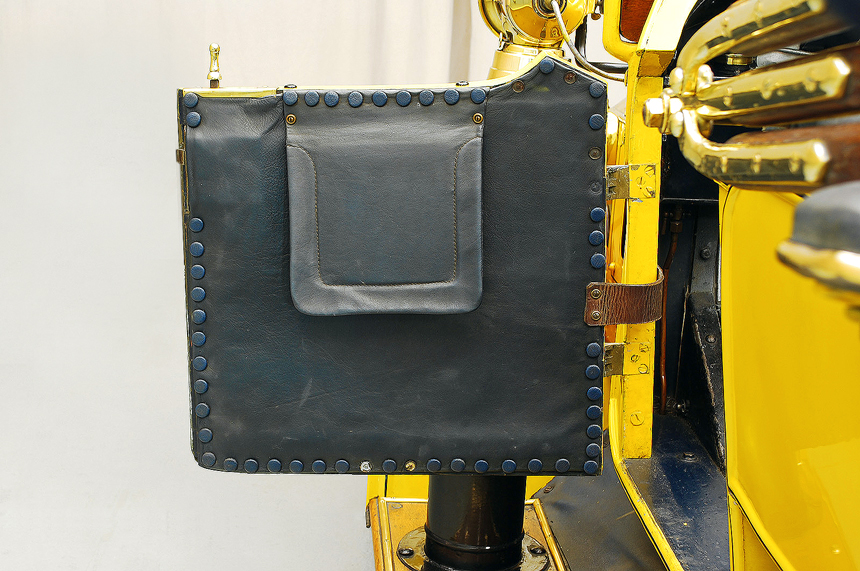
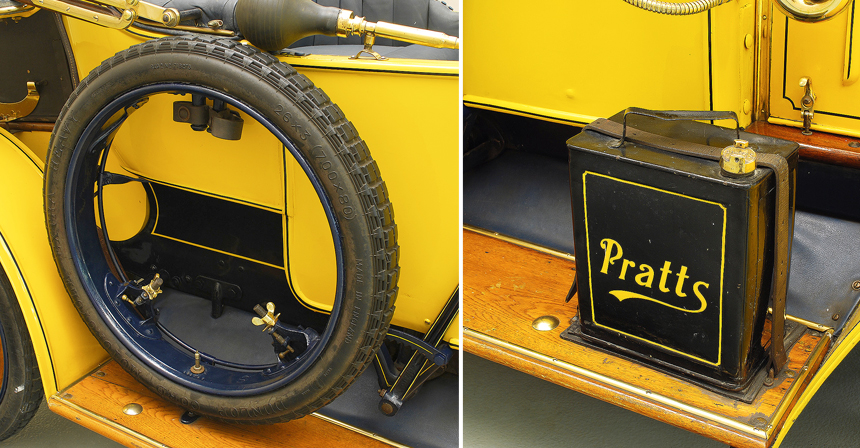
On the left side there is a carbide generator and a leather case for ladies’ hats, a fairly popular accessory for that time
After Darracq
His legacy outlasted his departure. Owen Clegg, an English car designer, took over and pushed the company towards mass production. After World War I, Darracq merged with the London-based Clement-Talbot and later with Sunbeam to form the STD conglomerate, which lasted until the mid-1930s.
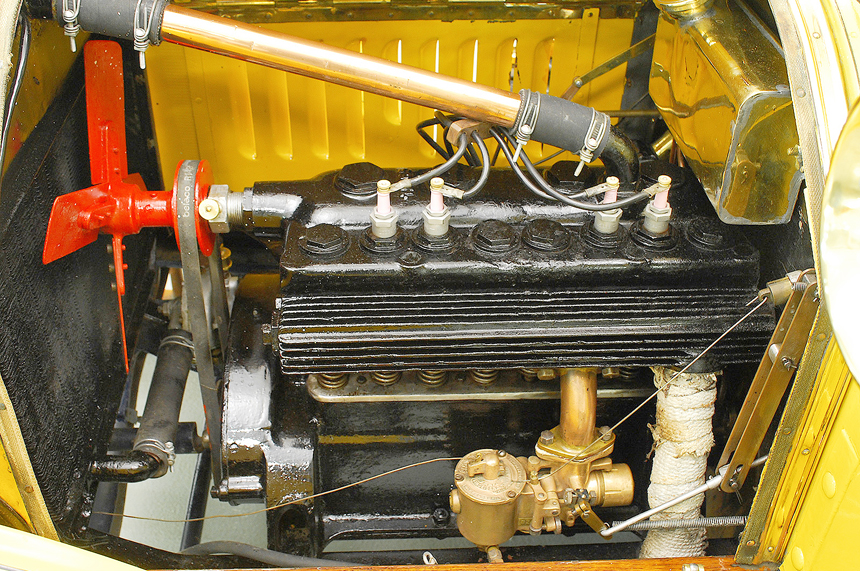
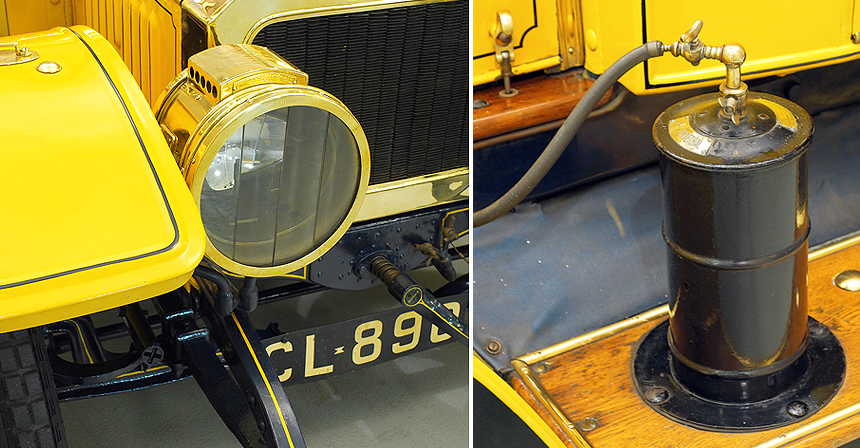
The in-line lower-valve four-cylinder engine developed 10 hp.
Darracq himself was never truly passionate about cars. He never learned to drive and preferred not to travel by car at all. He moved into hospitality instead, buying the prestigious Negresco hotel in Nice, and died in 1931 in Monte Carlo. He is buried at the Père Lachaise cemetery in Paris. Cars carrying his name were built long after his death — the enduring legacy of a man who shaped the motor industry without ever much caring for it.
Alexandre Darracq: The Key Facts
- Started with: Gladiator bicycles in Suresnes, sold to Gustave-Adolphe Clément
- Into cars: 1896, first electric, then internal combustion
- Key engineer: Paul Ribeyrolles, whose 1905 V8 of 22.4 litres took a world record of nearly 174 km/h
- Scale: about ten percent of French car production by 1904; built under licence by Opel from 1903
- The Italian branch: Portello, near Milan — it became Alfa Romeo
- The misstep: Henriod’s “silent” rotary valve system in 1911, which drove him out of his own company
- Afterwards: the Negresco hotel in Nice; died 1931 in Monte Carlo, buried at Père Lachaise
Frequently Asked Questions
What is the connection to Alfa Romeo? Darracq’s Italian branch at Portello, near Milan, began as an assembly plant fed with French parts. It grew more independent over time and became the company known today as Alfa Romeo.
Did Darracq drive? No. He never learned, and preferred not to travel by car — which did not stop him from becoming one of France’s largest manufacturers.
What went wrong in 1911? He adopted a “silent” rotary valve system patented by Charles-Edouard Henriod. It failed in service, the company went back to conventional valves, and the affair cost him his position.
What happened to the company? Owen Clegg took it towards mass production; after World War I it merged with Clement-Talbot and then Sunbeam into the STD group, which ran until the mid-1930s.
Photo: Sean Dugan, Hyman Ltd
This is a translation. You can read the original article here: Позабытый: Darracq Type 11 1910 года в рассказе Андрея Хрисанфова
Published August 15, 2024 • 5m to read