
It’s hard not to wonder how much Kia’s product planners kick themselves over missed timing. For reasons that remain unclear, the brand held off launching a proper B-segment crossover in several markets, and the front-wheel-drive-only Rio X-Line and Soul were never real substitutes. Meanwhile in China, right around the time the Hyundai Creta’s platform debuted, Kia quietly rolled out the KX3 SUV. Since 2016, the Creta hasn’t just done well — it has become one of the best-selling crossovers in its segment and is already due for a mid-cycle refresh.
Seltos vs. Creta: Shared DNA, Different Platform Timing
Kia has a reasonable defense: the Seltos rides on the newer K2 platform, putting it in the same family as the Ceed and the current Soul. That gives it a head start — the Hyundai Creta won’t move to this architecture until later in the year. Still, spend time with the Seltos and it’s clear the car was engineered squarely within the Creta playbook. The lower door thresholds sit exposed in the same way, and small ergonomic quirks — like a driver’s-side visor that falls about 2.7 inches short of the windshield pillar — echo its sibling closely.
Exterior and Interior Design Highlights
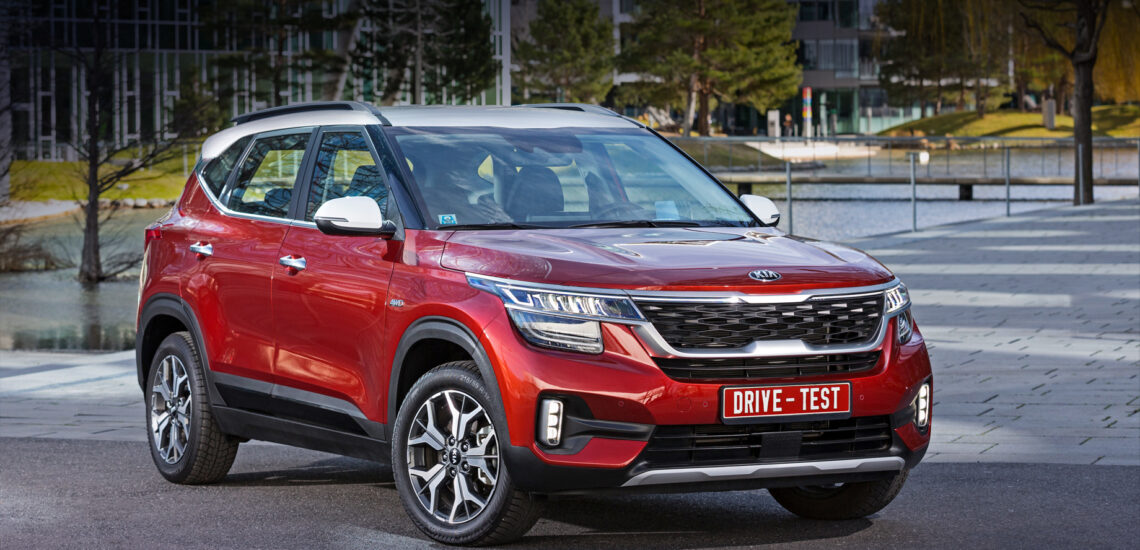
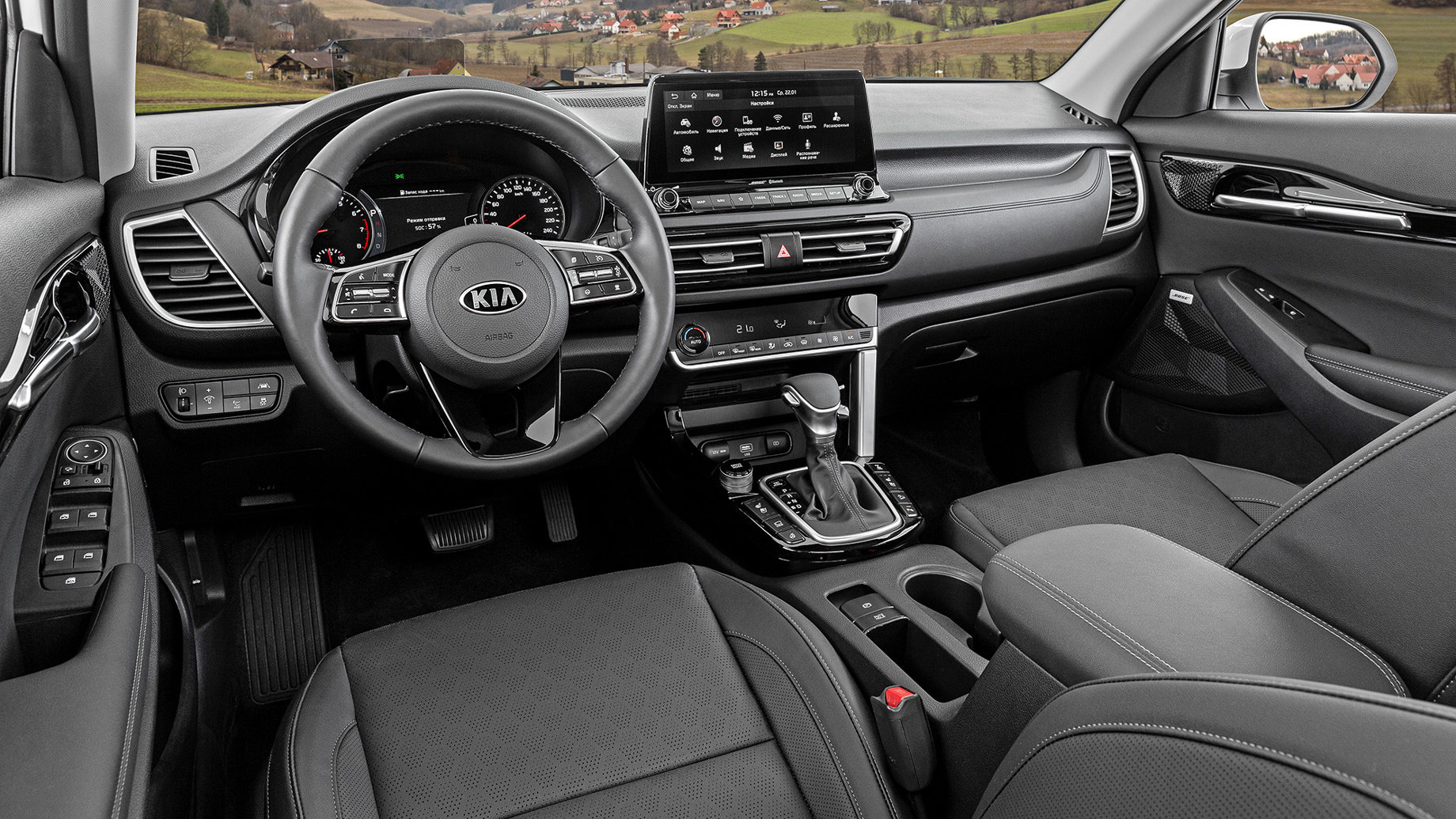
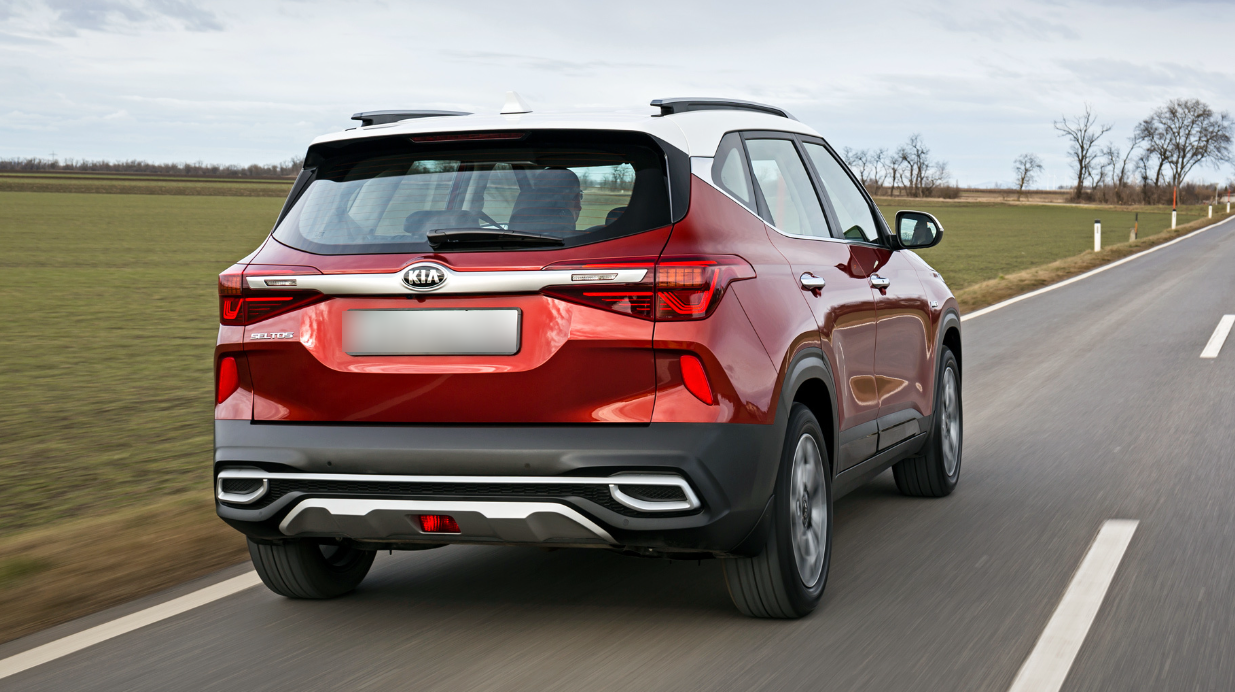
Where the Seltos pulls ahead of its “brother” is design. Slim strips of parking lights stretch out toward the radiator grille (best not to think about repair costs after even a minor fender bender). Around back, matte chrome accents add visual weight, and the modern cabin shapes do a good job distracting from the amount of hard plastic used. Soft-touch materials only appear where a buyer’s hands and elbows naturally land — a common but noticeable cost-cutting pattern.
Depending on trim, the Seltos can be configured with:
- A 10-inch infotainment touchscreen
- Head-up projection display
- Ventilated front seats
- Kia Drive Wise driver-assistance suite
- Dynamic, multi-color ambient lighting
Trim Levels: What You Actually Get
The catch is that almost every feature above is locked to the top-tier Premium package. Lower trims skip even a rain sensor. More disappointingly, the long-requested remote engine start only comes bundled with keyless entry. Pressing the fob button starts the engine for ten minutes and keeps the climate control running in whatever mode it was left in — but heated windows (including the windshield), heated seats (rear bench included), and the heated steering wheel are all disabled during remote start.
Interior Space and Practicality
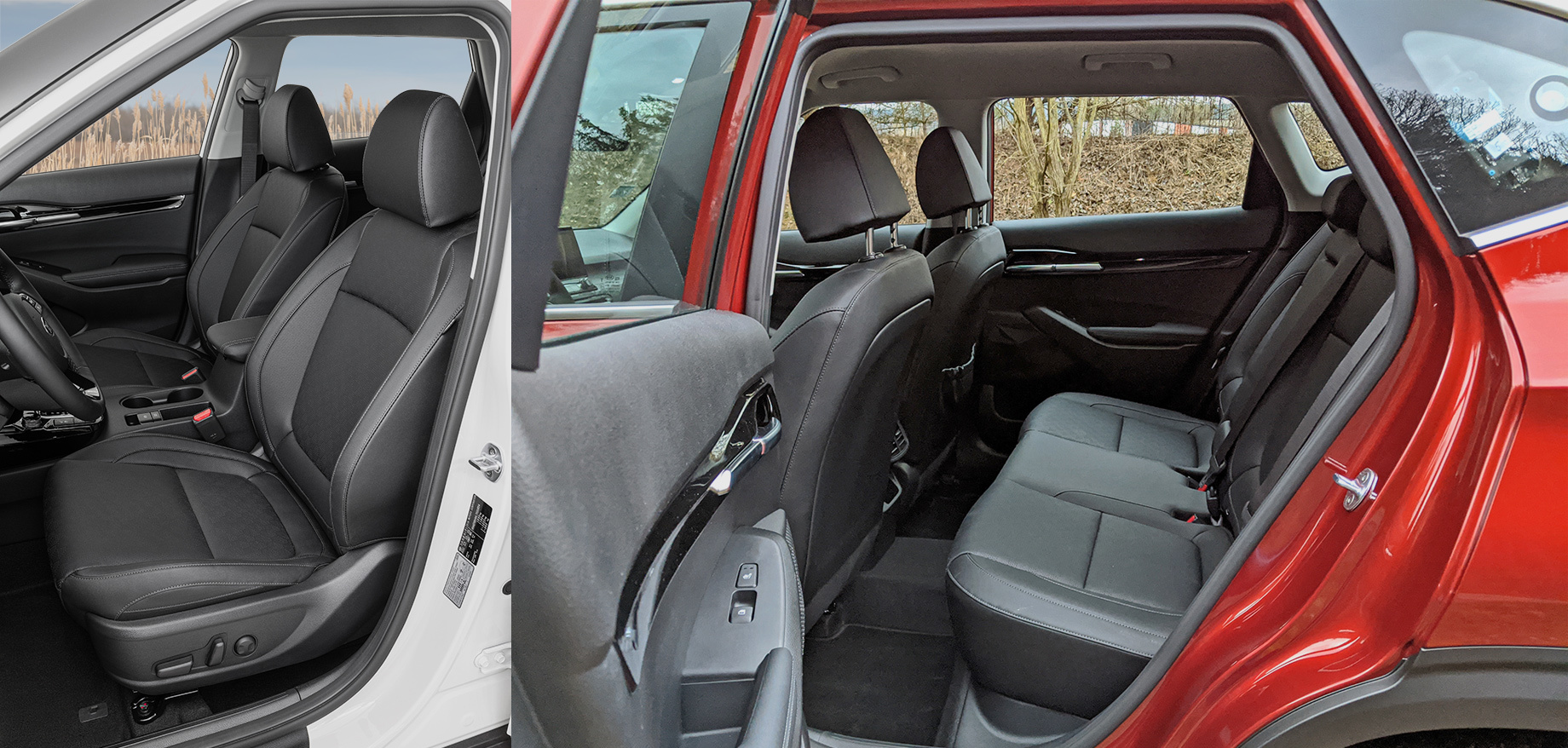
The Seltos is nearly 4 inches longer than the Creta — for context, even the Nissan Qashqai is only 0.3 inches larger. That extra length shows up mostly in rear-seat space: a tall passenger can sit comfortably behind a tall driver, with just a couple of fingers’ worth of knee clearance to spare. The wheelbase also grew by 1.5 inches. Cargo space is a weaker point, though — the optional full-size spare tire raises the trunk floor, and the liftgate opening sits fairly low, around 5’9″ off the ground.
Engine and Transmission Options
Roughly half of Seltos sales are expected to come from the entry-level 1.6-liter engine, available with either a six-speed manual or a conventional automatic, each paired with either front- or all-wheel drive. These 1.6-liter variants were prepared specifically for the Russian market and only entered production in June. The remaining two powertrains carry over from the Korean and US lineups:
- 1.6-liter turbo paired with a dual-clutch (DCT) transmission — expect this combo to stay rare given its price premium
- 2.0-liter naturally aspirated engine paired with a new belt-driven CVT (variator)
Is the CVT Any Good?
CVTs still carry a reputation problem — plenty of drivers assume they’re unreliable simply because they’ve heard secondhand complaints. But the case for CVTs is strong for manufacturers: lower production costs and better efficiency. In practice, the Seltos’ CVT behaves sensibly. It doesn’t fake stepped gear changes through the first third of throttle travel, and torque delivery feels predictable. Push harder, or cross roughly 60 mph, and the CVT settles into a locked, direct-feeling connection. Long-term reliability and off-road durability are questions a short first drive can’t answer — though with 6.8 inches of measured ground clearance, the Seltos was never built with serious off-roading in mind.
Ride, Handling, and Steering Feel
Behind the wheel, the Seltos feels a touch more mature and substantial than the Creta — likely thanks to retuned suspension. Reports suggest the original Korean chassis setup was stiff to the point of discomfort, so engineers softened things up with revised front springs, shock absorbers, and a new front anti-roll bar. The result is a bit more body roll in corners and less sharpness in steering response, though the steering rack itself is fairly quick: a 12.8:1 ratio means just two and a half turns lock-to-lock.
Ride Comfort and Noise Levels
Ride quality is competent rather than remarkable. Smooth roads are handled without complaint, and the suspension has decent energy absorption — but it’s not plush. The Seltos transmits mid-sized road imperfections quite faithfully, suggesting rougher, unpaved routes won’t be its strong suit. Acoustic comfort, on the other hand, is respectable for a budget crossover: at 80 mph, conversation stays easy over a well-balanced mix of wind and tire noise. Under acceleration, the engine note is present but forgettable enough to fade into the background quickly.
Final Verdict: Should You Buy the Kia Seltos?
Overall, the Seltos lands as a well-rounded, if unexciting, crossover. Nothing about it fails outright — it’s practical, reasonably comfortable, and safely competent to drive, without much personality behind the wheel. That said, most real-world buyers won’t read a test-drive article before deciding. They’ll walk into a dealership with a budget in mind, see that the car looks good, feels well-built, and comes from a trusted mainstream brand — and that’s usually enough to seal the deal. If that describes you, there’s little reason to talk you out of it.
This is a translation. You can read the original here: https://www.drive.ru/test-drive/kia/5e412e78ec05c41e7600013d.html

Published February 23, 2023 • 6m to read