


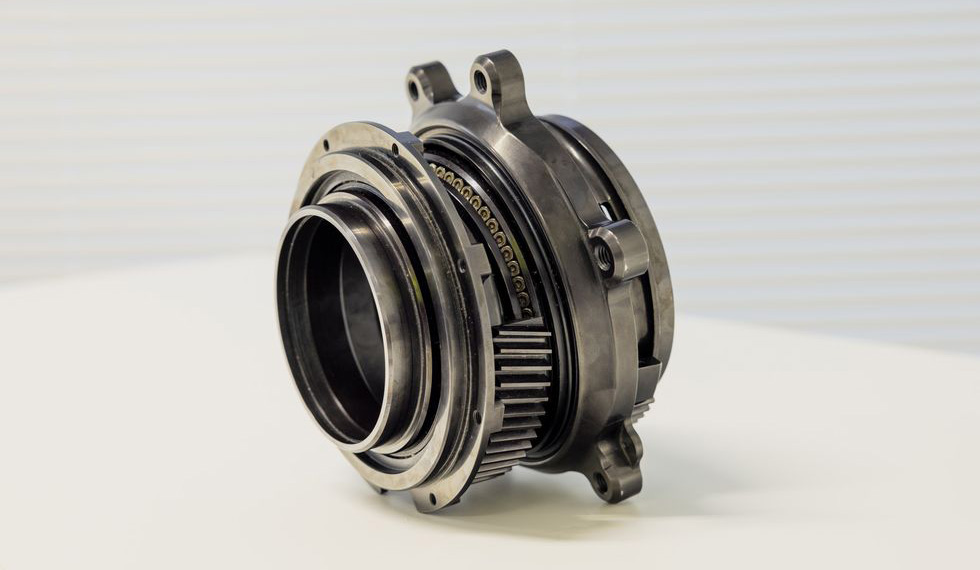
Wheel alignment critically influences a vehicle’s handling and road behavior, and traditionally those settings are static and fixed. Lamborghini has now pioneered a system called the Active Wheel Carrier (AWC), which adjusts the camber and toe angles of the rear wheels dynamically, while the car is moving.
Why Adjustable Angles Matter
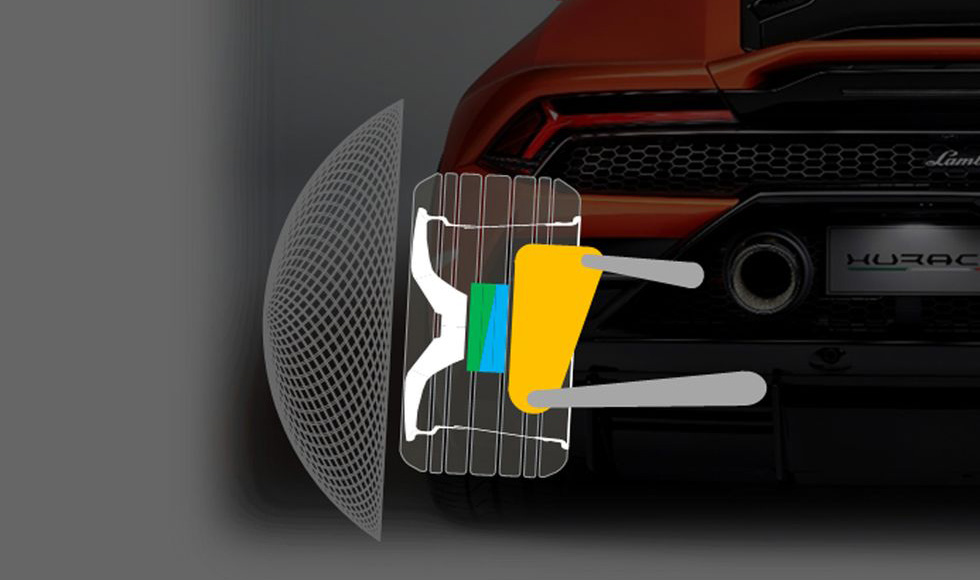
The AWC system is designed to enhance maneuverability by allowing continuous adjustment of the wheel angles. Because the angles no longer have to be a compromise, the usual penalty of fixed settings — rapid tire wear from aggressive angles chosen for control — is largely avoided.
How It Works
The AWC uses two independent mechanisms to adjust the toe and camber angles, each driven by its own electric motor through gear transmissions. The adjustments are governed by sophisticated algorithms, engineered by Lamborghini’s chief engineer Ruven Mohr, and those algorithms are among the most complex parts of the system. The AWC also has to work alongside the car’s existing stabilization, traction control and active aerodynamics.
What It Does on Track
Camber can move from +2.5 to -5.5 degrees and toe by up to 6.6 degrees in either direction. The 48-volt stepper motors can change both angles at once, at up to 60 degrees per second, and the result is a lateral acceleration gain of as much as 25%. The effect has been demonstrated on circuit: a Lamborghini Huracan fitted with the system cut lap times by 2.8 seconds at Nardo, 2.2 seconds at Imola and nearly 5 seconds at the Nürburgring, with a factory test driver at the wheel.

Where It Goes Next
Lamborghini plans to adapt the AWC actuators for the 400-volt electrical systems of its coming plug-in hybrids, the Revuelto among them, where they will complement the traction vector control already working on the front wheels. The project underlines the company’s habit of pairing performance gains with new technology, and sets a fresh benchmark for enthusiasts and engineers alike.
Lamborghini AWC: The Key Facts
- What it does: changes rear camber and toe while the car is moving, instead of fixing them at setup
- Range: camber from +2.5 to -5.5 degrees; toe up to 6.6 degrees either way
- Speed: up to 60 degrees per second, both angles at once, on 48-volt stepper motors
- Gain: lateral acceleration up by as much as 25%
- Proven by: a Huracan quicker by 2.8 s at Nardo, 2.2 s at Imola and nearly 5 s at the Nürburgring
- Next: 400-volt actuators for plug-in hybrids such as the Revuelto
Frequently Asked Questions
What is wrong with fixed alignment? It forces a compromise. Angles aggressive enough to sharpen control also wear tires quickly, so a fixed setting can only ever be a middle ground.
How fast can it move the wheels? Up to 60 degrees per second, adjusting camber and toe simultaneously.
Does it actually make a car faster? On track, yes. A Huracan with AWC was 2.8 seconds quicker at Nardo, 2.2 at Imola and nearly 5 at the Nürburgring.
Which cars will get it? The actuators are being adapted to 400-volt systems for the coming plug-in hybrids, the Revuelto included.
Photo: Lamborghini
This is a translation. You can read the original article here: Ноу-хау Lamborghini: система динамического изменения углов установки колес

Published June 27, 2024 • 3m to read