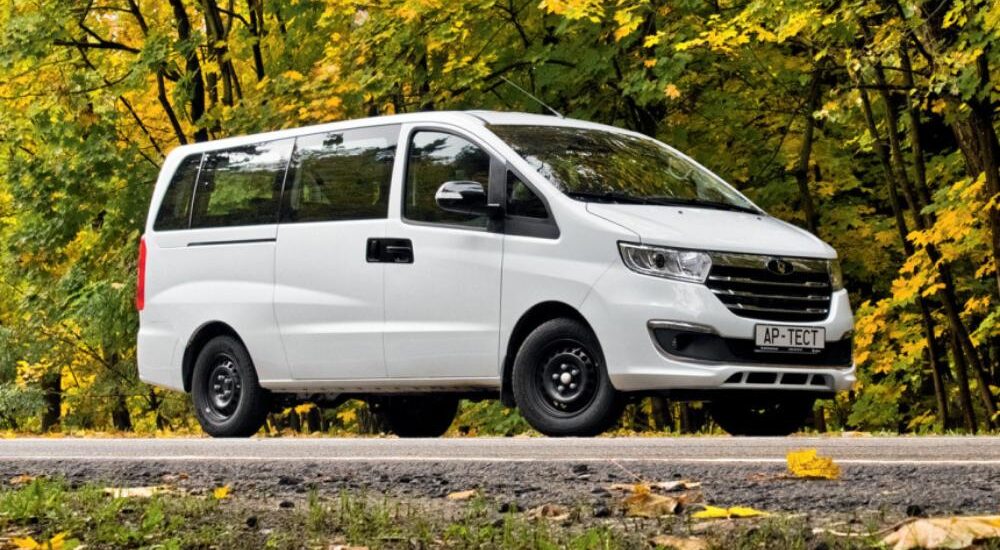

Is the Sollers SF1 a practical family van or a workhorse with a few seats added? We spent several days with the seven-seat passenger version, measured its acceleration, and looked closely at the build quality, cabin, and driving experience to find out.
What Is the Sollers SF1? A Licensed JAC Refine M3
The Sollers SF1 is a licensed version of the Chinese JAC Refine M3, a van that has been on sale since 2014 and has been updated several times. In China, the Refine M3 comes in a wide range of versions:
- Two body lengths
- Four powertrains: a naturally aspirated petrol engine, a turbo petrol engine, a series hybrid, and a fully electric version
- Several trim levels
Only the long-wheelbase van is offered, and it comes with a single powertrain: a 1.5-litre turbocharged four-cylinder engine paired with a manual gearbox. Buyers can choose from three body styles:
- Panel van – an all-metal cargo version
- Combi – two rows of seats plus cargo space
- Passenger minivan – seven seats (the version we tested)
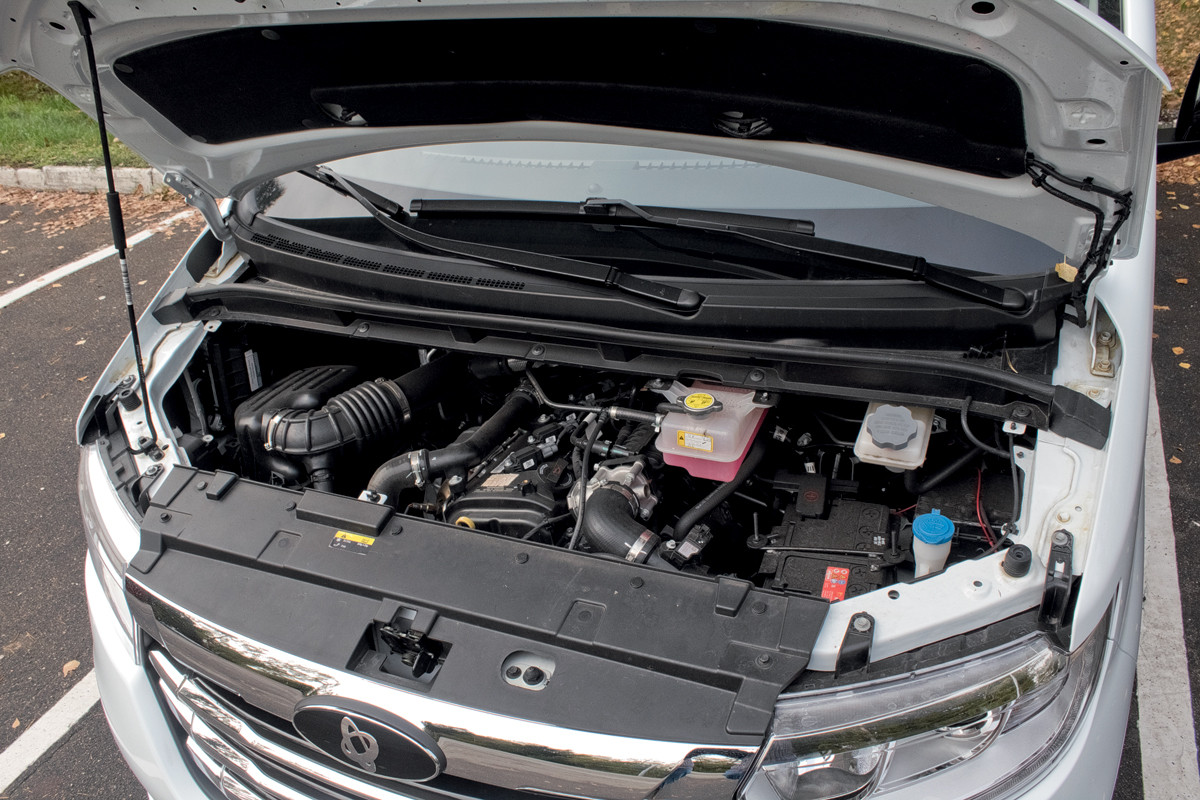
Production and Corrosion Protection
The SF1 is built at the former Ford plant in Yelabuga, which runs a full production cycle that includes body welding and painting.
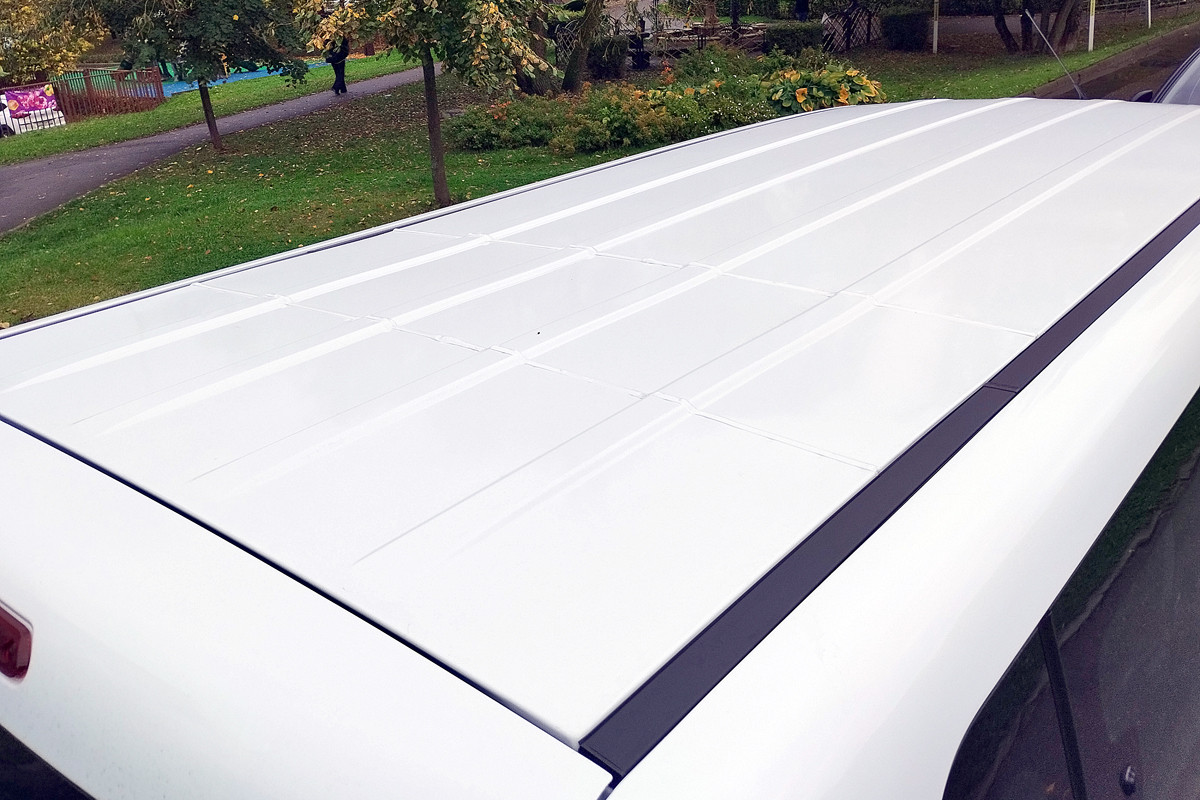
One point to note: the body is not galvanized. Our paint thickness gauge confirmed that the SF1 relies only on cathodic electrocoating, applied by dipping the body in a bath. That provides basic corrosion protection, but buyers in harsh climates should keep this in mind.
Passenger Car Status: Fewer Road Restrictions
On paper, the passenger Sollers SF1 is registered as a passenger estate car, not a commercial vehicle. In practice, this brings real benefits:
- No truck-specific traffic restrictions
- An overall height of just 1,900 mm, similar to some body-on-frame SUVs
- Access to most multi-storey car parks and automatic car washes
Chassis and Suspension: Commercial Vehicle Roots
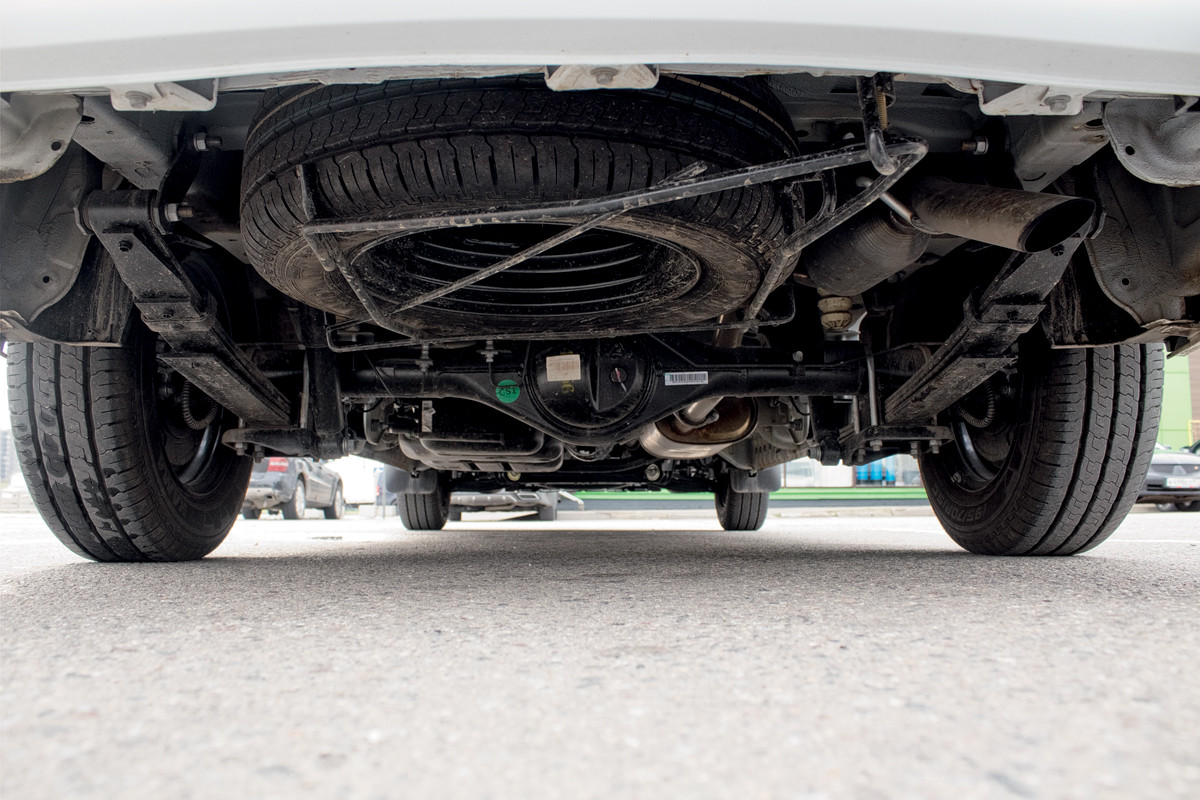
The body is a monocoque, but the chassis is a typical commercial van design:
- Front suspension: double wishbones
- Rear suspension: a live rear axle on leaf springs
- Drive: rear-wheel drive
- Tyres: Kama Trace with a “C” (Commercial) rating and reinforced construction
Because of these heavy-duty tyres, the recommended pressure is a very un-car-like 4.5 bar (about 65 psi).
Interior Space: Room for Everyone
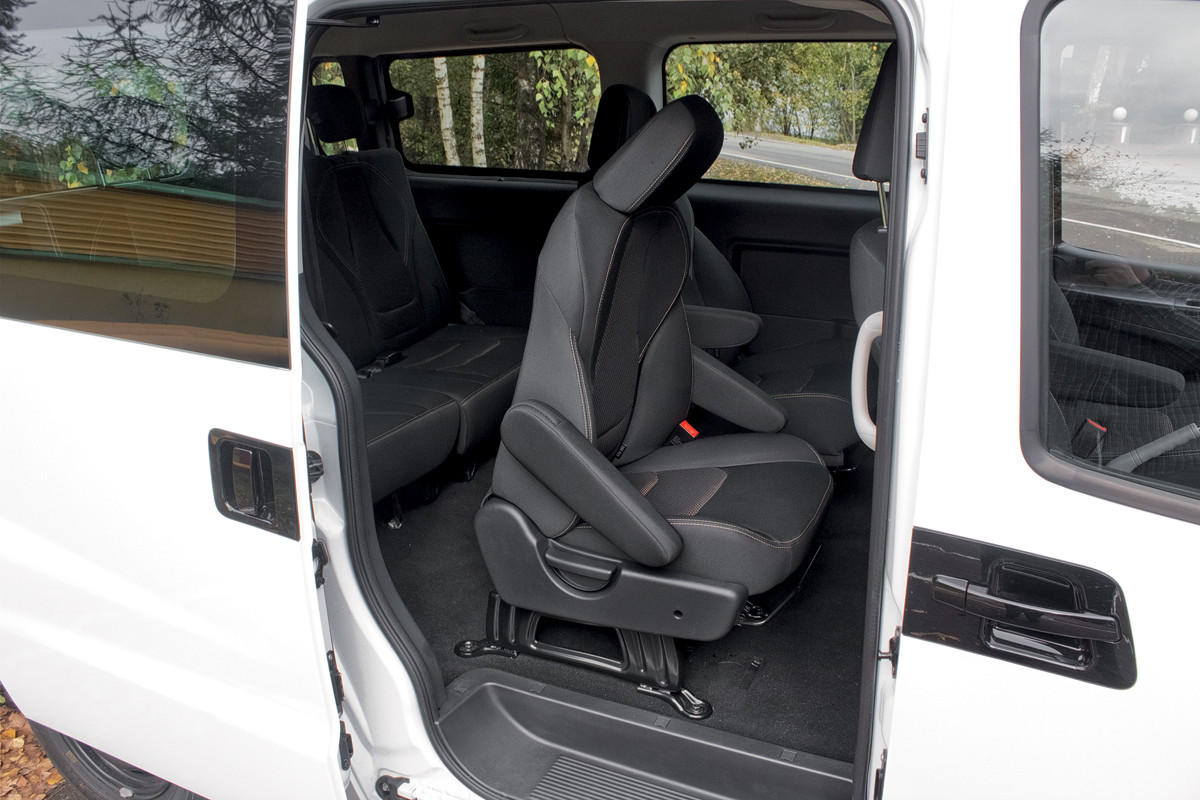
The SF1’s commercial origins show in the passenger area too, but mostly in a good way when it comes to space:
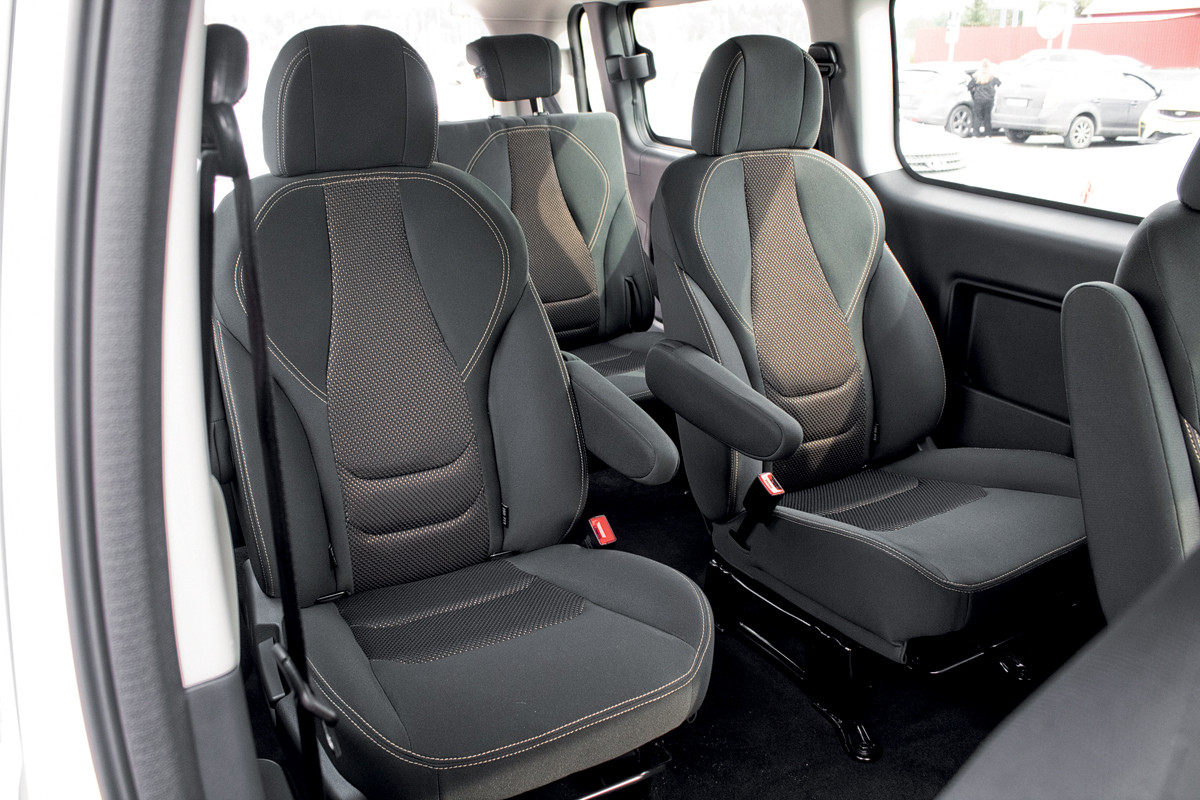
- Passengers up to about 1.9 m tall fit comfortably both in the two individual second-row seats and on the third-row bench
- The floor is completely flat
- There is plenty of headroom, knee room, and foot space in every row
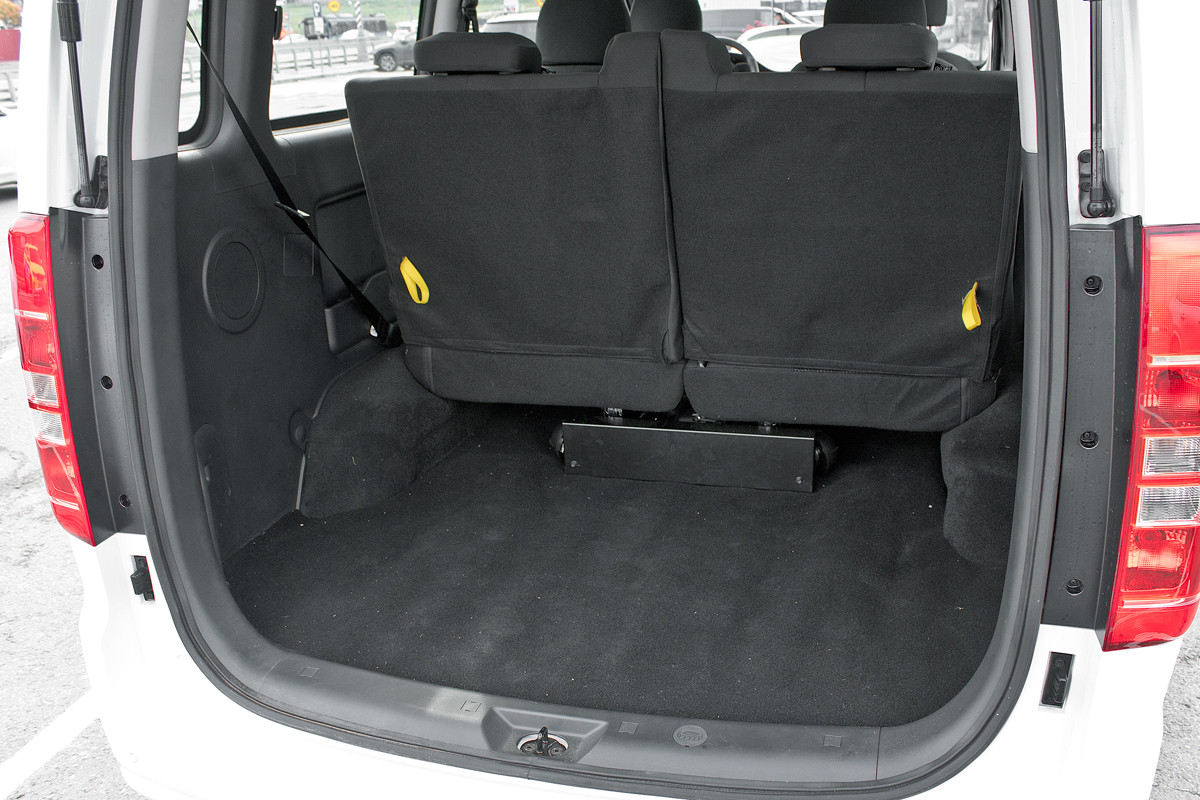
- Even with all seven seats in use, there is a generous luggage area behind the third row for bags and suitcases
Seat Flexibility: The Weak Point
Seat flexibility is where the SF1 falls short of a true family minivan:
- The split third-row backrest folds down, but leaves a 400 mm step in the load floor
- The second-row backrests can only recline
- That is all you get without tools
To create more cargo space, you have to take a spanner and unbolt the second and third rows from the floor. For a family that regularly switches between carrying people and carrying cargo, this is a real drawback.
Doors, Windows, and Climate Control
A few more limitations become clear once you start using the SF1 every day:
- No left-hand sliding door, not even as an option
- Power or wind-down windows only in the front doors
- The rear side windows open outwards slightly, but only for extraction ventilation
- A roof-mounted unit with extra air vents and its own fan blows air into the rear of the cabin
During our test in early autumn, the standard heating and ventilation system under the dashboard coped well with the cabin temperature on its own.
Cabin Design and Driving Position
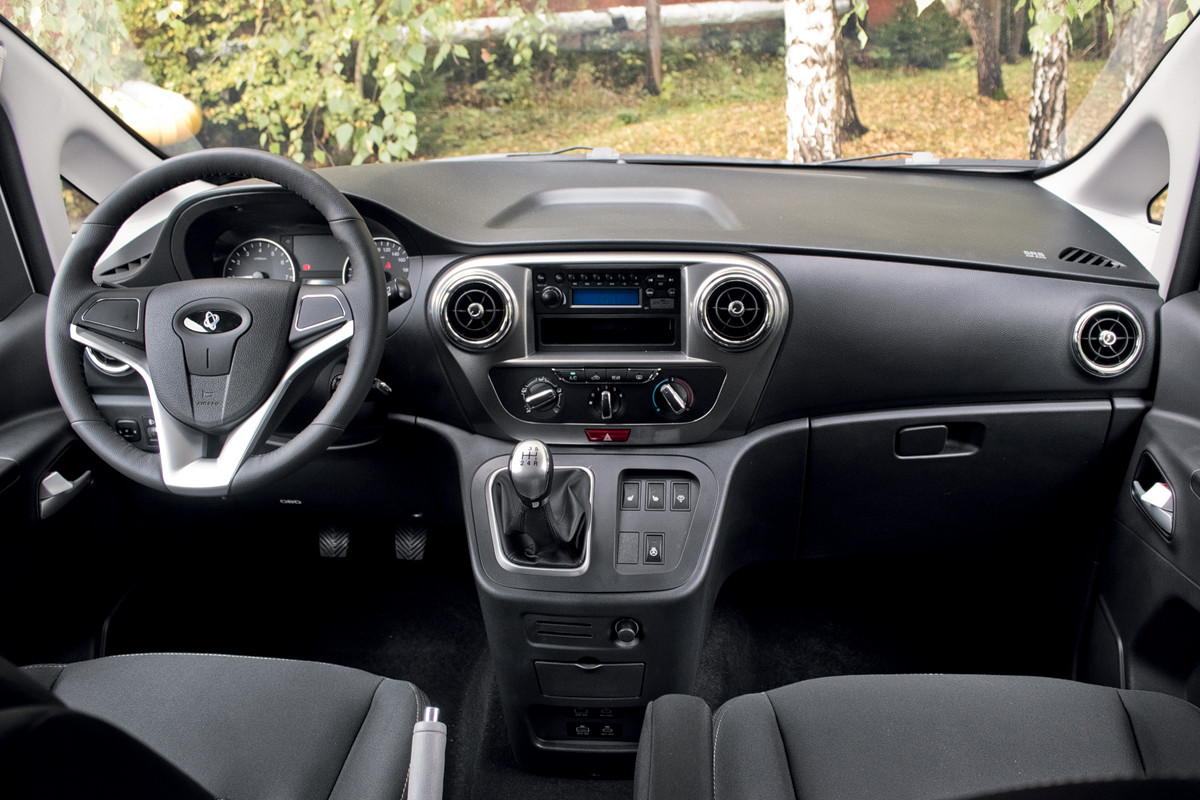
The dashboard is simple but not completely bare, and there are even a few chrome-effect accents. However, the hard plastics scratch easily. Our tester left a long mark on a door panel with his wristwatch just by brushing against it.
The driving position has some clear problems, especially for taller drivers:
- The seat’s fore-and-aft adjustment is limited. It was just enough, but only with the seat all the way back
- There is no seat height adjustment
- Even in its highest position, the steering wheel sits almost on the driver’s knees
- The top edge of the windscreen hangs low in the field of view
Getting in also takes some getting used to. Unlike most tall vehicles, you first sit down on the high seat and then duck your head into the doorway. The seat itself is firm and holds you well, but it is not especially comfortable.
Equipment: Back to Basics
If you are looking for modern gadgets, the SF1 is not the right vehicle. Here is what you get, and what you do not:
- Keyed ignition. There is no keyless entry and no start button
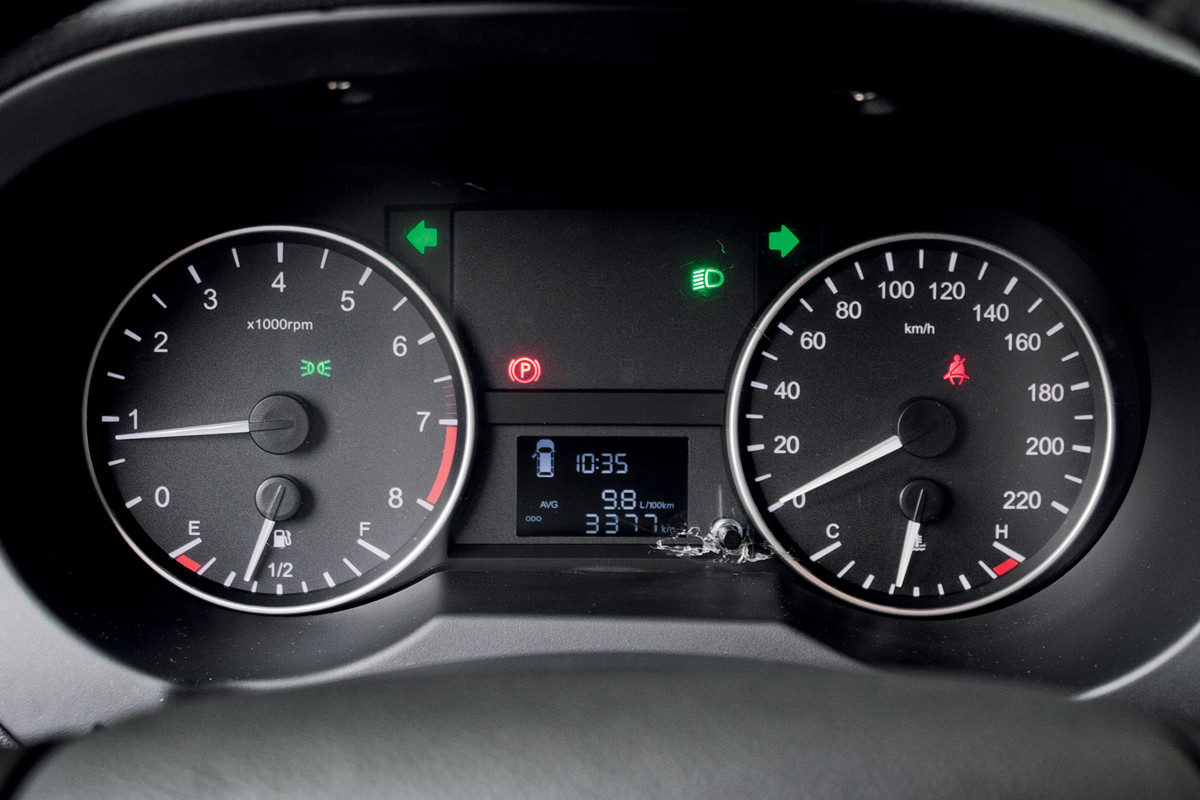
- Analogue dials instead of a digital instrument cluster
- Mechanical handbrake
- Steering wheel with no buttons
- No touchscreen
- A basic radio that is fine for listening to the news
- A single small shelf under the radio for your phone, and nowhere else to put it
This is a reminder that simple, old-school vehicles are still built in China.
Driving the Sollers SF1: Manual Gearbox and Clutch
The five-speed manual gearbox works well. Shifts are precise, and it is hard to pick the wrong gear.
The clutch pedal needs more practice. Only the first third of its travel does anything, and the clutch bites very late, so it is easy to over-rev when pulling away. After a day, though, it becomes second nature.
There is a useful upside too. When parking or crawling in traffic, you do not need to touch the accelerator at all. Simply release the clutch gently, and the van moves forward smoothly at idle.
Engine Performance and 0–100 km/h Time
The 1.5-litre turbo engine produces 136 hp and 175 Nm of torque. Here is how it performs on the road:
- Below 1,500 rpm: the engine feels clearly sluggish
- Above 1,500 rpm: full torque arrives and the SF1 accelerates with confidence
- Gearing: all five gears are very short, so you shift a lot in town
- 0–100 km/h: 14.5 seconds in our test, reaching 100 km/h in third gear close to the rev limiter. That is similar to many Lada models
- Fifth gear in town: you can use it from 65–70 km/h, even with a load. We drove with four passengers and the engine handled it without complaint
Highway Driving: Noise and Fatigue
The short gearing that helps in the city becomes a drawback on the open road. Because of the short final drive ratio, the engine runs at 3,000 rpm at 100 km/h in fifth gear.
Combined with thin sound insulation, this makes long highway trips tiring:
- Loud engine noise
- Wind noise
- Tyre roar
- A noticeable drivetrain hum under load
In town, the noise is easier to live with. On longer trips, it is a clear reminder that the SF1 is a commercial vehicle at heart.
Sollers SF1 Pros and Cons
Pros:
- Lots of space for seven adults, including tall passengers
- Large luggage area even with all seats in use
- Registered as a passenger car, with no truck restrictions
- Low height of 1,900 mm, so it fits in car parks and car washes
- Precise manual gearbox and easy low-speed crawling
- Simple, durable commercial-grade chassis
Cons:
- No body galvanization
- Very limited seat flexibility. Seats have to be unbolted to be removed
- No left sliding door, and only the front windows open fully
- Poor driving position for tall drivers, with no seat height adjustment
- Hard, easily scratched interior plastics
- Weak engine at low revs and high revs on the highway
- Poor sound insulation
Verdict: Family Van or Commercial Vehicle?
The Sollers SF1 passenger van offers a lot of space for passengers and luggage, avoids truck restrictions, and has a simple, sturdy design. However, its leaf-sprung rear axle, basic equipment, limited seat flexibility, and noisy highway ride show that it is a commercial vehicle first.
It makes the most sense for buyers who need to carry many people at a reasonable price, such as large families on a budget, shuttle services, or small businesses. Buyers looking for car-like comfort and modern features should look elsewhere.
Photo: Igor Vladimirsky
This is a translation. You can read the original article here:
Пассажирский Sollers SF1: семейный вэн или комтранс? Наш тест с замерами

Published October 09, 2026 • 8m to read