

The Changan CS75 FL is an updated crossover with a refreshed exterior, redesigned interior, and a 150-horsepower turbocharged engine — and it costs noticeably more than the standard CS75 sold alongside it. At its price point, especially with all-wheel drive, it enters direct competition with Korean rivals and the updated two-liter Nissan Qashqai 4WD with CVT. The Nissan is slightly less powerful but, according to factory specs, lighter, more fuel-efficient, and quicker on paper. So how do they actually compare on the road?
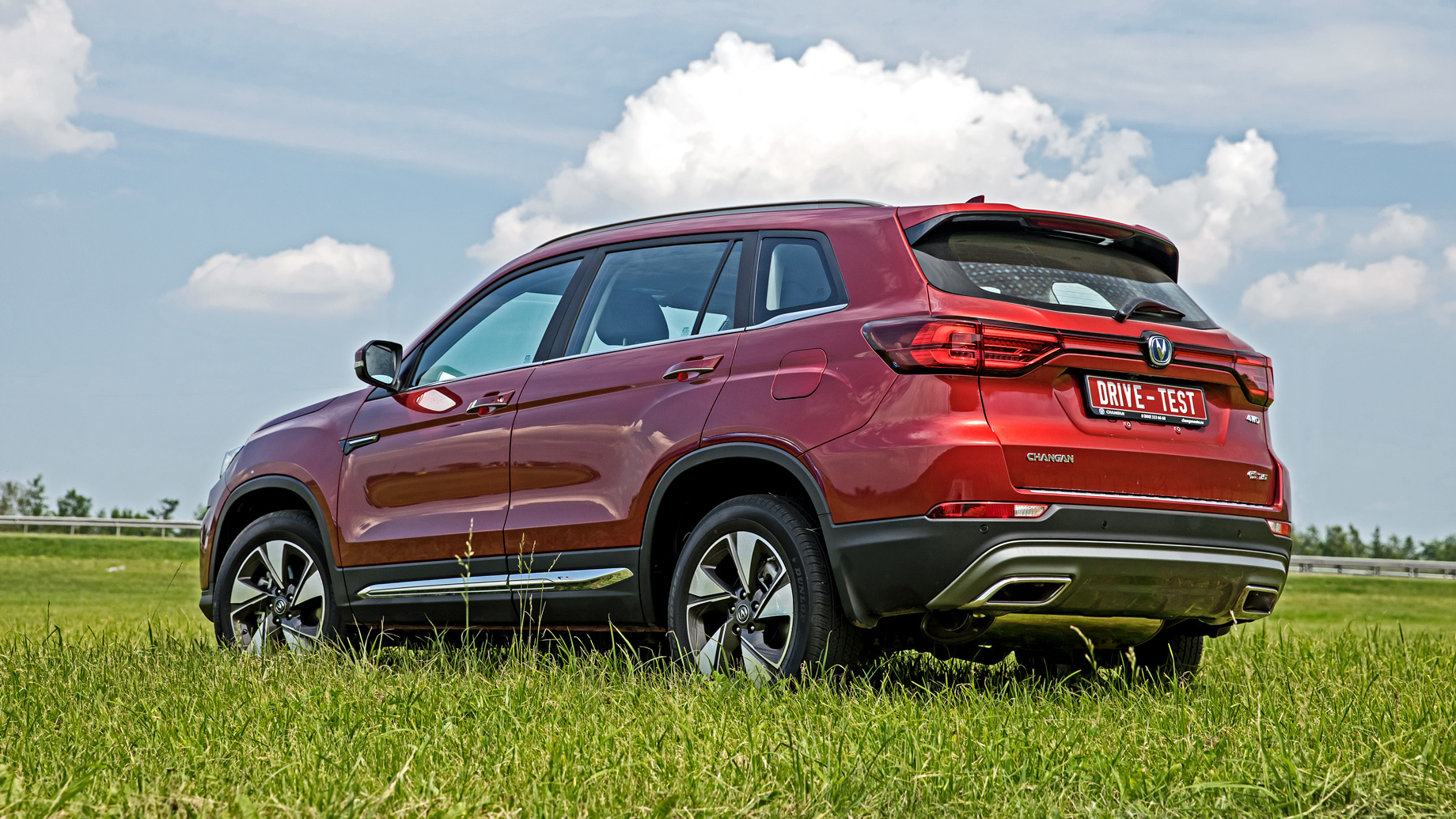
Exterior Build Quality: Chrome Shine vs Assembly Precision
At first glance, the heavily chrome-plated Changan CS75 FL looks premium and eye-catching. On closer inspection, however, a few flaws emerge:
- Enamel peeling off the logos
- Unpainted inner edges on the front fender liners, visible when doors are open — a flaw also spotted on the smaller CS55
- Otherwise, bumpers and plastic panels are tightly fitted with even gaps
The locally assembled Qashqai, on the other hand, shows more noticeable assembly inconsistencies. Panel gaps are wider and mounting hardware is occasionally visible. The heavy hood — without gas struts — sits with such clearance against the fenders and headlights that it raises doubts about whether it’s properly latched. The CS75 FL’s hood, by contrast, opens effortlessly thanks to proper shock absorbers.
Interior Quality and Comfort Features
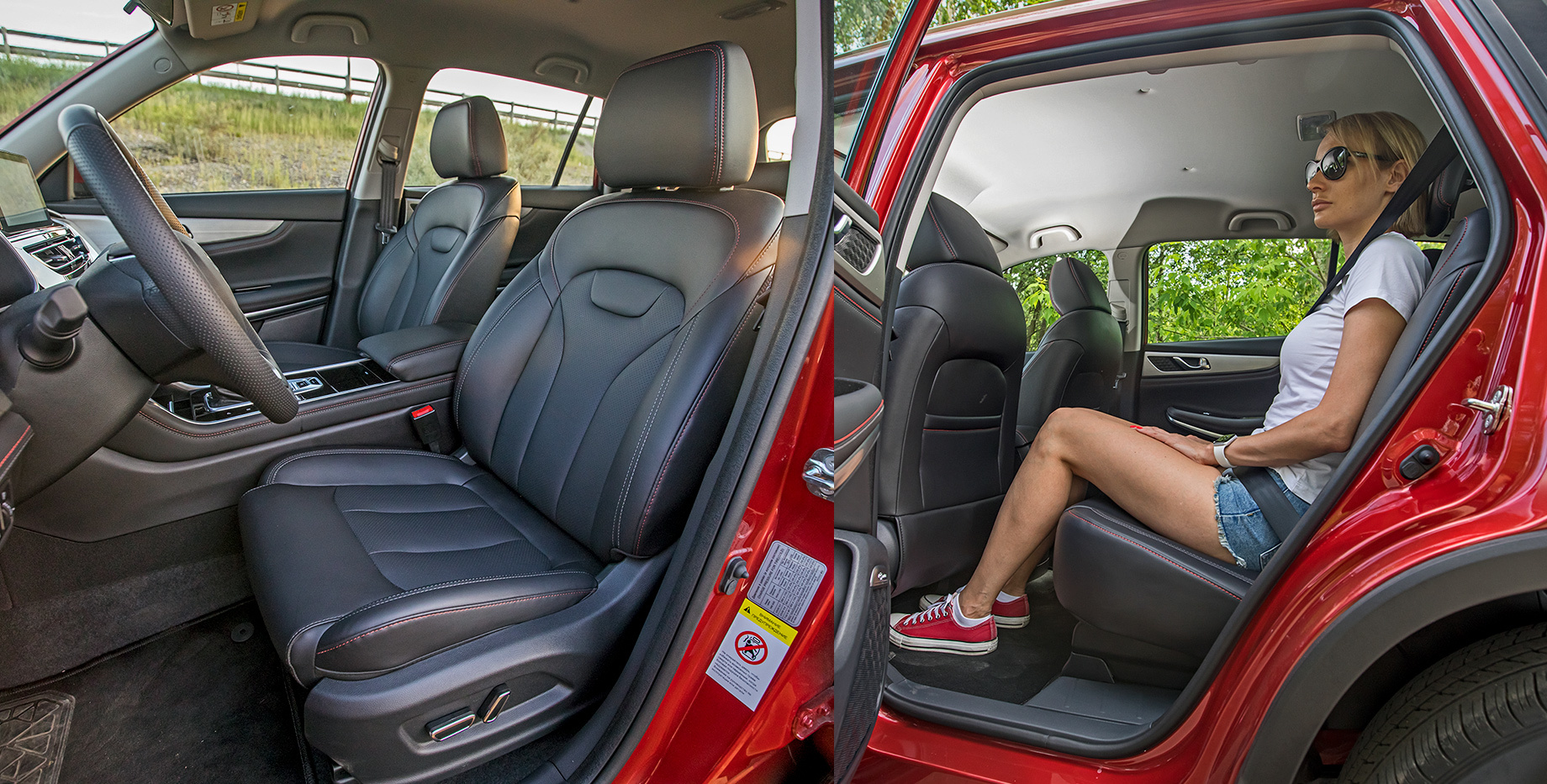
The Changan’s cabin uses a mix of plastics and faux leather of varying grades, but the assembly is impeccable — no creaks, no rattles, and no unpleasant odors even during testing in 30°C (86°F) heat. A refrigerated storage box between the front seats is a welcome touch. That said, the CS75 FL is surprisingly stingy on comfort options even at the top trim level:
- No heated steering wheel
- No heated windshield
- No heated rear seats
- Limited steering column reach adjustment
- Short, soft driver’s seat cushion with no lumbar support adjustment
- Seven-inch digital dashboard with poor functionality — no fuel range display, and the gauge font is unreadable in motion
- Only front windows have one-touch operation
On the plus side, the driver’s seat features an electric drive and even a memory function — rare in this class. Ambient lighting is also included. The extensive use of leatherette adds a premium look but, without perforation, can feel warm and clammy during summer driving.
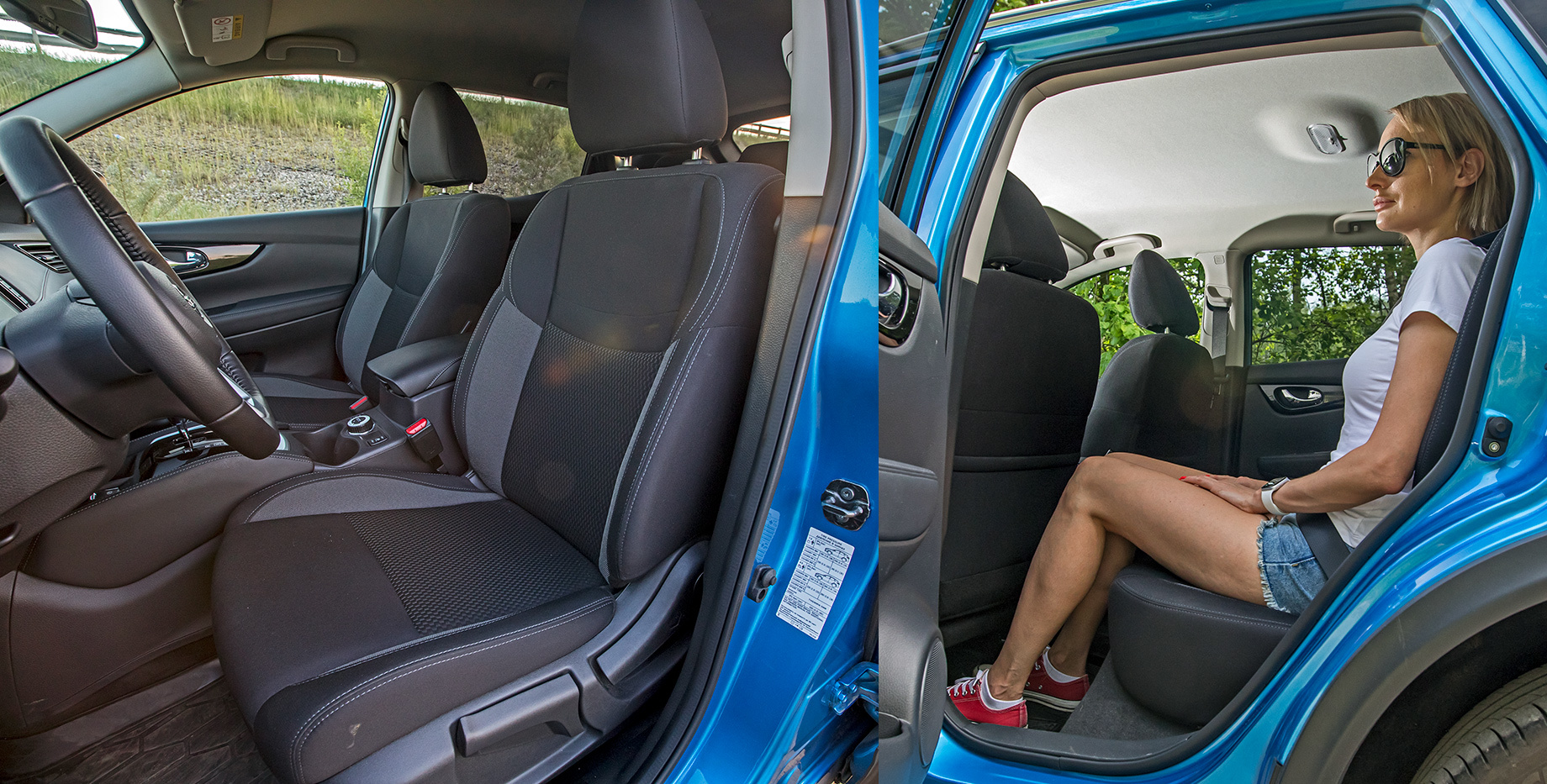
The Qashqai’s interior is more modest but cohesive. Build quality is solid, most trim materials are soft to the touch — similar to the larger X-Trail — and every button around the driver is backlit. The power window system is fully automated on all windows. The main advantage of the Nissan’s interior, however, comes down to ergonomics:
- Fabric upholstery (in the tested QE Yandex trim) grips better in corners and stays cooler in the heat
- Better seat shape and steering column reach for a more natural driving position
- Lumbar support adjustment available for both driver and front passenger
- All power windows feature one-touch operation
Rear Passenger Space: Chinese Generosity Wins
The Qashqai provides adequate knee room and headroom in the rear for most passengers. But the larger Changan CS75 FL is in a different league entirely:
- The centre rear passenger benefits from a nearly flat floor — no transmission tunnel to speak of
- Rear seatbacks can be reclined
- The seat cushion angles slightly downward and forward for a more relaxed posture
- Door openings are significantly wider and taller than the Qashqai’s
Engine and Gearbox Performance
The Changan CS75 FL is powered by a 1.8-litre turbocharged four-cylinder from the BlueCore family. Although rated at 150 hp for this market (163 hp in the home market), it feels stronger in practice — closer to 170 hp in subjective terms. Performance highlights include:
- Strong mid-range torque: full 245 Nm available across the middle rev band
- Excellent overtaking ability thanks to linear throttle response
- Paired with an Aisin 6-speed automatic that shifts smoothly, even under kickdown
- Minor downside: the gearbox hesitates briefly when multiple downshifts are needed at once
- Engine noise becomes noticeable under heavy load
The Nissan Qashqai runs a 2.0-litre naturally aspirated engine producing 144 hp, paired with a Jatco CVT. Despite a better official 0–100 km/h time on paper, it feels slower in real-world driving:
- The engine builds revs reluctantly, especially from lower speeds
- The CVT loses pedal feel under hard acceleration and becomes audibly strained under load
- No Sport mode available
- However, in urban driving with moderate throttle inputs, the Qashqai is smooth, refined, and easy to drive
Handling and Ride Comfort
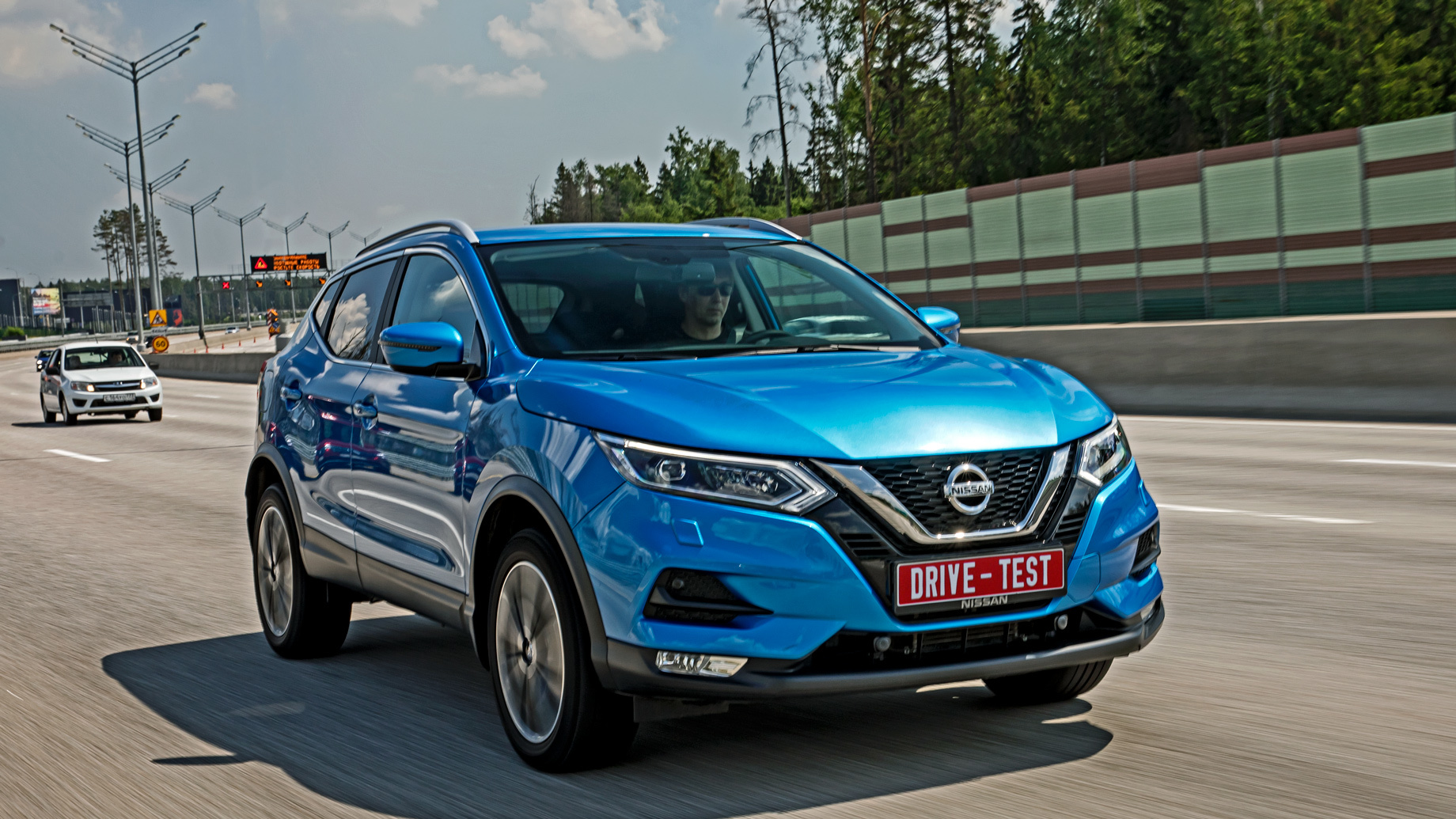
The Nissan Qashqai’s steering is heavy and uncommunicative, and the multi-link rear axle follows rather than guides on bends. Body roll is relatively contained, and the chassis has decent ultimate grip — but when the limit is reached, the front wheels lose traction first. The Changan CS75 FL also begins to understeer before the Nissan, but offers significantly better driver feedback:
- Transparent steering with good road feel
- Wider dynamic range before reaching the handling limit
- Suspension absorbs small urban imperfections very well
- Ride remains composed on rough and broken surfaces
- Only weakness: large potholes cause sharp, heavy impacts as the dampers reach their limits
In terms of cabin noise, the CS75 FL is quieter overall — mainly due to less intrusive tyre roar compared to the Qashqai.
Light Off-Road Capability
Here the CS75 FL holds another clear advantage over the Qashqai:
- The Changan’s electronic torque vectoring system reacts faster and more precisely during wheel slip
- In muddy or slippery conditions, the CS75 FL’s simulated locking differentials engage smoothly with minimal hesitation
- The Qashqai’s electronic systems respond with noticeable delays, allowing unnecessary wheel spin
- The CVT’s flexibility works against the Qashqai when sustained torque delivery is needed for traction
- Both cars claim 200 mm of ground clearance, but only the CS75 FL actually delivers — the Qashqai’s steel underbody guard sits at just 180 mm
Verdict: Does the Changan CS75 FL Beat the Nissan Qashqai?
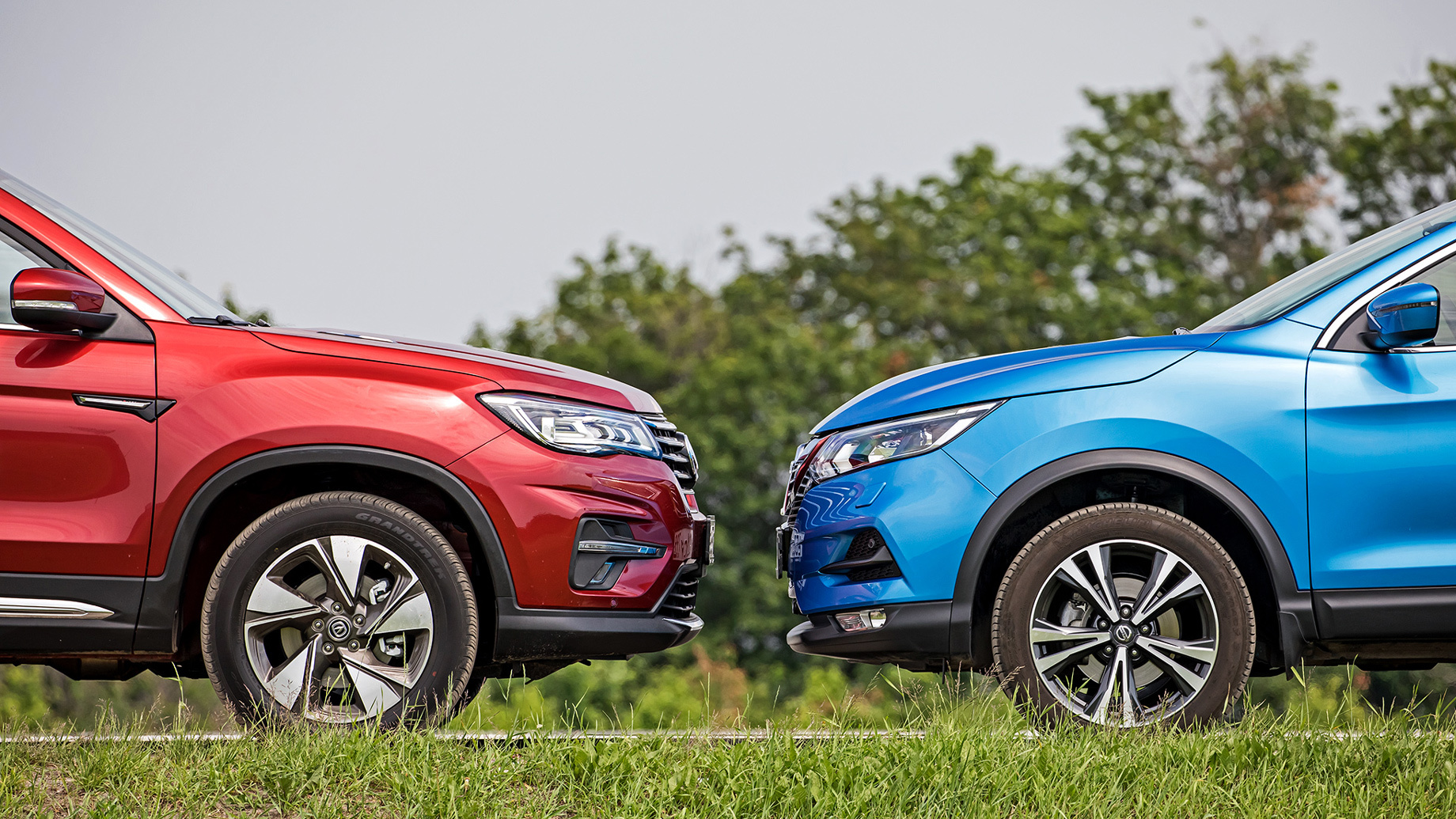
In most measurable categories, the CS75 FL comes out ahead of the Qashqai:
- Performance: Changan wins with stronger real-world acceleration and a more responsive gearbox
- Ride comfort: Changan wins with better suspension tuning and lower cabin noise
- Rear passenger space: Changan wins by a clear margin
- Off-road capability: Changan wins with more responsive AWD electronics and genuine ground clearance
- Driving ergonomics: Nissan wins with a better seating position, lumbar support, and superior seat upholstery
- Urban refinement: Nissan wins with a smoother, less demanding driving experience in traffic
- Comfort features: Neither impresses — the Changan lacks heated options; the Qashqai lacks sportiness
The Changan CS75 FL is priced higher than it once was, and the missing heated features are a genuine omission at this level. But the fully-equipped two-litre Nissan Qashqai 4WD in top LE specification costs even more — and delivers less in most driving scenarios. Yet Qashqai sales remain stronger. Whether that’s brand loyalty, residual skepticism toward Chinese cars, or simple familiarity is an open question. One that gets interrupted, in our case, by a loud bang from somewhere underneath the Changan’s floor.
This is a translation. You can read the original here: https://www.drive.ru/test-drive/changan/nissan/5efc98e6ec05c4ea6d000024.html

Published November 10, 2022 • 7m to read