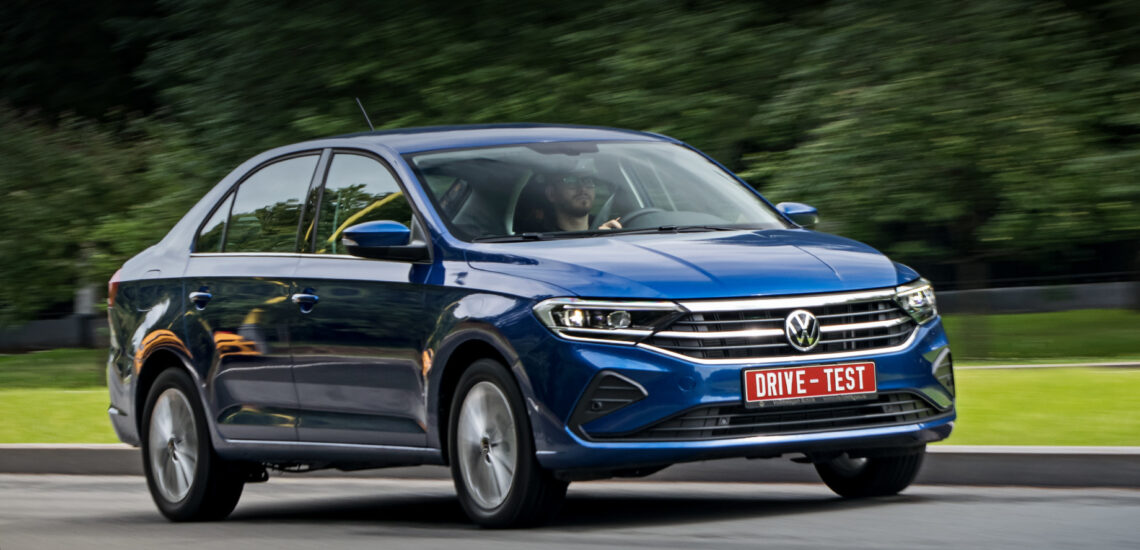

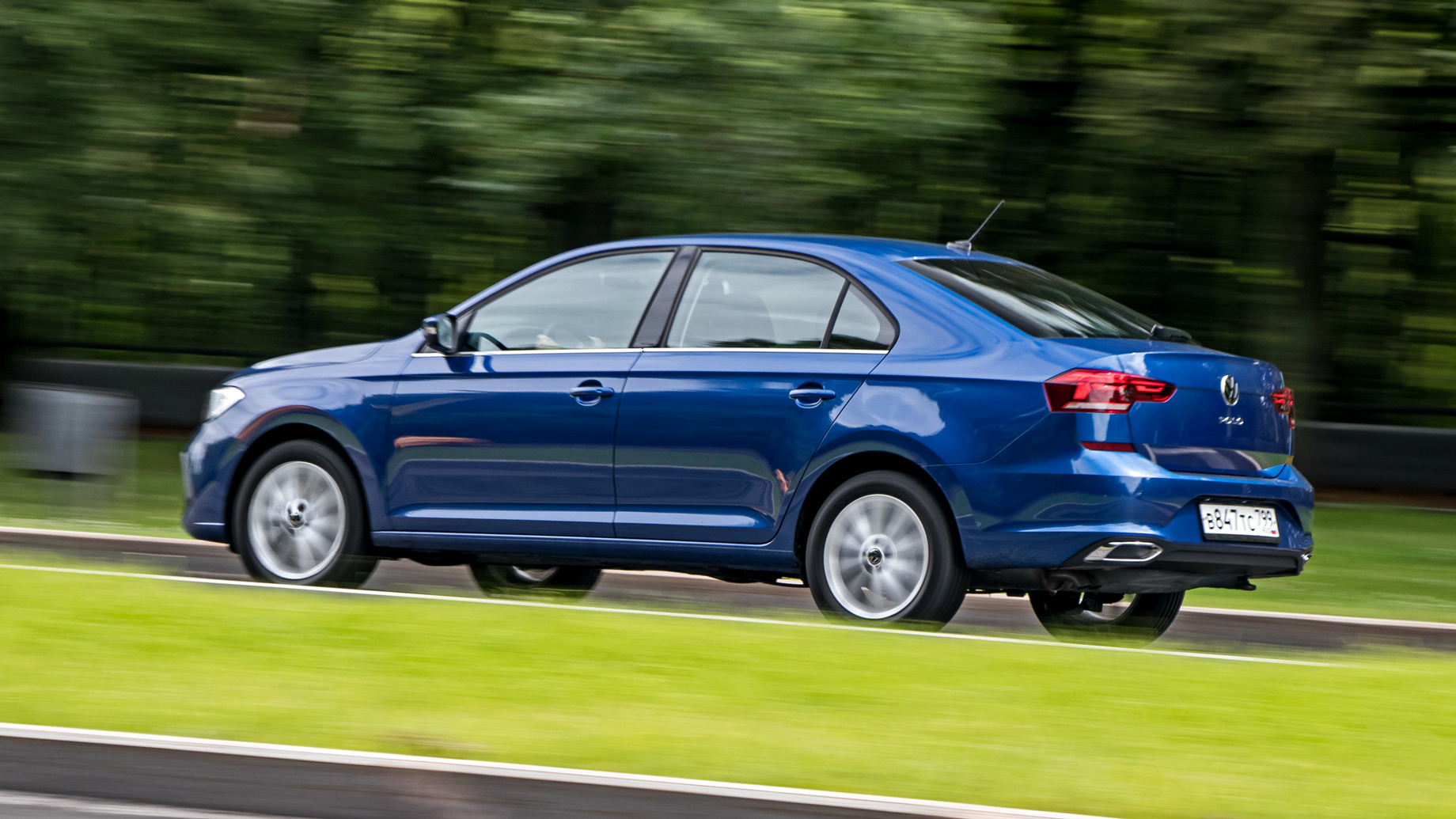
The new Volkswagen Polo liftback marks a significant turning point for the model — so much so that it’s fair to call it a generational leap. Yes, the localized version still rides on the aging PQ25 platform rather than the modern MQB architecture used elsewhere in the world, and yes, it shares a lot of DNA with the Skoda Rapid that launched back in 2012. But once the initial disappointment fades, what you’re left with is a genuinely improved, more refined compact car that deserves a closer look.
Exterior Design: Bold, Chrome-Heavy, and Budget-Busting
The Polo cuts a confident figure — respectable and weighty for the budget segment. Key exterior highlights include:
- A massive front end with a prominent, chrome-decorated radiator grille
- Shiny chrome strips under the side windows on top trim levels
- Full LED front and rear lighting across all versions
- Integrated fog lights within the main LED clusters (the diode sections nearest to the grille)
- Lensed headlights replacing standard units on top-spec trims
By comparison, the Skoda Rapid sticks with halogen fog lamps and a halogen high beam on base versions — making the Polo the more visually premium choice at the front.
Interior Quality: Modern, Practical, and Miles Ahead of Its Predecessor
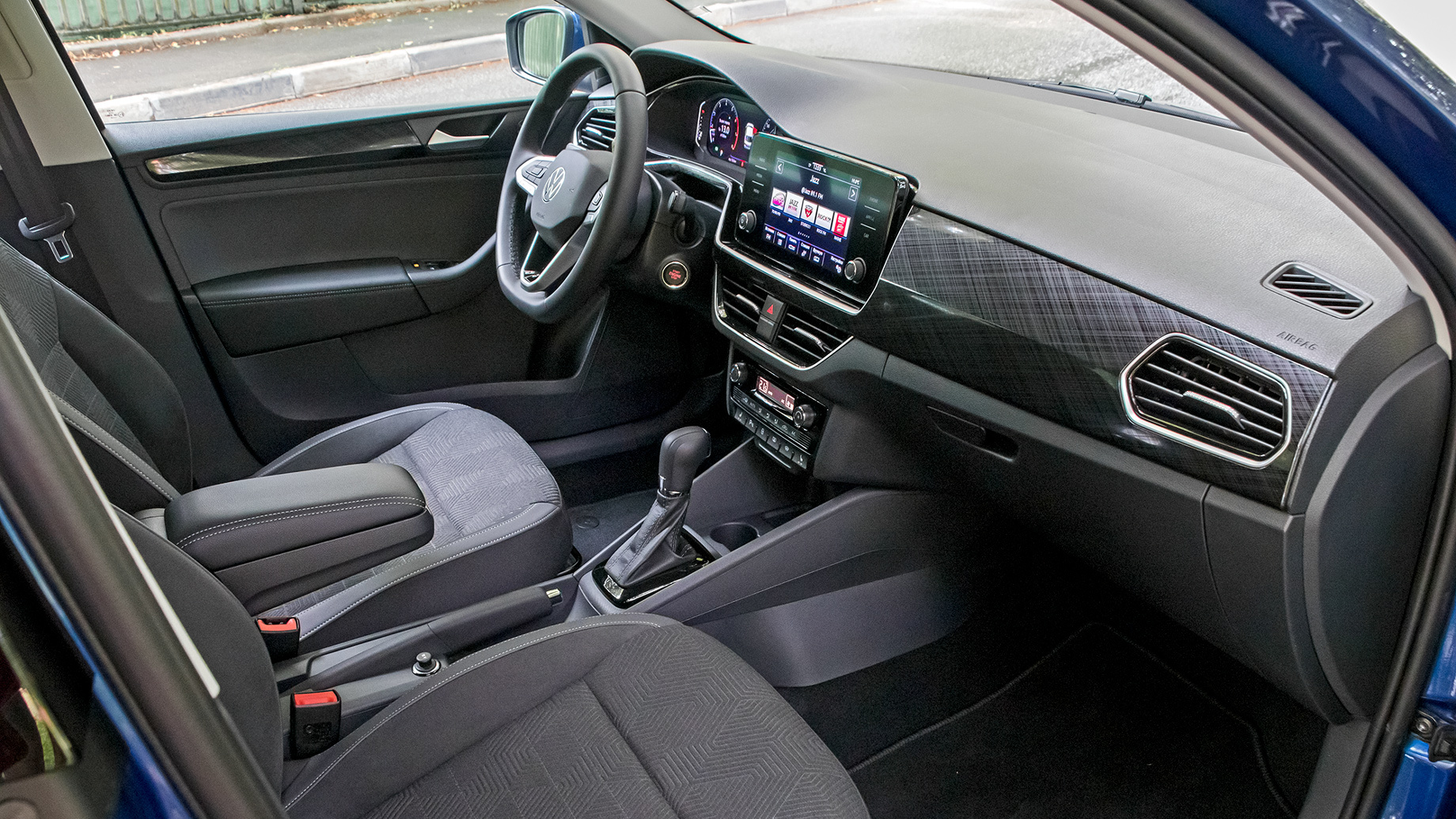
Step inside and the improvement over the old Polo is immediately obvious. The cabin feels much more contemporary, though like most budget cars, soft-touch materials are limited to the seats and armrests. The front panel is unique to the Polo — not shared with the Rapid — and the multimedia system is positioned high on the dashboard in line with modern design trends.
Standout interior features of the new Polo include:
- Electronic instrument cluster — the same digital cockpit found in the Jetta, a class first with no direct competitor match
- Matte infotainment screen with slightly different graphics compared to the Rapid — arguably the most intuitive multimedia system in this segment
- Thick, slightly oval steering wheel with twenty controls, shared aesthetically with the Golf 8 (though finished to a lower standard, closer to the Passat)
- Improved rear seats with more knee room, L-shaped headrests for better rear visibility, a central armrest, and a ski hatch for long loads
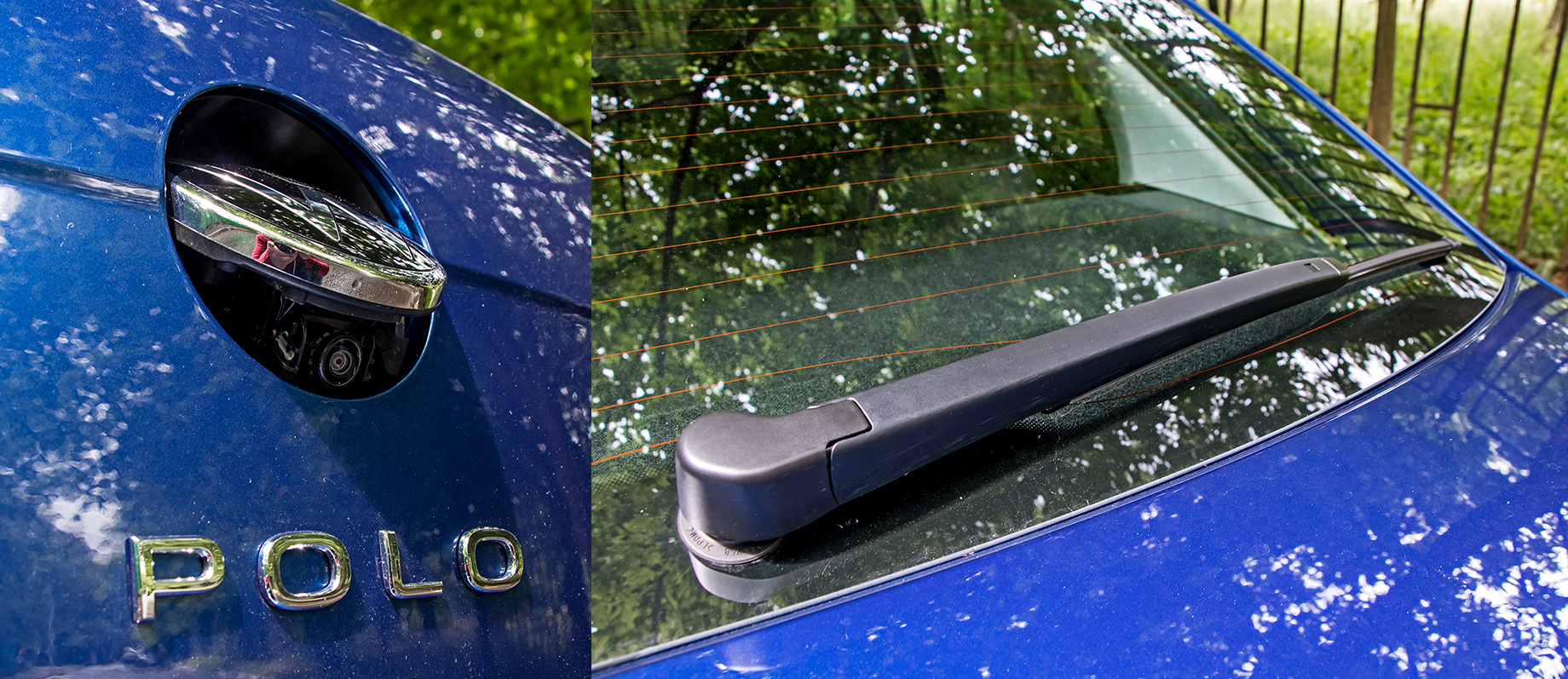
- Frameless wipers and widened mirrors borrowed from the Skoda
- Retractable rear-view camera that hides in the emblem to stay clean — a clever and welcome touch
One frustrating omission: the driver’s assistant button on the steering wheel is non-functional. The Polo currently lacks the auto-braking system already available on the Rapid, and pressing the button simply displays a “The key doesn’t work” message. It’s a strange reminder of what’s missing.
The front seats offer more lateral support than the previous generation, though the frame is shared with the Rapid — meaning the same dip in the lumbar area and no adjustment for support there. It’s a comfort compromise that carries over unchanged.
Driving Impressions: Smoother, But Still Limited by the PQ25 Platform
The first test drive lasted just 40 minutes, but it was enough to form clear impressions — later confirmed by Volkswagen’s own engineers. The Polo shares its power units, chassis tuning, wheel sizes, and brakes with the Rapid, so direct comparisons between the two are very telling.
Compared to the old Polo, the suspension changes are as follows:
- Slightly softer springs for improved ride comfort
- Firmer anti-roll bars for better body control
- Marginally better absorption of minor road imperfections
The improvement is real but modest. The fundamental weakness of the PQ25 platform — poor suspension travel — remains. At speeds above 18–24 mph, rubber speed bumps deliver a jarring thud that feels like it could knock the stabilizer links loose. The Polo is simply not at home on rough roads outside well-paved city streets.
Noise Insulation and Engine Performance
Noise insulation has seen genuine improvement thanks to a new solid firewall mat — a fix made necessary because the previous mat was shared with the European right-hand-drive Polo and had redundant holes in it. Roof insulation has also been strengthened.
The test car was fitted with a 1.4 TSI engine, which has a characteristic mechanical rumble. That said, wind and road noise were well-controlled at speeds up to 55–60 mph. More complete conclusions will have to wait for extended testing.
On the engine and gearbox front:
- The 125 hp 1.4 TSI + DSG combination is brisk, responsive, and satisfying to drive
- The 110 hp 1.6 + automatic option (also used in the Rapid) is sluggish and jerky by comparison
- Contactless entry and push-button start are now available on top versions, with the start button placed near the ignition lock à la Skoda
Polo vs. Rapid: How Do They Compare on Equipment and Value?
When you line up similarly equipped versions of both cars, the differences in priorities become clear:
The Volkswagen Polo leans into technology and style:
- Digital instrument cluster
- Full LED lighting including integrated fog lights
- Retractable camera embedded in the emblem
- More premium interior aesthetics
The Skoda Rapid prioritizes safety and practicality:
- Side airbags and window blinds available from mid-spec trims
- Rear disc brakes standard from lower trim levels (drums only come with the 90 hp engine)
- Auto-braking system included
- Sport seats available as an option
- Cargo hooks and tie-down points in the trunk at no extra cost
- Rear wiper standard
On the Polo, rear disc brakes are an optional extra on all non-top liftback versions, and the rear wiper is a paid option even on the fully loaded Exclusive trim. The Polo also costs more than a similarly equipped Rapid — a premium you pay for the tech and badge rather than outright practicality.
Verdict: A Better Polo — But Is It the Right Choice?
The new Volkswagen Polo liftback is genuinely better in almost every meaningful way compared to its predecessor. It’s more comfortable, more attractive, more pleasant to drive, and the interior no longer feels like an afterthought. The lessons learned from the Rapid have been applied — partially.
Remaining frustrations worth noting:
- No cup holders
- Nowhere convenient to mount or charge a smartphone
- Sunken backrests on the front seats
- Four automatic windows replaced by a single driver’s window — a puzzling step backward
- Rear wiper remains a paid extra even on top trims
Still, the liftback body style brings real advantages: a more spacious and versatile cabin than the old sedan, a huge boot with a proper lifting tailgate, and a more modern, upmarket feel throughout. If buyers accept this Polo as warmly as its predecessor — and there’s every reason to think they will — it could signal to the wider industry that the era of the traditional three-box compact is finally coming to an end.
This is a translation. You can read the original here: https://www.drive.ru/test-drive/volkswagen/5f16e030ec05c4421c0000db.html

Published October 20, 2022 • 6m to read