

Choosing between the BMW X3 xDrive30i and the Audi Q5 2.0 TFSI is no easy task. Both pack a two-liter, four-cylinder engine with comparable output — but the differences in ride quality, interior feel, and driving dynamics tell a more nuanced story. To give the comparison real-world balance, we also brought in the BMW X3 xDrive30d with adaptive shock absorbers, which means the X3 gets a head start with two extra cylinders and up to 250 N•m of additional torque. Here’s how they stack up.
Exterior Design: How They Look on the Road
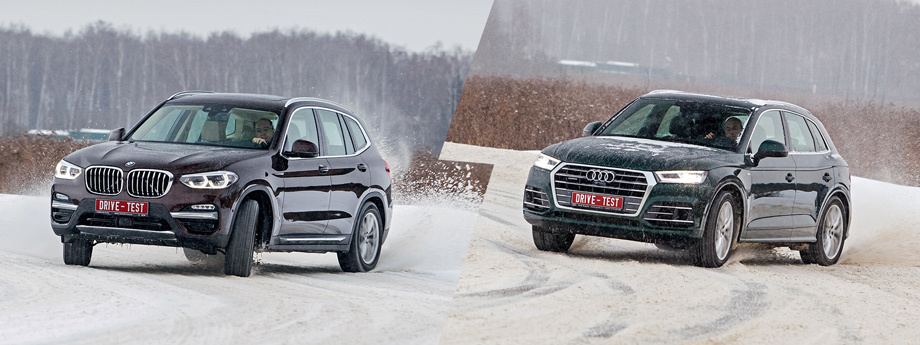
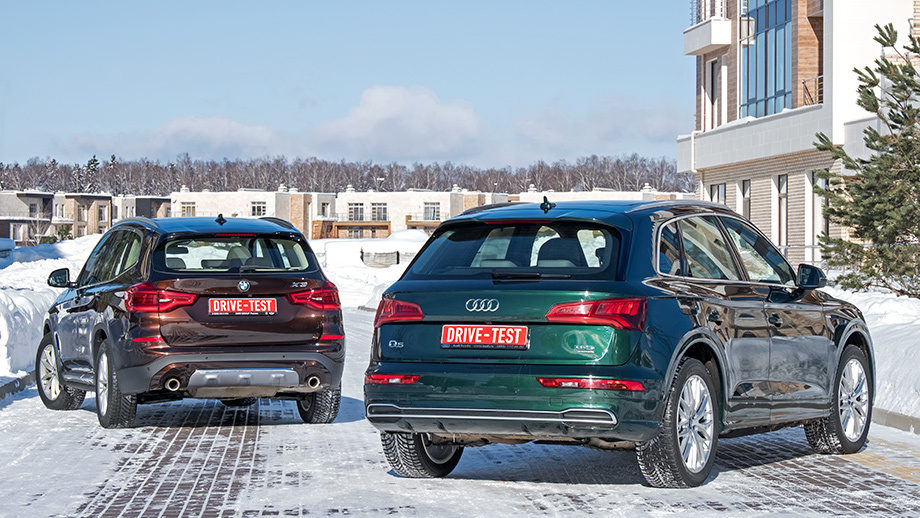
At first glance, the new Audi Q5 is hard to distinguish from its predecessor — but its family resemblance to the Q7 adds a sense of presence. The BMW X3, meanwhile, grew five centimeters in length (with the wheelbase increasing by the same amount), making it larger than the first-generation X5 — though it can still be mistaken for the X1 at a distance.
Interior Quality and Features: Comfort vs. Character
The cabins of these two crossovers take distinctly different approaches to premium living.
BMW X3 Interior
The X3’s interior has evolved rather than reinvented itself. Key highlights and pain points include:
- High seating position with excellent hood visibility
- Spacious front seats with an unusually generous feel for the segment
- Rounder steering wheel with more rigid column stalks, similar to the BMW 5 Series
- Climate control and audio unit positions have been swapped; upper vent temperature adjustment is now buried in the menu
- iDrive with touchscreen and gesture recognition remains one of the best infotainment systems available
- Basic trim is disappointing: a plain dashboard, a 6.5-inch display in a thick bezel, and no standard seat servos or silver key trim
- No electrified steering column, massage seats, heated windshield, or longitudinal rear seat adjustment — even as paid options in base spec
Audi Q5 Interior
The Q5 feels lighter and more airy inside, with a few notable strengths and weaknesses:
- Outstanding visibility thanks to thin pillars and large mirrors
- Even in base trim, the Q5 feels inviting: analog dials are sharp and the standard display looks tidy
- Light leather and wood-style inserts soften the strict office aesthetic borrowed from the A4
- Sports seats are a highlight worth taking home
- MMI interface lags behind iDrive in ease of use
- The transmission selector is less ergonomic than BMW’s
- Panel creaking over bumps is a recurring irritant
- Rear legroom is roughly equal to the X3, but the BMW offers more headroom and shoulder room
Engine and Drivetrain Performance
Audi Q5 2.0 TFSI: Spirited but Hesitant
The 2.0 TFSI petrol engine in the Q5 sounds characterful — even more spirited and vocal than the 340-hp V6 turbo in the new-generation A7. Acceleration is genuinely exciting, and if you drive with enthusiasm, the rapid-fire seven-speed dual-clutch gearbox becomes a willing partner. However:
- Throttle response freezes noticeably in stop-and-go traffic
- The dual-clutch gearbox can feel hesitant at low speeds
- Any diesel X3 — even the four-cylinder — offers smoother traction control in urban driving
BMW X3 xDrive30d 3.0 TDI: The Dominant Force
BMW’s 3.0-litre turbodiesel is simply in a different league. With 249 horsepower (matching the outgoing N57 unit) but more torque from the new B57 engine, the experience is compelling:
- Engine noise is unremarkable but notably quieter than in the previous X3
- Only a slight vibration reaches the steering wheel rim
- Acceleration doesn’t just impress — it becomes addictive
- The eight-speed ZF automatic is perfectly calibrated for both relaxed family driving and enthusiastic bursts
- Even the entry-level xDrive20d delivers a faultless powertrain experience
Ride Quality and Chassis: Where It Gets Interesting
BMW X3: Disappointing Comfort, Mixed Dynamics
Despite the impressive powertrain, the X3’s chassis raises real concerns:
- In Comfort mode, the suspension constantly fidgets and picks up minor road imperfections, even with 18-inch Run Flat tyres on smooth tarmac
- The new X3 is softer than its predecessor and handles broken asphalt competently, but a persistent low-frequency vibration becomes tiring over distance
- The base suspension — the one most buyers choose — is no improvement over the previous generation
- The optional progressive steering rack is a disappointment: initial response is smooth, then the wheel seems to turn itself, making the car feel imprecise
- Despite the sporty pretence, the X3 lacks the agility and lightness of the 5 Series platform
- Verdict: it’s actually more enjoyable to drive the older X3, body roll and all
Audi Q5: Air Suspension Is the Game Changer
The Q5’s story depends entirely on which suspension you choose:
- With air suspension: steering precision and driver engagement rival the Porsche Macan; ride comfort approaches Q7 territory; sharp corners are dispatched with sports sedan confidence; even sharp potholes are absorbed smoothly under 20-inch wheels; city driving delivers near-executive-class comfort
- With standard spring suspension: the magic disappears — the ride becomes noticeably harsher than even the base X3, with audible thumps over bumps
Air-suspended Q5s are rare in dealer stock and typically found in higher trim levels, but the upgrade is absolutely worth seeking out.
All-Wheel Drive Systems: quattro ultra vs. xDrive
Both crossovers use all-wheel drive, but with very different philosophies:
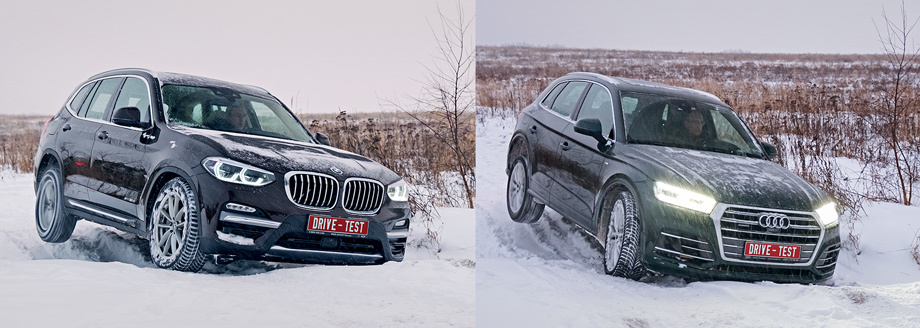
- The Audi Q5 uses the new quattro ultra system with an inter-axle clutch that engages the rear axle on demand — practical for everyday use, capable enough to exit a snowdrift or manage a controlled slide, but the extended understeer phase under throttle makes spirited driving feel less immediate than the classic Torsen-based quattro
- The BMW xDrive is excellent in snow and during spirited driving — a gentle squeeze of the throttle is enough to rotate the car and hold a corner with precision; rally-driver composure is genuinely within reach
That said, most crossover buyers in the $30,000–$40,000 bracket prioritise everyday comfort over track-day theatrics — and on that front, the Q5 still edges ahead of the X3 in overall driving satisfaction.
Final Verdict: Which One Should You Buy?
Despite the BMW X3’s outstanding diesel engine and superior infotainment system, it’s the Audi Q5 — properly equipped with air suspension — that delivers the more rounded, pleasurable ownership experience. It genuinely lives up to Audi’s “Vorsprung durch Technik” promise when you choose the right spec.
For those after the ideal Q5, the recommendation is clear: skip the standard springs, avoid the quattro ultra petrol version, and hold out for the Q5 3.0 TDI with air suspension and the classic Torsen quattro. That combination promises everything this comparison hinted at — and then some.
This is a translation. You can read the original here: https://www.drive.ru/test-drive/audi/bmw/5a8dc585ec05c4a840000019.html

Published March 31, 2022 • 6m to read