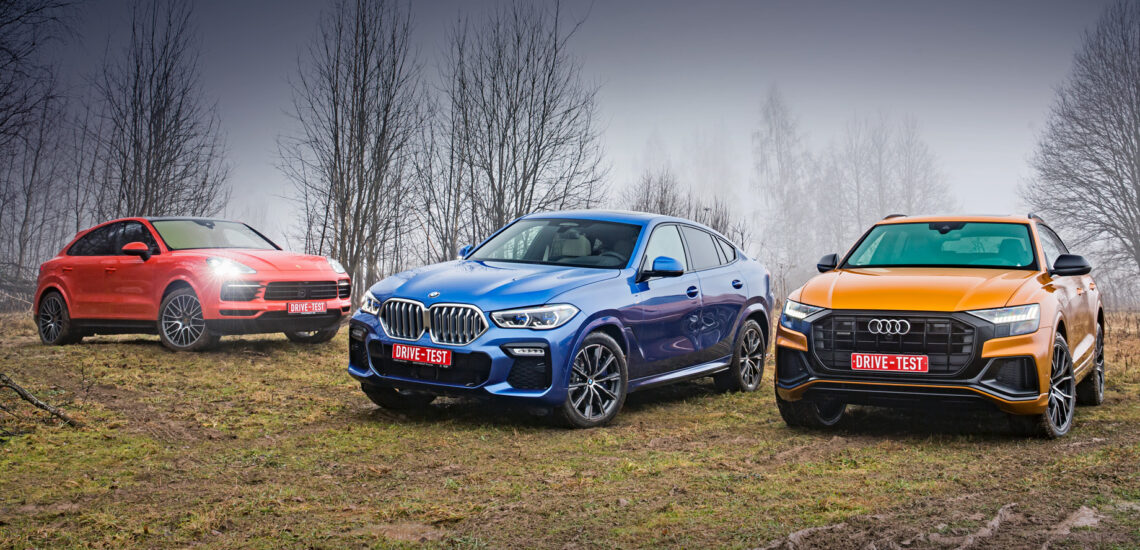

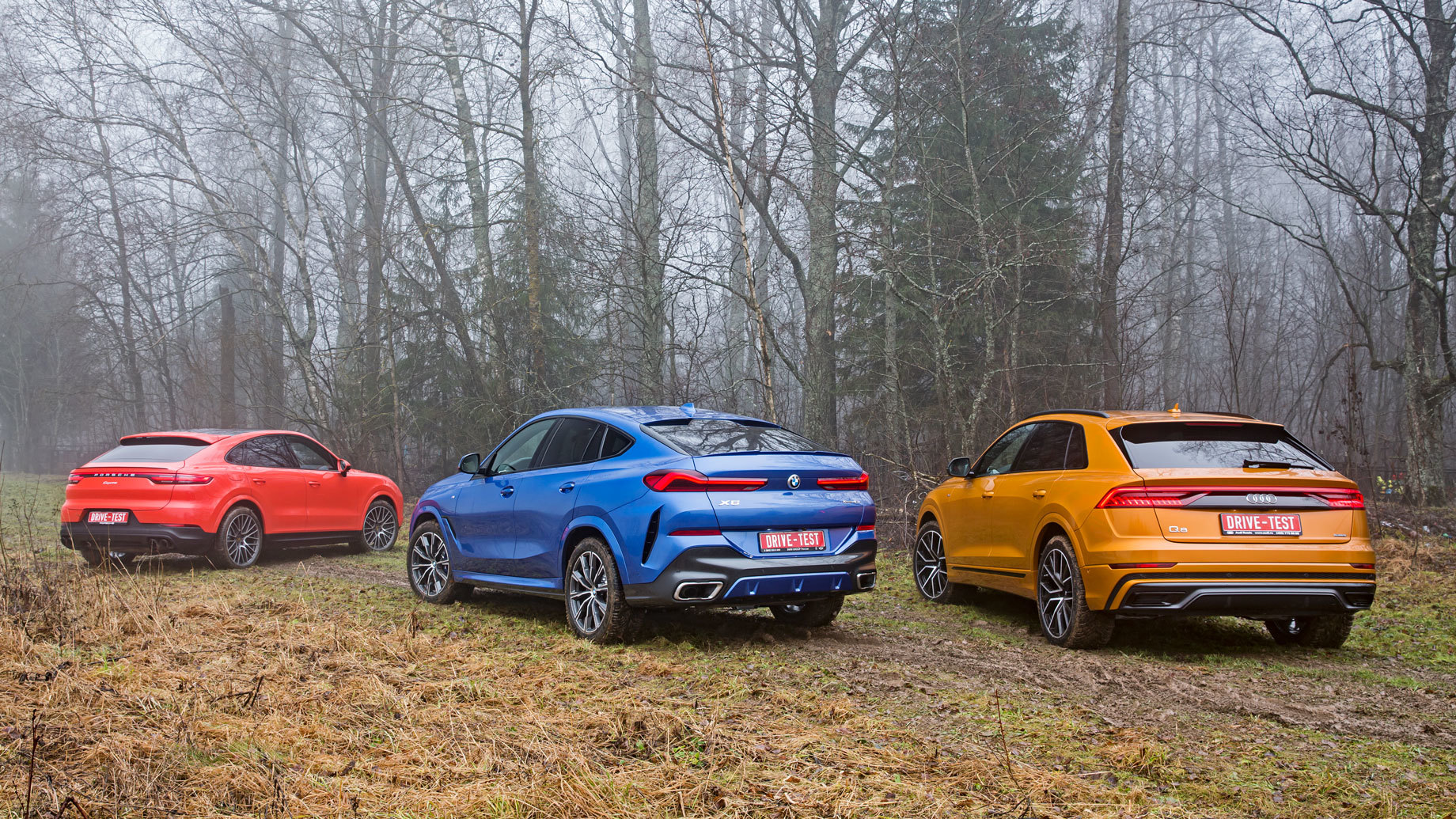
In just over a year, the market for premium coupe-style SUVs has been completely reshuffled. Only the Mercedes GLE Coupe missed out on this test. From the press fleets of Audi and BMW, we pulled the most popular diesel versions to compare the Q8 and X6, plus gasoline models to make it a three-way test. After all, the Cayenne Coupe isn’t offered with a diesel engine…
Engines and Powertrain Specs
Here’s how the engine lineups stack up across all three luxury crossovers:
- Porsche Cayenne Coupe: 3.0L V6, 340 hp, 450 N•m
- Audi Q8 55 TFSI: 3.0L V6 (same platform as Porsche), 340 hp, 500 N•m
- BMW X6 xDrive40i: 3.0L inline-six, 340 hp, 450 N•m
- Audi Q8 45 TDI (diesel): 249 hp, 600 N•m
- BMW X6 xDrive30d (diesel): 249 hp, 620 N•m
All three cars in this test share the same eight-speed ZF 8HP automatic transmission, which makes the comparison of driving character even more revealing.
Pricing and Standard Equipment
Regardless of engine choice, the Audi Q8 is the cheapest of the three in base trim. That said, entry-level cars skip parking sensors up front and come with a simplified multimedia system without navigation. The steering column adjusts manually, and the seats are trimmed in a fabric-leatherette combination.
The Porsche Cayenne Coupe is, unsurprisingly, the most expensive. Even the base configuration includes:
- Leather upholstery
- Knee padding
- A rear-view camera
- A panoramic roof
Its steering wheel, however, still adjusts manually.
The mid-priced BMW X6 justifies its position with adaptive laser headlights, leather upholstery, power-adjustable seats with memory settings, a heated steering wheel, and heated front door armrests. Factoring in these extras, the test X6 isn’t outgunned by its rivals on functionality. All three cars come with air suspension, but only the Cayenne and Q8 pair it with a fully adaptive chassis.
Design and Styling
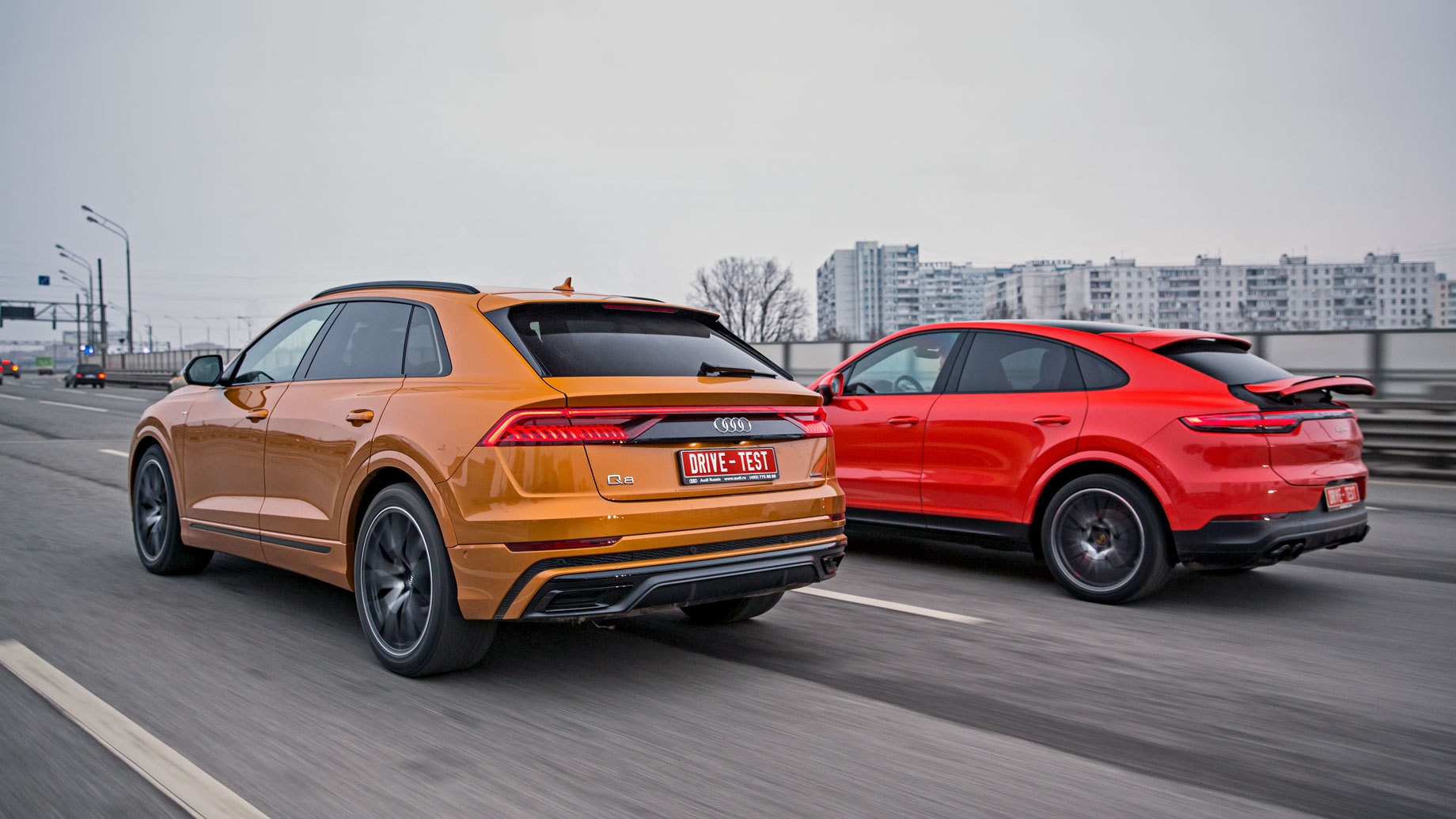
Both the Audi and BMW clearly distance themselves stylistically from their more conservative SUV siblings, the Q7 and X5. The Porsche Cayenne Coupe requires a closer look to tell apart from the standard Cayenne — but that’s arguably better than chasing originality at any cost, as the X6 does. Its design leans heavily into a bold, upswept rear end and a flashy illuminated grille. Meanwhile, the Audi puts on a light show at unlocking and flaunts frameless doors. The Cayenne Coupe’s design language is more understated — it would rather not be seen with its optional raised spoiler.
Interior Space and Practicality
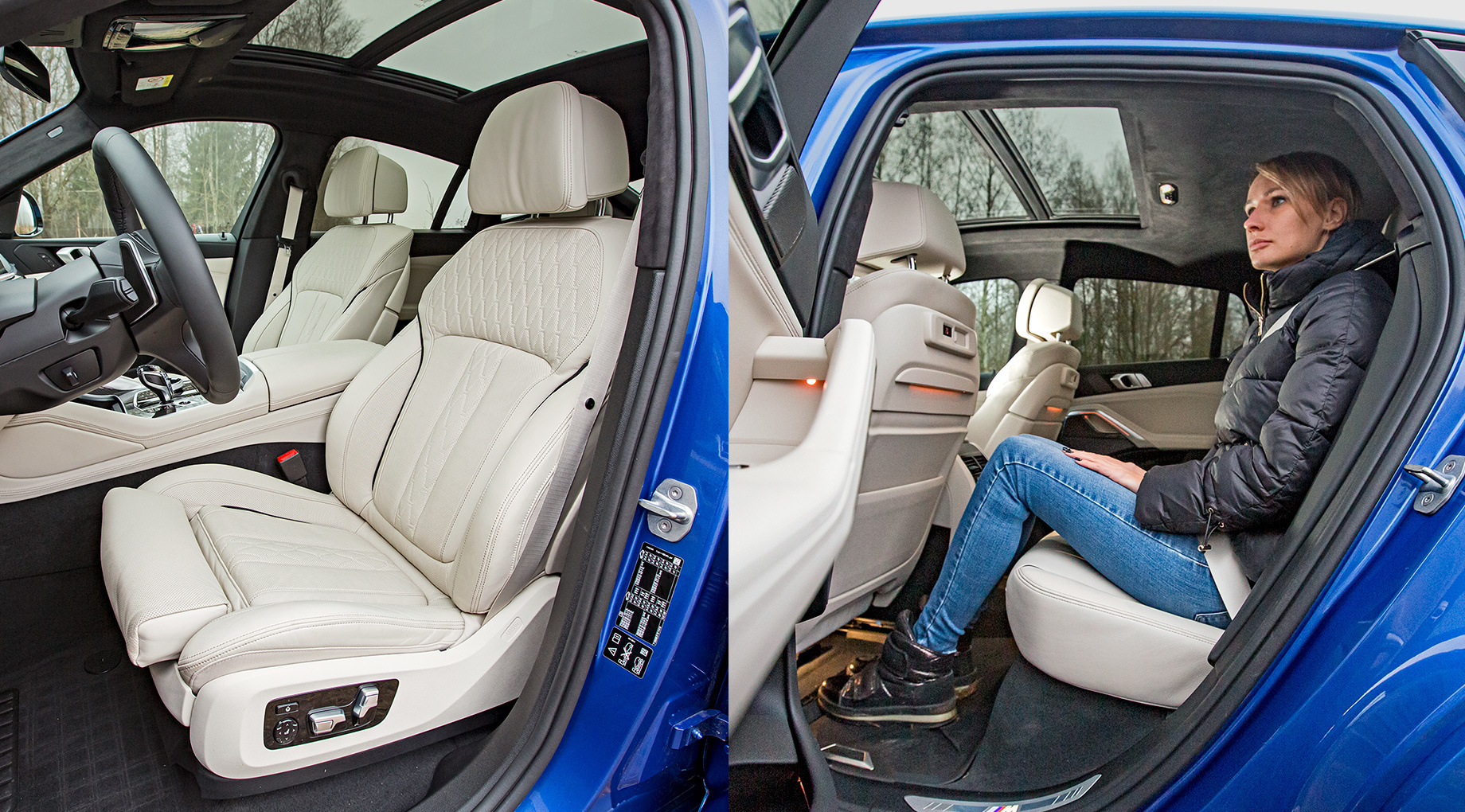
The door-covered sills on the Q8 and Cayenne stay clean, though Porsche passengers can still brush against the wheel arch climbing into the back seat. In the X6, the sills sit exposed, so everyone needs to watch their step.
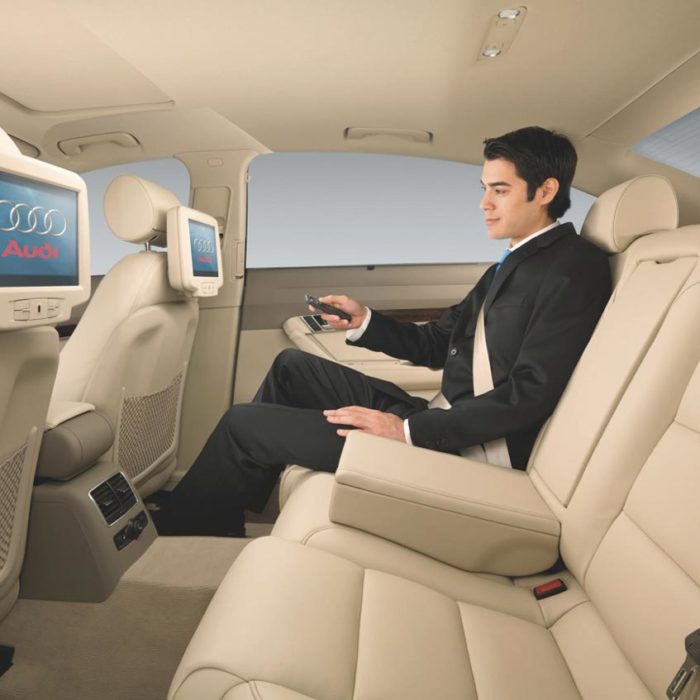
Rear passenger space is generous in all three, but with some differences:
- Audi Q8: Highest ceiling, most knee room, split-folding rear seats with adjustable backrest angle
- BMW X6: Most compact central tunnel
- Porsche Cayenne Coupe: Tightest access due to exposed wheel arch
Ergonomics and Cabin Controls
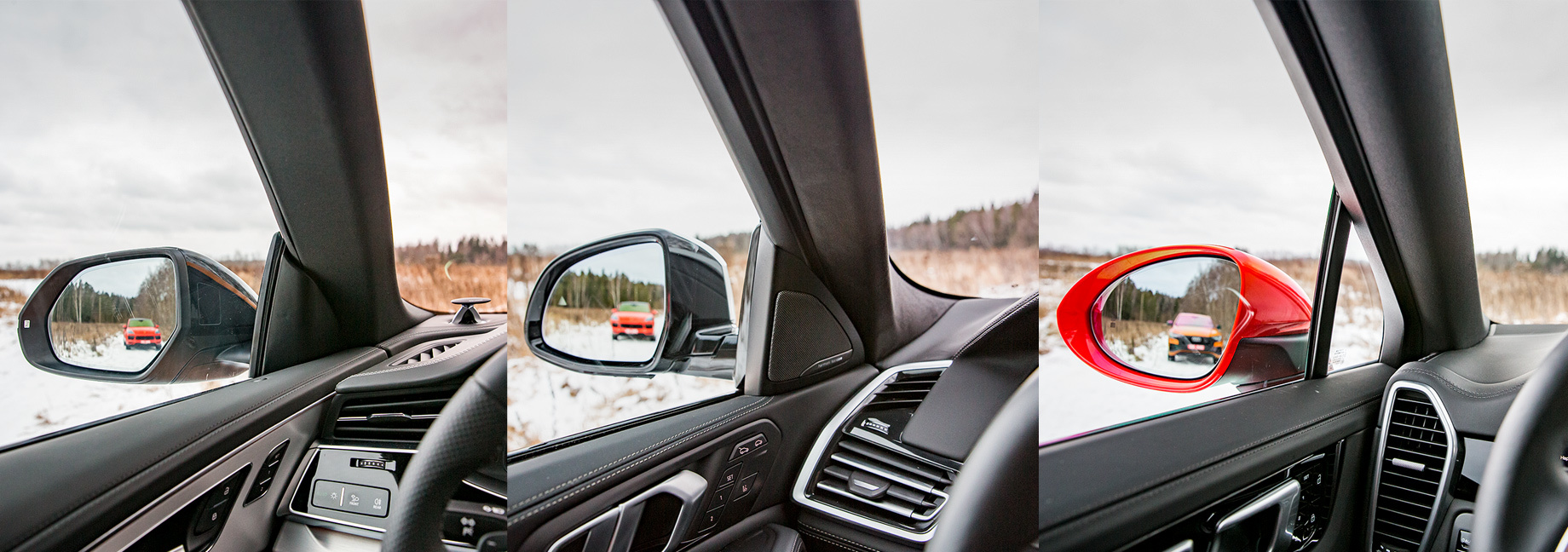
Ergonomically, the BMW feels the most natural to me, with touch controls for secondary functions coexisting well alongside physical buttons. There’s one catch: even with the seat lowered fully and the column pulled down to its limit, the steering wheel still sits a touch high. In the X5, tested recently, the geometry and adjustment range suited shorter drivers like me (5’6″) better.
The related Audi and Porsche models rely heavily on touch panels, which can feel less convenient and occasionally unsafe while driving. The Cayenne goes further, offering no way to switch tracks or radio stations from the steering wheel. Finding an ideal driving position in Porsche’s firm sport seats is easy, though they feel tight for a larger frame. In the Q8, as in the BMW, I sit more freely.
The X6’s cabin has plenty of gloss, but the buttons on the shiny center console see little use — the large touchscreen is easier to control with the rotary controller or gestures while driving. As a result, the X6 stays looking tidier, and its perceived interior quality depends less on fingerprints and dust.
Powertrain Performance: BMW
The BMW powertrains are the easiest to get along with. The gasoline engine makes a strong first impression thanks to its responsiveness. Even in Comfort mode, it reacts eagerly to subtle throttle inputs. Sport mode sharpens sensitivity further without making the crossover feel jittery — the traction control is impressively well-tuned. An aggressive Sport+ setting isn’t really necessary, since every pedal movement triggers a noticeable jerk.
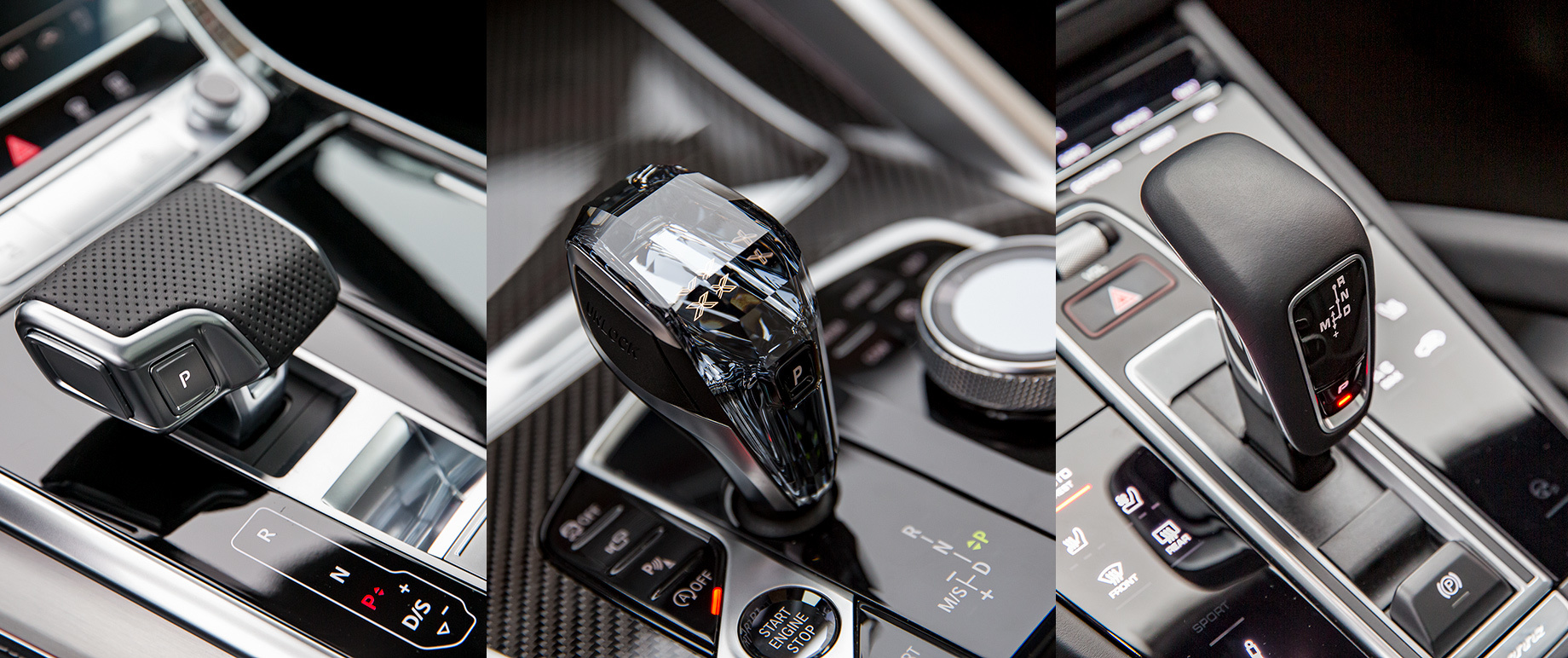
The gearbox shifts quickly and smoothly, though gear changes are always noticeable rather than seamless. Paired with the gasoline engine, it has to shuffle gears more actively; the diesel is more relaxed. Despite the diesel xDrive30d’s official 0–60 mph time being a second slower than the gasoline 40i (6.5s vs. 5.5s), it actually feels more satisfying in real-world driving. Strong low-end torque delivers a relaxed launch and confident mid-range acceleration, and the inline turbodiesel sounds surprisingly pleasant.
Powertrain Performance: Audi Q8
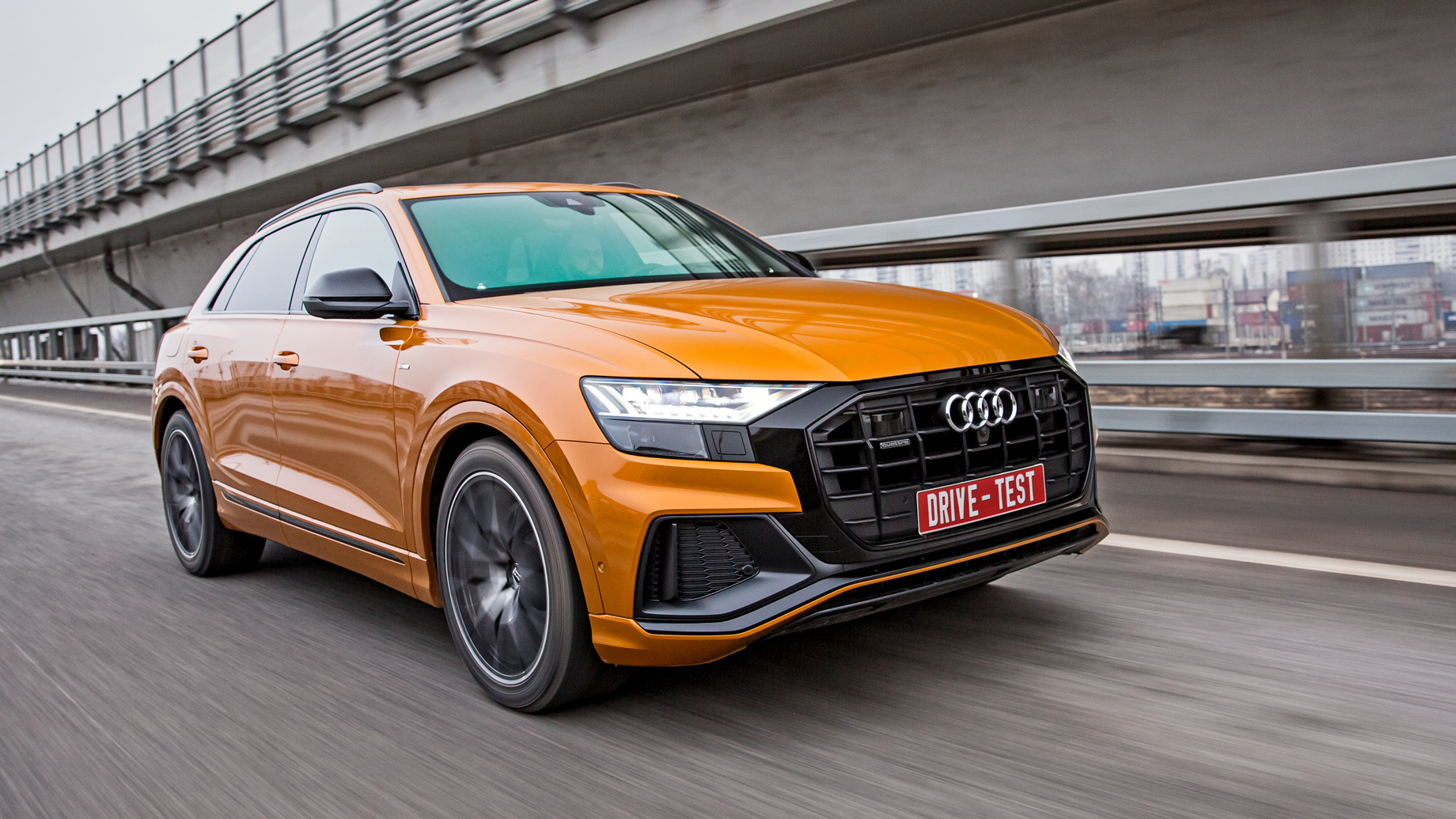
The Audi TDI V6 sounds simpler but still charms with its smooth power delivery. Throttle response, however, doesn’t match the BMW’s immediacy, and torque builds less aggressively. The automatic gearbox is tuned differently too, prioritizing smoothness — gear changes happen almost unnoticed.
Subjectively, the diesel Q8 actually feels more dynamic than the 340-hp gasoline version, even though the 45 TDI’s claimed 0–60 time (7.0s) suggests it should be the slowest in the test. In practice, the gasoline “55” model suffers from delayed throttle response that makes it feel sluggish — its claimed 5.9-second sprint is hard to believe when the Audi barely reacts to a light pedal press. Nothing about the diesel Q8 shows this hesitation.
Despite sharing a platform and powertrain with the Porsche, the Audi and Cayenne Coupe feel completely different to drive — occupying opposite ends of the sportiness spectrum relative to the BMW. Only at low speeds does the Cayenne resemble the Q8, delivering thrust calmly. Beyond that, it reacts more actively to throttle input and rewards decisive inputs in a way the Audi does not.
Powertrain Performance: Porsche Cayenne Coupe
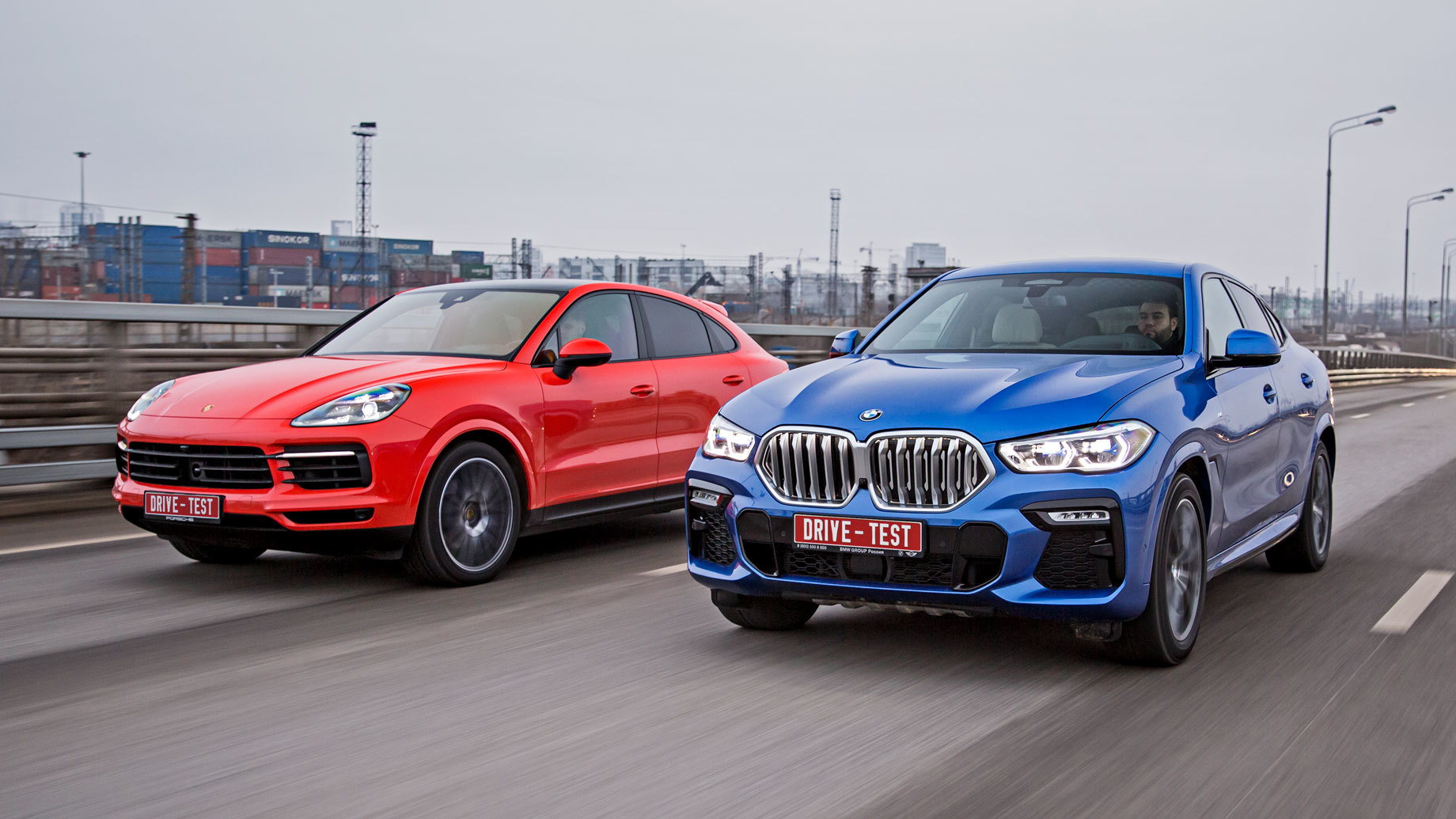
The contrast between relaxed cruising and outright speed is much sharper in the Cayenne Coupe. It genuinely rushes at full throttle. Where the Audi’s dynamic mode can’t fully mask lag in throttle response, the Porsche mobilizes instantly when switched to Sport — and even more so in Sport+ (the Sport Chrono package comes standard on the Coupe).
The transmission transforms completely too: calm shifts give way to hard, decisive changes. Despite having a longer final drive ratio than the Q8, the Porsche feels like the quickest car here — the claimed sub-6-second 0–60 time is entirely believable. It’s clear which car is fastest without needing a side-by-side drag race.
Handling and Ride Comfort
Porsche is the genuine sports car of this trio. The steering has a sharp, well-defined center point and slightly heavy weighting, without compromising the logic of its assisted feedback. Responses are quick and precise, though rear-wheel steering input isn’t very noticeable. The Cayenne doesn’t just execute your commands — it carries you through corners. Optional active anti-roll bars keep body lean in check without sacrificing road feel, even on winter tires like the Pirelli Scorpion Winter.
A more expressive exhaust note would be welcome — tapping the screen opens bypass valves for extra bass, but it could still be louder. Ride comfort is where the Cayenne trails: road imperfections come through clearly in the cabin, and Sport mode makes it overly sensitive to small bumps. Still, it handles larger irregularities, including speed bumps, without complaint.
Riding on 20-inch Michelin Pilot Alpin 5 tires, the X6 handles road surfaces noticeably better than either rival. It barely registers medium bumps and settles solidly over larger ones. The only nitpick, especially after driving the Porsche, is that a bit more isolation from small vibrations and road texture would be welcome. Larger bumps aren’t an issue even at higher speeds, and it glides smoothly over rough, unpaved roads. This might be the most comfortable crossover in the segment, aside from the Audi Q7.
The Q8 falls a bit short here too, partly due to its 22-inch Hankook Ventus S1 Evo3 SUV wheels. It isn’t as stiff as the Porsche and is remembered for a softer ride, but its sportiness doesn’t quite match the BMW’s, and its ride comfort still trails behind. The Q8 grips the road with the same tenacity as the Cayenne.
Steering effort builds up smoothly and predictably on Audi’s light but not overly sharp setup (2.4 turns lock-to-lock). While maintaining a certain distance from the driver, it doesn’t invite you to explore the limits of grip. Push it there anyway, and the Q8 slides more predictably thanks to all-wheel-drive traction, whereas the Cayenne Coupe slides from the front axle.
Unlike the X6, which only pairs active anti-roll bars with air suspension, the Q8 doesn’t offer them at all. Still, both hatchback-styled SUVs resist body roll well and stay composed through corners. The BMW feels more engaging to drive — you notice more involvement in the process than in the Audi. Its steering is slightly “longer” (2.7 turns lock-to-lock) and weightier, with light off-center feel that doesn’t detract from accurate, natural responses.
The BMW happily rotates into corners and, under power, doesn’t try to straighten its line, taking advantage of its electronically controlled rear locking differential. But push entry speed too hard, and the front axle will eventually push wide. What stands out is how well-calculated every interaction feels — you get a genuine sense of control over a large vehicle, and not just because of exceptionally wide, grippy tires. Braking performance is strong across all three cars.
Off-Road Capability
On moderate off-road terrain, the air-suspended crossovers are geometrically well-equipped. Key ground clearance figures:
- Porsche Cayenne Coupe: 9.65 inches (shortest overhangs, but no defined approach angle advantage)
- Audi Q8: 10 inches
- BMW X6: Comparable geometry to the Cayenne, plus an emergency air suspension mode that raises clearance to 11.26 inches
Audi and Porsche both offer a dedicated off-road mode that fine-tunes traction with a smoother throttle response. BMW’s Offroad package adds several terrain-specific presets. Regardless of program selected, the X6’s electronics are the quickest to react — it doesn’t hesitate at all on diagonal articulation, performing nearly as well as the Cayenne Coupe on rough terrain.
The Audi’s traction control noticeably takes longer to respond, intervening less smoothly, which means the Q8 clears the same obstacles without the BMW’s effortless ease — despite the BMW test units being high-torque diesel models. Notably, the Q8 is the only vehicle here with a true differential-based all-wheel-drive system; the Cayenne and X6 rely on clutch-based front-axle engagement, which proves more efficient off-road.
Warranty and Maintenance
- Porsche and BMW: 2-year warranty, no mileage limit
- Audi: 4-year warranty, up to 120,000 km
- Q8 and Cayenne: Scheduled maintenance every 15,000 km
- X6: Condition-based service alerts (no fixed interval)
Final Verdict: Which Should You Choose?
Porsche’s move away from diesel Cayenne models has some buyers looking elsewhere. From a purely image-driven standpoint, neither the Audi nor the BMW fully replaces the prestige of the Porsche badge. But this test shows that stepping half a notch down the market brings genuine rewards for open-minded buyers. Both the Q8 and X6 deliver a strong quality-of-life behind the wheel — no need to compromise daily comfort or overpay for the Cayenne’s slightly aggressive sportiness. Leave that to the enthusiasts.
Setting styling preferences aside, the choice between the Q8 and X6 isn’t clear-cut:
- Choose the Audi Q8 if you want: More rear passenger space and a bold, tech-forward digital cockpit. On base 20-inch wheels, it likely matches BMW’s ride comfort.
- Choose the BMW X6 if you want: A more ergonomic, more engaging driving experience across every trim level — and a car that’s simply easier to live with day to day.
Whichever you pick, one thing is clear: the gasoline engines in this segment make little financial sense. They cost more to buy, are taxed more heavily, and don’t deliver any real performance advantage over their diesel counterparts.
This is a translation. You can read the original here: https://www.drive.ru/test-drive/audi/bmw/porsche/5e2f1da4ec05c4185400002c.html

Published March 09, 2023 • 11m to read