
After spinning the wheels of his wheelchair, the man disappeared into the dim light of the hangar, clicked the switch and, waiting for the lamps to warm up, smiled modestly. I froze for a moment, then wanted to pinch myself: this is a clone of our Vehicle and Automobile Museum! The corner model of an old garage was literally mirrored from the Autorodeo exhibition stand we created for retro car shows — remember our black-and-blue Fiat set against the backdrop of an old workshop? And the collection itself: what a retro mélange, and with such ingredients. The mini-tractor Oliver Cletrac HG, the 1919 Dixie Flyer American phaeton, the Danish-made electric Kewet El Jet, the half-track all-terrain vehicles Bombardier. And how did our Moskvitches, Ladas, Gazons and Bukhankas end up here?
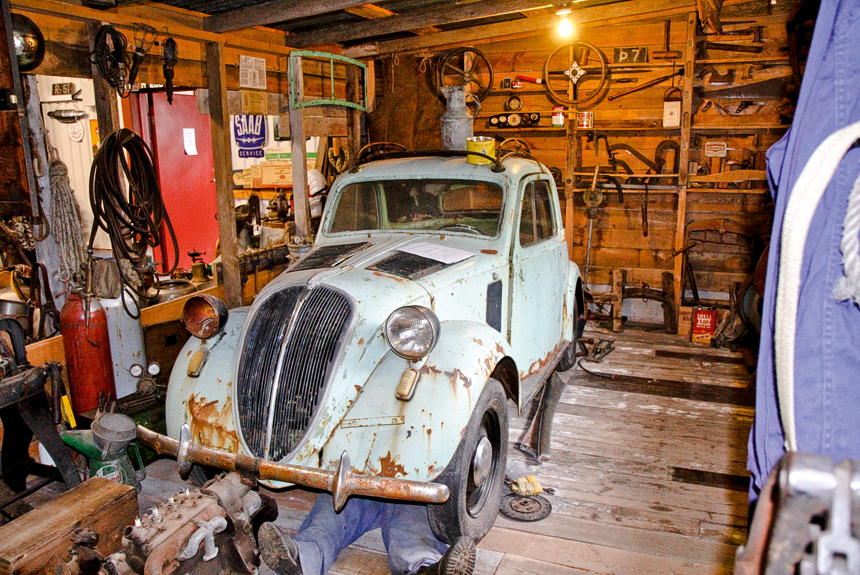
A similar garage setting was recreated at one of our exhibition stands. And the car was the same — Fiat 500 Topolino.
Why There Are Soviet Cars in Iceland
It turns out there were official deliveries, at different times. They were made possible by the so-called “Cod Wars”, which Iceland fought with the British fishing fleet by banning its ships from fishing near the island. In retaliation the British put an embargo on Icelandic seafood — but the lesson did not work, because the Soviet Union eagerly took the embargoed fish and paid for it with vehicles and tractors.
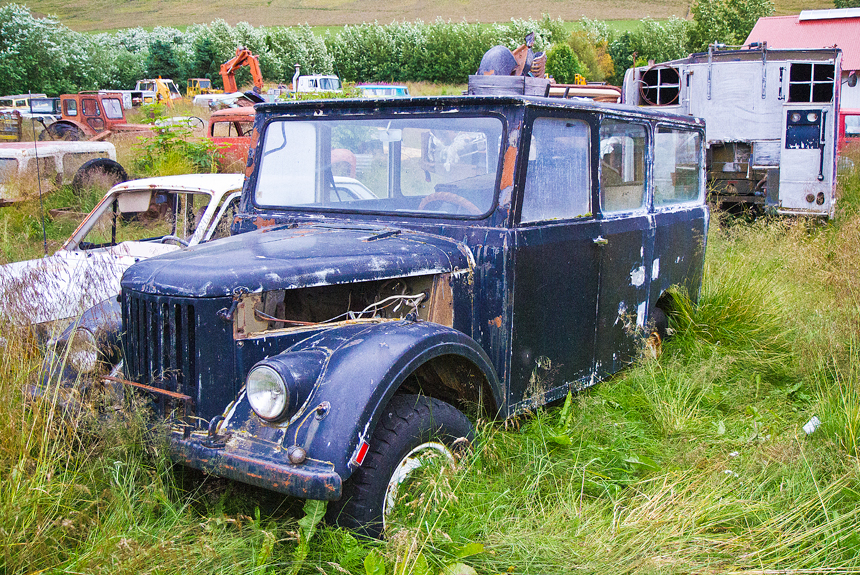
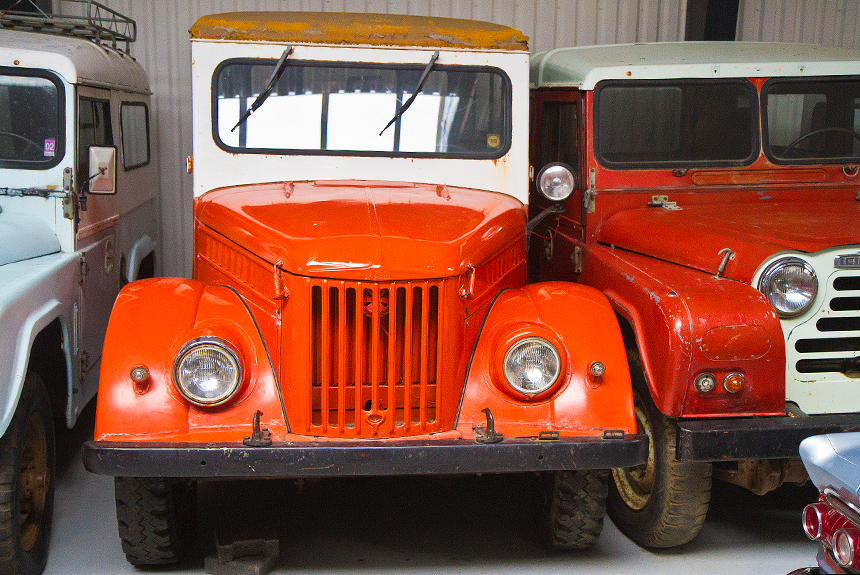
What the Icelanders Liked
The star of the first wave of Soviet imports was the GAZ-69. It was not remarkable for its power, but in Iceland it beat the familiar Willys, Jeep, Ford and Land Rover on cabin space and driving comfort. Our “Gaziks” were relentlessly modified here, because a vehicle with a soft top instead of a hard roof was impossible in local conditions. The Ulyanovsk “Bukhankas” were valued for their passenger capacity, their full all-wheel drive with a reduction gearbox, and their versatility: on public roads the twelve-seat machines moved faster than German Unimogs and their analogues.
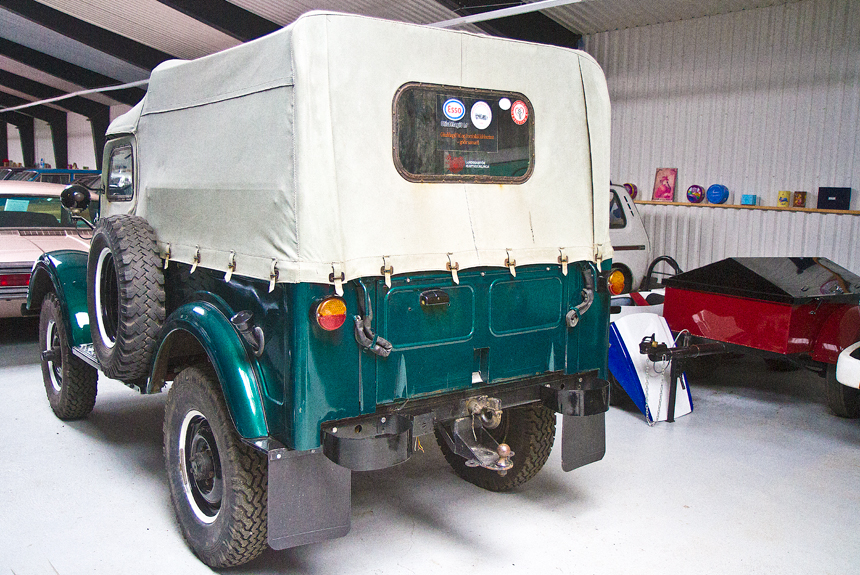
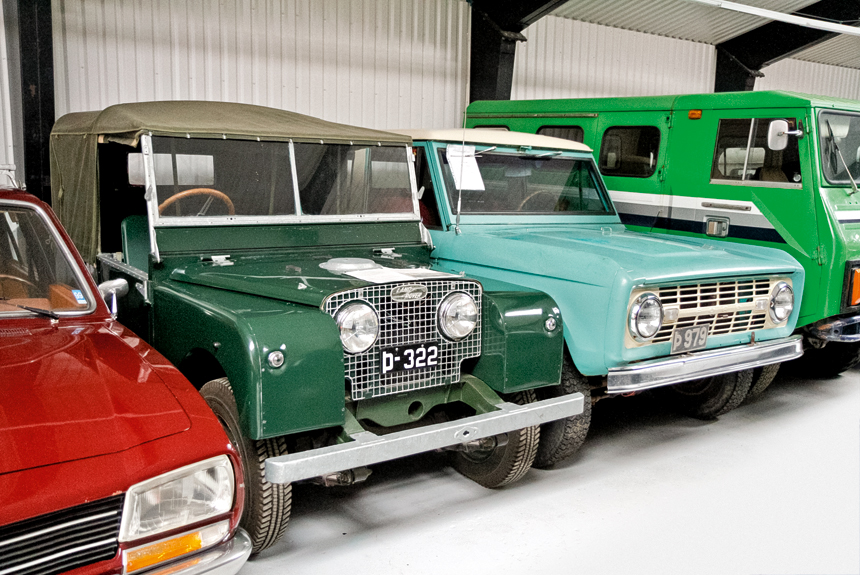
Due to the climate, our Gaziks were ruthlessly modified in Iceland. A car with a soft top is a rarity here.
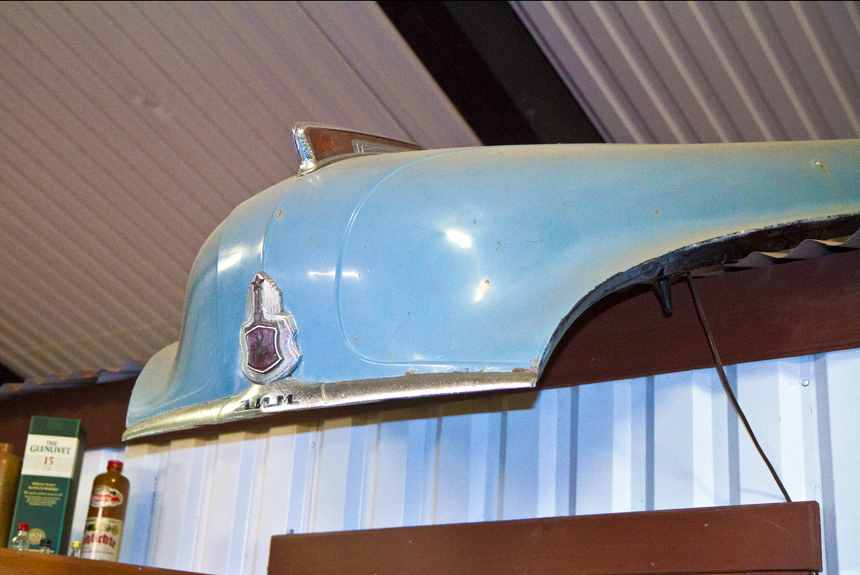
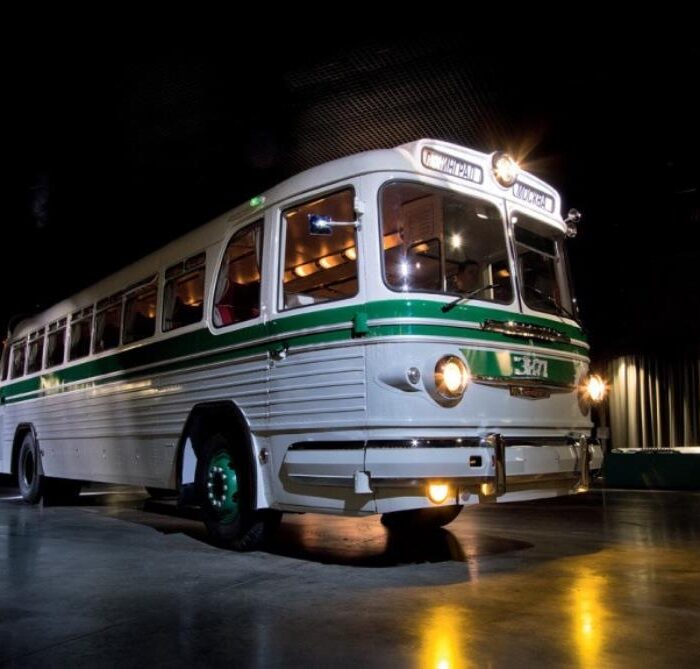
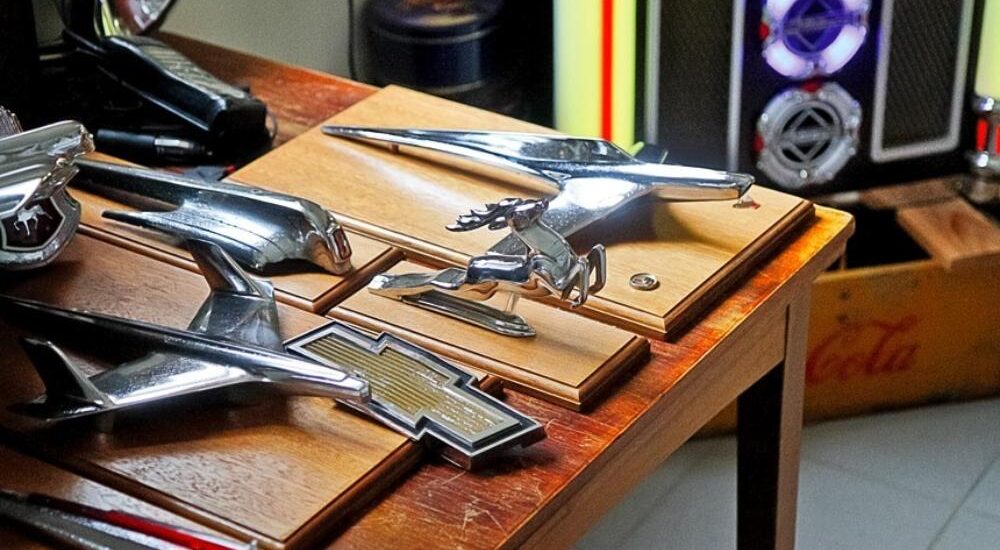
No complete ZIS cars are left in Iceland. But there’s a hood!
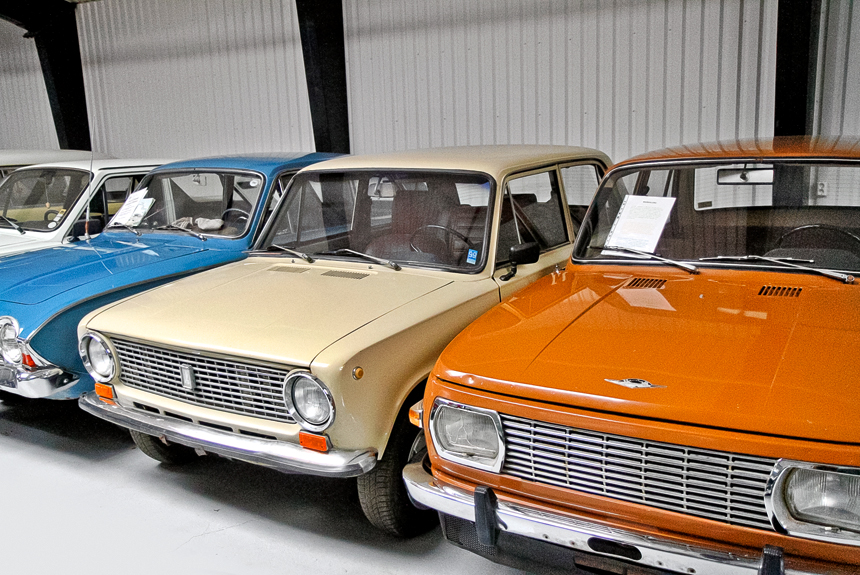
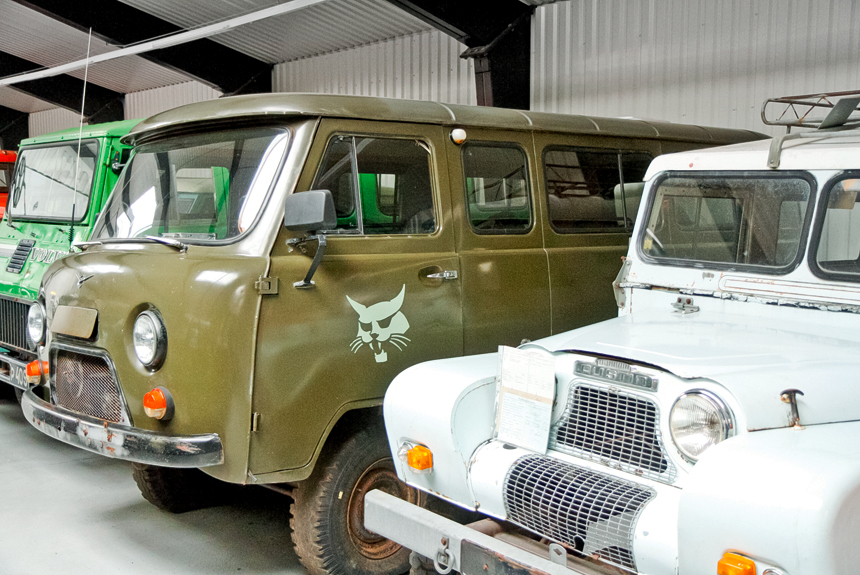
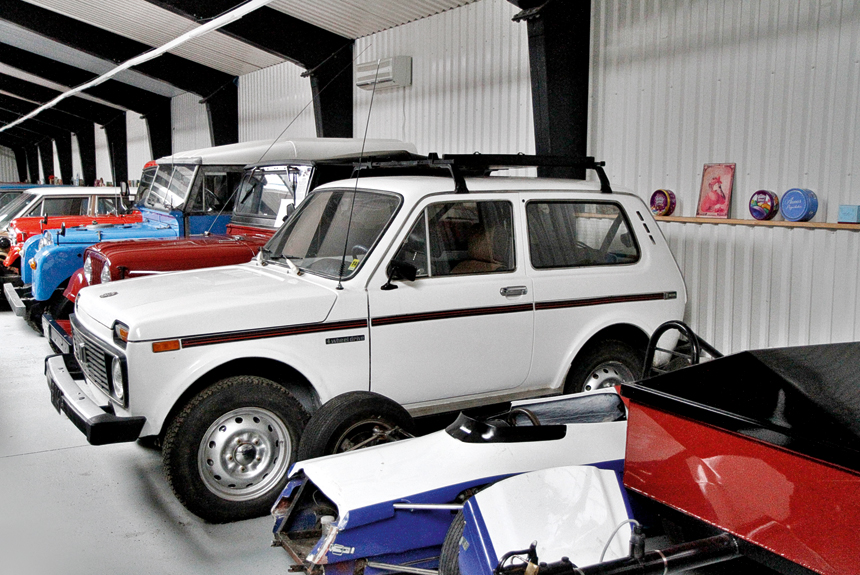
Second-wave deliveries: Niva, “Bukhanka,” “Kopeyka.” Judging by the preserved “Glavryba” stickers, the Icelanders eagerly bought used Soviet vehicles — through Soviet trade missions.
A Museum Built by One Family
The local Transport Museum was founded by a Reykjavik resident, Ingólfur Krístiánsson. After retiring, and recalling a long-standing passion for machinery, he left city life and moved to the town of Ístaðfell, where he had spent his childhood. His wife became the keeper of the automotive hearth and the project’s PR manager, and through her efforts the museum turned into a genuine cultural hub, offering owners of oldtimers somewhere safe to keep their cars. The museum at Ístaðfell rose to its feet — on wheels, rather — amid grumbling from neighbours and environmental activists, who asked, “Why do we need a car cemetery here?” Year after year, though, the collection grew, to two hundred and fifty vehicles and several thousand smaller exhibits.
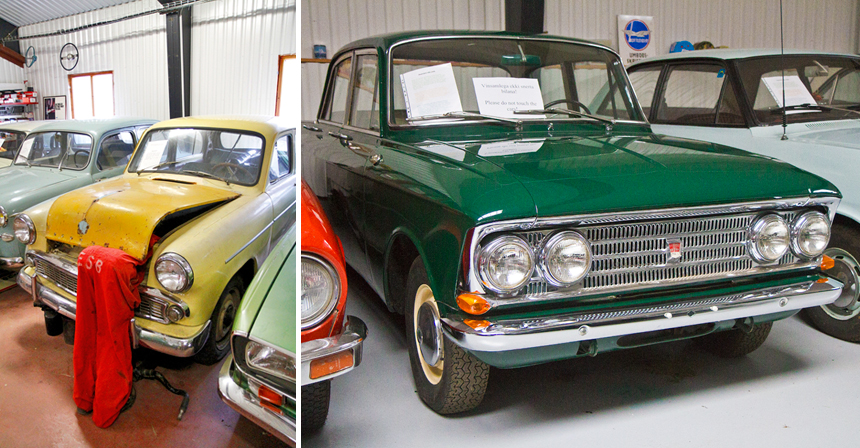
The rear end sticking out from under the hood — a hint at the fragility of our Moskvitches?
Even we have only a few of these Moskvitches left.
Icelandic Names, and the Son Who Took Over
The couple passed away within two months of each other, and since 2003 the museum has been headed by their son Sverrir Ingolfsson who, despite his disability, leads a whole team of handy volunteers and persuades the local authorities to support the project financially.
Do not be surprised by the oddities in the names, either. What we are used to treating as a surname is, in Iceland, derived from the father’s or the mother’s name — a patronymic or a matronymic. Only a few people in the country actually have surnames.
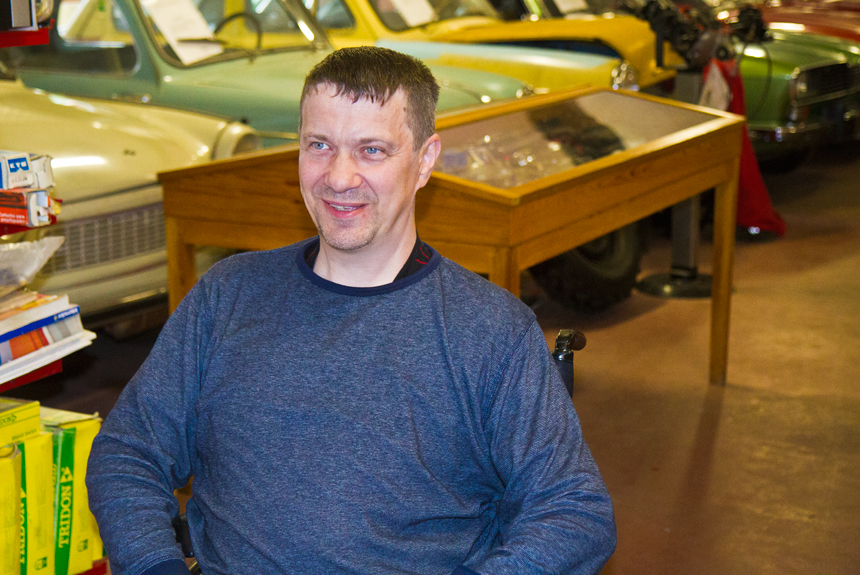
Sverrir Ingólfsson
What Else Is in the Collection
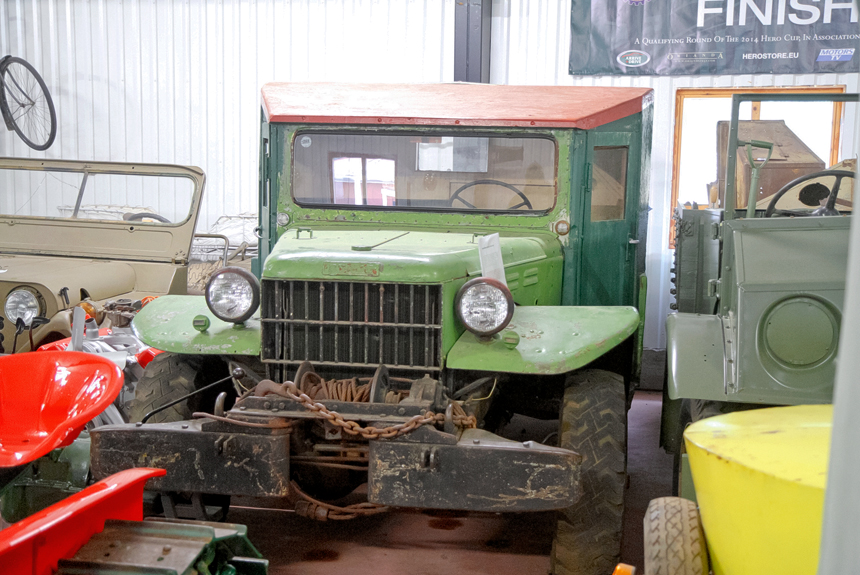
American military classic: Dodge WC series, with a 750 kg payload. Known here as “Dodge three-quarter ton”.
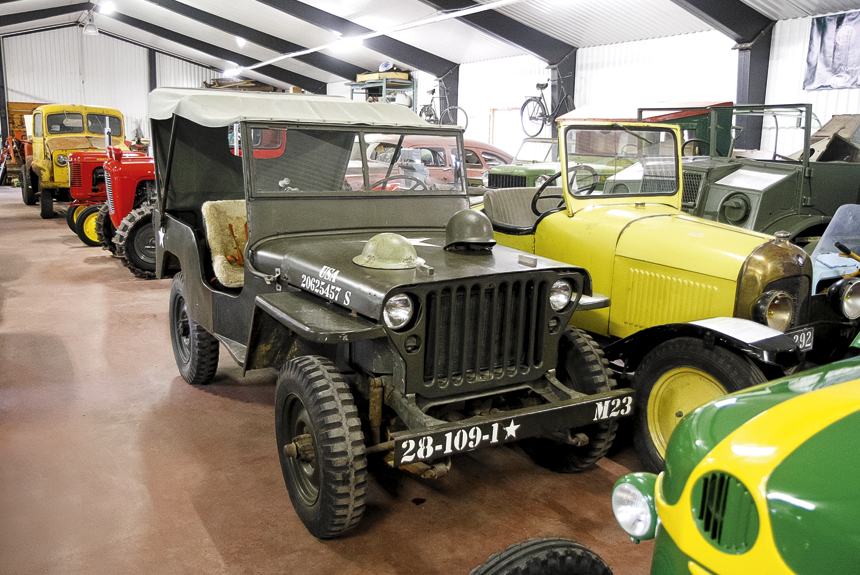
Willys MB, also known as Ford GPW — after the war, there were many such cars in Iceland.
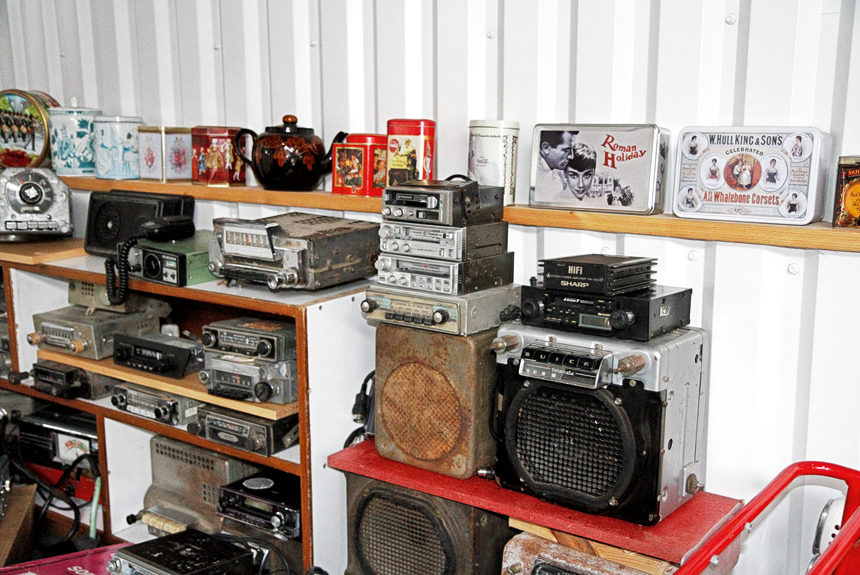
Car-audio from the mid-20th century. Including Soviet-made!
In short, if you have a moment, visit www.ystafell.is. And if you happen to find yourself in Iceland, take the time to visit the automotive past of the northern Atlantic.
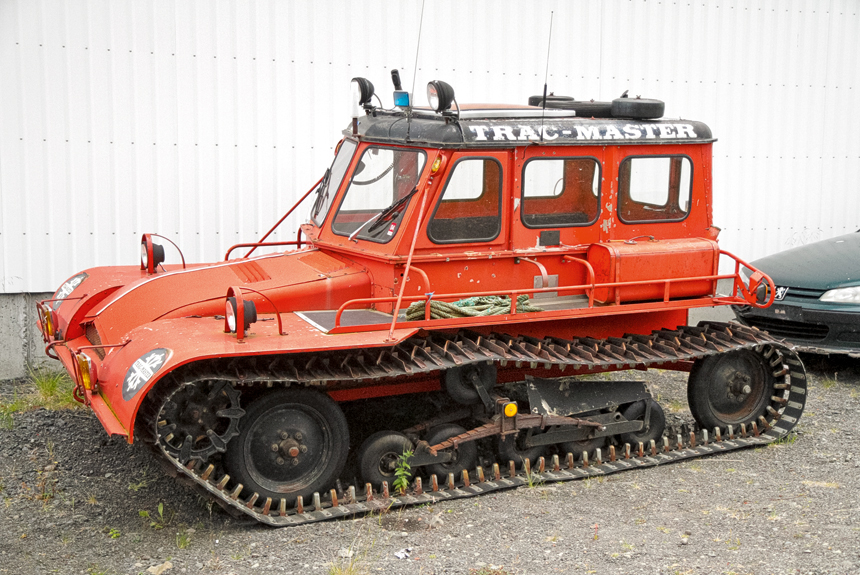
Swedish Aktiv Fischer Trac-Master — tracked all-terrain vehicles of this caliber are highly sought after in modern Russia.
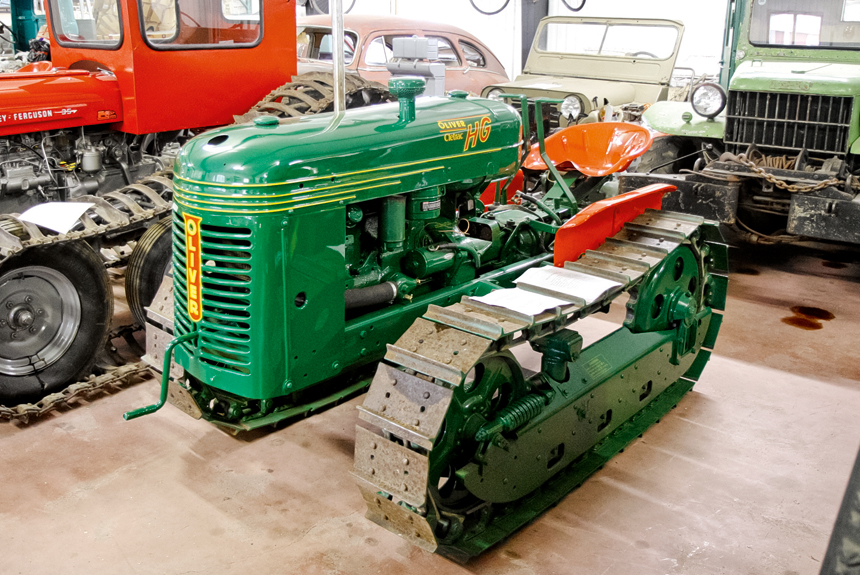
The Oliver Cletrac HG tractor is restored to perfection!
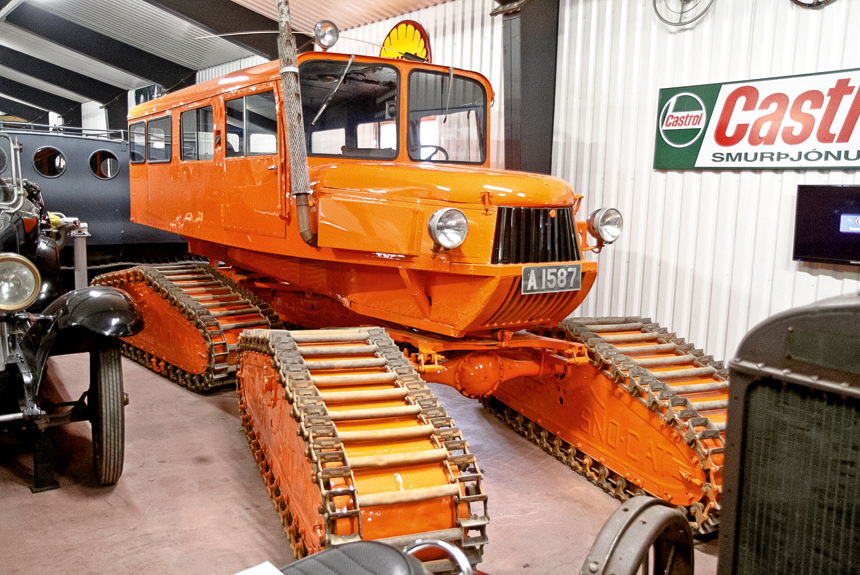
Today, the American Tucker Sno-Cat would be called a snow amphibious vehicle.
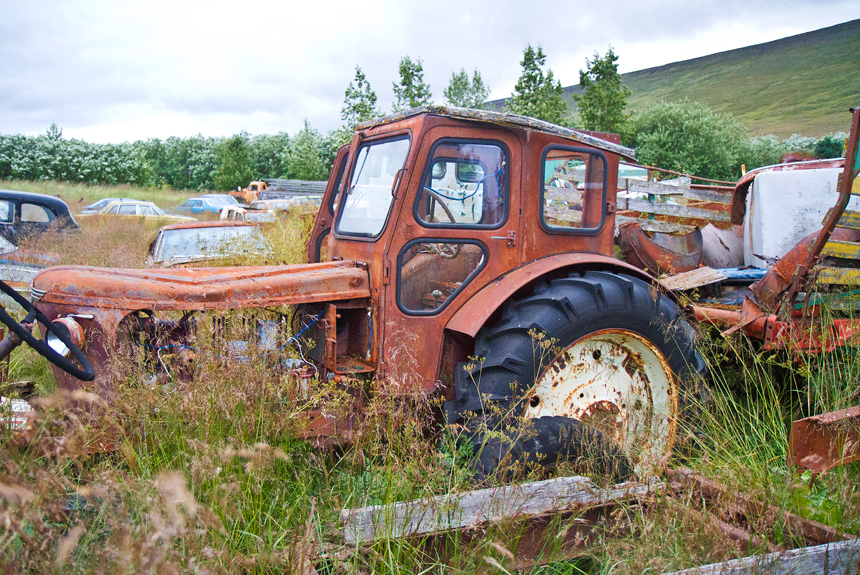
Anyone who lived in a village will recognize this profile from a mile away.
The Ístaðfell Transport Museum: The Key Facts
- Where: the town of Ístaðfell, Iceland — www.ystafell.is
- Founded by: Ingólfur Krístiánsson of Reykjavik, with his wife as keeper and publicist
- Run since 2003 by: their son Sverrir Ingolfsson, with a team of volunteers
- Size: two hundred and fifty vehicles and several thousand smaller exhibits
- Why the Soviet cars: the “Cod Wars” embargo — the USSR bought the fish Britain refused and paid in vehicles and tractors
- Highlights: Oliver Cletrac HG, the 1919 Dixie Flyer, the Danish Kewet El Jet, Bombardier half-tracks, Dodge WC, Willys MB, Tucker Sno-Cat
Frequently Asked Questions
Why does an Icelandic museum have Moskvitches and Bukhankas? Because of the “Cod Wars”. Britain embargoed Icelandic seafood, the Soviet Union bought it instead, and paid in vehicles and tractors.
Which Soviet vehicle worked best there? The GAZ-69 led the first wave, on cabin space and comfort rather than power. The twelve-seat “Bukhanka” was prized for capacity, all-wheel drive with a reduction gearbox, and road speed that beat a Unimog.
Why do the Icelandic names look inconsistent? They are not surnames. In Iceland the second name is normally formed from the father’s or mother’s given name; only a few families carry true surnames.
How big is the collection? Two hundred and fifty vehicles, plus several thousand smaller exhibits — from tracked all-terrain machines to mid-century car radios.
Photo: Konstantin Sorokin
This is a translation. You can read the original article here: На колесах: репортаж из музея транспорта в Исландии
Country guides

Published March 27, 2025 • 5m to read