
Intelligent Transportation Systems (ITS) are reshaping the way we think about road safety, traffic flow, and urban mobility. One of the most advanced real-world examples comes from Nissan, whose ITS program — backed by the Japanese government — is already being tested on public roads in Kanagawa Prefecture. A more advanced version of the system is also being refined at the Nissan Technical Center (NTC) in Atsugi: a self-contained facility complete with its own streets, intersections, and bus routes, making it an ideal proving ground for next-generation transportation technology.
What Is an Intelligent Transportation System?
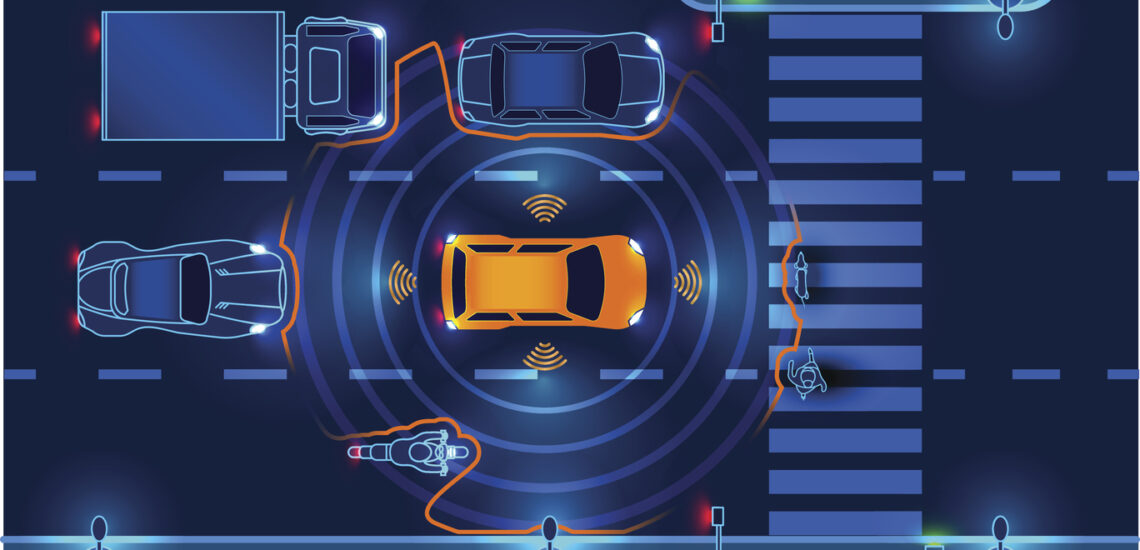
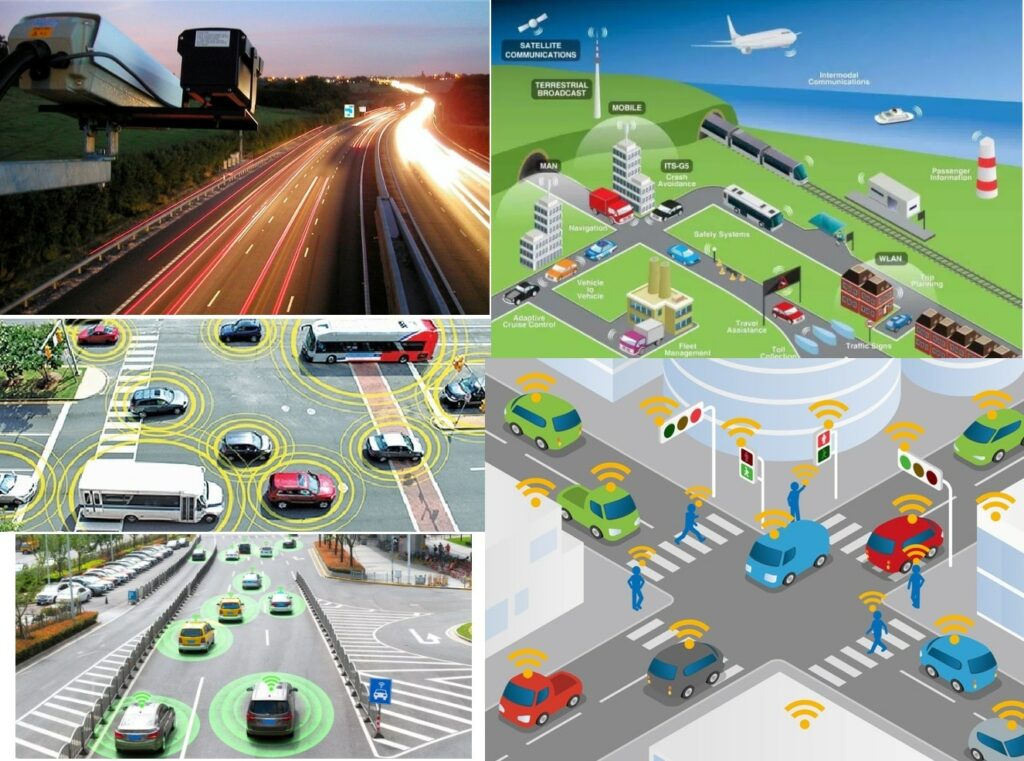
An Intelligent Transportation System (ITS) is a network of sensors, connected vehicles, and smart infrastructure designed to improve road safety and traffic efficiency. At its core, Nissan’s ITS relies on a network of optical sensors that communicate with dedicated modules installed in participating vehicles. The system is designed to proactively alert drivers to a wide range of road hazards, including:
- Traffic congestion ahead
- Vehicles approaching from minor roads
- Active roadworks and lane closures
- Current speed restrictions and local regulations
- Pedestrians in or near the roadway
This real-time communication between vehicles and infrastructure is what sets ITS apart from traditional traffic management approaches.
How ITS Improves Pedestrian Safety
One of the biggest challenges in urban road safety is the unpredictable behavior of pedestrians — particularly the tendency to cross against red lights. Nissan’s ITS addresses this with a smart traffic light system tested at the NTC:
- Traffic lights default to green for pedestrians and red for vehicles at all times
- When a vehicle comes to a stop at a crossing, its onboard sensor transmits a signal to the traffic light
- The light then switches to green for the vehicle, creating a two-way communication loop between cars and road infrastructure
- Near sensitive zones such as schools and kindergartens, an interactive speed control zone displays speeding alerts directly on the vehicle’s onboard computer screen
This bidirectional vehicle-to-infrastructure (V2I) communication is a key innovation, allowing the road environment to respond dynamically to driver behavior rather than operating on fixed timers.
Optimizing Traffic Flow and Reducing Emissions
Safety isn’t the only priority — efficiency matters too. Constant stop-and-go driving increases both fuel consumption and harmful emissions. To counter this, the ITS uses optical sensors placed before intersections to monitor traffic intensity in real time. The system’s central processing unit then calculates optimal traffic light switching phases so that approaching vehicles can maintain a steady speed without unnecessary braking or acceleration.
Key traffic optimization features being tested at the NTC include:
- Synchronized traffic light networks — multiple traffic lights coordinated simultaneously based on live traffic flow data
- Smart turn management — reducing queues that form at right turns when exiting minor streets (equivalent to left turns in right-hand traffic countries)
- Adaptive signal timing — lights that adjust their green/red phases dynamically rather than following fixed schedules
The HMI: When the Car Takes Control
Inside the vehicle, the ITS integrates with an advanced Human-Machine Interface (HMI). In the NTC testing environment, the HMI goes beyond simple warnings. If a driver ignores a red traffic light, the system has the ability to actively intervene in the vehicle’s controls — a significant step toward autonomous safety enforcement on public roads.
What’s Next for ITS in Japan?
The Nissan Technical Center serves as a live laboratory where every element of the ITS ecosystem — vehicles, sensors, traffic lights, and HMI software — is tested under tightly controlled conditions. Technologies that successfully pass trials at the NTC are approved for deployment on public roads in Kanagawa Prefecture, with the long-term goal of a nationwide rollout across Japan.
As vehicle-to-infrastructure (V2I) and vehicle-to-everything (V2X) communication technologies continue to mature, intelligent transportation systems like Nissan’s ITS could become the backbone of safer, greener, and more efficient cities worldwide.
This is a translation. You can read the original here: https://www.drive.ru/technic/4efb332e00f11713001e3f17.html

Published November 25, 2021 • 4m to read