
The Early Days of Postal Vans
The postal van is one of the automobile’s earliest “professions”, and it has a rich history. The first “horseless carriages” were fitted with a closed box behind the seats to carry mail, while the driver sat out in the open — a testament to their resilience. In time the design became a vehicle built for mail delivery, and eventually offered humane conditions not only to the parcels but to the driver as well.
The Durability Factor
For postal work the first requirement was endurance. These cars covered vast distances, often where the word “road” was more theoretical than real. Conditions like that could finish off an ordinary chassis within weeks, so postal services were forever looking for sturdier machines.
The Arrival of the Ford Model A
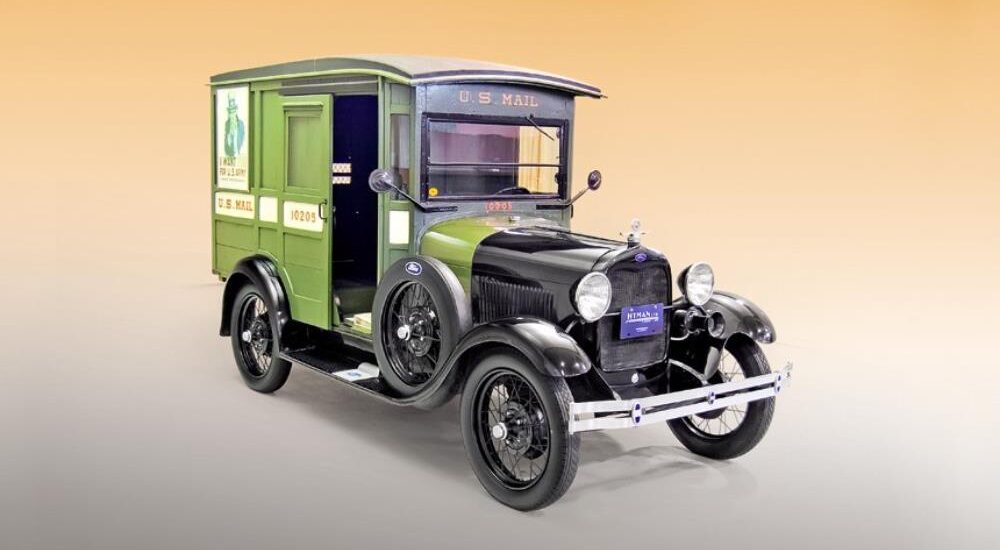
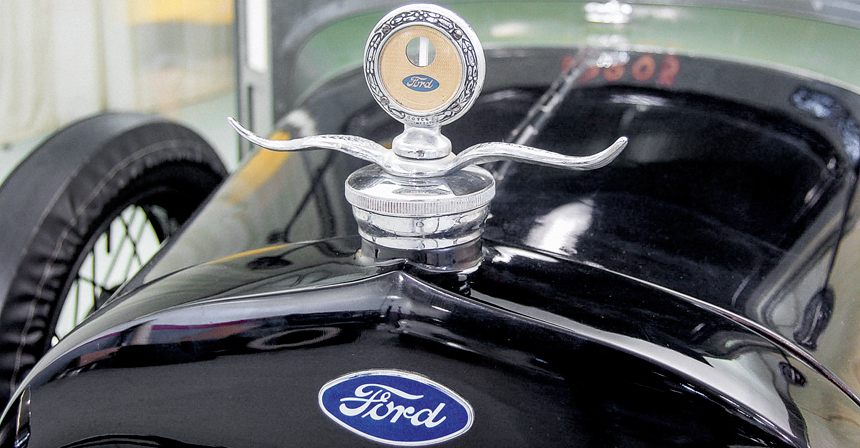
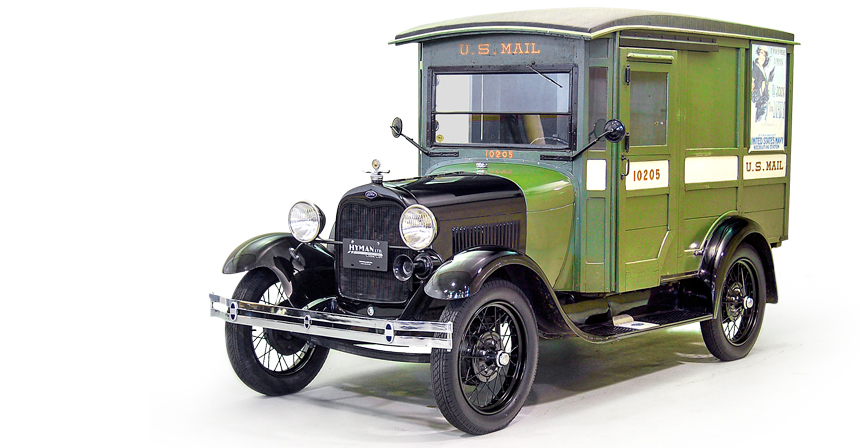
The Ford Model A shown here became a mainstay of the postal service. Having watched how the car performed after its 1928 debut, the United States Federal Postal Service bought a large batch in 1931. The commercial version of the Ford sedan came in three forms: an open cargo platform, a van with solid sides, or the bare chassis. The postal officials chose the chassis — the cheaper option, and the one that let them build exactly the body their mail needed.
Unique Features of the Model A Postal Van
This particular Model A is a post-1929 car, recognisable by its radiator grille, and it was modified for commercial use: the front headlights and radiator are painted rather than chromed as they were on passenger models. It has sliding doors on both sides, opening into a driver’s cabin with a single seat, and an internal sliding door through to the mail compartment.
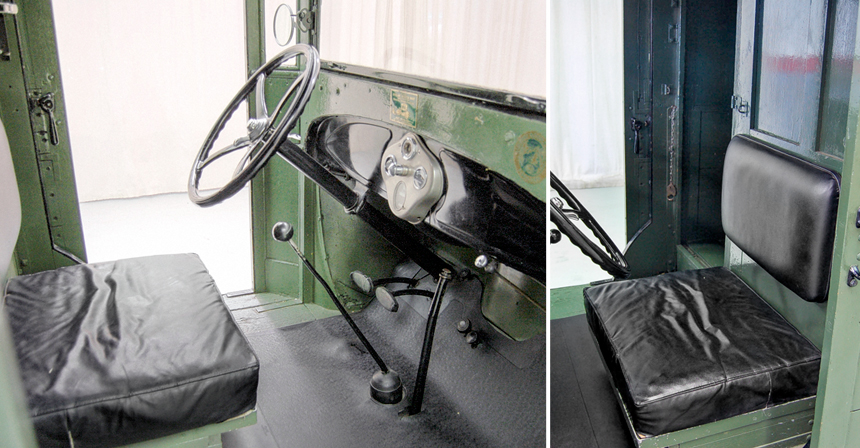
Access to the driver’s workplace (on the left) was through a sliding door (on the right).
The body was made taller to give a mail compartment of 100 cubic feet, a little under three cubic meters. American mail travelled in bags, which sturdy hooks inside the van made easy to handle. The car also carried a speed-limiting device set to 35 miles per hour, windshield wipers, an extra cabin light, and a muffler taken from the Ford AA commercial truck.
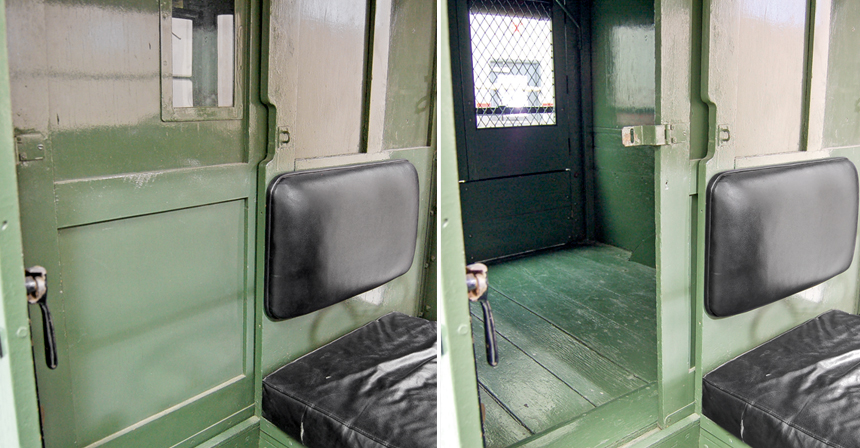
The door leading from the driver’s cabin to the mail compartment was also sliding
The Legacy of the Ford Model A in Postal Services
The Federal Postal Service appreciated how reliable the Fords were, and in 1931 it also bought Ford AA commercial chassis, fitted with similar bodies, for the heavier mail runs. Those vans served dependably into the early 1950s — an era of straightforward, trustworthy postal vehicles.
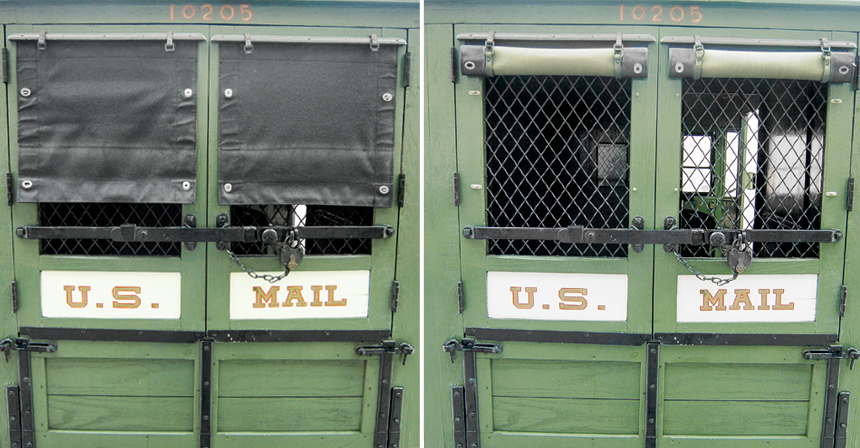
The hinged rear doors, through which postal deliveries were loaded, were locked with a solid latch. In bad weather, it was possible to lower and fasten screens made of waterproof fabric over the metal mesh that covered the cutouts in these doors.
Preserving the Past
Postal vehicles were used to their limits, with little thought given to what came afterwards. A special division within the Ford Model A enthusiasts’ club now works on preserving them, and through its efforts the few surviving postal vans, long retired, are repaired, restored and kept running — though only a handful are left.
This journey into the history of the Ford Model A reveals the car’s significant but often overlooked role in shaping America’s postal service. It is a tale of durability, adaptability and innovation, and it will resonate with anyone who enjoys the intersection of travel, history and technology.
The Ford Model A Postal Van: The Key Facts
- Bought by: the United States Federal Postal Service, in a large batch in 1931
- What they bought: the bare chassis, not the factory van — cheaper, and free to be bodied to order
- Load space: 100 cubic feet, a little under three cubic meters, with hooks for mail bags
- Speed: limited to 35 miles per hour by a fitted device
- Borrowed parts: the muffler came from the Ford AA commercial truck
- Spotting a commercial car: painted headlights and radiator, where passenger models were chromed
- In service until: the early 1950s
Frequently Asked Questions
Why did the postal service buy chassis rather than finished vans? It was cheaper, and it left them free to build a body suited to mail — extra height, hooks for bags, and doors where they wanted them.
How can you tell a commercial Model A from a passenger one? By the finish. Commercial cars had painted headlights and radiator; passenger models had them chromed. This one is also a post-1929 car, which its radiator grille gives away.
Why was it limited to 35 miles per hour? A speed-limiting device was fitted deliberately. Postal work rewarded endurance rather than pace, and these cars had to survive roads that could destroy an ordinary chassis in weeks.
Are any left? Only a handful. They were worked until they wore out, and what survives is looked after by a dedicated division of the Ford Model A enthusiasts’ club.
Photo: Sean Dugan, Hyman Ltd.
This is a translation. You can read an original article here: Андрей Хрисанфов — о фургоне Ford A, попавшем на почтовую службу в США

Published February 01, 2024 • 4m to read