
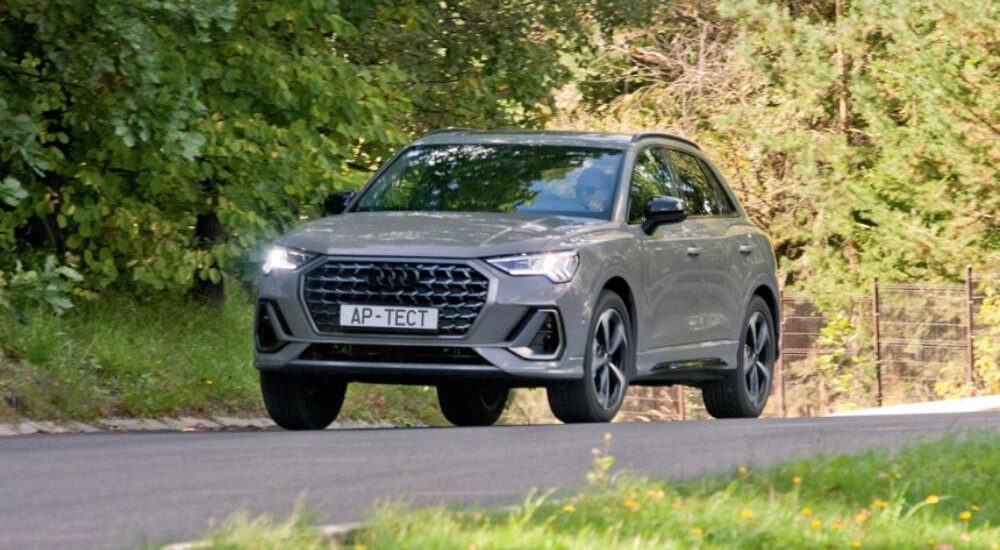

A hands-on review of the Chinese-market Audi Q3, including the 220 hp 45 TFSI version. Engine options, gearbox quirks, ride quality, and what parallel-import buyers should know.
Like the BMW X3 L, this Audi Q3 wasn’t built in the European Union. Ingolstadt paved the way into China back in 1988, setting up the FAW-Audi joint venture with First Automobile Works. Today Audi runs five plants in China, plus a dedicated Asian EV lineup developed with SAIC. Traditional combustion models have gone through their own form of localization too — which, in China, mostly means stretching the wheelbase.
Why the Chinese Audi Q3 Is Different
The Chinese market loves rear legroom, so Audi’s local sedans and crossovers carry an “L” in their names:
- A3L, A5L, and A6L sedans
- Q5L crossover
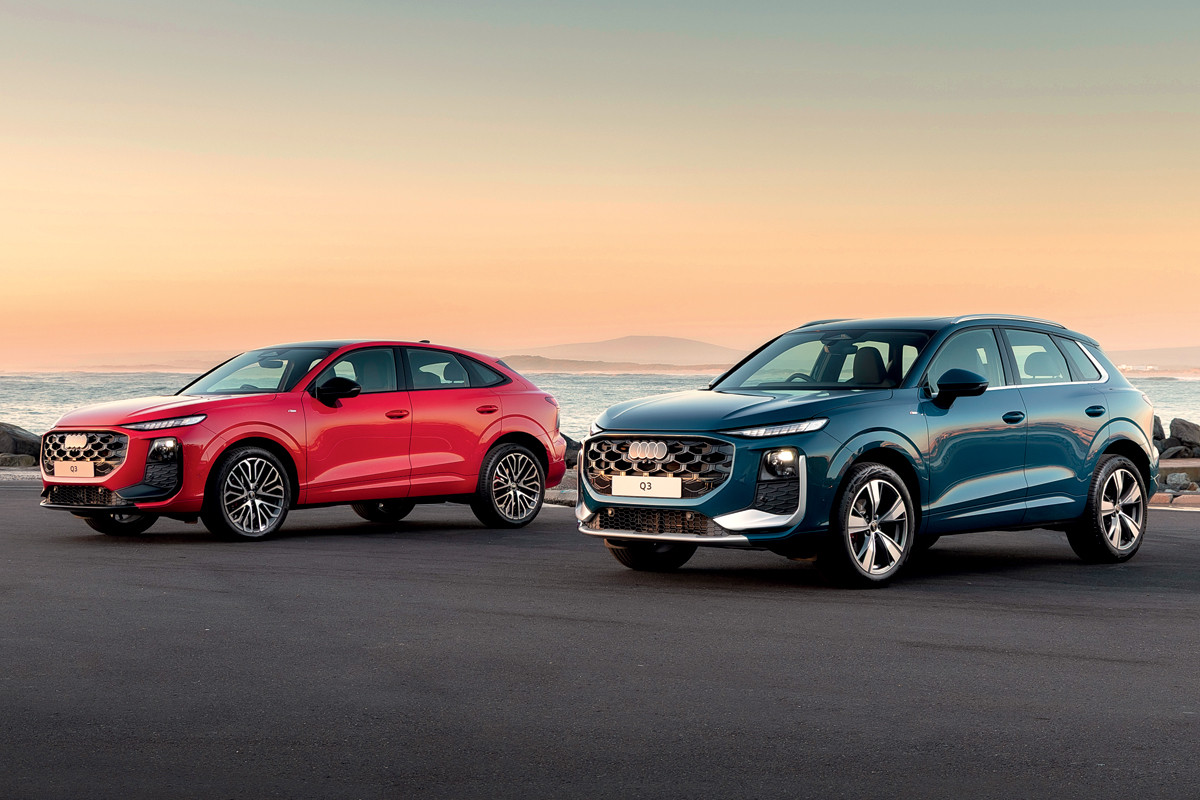
The Q3L, however, exists only as a registered trademark so far. That car should arrive later, once the Tianjin plant starts building the third-generation Q3 (internal code FJ). For now, Chinese dealer stock is full of the previous generation, the F3, whose wheelbase is identical everywhere in the world.
The differences aren’t about trim levels or interior materials. In the East, the Q3 gets its own powertrains — and that’s exactly what makes it interesting for parallel-import buyers.
The Budget Choice: Audi Q3 35 TFSI with the 1.4 Engine
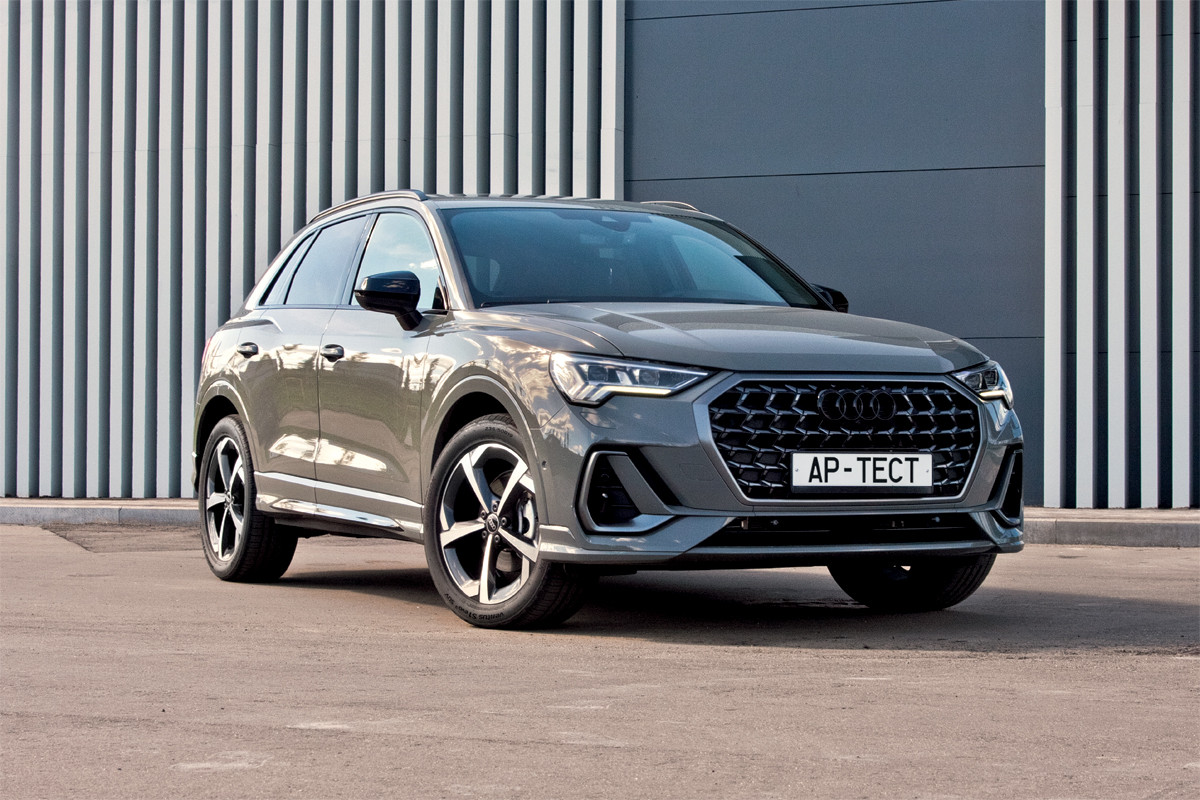
If you want a not-quite-new but still fresh premium German crossover, the best value is the Audi Q3 with the 150 hp 1.4-liter engine. Production of this version ended in 2023, but there are still plenty of low-mileage cars around.
What you give up:
- Front-wheel drive only
- Almost no chance of heated seats
- No heated windshield (the Q3 never offers one)
What you get in the Q3 35 TFSI Progressive Dynamic Edition:
- S-line body kit
- Sport seats
- Rear-view camera
- Panoramic roof
- Virtual cockpit digital instrument cluster
There’s one more hidden bonus. Instead of the DQ200 dual-clutch, these cars use the tougher DQ381 wet dual-clutch transmission. The reason is pure logistics: that gearbox is built right there in Tianjin, so this configuration actually comes out cheaper than one with the DQ200.
The 2023 Switch to the 1.5 Engine — and the Tax Trap
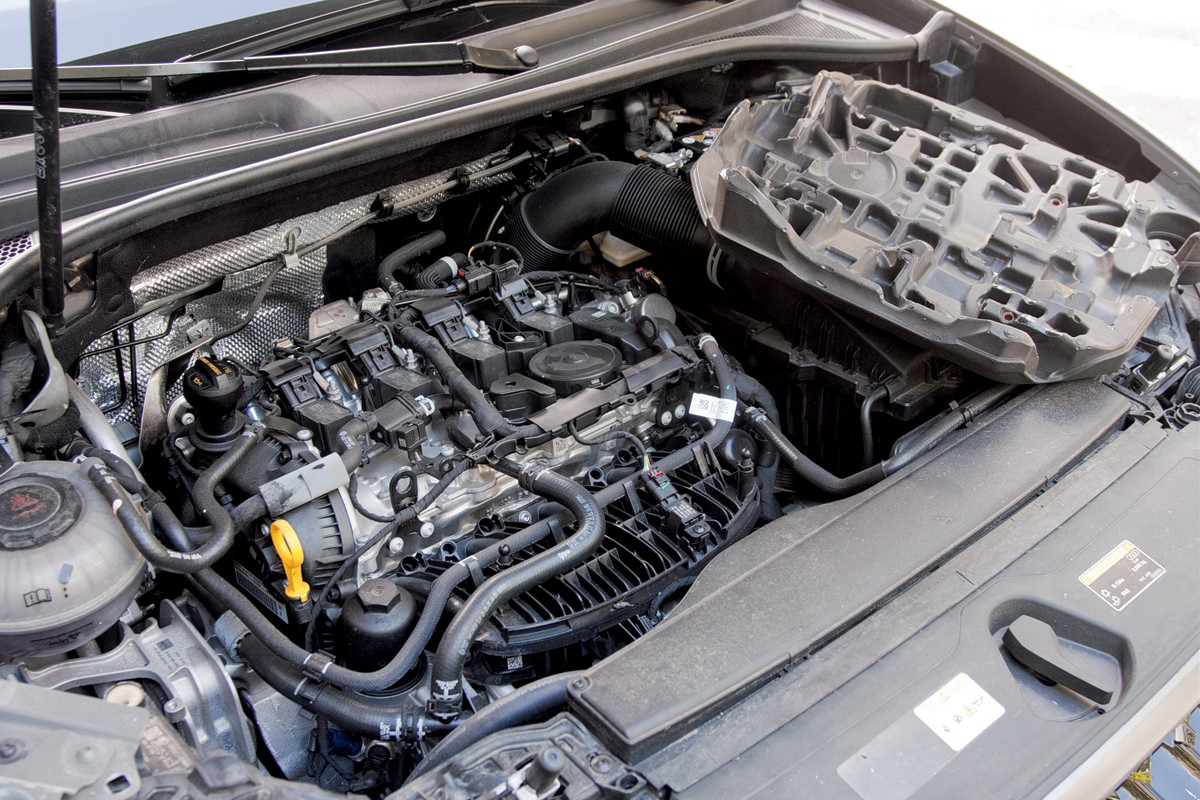
Unfortunately, in 2023 the Chinese Q3 moved from the 1.4 to a 1.5-liter engine with the Miller cycle and cylinder deactivation: 160 hp instead of 150.
Important update: The calculation now depends not only on engine displacement but also on power, and the reduced private-buyer rate applies only to cars up to 160 hp. Rates were also indexed upward from 1 January 2026, with further annual indexation planned. Always recalculate before committing to an import — the numbers above are a snapshot, not a guarantee.
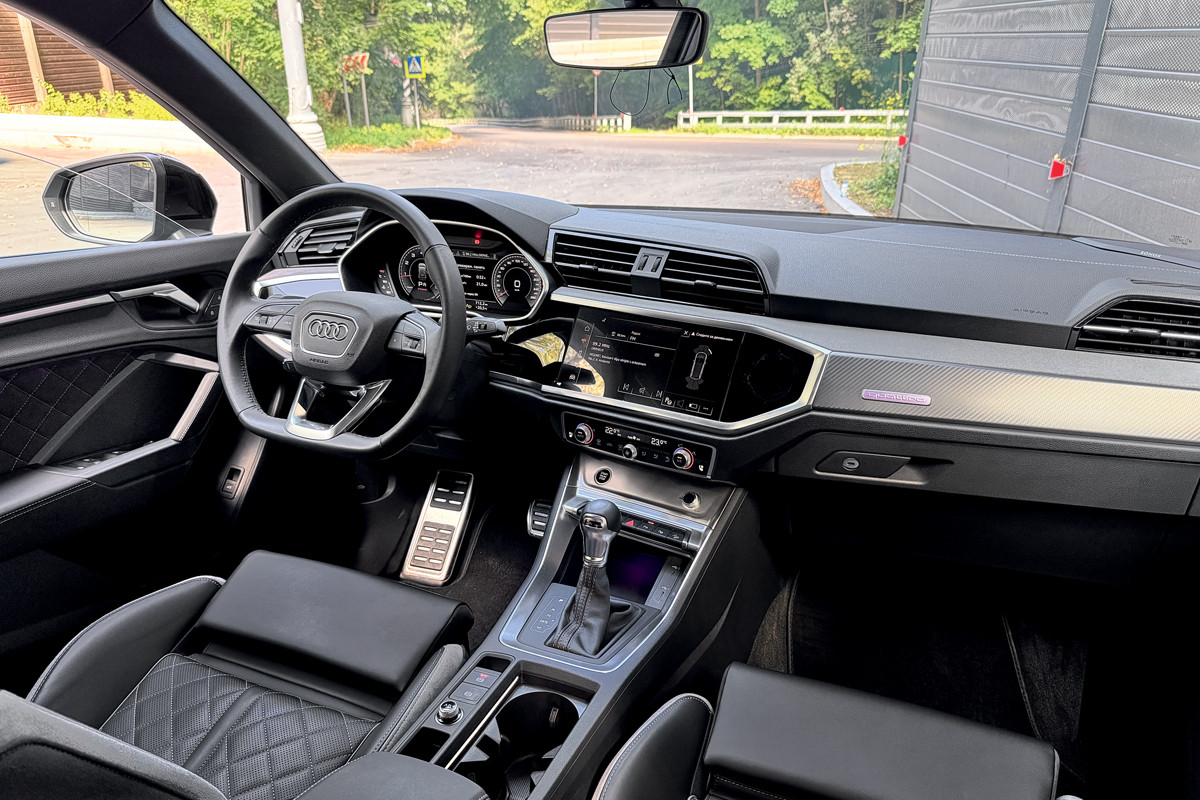
The Hidden Gem: Audi Q3 45 TFSI with 220 hp
Meanwhile, China has a unique Q3 version that’s beaten only by the RS crossover in a straight line. It’s called the Q3 45 TFSI, and that’s the car I’m driving right now.
- Engine: 2.0-liter turbo, 220 hp (European versions had 190, 230, or 245 hp)
- Claimed 0–100 km/h: 7.3 seconds
- Drivetrain: Quattro all-wheel drive
- Trim: Top-spec Luxury
The Luxury package adds optional heated front seats, a 360-degree camera, and a Sonos audio system, which replaced Bang & Olufsen in China back in 2021. Sonos is best known for wireless speakers and modern tech, yet here those drivers sit in an interior that, by current standards, is refreshingly conservative.
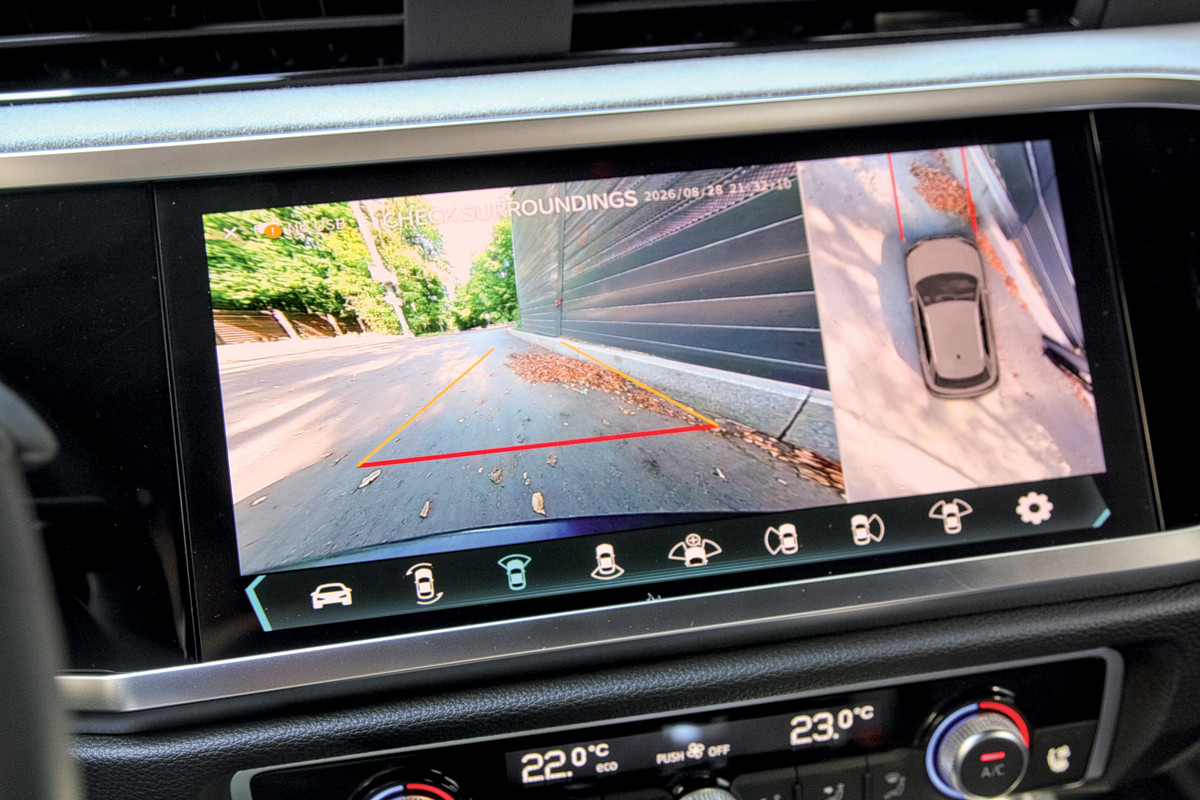
Interior and Ergonomics: Real Buttons Are Still Here
Yes, there are two screens. But there’s also a mass of physical buttons and an excellent two-zone climate control panel that’s a genuine pleasure to use. Needless to say, none of that survives in the third-generation crossover.
It’s good to see that Audi doesn’t cut corners on the most important touchpoints. Compare that with the Chinese X3, whose seats are frankly unacceptable. The Q3 offers classic German seating with ideal weight distribution and the ability to set a low or high driving position.
One caveat: cars from China lack GPS and GLONASS modules. Use CarPlay, though, and navigation works perfectly.
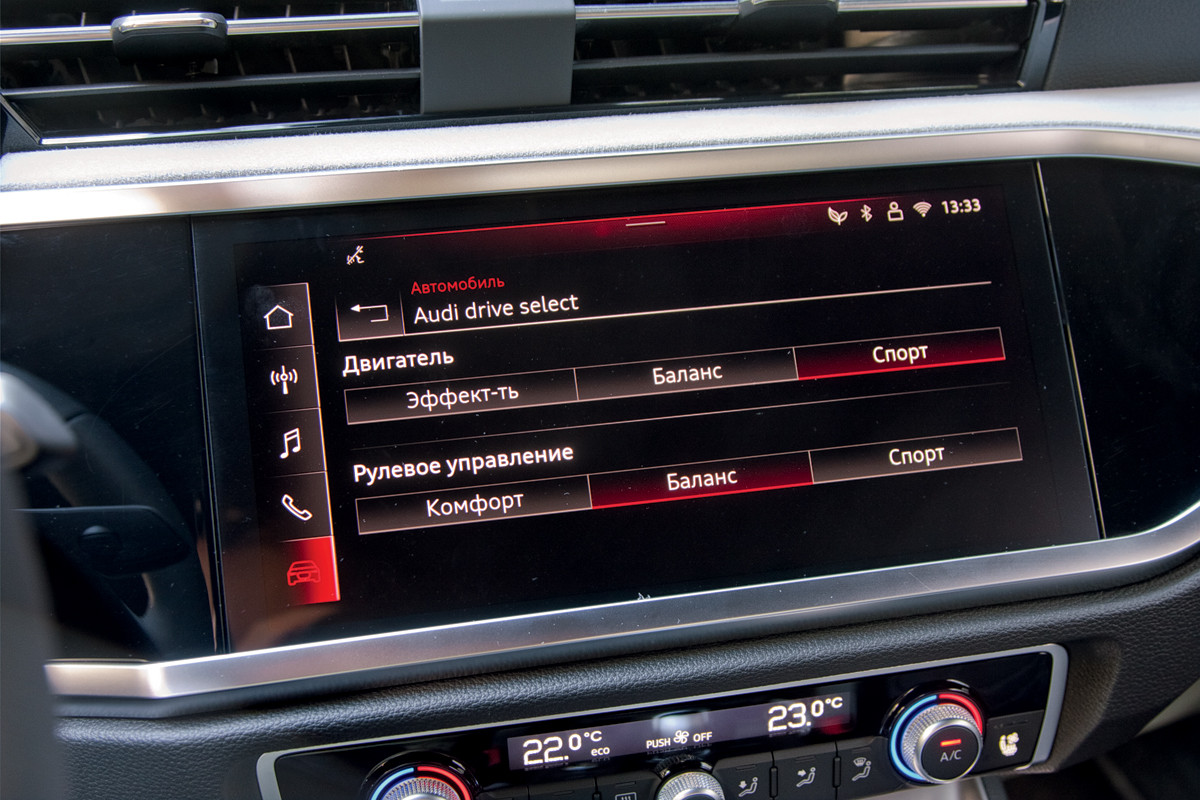
Driving Impressions: What a Normal Car Should Feel Like
For many buyers today, screens are almost the main thing in a car. Not in the Q3. As the old joke goes: I’m steering with one hand and wiping away tears of joy with the other.
This is how an ordinary, normal car should drive:
- A brake pedal that isn’t over-servoed and gives one hundred percent feedback
- Steering that’s a communication channel, not just an interior trim piece — unlike many home-grown Chinese models
- Noticeably cleaner feel than the current X3, despite slightly excessive weight buildup at speed
The Gearbox Is the Weak Point
The right pedal is where the questions start. The default control program rushes the dual-clutch into the highest gear, forcing the engine to grumble along barely above idle. The tachometer sits at 1,200 rpm again and again, even when accelerating uphill. Only a decisive stab of the throttle makes the box drop two or three gears at once.
Judging by the volume of owner comments, the DQ381 paired with the smaller engine wasn’t the happiest combination:
- Economy-focused calibrations eat into performance
- Noticeable jerks during shifts
- The final development of this version feels rushed
- Quality concerns too: one of the powertrain mounts almost invariably fails before 50,000 km
Even with the more powerful engine, power delivery pulses. You press, there’s a noticeable eco-pause, then a solid shove that can break for a fraction of a second during a shift before resuming. Curiously, after Dieselgate nearly every Volkswagen Group car developed a laggy throttle response, while BMW models still track the pedal well even with three-cylinder engines. Personally, I’d adapt my right foot rather than reprogram the engine management.
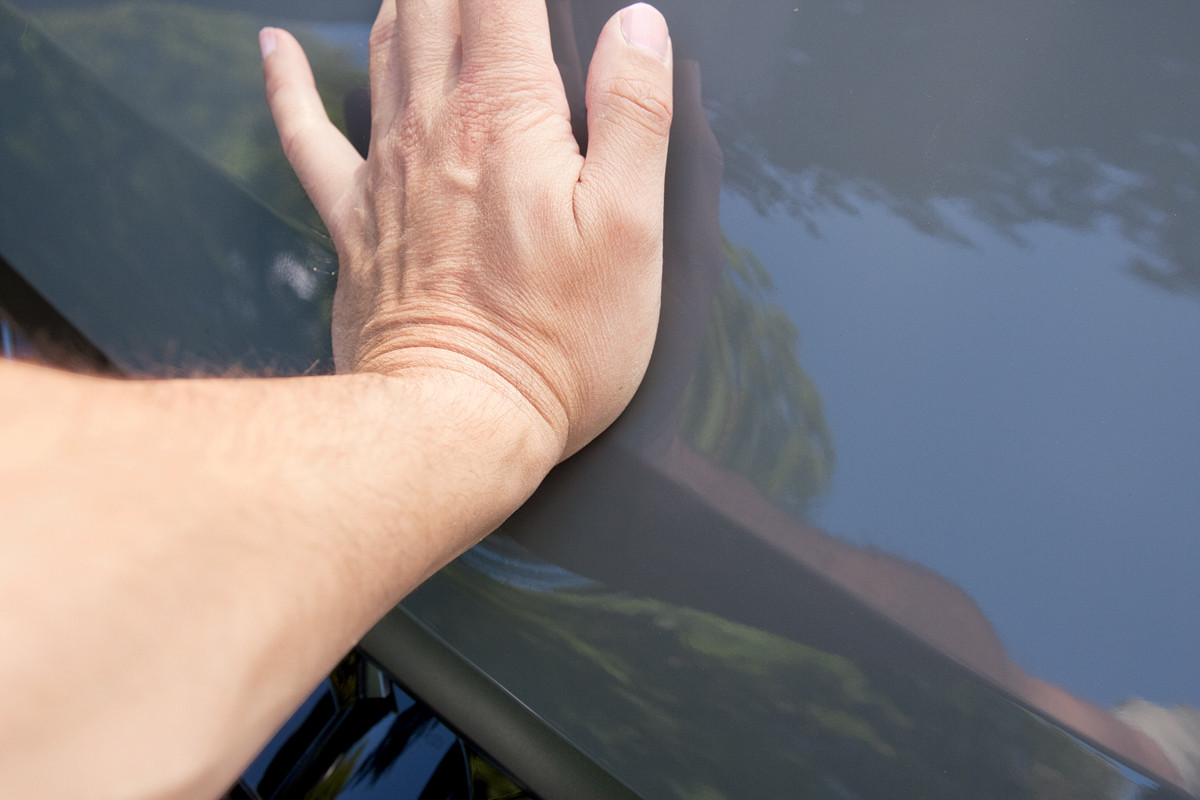
Acceleration: 5.7 Seconds to 100 km/h
Because that engine still hits 100 km/h in 5.7 seconds with a two-pedal launch. So much for the humble Q3. The wet dual-clutch allows launches from roughly 4,000 rpm, and the initial surge feels comparable to a standard Lancer Evo. A brief chirp from the front wheels and you’re gone.
For perspective, the crowd favorite Geely Monjaro needs 8.1 seconds to reach 100 km/h.
Practicality: Compact, But Family-Friendly
You’ll say the Monjaro is bigger and heavier. True — but the Q3, compact as it is, works fine for a family with a small child:
- Enough rear space for a child seat
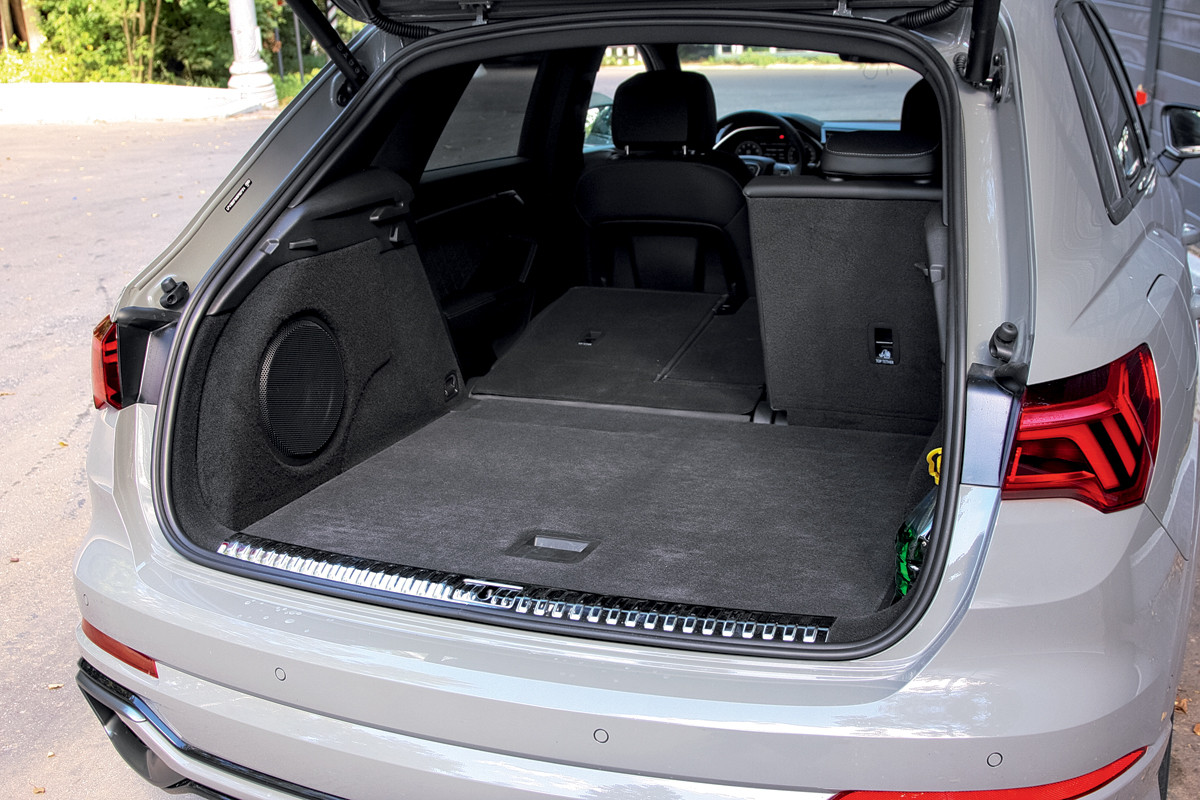
- Sliding rear bench sections to expand cargo volume
- A nicely finished boot, though the solid parcel shelf is less convenient for bulky loads than a roll-up cover
Ride Comfort: Passive Dampers, Surprisingly Good
The only real omission is electronically adjustable dampers. Even the top version runs passive struts, with characteristics clearly different from European tuning — and for many buyers, different in a good way.
This Q3 is unexpectedly comfortable at city speeds:
- Most small and medium bumps are absorbed with composure, even on 19-inch wheels
- Speed bumps are a non-issue, unlike in the X3 with its stiff rear suspension
- The expensive-feeling ride is spoiled only by noisy front struts, with the brand’s signature rebound knock occasionally audible
- Large potholes are the weak spot, where the lack of damping capacity shows
Still, against the backdrop of wallowing or outright rigid Chinese suspension setups, the Audi’s calibration is refreshingly sensible.
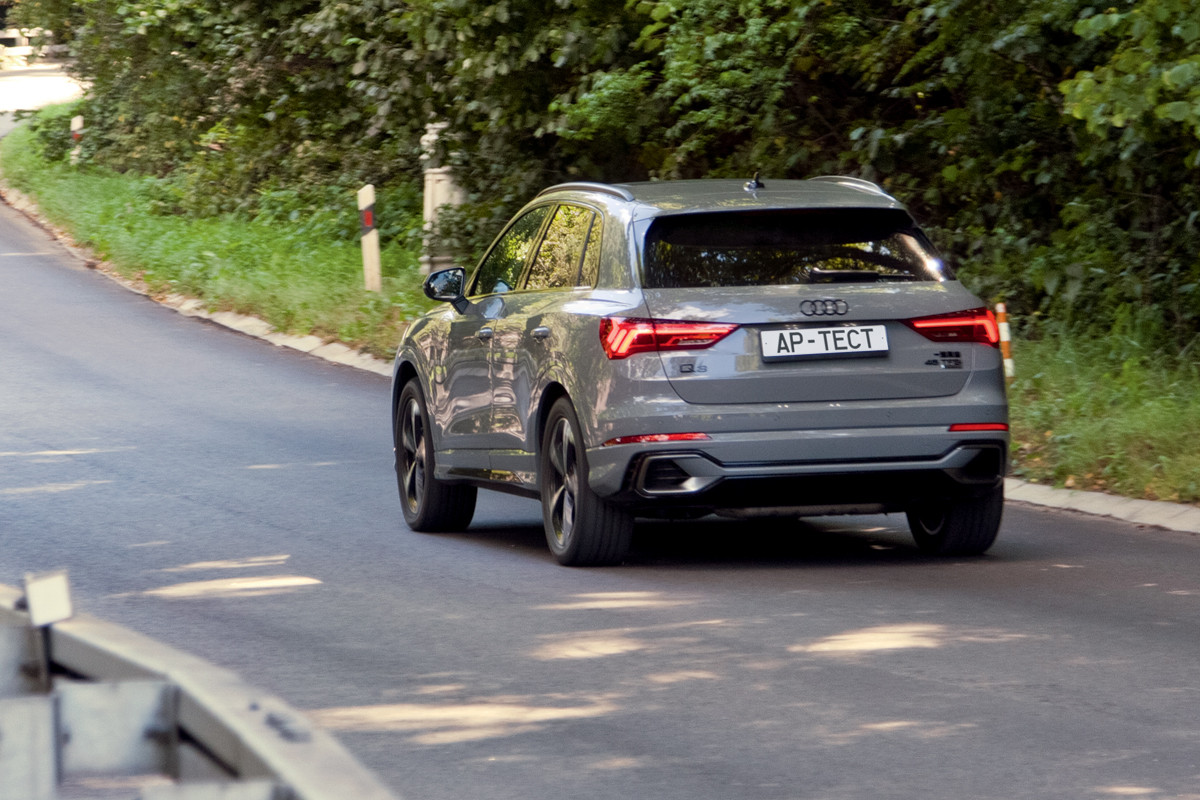
Handling: A Bit of Life Left
The Q3 steers accurately. Live responses, clear self-centering, and obvious tuck-in on lift-off tempt you to take a familiar corner or motorway exit ramp a little faster. That brings a spark to the driving experience that has almost died out in today’s mass market.
And if that’s not your thing, don’t worry: the stability control here is very sensitive and cautious, and it can’t be fully switched off.
The Verdict: A Real European Car Without the Gimmicks
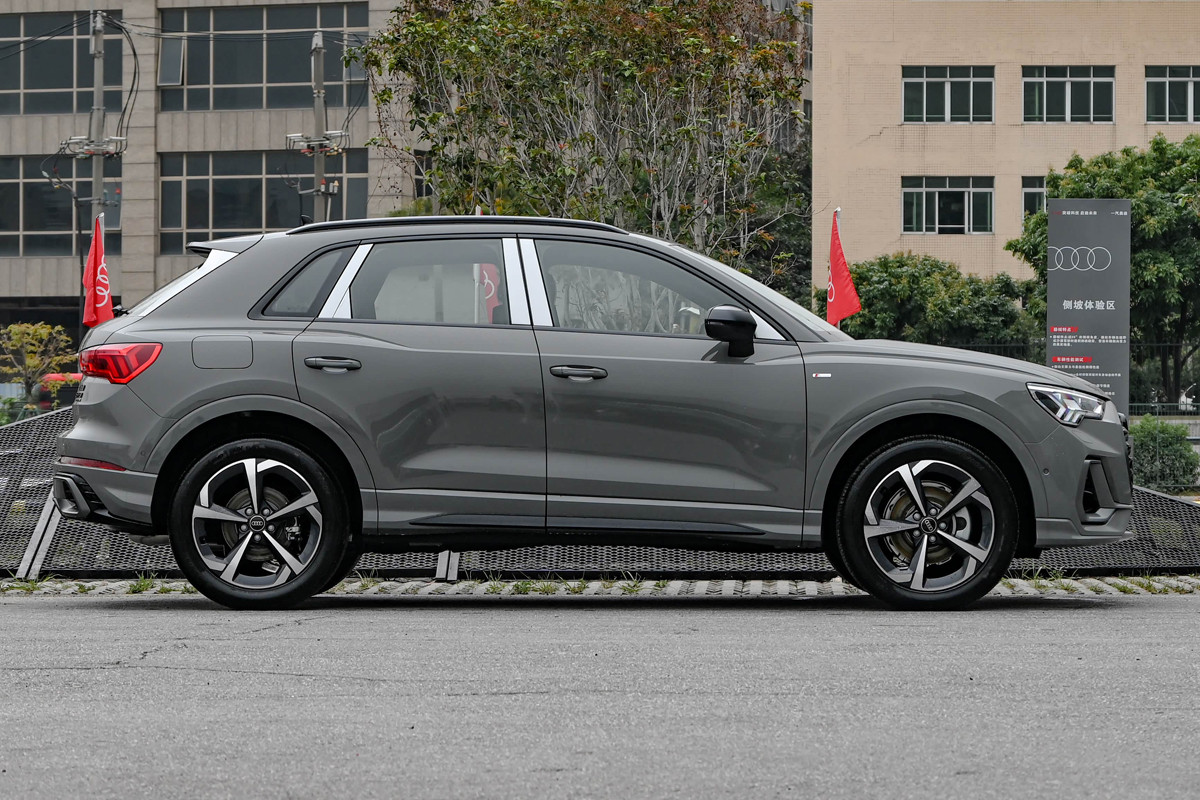
The result is an excellent car for everyday life, free of the tinsel of advertised but poorly functioning “autopilots.” Where the Chinese X3 leaves no aftertaste of a genuine BMW, this Q3 really is a good European car with well-thought-out ergonomics.
Yes, you won’t have a manufacturer’s warranty. But the powertrain is thoroughly understood, and body panels and spare parts will keep being produced for years to come.
That’s a real guarantee. Not lines on a piece of paper.
Photo: Vladimir Melnikov
This is a translation. You can read the original article here: Audi Q3: в поисках лучшей параллели

Published October 02, 2026 • 8m to read