
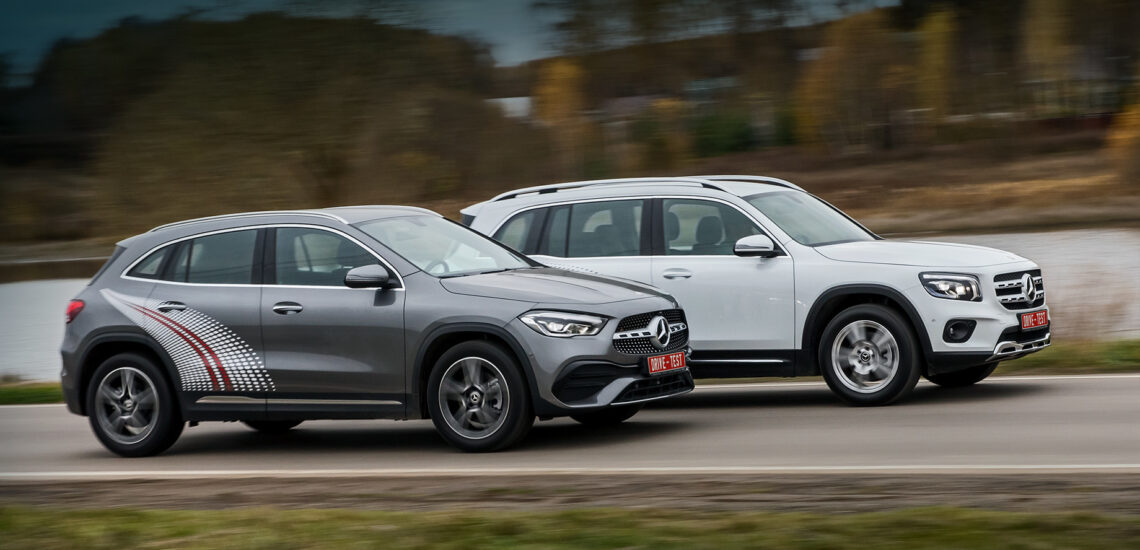

Choosing between the Mercedes-Benz GLA and GLB can be trickier than it looks. Both are compact crossovers, both carry the same 250 4Matic all-wheel-drive badge, and both sit at a similar price point — yet they offer meaningfully different experiences behind the wheel. We got behind the wheel of both to give you the honest, side-by-side comparison Mercedes won’t.
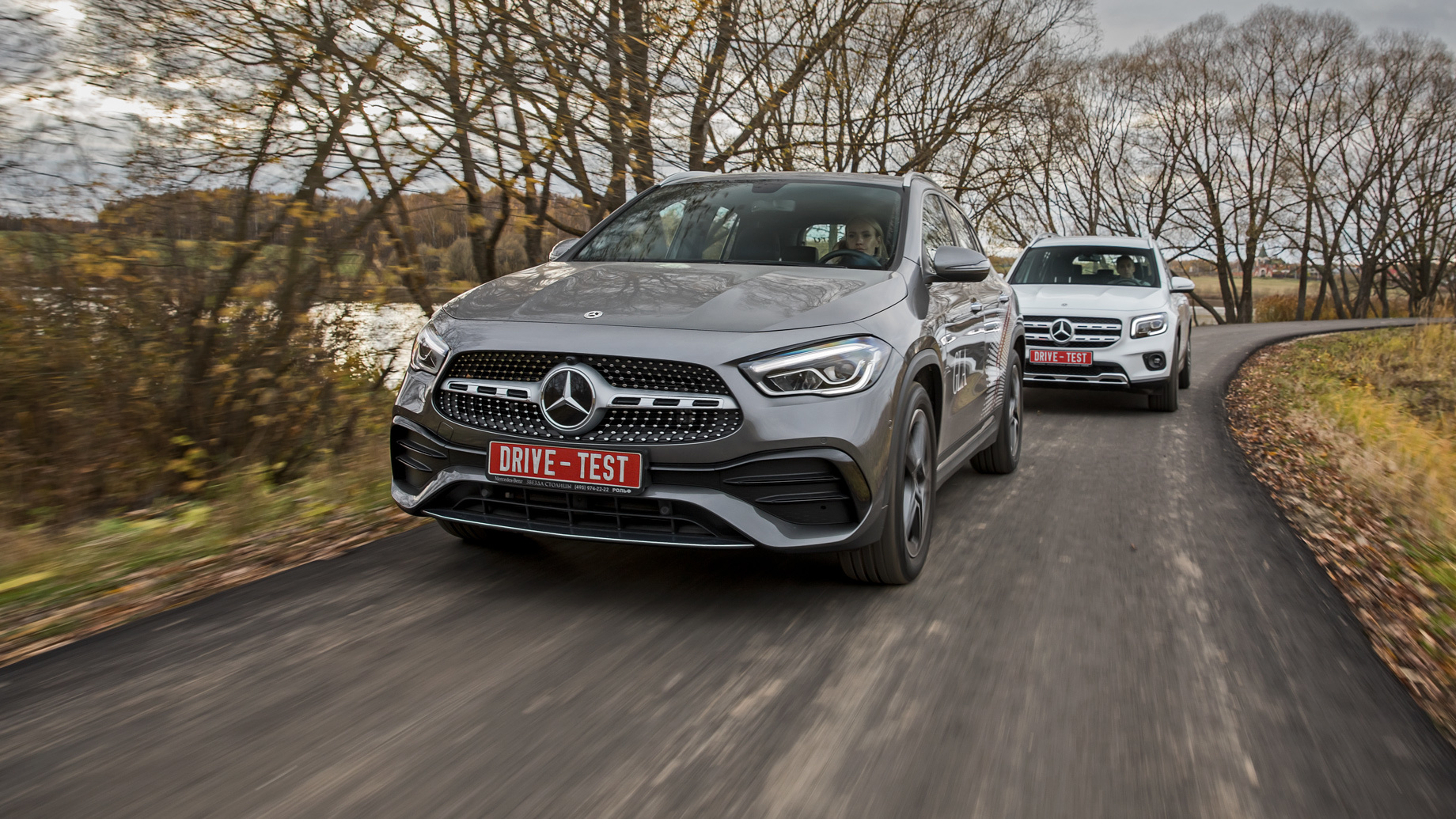
Who Is This Mercedes For? The Case for Staying With the Brand
There will always be buyers who want a Mercedes — full stop. Not an Audi Q3, not a BMW X1, not even a Volvo XC40. For those committed to the three-pointed star in the compact crossover segment, the real question today isn’t which brand, but which model. And the answer isn’t obvious.
The GLA is a sporty hatchback-style crossover aimed at individual buyers who prioritize driving feel and style. The GLB is a taller, wagon-shaped alternative that leans toward practicality and passenger capacity. Same powertrain, different philosophy.
GLA vs GLB: Key Differences at a Glance
Before diving into the details, here’s a quick breakdown of how the two models compare across the categories that matter most to buyers:
- Body style: GLA is a hatchback-style crossover; GLB is a taller wagon/SUV shape
- Seating: GLA seats five; GLB can optionally seat seven (third row rarely ordered)
- Trunk space: GLB offers a more spacious boot and rear seat with lengthwise adjustment
- Driving character: GLA is more driver-focused; GLB is tuned for comfort and daily use
- Cabin width: Identical — three across in the back row is equally cramped in both
- Price: Roughly comparable when similarly equipped
- Availability: GLA 250 is readily available from stock; GLB 250 was withdrawn from some markets due to low demand (diesel versions remain popular)
Interior Quality: Premium Expectations vs Budget Reality
Step inside either crossover and the layout is familiar — intentionally so. Mercedes uses unified components across multiple model lines, and the premium feel largely comes from shared parts borrowed from larger, more expensive models: the steering wheel, climate control panel, MBUX multimedia system, and ventilation nozzles all carry the expected quality. The parts specific to the GLA/GLB family, however, are a different story — predominantly hard plastic with little flair.
The seats have improved considerably. The old criticism of flat, unsupportive Mercedes chairs no longer applies here. Both the GLA and GLB now offer genuine lateral support for the torso and hips. The GLA’s seat has firmer padding and more developed lumbar bolsters, and is finished in a friction fleece fabric imitating suede. The GLB seat is slightly more yielding, which some will prefer on longer journeys.
One persistent annoyance: the driver’s door in both cars requires a firm, deliberate slam to close properly. This is not new for Mercedes, and it remains an inexcusable quirk at this price point. Beyond that, the GLA’s more compact interior creates a better seal on closure — it simply keeps more outside noise out.
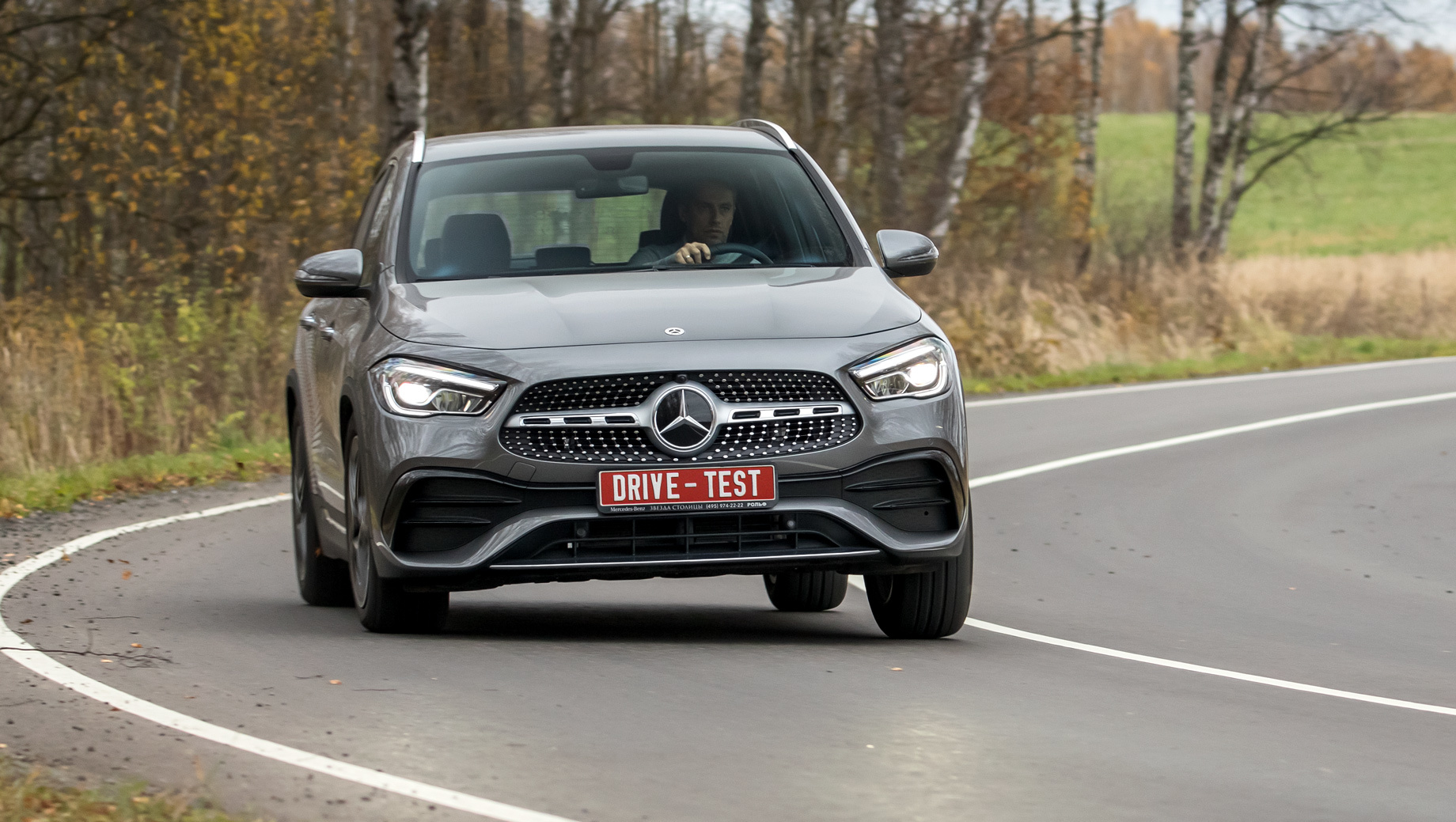
Engine and Transmission: The Same Unit, Different Personalities
Both crossovers use the same 2.0-liter turbocharged four-cylinder engine producing 224 hp, paired with an eight-speed dual-clutch semi-automatic (DSG-style) gearbox and 4Matic all-wheel drive. On paper, they’re identical. In practice, they’re tuned differently enough to matter.
GLA 250 4Matic — performance highlights:
- Curb weight approximately 3,530 lbs
- 0–60 mph in 7.1 seconds (measured by Racelogic)
- Gearbox shifts more aggressively, with sharper jerks between gear changes under hard acceleration
- Individual drive mode allows genuine manual gearbox control
- Engine is more audible — slight vibration at idle, a noticeable buzz under load, and some exhaust rattle at low revs
- Sport mode keeps revs between 2,500–3,000 rpm before smoothing out closer to 4,000–5,000 rpm
GLB 250 4Matic — performance highlights:
- Approximately 154 lbs heavier than the GLA
- 0–60 mph a couple of tenths slower due to the extra weight
- Throttle response is softer and upshifts are less noticeable — the gearbox feels like a different tune entirely
- No Individual drive mode; steering paddles are present but the car always self-upshifts, even in manual mode
- Engine refinement is noticeably better — far less intrusive at cruise and idle
The dual-clutch gearbox shares one weakness across both cars: it stumbles when you reapply the throttle shortly after lifting off. In Comfort mode it mimics a traditional automatic, but those soft pauses waiting for boost can feel sluggish. Kickdown in Sport mode also triggers a brief hesitation before the transmission drops one or two gears with the turbine whining behind it.
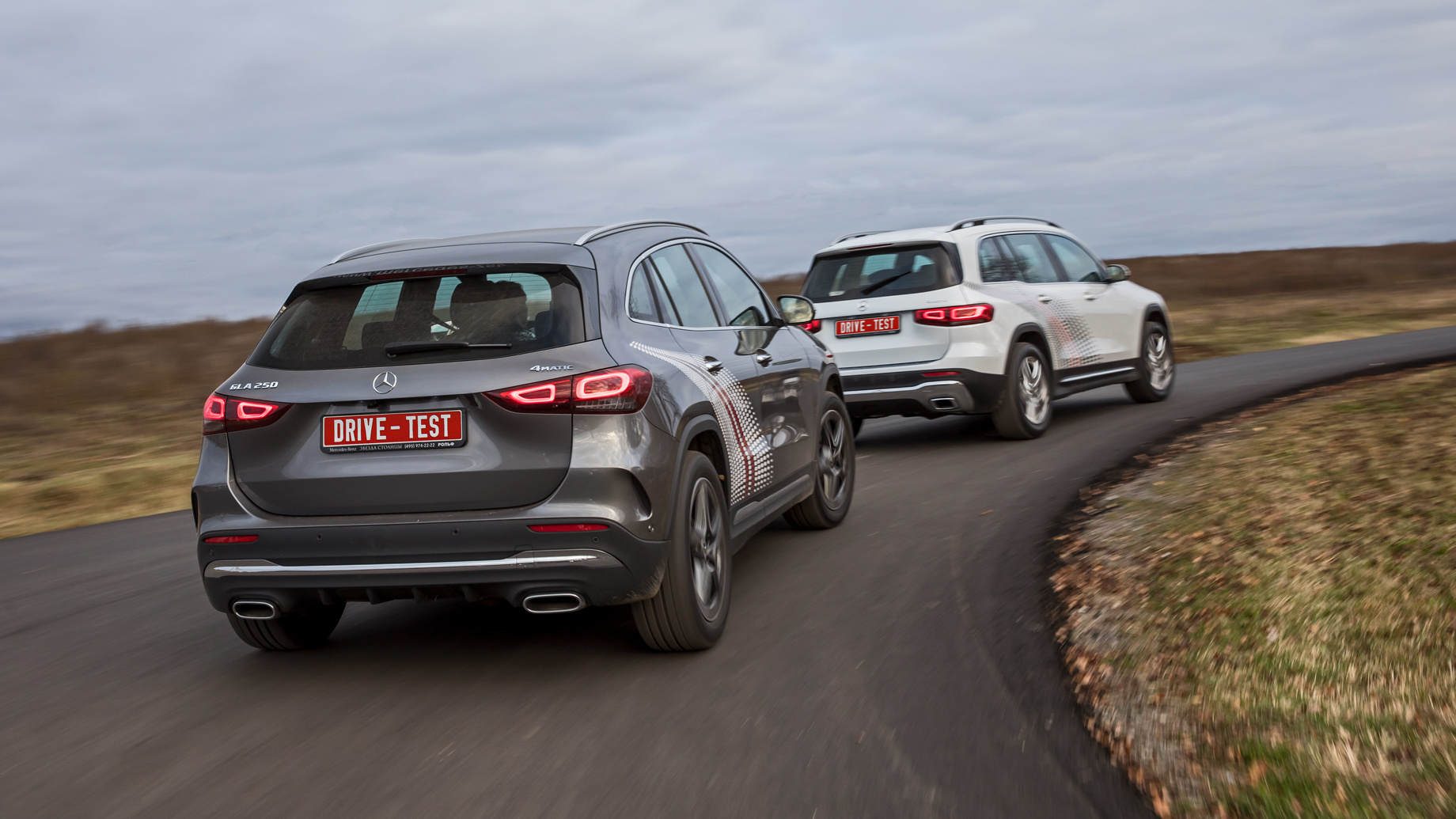
Handling and Driving Dynamics: Where the GLA Pulls Ahead
Both crossovers are surprisingly rewarding to drive in normal conditions — more so than their premium-lifestyle positioning might suggest. They respond quickly to steering inputs, hold their line confidently through corners, and don’t feel nervous at higher speeds. For a compact Mercedes SUV, that’s a genuine compliment.
The GLA Sport, equipped with a shorter steering wheel ratio and 19-inch Continental PremiumContact 6 SSR tires, is the clear driver’s choice. The steering loads up naturally from center, increases predictably with lock, and filters out road noise while still transmitting meaningful road feel. It’s reminiscent of the better Volkswagen setups — Golf GTI Mk6 territory — which is high praise for an SUV.
The GLB steers adequately but without distinction. The center position lacks the crisp weighting of the GLA, and on rough surfaces a faint tremor comes through the rim from unsprung mass vibration — likely a result of its more flexible body structure. The longer wheelbase and softer tune make it more planted and predictable for everyday commuting, but less engaging for anyone who actually enjoys driving.
One area where both cars fall short: emergency avoidance maneuvers. The ESP system intervenes early and aggressively when body roll is detected, sending a corrective braking impulse to the outer front wheel. Rather than allowing the driver to steer through the obstacle, the electronics take over and the car plows on turned-out wheels, fighting its own suspension. The GLA is more susceptible to diagonal body swing during these interventions; the GLB rolls more but recovers with more predictable behavior at the limit thanks to its wider-profile Bridgestone Alenza 001 235/55 R18 tires.
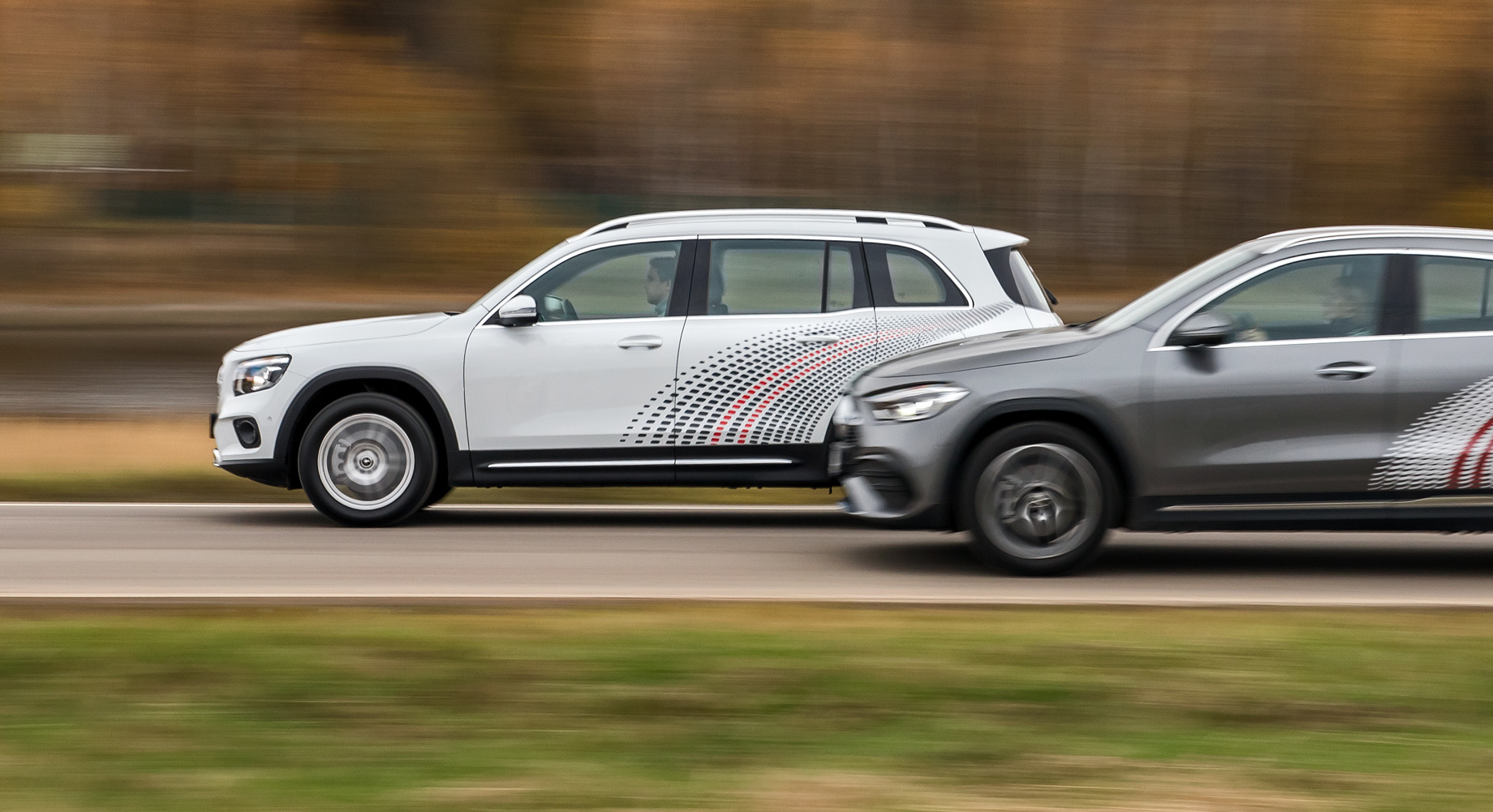
Ride Comfort and Noise: The GLB Is Softer, But Not Quiet
If ride comfort is your priority, the GLB edges ahead — but neither car is what you’d call plush. Both run Run Flat tires on firm suspension setups tuned for handling over comfort, and both will remind you of every pothole and expansion joint on a bad road. The differences are real but modest.
GLA ride and noise characteristics:
- Firmer, more sporting ride quality with smaller body movements
- Low-profile 19-inch tires generate significant tire roar above 43 mph — dominant over all other noise sources
- Speed bumps at 18 mph send sharp, painful jolts through the cabin
- Better road isolation from external noise thanks to a tighter, more rigid body structure
GLB ride and noise characteristics:
- Softer overall, more compliant over patchy city roads and speed bumps
- No single tire-noise dominant — a broader mix of sounds is audible, including some body resonance and thumping from both axles
- Speed bump limit similar — roughly 18 mph before strong body jolts occur
- Over bumps under braking, impacts are slightly softer in intensity but louder and more alarming in sound
- At around 1,360 miles, some interior cricket-like squeaks had already appeared — a sign of a less tightly assembled body
The overall impression of the GLB chassis is of something that’s been deliberately softened — like a slightly out-of-focus version of the GLA. The sounds are more varied, the body movements wider, and the responses a little vaguer. Whether that’s a flaw or a feature depends entirely on what you’re looking for.
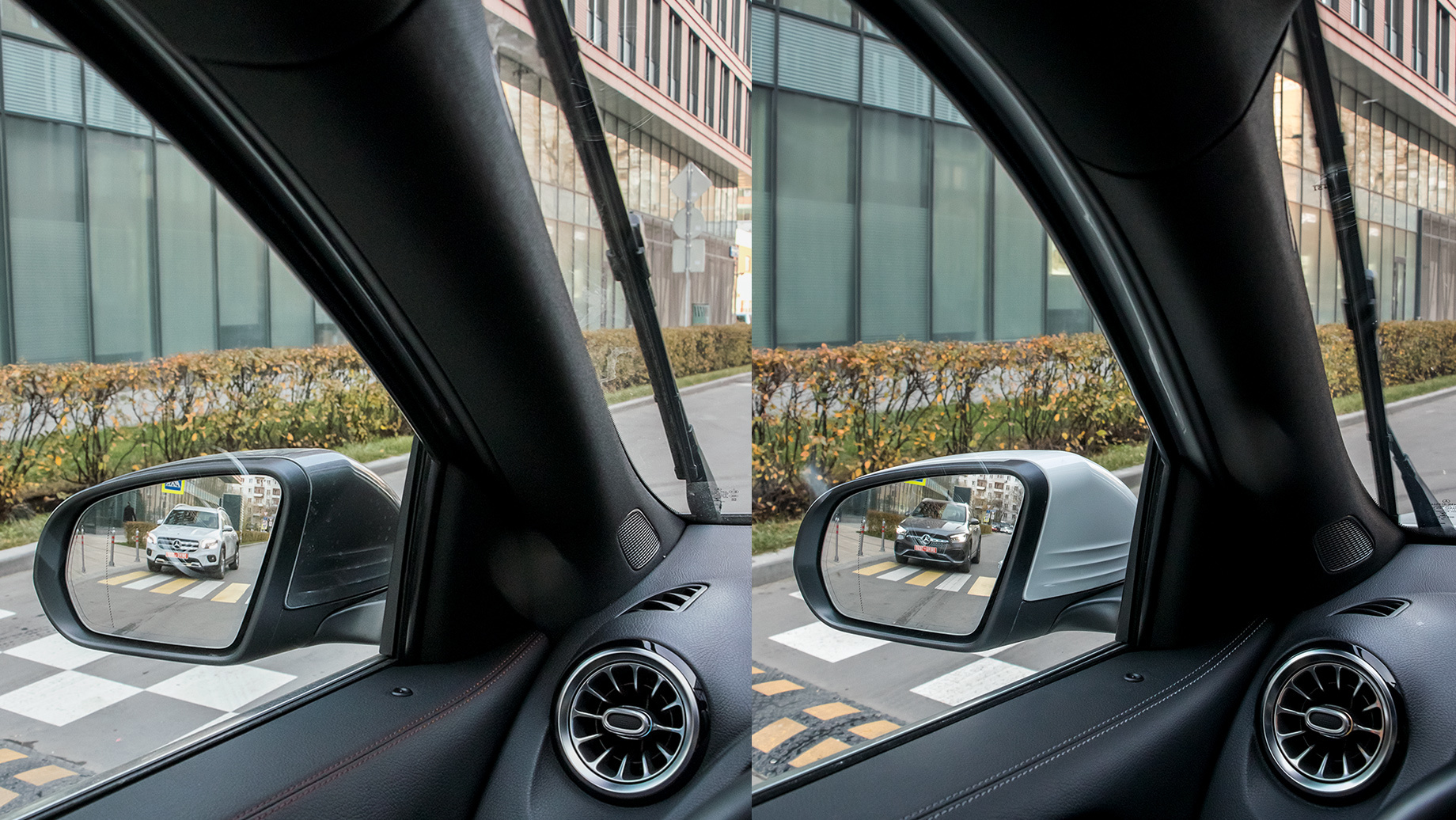
Braking and Stability: Confident in a Straight Line
The brakes on both cars inspire confidence in everyday driving. The pedal is short-stroked and moderately sensitive — easy to modulate in traffic and responsive under firm pressure. At higher speed stops, the main concern isn’t stopping power but straight-line stability: the GLA’s shorter wheelbase makes it more susceptible to yaw from a cambered road surface during hard braking.
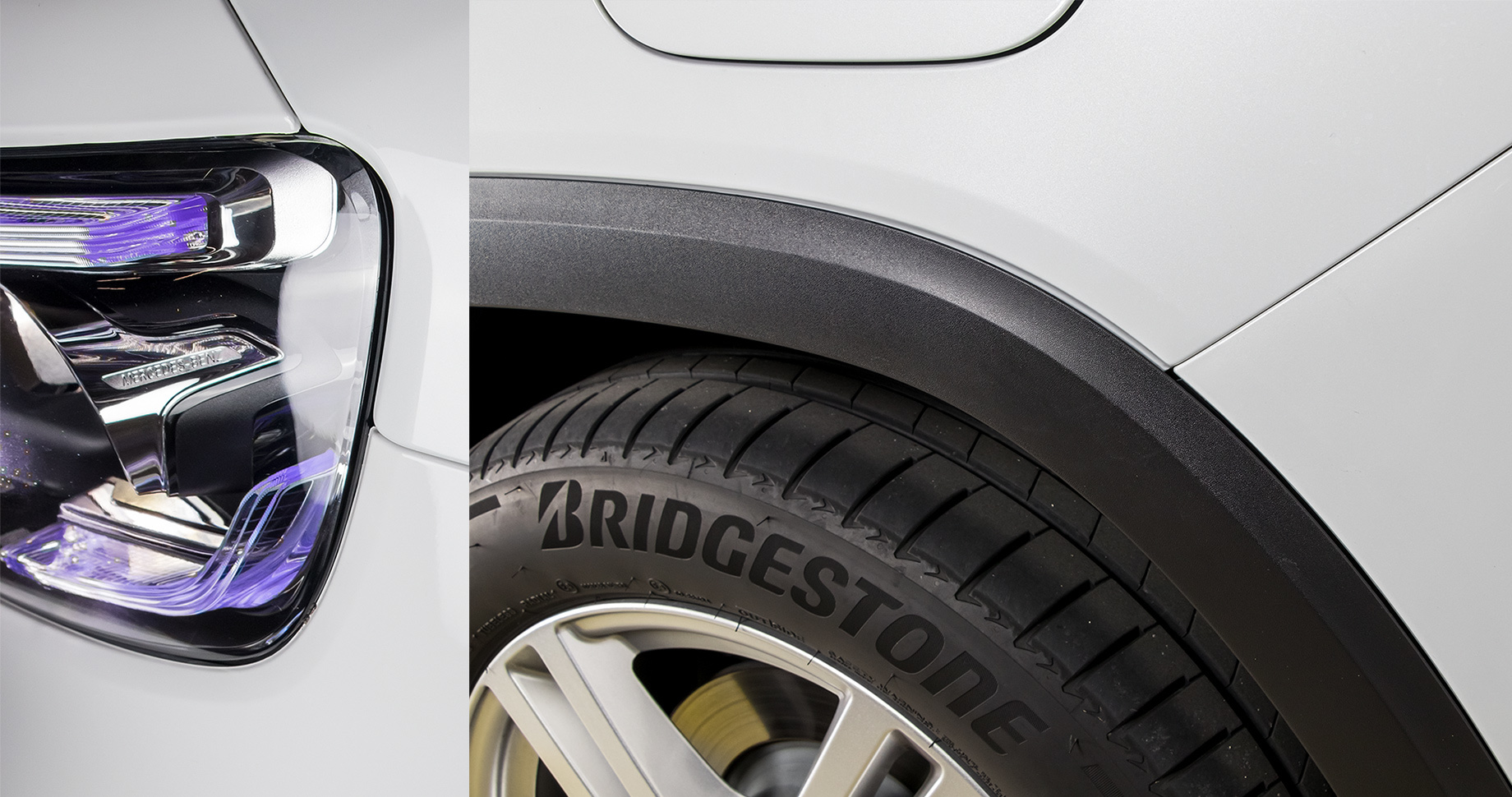
Technology and Connectivity: MBUX Falls Short on iPhone Integration
Both crossovers run the MBUX infotainment system, which looks impressive on paper and on the spec sheet. In real-world use, it has one persistent flaw worth calling out: iPhone integration is inconsistent. Even when connected via cable, the system occasionally fails to recognize paired devices. For buyers who rely on CarPlay as a daily essential, this is a notable frustration.
The multimedia, climate controls, and steering wheel are all shared with larger Mercedes models and carry their expected quality. These are highlights. The rest of the interface — particularly the controls specific to this model family — feel less resolved.
Verdict: GLA or GLB — Which Mercedes Compact Crossover Is Right for You?
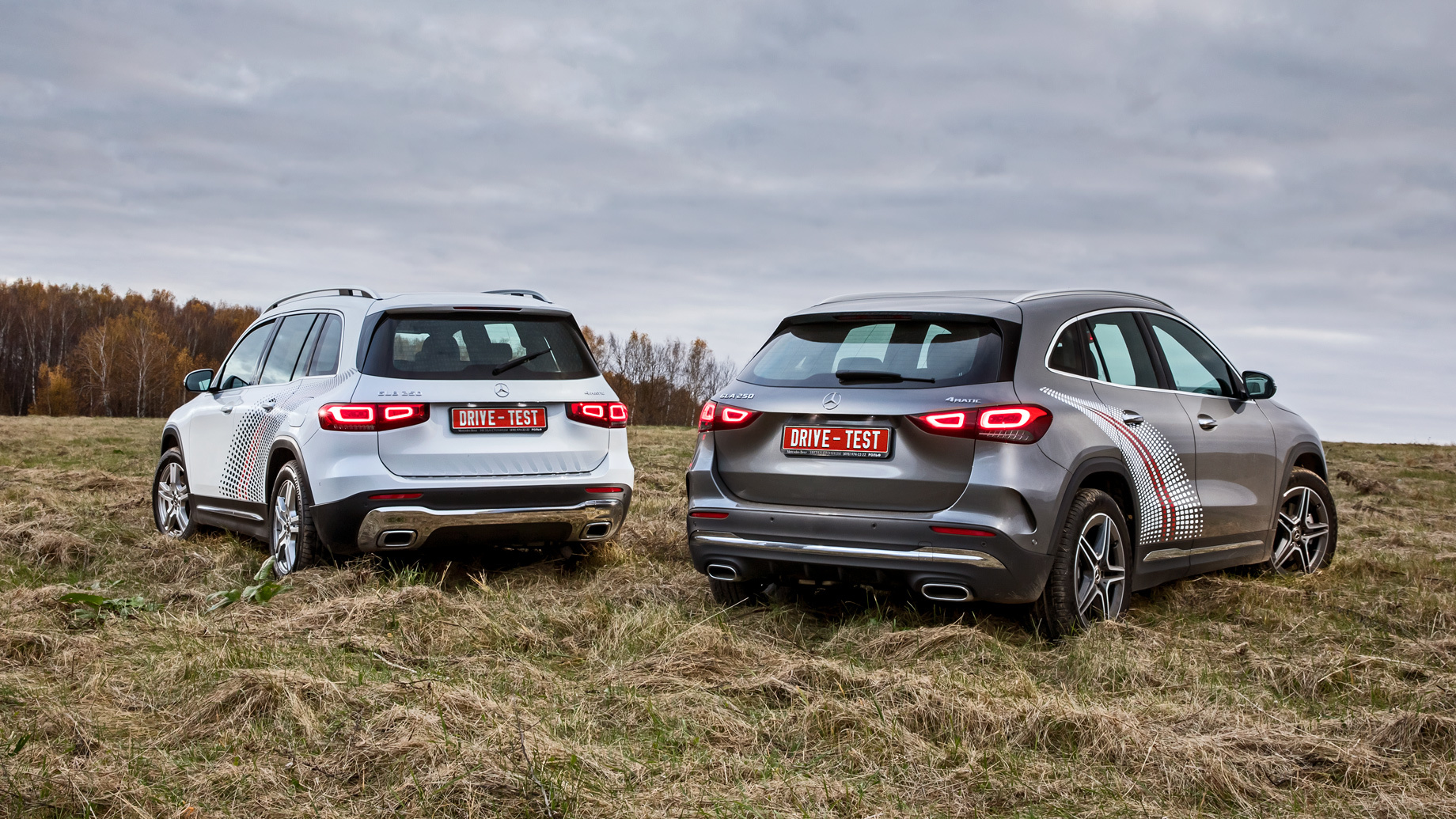
Despite their shared platform and identical powertrains, the GLA and GLB are genuinely different cars aimed at different buyers. Here’s a simple way to think about it:
- Choose the GLA 250 4Matic if you want a more driver-focused experience, prefer a sportier silhouette, prioritize steering feel and handling response, and can live with a firmer, noisier ride.
- Choose the GLB 250 4Matic if you need more rear-seat space, carry passengers regularly, value a more relaxed daily driving character, and prefer the taller wagon proportions.
- Consider the GLB diesel if you’re a higher-mileage driver — it’s the version most buyers actually choose, and its more utilitarian character suits the wagon concept better.
Both cars deliver something rare in their segment: genuine character. They’re more engaging to drive than their premium-lifestyle packaging suggests, and more honest about their limitations than Mercedes’ marketing tends to be. The GLA is the one that feels truly alive; the GLB is the one that makes life easier. Neither will embarrass you — and for a first Mercedes, either is a solid choice.
What’s harder to ignore is the broader shift happening across the Mercedes range. Hard plastics, assembly imperfections, average ride refinement — these are no longer isolated complaints. They’re becoming the new baseline. Perhaps it’s time to recalibrate expectations: if compact models like the GLA and GLB are now setting Mercedes’ direction from the entry level upward, then what we once considered compromises may simply be the new standard. And judged on those terms, both these crossovers perform well above expectations.
This is a translation. You can read the original here: https://www.drive.ru/test-drive/mercedes/5fa17586ec05c4b402000140.html

Published July 21, 2022 • 9m to read