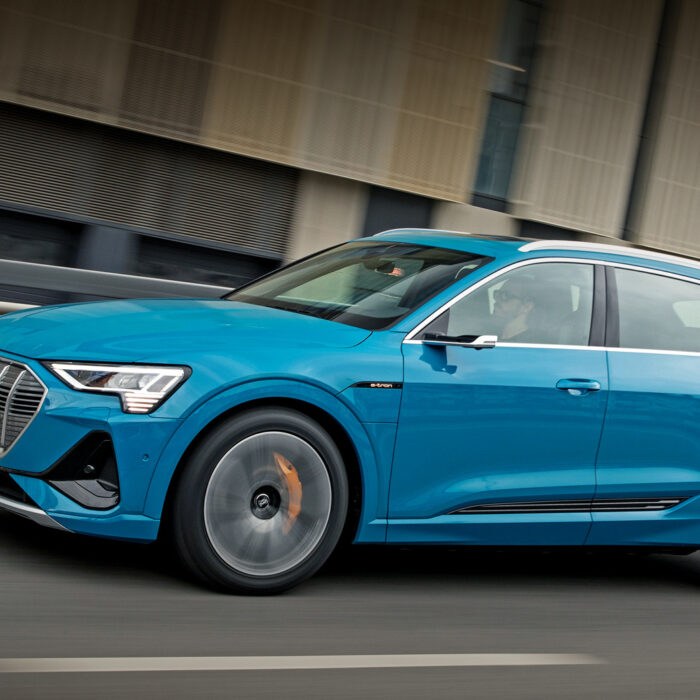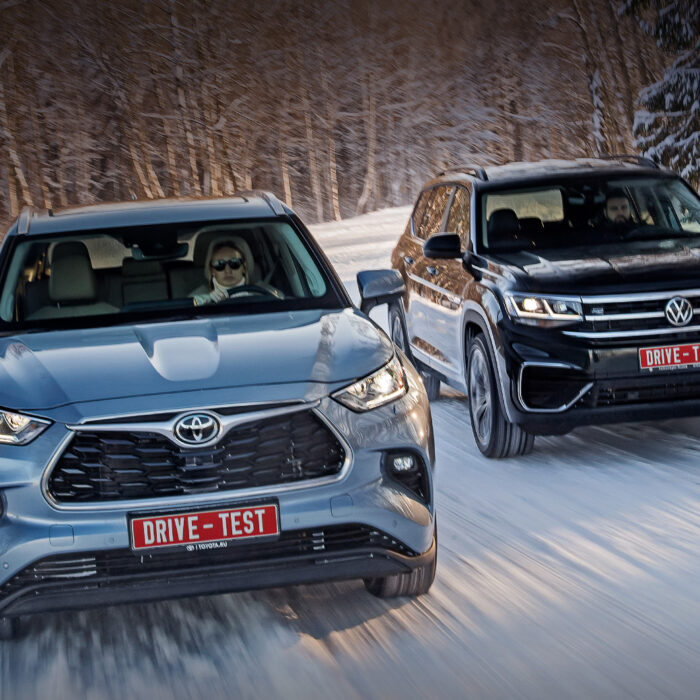
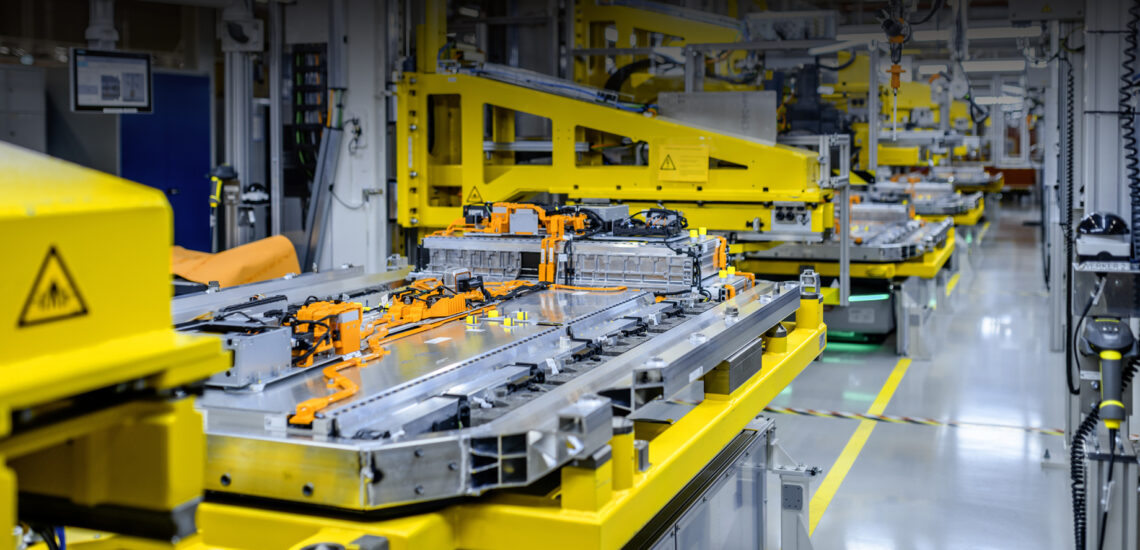

Electric cars are not a new invention — they have existed since the late 19th century, briefly competing on equal terms with internal combustion engine (ICE) vehicles before being overshadowed for over a century. So why should things be different now? The answer lies in one critical component: the traction battery. For electric vehicles (EVs) to seriously replace conventional cars, three factors need to align:
- High energy capacity
- Scalable mass production
- Affordable pricing
Today, all three of these conditions are being met — and the EV revolution is well underway.
A Brief History: From Pharmacy Fuel to Modern EVs
Progress in charging infrastructure and battery swapping networks is a separate, equally important discussion. But history reminds us that infrastructure challenges have never stopped determined pioneers. When Bertha Benz made the world’s first long-distance car journey in 1888, gasoline was only available at pharmacies — sold as a cleaning solvent. That didn’t stop her. Today’s challenges around charging networks, raw material sourcing, and end-of-life battery recycling are being actively addressed, with significant progress made in recent years.
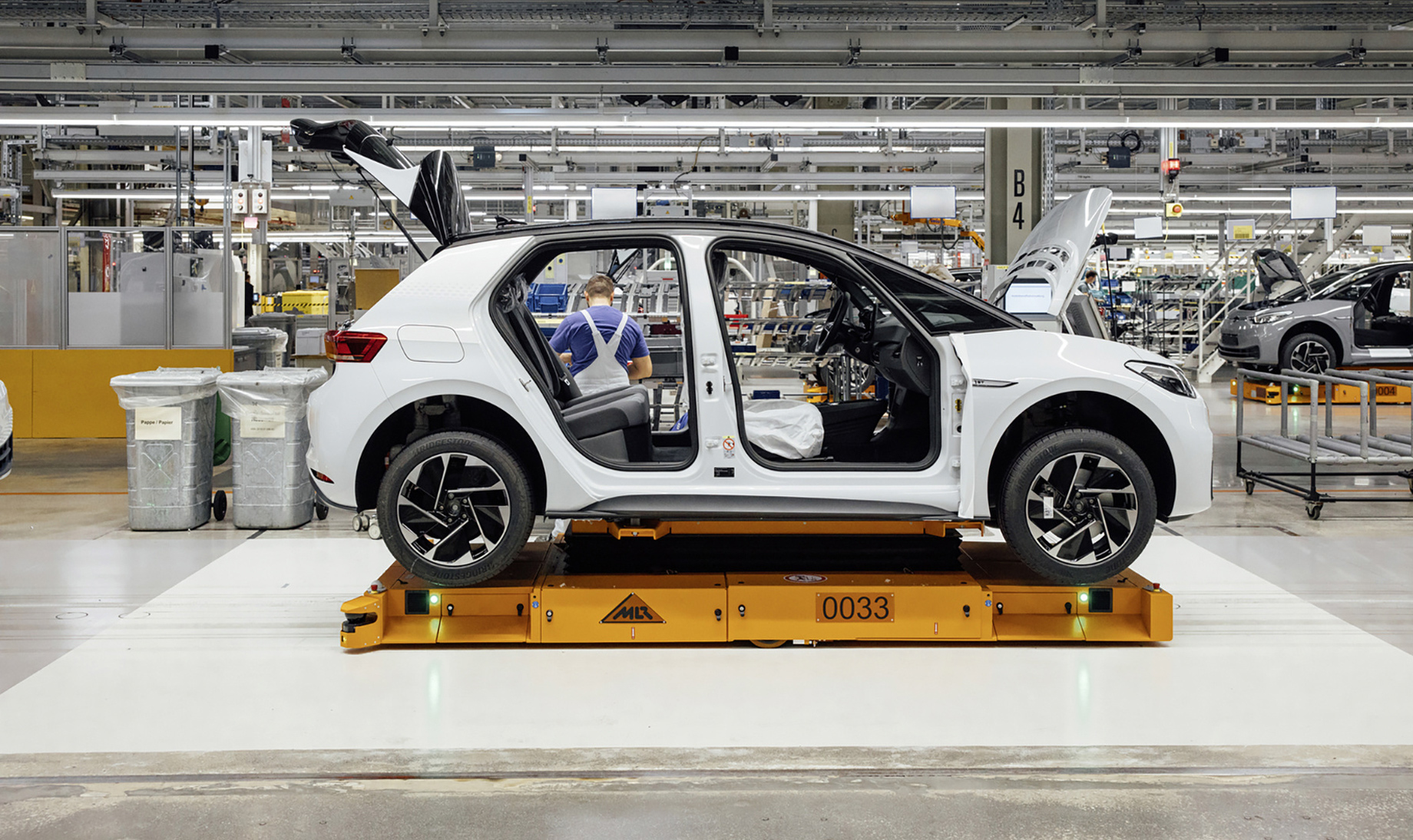
What Killed the First Mass-Market Electric Car?
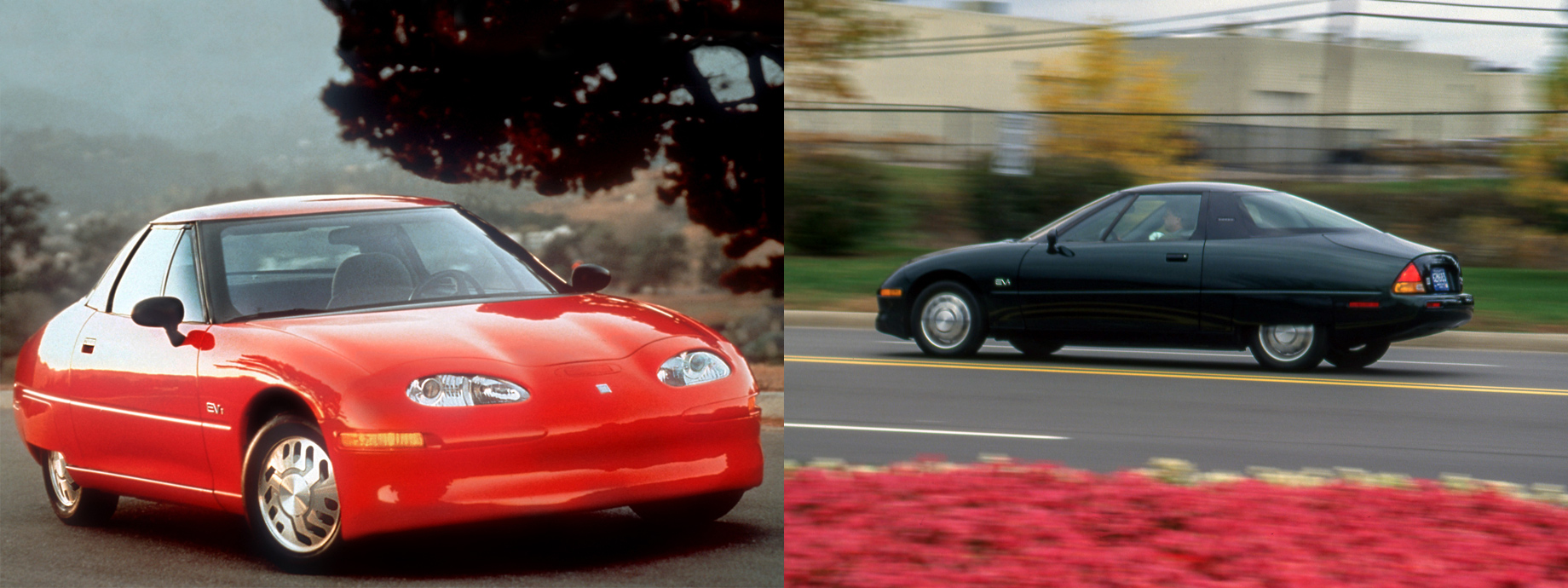
The 2006 documentary “Who Killed the Electric Car?” tells the story of the General Motors EV1 — arguably the first mass-produced electric car of the modern era. Here are the key facts:
- Produced from 1996 to 1999
- 1,117 units manufactured, all offered via lease only
- Program shut down in 2003; nearly all vehicles were recalled and destroyed
- Only a handful of EV1s survived, preserved in museums
- Battery options ranged from 16.5 kWh to 26.4 kWh
- EPA-recalculated range: 89 to 169 km per charge
Conspiracy theories pointed fingers at the oil lobby. Regardless of the true cause, the EV1’s disappearance set back mainstream EV adoption by over a decade.
Battery Capacity: From Dozens to Hundreds of Kilowatt-Hours
Compare the EV1’s modest battery specs to the cutting-edge EVs available today. Several current models now offer batteries ranging from 100 to over 200 kWh, with licensed ranges of 600–1,600 km depending on the testing standard used (EPA, WLTP, NEDC). Notable examples include:
- Tesla Model S — up to 405 miles (EPA)
- Lucid Air — over 500 miles (EPA), a current world record
- Aptera — solar-assisted range extending beyond 1,600 km
- Nio ET7 — 150 kWh solid-state battery option
- Zhiji L7 — 115 kWh battery with extended range
- Aito M5 — extended-range hybrid option
- GMC Hummer EV — 212.7 kWh battery pack
Beyond official specs, real-world endurance records further underscore how far battery technology has come. Enthusiast drivers have demonstrated that vehicles like the Tesla Model S and the Hyundai Kona Electric can exceed 1,000 km on a single charge through careful, energy-efficient driving.
Mass Production: The Scale Is Now Enormous
Global production of traction batteries has scaled dramatically. Monthly worldwide output now reaches nearly 22 GWh — the equivalent of around 550,000 second-generation Nissan Leaf hatchbacks (each equipped with a 40 kWh battery) produced every single month.
EV manufacturers source lithium-ion cells and battery packs through two main approaches:
- Third-party suppliers — purchasing cells and modules from specialized battery makers such as CATL, LG Energy Solution, and Panasonic
- In-house gigafactories — building proprietary production facilities, often in partnership with the same battery specialists, as Tesla has done with Panasonic
Battery Prices: A Tenfold Drop in One Decade
Perhaps the most compelling argument for the EV transition is the dramatic fall in battery costs. According to Bloomberg NEF data:
- 2010: $1,200 per kWh (industry average)
- 2021: $132 per kWh (industry average across e-trucks, buses, and stationary storage)
- 2021: $118 per kWh (passenger electric vehicles specifically)
That’s a more than tenfold reduction in cost over eleven years. While rising raw material prices — particularly for lithium, cobalt, and nickel driven by surging demand in 2021 — have added some upward pressure, they pale in comparison to the overall downward trend.
What Comes Next? Smarter Charging, Lighter Batteries
Further significant price reductions in battery packs may be harder to achieve. However, the industry has alternative paths forward. A denser charging network — across cities and highways alike — could reduce the need for ever-larger battery packs, enabling manufacturers to shift toward smaller, lighter, and cheaper batteries without sacrificing usability.
Emerging technologies that could reshape the equation include:
- Wireless in-motion charging — roads equipped with inductive charging technology that replenish batteries while driving
- Solid-state batteries — higher energy density, faster charging, and improved safety over current lithium-ion chemistry
- Battery-as-a-service (BaaS) — subscription-based battery swapping models, already deployed at scale by Nio in China
- Vehicle-to-grid (V2G) integration — using EV batteries as distributed energy storage to support grid stability
Open questions remain around the economic viability of widespread charging infrastructure, grid capacity growth, safety, reliability, and the broader energy mix powering these vehicles. But the direction of travel is clear — and the momentum behind electric vehicle batteries has never been stronger.
This is a translation. You can read the original here: https://www.drive.ru/kunst/61b35118155032c35768508a.html

Published March 10, 2022 • 5m to read