
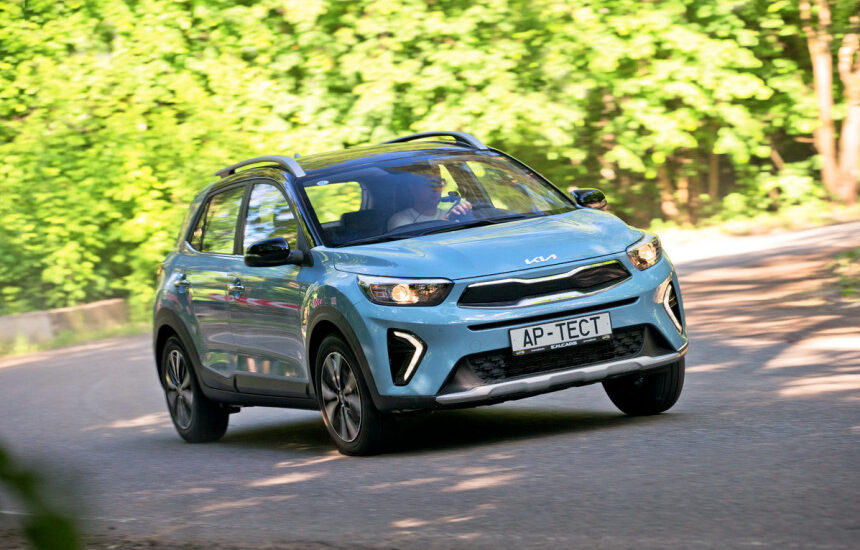


The greatest cars in history don’t need to be powerful, expensive, or rare — the Citroën 2CV, Volkswagen Golf, and Renault 5 all prove that. The Kia KX1 is similarly modest, but the only history it’s likely to feature in is your credit repayment schedule.
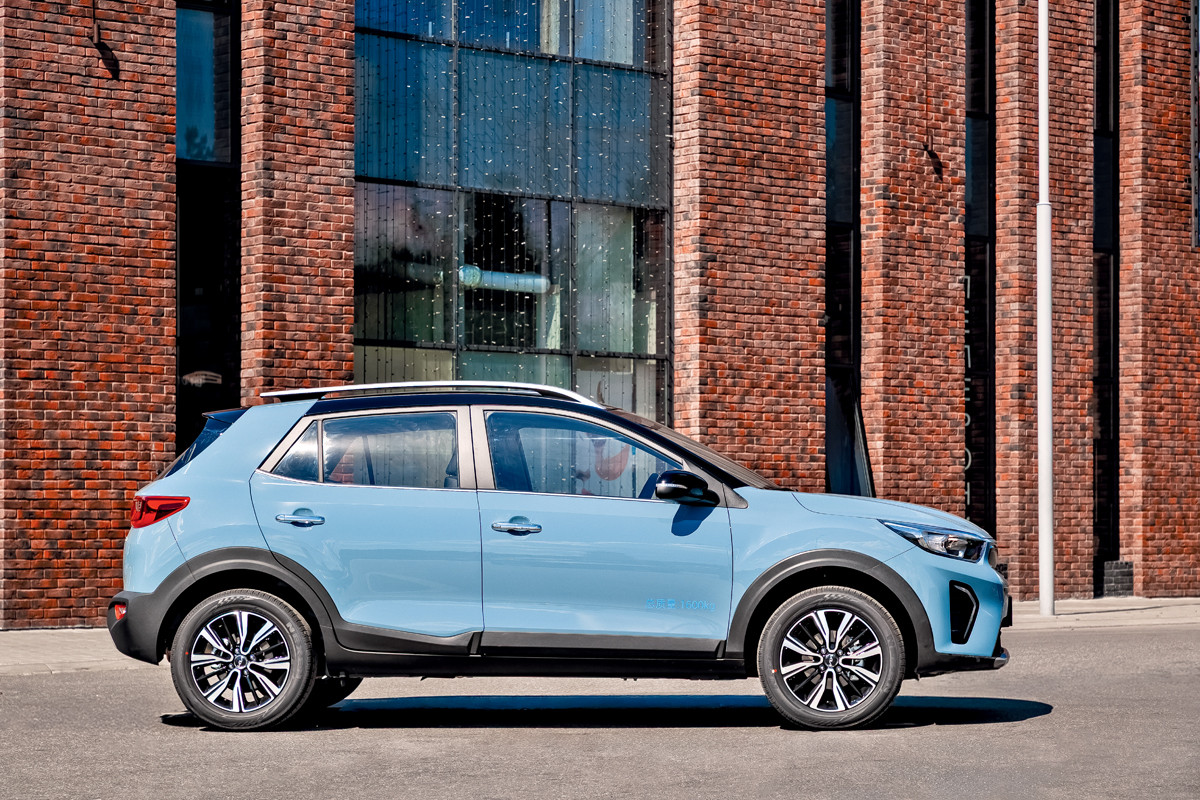
What Is the Kia KX1, and How Does It Fit Into the Market?
The KX1 is essentially a rebadged Kia Stonic — a model that first appeared in South Korea nine years ago — now sold in China under the KX1 name. It’s a close relative of the once-hugely-popular Kia Rio, riding on the same platform DNA.
In China, where the car sells for the equivalent of roughly $ 12k, buyers face the same dilemma — spend a little more and you’re in a Chery Tiggo 7. Perhaps unsurprisingly, KX1 sales in China are modest even by local standards: somewhere between 600 and 800 units per month.
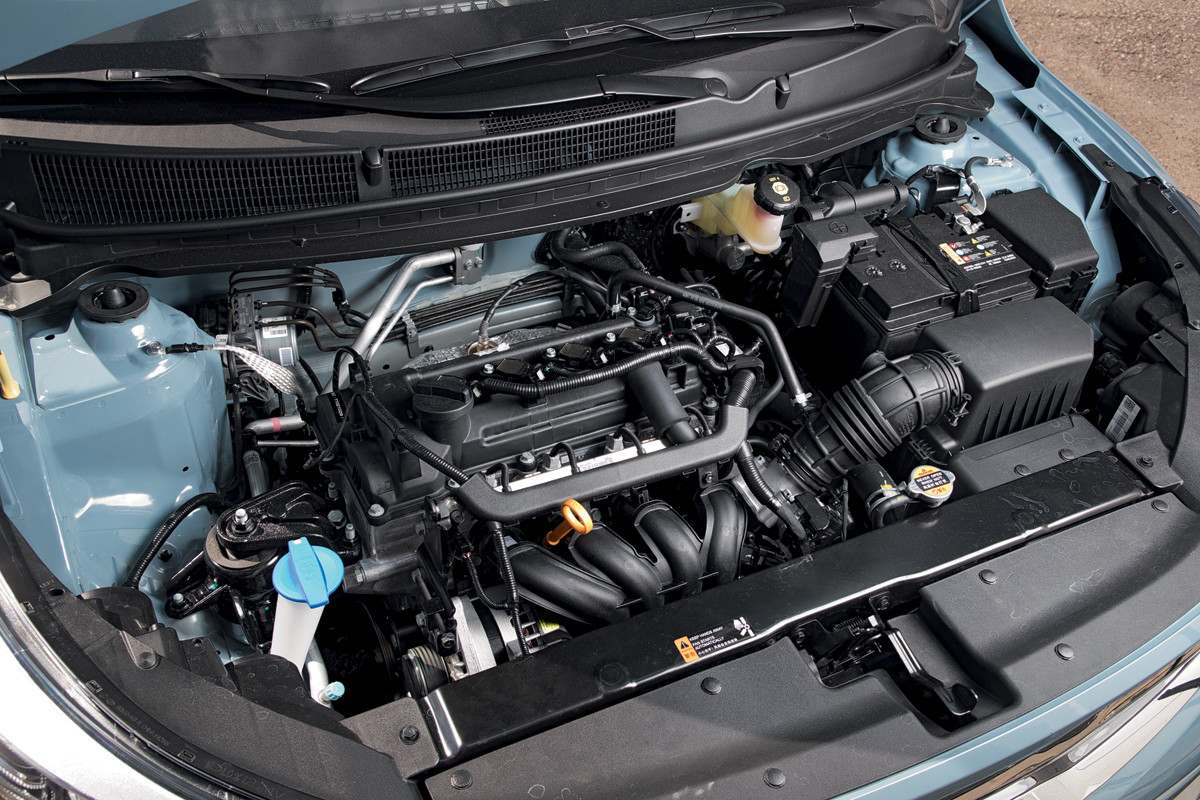
Engine and Performance: Slow and Loud
In Korea, the Stonic comes with a punchy 1.0-litre turbocharged engine. The Chinese-market KX1 gets no such luxury — it’s equipped with a naturally aspirated 1.4-litre unit producing 100 hp, paired with a CVT gearbox.
On paper, that sounds reasonable for a car weighing just 1,100 kg. The old Hyundai Solaris and Kia Rio with 1.4 engines were perfectly adequate. The KX1, however, is a different story:
- 0–100 km/h takes around 15 seconds — even in the best-case run
- Every overtaking manoeuvre requires flooring the accelerator
- The CVT doesn’t simulate gear shifts — it holds the engine at a constant 5,000+ rpm, generating significant noise for very little reward
- Merging into a 50 km/h urban traffic flow genuinely demands full-throttle effort
The result is an exhausting driving experience: lots of engine roar, not much forward progress.
Noise, Insulation, and Build Quality
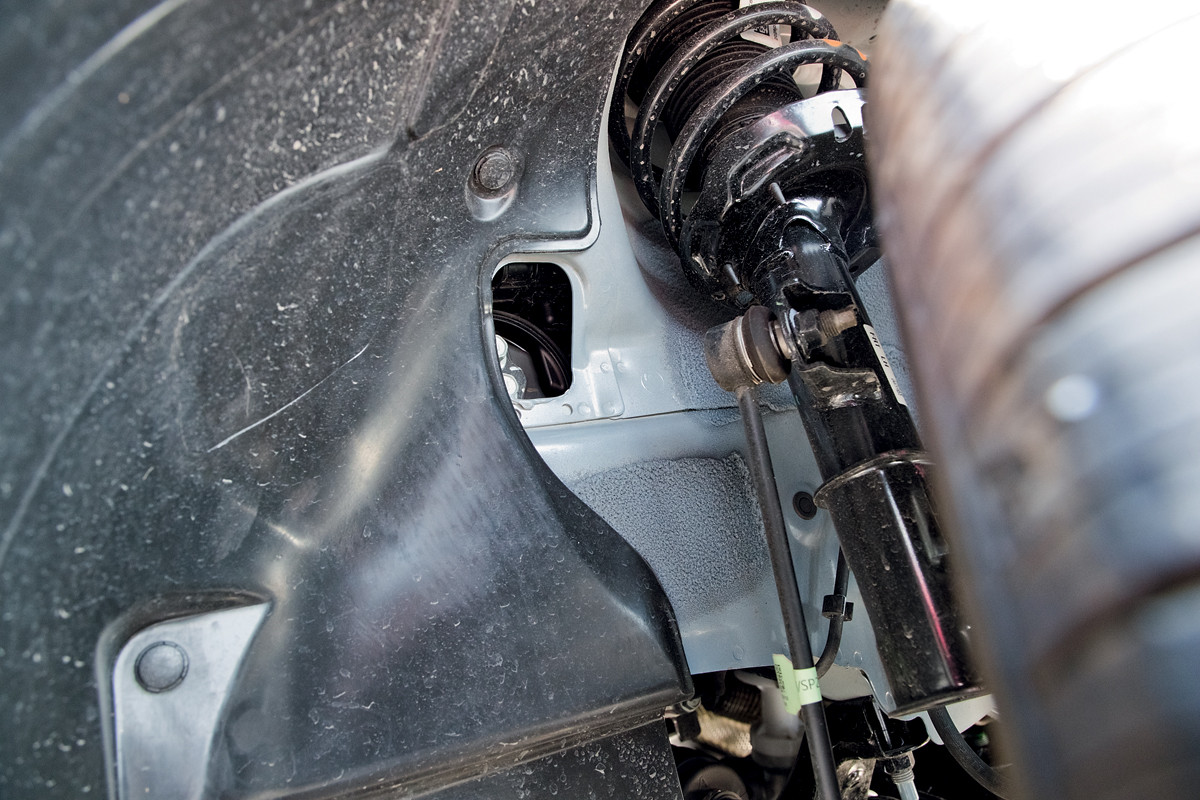
The interior acoustic experience is best described as living in an unfurnished concrete flat — every sound echoes and bounces around the cabin. This appears to be a specific characteristic of the Chinese production version, and it goes beyond mere NVH tuning:
- Virtually no sound deadening throughout the body
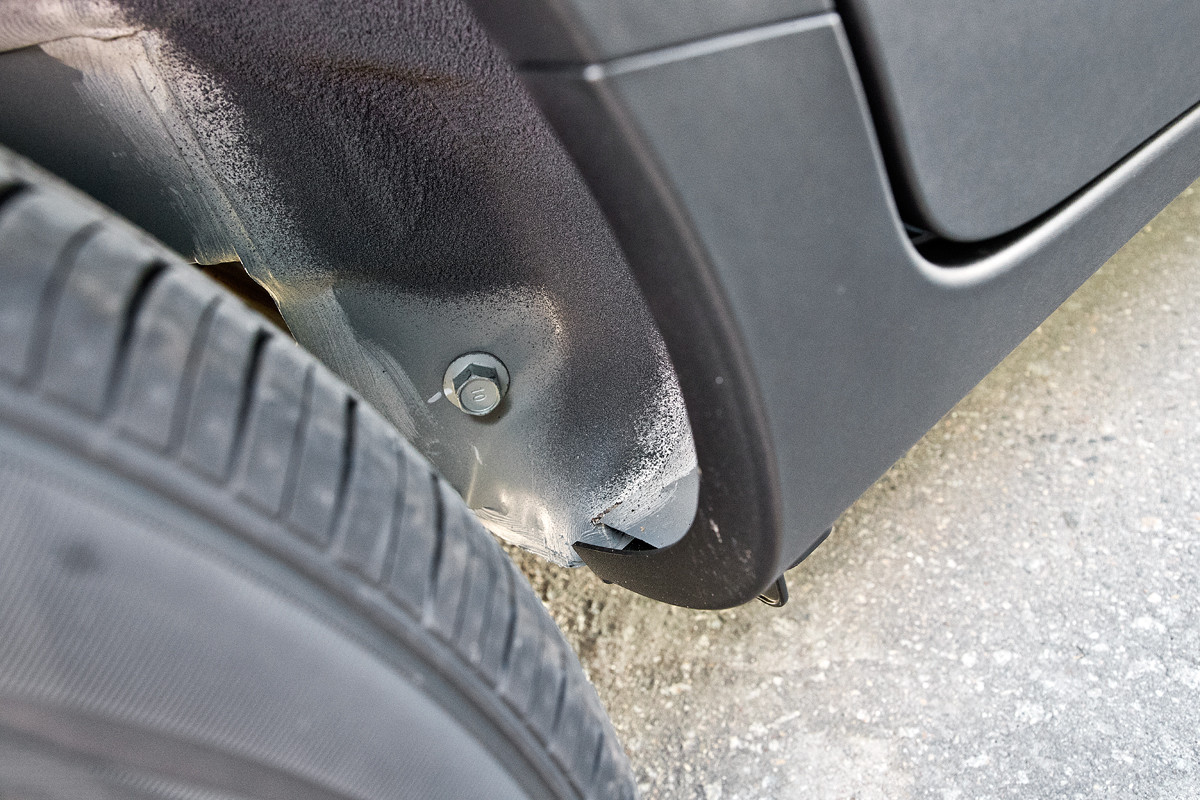
- Bare metal visible in the wheel arches, with no underseal or corrosion protection
- The underbody is exposed, with no mastic coating
Interior: Buttons, Smells, and a Surprisingly Decent Back Seat
There are some genuine positives inside the cabin:
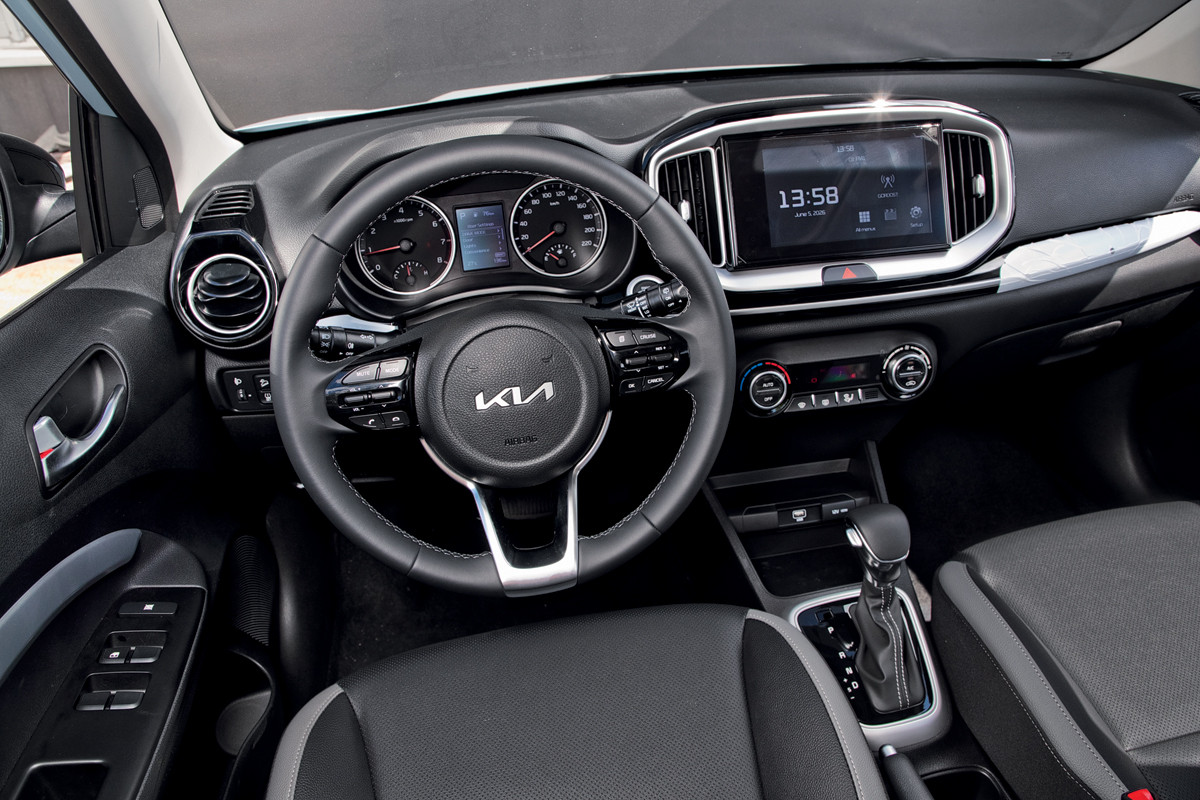
- Generous physical button count — more than most current Chinese cars combined
- An excellent, well-shaped round steering wheel
- Clear, attractive analogue instrument dials
That said, the driver’s seat is mounted very high, which means taller drivers will find their head grazing the headliner, squinting to read the gauges. The interior also develops an unpleasant smell when the cabin heats up in direct sunlight — enough to cause watering eyes on a warm day.
One genuine surprise: rear passenger space is better than the compact footprint suggests. Sitting behind your own driving position is comfortably achievable. The backrest of the front seat has no pocket or protective cover on the rear face, so rear passengers can press their knees directly into it without guilt.
Handling and Chassis: One Bright Spot in an Otherwise Dull Package
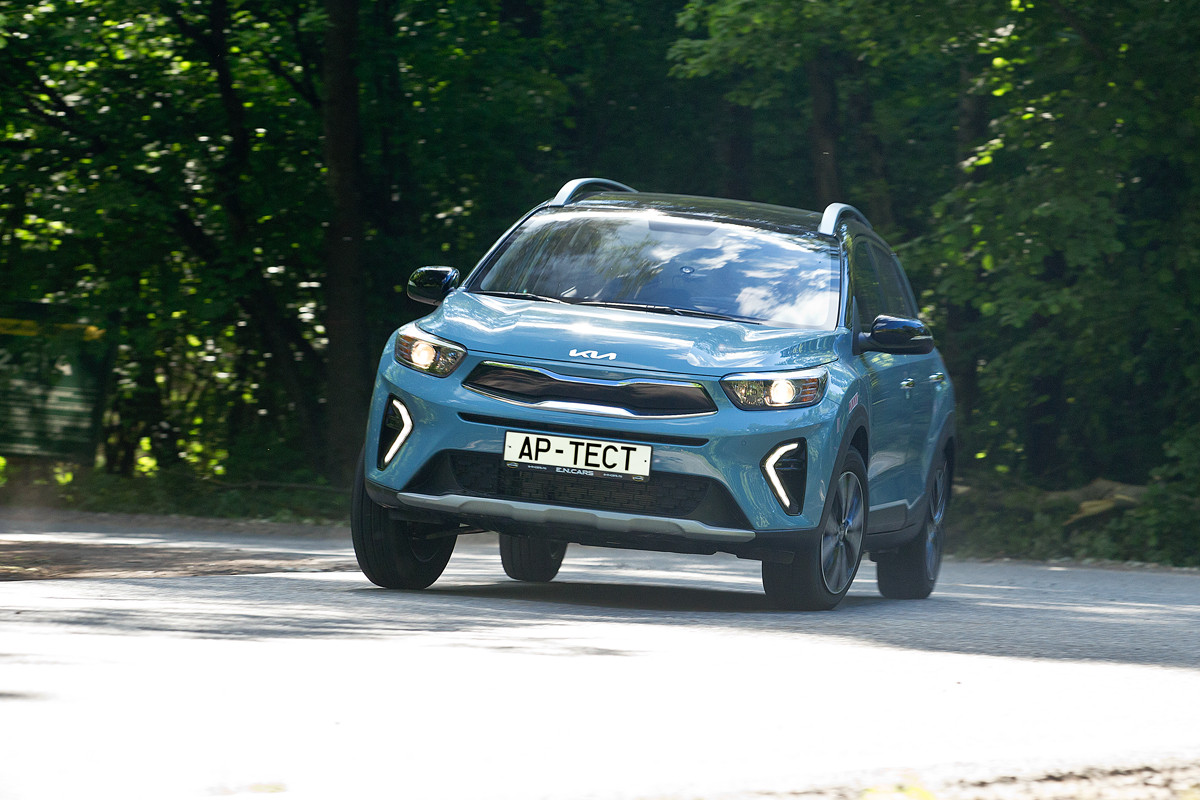
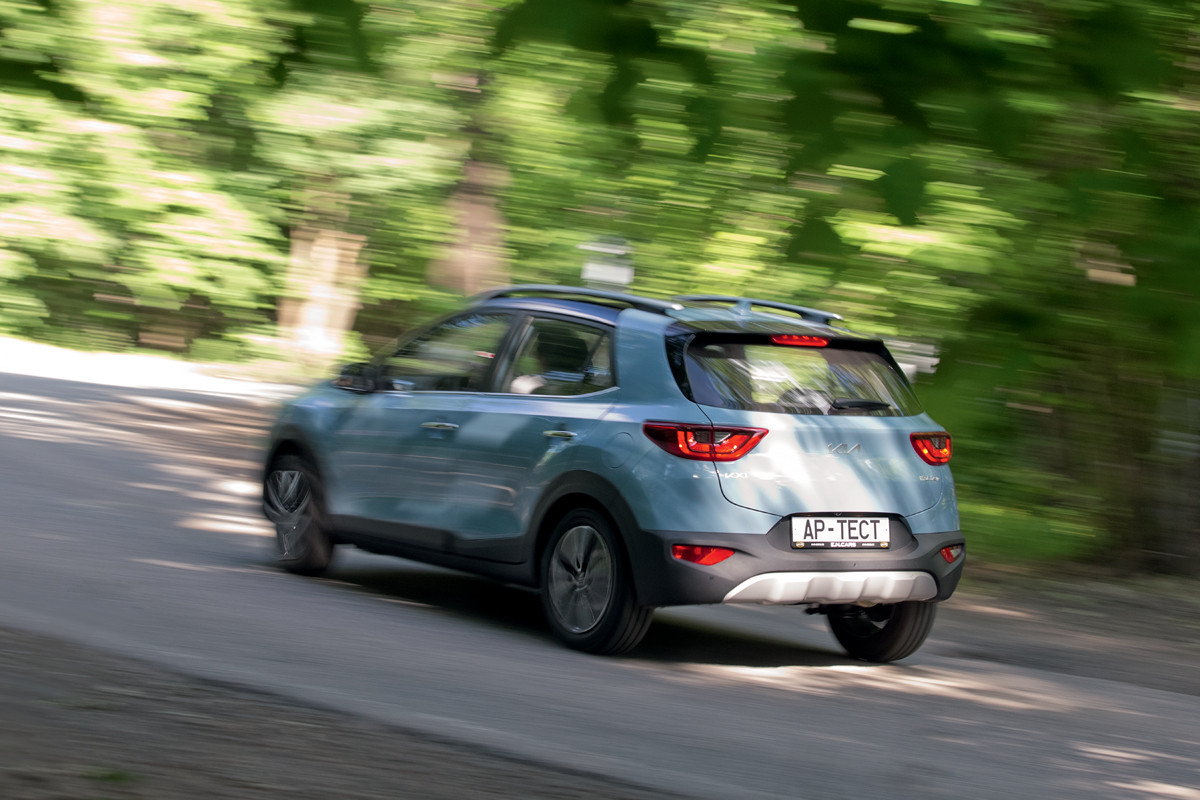
Here’s where the KX1 partially redeems itself. Thanks to its low kerb weight and minimal inertia, the car responds to steering inputs with genuine directness and agility — particularly in corners.
Key handling characteristics:
- Steering response is immediate — lane changes feel almost telepathic
- Front-end understeer is minimal at the limit
- ESC system is reliable and intervenes sensibly
- The car genuinely rewards drivers who enjoy a twisty road
However, there are notable weaknesses:
- ABS triggers very early on uneven surfaces and takes an unusually long time to release — if you don’t manually ease off the brake and reapply, stopping distances can be compromised
- Suspension is firm and transmits most road imperfections directly to occupants
- Speed bumps produce loud, sharp bangs from the front struts on rebound
At times, the car doesn’t feel like a nine-year-old model — it feels like a nine-year-old individual example.
Alternatives Worth Considering Instead
If your budget is under $ 26k the KX1 makes the second-hand market look very attractive. Not the tired, high-mileage examples — but genuinely well-maintained used cars that were built with care.
The Lada Iskra with CVT deserves a serious look as a new-car alternative. The Lada Vesta remains out of reach at this price point, but the Iskra is competitive here.
Perhaps most tellingly: a colleague recently purchased a Peugeot 3008 with just over 100,000 km on the clock for the same $ 22k that buys a new KX1. Park them side by side and the contrast is stark — similar urban footprint and parking ease, but the Peugeot wraps you in a genuinely quality interior, offers a panoramic glass roof flooding the cabin with light, and delivers the kind of tactile, nuanced steering feel that the French have always excelled at — even on modest cars with a torsion beam rear axle.
Final Verdict: Who Is the Kia KX1 Actually For?
The KX1 is best understood not as a primary vehicle, but as a learner’s car or a short-term stepping stone. It’s something to practise on while getting through your driving test — and then trade in for something that actually brings you joy behind the wheel.
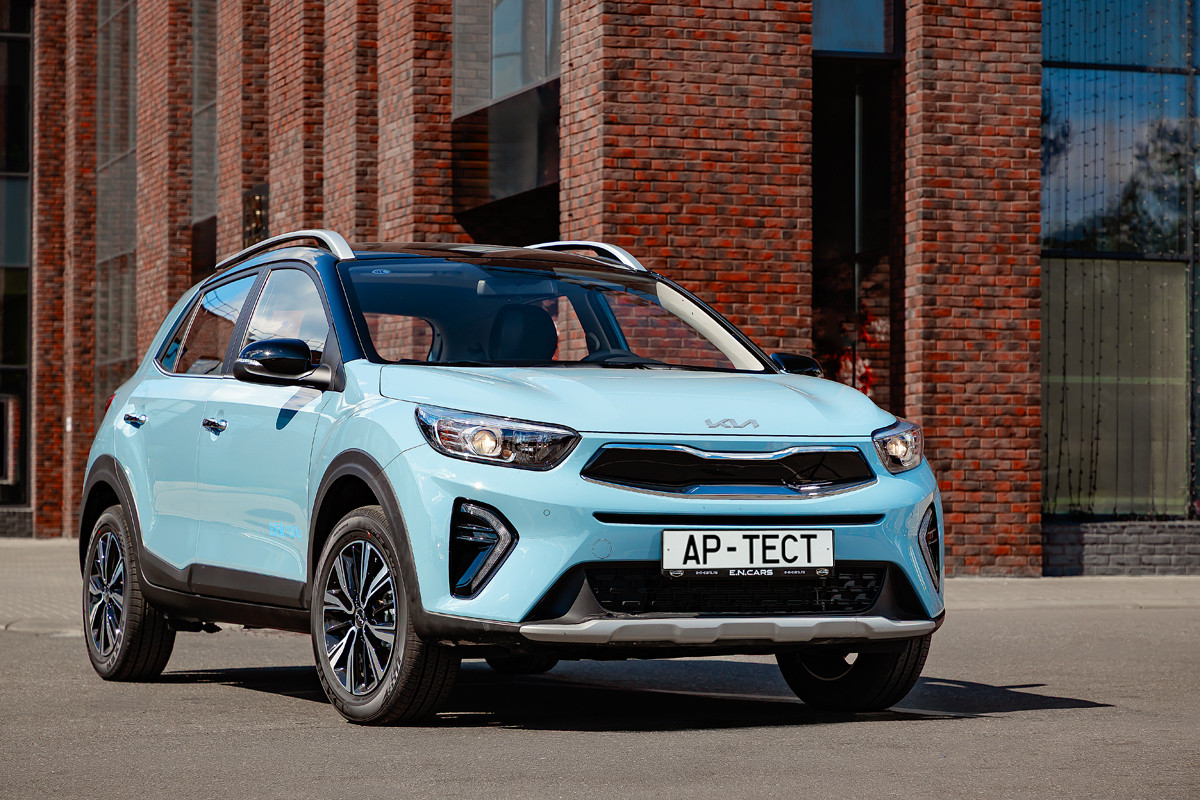
Photo: Vladimir Melnikov
This is a translation. You can read the original article here: Quick test of the Kia KX1 hatchback (also known as the Stonic and a sibling of the Rio)

Published June 26, 2026 • 5m to read