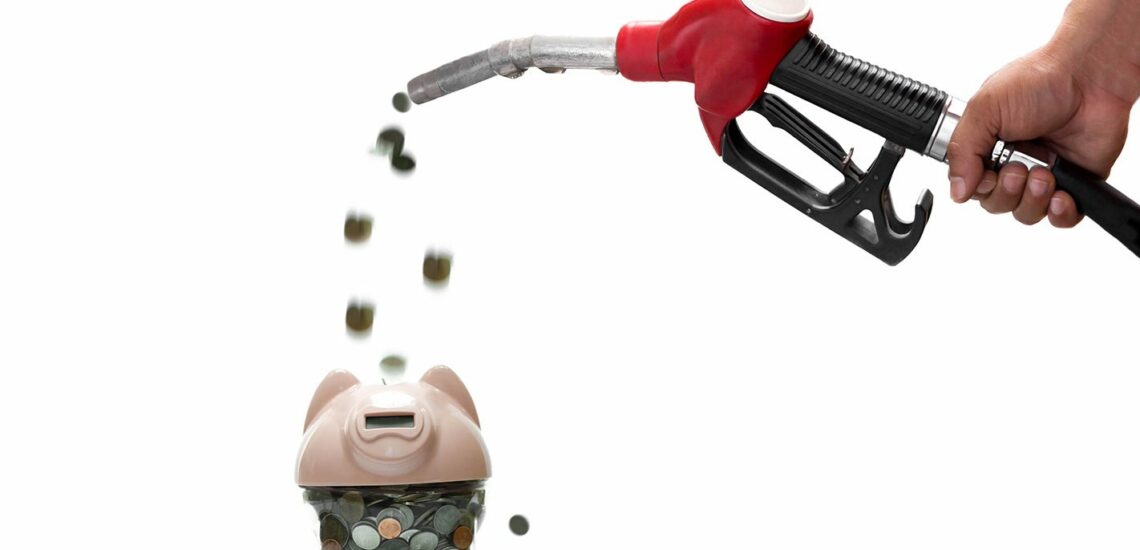

Discover how to save on petrol by driving smarter and maintaining your car better — no need to buy a new vehicle to see real savings.
Rising fuel prices put pressure on every driver’s budget. Beyond hunting for cheap petrol stations or upgrading to a fuel-efficient car, there are practical, everyday habits that can significantly reduce how much you spend at the pump — no matter what you drive.
Whether you’re commuting daily or planning a long road trip, these 10 proven methods will help you get more miles from every litre of fuel.
Method #1. Keep Your Tyre Pressure at the Right Level
Underinflated tyres are one of the most common — and most overlooked — causes of wasted fuel. According to a study by Kwik Fit, UK drivers spend nearly £1 billion a year on unnecessary fuel due to tyres that aren’t properly inflated. Keeping your tyres at the correct pressure also improves safety and extends their lifespan.
- Check your tyre pressure at least once a month and always before a long journey
- Use the manufacturer’s recommended pressure found in your car’s handbook or inside the driver’s door
- RAC experts confirm that correct tyre pressure can reduce fuel consumption by up to 2%
- Properly inflated tyres also improve handling, braking, and overall road safety
Method #2. Keep Engine RPM Low by Changing Gears Early
High engine speeds burn through fuel faster. One of the easiest ways to save on petrol is to shift up through the gears sooner rather than later, keeping the engine working efficiently at lower revs.
- Aim to change gear before reaching 2,500 rpm in a petrol engine and 2,000 rpm in a diesel engine
- Shift into the highest gear appropriate for your speed whenever possible
- Avoid revving hard between gear changes — smooth, progressive acceleration is far more fuel-efficient
Method #3. Remove Unnecessary Weight From Your Car
The heavier your car, the harder the engine works — and the more fuel it burns. A heavily loaded vehicle can use up to 20% more fuel than an unloaded one. Clearing out unnecessary cargo is a quick and free way to improve fuel economy.
- Remove sports equipment, tools, or other heavy items from the boot when they’re not needed
- Take off roof racks, bike carriers, and roof boxes when not in use — they add weight and increase drag, raising fuel consumption by at least 10%
- Keep windows closed at higher speeds to reduce aerodynamic drag
Method #4. Consider a Manual Transmission
When choosing your next car, transmission type is worth factoring in. Vehicles with automatic gearboxes typically consume 10–15% more fuel than equivalent manual models. If fuel economy is a priority, a manual transmission gives you more direct control over engine efficiency.
- Manual cars put the driver in control of gear selection, making it easier to adopt fuel-saving driving habits
- Modern semi-automatic and dual-clutch transmissions can offer a good balance between convenience and efficiency
Method #5. Drive Smoothly and Anticipate the Road Ahead
How you drive matters just as much as what you drive. Aggressive acceleration and harsh braking are major fuel wasters. Smooth, anticipatory driving keeps momentum and reduces unnecessary energy loss — saving petrol and reducing wear on your brakes.

- Look ahead and ease off the accelerator early rather than braking hard at the last moment
- Maintain a steady speed — ideally between 15 and 20 mph in urban traffic — rather than constantly speeding up and slowing down
- Avoid the habit of accelerating to close the gap to the car ahead, only to brake again immediately
- Wear shoes with flat soles when driving — heavy boots or heels reduce pedal sensitivity and make it harder to modulate pressure accurately
Method #6. Keep Up With Your Car’s Regular Servicing
A well-maintained engine runs more efficiently. Skipping services doesn’t save money in the long run — a poorly tuned engine consumes more fuel and is more likely to develop costly faults.
- Follow your manufacturer’s recommended service schedule to keep the engine performing at its best
- Use the correct grade of engine oil specified for your car — the wrong viscosity increases internal friction and fuel usage
- Replace air filters, spark plugs, and fuel filters at the recommended intervals to maintain engine efficiency
Method #7. Stick to the Speed Limit
Speed and fuel consumption are directly linked. The faster you drive, the harder the engine works against air resistance — and the more fuel it burns. AA research shows that driving at 70 mph uses 9% more fuel than driving at 60 mph, while 80 mph uses up to 25% more fuel than 70 mph.
- Dropping from 70 mph to 60 mph on a country road can save an additional 10% on fuel costs
- Use cruise control on motorways to maintain a consistent speed and avoid unnecessary acceleration
- Driving within the speed limit is safer, reduces wear on your vehicle, and keeps running costs down
Method #8. Switch Off the Engine When Stationary
An idling engine burns fuel for zero distance travelled. If you’re stopped for more than a minute or two — at a level crossing, in a traffic queue, or waiting to pick someone up — switching off the engine is a simple way to cut waste.
- Turn the engine off whenever it is safe and legal to do so during extended stops
- Avoid warming up your engine by letting it idle before driving in cold weather — this wastes fuel and can cause engine damage; modern engines are designed to warm up while driving
- Many modern cars come with automatic start-stop systems that do this for you — make sure this feature is enabled
Method #9. Use Air Conditioning Wisely
Air conditioning places an additional load on the engine, which increases fuel consumption — particularly at low speeds where the impact is most noticeable. Knowing when to use it (and when not to) can make a meaningful difference.
- At low speeds in town, open the windows instead of running the air conditioning to reduce engine load
- At motorway speeds, air conditioning is more efficient than open windows, which create significant aerodynamic drag
- Park in the shade where possible to reduce how much you need the air conditioning when you first get in
Method #10. Drive Less — Walk, Cycle, or Use Public Transport
The single most effective way to save on petrol is to use your car only when you genuinely need it. Short trips — especially cold starts — are among the least fuel-efficient journeys you can make.
- Walk or cycle for short local trips — it saves fuel, reduces emissions, and benefits your health
- Use public transport for longer commutes where it’s a practical option
- Consider a carsharing service for regular commutes to split costs with colleagues
- Combine errands into a single journey rather than making several short separate trips
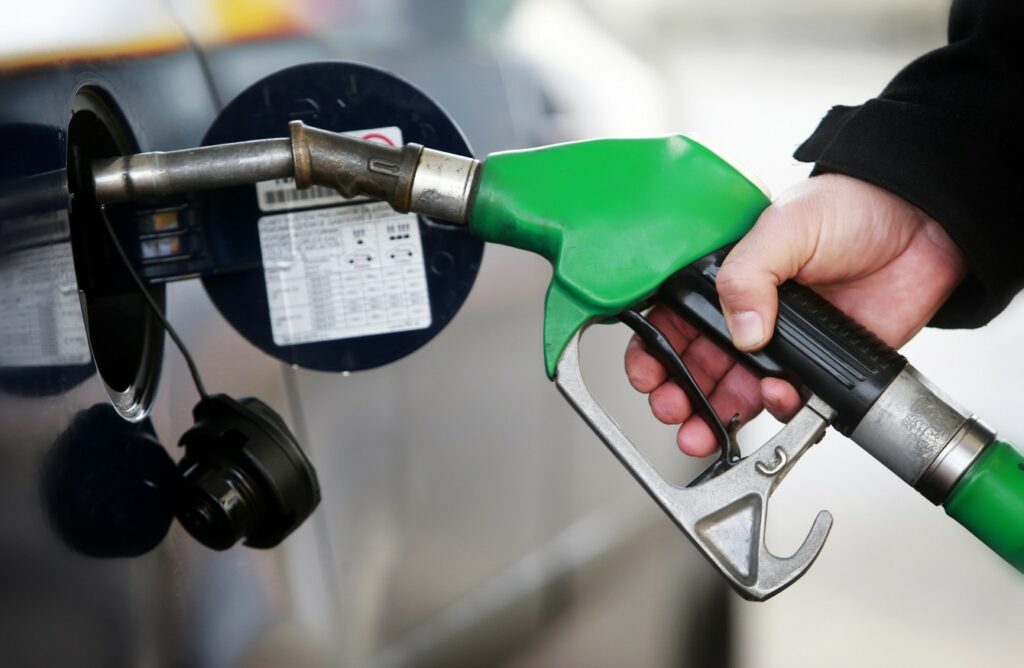
Saving on petrol doesn’t require a brand-new car or a dramatic lifestyle change. By applying even a handful of the tips above — maintaining tyre pressure, driving smoothly, reducing speed, and cutting unnecessary journeys — most drivers can noticeably reduce their fuel bills within weeks.

Published July 15, 2021 • 6m to read