
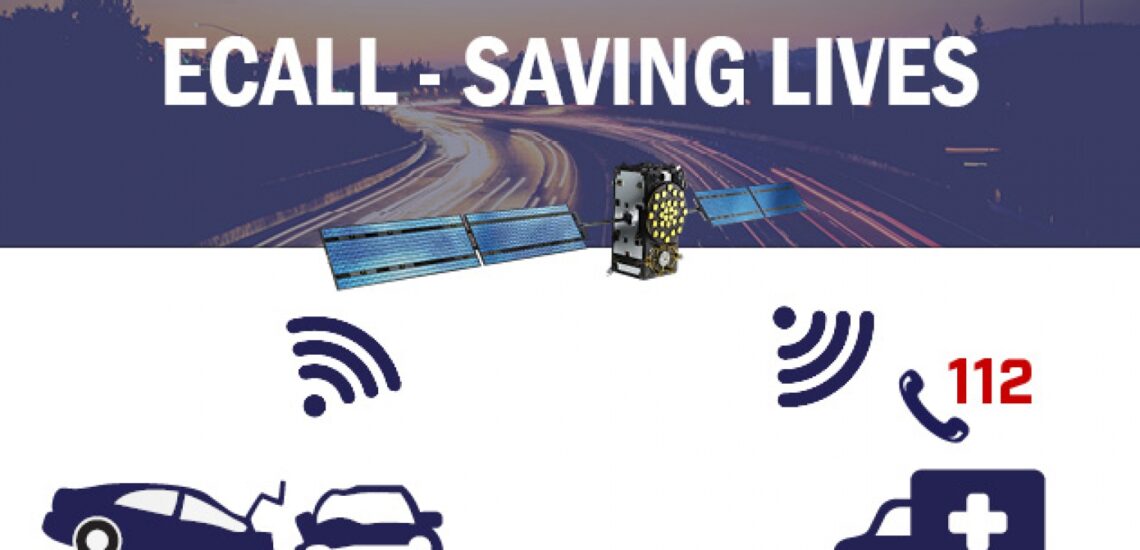

Every year, thousands of lives could be saved if emergency services arrived at accident scenes faster. The eCall system — a mandatory EU safety technology built into all new cars since 2018 — is designed to do exactly that. But how does it work, and what does it mean for drivers across Europe and the UK?
What Is eCall and How Does It Work?
eCall is an automatic emergency call system required in all new cars sold in the European Union. When a serious accident occurs, the system immediately contacts emergency services — even if the driver is unconscious or unable to make a call themselves.
An eCall alert can be triggered in two ways:
- Automatically — the device detects a collision and sends a distress signal without any input from the driver
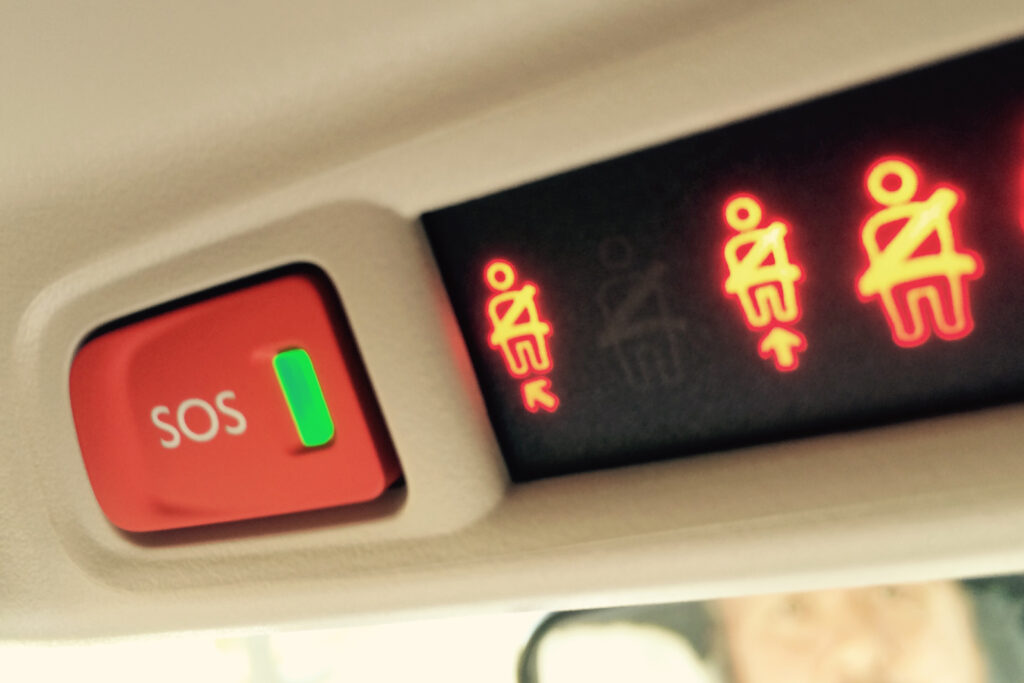
- Manually — the driver or a passenger presses a dedicated SOS button located inside the vehicle
Once activated, the eCall device dials the single European emergency number 112, opens a voice call through the car’s built-in microphones, and transmits the vehicle’s exact GPS coordinates. This ensures that help can be dispatched quickly — even in remote areas with no witnesses nearby.
What Data Does eCall Collect and Transmit?
Privacy concerns around in-car technology are understandable, but eCall is designed to collect only the minimum data necessary to assist emergency responders. When activated, the system sends:
- The type and make of the vehicle
- The exact GPS location of the accident
- The direction of travel at the time of the incident
It is important to note that eCall is not the same as a car’s black box, which continuously records all driving data. The eCall device only activates during an emergency, and all transmitted data is automatically deleted once it is no longer required.
The Life-Saving Impact of eCall: Key Statistics
According to road safety experts, eCall has the potential to significantly reduce casualties across Europe. The projected benefits of the system include:
- A 40% reduction in emergency response times in urban areas
- A 50% reduction in emergency response times in rural areas
- A potential 4% reduction in fatal road accidents
- A potential 6% reduction in serious injuries caused by road accidents
The cost of installing eCall technology was initially estimated to add around £70 to the price of a new car — a figure expected to fall as the technology becomes universal. Automakers are generally expected to absorb these costs, keeping the service free for drivers.
When Did eCall Become Mandatory?
The eCall initiative officially came into force on April 1, 2018. From that date, all new car models launched across the EU were required to be fitted with eCall technology as standard. This followed a 2015 vote by the European Parliament and several years of preparation by both manufacturers and emergency services.

Emergency call centres — also known as PSAPs (Public Safety Answering Points) — were also required to upgrade their infrastructure to handle incoming eCall transmissions, with the EU Commission setting an October 1 deadline for this rollout.
eCall and the UK: What Changed After Brexit?
The UK’s relationship with eCall was complicated by its departure from the European Union. While the system was being rolled out across the EU, political support for the initiative in the UK was mixed. Former British Transport Minister Claire Perry notably stated that she did not support the measure following the 2015 European Parliament vote.
Some manufacturers had already integrated their own proprietary emergency call systems ahead of the mandatory deadline. Examples include:
- Vauxhall OnStar — offered as standard on selected models and as an optional extra on others
- Volvo On Call — available across various Volvo models as a connected safety feature
Despite leaving the EU in January 2020, the UK has maintained eCall requirements for new vehicles through its own post-Brexit vehicle type approval regulations. New cars sold in Great Britain are still required to meet equivalent safety standards, meaning eCall functionality remains a fixture in the UK automotive market — even outside EU jurisdiction.
Does Your Car Already Have eCall?
If you purchased a new car in the EU or UK after April 2018, your vehicle is very likely already fitted with eCall technology. Look for an SOS button — typically located near the rearview mirror or on the overhead console — as a sign that the system is active.
As road safety technology continues to advance, eCall stands out as one of the most straightforward yet impactful steps taken to reduce the human cost of traffic accidents across Europe. In the best-case scenario, it could make the difference between life and death.

Published July 22, 2021 • 4m to read