
Honduras is a country in Central America, located in the north of the continent. Its eastern shore is washed by the Caribbean Sea, and to the south and west it borders Nicaragua, El Salvador and Guatemala. The capital of Honduras is Tegucigalpa. It is a country with a rich culture and abundant natural resources, and also one with a number of social and economic challenges it must contend with in order to achieve stability and sustainable development.
For your convenience, go straight to the facts about Honduras that interest you:
- 10 fun and interesting facts about Honduras
- 10 boring facts about Honduras
- Interesting places in Honduras for tourists
10 fun and interesting facts about Honduras
Names, wars and buried treasure
- The country is named after deep water. The name “Honduras” comes from the Spanish word “fondura”, which can be translated as “depth” or “deep bay”. Spanish colonizers gave the country that name in the 16th century, because of its coastal areas rich in deep bays.
- Soccer is taken seriously — once too seriously. The “Soccer War”, also known as the “War of the 100 Hours”, broke out between Honduras and El Salvador in 1969. Its catalyst was a World Cup qualifier between the two national teams, in which the El Salvador team was defeated.
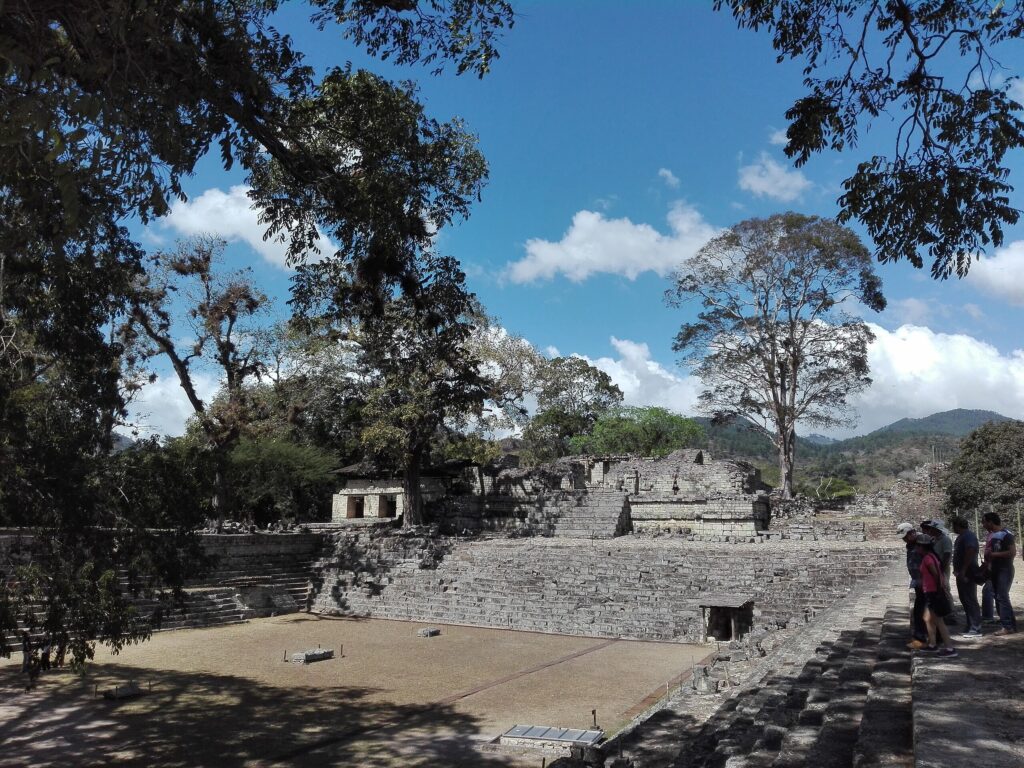
- Copán is one of the great Mayan sites. The most famous archaeological site in Honduras is the ruins of Mayan structures in Copán. Here you can find the pyramid known as Structure 16, as well as a magnificent acropolis with numerous steles, altars and sculptural elements. The stelae of Copán have intricate and detailed carvings of rulers and of mythological scenes from Mayan history, and Copán played an important role in deciphering the Mayan script.
- A pirate legend runs through Treasure Island. The legend that pirate captain William Kidd hid his treasures, including gold and jewelry, on an island in Honduras formed the basis of Robert Louis Stevenson’s famous novel Treasure Island. The legend of Kidd’s treasure remains one of the many mysteries of sea stories and pirate legends.
- The currency carries the name of a chief who fought the conquest. The lempira (Lempira) is named after a historical figure from the period of contact between the Amerindian peoples and the Spanish colonizers. Lempira was an Indian chief of the Lenca tribe that inhabited the present-day region of Honduras, and he led a war against the Spanish colonizers, defending his land and people from outside invasion. Despite his resistance he was captured and executed by the Spanish conquerors, and Honduras decided to name its national currency in his honor to commemorate his deeds and his standing as a symbol of resistance.
Fish from the sky, reefs and pupusas
- It rains fish in Yoro. The “fish rain” is a rather unusual phenomenon that happens in various places around the world, and one such place is the department of Yoro. In Honduras it usually occurs in early summer, and legend links it to ancient beliefs and traditions. Locals consider the fish rain a blessing and a sign of natural abundance; they collect the fallen fish and use them as food, as well as in religious and traditional rituals.
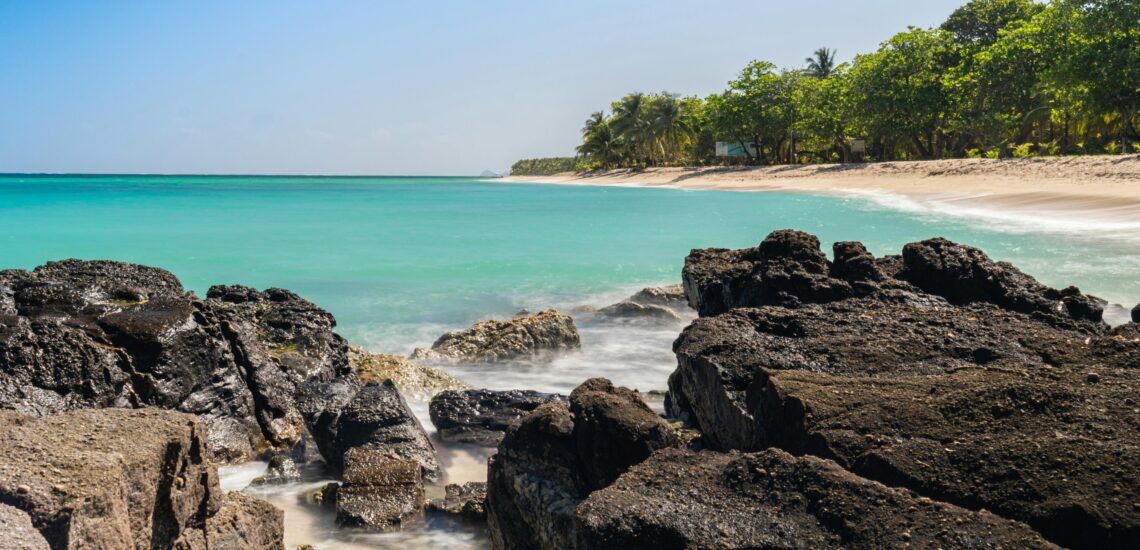
- The coral reefs. Honduras has one of the most impressive natural treasures — the largest living coral reefs in the world. These reefs stretch along the coast of Honduras and belong to the Mesoamerican Barrier Reef System, and the many diving locations attract divers from all over the world. The waters in this region are crystal clear, and the underwater world is inhabited by a variety of marine life, from colorful corals to a variety of fish species, sea turtles, rays, sharks and more.
- Pupusas are the national dish. Honduras is famous for “pupusas” and for the many restaurants and tents where you can enjoy them. A pupusa is a traditional flatbread-like dish made with cornmeal, filled with a variety of fillings — most commonly butter, beans, cheese, pork, chicken, or a combination of these. “Pupucerias”, the places where pupusas are made, are often popular lunch and dinner destinations, and these delicious corn tortillas with their many fillings are an important part of Honduras’ culinary heritage.
- This is the original banana republic. Honduras is often referred to as a “banana republic”. The term has also sometimes been used in the past to describe Central American countries with economies centered on the cultivation and export of bananas, often accompanied by political and social instability. Honduras is the world’s second largest banana exporter after Ecuador.
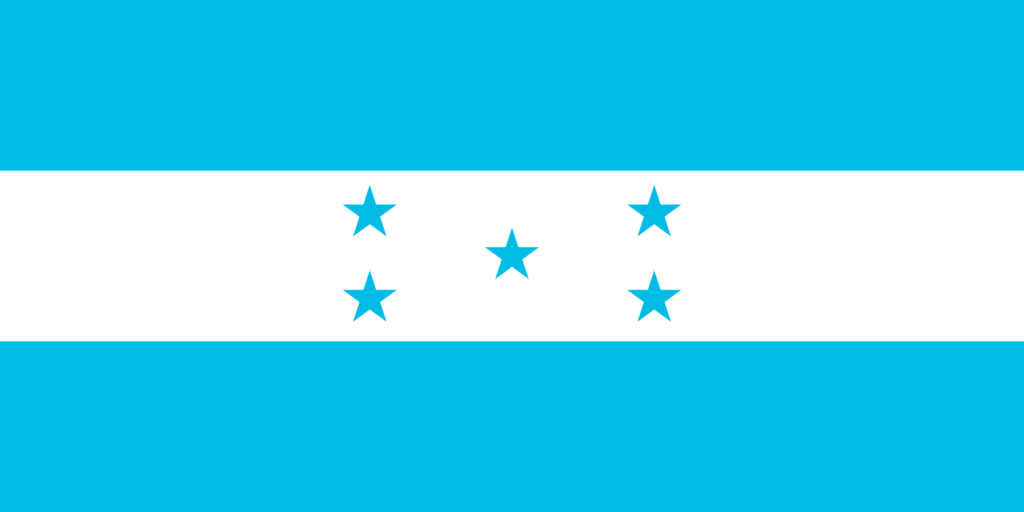
- The flag was inherited from a federation. The flag of Honduras has historical ties to the Federal Republic of Central America, which was created in the early 19th century and included several countries, Honduras among them. After the dissolution of this federation the countries gained independence, and the flag of Honduras, inspired by the flag of the federation, therefore has a similar design.
10 boring facts about Honduras
People, climate and language
- Population. The population of Honduras is 10.59 million as of 2023. It continues to grow and will reach 15.6 million by 2080.
- Climate. Tropical, with variations based on altitude. Coastal areas tend to be hot and humid, while higher elevations can be more temperate.
- Language. Spanish is the official language of Honduras.
- Capital. The capital and largest city of Honduras is Tegucigalpa. It is a major political and economic hub.
- National Day. Honduras gained independence from Spain on September 15, 1821, and that date is celebrated as the National Day.
Law, custom and landscape
- Crime. Honduras has experienced high levels of crime in the past, and in some security rankings of countries around the world it has been among those with high crime rates. Crime in Honduras can take many forms, including street violence, robbery, kidnapping, and drug cartel activity.
- Forms of address. In Honduras, as in other Central American countries, there is a tradition of referring to the inhabitants not only by name, but also adding a specification of their occupation. This peculiarity of linguistic turnover may reflect the sociocultural aspects of a society which emphasizes people’s social and professional roles.
- Smoking. Honduras has laws prohibiting smoking in public places. These measures are designed to protect public health and include a ban on smoking inside buildings, on public transportation, and in other enclosed public places.
- The presidency. The presidential term in Honduras was limited to one re-election, which provides a maximum presidency of four years. Term limits can serve as a means to mitigate the risks of authoritarianism and promote democratic institutions.
- The highest point. The highest point in Honduras is Pico Bonito, which is located in the Pico Bonito National Park. The mountain is approximately 2,435 meters (7,989 feet) above sea level.
Interesting places in Honduras for tourists
Honduras offers a variety of interesting places that showcase its natural beauty, cultural heritage and historical significance. Here are some of the ones worth planning a route around:
- Copán Ruins: Located near the border with Guatemala, the Copán Ruins are an archaeological site of the ancient Maya civilization. The site is known for its intricately carved stelae, altars, and hieroglyphic stairway.
- Roatán: This Caribbean island is part of the Bay Islands and is known for its stunning coral reefs, making it a popular destination for diving and snorkeling. The island also offers beautiful beaches and a relaxed atmosphere.
- Pico Bonito National Park: This national park is known for its diverse ecosystems, including rainforests, rivers, and mountains. It’s a great destination for nature lovers, offering hiking trails and opportunities for birdwatching.
- Lanquin and Semuc Champey: Located in the Alta Verapaz region, close to the Honduran border, Semuc Champey is a natural monument with turquoise pools cascading down limestone formations. Lanquin is a nearby village often used as a base to explore Semuc Champey.
- Cayos Cochinos: This group of small islands is a marine biological reserve in the Caribbean. It’s known for its coral reefs, clear waters, and diverse marine life. The islands are accessible by boat and offer a peaceful escape.
- La Ceiba: Often referred to as the “Friendship City,” La Ceiba is a coastal city with lively Carnival celebrations. It serves as a gateway to the Bay Islands and Pico Bonito National Park.
- Gracias: This colonial town is rich in history and surrounded by mountains. Attractions include the San Cristobal Fort and the colonial-era church, La Merced.
- Lake Yojoa: The largest lake in Honduras, Lake Yojoa is surrounded by lush landscapes and offers opportunities for birdwatching. The area has coffee plantations and is known for its diverse flora and fauna.
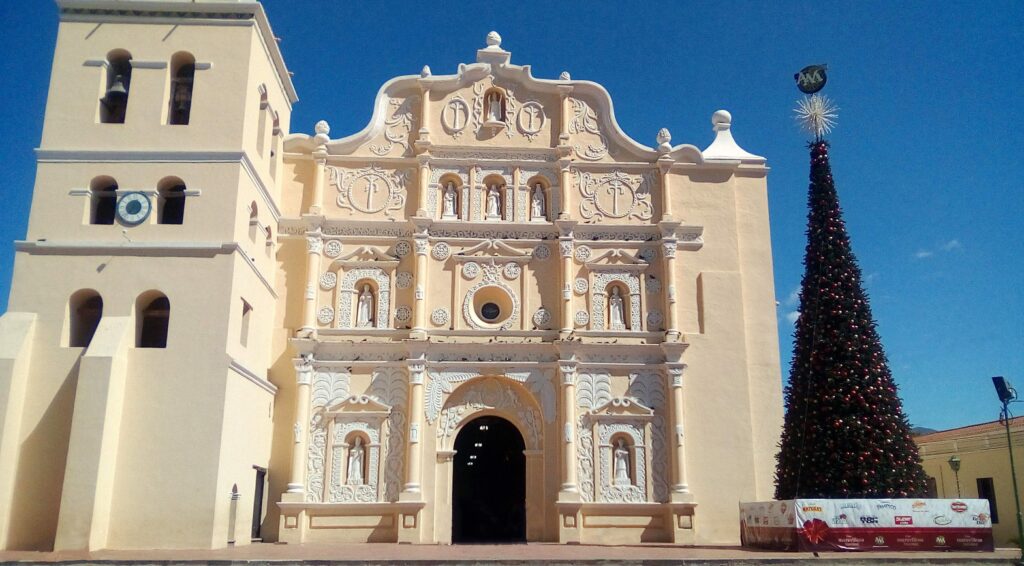
- Comayagua: This colonial city has preserved its historic architecture. The Comayagua Cathedral with its astronomical clock is a notable attraction.
- Guancascos Cave: Located near the town of Omoa, this cave system features underground rivers and chambers, making it an interesting destination for spelunking enthusiasts.
Driving in Honduras on a foreign license
If you are planning to travel independently in Honduras by car, you need to know that U.S. driver’s license holders generally do not need an International Driving Permit (IDP) to temporarily stay and drive in Honduras. Generally, a foreign driver’s license, provided it is valid and in English, is recognized as a document that allows driving for a short period of time.
Country guides

Published November 24, 2023 • 8m to read