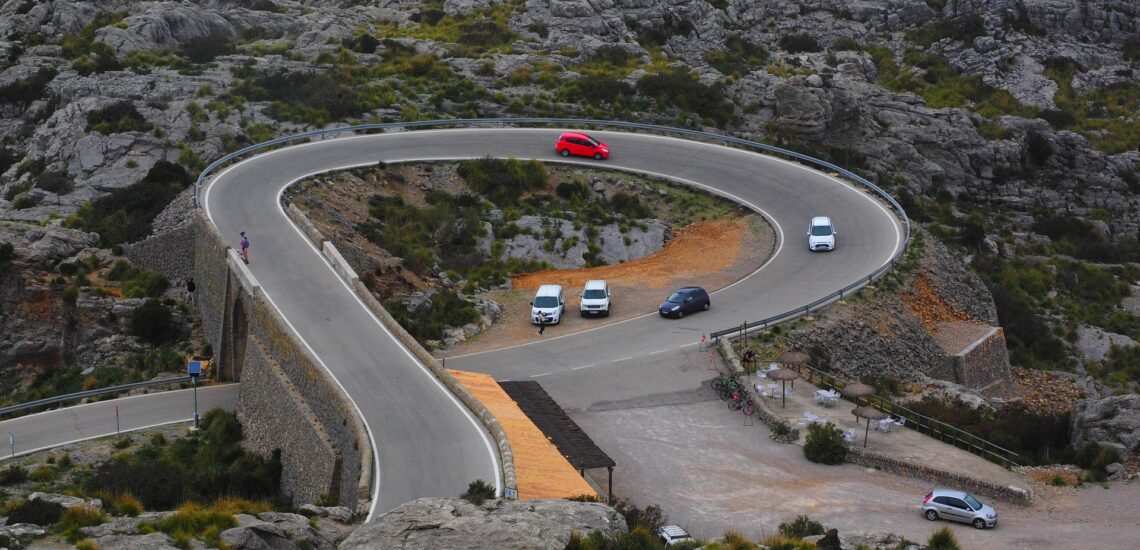

Planning a road trip in Spain as a US tourist? Driving through this vibrant country is one of the best ways to see it, but you’ll want to understand local driving laws, required documents, and road customs before you hit the highway. This guide covers everything US drivers need to know about driving in Spain, from speed limits and parking rules to the International Driving Permit (IDP) and rental car tips.
Key Driving Laws in Spain US Tourists Should Know
Spanish driving laws share some similarities with US rules but differ in important ways. Here are the essentials to keep in mind:
- Speed limits: Typically 50 km/h (31 mph) in urban areas and up to 120 km/h (75 mph) on highways.
- Road signs: Learn Spain’s road signs for prohibited actions, mandatory directions, and hazard warnings, as some differ visually from US signage.
- Right-of-way rules: Roundabouts and intersections often follow different priority rules than in the US, so drive cautiously until you’re familiar with local norms.
- Seatbelts: Mandatory for drivers and all passengers at all times.
- Minimum driving age: 18 to drive, but 21 to rent a car.
- Blood alcohol limit: A strict 0.05% limit, with severe penalties for violations.
- Cell phone use: Prohibited while driving, including screen-based navigation systems.
Beyond these core rules, a few practical details can save you time and money on the road:
- Parking near yellow lines: Prohibited, especially in residential areas, and can result in your car being towed.
- Fuel labeling: At Spanish gas stations, leaded fuel is labeled “super,” unleaded is “sin plomo,” and diesel is “gasoleo.”
- Fines: May require immediate payment, and authorities can impound your vehicle if a fine isn’t settled promptly.
- Emergencies: Dial 112, the universal emergency number across Europe. Emergency telephones are also placed along Spanish motorways roughly every mile.
How to Get an International Driving Permit (IDP) for Spain
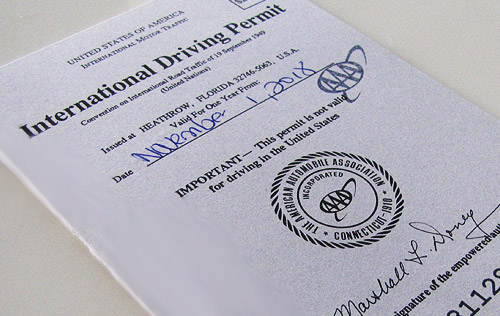
An International Driving Permit for Spain (IDP) is a key document for US tourists planning to drive there. Getting one through AAA before your trip is simple:
- Visit your local AAA office in person.
- Bring two passport-sized photos.
- Complete an IDP application.
- Present a valid US driver’s license.
- Pay the processing fee, which is generally affordable.
Already in Spain and need an IDP? You can apply online instead:
- Choose one of the online platforms offering IDP services.
- Upload a scanned copy of your valid US driver’s license.
- Provide a passport-sized photo.
- Complete the application form.
- Wait for your IDP to be shipped to your location in Spain for a nominal fee.
What to Bring When Driving in Spain
Spanish law requires drivers to carry certain items in the vehicle at all times. Missing these can result in fines, so pack the following before you set off:
- Valid driver’s license and IDP
- Reflective jackets, easily accessible for anyone walking on the road or hard shoulder
- A warning triangle (compulsory for every vehicle with four wheels or more; residents must carry two)
- Headlamp beam deflectors (stickers or manual adjustment) to adapt right-hand-drive vehicles to local roads
- Crash helmets for moped, motorcycle, trike, or quad riders (unless the vehicle has seat belts)
Note that motorcycles must keep their headlights on at all times while on the road. Following these requirements helps keep you compliant with Spanish driving laws and ensures a safer trip.
Renting a Car in Spain: What to Know Before You Book
Renting a car is a convenient way to explore Spain at your own pace. Keep these factors in mind before you book:
- Driver’s age: The minimum age for renting a car in Spain is generally 21, although some companies require drivers to be 23 or older.
- Required documents: Carry your driver’s license, passport, and a valid credit card when picking up the rental car. Some agencies also ask for your IDP, so keep it on hand.
- Insurance coverage: Review what the rental company includes, and consider additional coverage such as collision damage waivers and theft protection.
- Fuel policy: Confirm whether you need to return the car full, or if it operates on a full-to-empty policy.
- Vehicle condition: Inspect the car thoroughly before accepting it, and document any existing damage on the rental agreement to avoid disputes later.
Considering these factors ahead of time helps ensure a smooth, hassle-free rental experience.
Parking Tips and Urban Navigation in Spain
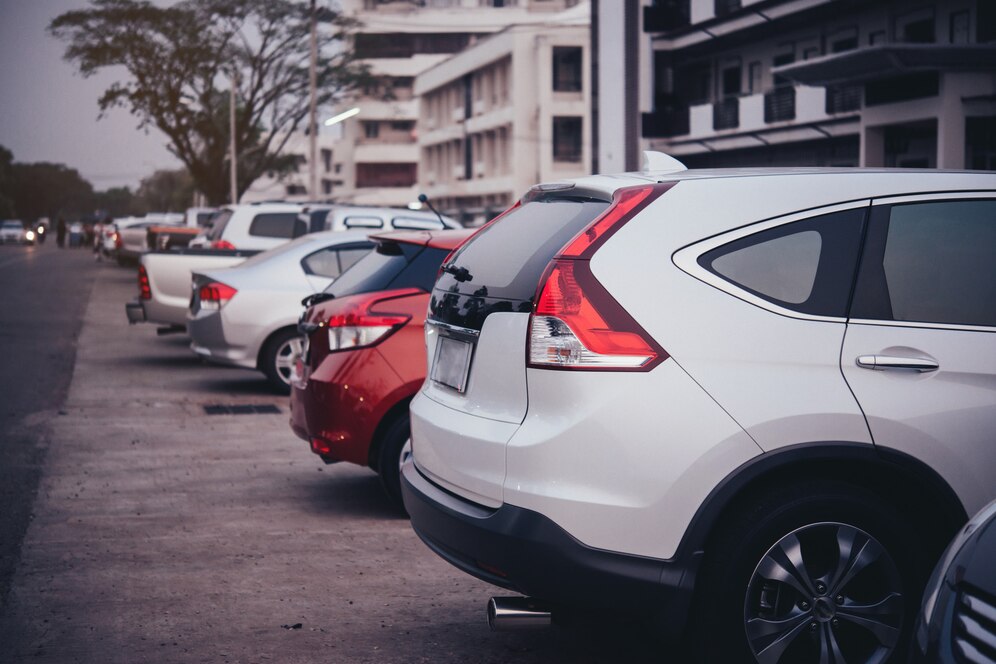
Parking options in Spain vary depending on city size. In major cities, free car parks on the outskirts offer easy access to public transportation, while paid car parks in the city center are a convenient (if pricier) alternative. On-street parking is also possible but comes with specific rules:
- Avoid parking within 16 feet (5 meters) of a bend or intersection to maintain clear visibility for other drivers and pedestrians.
- Look for blue parking zones known as “zona azul” or “zona O.R.A.” These typically allow up to two hours of parking during the day, with no restrictions between 8 p.m. and 8 a.m.
- Park on the right-hand side of the road, unless it’s a one-way street that allows parking on both sides.
- Paid parking spaces often have a two-hour limit and are marked with signs and blue or green lines. Pay at roadside meters, machines, or via mobile apps available in some cities.
Road Safety Tips for Driving in Spain
Prioritize road safety throughout your trip by keeping these habits in mind:
- Wear seatbelts at all times, for both drivers and passengers.
- Avoid distracted driving, including phone use and eating behind the wheel.
- Stay especially alert on narrow roads and in crowded urban centers.
Common Driving Hazards and Challenges in Spain
Driving in Spain is generally a delightful experience, but a few hazards are worth watching for:
- Narrow streets and winding roads, particularly in older city areas and rural regions, can challenge drivers unused to such conditions.
- Aggressive drivers are more common in larger cities like Madrid and Barcelona, where heavy traffic can heighten impatience.
- Some rural roads lack lighting, making nighttime navigation more difficult. Drive cautiously after dark in these areas.
- Pickpockets can target busy tourist areas and city centers. Keep your belongings secure and out of sight.
- Local pedestrians, especially in popular tourist destinations, may not always follow traffic rules, so stay alert for unexpected crossings.
Emergency Preparedness for Drivers in Spain
Being ready for unforeseen emergencies is an important part of any road trip. Keep these tips in mind:
- Keep emergency contact numbers accessible. The general emergency number in Spain is 112, connecting you to police, fire, and medical services.
- Carry a basic first-aid kit with bandages, antiseptic wipes, and pain relievers.
- Familiarize yourself with nearby medical facilities, including hospitals and clinics, in the areas you plan to visit.
- Stay informed about local weather conditions and potential natural disasters, especially during seasons prone to extreme weather.
- Have a plan for breakdowns or mechanical issues, including emergency supplies like water, non-perishable food, and warm clothing in case of an extended wait for assistance.
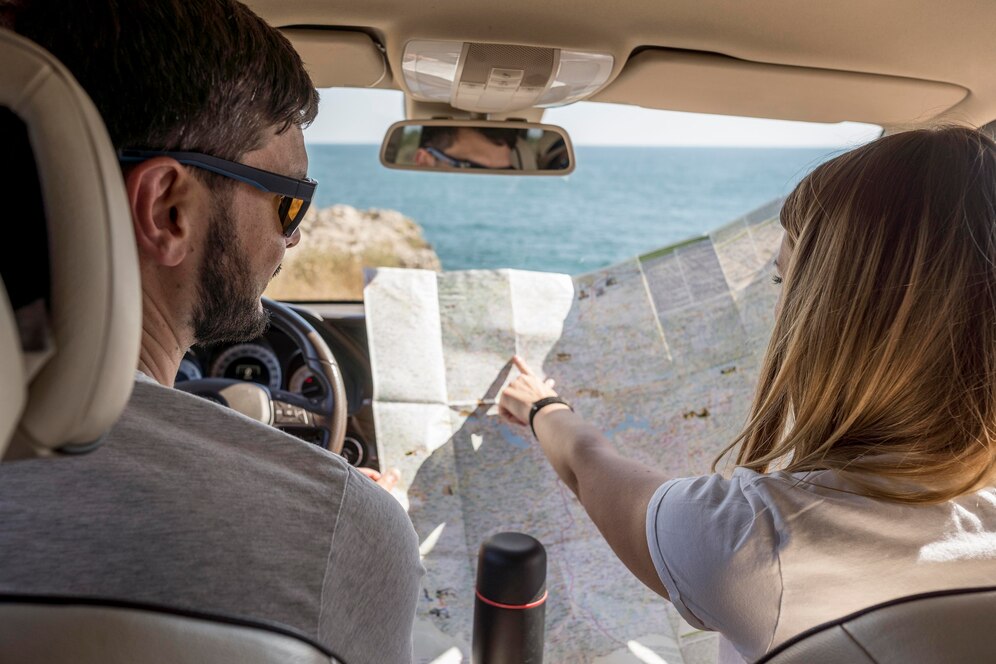
7 Breathtaking Natural Destinations in Spain for a Road Trip
No road trip guide would be complete without a few destinations worth the drive. Here are seven of Spain’s most stunning natural sites:
- Picos de Europa National Park: Discover the stunning beauty of this mountain range, featuring deep gorges, lush forests, and picturesque hiking trails.
- Teide National Park: Explore the diverse landscapes of Tenerife, including the Teide volcano, the third highest volcano in the world.
- Cabo de Gata-Níjar Natural Park: Enjoy unspoiled beaches, dramatic cliffs, and crystal-clear waters in one of Spain’s most remarkable coastal protected areas.
- Ordesa and Monte Perdido National Park: Witness impressive canyons, waterfalls, and rich flora and fauna in the Spanish Pyrenees.
- Sierra Nevada National Park: Delight in high-mountain scenery, picturesque villages, and diverse wildlife, ideal for both winter sports and summer adventures.
- Doñana National Park: Experience the extraordinary biodiversity of this wetland reserve, a crucial refuge for many endangered species.
- Timanfaya National Park: Marvel at otherworldly volcanic landscapes and unique geothermal features on the island of Lanzarote.
Country guides

Published October 28, 2023 • 7m to read