
Safe driving is one of the most important responsibilities you take on every time you get behind the wheel — regardless of your experience level or driving record. Every licensed driver should not only know the traffic rules but also understand exactly which behaviours lead to dangerous, and sometimes fatal, errors on the road. In this guide, we break down the most common driving mistakes and explain how to avoid them to keep yourself and others safe.
Using a Smartphone While Driving: The Habit That Kills
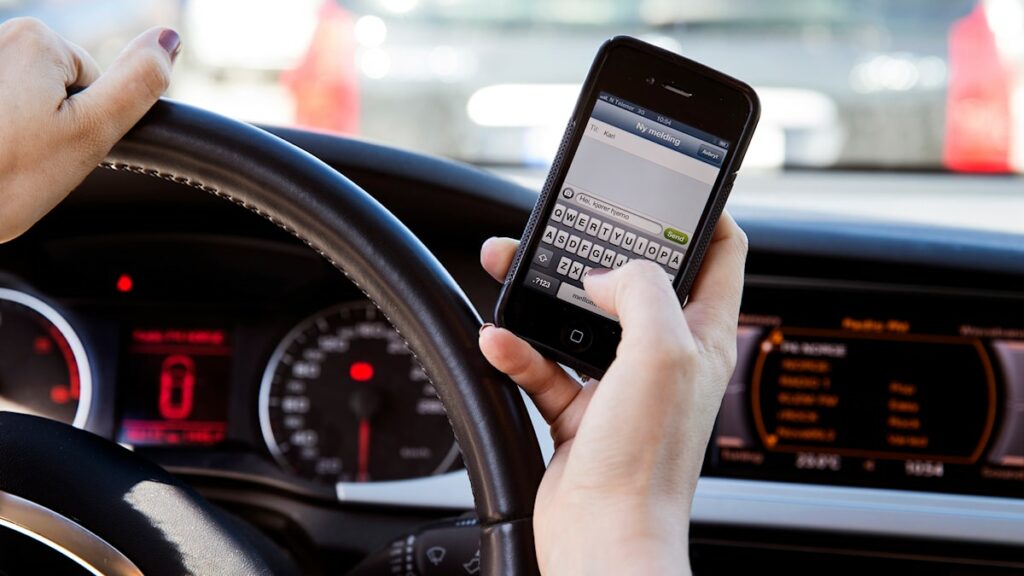
Social media, messaging apps, and constant notifications have become deeply embedded in daily life — and for many drivers, the urge to check their phone doesn’t stop when they start the engine. Whether it’s scrolling through a news feed at a red light or replying to a message at speed, distracted driving is one of the leading causes of road accidents worldwide.
In most countries, using a handheld device while driving is illegal, and fines can reach several hundred euros. Yet according to traffic police, phone use remains one of the most frequent violations after speeding. Here’s why it’s so dangerous:
- It only takes one second of distraction to cause a serious accident.
- Even at a standstill (e.g. at traffic lights), phone use delays your reaction when traffic moves.
- Live streaming, texting at speed, or scrolling at any speed dramatically reduces your situational awareness.
- No hands-free device means no legal use — there should be no foreign object in your hands while driving.
Ask yourself: is a message or social media update really more important than your safety and the safety of those around you? For responsible drivers, the answer is always clear.
Understanding Right-of-Way: The Give Way Rules Explained
Traffic doesn’t only flow on main lanes — drivers constantly merge from slip roads, acceleration lanes, and adjacent exits. Misunderstanding or ignoring right-of-way rules at these points is not just bad driving etiquette; it’s a genuine traffic violation.
When a driver is in an acceleration lane, the “priority to the right” principle applies. This means drivers on the main motorway lane have a legal duty to give way — not simply a courtesy. Key points to remember:
- Blocking lane changes by flashing your lights or tailgating is a traffic violation, not just rudeness.
- Drivers merging from an acceleration lane are full participants in traffic and cannot act differently.
- Refusing to yield can directly cause collisions and road rage incidents.
- Mutual respect on the road is the foundation of safe, conflict-free driving.
Understanding and applying right-of-way rules consistently reduces the risk of emergency situations and helps traffic flow more smoothly for everyone.
Road Markings: Useful Guidance — But Not the Whole Picture
Dashed road markings can tempt drivers to overtake — but markings alone don’t tell you whether it’s truly safe to do so. On hilly terrain, winding roads, or stretches with frequent pedestrian crossings, the situation ahead may be very different from what the marking suggests.
Overtaking is prohibited in the following situations, regardless of road markings:
- Within 100 metres of a railway crossing
- Before or at pedestrian crossings (zebra crossings)
- In poor visibility conditions (fog, heavy rain, dusk)
- At the top of hills or blind crests
Always factor in the full picture: terrain, weather, road layout, pedestrian crossings, and traffic camera placements. Road markings are one piece of information — not a green light to overtake without thinking. The consequences of getting it wrong can include heavy fines, losing your licence, or far worse.
Cornering Safely: How to Avoid Skidding on Bends
Taking corners at excessive speed is a mistake that even experienced drivers make. Unlike professional racing drivers, everyday motorists need to prioritise stability and control over speed. Incorrect technique through a bend puts strain on your car and significantly increases the risk of skidding.
The correct approach to cornering is straightforward:
- Reduce speed before entering the bend — not during it.
- Accelerate gently after passing the apex (the tightest point of the curve).
- Avoid braking mid-corner — this destabilises the suspension and increases skid risk.
- Never enter a corner at full speed — even if the road looks clear.
A common mistake is entering a corner too fast and then braking hard at the apex. This approach stresses the ball bearings, upsets the car’s balance, and makes skidding far more likely. Smooth, early deceleration followed by gradual acceleration out of the bend is always the safer technique.
Keeping Your Distance: The Golden Rule of Safe Driving
Maintaining a safe following distance is one of the most fundamental — and most frequently ignored — rules of the road. Nearly one in five road accidents involving collisions, rear-end shunts, or encounters with stationary vehicles are caused by drivers following too closely.
Here’s what every driver should know about safe stopping distances:
- Three-second rule: Pick a fixed point ahead and ensure at least three seconds pass between the car in front passing it and you reaching it.
- Speed-based formula: In urban areas, a simple guide is to keep a distance in metres equal to half your speed in km/h — e.g. at 60 km/h, maintain at least 30 metres.
- Minimum distance: Three metres is the absolute minimum under perfect conditions — in practice, you should always aim for more.
- Adverse weather: In rain, fog, ice, or snow, increase your following distance by two to three times.
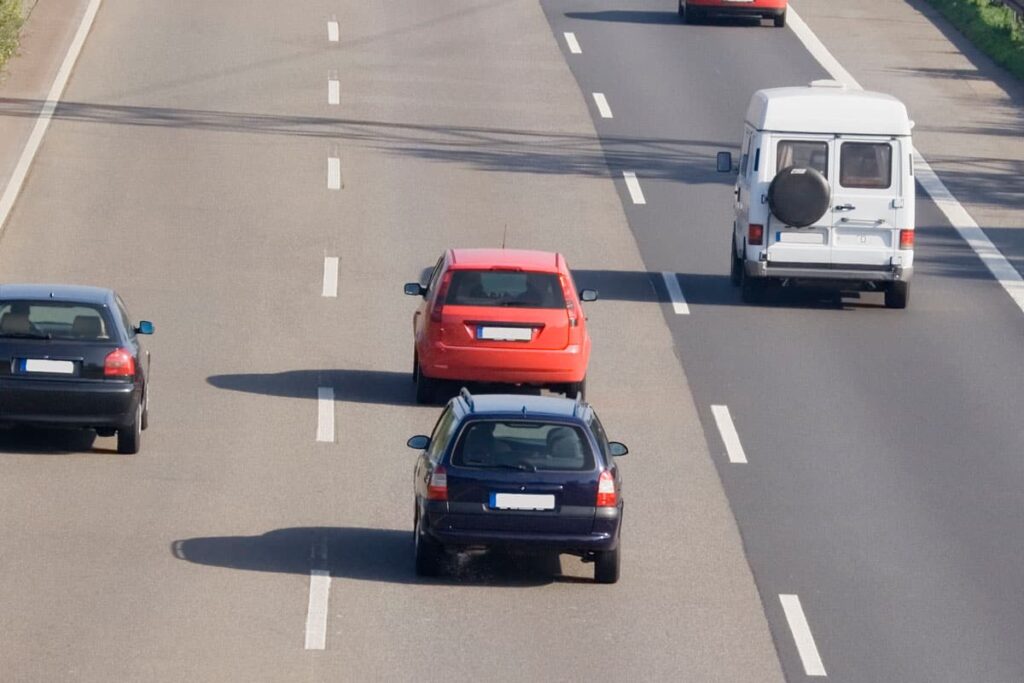
Traffic regulations don’t specify an exact distance — because the right distance depends entirely on your speed, road conditions, and reaction time. The driver is responsible for judging what’s appropriate in each situation. What’s clear is this: proper distancing gives you the reaction time to respond to sudden braking, unexpected obstacles, or a vehicle merging in front of you.
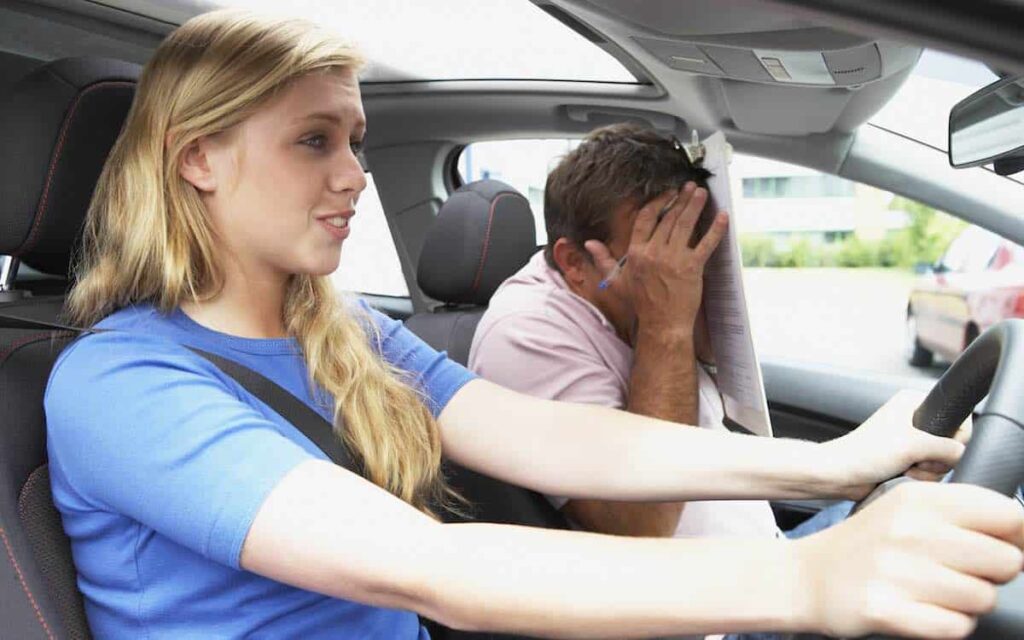
Drive Safely — and Make Sure Your Documents Are in Order
Avoiding these common mistakes makes you a safer, more confident driver — and keeps everyone around you safer too. Before setting off on your next journey, make sure you have the right documents with you, including an international driver’s licence if you’re travelling abroad. You can apply quickly and easily on our website — it takes just a few minutes.

Published February 04, 2021 • 5m to read